Solid Waste Management Rules 2026: What Changes for Business in India
The Solid Waste Management Rules 2026 take effect on April 1 — replacing a decade-old framework with stricter segregation mandates, digital tracking, and the polluter-pays principle. Here is what organisations need to know, what experts are saying, and where the implementation gaps remain.
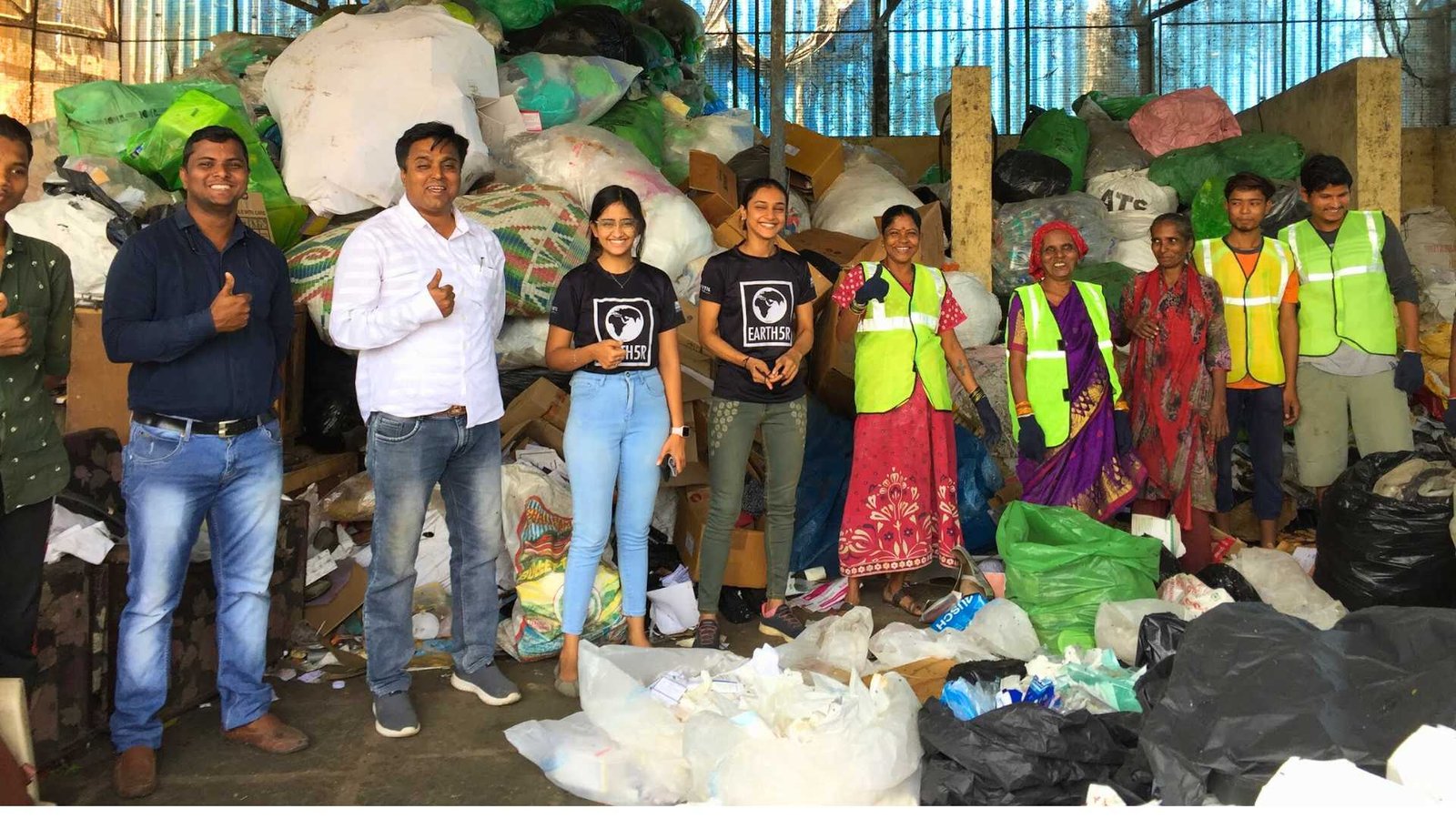
01 India's Waste Crisis: Why the Solid Waste Management Rules 2026 Were Inevitable
The Solid Waste Management Rules 2026 confront a crisis that has been building for decades. India generates approximately 1.85 lakh tonnes of solid waste every single day. According to the Central Pollution Control Board's 2023–24 data, the country's annual output of 62 million tonnes is projected to climb to 165 million tonnes by 2030 — driven by rapid urbanisation, changing consumption patterns, and economic growth. Yet only about two-thirds of this waste is collected, and less than a third is processed before disposal.
The consequences extend far beyond overflowing landfills. More than 30,000 tonnes of municipal solid waste goes unprocessed daily, ending up in dumpsites that contaminate groundwater, generate toxic leachate, and emit methane — a greenhouse gas with 80 times the warming potential of carbon dioxide over a 20-year horizon. Recurring landfill fires in cities such as Delhi's Ghazipur and Mumbai's Deonar have become symbols of a system under severe strain, posing direct threats to public health and urban livability.
The economic cost is equally substantial. India's waste management market, valued at approximately USD 13.51 billion in 2025, is projected to reach USD 17.91 billion by 2030, growing at a compound annual growth rate of 5.8 per cent. Municipal solid waste alone accounts for a USD 7.85 billion sub-market. Yet chronic municipal under-funding and household segregation rates stuck below 25 per cent continue to undermine processing efficiency across the value chain.
This crisis is not new, but its scale has overwhelmed the regulatory apparatus that was designed to contain it. The Solid Waste Management Rules 2016, while progressive for their time, suffered from persistent implementation gaps. Segregation remained inconsistent, user fees remained politically sensitive, and accountability was spread thin across institutions. It is against this backdrop that the Government of India notified a complete overhaul: the SWM Rules 2026.
02 What the SWM Rules 2026 Actually Mandate
Notified by the Ministry of Environment, Forest and Climate Change on January 28, 2026, the Solid Waste Management Rules 2026 supersede the 2016 framework and come into force on April 1, 2026. They represent a fundamental shift from waste disposal to resource recovery — reframing solid waste management as a shared legal responsibility rather than primarily a municipal service.
The new rules introduce several structural changes that affect every waste generator — from individual households to large commercial establishments. The most significant departure from the previous regime is the mandatory four-stream segregation system, which requires waste to be separated at source into wet waste, dry waste, sanitary waste, and special care waste. This replaces the loosely enforced two-stream model of the 2016 rules.
The scope of coverage has expanded dramatically. The rules now apply not only to Urban Local Bodies but also to rural local bodies, industrial areas, Special Economic Zones, airports, ports, railways, defence establishments, religious sites, PPP projects, and all landowners — public or private — who generate solid waste. The exclusions are limited to industrial waste, hazardous waste, e-waste, battery waste, and biomedical waste, which fall under separate regulatory frameworks.
A centralised online portal managed by CPCB will track waste generation, collection, transportation, processing, and disposal across the country, replacing multi-step physical reporting with digital monitoring and audit trails. This portal will also serve as the platform for registration of all obligated entities, filing of annual returns, and issuance of compliance certificates.
| Feature | SWM Rules 2016 | SWM Rules 2026 |
|---|---|---|
| Segregation Streams | 2 (wet/dry — loosely enforced) | 4 (wet, dry, sanitary, special care) |
| Scope of Coverage | Urban Local Bodies | Urban + Rural + SEZs, airports, railways, defence, religious sites |
| Bulk Waste Generator Threshold | 100+ kg/day (loosely defined) | 20,000 sq.m. OR 40,000 L water/day OR 100 kg waste/day |
| Producer Responsibility | Limited | EBWGR — Extended Bulk Waste Generator Responsibility |
| Monitoring | Physical reporting | Centralised digital portal with quarterly/annual returns |
| Penalties | Bye-law fines (rarely enforced) | Environmental compensation + prosecution under EP Act 1986 |
| Landfill Use | Permitted with conditions | Last resort — only non-recyclable, non-energy-recoverable inert waste |
| Legacy Dumpsites | Remediation encouraged | Mandatory mapping by Oct 2026, time-bound bio-mining |
| Carbon Credits | Not addressed | ULBs encouraged to generate carbon credits from waste management |
03 Extended Bulk Waste Generator Responsibility: The Compliance Engine
Perhaps the most consequential innovation of the 2026 rules is the introduction of Extended Bulk Waste Generator Responsibility, or EBWGR — a framework that makes large waste generators legally accountable for the complete lifecycle of the solid waste they produce. This mirrors the Extended Producer Responsibility model already applied to plastic waste management and e-waste, but applies it to the generators of municipal solid waste.
Under EBWGR, bulk waste generators — defined as entities with floor area of 20,000 square metres or more, water consumption exceeding 40,000 litres per day, or solid waste generation of 100 kg or more daily — must either process wet waste on-site through composting or bio-methanation, or procure EBWGR certificates from their local body. This category encompasses malls, IT parks, hotels, hospitals, universities, residential societies, stadiums, wholesale markets, railway stations, and government campuses.
Bulk waste generators account for approximately 30 per cent of total solid waste generation in urban India. By shifting accountability directly to these entities, the rules create a compliance-driven demand signal for waste processing infrastructure, waste audit services, and technology-enabled monitoring systems. Organisations must register on the centralised online portal, file annual returns by June 30 each year, and maintain records of waste quantities segregated, processed, and transferred to registered facilities.
Importantly, the rules also mandate that bulk waste generators cannot engage with any entity that does not hold the required registration — effectively creating a closed compliance loop where every actor in the waste chain must be formally recognised and accountable. EBWGR certificates are valid for three years from the year of issuance.
04 Solid Waste Management Rules 2026: Enforcement, Penalties, and the Supreme Court's Directive
The SWM Rules 2026 operationalise the Polluter Pays Principle through a structured environmental compensation framework. But the real enforcement muscle comes from the Supreme Court of India, which in February 2026 issued pan-India directions for strict and uniform implementation — declaring that non-compliance will no longer be treated as mere administrative lapses.
The environmental compensation provisions cover four categories of violations: operating without mandatory registration; providing false information or deliberately concealing facts; submitting forged or tampered documents; and failure to properly manage solid waste during collection, treatment, and processing. The CPCB's implementation committee will prepare guidelines for calculating and collecting compensation, while State Pollution Control Boards will levy the penalties.
The Supreme Court's intervention has added significant weight. In its February 19, 2026 order, the bench designated councillors, mayors, corporators, and ward members as lead facilitators for citizen education on source segregation — making them statutorily responsible for enrolling every household within their wards. District Collectors have been empowered to oversee municipal waste management execution. The court also directed that summaries of the 2026 rules be translated into local languages across all states and union territories.
The three-tier enforcement framework begins with immediate fines for initial violations, escalates to continued penalties for persistent non-compliance, and culminates in criminal prosecution under the Environment (Protection) Act, 1986. For organisations, this means waste management non-compliance is no longer a matter of civic duty — it is a legal and financial liability with real consequences.

05 What Experts and Analysts Are Saying
The SWM Rules 2026 have received a broadly positive, but cautious, reception from environmental analysts, legal commentators, and industry observers. The consensus is that the rules represent a clear improvement over the 2016 framework — with sharper definitions, stronger accountability mechanisms, and better digital infrastructure. The question that divides expert opinion is whether India's institutional capacity can match the regulatory ambition.
Down To Earth's analysis frames the rules as a direct response to a decade of implementation frustration, noting that the new framework is intended to reframe waste management as a shared legal responsibility rather than a municipal service alone. However, the same analysis warns that the rules assume a level of coordination between ULBs, pollution control boards, multiple categories of waste generators, and private operators that India's waste governance system has historically struggled to sustain. If enforcement capacity, staffing, and data systems are not strengthened in parallel, compliance may remain selective.
ABC Live's critical assessment highlights a deeper structural concern: the rules improve segregation logic and tighten bulk generator duties, but still fail to address city capacity limits, the climate dimension of waste management, and the unclear legal position of informal waste workers who support India's recycling ecosystem. Analysts from this perspective argue that without methane control mandates, fair transition policies for informal workers, and access to green finance, the 2026 rules risk remaining a sanitation reform rather than achieving the ecological transformation the country needs.
The ReCircle assessment is more optimistic, describing the rules as a paradigm shift that integrates circular economy and EPR principles with a focus on efficient waste segregation and accountability. The introduction of EBWGR, in particular, is noted as a transformative mechanism that could create genuine market demand for waste processing services.
From the legal and governance perspective, the Supreme Court's pan-India directive has been widely interpreted as an acknowledgement that regulatory ambition alone is insufficient — institutional readiness, citizen awareness, and enforcement infrastructure must advance in parallel. The court's designation of elected representatives as statutory facilitators for waste compliance represents an unusual and potentially powerful accountability mechanism.
06 The Market Opportunity: From Compliance Cost to Growth Engine
India's waste management market is not just a compliance burden — it is one of the fastest-growing environmental services markets globally. The new rules are expected to accelerate investment across the value chain, from segregation infrastructure and material recovery facilities to waste-to-energy plants and digital monitoring systems.
Multiple market research estimates converge on a sector worth between USD 13–16 billion in 2025, projected to reach USD 18–30 billion by 2030 depending on scope and methodology. The municipal solid waste sub-segment alone — at USD 7.85 billion — is growing at nearly 6 per cent annually. The recycling and resource recovery service line is advancing even faster, at an estimated 8.5 per cent CAGR, driven by EPR mandates and rising demand for post-consumer recycled materials.
The SWM Rules 2026 introduce specific demand drivers. The Refuse Derived Fuel mandate requires industrial units using solid fuel to progressively substitute their fossil fuel consumption with RDF — from 5 per cent at the outset to 15 per cent within six years. This creates a guaranteed offtake market for non-recyclable waste with calorific value above 1,500 kcal/kg. Cement kilns within 400 km of waste processing facilities are specifically targeted for co-processing obligations.
For technology providers, the centralised digital portal requirement creates opportunities in waste tracking software, IoT-enabled monitoring, AI-powered route optimisation, and data analytics. Pilot cities deploying AI-enabled fill-level sensors have already reported 20 per cent fewer overfilled bins and 15 per cent lower fleet kilometres, directly reducing operational costs. The convergence of environmental regulation and digital technology is creating an entirely new category of waste-tech solutions.
07 Solid Waste Management Rules 2026: Where Rules Meet Reality
The history of waste regulation in India is, fundamentally, a history of rules that outpace institutions. The SWM Rules 2016 were considered progressive, but a decade later, segregation at source remains inconsistent in most cities, user fees remain politically difficult, and over 31 million tonnes of waste reaches dumpsites annually without treatment. The 2026 rules must contend with this legacy.
Several structural challenges persist. First, Urban Local Bodies — which bear the primary operational responsibility — continue to operate with constrained budgets, limited technical staff, and inadequate processing infrastructure. The gap between waste generated and waste scientifically processed remains wide, with only about 28 per cent of collected waste undergoing any form of treatment before disposal. Building the processing capacity to match the 2026 rules' ambitions requires sustained capital investment and technical capacity building.
Second, the informal waste sector — comprising an estimated 1.5 to 4 million waste pickers across India — handles a significant portion of the country's recycling. These workers recover an estimated 15–20 per cent of municipal waste, yet their legal status under the new rules remains ambiguous. The 2026 framework mentions informal waste collectors in definitions but does not establish clear rights, integration pathways, or social protection mechanisms. As the formalisation of waste systems accelerates, ensuring a just transition for these workers is both a social equity imperative and a practical necessity for maintaining recycling rates.
Third, the waste-to-energy provisions, while more disciplined than before, remain contested. The rules reinforce the waste hierarchy and limit incineration to high-calorific non-recyclable fractions, but the economic viability of WtE plants in India — where waste has lower calorific value and higher moisture content than in developed countries — continues to be debated. Several WtE projects have faced operational challenges and public opposition.
Fourth, the climate dimension is insufficiently addressed. While the rules encourage ULBs to generate carbon credits, there are no explicit methane reduction targets, no mandatory greenhouse gas monitoring at landfills or processing facilities, and no integration with India's national climate commitments. Given that the waste sector contributes approximately 5 per cent of India's total greenhouse gas emissions, this represents a missed opportunity for climate-aligned waste governance.
08 Compliance Under Solid Waste Management Rules 2026: What Organisations Need
For businesses, institutions, and residential complexes classified as bulk waste generators, the compliance requirements of the SWM Rules 2026 are specific, time-bound, and digitally tracked. Meeting these obligations requires a combination of infrastructure changes, process redesign, and ongoing data management.
- Waste audit and baseline assessment: Every bulk waste generator needs an accurate understanding of what waste it produces, in what quantities, and through which processes. This means conducting detailed waste composition analyses that map generation patterns across wet, dry, sanitary, and special care streams. Without this baseline, neither segregation infrastructure nor EBWGR certificate procurement can be optimally planned. A rigorous waste audit — conducted by qualified sustainability professionals — is the essential first step.
- Four-stream segregation infrastructure: On-ground implementation requires colour-coded bins at every point of generation, clear signage in local languages, trained housekeeping and maintenance teams, and a collection protocol that maintains stream purity from source to handover. The rules are explicit that waste streams must not be mixed during collection or transportation — any re-mixing negates the regulatory purpose and exposes the generator to penalties.
- On-site wet waste processing or EBWGR certification: New bulk waste generators must establish on-site composting or bio-methanation facilities with adequate capacity for their complete wet waste output. Existing generators unable to set up processing facilities must obtain exemptions from local bodies and procure EBWGR certificates equivalent to their total wet waste generation. The certificate procurement process runs through the centralised online portal, requiring data on waste quantities, processing facility registration details, and verified processing records.
- Digital registration and reporting: All bulk waste generators must register through the centralised online portal developed by CPCB. Annual returns must be filed by June 30 each year, detailing waste generated, segregated, processed, and transferred — including the identity and registration status of every entity in the waste handling chain. For large organisations, this means integrating waste tracking into existing EHS and ESG reporting systems.
- Engagement only with registered entities: The rules prohibit bulk waste generators from transacting with unregistered waste handlers, processors, or recyclers. This means procurement and vendor management teams must verify the registration status of every waste-related service provider — from collection contractors to MRF operators to landfill managers. Non-compliance by a vendor becomes a compliance risk for the generator.
09 The Role of Technology in SWM 2026 Compliance
The 2026 rules place digital infrastructure at the centre of waste governance for the first time. The centralised online portal is not merely a reporting tool — it is designed to serve as the single-point data repository for registration, compliance tracking, audit reporting, and enforcement actions. This creates both a requirement and an opportunity for technology-enabled waste management.
Organisations that invest in digital waste management systems will find compliance significantly easier. Real-time waste tracking through IoT sensors and GPS-enabled collection vehicles can automate much of the data generation required for quarterly and annual returns. AI-powered waste composition analysis can improve segregation quality and optimise processing pathways. Dashboard-based monitoring allows facility managers to track compliance metrics in real time and generate audit-ready reports on demand.
The rules also incentivise decentralised processing — composting and bio-methanation at or near the point of generation. Technology solutions that make decentralised processing economically viable — compact composting machines, modular biogas units, containerised MRFs — will see growing demand as bulk waste generators seek to minimise transportation costs and maximise on-site processing rates.
For cities, the monitoring requirements of the 2026 rules — including mandatory surveillance equipment on collection fleets in cities above 50,000 population — create demand for fleet management systems, route optimisation software, and integrated waste management platforms.
10 How Earth5R Enables Solid Waste Management Rules 2026 Implementation at Scale
The gap between regulatory intent and field execution is where most waste management frameworks fail. Earth5R operates precisely in this space — providing the data infrastructure, field deployment capability, and technology layer that organisations need to translate compliance requirements into measurable, verified outcomes.
Earth5R's operational architecture is built across four integrated layers that align directly with the demands of the SWM Rules 2026:
- Field-verified data collection at scale: Earth5R operates one of India's largest citizen science and field operations networks, with over 2.4 billion proprietary data points collected across waste audits, water quality readings, air monitoring, and circular economy tracking. For SWM 2026 compliance, this translates into granular, geo-tagged waste composition data — the kind of verified baseline that bulk waste generators need for accurate EBWGR certificate procurement, regulatory reporting, and audit readiness. Every data point is collected on the ground, verified in the field, and built for regulatory scrutiny.
- Waste audit and segregation consulting: Earth5R's CSR and ESG consulting practice delivers end-to-end waste management assessments for commercial, institutional, and residential clients. This includes waste generation profiling, segregation system design, four-stream implementation support, vendor compliance verification, and CPCB portal registration assistance. The consulting model is designed for organisations that need to move from zero to compliance within defined timelines — precisely the challenge posed by the April 2026 deadline.
- Decentralised processing and community deployment: Earth5R's field operations model is inherently decentralised, operating through trained local teams across urban and rural geographies. This capability maps directly to the SWM 2026 emphasis on processing waste at or near the point of generation. Whether deploying community composting systems, organising ward-level plastic waste recovery programmes, or establishing source segregation protocols in residential societies, Earth5R's operations deliver outcomes where top-down mandates often stall — at the community level.
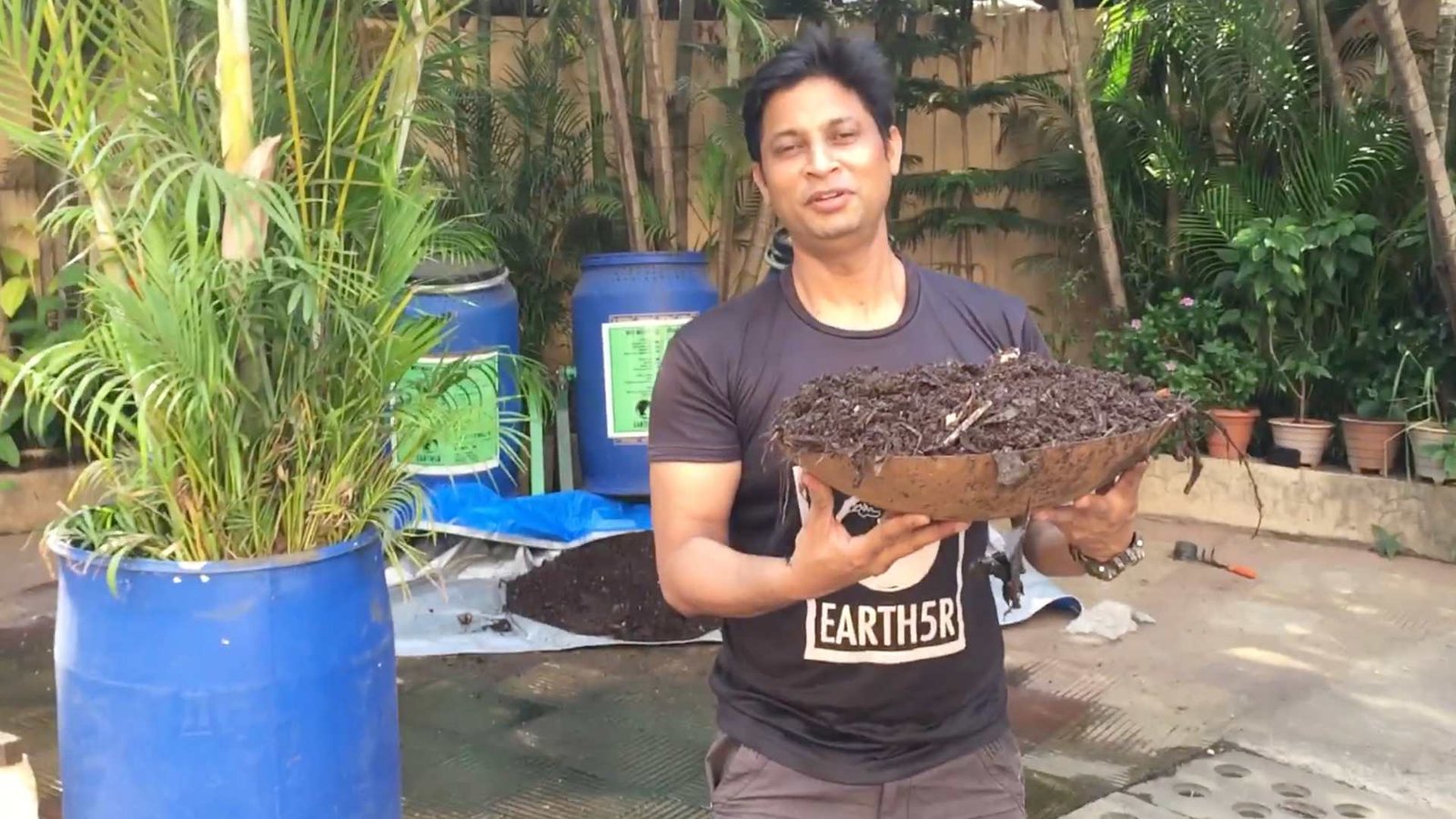
- Technology-enabled monitoring and ESG integration: Earth5R's sustainability technology platform provides the digital backbone for waste tracking, compliance reporting, and ESG data management. For organisations managing EBWGR obligations across multiple sites, the platform enables centralised monitoring of waste streams, processing rates, and compliance status — integrating directly into ESG disclosure frameworks such as GRI, BRSR, and CDP. This is the kind of commercially auditable sustainability dataset that enterprises and consulting firms require for regulatory and investor reporting.
- Partnership models for corporates and consulting firms: Earth5R operates across multiple engagement models — from direct CSR programme management to white-label implementation partnerships with consulting firms. For corporates facing SWM 2026 compliance deadlines, Earth5R provides turnkey waste management programme design, deployment, and verification. For consulting firms, Earth5R functions as the field execution layer that translates advisory recommendations into documented, measurable impact. The data monetisation and SaaS architecture allows partners to access Earth5R's field intelligence and verification capabilities as a service.
Enterprises, municipalities, and consulting firms seeking implementation support for SWM Rules 2026 compliance can engage with Earth5R through programme partnerships, ESG consulting mandates, or technology licensing. Earth5R's infrastructure has been recognised by UNESCO and awarded by Google for scalable environmental impact.
11 The Transition Path Forward
The SWM Rules 2026 set a clear destination, but reaching it requires coordinated action across five pillars — policy, technology, partnerships, field execution, and institutional capacity. Here is the step-by-step roadmap for organisations and stakeholders navigating this transition.
Policy: Engage with the Compliance Calendar
Rules take effect April 1, 2026. Bulk waste generator registration must be completed immediately. Annual returns are due by June 30 each year. Legacy dumpsite mapping is required by October 31, 2026. Organisations should map every compliance deadline against their operational calendar and assign accountability for each milestone.
Technology: Deploy Digital Waste Tracking
The centralised online portal is the regulatory backbone. Organisations should implement waste management software that can integrate with CPCB portal requirements, generate automated quarterly and annual reports, and provide real-time compliance dashboards. Invest in IoT-enabled monitoring for collection, segregation quality, and processing efficiency.
Partnerships: Build Verified Vendor Ecosystems
The rules prohibit engagement with unregistered entities. Organisations must audit their entire waste management supply chain — verifying registration, processing capacity, and compliance status of every contractor, MRF, recycler, and disposal facility. Partnering with organisations like Earth5R that operate across the full value chain reduces vendor risk and simplifies compliance management.
Field Execution: Invest in Ground-Level Capacity
Regulations succeed or fail at the community level. Segregation training for residents, staff, and housekeeping teams is essential. On-site composting and bio-methanation facilities require operational maintenance and quality monitoring. For organisations with distributed operations — hotel chains, retail networks, campuses — the field deployment challenge multiplies, requiring partners with the geographic reach and operational discipline to deliver consistent outcomes.
Institutional Capacity: Close the Governance Gap
For municipalities and state agencies, the transition demands investment in trained staff, processing infrastructure, and enforcement capability. The Supreme Court's directive to include waste management in school curricula signals a long-term institutional approach. Organisations can contribute through sustainability training programmes, capacity building partnerships with ULBs, and co-investment in community-level waste processing infrastructure.
12 Solid Waste Management Rules 2026: Frequently Asked Questions
Prepare for SWM 2026 Compliance
Earth5R delivers waste audit, segregation system design, EBWGR certification support, and technology-enabled monitoring for enterprises, municipalities, and consulting firms.
Explore ESG Solutions →Sources and References
- Ministry of Environment, Forest and Climate Change — Solid Waste Management Rules 2026, Gazette Notification, January 28, 2026
- Press Information Bureau — New Solid Waste Management Rules Notified
- Central Pollution Control Board — Annual Report on Solid Waste Management 2023–24
- Down To Earth — India's New SWM Rules: Greater Discipline, Familiar Fault Lines
- ABC Live — Critical Analysis of Solid Waste Management Rules 2026
- ReCircle — A Comprehensive Guide to India's New SWM Rules
- Supreme Court of India — Order dated February 19, 2026, on SWM Rules enforcement
- Mordor Intelligence — India Waste Management Market (2025–2030)
- IMARC Group — India Solid Waste Management Market Forecast 2025–2033
- The Energy and Resources Institute (TERI) — India Waste Generation Statistics
- U.S. International Trade Administration — India Solid Waste Management Market Overview
- Environment (Protection) Act, 1986 — Legislative Framework