
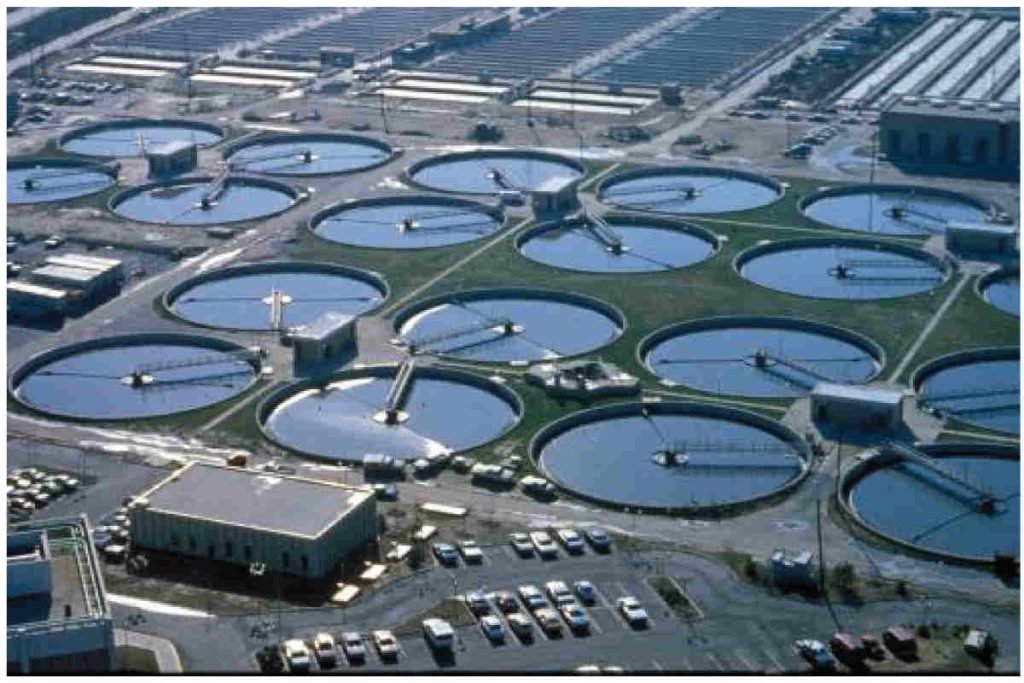
Wastewater is one of the most misunderstood components of urban infrastructure. Cities invest heavily in water supply, transport, and housing, but largely ignore what happens after water is used.
Environmental organisation Earth5R highlights that this neglect is driven by persistent myths that shape urban policy and public spending.
According toUN-Water, more than 80 percent of wastewater worldwide is released into the environment without adequate treatment.This untreated wastewater contaminates rivers, groundwater, and coastal ecosystems.It also increases disease risk and economic losses.
The World Bank explains that poor wastewater management quietly undermines economic growth through health costs, environmental damage, and productivity loss.These impacts accumulate over time and weaken city finances.
In rapidly urbanising countries, wastewater volumes are increasing faster than treatment capacity.Urban water consumption is rising.Yet wastewater planning remains underfunded and politically invisible.
Earth5R works at the community level to change this mindset. Its programs connect wastewater management with health, productivity, and sustainability.This article examines eight common myths that are costing cities billions and explains why busting them is critical for long-term urban resilience.
Myth 1: Wastewater Is a Burden That Cities Must Dispose Of
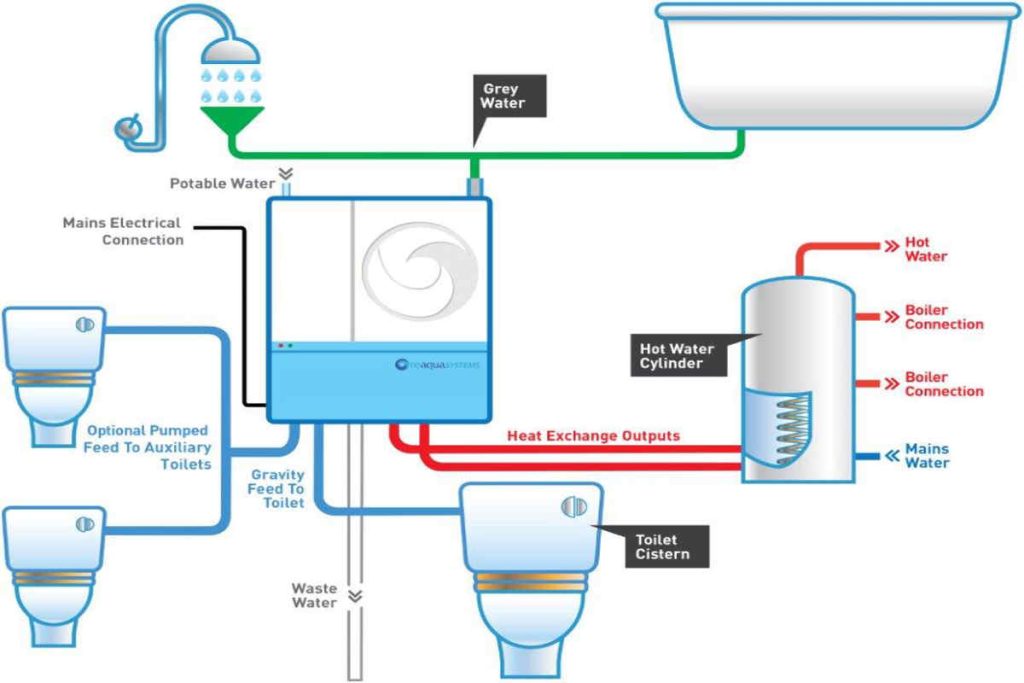
The most damaging myth is the belief that wastewater has no value. Under this view, wastewater is treated as a liability to be removed cheaply.This mindset drives underinvestment and weak system design.
The World Bank clearly states that wastewater contains recoverable water, energy, and nutrients.When properly managed, it can support water reuse, biogas generation, and nutrient recovery.
When cities ignore this value, costs increase across sectors.Freshwater extraction rises.
Energy demand increases.Fertiliser dependence grows.Environmental degradation accelerates.
UNESCO highlights that wastewater reuse is essential in water-stressed regions.Failing to reuse treated wastewater increases pressure on groundwater and surface water sources.
This raises infrastructure and pumping costs. The disposal mindset also damages river systems. Untreated wastewater turns rivers into open sewers. Biodiversity declines.Drinking water sources become contaminated.
Earth5R’s river cleanup initiatives reveal the visible outcome of this myth.Solid waste and sewage accumulate where wastewater is poorly managed.Cleaning rivers becomes far more expensive than preventing pollution upstream.
Treating wastewater as a resource changes urban economics.Reuse reduces freshwater demand. Energy recovery lowers operating costs.Nutrient recovery supports circular agriculture.Cities that fail to make this shift continue to lose billions in hidden costs.
Myth 2: Wastewater Treatment Is Too Expensive for Cities
A widely held belief is that wastewater treatment is unaffordable.This myth leads cities to delay or minimise investment.The long-term economic consequences are far more costly.
The World Health Organization shows that investment in sanitation and wastewater treatment delivers strong economic returns through reduced disease and improved productivity.Healthier populations require less medical spending and lose fewer workdays.
When wastewater is untreated, disease spreads silently.Diarrhoeal diseases, hepatitis, and intestinal infections increase.These illnesses affect working-age populations and reduce labour participation.
The World Bank reports that poor water quality can significantly reduce economic growth in affected regions due to health costs and productivity losses.
There are also infrastructure costs.Untreated wastewater corrodes pipelines.It contaminates groundwater that cities later spend heavily to clean or replace.
Peer-reviewed research shows that decentralised wastewater treatment systems can reduce costs by treating water closer to the source and lowering energy requirements.These systems are often more resilient and adaptable in growing cities.
Earth5R demonstrates that community-level and decentralised wastewater solutions reduce long-term expenditure while improving system performance.The real financial question is not whether cities can afford wastewater treatment.It is whether they can afford the cost of continued neglect.
Why These Myths Persist

Despite strong global evidence, these myths continue to influence decision-making.One reason is invisibility.Wastewater infrastructure is underground and politically unattractive.
Another reason is fragmented governance.Water supply, sanitation, health, and environment are handled by separate agencies.No single authority accounts for the total economic impact.
Public awareness is also limited.Citizens rarely link wastewater with health, rivers, or productivity.This allows underinvestment to continue.Earth5R addresses this gap through community education and participation.When people understand how wastewater affects daily life, public demand for better systems increases.
The Cost of Delay
Delaying wastewater investment compounds losses over time.Pollution accumulates.Groundwater becomes unusable.Rivers require expensive restoration. Cities then spend more on emergency responses than preventive treatment.This reactive approach drains budgets and limits future options.
By the time wastewater failure becomes visible, economic damage is already embedded.
This is how wastewater myths quietly cost cities billions.
Myth 3: Centralised Treatment Plants Are the Only Viable Solution
Many cities assume that large centralised sewage treatment plants are the only way to manage wastewater.This belief dominates urban master plans and budget allocations.
As a result, cities invest heavily in long sewer networks and large facilities.
Centralised systems require extensive pipelines, pumping stations, and uninterrupted power supply.These systems are expensive to build and costly to maintain.When they fail, entire neighbourhoods are affected at once.
Peer-reviewed research published in the Journal of Environmental Management shows that decentralised wastewater treatment systems can be more resilient and cost-effective, especially in fast-growing urban areas.Decentralised systems treat wastewater closer to where it is generated, reducing energy use and infrastructure length.
A more recent peer-reviewed article published in Nature Water explains that decentralised systems improve system reliability and adaptability under climate stress.These systems are less vulnerable to single-point failure.
Centralised plants also struggle with urban sprawl.As cities expand, new areas remain unconnected to sewer networks for years.This leads to untreated wastewater entering drains, lakes, and rivers.The economic impact is significant.Cities spend large sums on extending sewer lines while neglecting treatment quality.Maintenance backlogs grow.Operational efficiency declines.
UN-Water highlights that decentralised wastewater management plays a critical role in achieving sustainable sanitation coverage, especially in low- and middle-income countries.
Earth5R supports decentralised and hybrid wastewater models that reduce financial risk and increase service coverage.By combining local treatment with community participation, cities can manage wastewater more effectively and at lower long-term cost.
Why Overreliance on Centralised Systems Costs Cities More
Centralised systems appear efficient on paper.In reality, they concentrate risk.A single technical failure can shut down treatment for large populations.
Power outages are a major challenge.Centralised plants consume high amounts of energy.
When electricity supply is disrupted, untreated wastewater bypasses treatment and enters the environment.Climate change adds further stress.Flooding overwhelms sewer systems.Drought reduces dilution capacity in rivers.
The World Bank explains that resilient wastewater systems must be flexible, decentralised, and adapted to local conditions.Rigid infrastructure increases vulnerability and long-term costs.Cities that diversify wastewater treatment approaches are better prepared for shocks.They recover faster.They protect public health more effectively.
Myth 4: Treated Wastewater Is Unsafe for Reuse
Public fear around wastewater reuse is widespread.Many people believe that treated wastewater is inherently unsafe.This fear shapes policy and prevents reuse even when treatment meets safety standards.
The World Health Organization provides clear guidelines on the safe use of treated wastewater.According to WHO, properly treated wastewater can be safely reused for irrigation, industrial processes, and urban non-potable applications.
UNESCO highlights that wastewater reuse is already essential in many water-scarce regions.Countries that reuse treated wastewater reduce pressure on freshwater sources and improve water security.
Fear persists because wastewater reuse is poorly communicated.People often lack trust in institutions responsible for treatment.Past failures reinforce scepticism.The economic cost of this myth is substantial.Cities continue to invest in distant water sources.They build long pipelines.They pump water over large distances.
At the same time, treated wastewater is discharged unused into rivers or seas.This represents a lost opportunity for reuse.The World Bank explains that wastewater reuse reduces water supply costs for cities and industries.It also improves drought resilience.
Public Trust and the Cost of Fear
Trust is central to wastewater reuse.Without trust, even technically sound systems fail to deliver value.Public resistance forces cities to abandon reuse projects.
This resistance increases costs.Cities must invest in alternative water sources.Industries pay more for water.Farmers rely on depleted groundwater.WHO emphasises that public acceptance improves when reuse projects are transparent and community engagement is strong.Clear standards and monitoring build confidence.
Earth5R addresses this trust gap through education and community involvement.When people understand treatment processes and safety standards, acceptance increases.
Reuse becomes socially viable.
The Opportunity Cost of Not Reusing Wastewater
Failing to reuse treated wastewater creates hidden economic losses.Freshwater sources are overexploited.Groundwater tables fall.Ecosystems degrade.UN-Water reports that wastewater reuse can significantly reduce freshwater demand in cities facing water stress.This is especially important as climate variability increases.
Industries depend on reliable water supply.When water becomes scarce, production slows.
Costs rise.Investment declines.Cities that overcome reuse myths gain a competitive advantage.They secure water for growth.They reduce vulnerability to drought.
Governance Failures Behind Myths 3 and 4
These myths persist due to governance gaps.Planning institutions often operate in silos. Engineers design systems without public engagement strategies. Regulators focus on infrastructure delivery rather than long-term outcomes.Reuse standards exist but are poorly enforced or communicated.Monitoring systems are underfunded.
The World Bank highlights that effective wastewater governance requires coordination across water, health, environment, and urban planning sectors.
Without coordination, myths dominate decision making.Costs escalate.Benefits remain unrealised.Earth5R’s model integrates technical understanding with social engagement.This approach helps cities move beyond fear and rigidity toward adaptive wastewater systems.
Why Busting These Myths Matters for Urban Futures
Myths about centralisation and safety shape billion-dollar decisions.Once infrastructure is built, it locks cities into costly pathways.Correcting these myths early saves money and improves resilience.
Decentralised systems increase coverage.Reuse reduces water scarcity.Trust improves system performance.Cities that rethink wastewater infrastructure position themselves for sustainable growth.Those that cling to outdated myths fall behind.
Myth 5: Wastewater Treatment Has Limited Impact on Public Health
A persistent misconception is that wastewater treatment offers marginal health benefits.
This belief underestimates how strongly sanitation, water quality, and disease are connected.In reality, untreated wastewater is one of the largest contributors to preventable illness in cities.
UN-Water explains that inadequate wastewater management exposes communities to pathogens through contaminated water, soil, and food chains.This exposure increases the incidence of diarrhoeal diseases, intestinal infections, and parasitic illnesses.
The World Health Organization identifies unsafe sanitation and wastewater as key risk factors for cholera, hepatitis A, typhoid, and other infectious diseases.These diseases spread rapidly in dense urban environments. Health impacts translate directly into economic costs.Sick workers take time off.Children miss school.Hospitals become overburdened.
WHO research shows that improved sanitation and wastewater treatment significantly reduce disease burden and mortality.Fewer illnesses mean higher workforce participation and lower healthcare expenditure.Cities that neglect wastewater treatment pay repeatedly.They spend on hospitals.They lose productivity.They struggle with recurring outbreaks.
Earth5R’s community-level sanitation awareness and river cleanup programs reduce direct exposure to contaminated water.Cleaner local environments lead to measurable health improvements.
The Hidden Healthcare Costs of Poor Wastewater Management
Healthcare systems bear the silent burden of wastewater neglect.Treatable illnesses become chronic due to repeated exposure.Public hospitals face constant pressure.
The World Bank highlights that poor water quality increases healthcare costs and reduces labour productivity, creating a drag on economic growth.These impacts are often underestimated because they are spread across sectors.
Families also absorb costs.Medical bills rise.Income is lost during illness.Savings decline.Over time, these household-level impacts accumulate into national economic losses. Cities that fail to invest in wastewater treatment shift costs from infrastructure budgets to healthcare budgets.
Earth5R addresses this imbalance by focusing on prevention rather than cure.Reducing pollution at the source lowers disease risk and healthcare demand.
Myth 6: Wastewater Has No Role in Climate Action

Wastewater is often excluded from climate discussions.This is a costly oversight.
Untreated and poorly managed wastewater contributes to greenhouse gas emissions.
Scientific research shows that wastewater systems emit methane and nitrous oxide.Both gases have much higher global warming potential than carbon dioxide.Managing wastewater properly can significantly reduce these emissions.
A peer-reviewed sustainability review explains that wastewater treatment plants can capture biogas and generate renewable energy.This reduces fossil fuel use and operational costs.
UNESCO highlights that integrating wastewater management into climate strategies improves urban resilience.Energy recovery and water reuse reduce pressure on both climate and water systems.
When cities ignore wastewater in climate planning, they miss an important mitigation opportunity.Emissions continue unchecked.Energy potential is wasted.Earth5R promotes circular thinking that links wastewater treatment with climate mitigation and energy efficiency.
Wastewater, Energy Recovery, and Economic Efficiency
Energy costs are a major expense for wastewater utilities.Conventional treatment plants consume large amounts of electricity.This increases operating costs and emissions.
Research shows that anaerobic digestion and energy recovery can turn wastewater treatment plants into net energy producers.This shifts wastewater from a cost centre to a resource hub.Energy-positive treatment systems reduce dependence on external power.They improve resilience during grid failures.They lower long-term operating costs.
The World Bank notes that integrating energy recovery into wastewater systems improves financial sustainability and climate outcomes.Cities that invest in climate-smart wastewater infrastructure gain multiple benefits.Lower emissions.Lower costs.Higher reliability.
Climate Change Increases the Cost of Wastewater Neglect
Climate change intensifies the consequences of poor wastewater management.Flooding overwhelms sewer systems.Drought reduces dilution capacity in rivers. UN-Water warns that climate variability increases the risk of wastewater-related pollution and disease outbreaks.Cities must adapt systems to changing conditions.
When systems fail during extreme weather, untreated wastewater spreads rapidly. Public health risks escalate.Emergency responses become expensive.Decentralised and resilient wastewater systems perform better under climate stress.They recover faster.They reduce widespread failure.
Earth5R’s emphasis on local solutions aligns with climate adaptation needs.Smaller systems are easier to protect and repair during extreme events.
Why Myths 5 and 6 Persist?
Public health impacts of wastewater are often indirect.Disease outbreaks are attributed to poor hygiene or contaminated food.The role of wastewater remains hidden.Climate impacts are also invisible.Methane emissions from wastewater are rarely measured or discussed publicly.This allows wastewater to remain outside climate policy priorities.
Institutional silos worsen the problem.Health departments, climate agencies, and water utilities operate separately.No single entity addresses the full cost of neglect.Earth5R bridges these silos through integrated sustainability education.Connecting health, climate, and water helps communities and policymakers see the full picture.
The Economic Case for Integrated Action
Addressing wastewater through a health and climate lens changes investment logic.Money spent on treatment reduces future healthcare costs.It reduces emissions.It increases productivity.
The World Bank stresses that integrated water management supports economic resilience and sustainable growth.Cities that invest early avoid escalating costs later. Wastewater treatment is not just environmental infrastructure.It is health infrastructure. It is climate infrastructure.Cities that recognise this gain long-term economic advantages.
Myth 7: Wastewater Treatment Does Not Affect Economic Productivity
Wastewater treatment is often viewed as an environmental service.It is rarely seen as an economic driver.This misconception leads to chronic underinvestment.
The World Bank explains that poor water quality directly reduces economic growth by increasing illness and lowering labour productivity.In heavily polluted regions, growth losses can be severe and persistent.
When wastewater is untreated, workers fall sick more often.Absenteeism increases. Workforce participation declines.Employers face higher insurance costs and reduced output Industries also depend on clean and reliable water. Manufacturing, food processing, textiles, and pharmaceuticals all require consistent water quality.Polluted water increases treatment costs for businesses and disrupts operations.
Tourism is another casualty.Polluted rivers and coastlines reduce city attractiveness.
Local economies lose revenue from visitors and related services.UN-Water highlights that improved wastewater management supports sustainable economic activity by protecting ecosystems and public health.
Cities that invest in wastewater treatment protect their productive base.They reduce health-related work losses.They support stable industrial growth.Earth5R emphasises this connection in its sustainability programs by linking clean water with livelihoods and economic resilience.
Myth 8: Communities Have No Role in Wastewater Management
Another damaging myth is that wastewater management is purely technical.This belief excludes citizens from the solution.Without community participation, even advanced systems fail.
UN-Water stresses that public awareness and engagement are critical for effective wastewater management.Behaviour at the household and neighbourhood level strongly influences system performance.
Improper disposal of solid waste blocks sewers.Misuse of drains increases pollution loads.
Lack of awareness undermines treatment efficiency. WHO research shows that community engagement improves sanitation outcomes and long-term sustainability.When people understand risks and benefits, compliance improves.
Cities that ignore community participation face recurring failures.Infrastructure degrades faster.Maintenance costs rise.Public trust erodes.Earth5R actively involves communities through education, cleanups, and sustainability training.This approach builds ownership and accountability at the local level.
Earth5R’s Model for Busting Wastewater Myths
Earth5R combines environmental science with community empowerment.Its model addresses wastewater challenges at multiple levels.
River pollution reduction
River cleanups prevent untreated wastewater and solid waste from entering natural water bodies.These actions protect ecosystems and reduce health risks downstream.
Circular waste and water systems
Reducing solid waste improves wastewater treatment efficiency.Circular practices lower pollution loads and support resource recovery.
Sustainability education and training
Education helps communities understand wastewater impacts on health, climate, and productivity.Informed citizens support better policies and infrastructure.By integrating technical knowledge with social engagement, Earth5R helps cities overcome myths that block progress.
Why Busting All Eight Myths Matters
Each myth reinforces the others.Together, they create a system of neglect.Breaking one myth is not enough.
Treating wastewater as a resource unlocks economic value.Rejecting the cost myth enables smart investment.Moving beyond centralisation improves resilience.Overcoming safety fears enables reuse.
Recognising health and climate impacts strengthens policy support.Understanding productivity links elevates wastewater in economic planning.Empowering communities ensures long-term success.
The World Bank stresses that integrated water management is essential for sustainable urban development.Cities that adopt holistic approaches perform better economically and socially.
The Long-Term Cost of Inaction
Delaying wastewater reform compounds losses over time.Pollution accumulates. Groundwater becomes unusable.Rivers require expensive restoration. Healthcare costs rise steadily.Economic competitiveness declines.Cities lose investment opportunities.
These losses are rarely attributed directly to wastewater.Yet they originate there. By the time consequences become visible, recovery is far more expensive than prevention.
Summary
Wastewater treatment is no longer a technical side issue that cities can afford to ignore.
It is a central pillar of public health, economic productivity, climate resilience, and sustainable urban growth.The eight myths explored in this article have shaped decades of underinvestment and poor decision-making, quietly costing cities billions.
Evidence from globally trusted institutions and peer-reviewed research shows that wastewater is a valuable resource, not a burden.When managed properly, it reduces disease, protects freshwater sources, lowers energy costs, cuts greenhouse gas emissions, and supports economic stability.Ignoring wastewater, on the other hand, shifts costs to healthcare systems, businesses, households, and future generations.
Cities that continue to rely on outdated assumptions will face rising pollution, water scarcity, and productivity losses.Cities that challenge these myths and adopt circular, decentralised, and community-driven wastewater systems will gain long-term advantages.They will be healthier, more resilient, and more competitive.
Earth5R’s work demonstrates that real change happens when science, policy, and community participation come together.By treating wastewater as an opportunity rather than a problem, cities can protect public health, strengthen national productivity, and build sustainable urban futures.
FAQs on 8 Myths About Wastewater Treatment That Are Costing Cities Billions
What is wastewater and why does it matter for cities?
Wastewater is used water from homes, industries, and public spaces.If not treated properly, it pollutes rivers, spreads disease, and increases long-term economic costs.
Why is wastewater often treated as a low priority in urban planning?
Wastewater infrastructure is mostly underground and politically invisible.Its benefits are long term, which leads to underinvestment and neglect.
How does untreated wastewater affect public health?
Untreated wastewater spreads bacteria, viruses, and parasites.This increases diseases such as diarrhoea, hepatitis, and intestinal infections.
Why is wastewater considered a valuable resource?
Wastewater contains reusable water, recoverable energy, and nutrients.Treating it as a resource reduces freshwater demand and operational costs.
Is wastewater treatment really affordable for cities?
Yes. Not treating wastewater is far more expensive in the long run.Healthcare costs, environmental damage, and productivity losses exceed treatment costs.
What is the biggest myth about wastewater treatment?
The biggest myth is that wastewater is a burden rather than a resource.This belief drives poor policy and missed economic opportunities.
Why are decentralised wastewater systems important?
Decentralised systems treat water close to where it is generated.They reduce energy use, lower infrastructure costs, and increase resilience.
Are centralised treatment plants still useful?
Yes, but they should not be the only solution.A mix of centralised and decentralised systems works best for growing cities.
Is treated wastewater safe to reuse?
Yes, when treated according to international guidelines.Treated wastewater is safe for non-potable uses such as irrigation and industrial cooling.
Why do people fear wastewater reuse?
Fear comes from lack of information and low trust in institutions.Clear standards, transparency, and education help overcome this concern.
How does wastewater treatment reduce healthcare costs?
Proper treatment prevents disease outbreaks.This reduces hospital visits, medical expenses, and lost workdays.
What is the connection between wastewater and climate change?
Untreated wastewater releases greenhouse gases like methane.Treatment systems can capture energy and reduce emissions.
Can wastewater treatment plants produce energy?
Yes. Biogas recovery can turn treatment plants into energy producers.This lowers operating costs and carbon emissions.
How does poor wastewater management affect economic productivity?
It increases worker illness, disrupts industries, and raises water costs.These factors reduce overall economic output.
Why does wastewater management affect tourism and investment?
Polluted rivers and lakes reduce city attractiveness.Clean environments support tourism, real estate value, and investor confidence.
What role do communities play in wastewater management?
Community behaviour affects sewer performance and pollution levels.Public participation improves system efficiency and sustainability.
How does Earth5R address wastewater challenges?
Earth5R combines river cleanups, waste management, and sustainability education.This approach reduces pollution and builds long-term community ownership.
Why is circular thinking important for wastewater management?
Circular thinking focuses on reuse, recovery, and regeneration.It turns wastewater into a solution for water scarcity and energy demand.
What happens if cities continue to ignore wastewater treatment?
Pollution increases, healthcare costs rise, and water security declines.Long-term economic losses become unavoidable.
How can cities start improving wastewater management today?
Cities can invest in decentralised systems, promote reuse, and involve communities. Partnering with organisations like Earth5R helps accelerate this transition.
Turn Wastewater Into Urban Opportunity
Wastewater is not waste.It is a powerful resource waiting to be used wisely.Breaking outdated myths is the first step toward smarter cities.
Join environmental organisation Earth5R in promoting circular water solutions, community engagement, and sustainability education.Support action at the neighbourhood level.
Advocate for evidence-based wastewater policies.
Visit Earth5r to volunteer, collaborate, or support initiatives that transform wastewater into health, resilience, and economic strength.
Authored by- Sneha Reji