

Why India is a Strategic Ground for Global Sustainability Partnerships
India is today at the crossroads of rapid industrial growth and a global sustainability push. With the world’s eyes on decarbonising supply chains and scaling clean energy, the country presents a major strategic opportunity for companies aiming to meet both commercial and environmental goals.
India’s macro-climate & sustainability context
India’s transition is already underway. According to the Ministry of New & Renewable Energy (MNRE), India has installed over 127 GW of solar power (including ground-mounted, rooftop and hybrid) as of mid-2025. Ministry of New and Renewable Energy Beyond energy, India’s manufacturing and agricultural sectors are deeply linked to global supply chains, meaning companies sourcing here must address Scope 3 emissions, resource use, and community impact.
Policy and regulatory enabling environment
India’s regulatory framework increasingly supports sustainability. The country has adopted renewable energy targets, introduced mechanisms like open access, and is encouraging corporate reporting under frameworks such as the Business Responsibility and Sustainability Reporting (BRSR). According to a report on corporate renewable PPAs, India was the second-largest growth market for such agreements after the United States in 2019. WBCSD These frameworks help global sustainability companies link their international commitments to on-the-ground partnerships in India.
Key Partnership Models Driving Impact
Global sustainability companies operating in India deploy several partnership models. Understanding these models helps reveal how impact is achieved at scale.
Corporate Renewable Power Purchase Agreements (PPAs)
A corporate renewable PPA is a contract between a corporate buyer and a power producer to purchase electricity from renewable sources. In India, this model has become a major lever for supply-chain decarbonisation.
According to a 2024 brief by Bridge to India, India’s “corporate renewable capacity grew 5 % quarter-on-quarter (Q3 2024), adding 2,011 MW to reach 41,727 MW, accounting for 36 % of total renewable capacity addition in that quarter.” BRIDGE TO INDIA For global firms, corporate PPAs provide a pathway to meet sustainability targets while securing long-term energy cost savings.
Sustainable Supply Chains and Regenerative Agriculture Partnerships
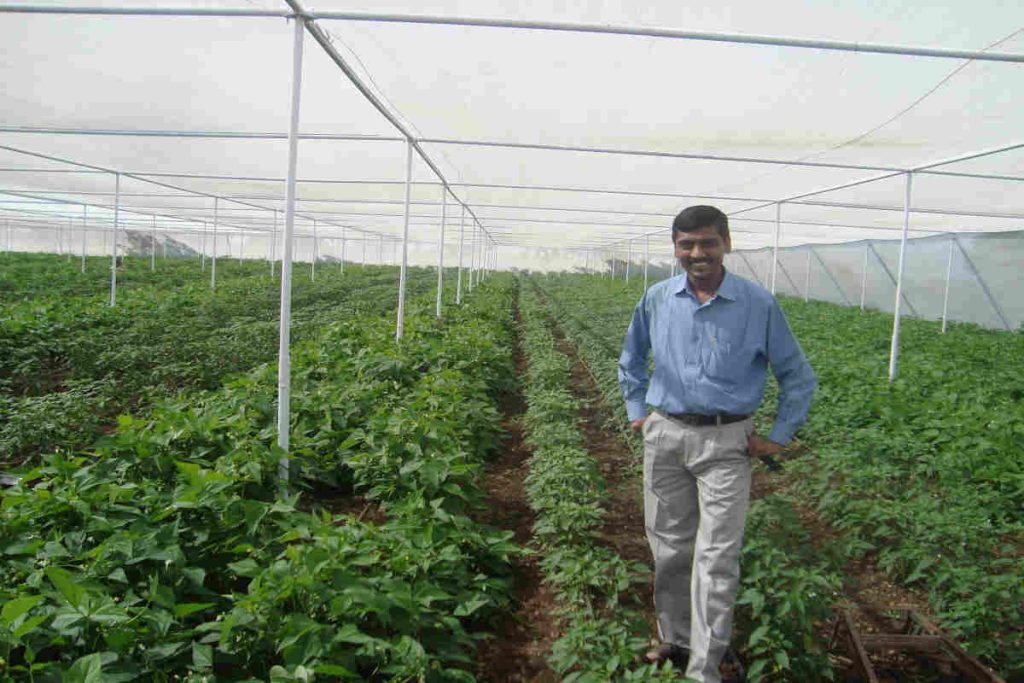
Beyond energy, global firms are investing in sustainable sourcing and regenerative agriculture in India. A report by the Shakti Foundation on sustainable procurement practices observes that corporate pressure (from investors, consumers and regulation) is driving automotive and manufacturing companies in India to adopt low-carbon supply-chain practices. Sustainable Development These partnerships tend to involve companies, NGOs, farmer groups and local intermediaries working together to reduce environmental impacts, improve livelihoods and secure long-term raw material supply.
NGO Or Intermediary and Community Alliances
Local intermediaries often play a bridging role: connecting global companies’ technical and financial capability with local implementation, community engagement and verification. For example, organisations like Earth5R provide on-ground support , helping global sustainability companies translate high-level commitments into local projects.
Capital Investment and Green Infrastructure Collaborations
Global companies aren’t just implementing projects; they are also investing in infrastructure. The renewable energy sector in India is attracting significant investment. According to the India Brand Equity Foundation (IBEF), India’s renewable energy sector is set to attract over USD 250 billion in investments by 2030. India Brand Equity Foundation These investments create opportunities for global partners to scale large-scale infrastructure, partner with Indian firms and develop the ecosystem around green technology.
Illustrative Case Studies from India
Renewables supply-chain decarbonisation
The corporate renewable PPA market in India shows how global sustainability companies are acting. A key insight: India added approximately 3,069 MW of corporate renewable capacity in Q1 2024, up 155 % quarter-on-quarter, and accounting for 36 % of total renewable addition that quarter.
One example: A global manufacturer signs an open-access solar PPA in India to power its plants with renewable electricity. The WBCSD report “Accelerating Corporate Procurement of Renewable Energy in India” includes six case studies (e.g., Godrej Industries, Tata Motors) showing early successes of this model. WBCSD Docs
These examples illustrate not just energy sourcing but also supply-chain alignment: factories powered by renewables, thereby reducing Scope 2 emissions and supporting global sustainability claims.
Sustainable sourcing & circular economy partnerships
Sustainable procurement is becoming a core element of global company strategies in India. The Shakti Foundation report highlights that in India’s manufacturing sector, particularly automotive, large OEMs are being forced to address environmental and social impacts in their supply chains. Sustainable Development
For example, a consumer goods company may partner with Indian suppliers and NGOs to reduce water use, switch to recycled materials and introduce regenerative farming practices into the raw-material base. These efforts help companies both in terms of reputational risk and long-term resource security.
Agriculture-tech and climate-resilience partnerships
Regenerative agriculture partnerships are a growing theme. While detailed public case-studies remain fewer, the trend is clear: companies are investing in field-level interventions in India that improve soil health, reduce emissions and build climate resilience among farmers.
Global sustainability companies can leverage Indian local partners to implement and scale these models, thus aligning procurement practices with sustainability goals.
Local programme delivery by intermediaries
One of the key enablers of scale is effective local delivery. Intermediary organisations in India help with implementation, measurement and stakeholder alignment. By partnering with these intermediaries, global firms can move beyond pilot-scale toward broader regional rollout. These alliances improve project quality, community acceptance and reporting transparency.
Measuring Impact: Evidence, Metrics and Challenges
Evidence of impact from corporate renewables
India’s corporate renewable market offers hard data. For example, the Bridge to India Q3 2024 report noted the earlier‐mentioned 41,727 MW of corporate renewable capacity, accounting for 36 % of total renewable additions in the quarter. BRIDGE TO INDIA
Another metric: India was the second-largest growth market globally for corporate PPAs after the US, with 1.4 GW of capacity added in 2019. WBCSD
These metrics show that global sustainability companies working in India are contributing to measurable renewable energy deployment.
Supply-chain sustainability and sourcing metrics
In the domain of sustainable procurement, the Shakti Foundation report identifies that Indian manufacturing MSMEs (micro, small and medium enterprises) are underprepared for low-carbon supply-chain demands. Sustainable Development
Also, a report by Mercom India points out that among 2024 companies in the services sector in India, 45 % of electricity use was sourced from renewables; materials industry was lower at 31 % renewable share. Mercomindia.com
These numbers underscore how global firms must partner locally to raise the baseline of sustainability performance through value-chain initiatives.
Key barriers and risks
Significant challenges remain. For example, a study by World Energy Council India (WECRI) on PPA-related issues identified that many long-term PPAs in India suffer from resource-adequacy gaps, over-contracting and regulatory uncertainty. wecindia.in
Another barrier: India’s transmission and grid infrastructure is lagging, which may hamper the integration of large renewable projects. PV Tech
Also, verification and tracing of sustainability claims in supply chains remain weak. A 2024 report by New Climate Institute on renewable electricity targets found that some corporate claims vary significantly in transparency. newclimate.org
For global sustainability companies, addressing these barriers means building local capacity, engaging regulators and investing in monitoring and reporting frameworks.
What Global Sustainability Companies Can Learn (and Scale)
Principles for successful partnerships
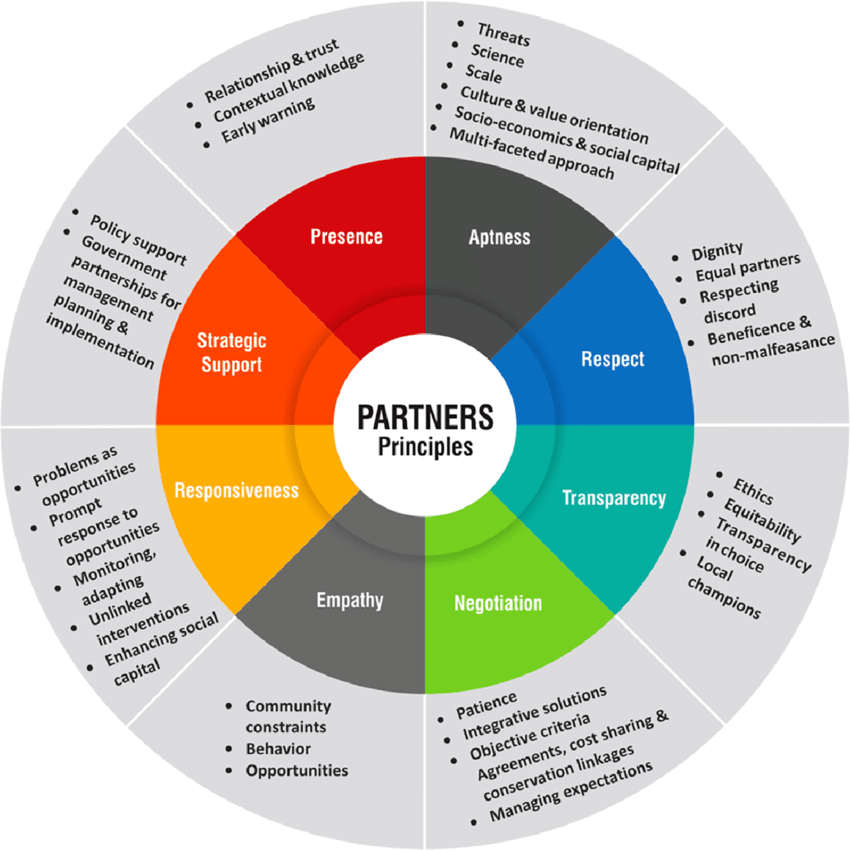
Through observing many projects in India, three key principles emerge:
- Co-design with local stakeholders: Engaging communities, suppliers and local institutions early in the process ensures smoother implementation and higher impact.
- Transparent measurement and reporting: Effective partnerships require clear metrics, independent verification and alignment with global sustainability frameworks.
- Embed sustainability into core strategy: When companies treat these partnerships not merely as CSR but as fundamental to their business model, the scale and durability improve.
Scaling models and next-wave opportunities in India
The panorama of opportunities in India is expanding. The renewable energy sector, for example, is expected to attract over USD 250 billion by 2030. India Brand Equity Foundation In the renewable corporate procurement space, the PPA market is projected to grow significantly such as a recent estimate that the corporate PPA market in India could expand from 12 GW in 2023 to 100 GW by 2030. Sumitomo Corporation
For global sustainability companies, this means multiple avenues: linking procurement to renewables; shifting to regenerative agriculture; deploying circular economy models in materials; investing in green infrastructure; and leveraging local partnerships.
Policy- and market-enablers to watch
To scale effectively, companies must monitor and leverage key policy enablers. These include:
- Open-access policies and grid-wheeling mechanisms for renewable energy.
- Disclosure mandates and sustainability reporting (e.g., BRSR in India).
- Financing mechanisms for large-scale green infrastructure (such as green bonds, blended finance).
Aligning with these enablers makes partnerships more scalable and investment-ready.
Looking Ahead: The Future of Green Partnerships in India
Global sustainability companies that partner with Indian firms, NGOs and communities are no longer simply doing pilots; they are helping transform entire value chains and industrial ecosystems.
India’s dual challenge of economic growth and climate action offers fertile ground for such green partnerships. The combination of manufacturing scale, agricultural base, renewable resource potential and evolving policy creates a unique opportunity.
But the real test is scaling: transforming successful pilots into national-scale programmes, embedding sustainability into strategy, ensuring transparent measurement and staying aligned with evolving regulation.
As global companies map their 2030-and-beyond goals, India should not just be a site of production or investment; it should be a strategic sustainability partner. For companies, the message is clear: collaboration with local ecosystems matters. For communities and governments, these partnerships bring capital, technology and long-term resilience.
For the planet, they bring a credible route to emissions reduction and inclusive sustainable growth.
In the coming decade, the success of green partnerships in India may well become a blueprint for global sustainability initiatives elsewhere.
FAQs: Green Partnerships: How Global Sustainability Companies Are Transforming India: An Earth5R Deep Dive
What are green partnerships in India?
Green partnerships are collaborations between global sustainability companies, Indian firms, NGOs, and government bodies to promote renewable energy, circular economy practices, and sustainable supply chains.
Why is India important for global sustainability companies?
India offers a large market, expanding renewable energy capacity, and policy incentives for sustainability. With over 127 GW of solar capacity and targets of 500 GW of non-fossil energy by 2030, India is key to global decarbonisation goals.
How do corporate renewable PPAs work in India?
Corporate Power Purchase Agreements (PPAs) let companies buy renewable electricity directly from producers, helping them cut emissions and secure long-term energy costs. India’s corporate renewable capacity exceeded 40 GW in 2024, showing strong adoption.
Which global companies have partnered with India on sustainability projects?
Multinationals like Unilever, Schneider Electric, IKEA, Siemens, and Amazon have invested in renewable energy, energy efficiency, and sustainable sourcing initiatives in India.
What government policies support green partnerships in India?
Policies such as open-access renewable frameworks, green hydrogen missions, and the Business Responsibility and Sustainability Reporting (BRSR) guidelines encourage corporate sustainability integration.
What role do NGOs and intermediaries like Earth5R play?
They act as local facilitators, bridging global sustainability goals with community-level execution, verification, and stakeholder engagement for measurable impact.
How are Indian supply chains becoming more sustainable?
Companies are collaborating with suppliers to reduce emissions, improve resource efficiency, and adopt circular practices. The Shakti Foundation reports growing demand for low-carbon sourcing among Indian manufacturers.
What are the main benefits of corporate renewable energy adoption?
Renewable PPAs help companies reduce Scope 2 emissions, lower operational costs, and enhance energy security while supporting India’s renewable expansion.
How much investment is flowing into India’s green economy?
According to the India Brand Equity Foundation, India’s renewable energy sector is expected to attract over USD 250 billion in investment by 2030.
What are regenerative agriculture partnerships?
These partnerships involve companies and local farmers working on soil health, carbon sequestration, and climate-resilient farming, improving both livelihoods and sustainability performance.
What challenges do global companies face in India’s sustainability landscape?
Challenges include grid infrastructure gaps, regulatory complexity, limited data verification, and the need for transparent reporting in supply chains.
How does India’s renewable policy compare globally?
India ranks among the top three renewable markets in terms of growth and corporate procurement, trailing only the US and China in installed renewable capacity.
What is the role of technology in green partnerships?
Digital tools such as smart meters, traceability systems, and satellite data are helping track emissions, monitor renewable use, and verify sustainability outcomes.
How does sustainability impact India’s manufacturing exports?
Export-oriented manufacturers increasingly face environmental compliance requirements from global buyers. Sustainable production practices enhance competitiveness and access to international markets.
What evidence shows that green partnerships are working?
India’s corporate renewable capacity reached nearly 42 GW in 2024, with 36 % of quarterly renewable additions linked to corporate PPAs, demonstrating tangible private-sector participation.
What is the connection between green partnerships and India’s net-zero target?
India’s pledge to reach net-zero by 2070 depends on public–private collaborations. Global partnerships bring capital, technology, and knowledge essential to meeting this target.
How are investors responding to India’s sustainability opportunities?
Green bonds, ESG-linked financing, and infrastructure funds are increasingly directed toward renewable and sustainable development projects in India.
What does the term “Scope 3 emissions” mean for these partnerships?
Scope 3 emissions are indirect emissions from a company’s supply chain. Partnerships with Indian suppliers and communities help global firms reduce these emissions through sustainable sourcing and logistics.
Which sectors show the greatest potential for green collaborations?
Energy, agriculture, construction, manufacturing, and waste management are leading areas for partnerships focused on low-carbon technologies and circular practices.
What does the future of green partnerships in India look like?
The next decade will likely see deeper integration of sustainability into corporate strategy, more transparent impact measurement, and an expansion from pilot projects to nationwide implementation.
Building the Next Wave of Green Partnerships in India
India stands at the threshold of a decisive sustainability era; one that will define not only its growth trajectory but also the planet’s future. Global companies, Indian industries, local governments, and communities must now move beyond pilot projects to full-scale implementation.
The pathway forward is clear: collaborate deeply, invest wisely, and measure transparently.
Partnerships rooted in shared accountability , where corporations provide technology and capital, and local partners bring on-ground insight can unlock unprecedented economic and environmental value.
Now is the moment to act.
Whether you represent a business, policy institution, or citizen collective, your participation can accelerate India’s transition to a circular, low-carbon economy. Support verified sustainability initiatives, demand transparent supply chains, and partner with organizations like Earth5R that deliver measurable community impact.
Every alliance matters because a greener India will shape a more sustainable world.
Authored by- Sneha Reji