
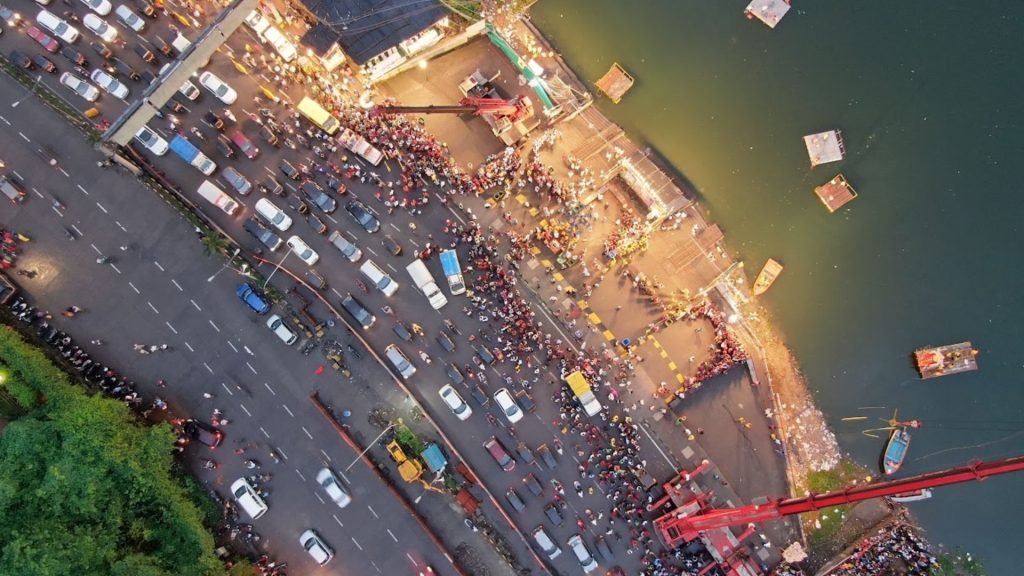
Across the globe, river pollution has emerged as one of the most urgent and complex environmental challenges of our time. Rivers—often called the arteries of civilization—have historically served as lifelines for cities, economies, and ecosystems. Yet, in the 21st century, these vital water bodies are under siege.
Against this global backdrop, Earth5R—a social enterprise based in India—has carved a unique space for itself through its river cleanup programs grounded in the Public-Private-Community Partnership (PPCP) model. Earth5R’s approach doesn’t just aim to remove waste from rivers; it aims to change behaviors, empower communities, and engage all relevant actors in the ecosystem.
This article explores how Earth5R’s multi-stakeholder strategy for river rejuvenation is reshaping the narrative around ecological restoration. Through a review of its methodology, outcomes, and real-world challenges, we examine what makes this initiative a potential template for similar efforts globally.
Understanding River Pollution: The Scientific and Societal Context
India’s rivers—once venerated as lifelines of civilization—are now choking under the weight of pollution. From the sacred Ganges to the mighty Yamuna, these water bodies have become repositories of waste, effluents, and toxins, reflecting a deeper malaise in environmental management.

According to the Central Pollution Control Board (CPCB), nearly 70% of India’s surface water is contaminated, much of it by industrial effluents containing heavy metals like lead, arsenic, and mercury. These substances not only degrade water quality but also accumulate in aquatic organisms, entering the food chain and posing long-term health risks.
Urban expansion further complicates the crisis. India generates over 62 billion liters of urban wastewater daily, but only a fraction of it is treated before reaching rivers. Informal settlements and densely populated urban areas without proper sanitation infrastructure dump solid and liquid waste into nearby water bodies, turning rivers into open drains. Agricultural runoff adds another layer of complexity.
India’s river systems are at a tipping point, requiring urgent, large-scale intervention. The Ganga and Yamuna—both culturally and economically vital—have become symbolic of the national river pollution crisis. Government initiatives like the Namami Gange programme and Yamuna Action Plan have attempted to address the issue, but systemic challenges persist, including poor enforcement, fragmented governance, and lack of community engagement.
The Earth5R Model: A Multi-Stakeholder Framework
In a world where river pollution poses a silent but severe threat to ecosystems and human health, Earth5R’s model of environmental intervention is emerging as a powerful counterforce. At the heart of its success lies a multi-stakeholder approach that goes beyond traditional top-down methods, favoring what experts now call Public-Private-Community Partnerships (PPCP).
The traditional method of environmental cleanup, typically government-led and top-down in its structure, often struggles with on-ground implementation. Bureaucratic delays, lack of localized understanding, and insufficient civic participation have historically stunted the success of state-driven river restoration projects.

The image illustrates the Partnership Cycle, highlighting key stages from scoping needs to reviewing efficiency and ultimately moving on, emphasizing structured collaboration through stakeholder mapping, engagement strategies, and continuous value assessment.
This isn’t merely symbolic involvement; local communities are trained in waste segregation, recycling techniques, and sustainable practices that reduce the inflow of garbage into rivers. Community ownership transforms the river from a neglected drain into a shared resource of cultural and ecological value.
Government agencies are engaged not merely as funders or regulators but as facilitators of policy alignment and scalability. Local municipalities, for example, collaborate with Earth5R to streamline waste collection logistics and offer legal support to community-led waste segregation drives. This horizontal integration of responsibilities and benefits allows the model to operate sustainably, scaling across different river systems and urban contexts.
Case studies from Earth5R : Real life impacts
The Mithi River in Mumbai, once a vital waterway, had become a symbol of urban neglect, choked with industrial effluents, plastic waste, and sewage. In response to this environmental crisis, Earth5R, in collaboration with partners such as the United Nations Technology Innovation Labs (UNTIL), Huhtamäki Oyj, RiverRecycle, and the Mumbai Municipal Corporation, launched a comprehensive cleanup initiative in October 2020.
Innovative Solar-Powered Waste Recovery
Central to the project was the deployment of a solar-powered plastic recovery unit. This state-of-the-art technology was strategically placed to intercept and collect floating debris, preventing it from reaching the Arabian Sea. The collected waste was then transported to the riverbank for processing. This approach not only addressed the immediate pollution but also harnessed renewable energy, ensuring an environmentally friendly operation.
Environmental Impact: Quantifiable Success
The results of the cleanup were significant. Over 11,100 tons of waste, including 4,440 tons of plastic, were removed from the river. This massive waste removal led to a noticeable improvement in water quality, with post-cleanup assessments indicating a decline in Biological Oxygen Demand (BOD) and Chemical Oxygen Demand (COD) levels. Such improvements facilitated the gradual return of aquatic life, signaling the river’s ecological recovery.

The image presents a stakeholder integration framework for groundwater sustainability, showing how various groups (agriculture, domestic, and environmental) are engaged, scored, and analyzed, with diagrams depicting the coverage and protection of domestic/agricultural wells vs. groundwater-dependent ecosystems.
Community Engagement and Socio-Economic Benefits
Beyond environmental restoration, the initiative emphasized community involvement. Educational workshops were conducted in local schools, teaching students about waste segregation and recycling techniques. This hands-on approach fostered a generation of environmentally conscious citizens. Additionally, the project created sustainable livelihoods through recycling and upcycling activities, integrating economic empowerment with ecological restoration.
Carbon Footprint Reduction
The recycling efforts resulted in a carbon offset of approximately 6,660 tons of CO₂. This achievement underscores the critical role of circular economy initiatives in urban sustainability and highlights the potential of integrating waste management reforms into broader climate policies.
A Model for Global Replication
The success of the Mithi River cleanup serves as a blueprint for addressing river pollution worldwide. By combining innovative technology, community engagement, and sustainable practices, Earth5R and its partners have demonstrated a scalable model for environmental restoration. This initiative not only revitalized a crucial urban waterway but also showcased the power of collaborative action in tackling complex environmental challenges.

Challenges and Limitations
While Earth5R’s multi-stakeholder model has demonstrated encouraging success, the journey toward sustainable river rejuvenation is not without its share of challenges. Coordinating diverse stakeholders—from citizens and municipal bodies to corporate sponsors—requires constant negotiation, trust-building, and an alignment of often conflicting interests.
In any Public-Private-Community Partnership (PPCP), synchronizing priorities is a complex endeavor. Local communities may prioritize immediate health concerns or flooding issues caused by clogged riverbanks, whereas corporate actors tend to look for measurable returns on their CSR investments. Meanwhile, government bodies often operate within bureaucratic and electoral timelines, which do not always align with the slower pace of environmental recovery.
Another persistent barrier is gaps in policy enforcement and private participation. While there are regulatory frameworks such as the Environment (Protection) Act of 1986 and the Water (Prevention and Control of Pollution) Act of 1974, implementation remains inconsistent. Government monitoring bodies are often underfunded or understaffed.
In the private sector, CSR involvement can sometimes veer toward tokenism. A 2020 report by IndiaSpend revealed that only about 30% of CSR funds in India are directed toward environmental causes, and within that, very little is allocated for water and river-related interventions.
Comparative Models and Global Relevance
Across the globe, river systems have long been the arteries of human civilization, and in recent decades, their deterioration has mirrored the consequences of rapid industrialization and urban neglect. In response, nations have undertaken ambitious cleanup missions, often relying on government-led models with varying degrees of success.
The Thames River in London and the Rhine in Europe are two iconic examples of how structured policy, civic participation, and technological investment have restored lifeless waters into thriving ecosystems. Yet, in the global South, the challenges are steeper, and the strategies must be adaptive to local realities. This is where Earth5R’s participatory, decentralized model offers a refreshing departure.
The Thames, once declared “biologically dead” in the 1950s due to unchecked pollution, became a symbol of environmental revival through strict regulations, massive infrastructure investments, and public pressure. The Environment Agency of the UK worked closely with industries and the public to control effluent discharge and improve waste treatment.
In contrast, the Ganga Rejuvenation Mission in India, while large in scale and intent, has often been criticized for bureaucratic bottlenecks and inconsistent implementation. Reports by the Comptroller and Auditor General (CAG) have noted that despite the disbursement of large funds, many projects under the Namami Gange programme have faced delays or underutilization. Community participation has often remained symbolic, and private sector involvement limited to corporate social responsibility without integrated accountability mechanisms.
What sets Earth5R apart is its bottom-up, agile model that embeds sustainability within the socio-economic framework of local communities. Unlike state-heavy programs that rely on top-down mandates, Earth5R decentralizes ownership by empowering residents through education, green employment, and actionable training. In its Mithi River project, Earth5R mobilized local youth, involved housing societies, partnered with corporates for funding, and used digital tools to track progress in real-time.
A Roadmap for Collective Environmental Action
As global cities grapple with rising pollution, biodiversity loss, and the degradation of natural resources, a compelling solution lies not just in government mandates or corporate philanthropy, but in multi-stakeholder partnerships that bring together public institutions, private enterprises, and communities. The Public-Private-Community Partnership (PPCP) model, as demonstrated by Earth5R, offers a transformative framework for environmental governance—one that is inclusive, participatory, and action-oriented.
Earth5R’s approach has shown that when citizens become collaborators, corporations contribute resources, and governments create enabling ecosystems, even complex environmental problems like river pollution become surmountable. Their cleanup projects—such as the Mithi River initiative in Mumbai—are more than just symbolic gestures; they are blueprints for what urban environmental activism can achieve when it operates at the intersection of science, civic responsibility, and sustainable development.
Unlike top-down approaches that often falter due to a disconnect with local realities, Earth5R’s model builds grassroots ownership, fosters institutional trust, and aligns with global sustainability frameworks like the United Nations’ SDGs. This adaptability makes it an ideal template for other cities around the world—from Jakarta to Johannesburg—that are seeking decentralized yet coordinated strategies to address environmental crises.

The road ahead requires more than admiration—it demands replication, scale, and commitment. By anchoring environmental change in the collective efforts of all stakeholders, Earth5R reminds us that sustainability is not a siloed responsibility but a shared mission. As urban ecosystems teeter on the brink, models like these could well be our best hope for a resilient, regenerative future.
FAQs on Earth5R’s Multi-Stakeholder River Cleanup Strategy: Public-Private-Community Partnership in Action
What is Earth5R’s river cleanup strategy about?
Earth5R’s river cleanup strategy focuses on a collaborative model that brings together the public sector, private companies, and local communities to restore and protect urban river systems through sustainable action, education, and long-term engagement.
How does Earth5R engage communities in river cleanup efforts?
The organization uses citizen science initiatives, volunteer-driven cleanups, and community education programs to encourage behavioral change and local stewardship of natural resources.
What role does the private sector play in this strategy?
Private companies contribute through CSR (Corporate Social Responsibility) programs, provide funding, expertise, and also help promote the circular economy by investing in sustainable waste management solutions.
How are government bodies involved in Earth5R’s model?
Governments support the initiative by creating enabling policies, offering infrastructure assistance, and working closely with Earth5R to enforce environmental regulations and monitor river health.
What makes Earth5R’s model different from traditional cleanup programs?
Unlike top-down models, Earth5R’s framework decentralizes responsibility by integrating citizens, businesses, and government equally, which fosters local ownership and long-term impact.
Can this strategy be applied to other rivers in India or globally?
Yes, Earth5R’s model is adaptable and scalable. Its success with rivers like the Mithi River in Mumbai suggests strong potential for replication in other polluted waterways across both developing and developed nations.
What evidence is there that Earth5R’s approach works?
Data from Earth5R’s cleanups show significant waste removal, improved water quality, and high levels of community engagement. In Mumbai alone, thousands of volunteers have participated, removing over 200 tons of waste.
What is the role of citizen science in Earth5R’s projects?
Citizens collect and analyze environmental data under the guidance of experts. This empowers locals to make science-based decisions and track the impact of cleanup efforts over time.
How does Earth5R address long-term sustainability in its cleanup initiatives?
By combining education, policy advocacy, and economic incentives, Earth5R ensures that cleanup efforts do not end with one-time events but evolve into ongoing community-driven ecosystems.
Are educational programs a part of the cleanup strategy?
Yes, Earth5R runs environmental literacy workshops and skill-building sessions to promote sustainability. These are designed to reach students, households, and informal workers, especially in urban slums.
How is technology used in Earth5R’s model?
Digital platforms are used to track volunteer participation, monitor pollution levels, and share real-time progress reports, helping stakeholders remain informed and engaged.
Does Earth5R work with local governments or national bodies?
Earth5R has partnered with local municipal corporations, state-level pollution control boards, and national environmental agencies to align cleanup operations with existing regulatory frameworks.
What kind of support can corporations provide beyond funding?
In addition to funding, corporations contribute logistics, waste processing technology, and staff participation in cleanup drives, further integrating sustainability into their business ethos.
What are the socio-economic benefits of this strategy?
Apart from environmental restoration, Earth5R’s model creates green jobs, especially for women and informal workers, while also improving public health and reducing disaster vulnerability in urban slums.
Has this model been compared to other global river cleanup efforts?
Yes, it has been compared to models like the Thames River restoration in the UK and the Rhine cleanup in Europe. Earth5R’s inclusive, participatory approach offers a unique bottom-up complement to these efforts.
Is this initiative limited to river cleanup only?
While rivers are a central focus, Earth5R’s larger mission includes waste management, climate education, and urban sustainability. The river cleanup strategy serves as a practical entry point for broader change.
How can individuals contribute to Earth5R’s work?
Individuals can volunteer, donate, spread awareness, or even start their own micro-projects in collaboration with Earth5R. The organization provides training and support for local champions.
What challenges does Earth5R face in implementing this strategy?
Key challenges include coordinating among diverse stakeholders, ensuring consistent policy support, and overcoming resistance to behavioral change, especially in densely populated urban areas.
How does Earth5R measure success in these cleanup projects?
Success is measured through multiple metrics such as volume of waste collected, improvement in water quality indicators, volunteer engagement levels, and social media reach for awareness campaigns.
Why is a multi-stakeholder approach necessary for river restoration?
River pollution is a complex problem rooted in industrial practices, household behavior, and weak governance. A multi-stakeholder approach ensures shared responsibility and diverse expertise to address the issue holistically.
Call to Action: Building a Collective Future through River Cleanup
The story of Earth5R’s river cleanup initiative is not just about restoring polluted waterways—it is a blueprint for collective environmental responsibility. As the planet’s ecosystems groan under the weight of pollution, climate change, and rapid urbanization, the need for collaborative action has never been more urgent. Earth5R has proven that when citizens, corporations, and governments unite, transformation is not only possible—it is inevitable.
Citizens must recognize that the health of a river is a reflection of community behavior. Everyday actions—improper waste disposal, overuse of plastic, or even indifference—can have rippling consequences downstream. Earth5R’s model shows that citizen science and volunteerism aren’t just feel-good activities—they are fundamental tools for data collection, local monitoring, and driving grassroots change. It’s time for every individual to stop seeing rivers as someone else’s responsibility and start owning a stake in their revival.
Corporations have the resources and reach to drive large-scale change, and Earth5R’s partnerships show that CSR must evolve from cheque-writing to hands-on engagement. Businesses need to integrate circular economy principles not just into waste management practices but across their entire value chain. If economic activity is one of the key sources of river pollution, it must also be one of its most committed solvers.
Governments are the fulcrum on which this partnership balances. From shaping sustainable urban policies to providing critical infrastructure and monitoring, governments must facilitate and not just regulate. Municipal bodies need to create an enabling environment where private and community-led efforts are not only encouraged but institutionalized.
The Mithi River cleanup, and others like it, underscore one simple truth: restoring rivers is not a one-time event—it is a continuous process of shared responsibility. The way forward demands more than admiration for Earth5R’s work; it requires replication, adaptation, and expansion. Every city, every town, every neighborhood can be the next success story.
The rivers are waiting. And so is the future. The question is—will we answer the call?
– Authored by Mridu Mishra