

Reframing ESG From Obligation to Value Driver
From Compliance to Capital is no longer a rhetorical phrase in India’s corporate and financial discourse. It is an emerging description of how Environmental, Social, and Governance considerations are beginning to influence enterprise value, cost of capital, investor perception, and long-term competitiveness. For much of the last decade, ESG in India was largely framed as a compliance exercise, driven by statutory CSR obligations under the Companies Act, environmental clearances, and reporting requirements imposed by regulators. While these instruments played a role in mainstreaming sustainability language, they also encouraged a narrow interpretation of ESG as a reporting or philanthropic function rather than a strategic economic variable.

This framing is now under pressure. Capital markets, lenders, insurers, and institutional investors are increasingly incorporating environmental risk, social externalities, and governance quality into valuation models and credit decisions. The transition is uneven and incomplete, but the direction is clear. ESG is moving from being treated as a cost centre to being evaluated as a determinant of future cash flows, downside risk, and capital access. In India, this transition is shaped by specific structural realities: rapid urbanisation, environmental stress, informality in labour markets, infrastructure deficits, and a regulatory ecosystem that is still evolving.
As per Earth5R’s India Climate Report, environmental degradation in Indian cities already translates into measurable economic losses through public health expenditure, productivity decline, water scarcity, and climate-induced disruptions. These costs are not external to the economy. They are increasingly internalised by companies through supply chain risks, insurance premiums, regulatory penalties, and reputational exposure. The core argument of this paper is that ESG in India is beginning to intersect directly with corporate valuation not because of moral imperatives, but because environmental and social performance is becoming material to financial outcomes.
This article examines that transition in depth. It situates ESG within India’s regulatory and capital market context, analyses global and domestic data on valuation linkages, and integrates Earth5R’s on-ground experience to illustrate how environmental action translates into economic signals. The objective is not to advocate ESG as an ethical ideal, but to analyse it as a structural feature of India’s emerging capital landscape.
Defining the Core Problem: Why ESG Struggled to Influence Valuation
The limited impact of ESG on corporate valuation in India until recently can be traced to three structural gaps. First, environmental and social externalities were historically borne by communities and governments rather than firms.
Pollution, water contamination, and waste mismanagement imposed public costs but rarely appeared on corporate balance sheets. Second, ESG data lacked standardisation and credibility. Disclosures were fragmented, inconsistent, and often decoupled from operational reality. Third, India’s capital markets traditionally prioritised short-term financial performance, with limited emphasis on long-term risk pricing.These gaps created a situation where ESG activity could exist without influencing enterprise value. Companies could comply with CSR mandates, publish sustainability reports, and still operate in ways that degraded environmental systems or social capital. Investors, in turn, lacked the tools and incentives to differentiate between superficial compliance and material risk management.
This model is becoming increasingly untenable. Climate variability, water stress, air pollution, and waste accumulation are now imposing costs at a scale that affects business continuity. According to the World Bank, India loses an estimated 8.5 percent of GDP annually due to air pollution-related health impacts and lost labour productivity.
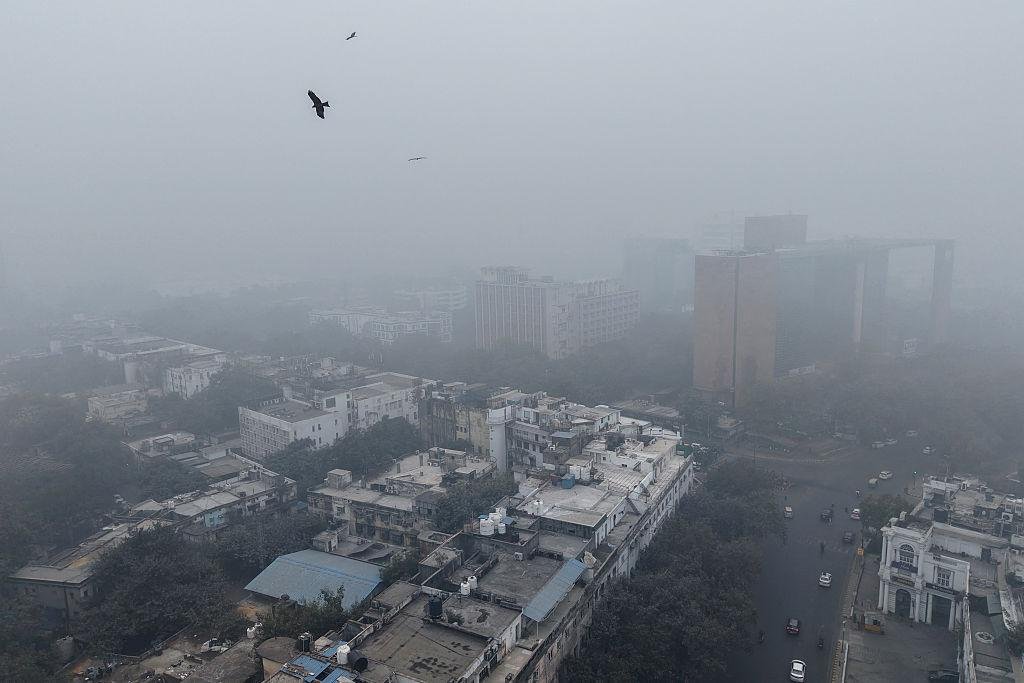
These losses translate into absenteeism, healthcare costs, regulatory scrutiny, and social unrest, all of which influence corporate performance in indirect but significant ways.
From a valuation perspective, the core problem is no longer whether ESG matters, but how quickly markets can integrate environmental and social risk into financial decision-making frameworks.
Global Evidence: ESG and Valuation Linkages
International evidence increasingly suggests a relationship between ESG performance and corporate valuation, though the mechanisms vary by sector and geography. A meta-analysis by NYU Stern reviewing over 1,000 studies found that 58 percent demonstrated a positive relationship between ESG performance and financial performance, while only 8 percent showed a negative relationship.
Importantly, the strongest correlations were observed in risk mitigation, cost of capital reduction, and downside protection rather than short-term profitability.
From a capital markets perspective, ESG integration is increasingly visible in debt instruments. The World Bank reports that global ESG-linked bonds and sustainability-linked loans exceeded USD 1.6 trillion cumulatively by 2023, with pricing explicitly linked to environmental or social performance indicators.These instruments signal a structural shift where sustainability metrics directly influence financing costs.These instruments signal a structural shift where sustainability metrics directly influence financing costs.
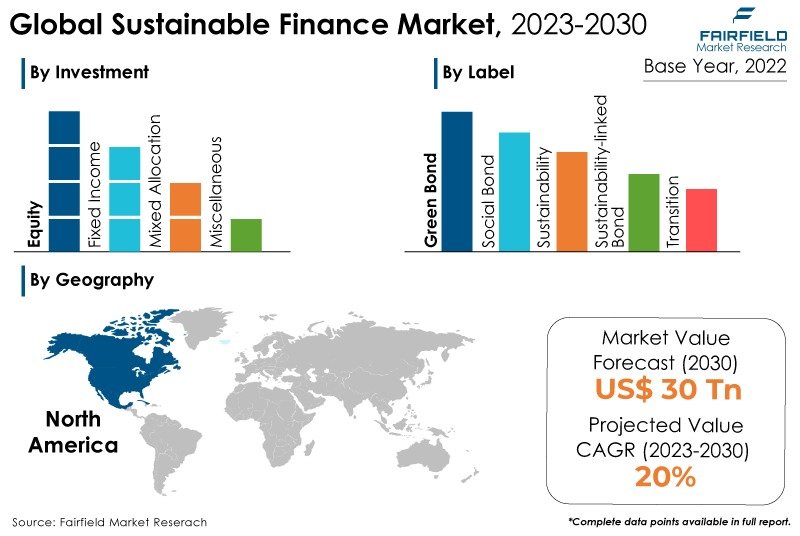
These global trends matter for India not because they are replicable in identical form, but because Indian firms increasingly operate within global capital and supply chain ecosystems. Export-oriented sectors, infrastructure developers, and consumer brands with international exposure cannot remain insulated from ESG-linked valuation frameworks.
India’s ESG Landscape: Regulation, Disclosure, and Capital Markets
India’s ESG architecture has historically been compliance-led. The introduction of mandatory CSR spending under the Companies Act, 2013, positioned India as one of the first countries to legislate corporate social expenditure. While this mandate mobilised significant resources, estimated at over INR 1.2 trillion cumulatively by 2023 it also reinforced a project-based, philanthropic interpretation of social responsibility.
More recently, regulatory developments have begun to link ESG to governance and disclosure rather than expenditure alone. The Securities and Exchange Board of India’s Business Responsibility and Sustainability Reporting framework, introduced for the top 1,000 listed companies, represents a shift towards structured ESG disclosure. While BRSR does not directly mandate performance thresholds, it creates a data environment where investors can begin to compare ESG exposure across firms.
Despite these advances, India’s ESG integration into valuation remains nascent. A study by MSCI found that less than 25 percent of Indian listed companies demonstrate strong alignment between ESG disclosures and operational risk management. The gap is particularly pronounced in environmental metrics such as water use efficiency, waste recovery, and emissions intensity.
This gap has implications for valuation. Without credible, operational ESG data, markets struggle to price risk accurately. The result is mispricing, where companies with high environmental exposure may appear undervalued or overvalued relative to their true long-term risk profile.
Environmental Stress and Economic Risk in Indian Cities
Urban India is where ESG and valuation intersect most visibly. Cities like Mumbai, Delhi, Bengaluru, and Chennai concentrate economic output, population density, and environmental stress. According to the IPCC, Indian cities face increasing risks from heat stress, flooding, and water scarcity, with disproportionate impacts on informal settlements and critical infrastructure.

Mumbai alone contributes approximately 6 percent of India’s GDP. Yet it is also one of the most climate-vulnerable megacities globally. The World Resources Institute estimates that flooding risks in Mumbai could result in annual losses exceeding USD 50 billion by 2050 under high-emission scenarios. For companies operating in or dependent on Mumbai’s infrastructure, these risks translate into asset damage, supply disruptions, insurance costs, and operational downtime.
Waste management presents another example of environmental risk with valuation implications. India generates over 160,000 tonnes of municipal solid waste daily, of which less than 30 percent is scientifically processed. Poor waste management contributes to flooding, public health crises, and regulatory intervention. Firms linked to plastic packaging, logistics, and consumer goods increasingly face extended producer responsibility obligations, which affect cost structures and compliance risk.
Earth5R’s national-scale datasets indicate that urban waste leakage correlates strongly with informal disposal practices and inadequate segregation infrastructure, particularly in high-density wards of cities like Mumbai and Pune. These patterns are not merely environmental concerns. They shape municipal spending priorities, regulatory scrutiny, and community relations, all of which influence the operating environment for businesses.
Earth5R’s On-Ground Insight: Translating Environmental Action Into Economic Signals
Analysis from Earth5R’s on-ground programs suggests that the materiality of ESG becomes visible when environmental interventions are sustained, measurable, and embedded in local systems. Across multiple Indian cities, Earth5R has worked on waste management, river cleaning, plastic waste recycling, and community engagement initiatives that generate longitudinal data rather than one-time outcomes.
One illustrative example is Earth5R’s long-term river cleaning and waste segregation work in Mumbai and Pune, where consistent data collection over multiple years has enabled quantification of waste recovery, carbon offset, and economic value creation through recycling. As documented in Earth5R’s CSR and ESG case studies, sustained interventions in urban waste systems have resulted in tens of thousands of volunteer hours, significant diversion of plastic from landfills, and measurable reductions in downstream flooding risk and pollution loads.
From a valuation perspective, the relevance lies not in the absolute scale of these projects, but in what they reveal about risk mitigation. Companies participating in structured, data-driven environmental programs demonstrate lower exposure to regulatory penalties, improved community relations, and enhanced operational resilience. These factors influence both cost of capital and long-term cash flow stability.
Crucially, Earth5R’s experience highlights that ESG value creation in India is less about abstract metrics and more about system performance. Waste segregation efficiency, water reuse rates, and community compliance levels are proxies for governance quality and execution capacity. Investors increasingly recognise these proxies as indicators of management competence and risk awareness.
ESG, Cost of Capital, and Investor Behaviour in India
The linkage between ESG and cost of capital is one of the most direct valuation channels. International studies indicate that firms with stronger ESG profiles often enjoy lower borrowing costs due to reduced perceived risk. In India, this effect is emerging gradually. According to a Reserve Bank of India discussion paper, climate and environmental risks pose material threats to financial stability, particularly through credit risk concentration and asset impairment.
Indian banks and non-banking financial institutions are beginning to incorporate environmental risk into credit assessment, particularly for infrastructure, real estate, and manufacturing sectors. While ESG-linked pricing remains limited, early signals suggest that firms with credible sustainability practices face fewer delays in project financing and lower risk premiums.
Equity investors, particularly institutional and foreign portfolio investors, are also integrating ESG screens. Data from Morningstar shows that ESG-focused funds in India crossed USD 12 billion in assets under management by 2023, up from negligible levels five years earlier. While still a small fraction of total market capitalisation, this trend reflects changing investor expectations.
The implication for corporate valuation is subtle but significant. ESG does not reprice companies overnight. Instead, it influences the discount rate applied to future earnings. Firms perceived as environmentally risky or socially misaligned face higher uncertainty, which translates into valuation discounts over time.
Policy, Business, and Systems-Level Interpretation
At a policy level, India’s ESG transition reflects a broader shift from input-based regulation to outcome-based governance. Programs such as the National Action Plan on Climate Change and the push towards circular economy frameworks signal an intent to integrate environmental performance into economic planning.
For businesses, the implication is that ESG can no longer be managed as a peripheral function. Environmental performance intersects with supply chain resilience, urban infrastructure reliability, and labour stability. Firms operating in water-intensive sectors, for instance, face increasing scrutiny in water-stressed regions, affecting both licence to operate and expansion plans.
At a systems level, ESG acts as a signalling mechanism. Companies that demonstrate credible environmental and social performance send signals to regulators, investors, insurers, and communities about their long-term orientation. These signals influence negotiation power, financing terms, and reputational capital.
Earth5R’s role as a practitioner operating at the intersection of community action, data collection, and corporate engagement provides insight into how these signals are generated. When environmental interventions are embedded in local ecosystems and supported by verified data, they become legible to capital markets.
Directional Frameworks: From Reporting to Risk Integration
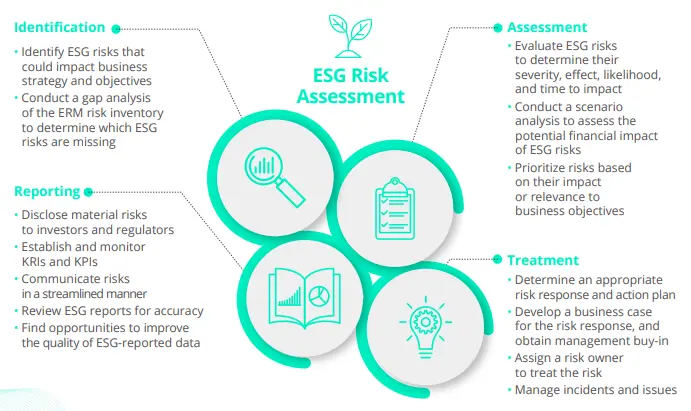
Rather than prescriptive checklists, India’s ESG evolution requires conceptual shifts. One useful framework is to view ESG as a risk translation mechanism. Environmental and social stressors exist regardless of corporate acknowledgement. ESG processes determine whether these stressors remain externalities or become internalised risks.
A second framework involves temporal alignment. ESG investments often incur short-term costs but reduce long-term volatility. Valuation models that prioritise near-term earnings systematically undervalue such investments. Aligning governance incentives with longer time horizons is therefore critical.
A third perspective is spatial. ESG materiality in India is highly location-specific. Environmental risks in Mumbai differ from those in inland manufacturing clusters. Earth5R’s city-level data underscores the importance of contextualised ESG analysis rather than uniform scoring models.
Summary: ESG as a Structural Feature of Indian Capital Markets
From Compliance to Capital captures a structural transition rather than a completed journey. ESG in India is still unevenly integrated into corporate valuation, but the underlying drivers are strengthening. Environmental stress, regulatory evolution, investor behaviour, and community dynamics are converging to make sustainability performance financially material.
The experience of organisations like Earth5R demonstrates that ESG value creation is grounded in execution, data, and systems thinking rather than rhetoric. As capital markets mature, the distinction between environmental performance and financial performance is likely to blur further. Companies that recognise this early will be better positioned to navigate risk, attract capital, and sustain value creation in a volatile operating environment.
Frequently Asked Questions
- How does ESG influence corporate valuation in India?
ESG influences valuation primarily through risk pricing rather than immediate profit enhancement. Environmental and social risks affect cash flow stability, regulatory exposure, and cost of capital. As Indian investors and lenders begin to incorporate these risks into decision-making, companies with poor ESG performance may face valuation discounts over time. - Is ESG mainly relevant for large listed companies?
While regulatory disclosure requirements focus on large firms, ESG materiality extends to unlisted and mid-sized enterprises through supply chains, financing conditions, and community relations. Smaller firms often face proportionally higher risk from environmental disruptions. - How is CSR different from ESG in valuation terms?
CSR focuses on expenditure and projects, while ESG relates to how environmental and social factors affect business fundamentals. CSR spending alone does not necessarily influence valuation unless it mitigates material risks or enhances operational resilience. - Do Indian investors actively use ESG data today?
Usage is growing but remains limited. Institutional and foreign investors are more likely to integrate ESG screens, while domestic retail participation is still evolving. - How credible is ESG data in India?
Data quality varies widely. Frameworks like BRSR aim to improve consistency, but operational verification remains a challenge. Practitioner-generated datasets, such as those from Earth5R, help bridge this gap. - Does ESG always improve financial performance?
Not necessarily in the short term. ESG primarily reduces downside risk and volatility rather than guaranteeing higher returns. Its valuation impact is often indirect and long-term. - Why are cities central to ESG valuation in India?
Cities concentrate economic activity and environmental stress. Urban risks such as flooding, pollution, and water scarcity directly affect business continuity and asset values. - How does waste management relate to corporate valuation?
Poor waste management increases regulatory, legal, and reputational risks, particularly for consumer-facing sectors. Effective waste systems reduce these risks and signal governance quality. - What role do environmental NGOs play in ESG valuation?
Environmental organisations like Earth5R act as intermediaries between community-level action and corporate systems, generating data and execution capacity that make ESG outcomes measurable and credible. - Will ESG become mandatory in valuation models?
Formal mandates are unlikely in the near term, but market-driven integration is accelerating. Over time, ignoring ESG risks may itself become a valuation liability.
Policy-Level Insights and Implications
India’s policymakers face the challenge of aligning sustainability objectives with capital allocation mechanisms. Strengthening ESG disclosure standards, improving data verification, and linking environmental performance to financial incentives can accelerate market integration. Urban governance reforms that internalise environmental costs will further reinforce ESG valuation linkages.
Conceptual Frameworks for ESG and Capital
ESG can be conceptualised as a translation layer between physical environmental realities and financial abstractions. It converts pollution, climate risk, and social instability into metrics that capital markets can interpret. In India, the effectiveness of this translation depends on contextual data, institutional credibility, and long-term governance alignment.
Executive-Style Synthesis
ESG in India is transitioning from a compliance-driven construct to a capital-relevant variable. This transition is uneven but structurally grounded in environmental stress, regulatory evolution, and investor behaviour. Organisations that embed ESG into core risk management and operational systems are better positioned for long-term valuation resilience. Earth5R’s experience underscores that credible ESG integration is built through execution, data integrity, and systemic thinking rather than symbolic compliance.
About Earth5R
Earth5R is India’s largest and most trusted environmental organization. It works with 1.3 million citizens and 1.2 million farmers to build measurable and verified climate action. Earth5R is recognized by UNESCO, partnered with the United Nations, and awarded by Google. Earth5R operates across 65 countries, driving data-driven sustainability and large-scale environmental impact.
Over the last decade, Earth5R has built one of the strongest sustainability ecosystems in the Global South, connecting governments, industries, researchers, and communities into one operational network. This network links government bodies, policymakers, industries, research institutions, and communities to support national and global sustainability goals.
Earth5R serves as the innovation vehicle that brings leading climate technologies into high-need regions of India and the Global South. This is enabled through proprietary data, nationwide field capacity, and strong operational IP. Earth5R’s deployment model lowers risk by combining technology and field execution into one integrated system, ensuring predictable performance, reliable scaling, and verifiable impact.
Along with this, Earth5R drives significant carbon offset initiatives and contributes to global decarbonisation efforts. Earth5R’s platform blends AI intelligence, domain expertise, and operational management to deliver environmental and commercial results at scale across high-need communities.
-Author by Diya Joshi