
Where Sustainability Meets Systems Intelligence
An immersive workshop that transforms students, educators, and corporate teams from passive observers into solution architects — using AI, systems thinking, and entrepreneurial design to solve the world's most complex urban challenges.
Real Innovation, Verified Impact
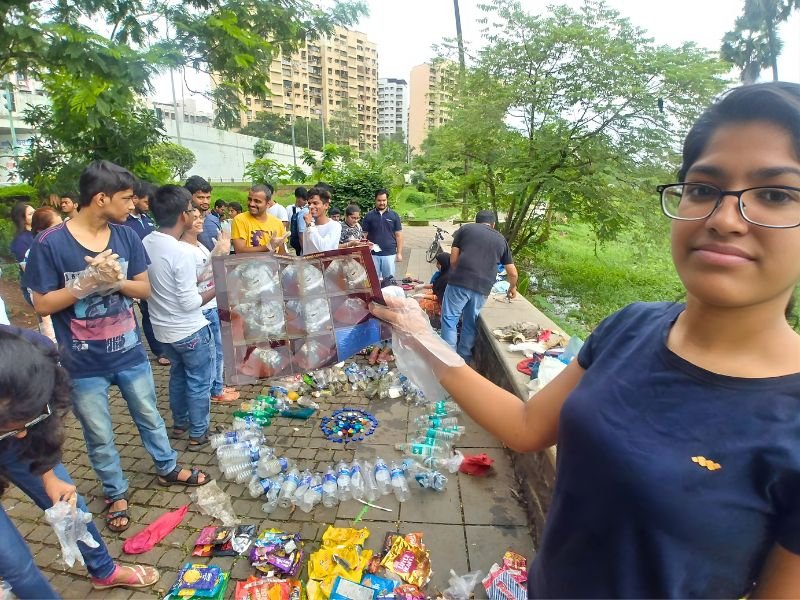
Sustainability Experts
10 years of field-validated environmental & socio-economic data across India

AI-Powered Execution
From concept to deployed product in hours — not weeks or months
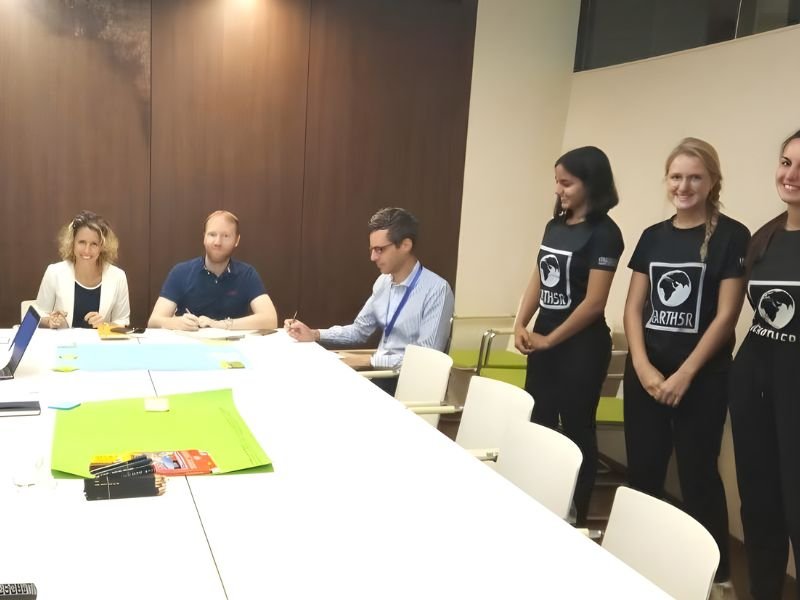
Solution Architecture
Business models, innovation frameworks, and scalable impact systems
Built for Builders at Every Level
Whether you're a student discovering your first systemic insight, an educator building next-generation curriculum, or a corporation that needs to move from ESG reporting to ESG innovation.
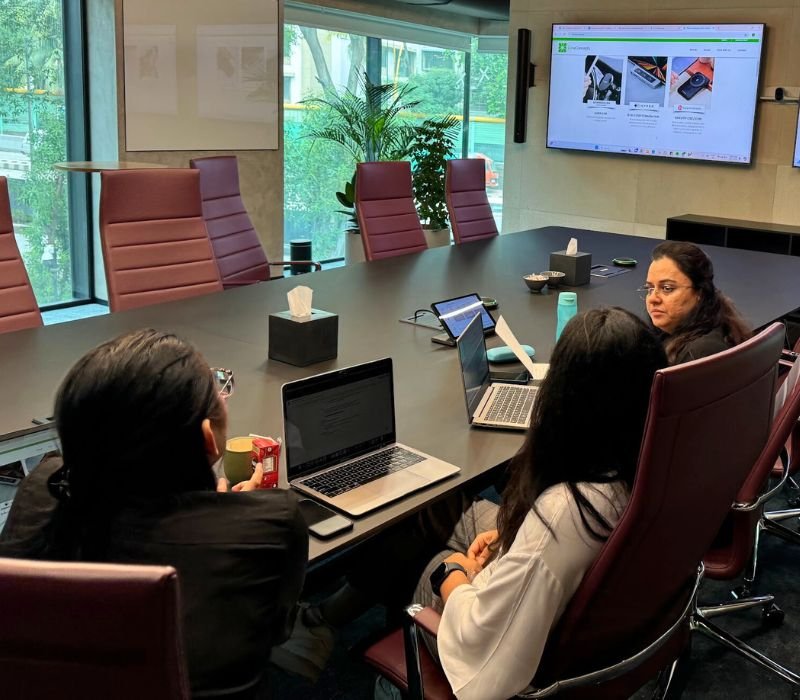
The Next Generation of Problem-Solvers
Move from classroom theory to real-world deployment. Walk away with a live digital product, a tested business model, and the systems-level frameworks to tackle any complex challenge.
- High school & university students
- International school cohorts
- Student innovation programs
- Sustainability & climate clubs
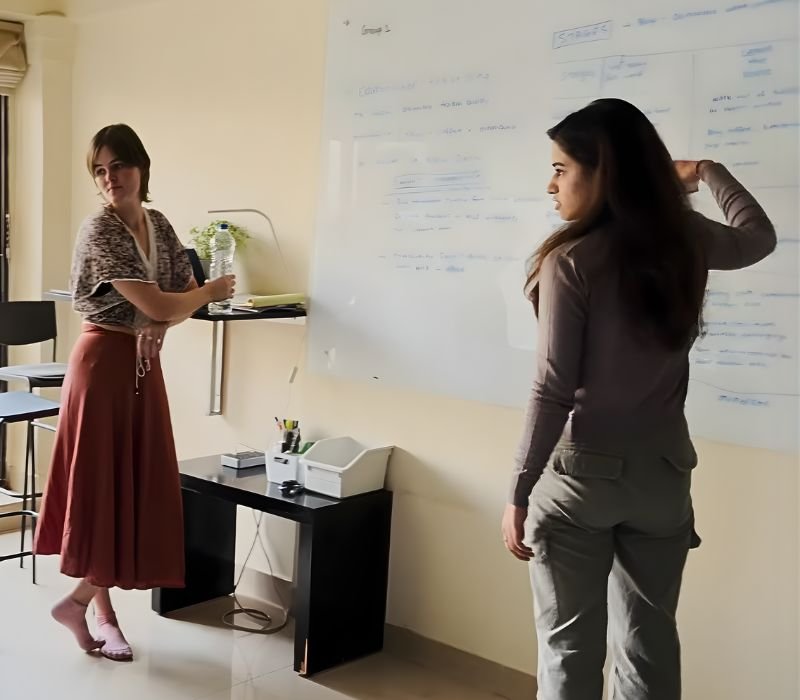
Curriculum That Matches the Real World
Give your students an experience that mirrors international innovation labs. Aligned with 21st-century competencies — systems thinking, AI fluency, and entrepreneurial discipline.
- Teachers & department heads
- School principals & directors
- University faculty & deans
- Curriculum design teams
Innovation That Serves Planet and Profit
ESG commitments require more than annual reports. We help corporate teams design, prototype, and deploy sustainability innovations embedded in viable, scalable business models.
- CSR & sustainability teams
- Strategy & innovation units
- Leadership cohorts
- R&D & product teams
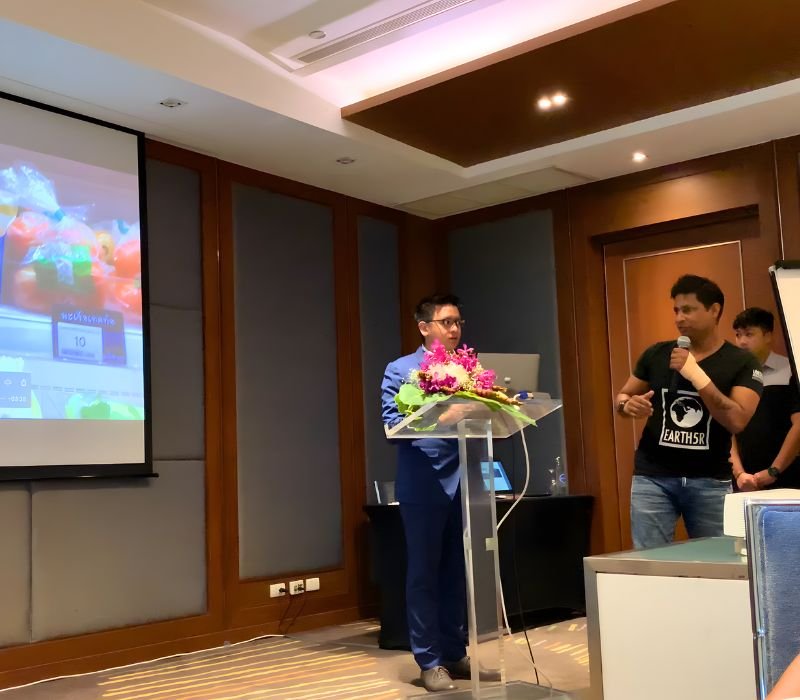
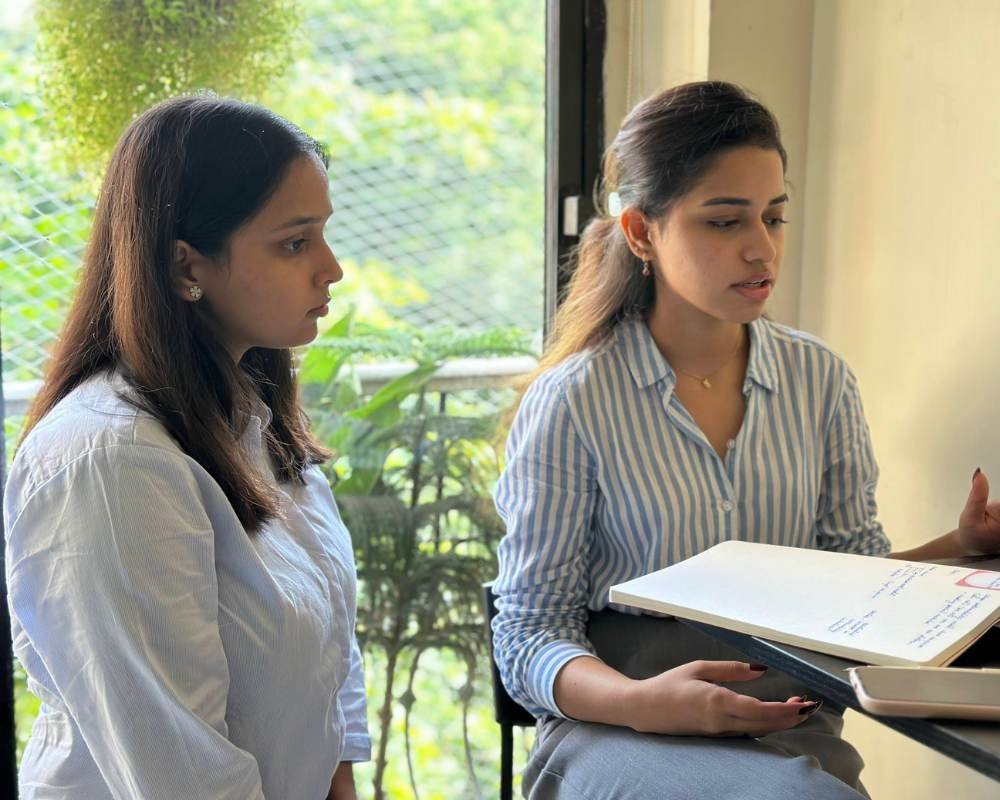
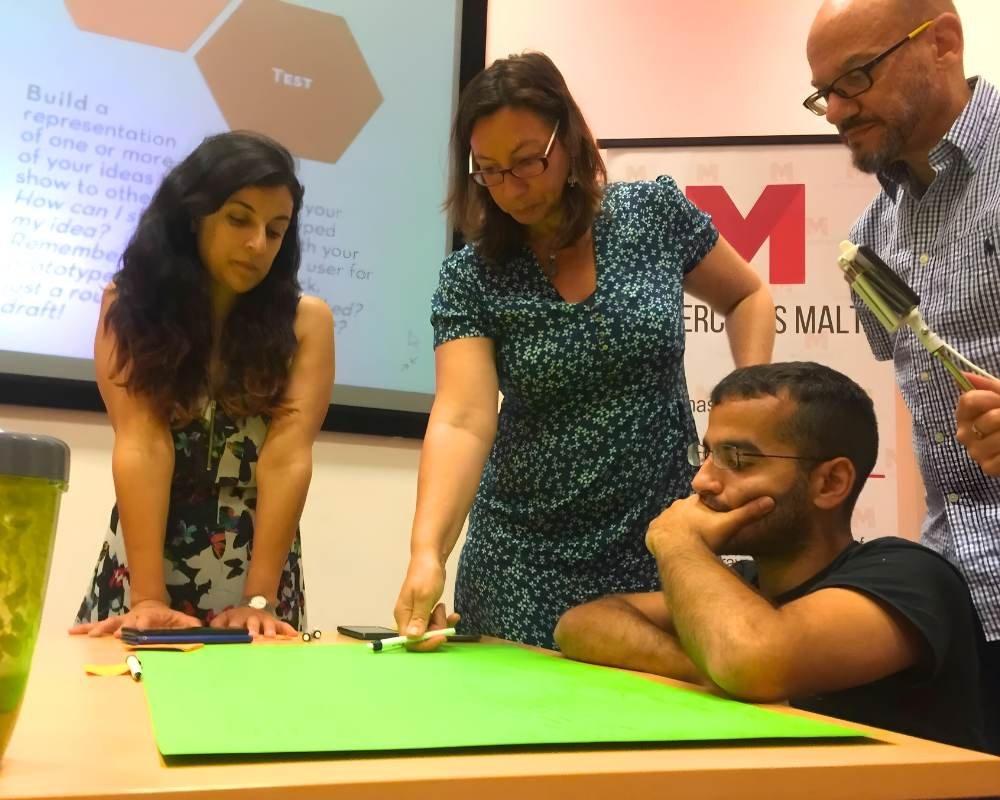
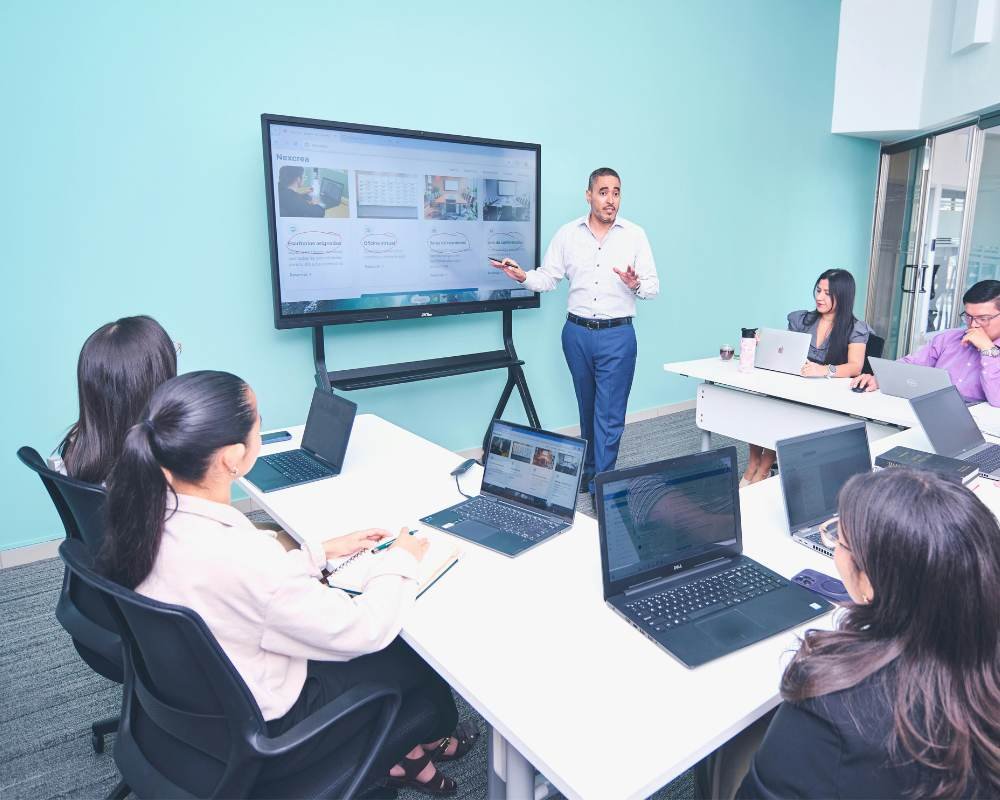
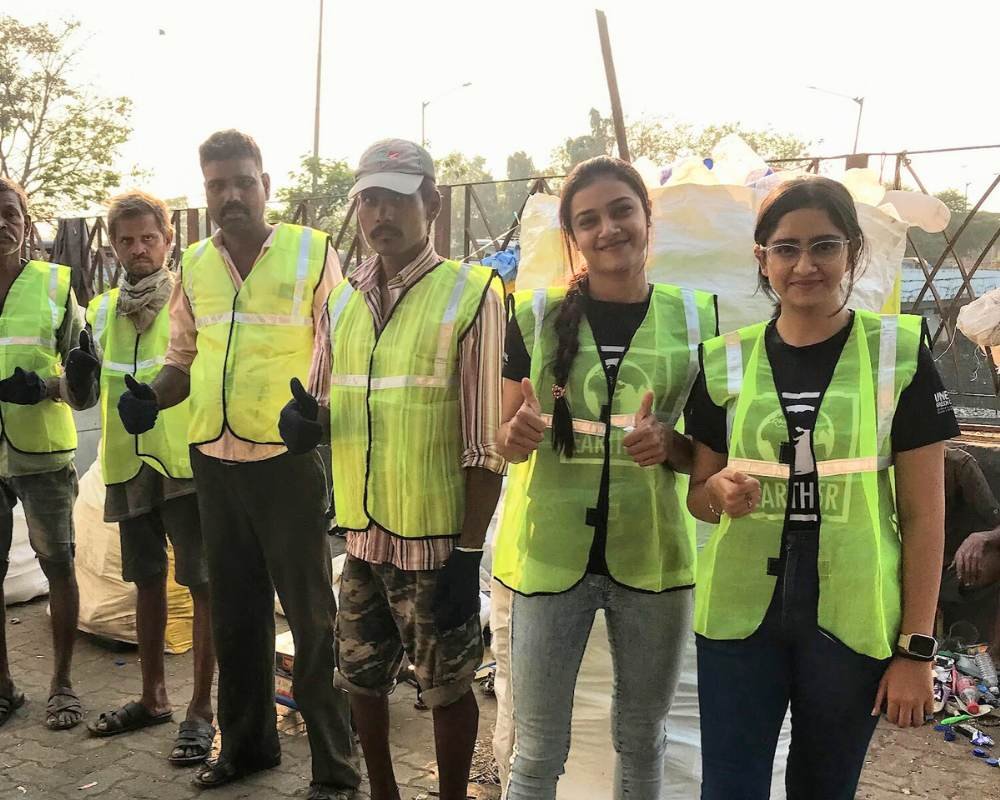
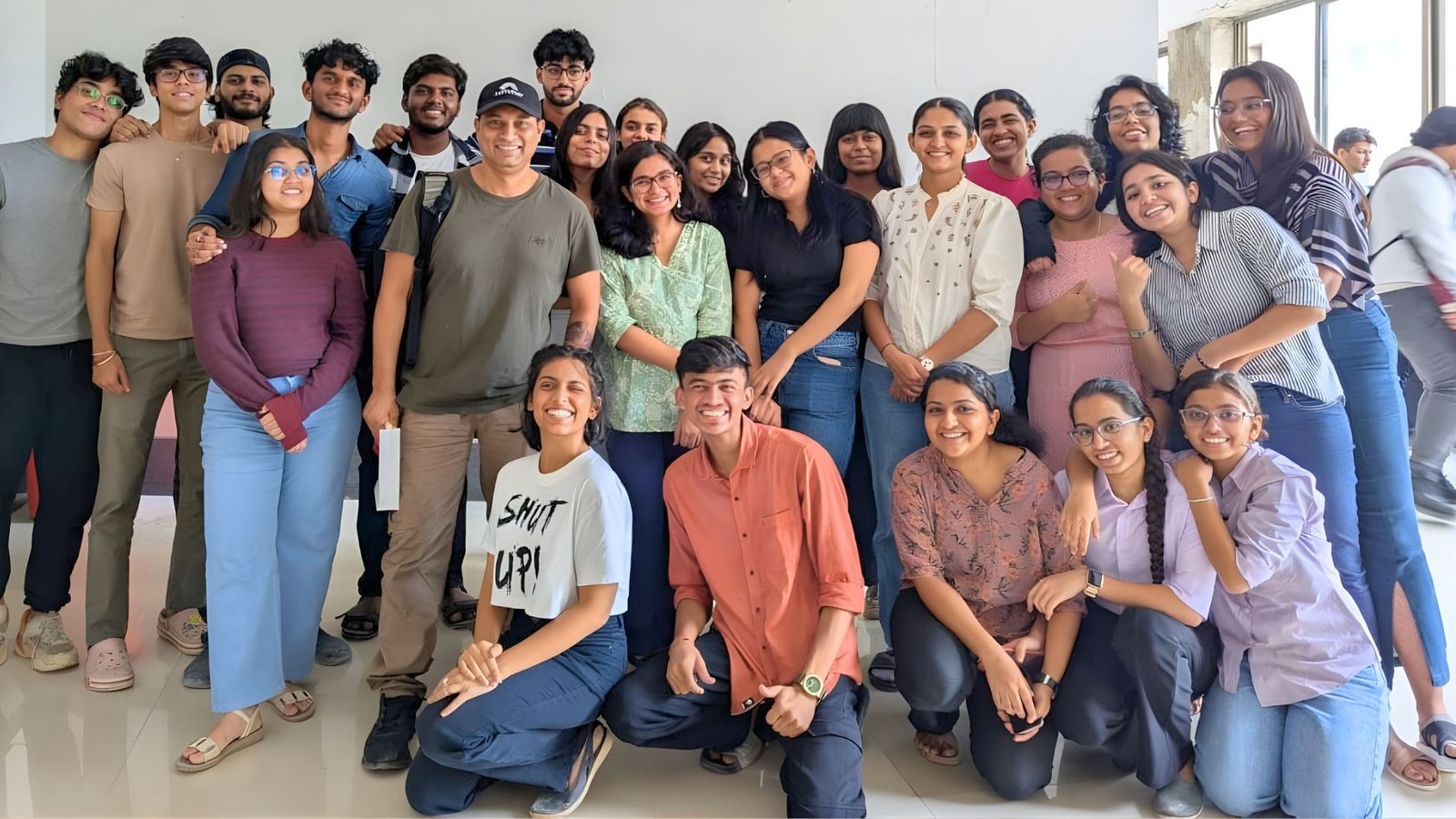
Workshop Gallery
Real moments from our hands-on innovation labs across India
Four Phases. One Complete System.
Each session is a compressed innovation sprint — designed to deliver not just learning, but a fully deployed output your team built and owns by end of day.
Urban Immersion & First Impressions
Participants use 'fresh eyes' to identify normalized inefficiencies. Ground-level community dialogue reveals how resource cycles and micro-economies differ across contexts.
Systems Thinking & Causal Mapping
Move from linear to integrated thinking. Map interdependencies and forecast second and third-order consequences before designing any intervention.
Entrepreneurial Design & Business Architecture
Teams assume C-suite roles (CEO, CTO, CFO, CMO) to model financials, map value flows, and measure impact across three dimensions simultaneously.
AI-Accelerated Build & Live Deployment
Using an integrated AI product stack, teams build functional applications and deploy them live within the session. Financial models embedded into app logic.
How We Think. How We Build.
From Anecdote to Data
The cognitive shift from "The city is crowded" to "Density drives efficiency" is the first move we teach.
Teams map interdependencies between traffic, delivery platforms, recycling networks, and real estate — identifying leverage points where single interventions create maximum systemic change.
The Central Question
"If you fix one part, what breaks elsewhere?"
Phase Two introduces architectural reasoning — the discipline of forecasting second and third-order consequences before implementing any intervention.
We teach you how to escape the "linear trap" and think systemically.
Design Thinking Process
Our methodology treats cities as interconnected systems, ensuring every solution accounts for social, material, financial, and scaling dynamics.
Measuring What Matters
Solutions are evaluated across three axes simultaneously. Optimizing for one without the others produces incomplete interventions.
AI Is an Amplifier, Not a Magic Wand.
We don't teach AI as a shortcut. We teach the structured logic that makes AI powerful. When participants understand systems before they touch software, they build solutions that survive contact with the real world.

From Street Observation to Live App in One Day
Students observed Mumbai's traffic congestion and delivery ecosystem. By the end of the session, they had designed, built, and deployed a working application that would solve the problem while monetising and creating incentives for users.
The Problem Observed
Mumbai's rapid delivery ecosystem was creating invisible congestion loops that neither policymakers nor app companies were solving systemically.
The Systemic Insight
Density drives efficiency — but only when behavioral incentives align with infrastructure. The solution needed to operate at the human behavioral level.
The Architectural Decision
Rather than address congestion through policy, the team designed an incentive layer that makes sustainable mobility economically attractive to users.
The Business Model
Revenue via commissions from retail partners plus aggregated urban mobility data licensed to municipal planning authorities.
What Every Participant Leaves With
Competencies that match the expectations of leading global academic institutions and professional environments — and a deployed product to prove it.
Systems Thinking
Move permanently from symptom management to root-cause architectural analysis.
Entrepreneurial Discipline
Learn how to model cost structures, define value exchanges, and align impact with capital discipline.
AI Fluency
Not prompt literacy — genuine AI fluency. The ability to design logic that AI amplifies.
Architectural Reasoning
Forecast second and third-order consequences before acting.
Cross-Cultural Intelligence
Best solutions emerge when hyper-local observation is stress-tested by teams from 10+ countries.
A Deployed Product
Every team leaves with a live digital product, a tested business model, and earned confidence.
What Participants Said
I came in thinking sustainability meant recycling and solar panels. I left understanding it as a systems architecture problem — that completely changed how I approach every challenge.
We built a functioning, live app in one day. Not a mockup — an actual deployed product with a business model. This is unlike anything we've encountered in educational programming.
The moment students realized their observation of a delivery bike could become a deployed climate app within hours — that shift from observer to architect is what education should feel like.
The framework — define stakeholder, map value flow, check circularity, scale impact — is a model I'm bringing directly into our corporate sustainability team.
Bring the Urban Innovation Lab to Your Institution
Whether you're a school building next-generation curriculum, or a corporation ready to move from ESG reporting to ESG innovation — we design every workshop around your specific context and goals.