
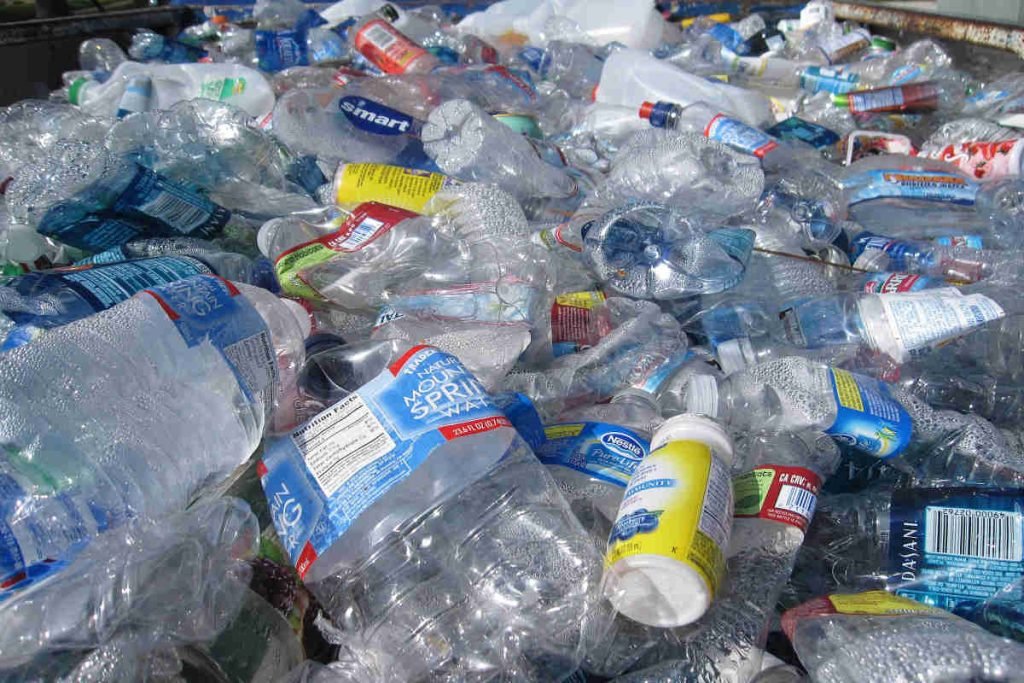
Why Circular Economy Matters Now?
As global consumption accelerates, the world is projected to generate 3.4 billion tonnes of waste annually by 2050; up from 2.1 billion tonnes today India is a central part of this trend, producing 62 million tonnes of municipal waste each year, while only 30% is scientifically processed . What is buried, burnt, or leaked into rivers is not just pollution; it is lost economic value. The UN estimates that over 90% of extracted materials globally are used once and discarded, resulting in USD 4.5 trillion in resource loss every year .
Policies such as SDG 12, the Paris Agreement, and India’s Extended Producer Responsibility (EPR) rules are attempts to correct this linear “take–make–waste” model, but regulation alone cannot recover value already being landfilled. This is where circular economy startups are emerging as system changers. By redesigning products, digitising waste flows, and converting discarded materials into certified inputs—plastic resin, biofuel, insect protein, vegan leather; these ventures prove that waste is not a disposal issue but a resource design issue.
For Earth5R, which tracks circular innovation across 53 countries, India’s startup ecosystem indicates a shift from recycling as damage control to circularity as economic strategy. The next sections explore ten ventures leading that shift.
The Rise of Circular Startups in India & the Global South

India’s shift toward circularity is being accelerated by policy, markets, and climate pressures. The Plastic Waste Management Rules and EPR mandates legally require brands to recover the plastic they sell, while Swachh Bharat Mission allocated funds for decentralised waste processing and material recovery facilities . At the global level, India has committed to the G20 Resource Efficiency Framework and SDG 12, linking economic growth with reduced resource extraction
This shift is not charity-driven; it is economic. Circular economy interventions are estimated to unlock USD 45 billion in annual economic value for India by 2050 and create up to 1.4 million green jobs .Across the Global South, 93% of waste is still dumped or burned, creating a massive opportunity for decentralised, startup-led circular models .
Earth5R’s field research shows that circular startups gain traction when three conditions align: enforceable regulation, corporate demand for recycled inputs, and integration of informal waste systems. India sits at this intersection, making it a potential blueprint for climate-aligned, resource-positive growth in emerging economies.
10 Startups Turning Waste into Opportunity
1. Banyan Nation: Recycling Plastics into Industry-Grade Resin
Banyan Nation uses AI-enabled traceability and advanced wash technology to convert post-consumer plastic into high-quality PCR resin for brands like Unilever and Renault.It has recycled 30,000+ tonnes of plastic and supports India’s EPR recycled-content mandates. Its PCR resin cuts lifecycle emissions by up to 70% compared to virgin plastic .
2. Lucro Plastecycle: Closing the Loop on Flexible Plastics
Lucro specialises in recycling low-value flexible plastics such as LDPE packaging and shrink wraps into circular packaging films for FMCG brands . It has diverted 100,000+ tonnes of plastic from landfills and supplies recycled granules to Amazon and HUL. Its closed-loop system aligns with India’s traceable EPR obligations.
3. ReCircle: Traceable Waste Supply Chains for EPR Compliance
ReCircle operates a digital waste commerce platform that enables brands to recover, track, and certify waste across 270+ cities . It has diverted 100,000+ tonnes of waste and formalised 3,000 informal workers. Its blockchain-backed traceability helps companies fulfil plastic neutrality and ESG reporting.
4. Recykal: India’s Circularity SaaS Platform
Recykal connects brands, recyclers, and waste generators through a cloud marketplace used in 40+ Indian cities . It has routed 600,000+ tonnes of waste into formal recycling and issues verified EPR certificates to companies like Coca-Cola and Marico. Recognised by Google and APAC Sustainability Index.
5. TrashCon: Automated Mixed Waste Segregation
TrashCon’s patented TrashBot separates mixed waste into wet, dry, and metal fractions with 95% accuracy . The dry fraction is turned into “WoW Boards”, a plywood alternative used in furniture and interiors. Its systems are deployed in 7 countries and endorsed by Smart Cities Mission.
6. GPS Renewables: Converting Food Waste into Bio-CNG
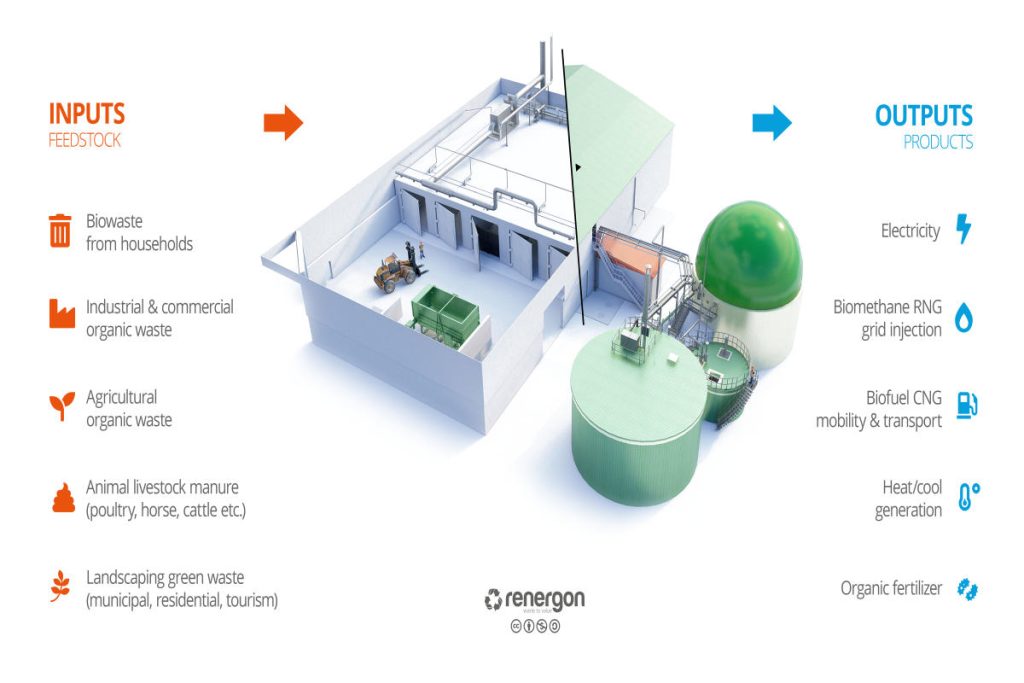
GPS Renewables builds biogas and compressed bio-CNG plants, including Asia’s largest food waste-to-CNG facility in Indore processing 550 tonnes/day . Its projects replace fossil fuels and support India’s SATAT green fuel scheme .Bio-CNG has 90% lower emissions than diesel
7. PadCare Labs: Circular Solution for Sanitary Waste
PadCare converts used sanitary pads into cellulose and plastic using its patented PadCare X reactor . It has processed over 5 million pads and provides traceable disposal systems to corporates, airports, and municipalities. It addresses both waste circularity and menstrual dignity.
8. Kabadiwalla Connect: Integrating the Informal Sector
Kabadiwalla Connect maps waste pickers and builds decentralised micro-MRFs that reduce waste logistics and increase recycler access . It has diverted 30,000 tonnes of waste while increasing worker incomes by 25–40%. Recognised by the Ellen MacArthur Foundation for inclusive circularity.
9. Loopworm: Food Waste into Insect Protein Economy
Loopworm uses Black Soldier Fly bioconversion to turn food waste into high-protein animal feed and biofertiliser. Insect protein has a 60% lower carbon footprint than fish meal and uses 90% less land than soy. The company runs India’s first industrial insect protein plant.
10. Phool: Temple Waste into Incense & Vegan Leather
Phool upcycles floral temple waste into natural incense and Fleather™, a bio-based vegan leather alternative . It diverts 13+ tonnes of flowers daily and employs 400+ women from self-help groups. Fleather™ has been piloted by global luxury brands and won the Earthshot Prize.
What These Startups Reveal About India’s Circular Future
Together, these startups show that India’s circular transition is no longer about waste management; it is about redesigning material, economic, and labour systems. Their models reveal three major shifts. First, circularity is moving upstream. Companies like Banyan Nation, Lucro, and Phool are not just recycling waste; they are producing certified secondary raw materials; PCR resin, recycled films, bio-leather that re-enter industrial supply chains.
Second, regulation is becoming a market engine. Platforms such as ReCircle and Recykal exist because EPR and ESG rules now require traceable recovery instead of unverifiable recycling claims. Circularity is becoming compliance infrastructure, not corporate goodwill.
Third, inclusion is emerging as a competitive advantage. Kabadiwalla Connect and PadCare prove that India’s informal workforce and overlooked waste streams; sanitary pads, temple flowers, flexible plastics can generate value when supported by technology, fair pricing, and data.
Circular innovation in India is also diverse: SaaS, biogas, robotics, insect protein, biomaterials. This confirms that circularity is not a single sector, but a new industrial category with climate, jobs, and supply-chain benefits. The lesson is clear: India’s waste problem is a design problem and these ventures are designing the next economy.
The Economics of Waste: Who Benefits?
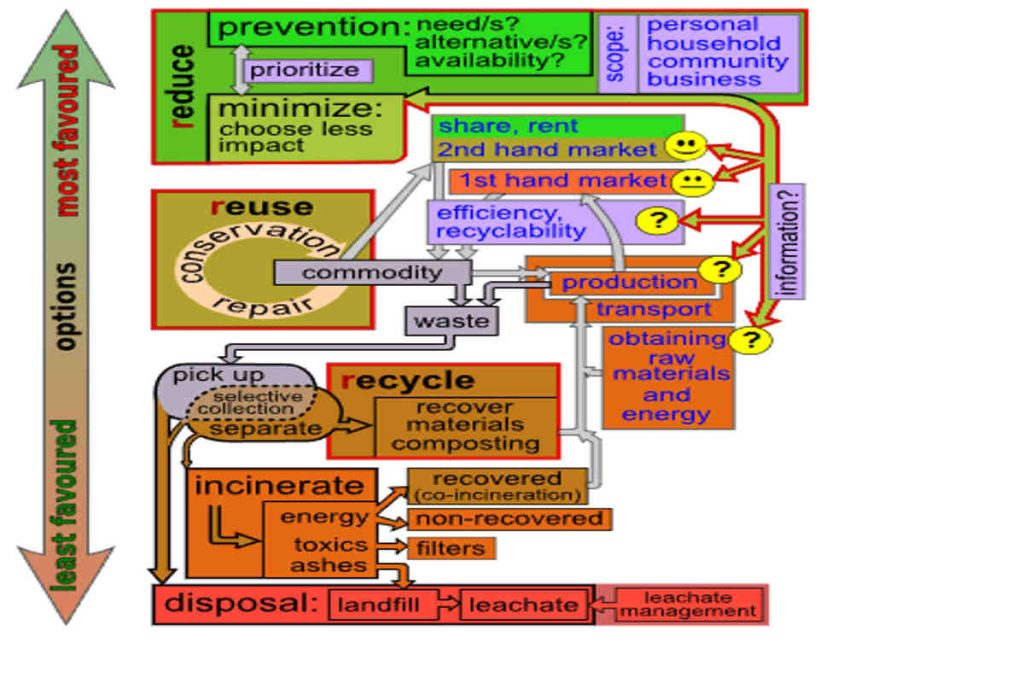
A circular economy does not reduce waste alone; it redistributes value. For cities, circular systems lower the cost of collection, transport, and landfill maintenance, which currently consume up to 30% of urban budgets . Decentralised recycling, composting, and bio-CNG plants extend landfill life, reduce methane emissions, and help cities meet climate and air-quality targets.
For businesses, waste is no longer a disposal cost but a compliance asset. EPR rules, ESG reporting, and recycled-content targets are pushing companies to treat waste recovery like supply-chain procurement. PCR plastic is already 15–25% cheaper than virgin resin, and bio-CNG offers a lower-cost substitute for imported LNG at scale.
For workers and citizens, circularity is a labour-intensive alternative to landfilling and incineration. Recycling and repair services create 36 jobs per 10,000 tonnes of waste; compared to six in incineration and one in landfill . The informal workforce, if formally integrated, stands to gain income stability, health protection, and digital access.
India’s circular shift therefore delivers climate benefit, industrial savings, and green employment simultaneously. The challenge is not proving the economics; it is scaling the systems that allow value to circulate instead of being buried.
Challenges Holding Back Circular Scale-Up
Despite policy momentum and startup innovation, India remains far from achieving systemic circularity. The barriers are not technological alone; they are structural, behavioural, and financial.
1. Lack of Source Segregation
Over 70% of India’s waste is still collected in mixed form, making recovery expensive and inefficient . Even the best recycling or biogas infrastructure fails when feedstock arrives contaminated. Segregation is legally mandated under the Solid Waste Management Rules (2016), yet enforcement is weak, penalties are rarely imposed, and municipal systems prioritise collection over processing.
2. Capital-Heavy Infrastructure Gaps
Circular solutions such as MRFs, CBG plants, chemical recycling, or large-scale PCR resin units require long-gestation capital and blended finance. Municipal PPP models often stall due to land acquisition, tariff disputes, and unstable waste supply contracts. India recycles less than 12% of its plastic waste domestically because recycling capacity is fragmented and under-financed .
3. Policy Enforcement Inconsistency
EPR rules exist, but execution varies by state. Many brands meet compliance through paper certificates rather than real material recovery. Absence of national recycled-content standards in textiles, construction, and packaging further slows demand-side pull. Without compulsory procurement, recycled materials compete against subsidised virgin raw materials.
4. Informal Sector Exclusion Risks
While 60% of India’s recycling is driven by informal workers, automation-first solutions often bypass them. Without formal integration, circularity could reproduce old extractive hierarchies under a green narrative. The future of waste work remains undefined in labour codes, social security schemes, and ESG taxonomies.
5. Consumer Behaviour & Product Design
Circularity is constrained not just by waste mismanagement but by linear product engineering;multilayer plastics, virgin-only packaging, fast fashion synthetics, and disposable sanitary products designed without end-of-life responsibility. Behavioural adoption of refill, repair, and reuse models remains low without pricing incentives.
6. Data Deficit
Circular systems require material flow data, carbon accounting, and traceability. Most Indian cities still use manual logbooks instead of digital waste registries, making planning reactive rather than predictive.
These constraints explain why isolated pilots succeed, but national-scale circularity remains unrealised. The next section explores what India must do; policy, finance, design, and citizen action to move from scattered innovation to systemic transition.
The Road Ahead: What India Needs for a Circular Breakthrough
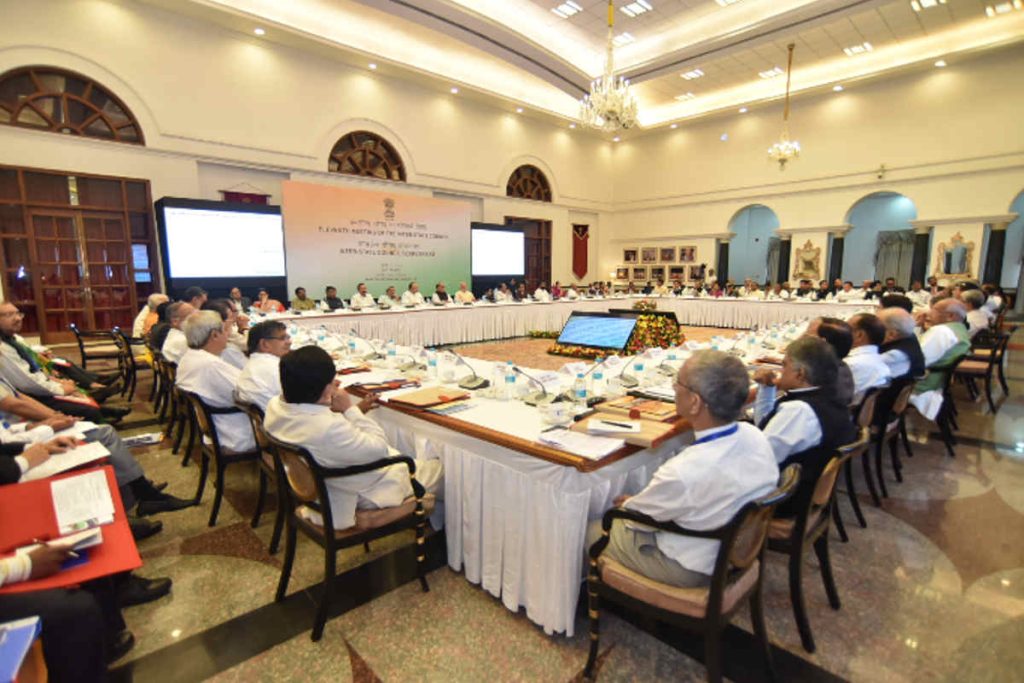
India’s circular transition will not scale through startups and municipal pilots alone. It requires structural shifts in policy, finance, industrial design, and public participation. The next decade will decide whether circularity becomes a national economic strategy or remains a sustainability niche.
1. Policy Reform Beyond Compliance
India’s current regulations focus on end-of-life management—EPR, waste collection targets, landfill bans. The next policy wave must incentivise design for circularity through:
Mandatory recycled content standards across packaging, construction materials, textiles, and automotive plastics
GST reduction on recycled goods and green bio-based materials
Repairability and reuse labelling norms (similar to EU Right-to-Repair Index)
National procurement mandate for recycled materials in government tenders
2. Blended Financing & Green Infrastructure Funds
Circular infrastructure needs the same treatment solar parks received 10 years ago, viability gap funding, sovereign guarantees, green bonds, and DFI-backed credit lines. A ₹20,000 crore Circular Economy Fund, co-financed by public and private capital, could unlock biogas, recycling, and remanufacturing facilities the same way PLI catalysed EVs and solar manufacturing.
3. Startup-Municipality Partnerships
Circular solutions should not compete with municipal systems; they should operate within them. Long-term concession models, pay-for-performance contracts, and decentralised MRF franchising can bring startups like TrashCon, ReCircle, or PadCare into city-level waste governance instead of limiting them to CSR pilots.
4. Corporate Accountability Beyond Offsets
EPR must evolve from “pay and claim credits” into lifecycle responsibility. Brands should report not only tonnage recovered, but percentage of recycled material used in products, labour conditions in collection supply chains, and carbon savings per ton of material circulated.
5. Inclusion of Informal Workers as Circular Workforce
Formalisation should not mean displacement. India needs a national policy recognising waste pickers as urban service providers with contracts, EPF/ESI coverage, digital payments, and integration into BRSR-linked ESG metrics. A just transition is not optional; mit is the foundation of circular resilience.
6. Citizen Systems for Participation
Segregation, refill models, and repair cultures require behavioural infrastructure: deposit-return schemes, reverse vending, refill-on-wheels, community composting hubs, and circular product labelling.
If India can align these levers, it can leapfrog linear industrialisation and build the world’s largest circular economy; rooted not in imported systems, but in local ingenuity, decentralisation, and inclusive climate employment.
Waste Is Not the Problem. Linear Thinking Is.
The crisis India faces today is not created by waste itself, but by the linear systems that treat materials as disposable, labour as invisible, and pollution as an acceptable cost of growth. The ten startups analysed here prove that waste is not a burden to be managed at the end of a supply chain, but a resource to be designed back into it. Whether it is turning sanitary pads into cellulose, flowers into biomaterials, or food scraps into bio-CNG, each model challenges the assumption that value ends at consumption.
What unites these innovations is not technology alone, but a mindset shift—from extraction to regeneration, from compliance to circular markets, from landfill economies to material intelligence. They show that India does not need to replicate European waste systems to achieve circularity; it can build its own data-driven, decentralised, job-rich, and climate-aligned.
The opportunity is enormous: USD 45 billion in GDP gains, millions of green jobs, and a chance to avoid the ecological debt of the West. But reaching that future requires more than pilots. It demands political will, blended finance, corporate accountability, and citizen participation. Circularity must move from sustainability departments into national economic planning.
Earth5R has long argued that the circular economy is not a trend; it is a civilisational redesign. The real question is not whether India can turn waste into opportunity, but whether it can redesign growth itself to run on circular logic. If it succeeds, waste will cease to be a problem, not because there is less of it, but because we will have finally learned how to keep value circulating, rather than burying it beneath our cities.
FAQs on India’s Circular Economy & Waste-to-Opportunity Transition
What is a circular economy and how is it different from recycling?
A circular economy redesigns products, systems, and supply chains so that materials are continuously reused, repaired, remanufactured, or regenerated. Recycling is only one component of circularity and occurs at the end of the chain, whereas circularity begins at product design and business model level.
Why is circularity urgent for India?
India generates 62 million tonnes of waste annually and this is expected to double by 2030, while landfill capacity in major cities is already exhausted Without circular systems, both economic and ecological losses will scale.
How do circular startups support India’s Extended Producer Responsibility (EPR) rules?
Startups like ReCircle and Recykal provide traceable waste recovery and digital certificates that brands submit to fulfil legally mandated EPR targets under the Plastic Waste Management Rules .
What sectors benefit the most from circular business models?
FMCG, textiles, automotive, construction, agriculture, and renewable energy gain from recycled inputs, reduced raw material costs, and lower carbon footprints.
How does circularity create jobs?
Recycling, remanufacturing, repair services, bio-material production, and reverse logistics create up to 36 jobs per 10,000 tonnes of waste processes; compared to only one landfill job .
What role does the informal sector play in India’s recycling economy?
Informal waste pickers recover 60% of the country’s recyclable materials, but remain unrecognised in policy and ESG reporting Circular models are now being built to formalise and include them.
Is circularity only an environmental strategy, or also an economic one?
It is both. NITI Aayog estimates circularity could add USD 45 billion to India’s GDP by 2050 while cutting resource imports and landfill costs .
Why is source segregation a major barrier to circularity?
Over 70% of Indian waste is mixed at the point of disposal, making material recovery inefficient and expensive, even with advanced technology..
How do circular startups help India meet climate goals?
They divert methane-generating organic waste, replace virgin plastics, reduce petrochemical dependence, and lower lifecycle emissions, directly contributing to India’s NDC and Paris Agreement commitments.
Which policies enable circular economy growth in India?
Plastic Waste Management Rules, EPR mandates, Swachh Bharat Mission 2.0, SATAT scheme for bio-CNG, and BRSR reporting norms for listed companies.
What is the connection between circularity and ESG compliance?
ESG reports now require proof of waste diversion, recycled content use, and supply-chain labour conditions; all of which circular startups document through traceable systems.
Can circular economy models scale without government intervention?
They can grow in pockets, but full national circularity requires policy stability, waste segregation enforcement, and fiscal incentives such as lower GST on recycled goods.
Are circular products more expensive for consumers?
Not necessarily. Recycled plastics, decentralised compost, and bio-CNG are already cheaper than virgin materials or fossil fuels when produced at scale.
Why is product design critical in circular systems?
If products are made of fused or multi-layer materials with no end-of-life plan, even the best recycling technologies cannot recover value. Design-for-disassembly is a core principle of circularity.
How does India compare globally in circular economy readiness?
India has stronger informal waste recovery than most countries, but weaker segregation, weaker enforcement, and lower recycling infrastructure per capita compared to the EU or Japan.
What prevents multinational brands from adopting recycled materials faster?
Material purity, supply-chain consistency, and lack of mandatory recycled-content standards slow adoption.
Can circularity work in rural India or only cities?
Models like GPS Renewables (bio-CNG), Loopworm (agri-waste insect protein), and Phool (temple waste) show strong rural and peri-urban applicability.
What is the role of citizens in circular transition?
Segregation, refill/reuse habits, composting, and demand for recycled products are behavioural levers that no law can substitute.
How does Earth5R contribute to circular economy awareness?
Earth5R collects grassroots data, trains citizens, and builds on-ground models in 53 countries to shift waste systems from reactive disposal to regenerative design.
Is circular economy a climate mitigation strategy or an adaptation strategy?
It is both; mitigation through lower emissions and avoided extraction, adaptation through decentralised resilience, reduced landfill pressure, and resource security.
Building India’s Circular Future Requires Shared Ownership
India’s transition to a circular economy will not be achieved by startups alone, nor by policy mandates in isolation. It requires a coalition of public will, private capital, scientific innovation, and citizen responsibility working toward a single goal: keeping materials, value, and livelihoods in continuous circulation. Policymakers must move beyond compliance rules and introduce incentives that favour recycled content, decentralised recovery, and informal sector inclusion. Corporates and investors must treat circularity not as a CSR diversion, but as core supply-chain security in a resource-constrained world. Citizens must recognise that segregation, reuse, and conscious consumption are not symbolic gestures but the foundation upon which every scalable circular solution is built. The question is no longer whether India can afford circularity; it is whether India can afford to ignore the economic, ecological, and employment dividends it unlocks.
Earth5R’s work across 53 countries shows that circular economies succeed when responsibility is distributed, not outsourced. If India aligns policy, capital, innovation, and community action, it has the potential to become the world’s largest circular marketplace, where waste is not buried, burned, or exported, but continuously remade into opportunity. The future is not landfill-free. It is value-rich. And it begins with each sector accepting its role in keeping the loop unbroken.
Authored by- Sneha Reji