
Climate Readiness · TERRA by Earth5R
Climate readiness for Indian companies, lenders and advisers
Customers, lenders and regulators now ask every Indian company the same two questions. Is your climate data credible? Is your plan on track? Earth5R helps you answer both, with TERRA, our climate readiness platform, and with a field network that checks claims on the ground.
Book a TERRA demoCheck your climate readiness
- Recognised by the United Nations
- Recognised by Google as a Top 10 Global Sustainability Innovator
- UNESCO India: Technology for Impact case study
What climate readiness means
A climate-ready company can answer three questions with evidence, not adjectives.
Where do we stand?
A complete, defensible emissions inventory: Scope 1, Scope 2 and Scope 3, with a base year that holds up to an auditor.
Is our target credible?
Targets that pass SBTi’s checks, meet CCTS obligations where they apply, and come with a plan that shows how they will be met.
Do our claims match our data?
What the annual report and BRSR say, set against what the company’s own numbers support. Investors run this comparison. You should run it first.
Four ways Earth5R helps
TERRA Climate Readiness Platform
Your company scored on 34 indicators against sector peers, with your gaps ranked by what blocks you most. Company results are shown in a demo call, not published.
Open TERRASBTi Readiness
Inventory, Scope 3, target design and the path to submission. SBTi validates. Earth5R prepares your company.
SBTi readiness for Indian companiesESG and BRSR Reporting Services
BRSR and BRSR Core reporting, value chain disclosures and assurance readiness, built on data that stands up to review.
ESG and BRSR reportingCorporate Sustainability Training
Training for boards, sustainability teams and suppliers on BRSR, Scope 1, 2 and 3, SBTi, CCTS and climate risk.
Corporate sustainability trainingWho uses TERRA
Banks and NBFCs
See which borrowers in steel, cement, power and chemicals are actually decarbonising, and which are restating their way to a better number.
Screen your loan bookBig 4 and ESG advisory
An independent, sector-calibrated baseline under BRSR remediation, assurance readiness and gap analysis work.
Use TERRA with clientsListed companies and boards
Know where you stand against sector peers, and see your claim-vs-reality gap before an investor or regulator does.
See where you standFund and asset managers
Screen India equity portfolios on outcomes, not just disclosure quality, with sector benchmarks and divergence flags.
Screen your portfolioTERRA: five dimensions, 34 indicators
TERRA stands for Trajectory, Environment, Resilience, Reach and Accountability. Each company is scored from 0 to 100 across five weighted dimensions, with sector-specific weights for 12 industry profiles. Indicators are benchmarked against physical limits, regulatory thresholds and best practice, adjusted by 13 anti-gaming checks, and reported with confidence bands.
Trajectory
- 3-year rolling improvement rate
- Pledge-to-progress ratio
- Restatement penalty
- SBTi and net zero alignment
Environment
- GHG intensity by revenue and by physical output
- Water use adjusted for local water stress
- Waste circularity rate
- Biodiversity footprint
Resilience
- Supply chain ESG, Tier 1 and Tier 2
- Physical climate risk
- Systemic leverage
Reach
- Vulnerability Depth Index
- Community-verified impact
- Geographic depth
Accountability
- Claim-vs-Reality Gap
- ESG governance depth
- Regulatory record
The Claim-vs-Reality Gap
TERRA reads each report twice. The first pass extracts the numbers: emissions, water, waste, CSR spend, beneficiaries. The second scores how strong the claims are: the language, the scope, the superlatives. The gap between the two is the Claim-vs-Reality (CvR) Gap.
CvR is a neutral, factual measure of narrative-data divergence. It does not accuse anyone. A company that sees its gap early can close it, by improving performance or by matching its language to its evidence.
What it looks like (illustrative patterns)
CO2 emission intensity is among the best globally for our production route.
Data: intensity independently assured and top quartile against global peers.
Low CvR: language matched to evidenceOur renewable energy transition has been transformational this year.
Data: renewable share rose from 8.2% to 9.1%.
High CvR: inflated narrativeNet carbon zero by 2035, backed by major green energy investment.
Data: renewables at about 1% of energy use, no Scope 3 reported, energy use rising.
Significant gap: commitment not yet realityBuilt for India’s rules
TERRA is not a global framework retrofitted to India. It is calibrated to the rules Indian companies, lenders and advisers actually work under.
Verified on the ground
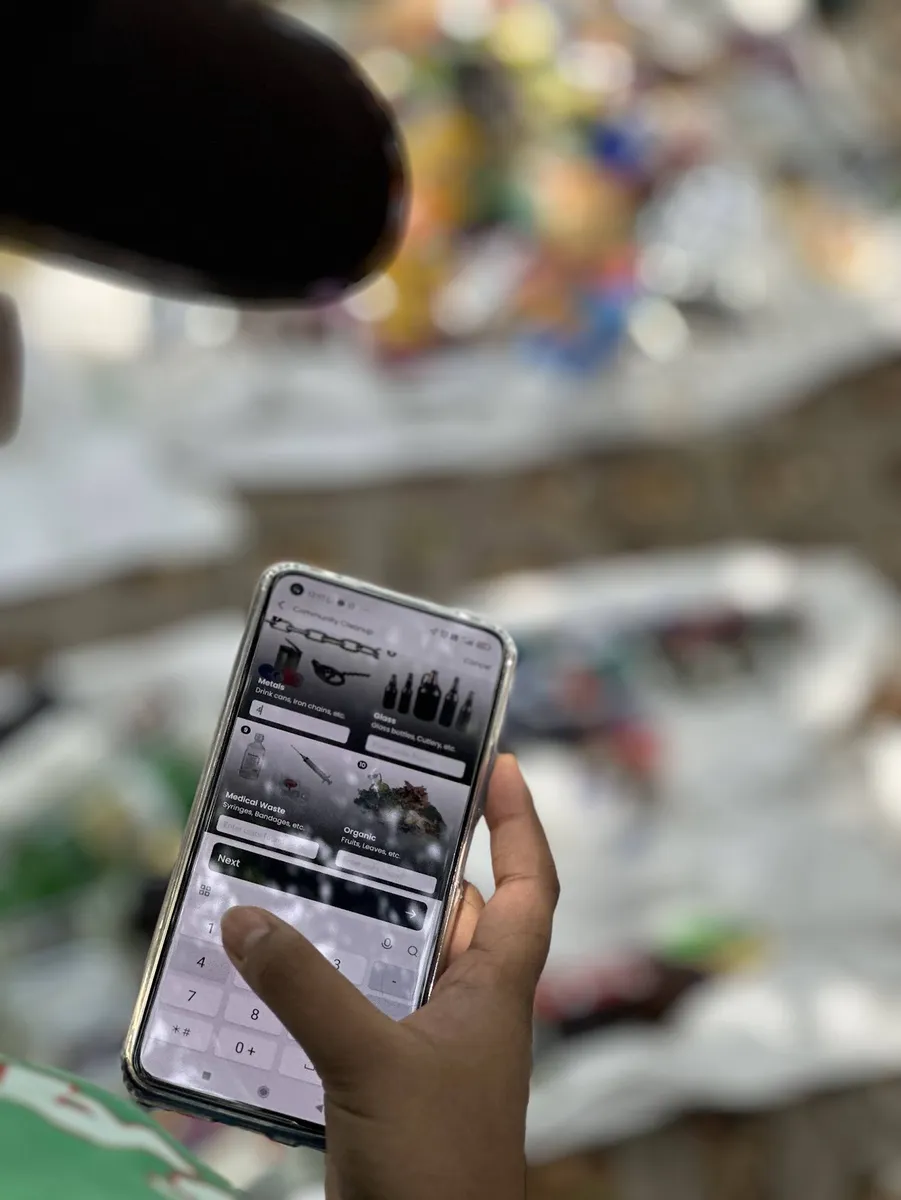
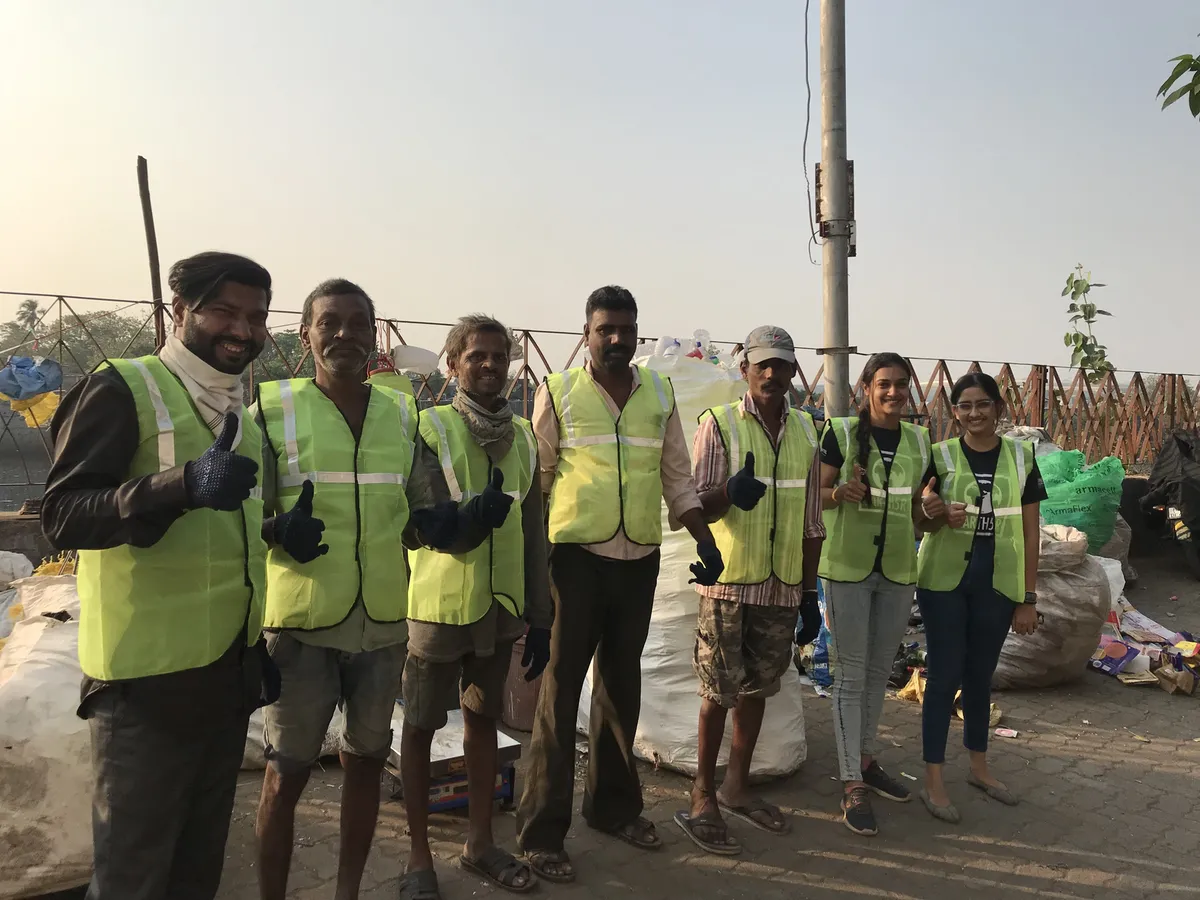
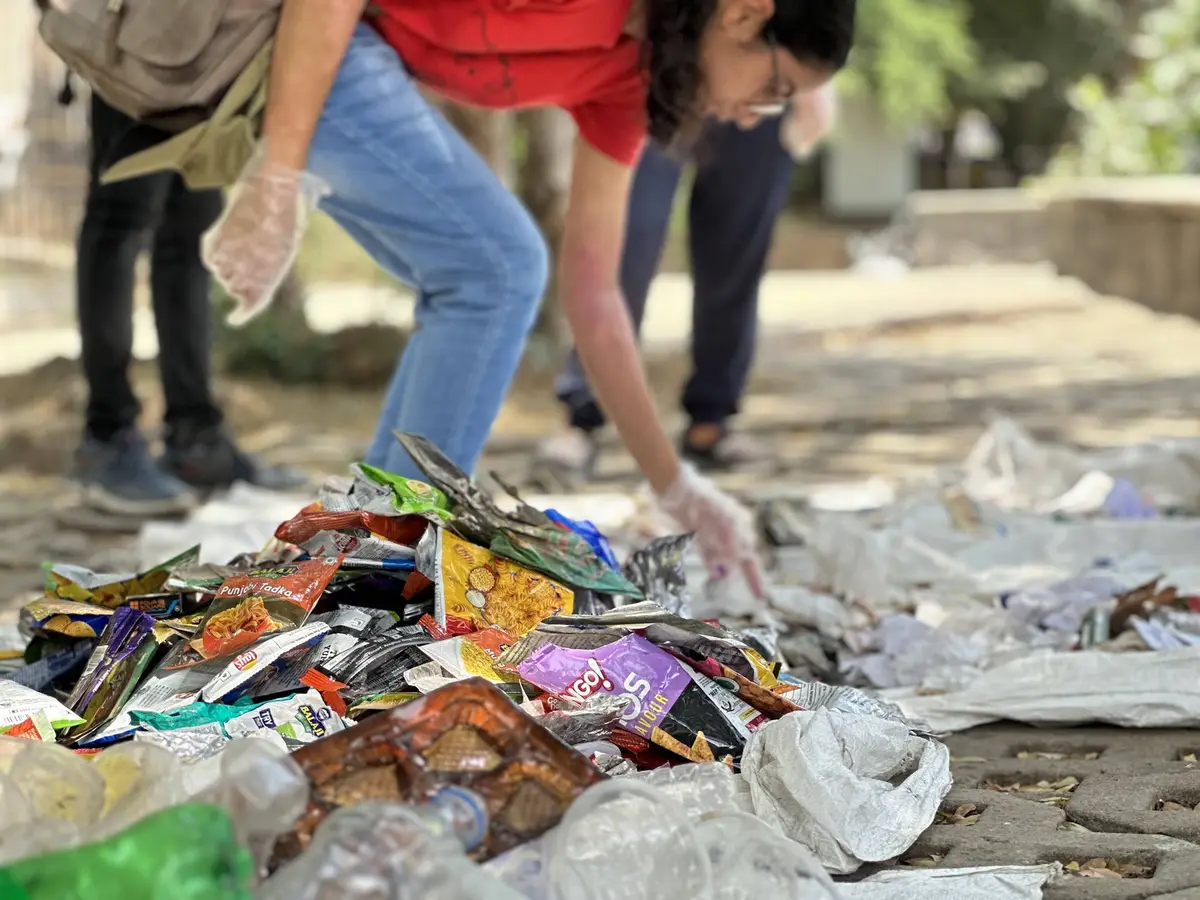
Most ESG ratings are made at a desk. TERRA is backed by Earth5R’s own field network across 150+ Indian cities and 2.4 billion field data points, so claims about waste, water and communities can be checked where they happen.
Book a TERRA demo
See your company, a borrower, a client or a portfolio through TERRA. Company scorecards are walked through in the demo call and are not published.
- A work email address
- A named company or portfolio
- The business decision it will inform
TERRA is for business use. It is not offered for academic, student or personal research.