
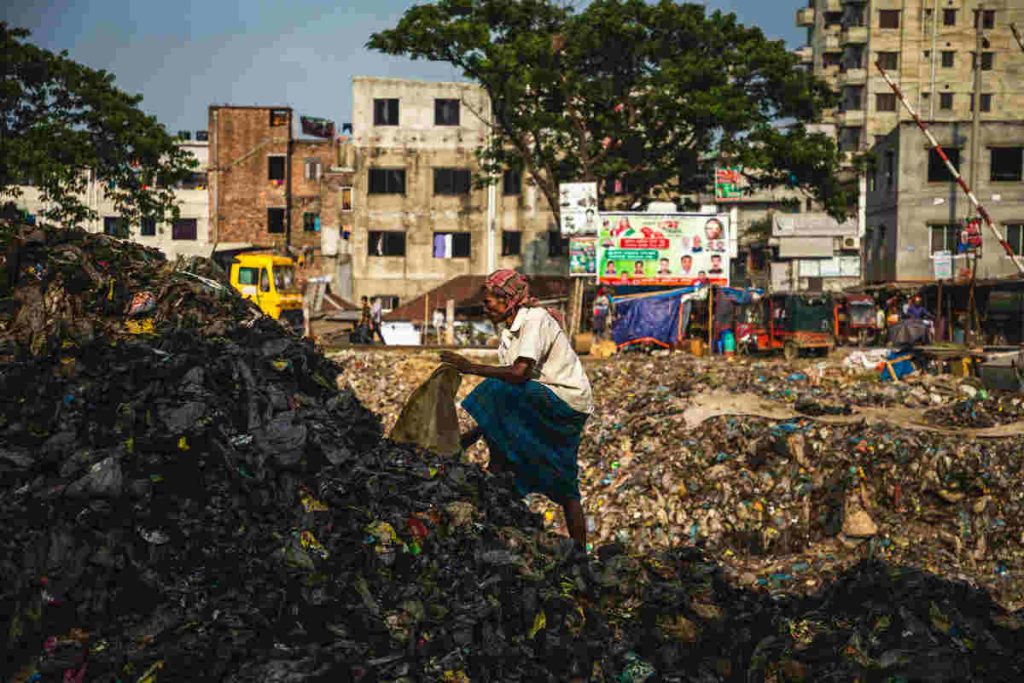
Environmental organisations and environmental NGOs in India are operating in a rapidly changing waste management landscape where national missions, sustainability rules, ESG requirements, and river cleaning mandates shape the direction of policy and innovation.
India generates 62 million tonnes of municipal waste annually, according to the, and this number is projected to exceed 165 million tonnes by 2030 as noted in the article. These numbers highlight the urgent need for structured waste management systems, policy integration, and community-driven sustainability efforts that environmental NGOs like Earth5R have been leading across India.
India’s waste ecosystem intersects with public health, climate change, groundwater contamination, air pollution from landfills, and marine ecosystem degradation.The Global Waste Management Outlook by UNEP shows that solid waste disposal sites and wastewater treatment systems are major sources of methane emissions globally. Methane (CH₄) ; the principal gas emitted from anaerobic decomposition of organic waste has significantly higher global-warming potential than CO₂.
According to climate science (IPCC), methane’s potency makes waste-sector emissions a critical factor for global climate pathways. Government schemes in India play a crucial role in shaping funding flows, procurement systems, technological adoption, citizen engagement, and waste infrastructure development.
Waste startups that align their solutions with these schemes grow faster, scale across more cities, and win more tenders because their models align directly with what municipalities and ministries already prioritise. Earth5R’s work across 500 cities shows that mission-aligned deployment leads to faster approvals, lower operational friction, and measurable sustainability outcomes.
This article offers a deep, research-driven, Earth5R policy breakdown of the five most important government schemes for waste startups in India.
Why Government Schemes Determine the Future of Waste Management in India
Waste management challenges in India are linked to urban expansion, unplanned growth, increasing consumption, and inadequate recycling networks. According to the Central Pollution Control Board, India generated approximately 160,039 tonnes of municipal solid waste per day in 2020-21, with around 95 percent of that waste collected.
Independent assessments show that only about 28 percent of municipal solid waste is processed or treated scientifically, indicating that a significant share of collected waste remains unprocessed or is improperly dumped.
Poor waste processing and management contribute to pollution of rivers and water bodies, a problem acknowledged by national river-management missions dealing with solid-waste inflow and water-quality degradation.
These dynamics underline why decentralised waste management, community engagement, and sustainable operational models such as those implemented by Environmental NGOs like Earth5R; remain critical.
Understanding India’s Waste Crisis: The Data That Government Schemes Are Built To Solve
India produces nearly 160,000 tonnes of municipal solid waste every day, according to the
CPCB Annual Report 2020–21. Studies from UNICEF and the WHO show that poorly handled waste increases vector borne diseases, heightens respiratory risks, and contaminates water sources across urban regions.
National assessments published by NITI Aayog indicate that many small and medium towns continue to operate without fully developed waste collection, segregation, and processing systems.
India’s plastic waste challenge reinforces these structural gaps. CPCB data shows the country generates more than 9.46 million tonnes of plastic waste annually, as detailed in the CPCB Annual Report 2021–22.
Earth5R’s waste audits across Mumbai, Pune, Hyderabad, Bengaluru, and Chennai show that household waste typically comprises 45 percent wet waste, 35 percent recyclable dry waste, and 20 percent non recyclable waste.This pattern shows the need for stronger segregation, decentralised composting, and improved recycling networks.
Government schemes were created to respond to these systemic realities. Each mission addresses specific gaps through regulatory reforms, funding mechanisms, and operational frameworks. Startups that do not align with these national priorities often struggle to scale, while those that integrate early gain faster acceptance and institutional support.
Policy Breakdown: The Five Most Important Waste-Sector Schemes for Startups in India
These schemes shape how Indian cities manage waste, sustain recycling networks, adopt technology, and integrate sustainability into governance. Together, they define India’s path to circularity. Each scheme offers distinct opportunities for environmental organizations and climate-tech startups.
The schemes are:
- Swachh Bharat Mission 2.0
- Smart Cities Mission
- AMRUT 2.0
- Plastic Waste Management Rules and EPR
- Gobardhan Scheme
Swachh Bharat Mission 2.0
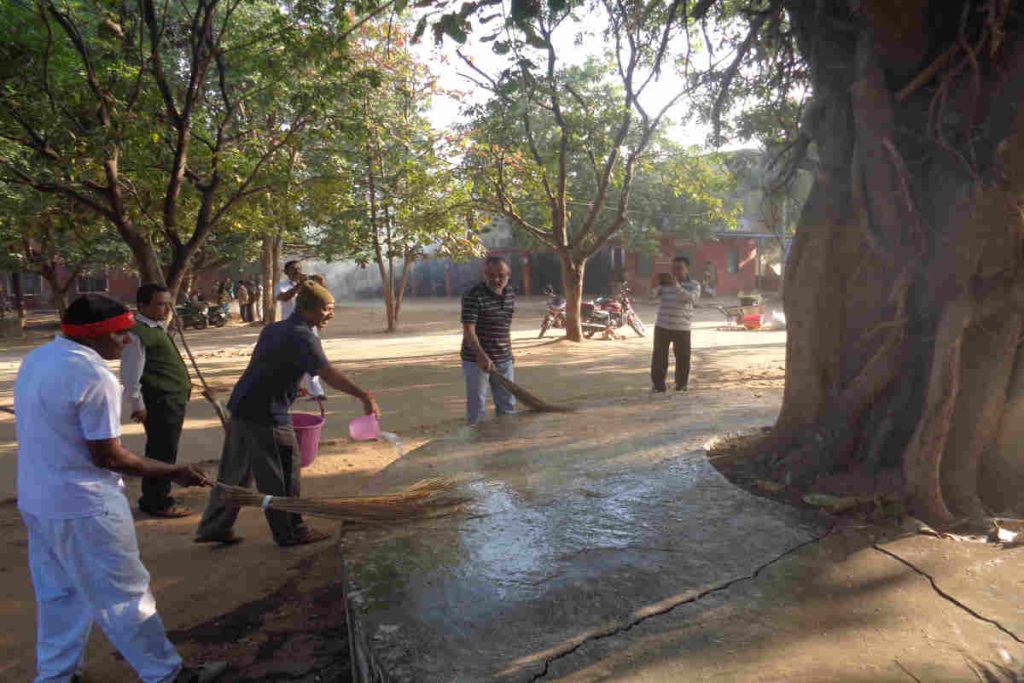
India’s Largest Urban Waste Management Reform**
Swachh Bharat Mission 2.0 (SBM 2.0) is India’s largest sanitation and solid waste management mission.It governs waste systems across 4,372 urban local bodies.
The mission provides infrastructure funding, digital frameworks, decentralised waste systems, and community participation models.
SBM 2.0 has a financial allocation of ₹1.41 trillion, according to A significant component is allocated to decentralised waste management solutions, material recovery facilities (MRFs), composting technologies, and waste transportation.This creates strong pilot opportunities for startups offering niche waste solutions.
How SBM 2.0 Supports Startups
Community composting models.
SBM encourages decentralised composters that process wet waste locally.
Startups can deploy simple, low-cost composting units in parks, markets, and neighbourhoods under municipal partnerships.
Micro MRFs and decentralised recycling systems.
SBM emphasises reducing the load on large centralised facilities. Startups providing micro-sorting stations, automated segregation tools, or small-scale MRFs can secure quick approvals.
Digital waste transparency tools.
SBM requires data reporting on segregation, recycling, and landfill diversion.
Startups offering IoT devices, QR-coded waste tracking, or digital dashboards align perfectly with SBM KPIs.
Earth5R’s Zero Waste Program integrates community waste segregation, decentralised dry-waste rooms, worker training, and behavioural change models that match SBM guidelines. Earth5R deployments have shown that segregation can increase by 40 percent within 3 months when community mobilisation is included.
Smart Cities Mission
Where Waste Management Meets Digital Infrastructure
The Smart Cities Mission is built on digital integration, automation, IoT, and data driven sustainability.
More than 100 Indian Smart Cities have established Integrated Command and Control Centres that manage waste operations, water supply, mobility, and emergency response, as documented in the Smart Cities Dashboard.Waste startups can play a central role in this digital ecosystem.
Smart waste management systems can reduce operational costs by 20 to 30 percent, according to the OECD Digital Waste Systems Review.IoT enabled waste systems improve collection routes, reduce fuel consumption, and increase efficiency across municipal service areas.
These advantages make Smart Cities one of the strongest policy platforms for climate tech startups building digital and analytics based waste solutions.
How Smart Cities Mission Supports Startups
IoT-enabled waste monitoring.
Smart Cities use sensors that measure bin-fill levels and send alerts when waste needs collection. Startups can design sensors compatible with ICCC protocols and reduce operational inefficiencies for municipalities.
Route optimisation algorithms.
Smart Cities dashboards integrate vehicle GPS tracking and AI-based routing.
Startups offering predictive routing and analytics improve city-level carbon reduction outcomes.
Digital complaint and citizen-engagement apps.
Cities seek technology that empowers citizens to report waste issues. Startups can create mobile apps with gamified sustainability elements to boost participation.
Earth5R collaborates with Smart Cities teams to map waste hotspots, assess river-adjacent waste zones, and deploy community education modules. Earth5R’s digital mapping work supports ICCC decision-making and aligns directly with mission priorities.
3. AMRUT 2.0
India’s Urban Water-River-Waste Integration Mission
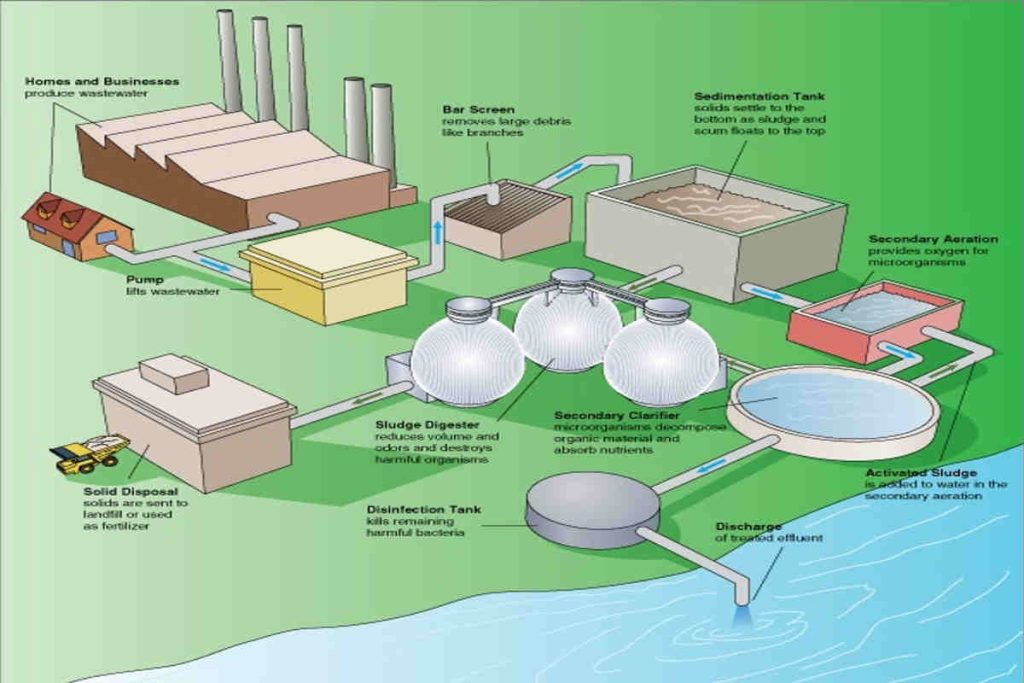
AMRUT 2.0 (Atal Mission for Rejuvenation and Urban Transformation) focuses on water supply, sewage, and stormwater management across 4,800 towns.However, waste management is deeply linked to AMRUT because solid waste enters drains and rivers, increasing pollution and reducing water quality.
AMRUT 2.0 promotes wastewater treatment, drainage interception, nutrient recovery, and pollution reduction. Startups working in drainage technology, river cleaning, waste-water separation, and organic waste management fit naturally into AMRUT priorities.
How AMRUT Supports Waste Startups
Drainage interception systems.
AMRUT funding supports technologies that prevent solid waste from entering waterways.
Startups offering passive barriers, floating booms, and drain nets can deploy city-wide pilots.
Solid-liquid separation and decentralised wastewater tools.
Waste-water separation at the drain level reduces the load on sewage treatment plants.
Startups offering compact separators or nutrient recovery systems have an advantage.
Organic waste and sludge processing technologies.
AMRUT encourages treatment of market waste, sludge, and organic matter into compost or soil supplements.Startups developing modular digesters or sludge-to-compost systems can scale effectively.
Earth5R’s river cleaning initiatives on the Mithi River, Ulhas River, and Adyar River have provided data on waste inflow, informal dumping, and pollution hotspots.These insights support municipal planning under AMRUT.Earth5R’s community-driven riverbank stewardship programs further enhance AMRUT alignment.
Plastic Waste Management Rules & Extended Producer Responsibility (EPR)
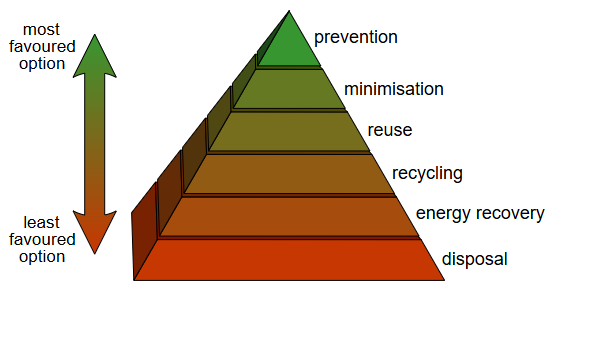
India’s EPR framework under the Plastic Waste Management Rules, 2016, amended in 2022, is one of the strongest plastic governance models in the world.
Producers, Importers, and Brand Owners (PIBOs) are legally responsible for collecting and recycling a percentage of their plastic waste. EPR targets increase annually, requiring traceability, audits, and compliance documentation.
How EPR Supports Waste Startups
Plastic collection and aggregation networks.
Startups can create hyperlocal collection centres at community, ward, or business levels.
These centres help brands achieve recycling credits while creating green jobs.
Digital traceability and compliance apps.
EPR requires proof of recycling through documentation and verified partners. Startups offering QR codes, blockchain, or GPS tracking can support transparent compliance.
Material recovery and polymer-specific recycling technologies.
Startups offering innovative PET, HDPE, LDPE, or multilayer recycling systems can secure long-term contracts.EPR frameworks create recurring revenue for recyclers with consistent processing capacity.
Earth5R’s community-driven plastic recovery initiatives help FMCG brands meet EPR requirements through verifiable collection. Earth5R also conducts waste audits that inform brand-level ESG disclosures and CSR strategies. These community models make Earth5R a trusted environmental NGO partner for EPR support.
5. Gobardhan Scheme
India’s National Mission for Organic Waste and Bioenergy
The Gobardhan Scheme is part of India’s effort to convert organic waste into clean energy.
It promotes biogas, compressed biogas (CBG), and organic fertiliser production.Gobardhan integrates municipal wet waste, agricultural waste, cattle dung, and market waste into a unified bioenergy strategy.
How Gobardhan Supports Waste Startups
Anaerobic digesters for markets and institutions.
High-volume wet waste streams from markets, hostels, or canteens are ideal for biogas.
Startups can install digesters that reduce methane and produce clean energy.
Slurry management and nutrient recovery tools.
Digesters produce slurry that must be safely processed.
Startups offering dewatering, drying, or biofertilizer solutions gain recurring business.
Decentralised community biogas systems.
Gobardhan supports small digesters in urban and peri-urban areas. Startups can collaborate with CSR partners or urban local bodies for deployment.
Earth5R’s organic waste composting training and community models align with Gobardhan goals. These systems reduce waste transportation, landfill load, and greenhouse emissions. Startups can draw inspiration from Earth5R’s decentralised approach.
How Waste Startups Should Position Their Solutions Within These Schemes
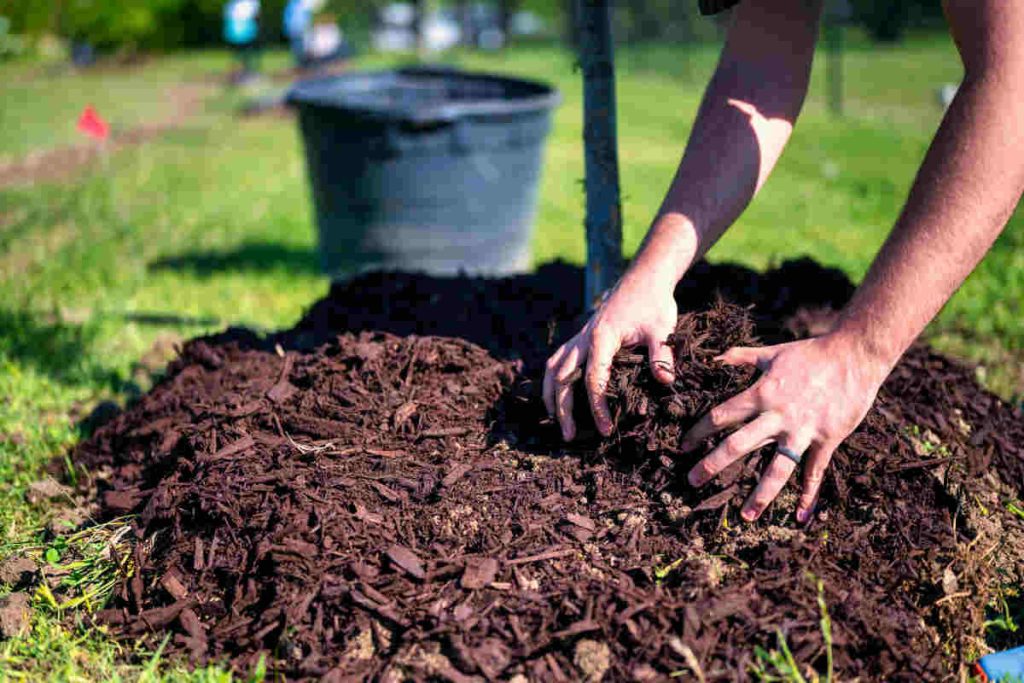
Startups must design their solutions to match mission KPIs.Each scheme has performance indicators, reporting requirements, and operational constraints.Startups aligning with these indicators scale faster.
Key Positioning Practices for Startups
Align solution metrics with mission-specific KPIs.
SBM requires segregation, composting, and recycling rates. Smart Cities require digital data streams. EPR requires verifiable recycling data.
Develop city-specific deployment plans.
Cities vary in infrastructure and budget. Earth5R research shows that proposals tailored to municipal realities see higher approval.
Integrate community participation into service models.
Behaviour change drives long-term success in waste management. Earth5R’s sustainability training programs illustrate the impact of community ownership.
Build partnerships with environmental NGOs for credibility.
Environmental organisations like Earth5R provide immediate policy alignment. These partnerships help startups enter new cities more easily.
Add ESG-linked reporting to proposals. Companies increasingly require verified ESG metrics. Startups can offer carbon reduction data, recycling credits, and impact dashboards.
Policy-Aligned Earth5R Case Studies That Startups Can Learn From
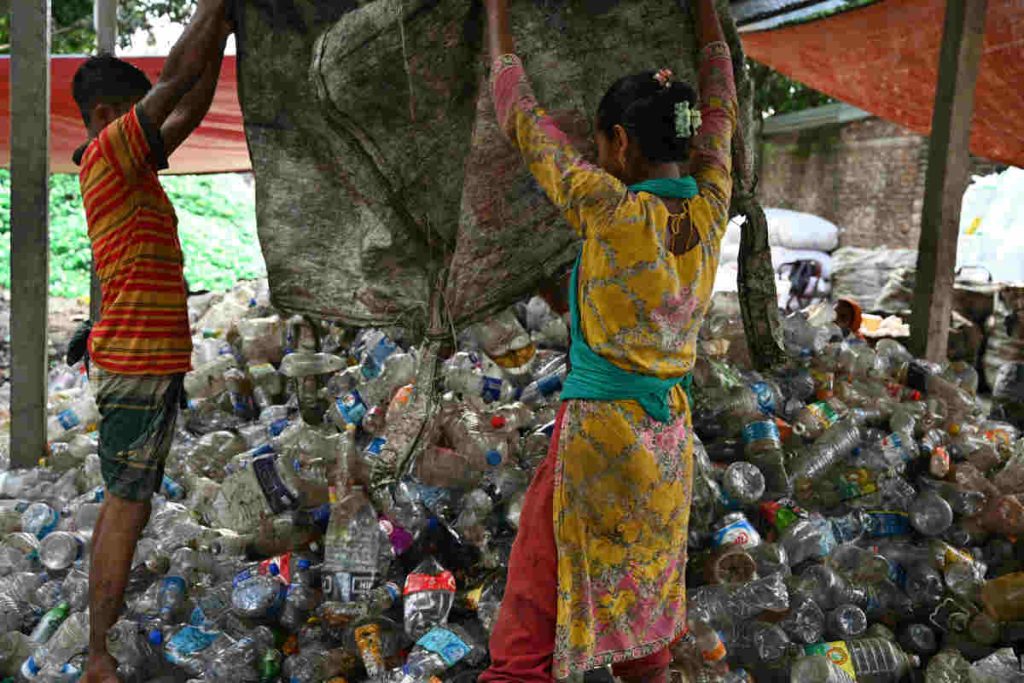
Earth5R’s projects provide real-world evidence of policy-aligned sustainability.These case studies show how community-driven waste management fits into national missions.
Earth5R Zero Waste Program
Earth5R’s decentralized waste management system aligns with SBM and EPR goals.
It has improved segregation in several communities by 40 percent within months.
It integrates recycling workers, households, and local governance.
Earth5R River Cleaning Projects
Earth5R’s drain mapping, community clean-ups, and riverbank surveys support AMRUT-linked planning. These initiatives have helped identify waste inflow hotspots and behavioural patterns. River cleaning is not only an environmental task but a policy-aligned mission.
Earth5R Plastic Recovery Drives
Earth5R has organised large-scale plastic recovery programs that support brands’ EPR compliance. These drives combine community mobilisation, training, and real-time documentation. They serve as a template for startups interested in EPR-aligned recycling.
Actionable Insights for Waste Startups Entering India’s Policy Ecosystem
Startups must engage with government schemes strategically.Each scheme requires a different approach based on funding, KPIs, and operational systems.
Key Actions for Startups
Map your solution to the right scheme. If the solution is digital, focus on Smart Cities. If it is plastic-focused, prioritise EPR. If it is organic waste, choose Gobardhan.
Prepare mission-aligned documentation.
Municipalities prefer proposals with clear KPIs, timelines, and monitoring plans.
Earth5R’s documentation style is a strong reference.
Build partnerships early.
Environmental NGOs like Earth5R help navigate local governance. Partnerships reduce entry barriers and accelerate deployment.
Use CSR partnerships to start pilots.
CSR funds can support early-stage deployment for waste-tech pilots. This builds credibility with municipal systems.
Track environmental impact data.
Cities value solutions that quantify carbon reduction, recycling rates, and landfill diversion.
Startups must build data into their core model from day one.
Government Schemes Are the Gateway for Waste Startups to Scale Across India
India’s waste transformation journey is built on strong policy frameworks, decentralized governance, and large-scale sustainability missions. These five schemes represent the clearest pathways for environmental organisations, sustainability startups, and waste innovators to scale impact. Startups that align with these missions will lead India’s waste management transition.
Earth5R’s work demonstrates how effective policy alignment enables measurable outcomes across communities, municipalities, and river systems. Through circular economy models, inclusive community training, and decentralised waste solutions, Earth5R provides a blueprint for startups entering India’s waste sector.
The future of waste management depends on mission-driven innovation, community action, and environmental governance working together.
20 FAQs: 5 Government Schemes Every Waste Startup Should Be Leveraging: Earth5R Policy Breakdown
What are the biggest opportunities for waste startups under Indian government schemes?
Government schemes create structured pathways for pilots, funding, and large-scale adoption across cities. Startups offering decentralised systems, digital monitoring, recycling tools, and river cleaning solutions can integrate easily into SBM, Smart Cities, AMRUT, EPR, and Gobardhan.
How can a waste startup align itself with Swachh Bharat Mission 2.0?
SBM encourages decentralised waste processing, community engagement, and digital transparency. Startups must design solutions that improve segregation, enable scientific processing, and reduce landfill loads.
Why do Smart Cities prefer digital waste systems?
Smart Cities dashboards rely on real-time data to optimise waste routes, fuel use, and manpower deployment. Startups providing IoT sensors, tracking tools, or analytics platforms fit naturally into these digital ecosystems.
How does AMRUT 2.0 relate to waste management?
AMRUT focuses on water and sewage but also addresses waste inflow into drains and rivers. Startups that offer interception, separation, or wastewater-linked waste solutions meet AMRUT’s sustainability goals.
What role does EPR play in scaling plastic waste solutions?
EPR mandates traceable recycling, pushing brands to work with verified waste partners.
Startups providing plastic collection, sorting, and digital traceability tools directly support EPR compliance.
Is Gobardhan relevant only for rural areas?
Gobardhan is expanding into urban and peri-urban zones through wet waste-to-energy solutions. Startups offering digesters, biogas systems, or slurry recovery tools can deploy in markets, institutions, and community clusters.
How can waste startups collaborate with municipalities?
Startups must create proposals aligned with mission KPIs and local waste data.
Municipalities prefer partners who provide measurable outcomes, community engagement, and low-capex implementation models.
Why do most startups fail to scale in the public waste sector?
Many startups avoid policy alignment and fail to match government reporting requirements. Scaling requires operational clarity, measurable KPIs, and adherence to mission guidelines.
How important is community engagement in government-aligned waste projects?
Community engagement ensures long-term participation and behaviour change.
Models like Earth5R’s community training programs improve waste segregation and support municipal sustainability goals.
Can waste startups partner with CSR programs to enter the market?
CSR partnerships are an effective entry point for pilots and community-focused solutions.
These collaborations build credibility and help startups demonstrate measurable impact before applying for municipal tenders.
How do government schemes support digital tools for waste management?
Smart Cities and SBM encourage IoT sensors, GPS integration, route optimisation, and digital dashboards. Startups offering these tools can embed themselves into city-level monitoring systems.
Do waste startups need certifications to work under government schemes?
Some schemes require recycling certifications, pollution control approvals, or compliance audits. Having proper documentation improves credibility and accelerates project approvals.
How can startups use Earth5R’s case studies for government alignment?
Earth5R’s Zero Waste Program, river cleaning work, and training models are already aligned with national mission expectations. Startups can adapt these frameworks to design stronger proposals for municipalities.
What type of data is most useful for aligning with SBM and AMRUT?
Cities require segregation rates, landfill diversion improvements, processing efficiency, and pollution reduction metrics. Startups must integrate data collection into their core operations from the beginning.
Are there funding opportunities for waste startups under these missions?
Funding exists through municipal budgets, CSR support, Smart Cities projects, and AMRUT-linked infrastructure grants. Startups must position their solutions as cost-efficient, compliant, and citizen-focused.
Can startups introduce foreign waste technologies under these schemes?
Yes, but localisation is essential to match Indian waste streams, climatic conditions, and cost expectations. Government schemes encourage innovation that fits operational realities on the ground.
How can startups ensure long-term sustainability of waste projects?
Strong supply chains, trained manpower, community participation, and clear KPIs ensure sustainability. Aligning with environmental governance structures gives projects institutional backing.
Do these schemes apply to tier-2 and tier-3 towns?
Yes, most waste challenges exist in small and mid-sized towns, and missions like SBM 2.0 and AMRUT prioritise them. Startups offering decentralised and low-capex systems can scale rapidly across these regions.
How does ESG reporting relate to government-linked waste work?
Brands increasingly rely on verified waste diversion, recycling data, and carbon savings for ESG disclosures. Startups providing measurable waste outcomes become strong ESG partners.
What is the biggest advantage of aligning with these schemes early?
Early alignment reduces operational friction, improves acceptance, and opens consistent pilot pipelines across cities. It also signals credibility to government bodies, corporates, and investors.
Partner with Earth5R to Build India’s Next Generation Waste Solutions
India is entering a decisive decade for sustainability, and the most impactful innovations will come from organisations that align technology with policy, community engagement, and environmental governance.
Earth5R works at this intersection by supporting waste startups, CSR teams, ESG leaders, and environmental organisations in deploying scalable, mission-aligned waste management solutions across India.
If your organisation is building innovations in waste management, recycling, river cleaning, circular economy, or bioenergy, this is the right time to collaborate.
Earth5R helps partners navigate government schemes, design pilot programs, build community participation, and generate verifiable environmental impact data that aligns with national and global sustainability frameworks.
Through the India Sustainability Gateway, Earth5R enables startups and companies to access municipal networks, policy-linked opportunities, and city-wide implementation pathways.
To collaborate, launch pilots, explore partnerships, or align your sustainability strategy with India’s priority missions, connect with Earth5R today. Together, we can accelerate India’s transition toward a circular, inclusive, and climate-resilient future.
Authored by- Sneha Reji