
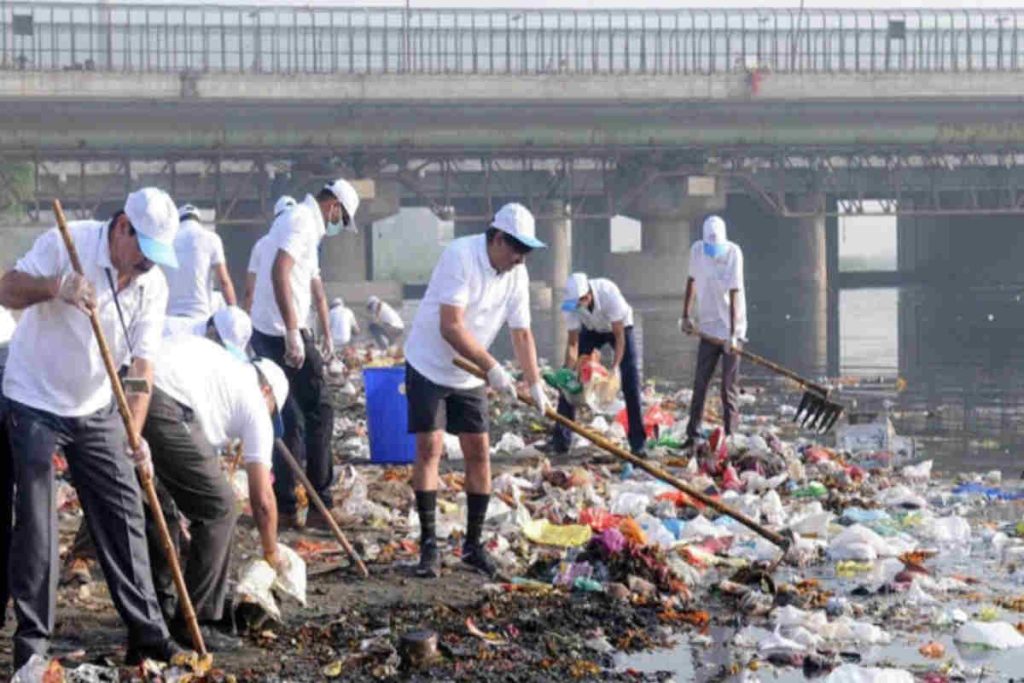
Why Cleaning Rivers Changes Entire Cities
Rivers Shape the Fate of Cities
Rivers are the backbone of city life.They provide water for drinking, sanitation, livelihoods, ecosystems, and industry. They also shape flood patterns, microclimate, and public health.
When rivers degrade, cities suffer.Waterborne diseases rise, groundwater recharge falls, and flood risks increase.A World Bank overview highlights that water pollution and poor management have serious health and economic impacts across low and middle income countries.
For Environmental organisations and Environmental NGOs in India, rivers are not just water bodies.They are indicators of how well a city manages waste, sewage, land use, and climate resilience.This is the starting point for Earth5R’s river work.
India’s River Crisis in Numbers
India’sriver pollution problem is now well documented.The Central Pollution Control Board has identified hundreds of polluted river stretches that fail to meet water quality standards. A recent CPCB concept plan notes 317 polluted stretches on 293 rivers and tributaries that require restoration.
Recent news based on CPCB data shows some progress.Polluted stretches have declined from 351 in 2018 to 311 in 2022, and further to 296 in 2025, but the scale of the challenge remains large.
Urban wastewater is a core driver of river pollution.NITI Aayog’s report on the urban wastewater scenario shows that a very high share of sewage in India is still discharged untreated or partially treated, undermining progress on SDG 6.3, which aims to halve untreated wastewater and improve water quality.
On the solid waste side, India generates over 160,000 tonnes of municipal solid waste per day, with infrastructure struggling to manage it.Analysis from the Mizuho India Japan Study Centre at IIM Bangalore underlines how this uncontrolled waste places pressure on landfills and often leaks into drains and rivers.
These statistics show why river cleanup is not only about water.It is about how cities handle sewage, solid waste, planning, and governance every single day.
River Pollution and Human Health
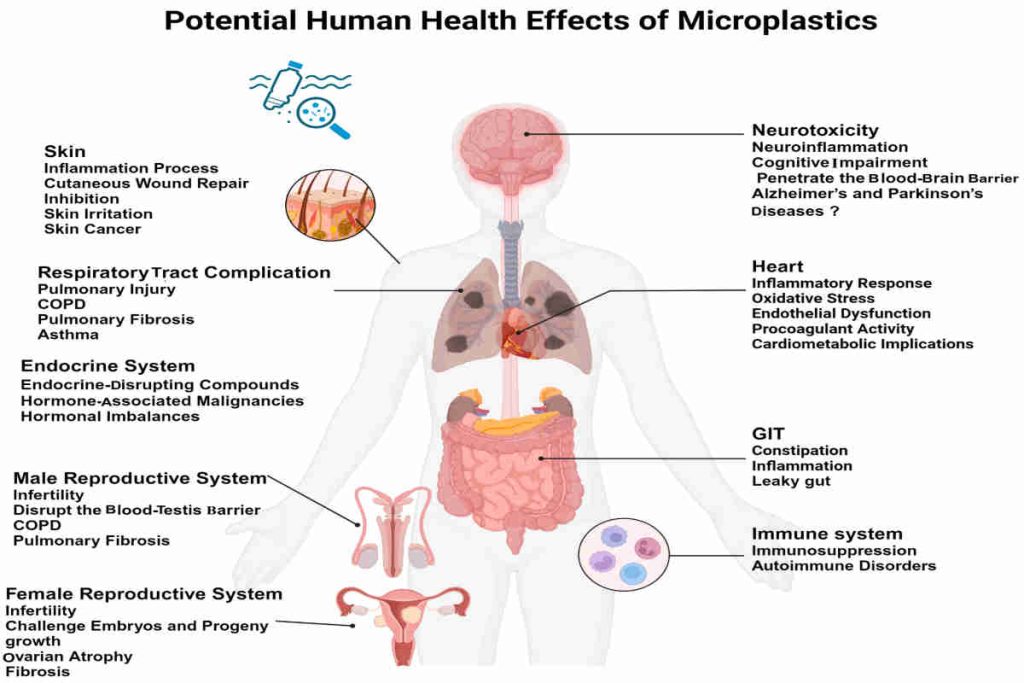
River pollution is not just an aesthetic or ecological issue.It directly affects human health.
A global review published in Frontiers in Environmental Science notes that water pollution contributes to diarrhoea, skin diseases, malnutrition, and even cancers, especially where people rely on unsafe water sources.
In many Indian cities, polluted rivers interact with informal settlements and low income communities.People live close to drains, stormwater channels, and riverbanks that carry untreated sewage and solid waste.This creates a daily exposure pathway for pathogens and toxic substances.
The United Nations World Water Development Report series further stresses that poor water quality, weak wastewater management, and lack of ecosystem protection undermine health, peace, and prosperity.
This is why river cleanup is a public health intervention.Cleaning rivers reduces disease exposure, improves mental wellbeing, and raises the overall quality of life in cities.
Rivers, Climate Resilience, and Urban Risk
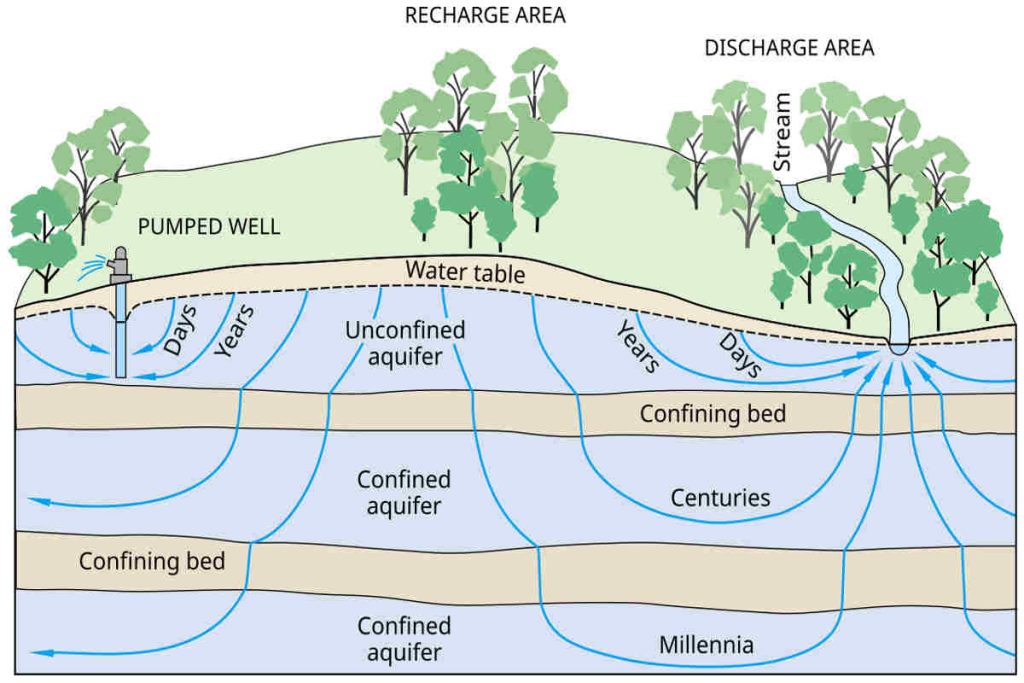
Clean rivers play a key role in climate resilience.They allow cities to drain stormwater effectively, reduce flood duration, and support groundwater recharge. Hydrology and urban-environment studies show that desilted and unobstructed river channels reduce the severity of urban flooding during extreme rainfall events.
Research on river basins and urban water risk in Science of the Total Environment confirms that restored river corridors and wetlands absorb peak flows and improve resilience.
The World Bank’s water resources management overview points out that floods and droughts are becoming more frequent and severe, and that water-related disasters account for a large share of natural hazard deaths worldwide.
Polluted, silted, and encroached rivers worsen both floods and droughts.They overflow faster during rainfall and fail to recharge groundwater in dry seasons.Cleaning rivers therefore becomes a central strategy for climate adaptation in cities.
Why Earth5R Focuses on Behaviour, Data, and Community
Many river restoration projects fail because they focus only on infrastructure.They build treatment plants and embankments, but do not address waste behaviour, local dumping, or community ownership.
Research on environmental governance shows that community participation and local stewardship improve long term environmental outcomes.A study in Environmental Science & Policy highlights that when communities co design and co manage environmental interventions, the results are more durable and cost-effective.Community Participation in Environmental Management
Earth5R integrates this insight into its river programs.Its River Guardians model trains local citizens, youth, and communities to identify pollution hotspots, conduct waste audits, organise cleanups, and report environmental violations.
By combining behaviour change, scientific data, and community action, Earth5R treats river cleanup as a citywide systems intervention.This is the lens through which we analyse the six case studies in this article.
Six River Cleanup Case Studies That Changed Entire Cities
Case Study 1: Sabarmati River, Ahmedabad
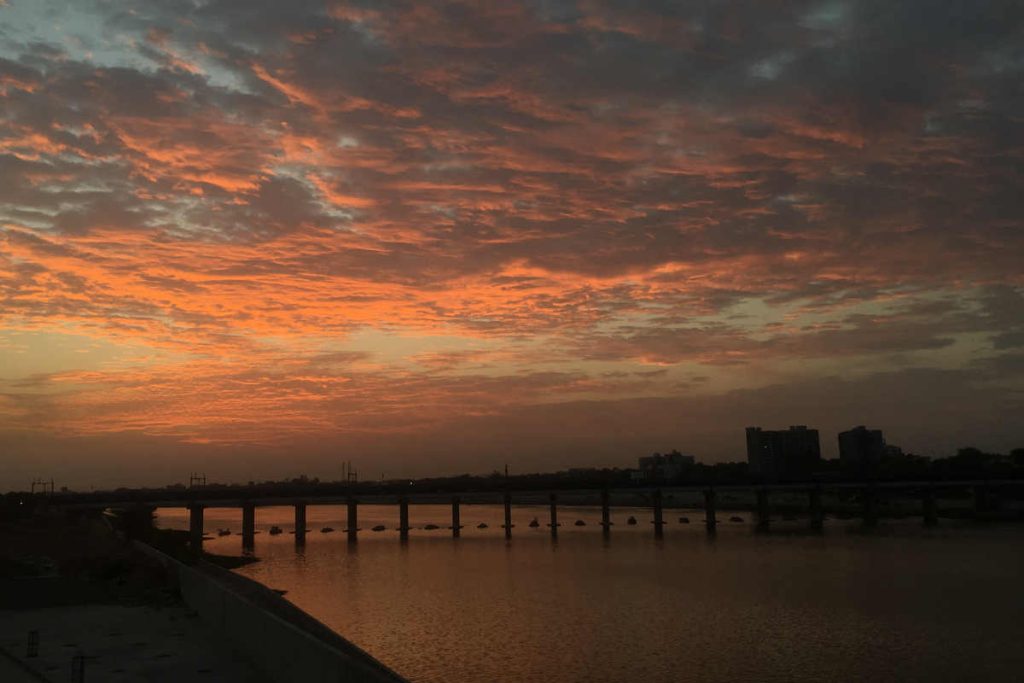
How Engineering, Planning, and Public Space Revived a Dying River
The Sabarmati was once a seasonal river that ran dry for long periods and carried sewage and solid waste during monsoon. Pollution levels were high and illegal dumping was widespread. Over time, Ahmedabad launched an ambitious restoration programme that included sewage interception, desilting, riverbank stabilisation, and the creation of accessible public spaces.
The official documentation outlines the extensive engineering and urban design framework used for the project.
The transformation improved water quality in several stretches and reduced waste dumping along the river, as continuous embankments made access points easier to monitor. The riverfront quickly became a major public attraction and helped reshape the social and economic character of the city.
Businesses around the waterfront benefitted from increased footfall, and residents experienced cooler microclimates and more recreational spaces. The Sabarmati case demonstrates that neglected rivers can become central urban assets when governance, engineering, and design come together with long-term commitment.
Case Study 2: Mithi River, Mumbai
How a River Linked to Flooding Sparked Citizen Action
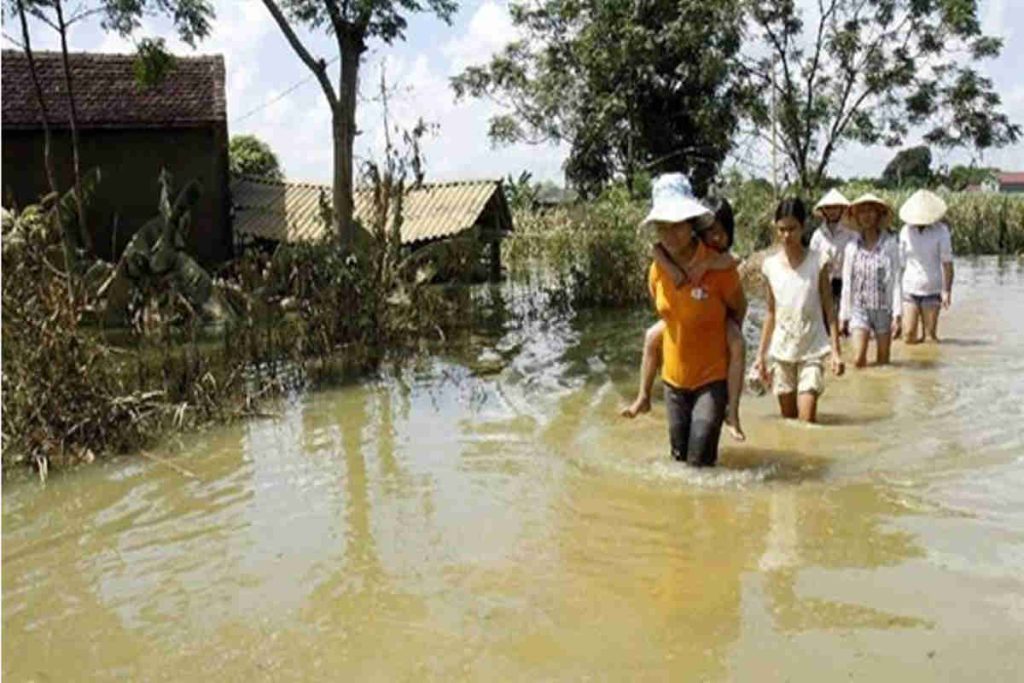
The Mithi River flows through a densely populated corridor that includes informal settlements, airports, highways, and industrial zones. For decades it was burdened with encroachments, plastic dumping, sewage discharge, and industrial effluents. The catastrophic 2005 Mumbai floods forced the city to recognise the dangers of neglecting river systems.
A government white paper concluded that narrowed channels, silt accumulation, and clogging from solid waste significantly worsened the flooding disaster.In subsequent years, citizens and local organisations demanded systematic action. Authorities undertook desilting, widening, and regular cleanups. Earth5R contributed through mapping pollution hotspots, conducting waste audits, educating communities, and organising river-edge cleanups.
These interventions gradually reduced flood vulnerability in some stretches and improved flow characteristics. Community reporting helped decrease illegal dumping, and industries along the river faced increased scrutiny for discharge violations. Over time, the city shifted from crisis-driven interventions to more preventive monitoring. The Mithi case illustrates that river health directly affects urban safety and that citizen engagement can compel sustained institutional action.
Case Study 3: Cooum River, Chennai
Behaviour Change and Sewage Control Begin Restoring One of India’s Most Polluted Rivers
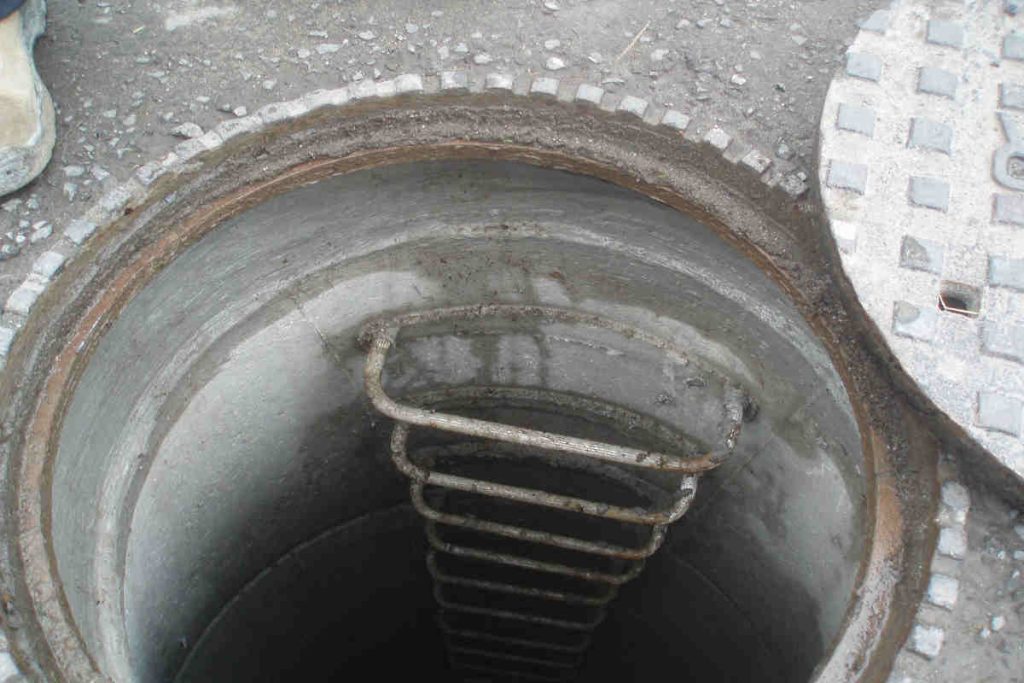
The Cooum River has long been known as one of India’s severely polluted rivers. High levels of sewage inflow, encroachment, and industrial discharge led to extreme deterioration. Tamil Nadu Pollution Control Board assessments consistently showed high BOD and coliform levels across many stretches.
Chennai introduced a multi-department cleanup initiative involving sewage diversion, expansion of treatment capacity, riverbed desilting, plastic waste removal, and behavioural campaigns targeting households and institutions. Earth5R supported these efforts by engaging communities, running awareness sessions, conducting waste audits, and organising student-led monitoring and cleanups.
Visible improvements emerged through reduced plastic waste, more open riverbanks, and greater awareness of household waste practices. Students, resident groups, and neighbourhood volunteers contributed to hotspot identification and reporting, which helped authorities intervene more efficiently. The Cooum case highlights that engineering can initiate recovery, but sustained behaviour change ensures lasting impact.
Case Study 4: Ganga River, Varanasi
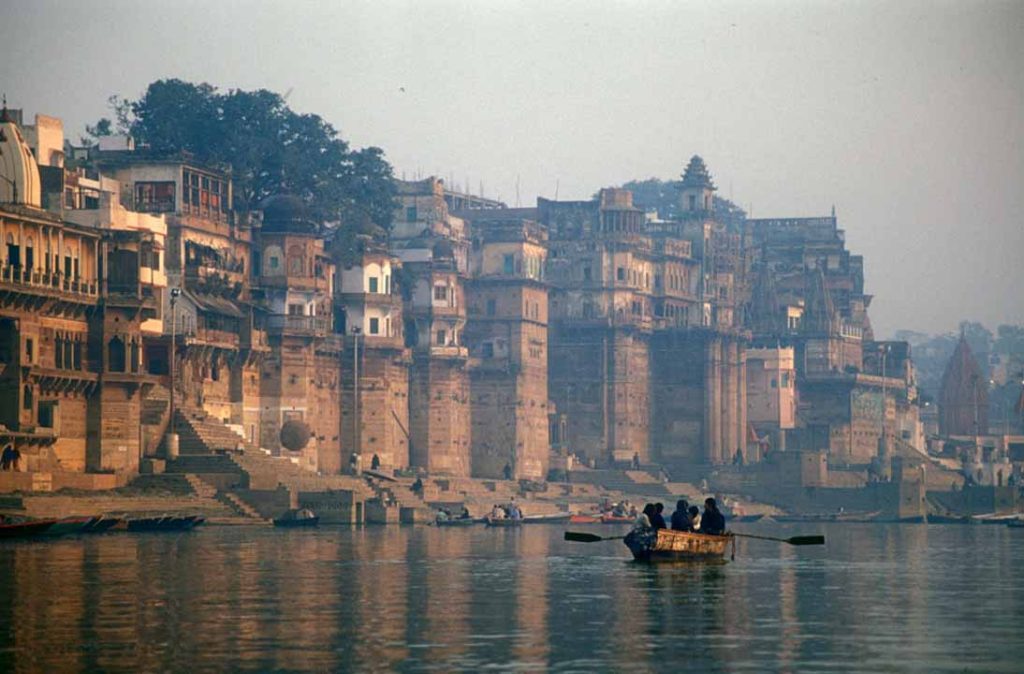
Cultural, Ecological, and Public Health Transformation Through Systematic Restoration
Varanasi’s cultural life is deeply tied to the Ganga, yet untreated sewage, solid waste, ritual offerings, and cremation by-products severely degraded the river. Under the Namami Gange Mission, the city implemented a network of sewage treatment plants, river-surface cleaning operations, improved ghat cleaning systems, and structured waste handling.
Central Pollution Control Board data shows improvement in dissolved oxygen levels in several monitored stretches, indicating better ecological stability.These changes made ghats visibly cleaner and safer, enhancing the experience for pilgrims and tourists. The city saw rising tourist footfall and increased community participation in waste prevention efforts. Varanasi’s experience demonstrates that river restoration can revive cultural identity, stimulate economic activity, and improve environmental health simultaneously.
Case Study 5: Thames River, London
A Global Model of How Governance and Long-Term Monitoring Revived a River
The Thames was famously declared biologically dead in the 1950s after decades of industrial pollution and untreated sewage discharge. The United Kingdom responded by strengthening environmental regulations, upgrading sewage systems, and establishing strong enforcement mechanisms. Continuous monitoring and scientific assessments became central to policy decisions.
Zoological Society of London documentation shows the return of numerous species, including over 100 fish species, seals, and eels, marking one of the most successful river restoration stories in history.The UK Environment Agency further reports steady improvements in water quality and ecological indicators along the river.
London experienced enhanced public health, revived waterfront neighbourhoods, and renewed civic enthusiasm for river-based recreation. The Thames case proves that rivers once considered beyond recovery can be transformed with strong governance and persistent scientific oversight.
Case Study 6: Earth5R River Guardians Across India
Community Science and Behaviour Change Transform Multiple Rivers
Earth5R’s River Guardians programme operates in Mumbai, Pune, Delhi, Chennai, Surat, and several other Indian cities. The initiative trains citizens, youth groups, and local communities to identify pollution hotspots, map dumping zones, conduct waste audits, remove floating waste, report sewage leaks, and promote waste segregation practices.
Through continuous engagement, communities develop a sense of responsibility for river health. Illegal dumping decreases when residents monitor and report violations. Local governments receive consistent data that supports better planning and policy enforcement. ESG and CSR programs benefit from measurable impact indicators that arise from on-ground data collection and community stewardship.
The model shows that river restoration becomes sustainable only when communities internalise the idea of river protection. Earth5R’s work demonstrates that a river is not restored by one cleanup but by consistent, locally driven action that changes behaviour and governance together.
Why These Six Cases Matter Together
Each of these rivers reflects a different context and challenge, yet all show a similar pattern.
Rivers revive when sewage is intercepted, waste is prevented from entering the channel, communities take ownership, and authorities maintain strong, transparent governance.
Public health improves when exposure to contaminated water decreases.
Tourism and local economies strengthen when rivers become safe and beautiful.Climate resilience increases when rivers regain their natural flow, desiltation, and ecological balance.These case studies confirm that river cleanup is not merely environmental restoration.It is city transformation.
How River Restoration Transforms Cities Beyond the Water Itself
River cleanup reshapes not only the waterbody but also the systems, behaviours, and risks that define a city’s daily life.The case studies show that when a river improves, changes appear in climate resilience, public health, community identity, local economies, biodiversity, and urban planning.
This section explains the deeper patterns that emerged from the six case studies and connects them with evidence from scientific literature and Earth5R’s field experience.
River Restoration as a Public Health Intervention
Clean rivers reduce exposure to pathogens, toxic chemicals, and contaminated wastewater.
A comprehensive review published by Frontiers in Environmental Science highlights that polluted water is linked to diarrhoeal diseases, skin infections, heavy metal exposure, developmental disorders, and long term chronic illness in vulnerable communities.
In cities like Mumbai, Chennai, and Varanasi, large populations live close to riverbanks or stormwater channels.When rivers become dumping zones, these communities face direct health risks from contaminated water, mosquito breeding, sewage overflow, and odour pollution.
As rivers improve, disease vectors reduce and hygiene levels rise.Ghat cleaning and sewage treatment improvements in Varanasi created cleaner public spaces, safer bathing zones, and better-quality environments for pilgrims and local residents.The Central Pollution Control Board reports a clear link between dissolved oxygen improvement and better ecological and public health conditions.
Earth5R’s river work shows similar outcomes in smaller urban settlements.When volunteers remove accumulated plastic, stagnant pools decrease and odour pollution drops.Residents often report better comfort around riverfront areas.River restoration therefore becomes a public health tool, especially in densely populated Indian cities.
River Cleanup Strengthens Climate Resilience

Healthy rivers influence citywide climate resilience.They support groundwater recharge, reduce urban flooding, stabilise riverbanks, and moderate local microclimates.A study in Science of the Total Environment emphasises that river restoration increases resilience to rainfall shocks and helps cities prepare for climatic extremes.
Flooding events such as the 2005 Mumbai floods show how severely urban life is disrupted when rivers are clogged.The Mithi case revealed that river neglect directly amplified a climate disaster.
When rivers are desilted and flow is restored, cities drain more effectively during heavy rainfall.This reduces waterlogging, economic losses, and disaster impact.Groundwater levels also stabilise when rivers and wetlands reconnect naturally.
Earth5R’s BlueCities model emphasises river health as a foundation for long term climate adaptation.The model encourages desilting, waste prevention, community reporting, and integrated water management.A clean river becomes a natural climate buffer, not a liability.
Economic Growth Through River Restoration
Cities benefit economically when their rivers revive.Tourism increases when waterfronts become cleaner and safer.Local businesses thrive around walkways, markets, and recreational zones.Property values often rise in restored river corridors.
The transformation of Sabarmati Riverfront demonstrates this clearly.Once a neglected riverbed, it is now a major urban attraction with parks, pathways, and cultural zones that draw residents and visitors every day.Varanasi’s improved ghats and riverfront cleanliness significantly increased domestic and international tourist footfall.
This improved hospitality incomes, transportation demand, and local employment.
The restoration of the Thames in London revitalised entire neighbourhoods and helped create a renewed identity for the city.The Zoological Society of London reports major biodiversity gains, which have contributed to educational programmes, conservation tourism, and recreation-based economic activity.
Even partial cleanup results generate economic benefits.When floating waste decreases in a river, the visual quality improves immediately, leading to increased public use of adjacent spaces.Earth5R has documented such changes along river stretches cleaned by its volunteers.River restoration therefore becomes an economic development strategy, not merely an environmental exercise.
Behaviour Change Is the Hidden Engine of River Revival
The six river case studies illustrate that infrastructure alone cannot restore a river.A city may build treatment plants, embankments, and trash traps, but if people continue dumping waste or disposing sewage illegally, rivers deteriorate again.
Research in Environmental Science and Policy confirms that community participation produces more durable outcomes in environmental projects.Earth5R’s River Guardians model integrates this principle by training citizens to identify and stop harmful behaviours.
Once residents begin reporting illegal dumping, controlling household waste, teaching neighbours about segregation, and organising periodic cleanups, rivers stay cleaner for longer periods.Earth5R’s long term interventions in Mumbai, Chennai, Pune, and Delhi show that behaviour change creates a culture of river protection rather than a one time clean up effort.
Behaviour change creates a multiplier effect.Schools integrate river awareness in activities.
Youth begin engaging in environmental stewardship.Local communities identify themselves as caretakers of their river.This approach ensures that river recovery becomes part of daily city life rather than a temporary campaign.
Governance and Policy Strengthen River Sustainability
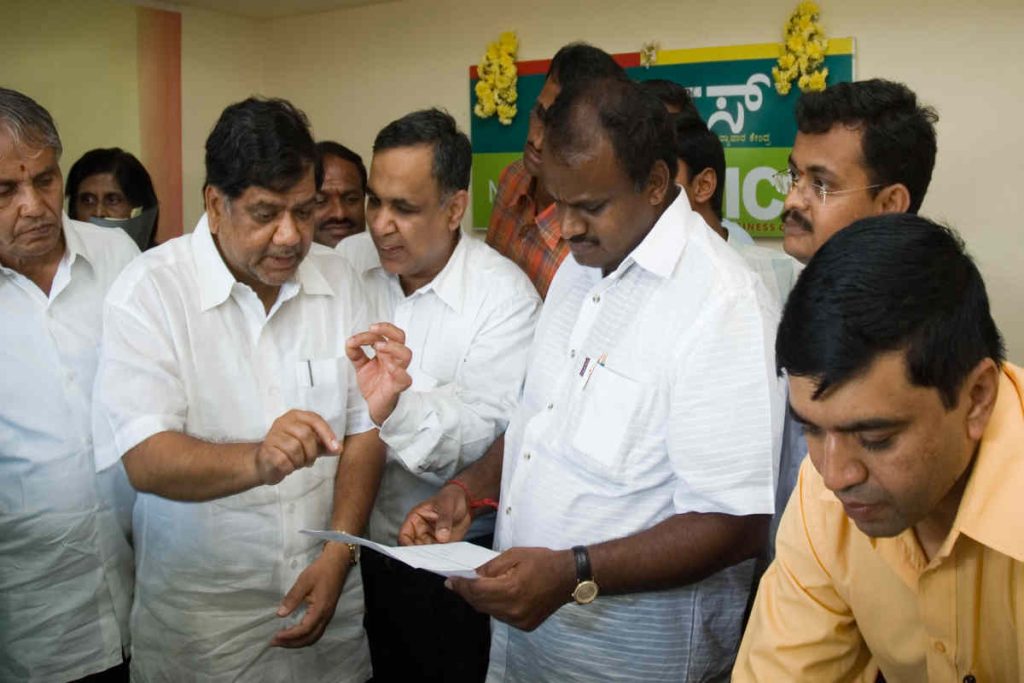
River restoration succeeds when local governments adopt transparent monitoring, enforce strict waste rules, and maintain infrastructure regularly.National programs like Namami Gange show how policy interventions can restore large river systems when combined with public participation, sewage management, and enforcement.
The UK’s success with the Thames restoration demonstrates the value of strong environmental laws, consistent monitoring, and long term investment in sewage treatment and industrial regulation.
In India, river restoration efforts fail when monitoring stops or when political priorities shift.
Earth5R’s model provides a continuous community layer that helps maintain stability even when formal interventions slow down.By generating on-ground environmental data through citizen science, Earth5R supports better governance decisions and ESG-aligned accountability.
Rivers Become Symbols of Community Identity
When people see a river as part of their identity, they protect it.In Varanasi, cultural and spiritual ties to the Ganga motivated communities to adopt more sustainable practices during religious activities.In Ahmedabad, Sabarmati Riverfront became a symbol of civic pride and modern identity.
In London, the Thames revival reshaped public perception of nature in urban settings and inspired new conservation movements.Earth5R experiences similar outcomes in cities where regular volunteers return to the same river stretches week after week.Communities develop emotional connections with the river, and this connection becomes a catalyst for long term protection.
The Future of River Restoration in Indian Cities
How Climate Action, Policy Reform, ESG Systems, and Community Power Converge
River cleanup is not a one time task.It is an ongoing transformation that shapes climate resilience, water security, public health, and urban identity.The six case studies show that rivers recover only when technology, governance, behaviour change, and community participation align.
This section explains what Indian cities must do next and how Earth5R provides a scalable blueprint for long term success.
River Cleanup as a Climate Action Strategy
Cities across India face more intense rainfall, urban flooding, drought cycles, and heat stress.A clean, desilted, and unobstructed river acts as natural climate infrastructure.
It drains stormwater more effectively, reduces flood duration, recharges groundwater, and lowers local temperatures.
The World Bank’s assessment of water resource risks emphasises that climate change will intensify hydrological extremes and that cities must strengthen natural water systems.
A study in Science of the Total Environment shows that river rehabilitation improves resilience by restoring ecological processes, reconnecting floodplains, and reducing pollution loads.
The Mithi, Sabarmati, and Thames recoveries all demonstrate that improved river flow reduces urban flooding.Similarly, the Ganga in Varanasi shows that reducing sewage and solid waste helps stabilise oxygen levels, which protects the river’s ecological ability to handle climate shocks.
Earth5R’s BlueCities approach integrates climate resilience into every river project through community monitoring, waste prevention, and behaviour change.A restored river becomes part of a city’s climate adaptation system rather than a source of disaster risk.
Policy and Governance Reforms for Sustainable River Recovery
Indian cities need policies that treat rivers as living systems rather than drainage channels.
This requires long term investment in sewage networks, strict enforcement of waste laws, and transparent monitoring of effluents.
The Namami Gange programme demonstrates that policy-backed sewage management, treatment infrastructure, and continuous monitoring can improve water quality even in large river systems.
However, similar models must be adapted for urban rivers like Cooum, Mithi, Vrishabhavathi, Musi, and Yamuna.Governance frameworks must ensure that sewage does not enter rivers at night or during rain, that stormwater drains are not used as waste channels, and that encroachments are controlled.
Cities also need better river zoning practices.Urban planning should protect floodplains, riparian buffers, and wetlands.OECD’s work on integrated water governance shows that cities with cross-department coordination deliver sustained outcomes.
Earth5R’s model provides a community backed governance layer.Local residents, schools, fishermen, and slum clusters report violations, monitor hotspot changes, document dumping behaviours, and support enforcement.Community vigilance reduces enforcement burden and increases compliance because citizens become environmental stakeholders.
River Cleanup in the ESG and CSR Landscape

Companies increasingly recognise that rivers are part of their environmental footprint.
Industries located near rivers influence water quality through effluents, waste generation, logistics, and packaging flows.Financial institutions now include water and waste indicators in ESG assessments.
The Global Reporting Initiative (GRI) requires detailed disclosures on waste, water withdrawal, discharge quality, and biodiversity.However, most organisations report annual numbers that do not reflect daily fluctuations.This is where river cleanup data becomes invaluable.Earth5R’s field data on waste hotspots, water contamination patterns, and community indicators offers real time insights for ESG reporting.
Continuous environmental intelligence strengthens corporate risk management.Companies can track how waste from their supply chains enters nearby drains, how packaging leaks into river systems, or how local communities perceive environmental risks.
CSR programmes can also adopt river stretches as long term projects.Several companies already partner with Earth5R to support community-led cleanups, behaviour change initiatives, and environmental education in slum clusters and riverbank settlements.
These partnerships create measurable, verifiable impact and support SDG 6 (clean water), SDG 11 (sustainable cities), SDG 12 (responsible consumption), and SDG 13 (climate action).
Why Technology Must Support Community Stewardship
Urban river restoration requires both scientific tools and community leadership.Technology alone cannot solve river pollution, but communities alone cannot manage complex water systems.The intersection of the two creates lasting change.
UNEP’s report on digital environmental governance notes that combining sensors, citizen science, open data, and behavioural programmes creates stronger accountability loops.
Earth5R applies this insight by integrating citizen reports, waste audits, hotspot mapping, water observations, and field intelligence into digital dashboards used by municipal partners.
This allows cities to identify new dumping points within days, not months.It also helps measure the impact of cleanups, school campaigns, and segregation drives.
The River Guardians model turns every resident into a potential data generator.This strengthens governance, builds social cohesion, and decentralises environmental responsibility.
How Restored Rivers Redefine City Identity
When rivers improve, people begin to connect emotionally with the water again.
Children play near the riverfront.
Tourists explore cultural zones.
Fishermen regain livelihoods.
Pilgrims experience cleaner ghats.
Residents walk along promenades that were once inaccessible.
The emotional shift is as important as the ecological one.
In Ahmedabad, the Sabarmati became part of the city’s new identity.
In Varanasi, the Ganga regained cultural dignity.
In London, the Thames went from a symbol of decay to a symbol of revival.
In Earth5R cities, volunteers often describe the river as “ours” for the first time. This sense of ownership is a powerful catalyst for long term stewardship and protection.When people value a river, they stop using it as a dumping ground and start seeing it as part of their daily lives.
A Clean River Creates a Clean City
The six case studies demonstrate that river restoration is not only environmental work.
It is public health work, climate work, community work, governance work, and economic work. A clean river cools the city, drains rainfall efficiently, strengthens biodiversity, improves tourism, reduces disease exposure, and enhances local pride.
Rivers deteriorate when cities ignore sewage, plastic, land use, and behaviour.Rivers revive when cities invest in treatment infrastructure, empower communities, enforce rules, and promote behaviour change.Earth5R’s model shows that even the most polluted rivers begin to change when citizens participate regularly.
Every city that wants a sustainable future must place its rivers at the center of planning, budgets, policy, and community engagement.
FAQs: 6 River Cleanup Case Studies That Changed Entire Cities: Earth5R Impact Analysis
What makes river cleanup essential for Indian cities?
River cleanup improves public health, reduces flooding, increases groundwater recharge, and restores biodiversity. It also strengthens climate resilience and enhances city liveability.
Why are rivers in Indian cities so polluted?
Most river pollution comes from untreated sewage, plastic waste, industrial discharge, and stormwater drains that carry municipal waste. Weak waste systems allow this pollution to enter rivers daily.
How does sewage affect river ecosystems?
Untreated sewage reduces dissolved oxygen, spreads pathogens, kills fish, and destabilises ecosystems. CPCB assessments show that most polluted river stretches fail to meet basic water quality norms.
How does river cleanup improve public health?
Cleaner rivers reduce exposure to pathogens, toxic chemicals, and stagnant waste. This lowers risks of diarrhoea, skin infections, vector-borne disease, and respiratory problems.
What role did the Sabarmati Riverfront play in urban transformation?
The Sabarmati project improved water quality, reduced dumping, created public spaces, and boosted tourism. It showed how a dead river can become a city’s social and cultural centre.
Why was the Mithi River linked to the 2005 Mumbai floods?
Encroachment, silt accumulation, and plastic waste narrowed the river channel. These blockages intensified flooding, as documented in Mumbai’s official post-flood analysis.
How did Chennai begin restoring the Cooum River?
Chennai focused on sewage diversion, desilting, plastic removal, and public education. Behaviour change and community engagement played a major role in improving river conditions.
Why is the Ganga cleanup significant for Varanasi?
Cleaner water, improved ghats, and better waste systems revived tourism, spiritual activities, and the ecological health of the river. The restoration strengthened cultural pride and public hygiene.
What makes the Thames restoration globally important?
The Thames went from “biologically dead” to a river full of fish, seals, and birds. Strong regulation, scientific monitoring, and long term investment enabled its revival.
How does Earth5R’s River Guardians model work?
Local volunteers monitor dumping, map hotspots, conduct waste audits, and build community awareness. This citizen science approach keeps rivers under continuous supervision.
Why is behaviour change essential for river recovery?
Even with new infrastructure, rivers decline if households dump waste or discharge sewage illegally. Behaviour change ensures that communities protect rivers every day.
How does river cleanup support climate resilience?
Healthy rivers absorb rainfall better, reduce flood duration, recharge groundwater, and stabilise local temperatures. Cities become more resilient to heat and storms.
Can river restoration improve local economies?
Yes. Cleaner rivers attract tourists, support riverside businesses, increase real estate value, and create new opportunities for recreation and culture.
What policy reforms are needed for long term river health?
Cities need strict sewage enforcement, protected floodplains, transparent monitoring, and coordinated water governance. Policies must treat rivers as living ecological systems.
Why should corporates care about river restoration?
Companies influence water and waste flows near cities. River health affects ESG scores, community relations, regulatory risk, and long term business continuity.
How can CSR programs contribute to river cleanup?
CSR funds can support waste audits, community cleanups, school programs, infrastructure upgrades, and citizen engagement. These activities produce measurable environmental impact.
What role does technology play in river restoration?
Sensors, GIS mapping, and citizen reporting improve monitoring, identify pollution hotspots, and support timely interventions. Technology strengthens planning and enforcement.
How does community participation sustain long term river health?
Communities reduce dumping, report violations, educate neighbours, and maintain stewardship. Once people feel ownership, river protection becomes part of daily life.
Why do cities gain identity from restored rivers?
Clean rivers become public spaces for culture, recreation, festivals, and social gatherings. They improve the emotional and visual character of the city.
How can people collaborate with Earth5R on river restoration?
Citizens, institutions, and organisations can join cleanups, support behaviour change programs, adopt river stretches, fund interventions, or build local River Guardians teams through Earth5R’s partnership programmes.
Partner With Earth5R to Restore Your River
River restoration requires collective responsibility.
Governments cannot do it alone.
Citizens cannot do it alone.
Corporates and institutions cannot do it alone.
Earth5R invites municipal bodies, CSR teams, schools, youth groups, resident associations, and environmental organisations to partner in creating cleaner, healthier rivers.
The Earth5R model offers community training, data systems, waste audits, behaviour change frameworks, climate resilience insights, and long term stewardship plans.
It supports ESG reporting, CSR impact measurement, and city-level governance.
To collaborate on restoring rivers in your region, connect with Earth5R through its outreach and partnership channels.Together, we can rebuild rivers, reshape cities, and create a more resilient India for the next generation.
Authored by- Sneha Reji