
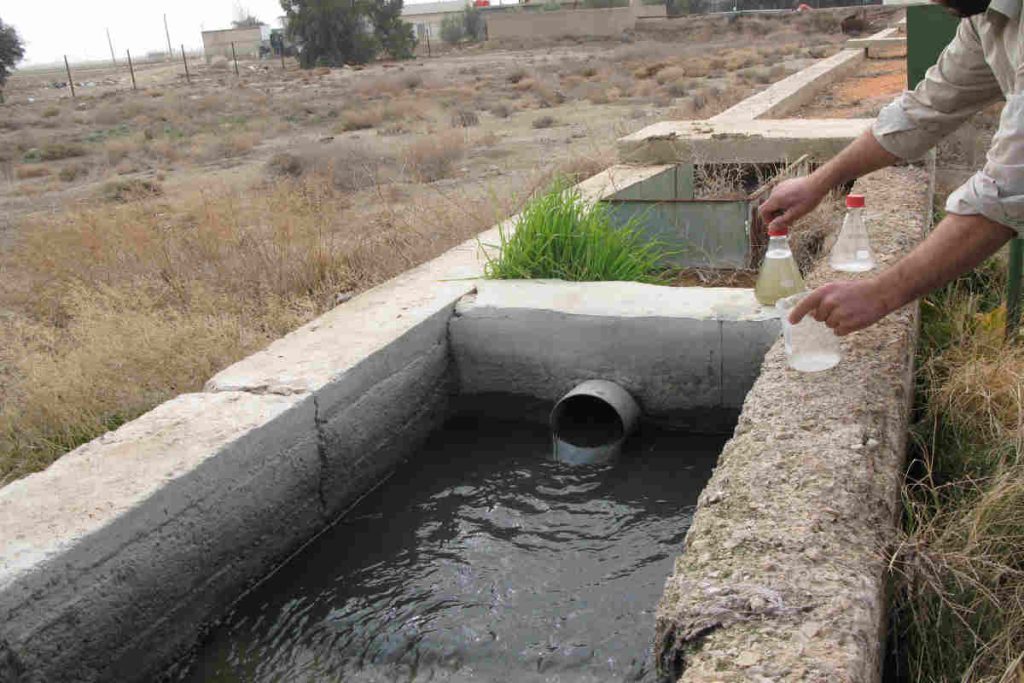
Sewage, Climate Change, and Sustainability Technologies
Environmental organisation work and Environmental NGOs in India are increasingly focusing on sewage and wastewater management because untreated sewage releases powerful greenhouse gases.
These gases include methane and nitrous oxide, which directly worsen climate change and damage river ecosystems.Recent assessments show that urban India generates about 72,368 million litres per day (MLD) of sewage, while the installed sewage treatment capacity is only 31,841 MLD.This figure is cited in multiple policy and research summaries on India’s wastewater scenario.
A detailed overview of this gap is available in the NITI Aayog White Paper on urban wastewater and related summaries.NITI Aayog wastewater reports
Earth5R, a leading Environmental NGO in India, works across cities on river cleaning, waste management, and community centred climate action.Through these projects, Earth5R has shown that decentralised sewage interception, community monitoring, and climate aligned waste management can reduce pollution while supporting ESG and Corporate Social Responsibility outcomes.
These experiences form the backdrop for this Earth5R Sustainability Review on nine smart sewage technologies.
Why Sewage Is a Climate Priority, Not Just a Sanitation Issue
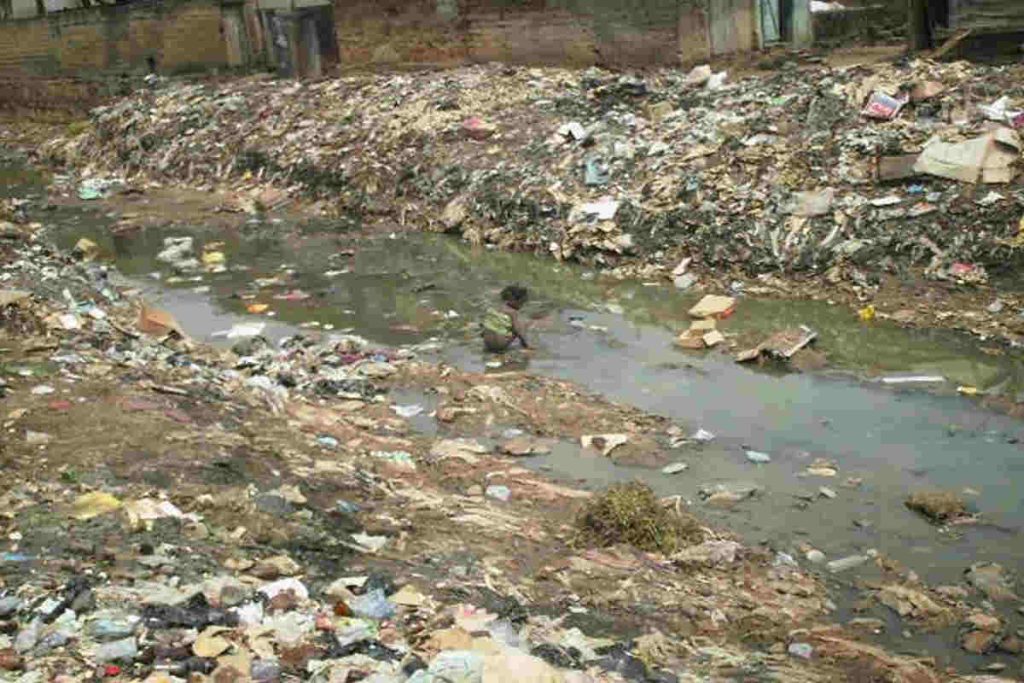
Globally, wastewater is a significant climate risk.A United Nations Environment Programme (UNEP) report highlights that only about 20 percent of the world’s wastewater is treated, which means roughly 80 percent is discharged untreated into the environment
This untreated wastewater pollutes rivers, coastal waters, and groundwater, and it also generates methane during decomposition.The World Bank describes wastewater as a largely untapped resource that is still released mostly without adequate treatment.
Their briefing notes that around 80 percent of wastewater is released untreated worldwide, while it could instead provide clean water, energy, and nutrients if managed properly:
In India, the water scarcity and wastewater page summarises the national picture clearly.
It notes that sewage generation is high, treatment capacity is insufficient, and most domestic wastewater is still drained as waste into other water bodies.
From a climate perspective, this is critical because methane and nitrous oxide have much higher warming potential than carbon dioxide.According to the United States Environmental Protection Agency, nitrous oxide has a global warming potential about 273 times that of CO₂ over a 100 year time horizon:
UN and partner assessments on methane also underline that the waste sector, which includes landfills and wastewater, is one of the three largest human sources of methane globally.
For Environmental NGOs in India and for any Environmental organisation involved in river cleaning and waste management, sewage is therefore not just a hygiene topic.It is central to climate mitigation, public health, and ESG compliance.
India’s Urban Wastewater Gap and the Role of Circular Economy Policy
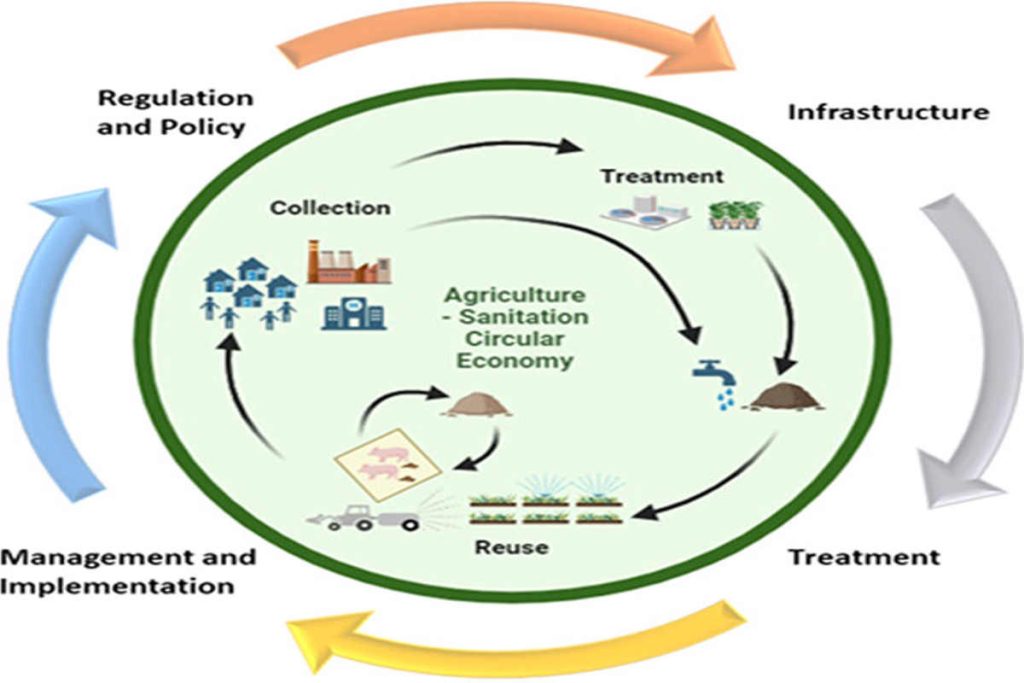
The urban wastewater gap in India has been documented in several policy papers.A NITI Aayog paper on circular economy and residual waste notes that urban India generates more than 72,000 MLD of municipal sewage and that this volume is expected to increase sharply by 2050.
A dedicated White Paper on the Urban Wastewater Scenario in India is available on NITI Aayog’s official report page, which consolidates data from the Central Pollution Control Board and other agencies.
The Ministry of Housing and Urban Affairs has also published a national framework on circular economy in municipal solid and liquid waste.This document covers wastewater and treated effluent reuse as a key pillar for sustainable cities:
At the same time, market intelligence from global and national agencies shows that India’s water and wastewater treatment industry is growing rapidly.For example, a United States International Trade Administration brief notes that the Indian water and wastewater treatment market is expected to grow from about USD 1.31 billion in 2020 to USD 2.08 billion by 2025, at a compound annual growth rate near 9.7 percent.
More recent sector analyses also indicate that the wastewater treatment and recycling market continues to expand as industries face stricter regulations and water scarcity. Together, these data points confirm that sewage is both a climate risk and an economic opportunity.The policy direction in India is moving toward circular reuse of treated wastewater, and smart technologies are essential to make that shift viable at scale.
Earth5R’s Ground Work on Rivers, Waste, and ESG
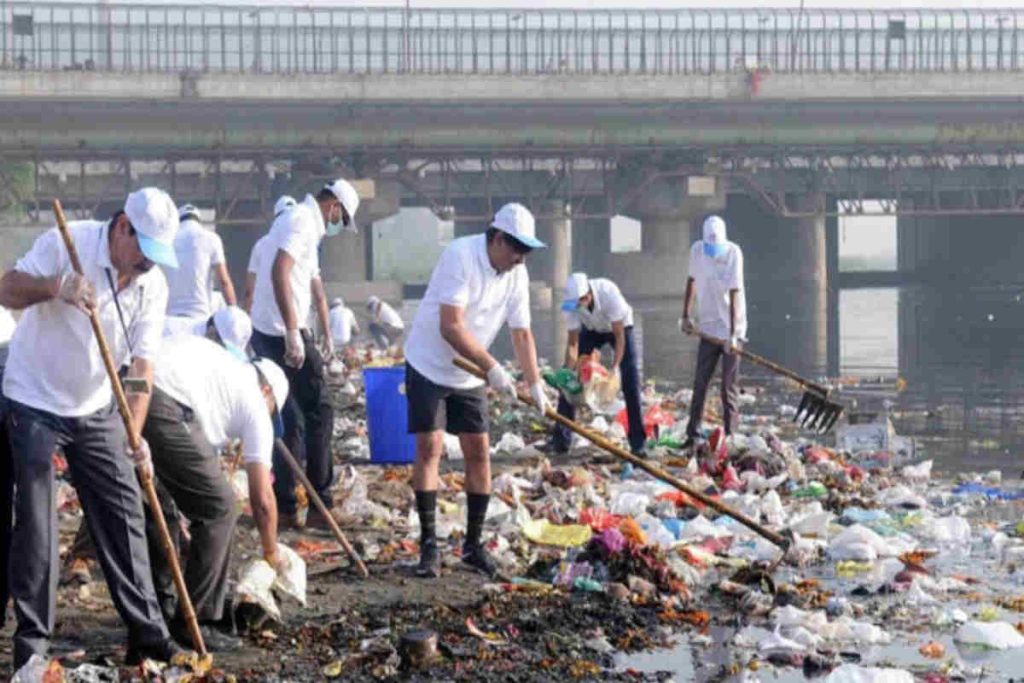
Earth5R operates as a Sustainability and climate-tech platform that connects communities, governments, and companies.Its work spans waste management, river cleaning, and low carbon community programs across Indian cities and villages.
For river based cities, Earth5R has launched the BlueCities Sustainability Network, which focuses on transforming river corridors using data, community engagement, and climate aligned infrastructure.
Earth5R’s field programs show how citizen data, local monitoring, and decentralised interventions can support better sewage management outcomes.These models integrate with CSR projects and ESG priorities by providing verified climate action and measurable environmental impact at the local level.
In this context, the next sections of this Earth5R Sustainability Review focus on nine smart technologies that help turn sewage into a climate solution.These technologies reduce greenhouse gas emissions, recover energy and nutrients, and help cities close the loop in line with circular economy and ESG goals.
Smart Technology 1: Anaerobic Digesters for Low Emission Sewage Treatment
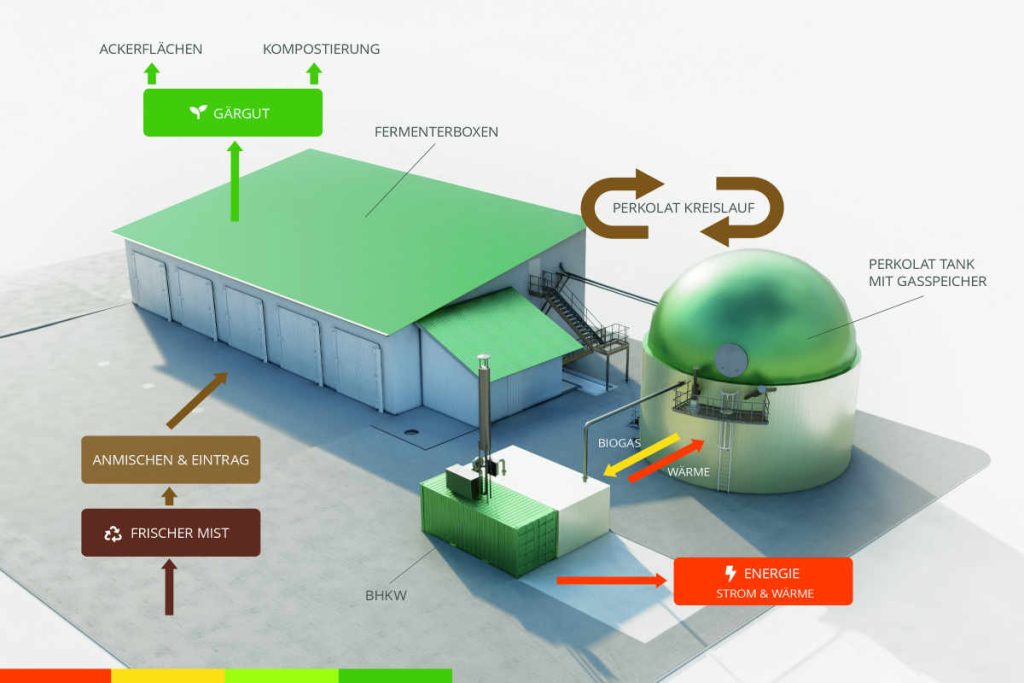
Anaerobic digestion is one of the most climate efficient sewage technologies.It works by breaking down sewage in oxygen free conditions, producing biogas that can replace fossil fuels.
According to the International Renewable Energy Agency (IRENA), biogas from wastewater can significantly cut methane emissions when captured and utilised.
Anaerobic digesters reduce sludge volume, generate renewable energy, and prevent methane leakage into the atmosphere.Studies published through ScienceDirect show that biogas from wastewater can offset the energy demand of treatment plants and contribute to city level decarbonisation.
For Indian cities facing energy deficits and rising sewage loads, this technology is highly relevant.It supports ESG reporting because the renewable energy produced can be quantified and counted toward Scope 1 and Scope 2 emission reductions.
Earth5R’s river cleaning work highlights how decentralised anaerobic units at community clusters can intercept wastewater before it reaches rivers.These interceptors reduce organic load and enable methane capture at source, which directly reduces climate impact.
Smart Technology 2: Constructed Wetlands for Low Cost, Nature Based Sewage Treatment
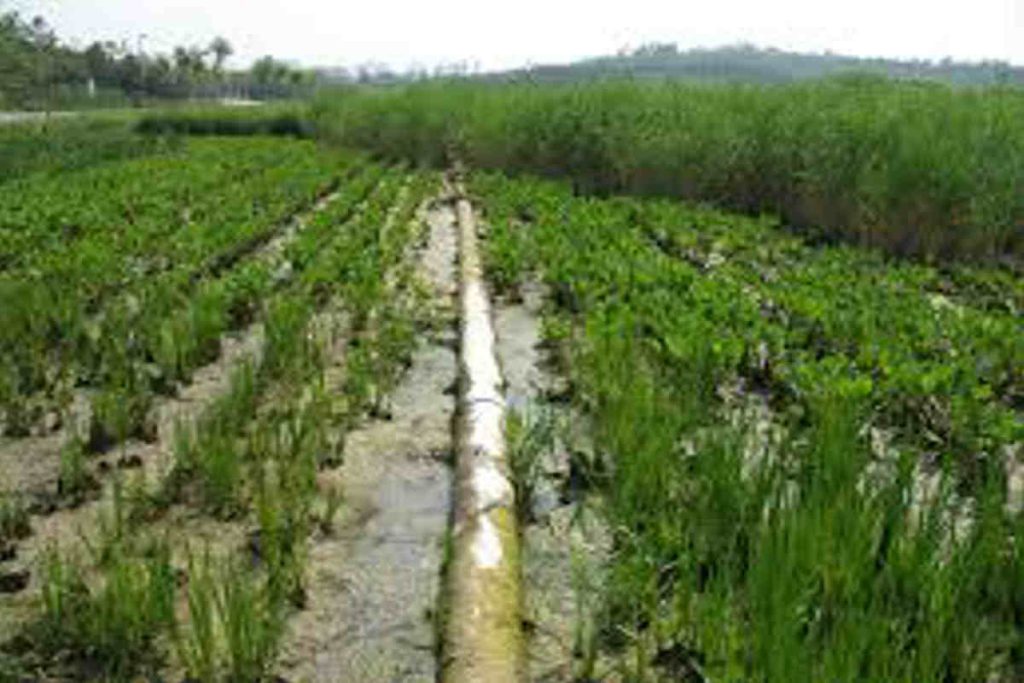
Constructed wetlands use plants, soil, and microbes to naturally clean sewage.They require very low operational energy and rely on ecological processes that remove organic matter, nutrients, and pathogens.
A major global review by the Ramsar Convention Secretariat documents the role of wetlands in improving water quality and reducing climate risks.Constructed wetlands are especially useful for India’s peri urban areas, small towns, and village clusters that lack large centralised treatment plants.They are also recognised as a sustainable wastewater treatment technology by the United Nations University (UNU-INWEH).
Because these systems use vegetation to filter pollutants, they sequester carbon and support biodiversity.They require minimal mechanical infrastructure, which lowers maintenance costs and makes them ideal for CSR funded decentralised sanitation projects.
Earth5R’s community based projects show that nature based systems such as wetland patches and biofilters can significantly lower pollution levels in stormwater drains that often carry untreated sewage into rivers.These systems create local green jobs and support the BlueCities approach to river corridor regeneration.
Smart Technology 3: Membrane Bioreactors for High Efficiency Treatment and Water Reuse
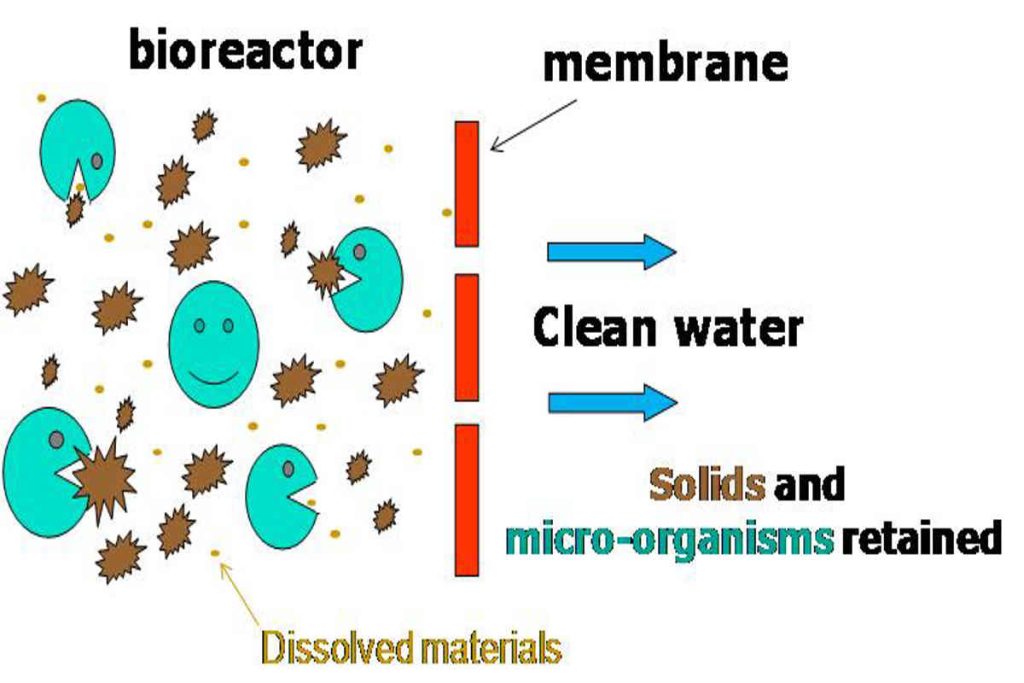
Membrane Bioreactors (MBRs) combine biological treatment with microfiltration or ultrafiltration membranes.They produce extremely clean effluent suitable for industrial reuse, landscaping, cooling towers, and in many cases, groundwater recharge.
According to the United States Environmental Protection Agency (EPA), MBRs offer superior effluent quality and require less space than conventional systems. MBRs are increasingly important in water stressed regions.
The United Nations World Water Development Report highlights that water reuse will be a key resilience strategy for urban areas facing declining freshwater availability.
Industries in India are moving toward reuse based compliance under state pollution control norms, creating strong demand for high quality treated wastewater.MBRs supply the consistency required for ESG reporting by enabling measurable reductions in freshwater withdrawal.
Earth5R’s work with industrial partners has demonstrated that decentralised MBR units at industrial clusters and SEZs can prevent untreated discharge into rivers while also cutting operational water costs.This aligns with Corporate Social Responsibility requirements to support local water security.
Smart Technology 4: Upflow Anaerobic Sludge Blanket Reactors for High Volume Sewage Treatment
Upflow Anaerobic Sludge Blanket reactors, or UASB reactors, are widely used in developing countries for municipal sewage treatment.They treat wastewater using anaerobic microorganisms that convert organic matter into biogas.
The UNESCO International Hydrological Programme identifies UASB systems as a proven, scalable wastewater solution suitable for warm climates such as India. UASB reactors are cost efficient and require less energy than conventional activated sludge processes.Research published through ScienceDirect shows that UASB based systems can remove 60 to 80 percent of organic pollutants and significantly reduce sludge production.
India has deployed UASB reactors in several major cities because they handle large sewage volumes and generate recoverable biogas.This biogas can be used to power plant operations, reducing electricity consumption and lowering carbon emissions.
For Environmental NGOs in India and city administrators, UASB reactors remain a practical option for upgrading underperforming treatment plants.Earth5R’s community based sewage interception work complements such systems by reducing the pollutant load entering centralised plants.
Smart Technology 5: Faecal Sludge and Septage Management with Decentralised Treatment Units
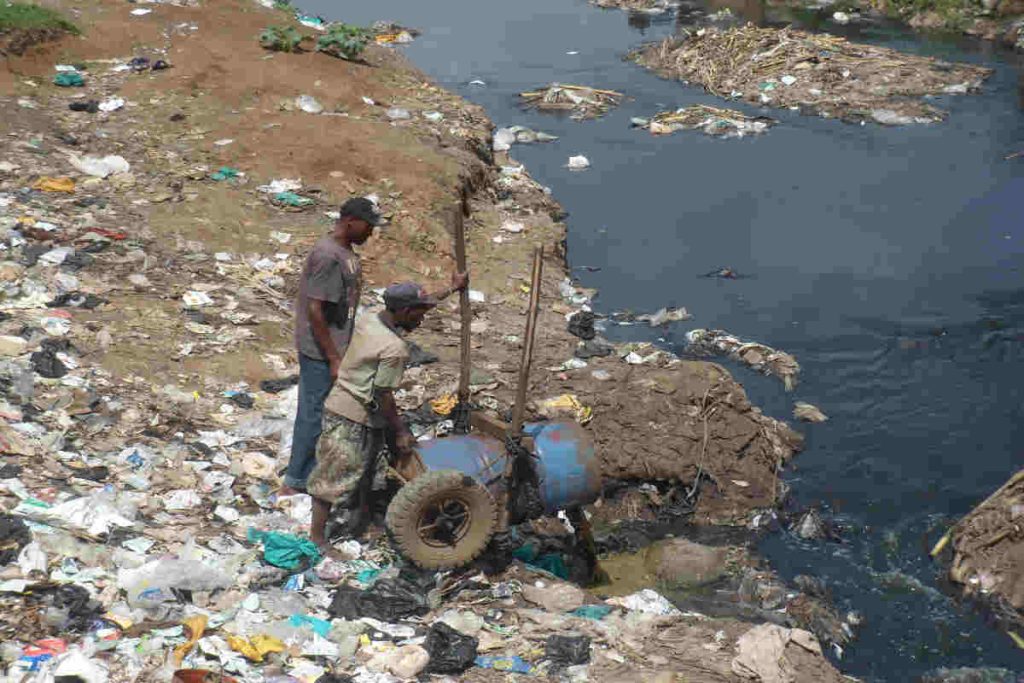
Most Indian households in small towns and peri urban areas rely on septic tanks rather than underground sewer networks.This makes Faecal Sludge and Septage Management (FSSM) a critical part of sustainable sanitation.
The Ministry of Housing and Urban Affairs (MoHUA) released India’s first National FSSM Policy, which guides cities to build decentralised treatment plants and safe desludging systems.The World Health Organization explains that safely managed sanitation systems, including decentralised sludge treatment, greatly reduce exposure to pathogens and environmental contamination.
FSSM plants are compact, low cost, and can be commissioned quickly.Many Indian states, such as Maharashtra, Tamil Nadu, and Odisha, have built FSSM units under national urban missions.These decentralised plants also reduce methane emissions by preventing uncontrolled decomposition in overflowing septic systems.
Earth5R’s work in low income settlements frequently includes community mapping of septic tank overflow points, drain contamination hotspots, and desludging patterns.This helps cities prioritise where decentralised FSSM plants are most needed.It also strengthens ESG reporting for corporate partners investing in sanitation under CSR.
Smart Technology 6: Resource Recovery Facilities for Nutrient Capture and Circular Economy Solutions
Modern sewage treatment is shifting from waste removal to resource recovery.Wastewater contains nitrogen, phosphorus, organic matter, and minerals that can be converted into usable products.
The Food and Agriculture Organization (FAO) notes that treated wastewater can safely support agriculture when managed correctly, helping reduce fertiliser use and improving water security.The United Nations University (UNU-INWEH) also documents that resource recovery from wastewater, including nutrient capture and bioenergy production, is essential for the circular economy model.
Technologies such as struvite precipitation allow treatment plants to recover phosphorus from sewage sludge.This reduces the need for mined phosphate, which is both energy intensive and geopolitically vulnerable.
In India, resource recovery fits well with national circular economy strategies under NITI Aayog and MoHUA.Recovered nutrients can support peri urban agriculture, while recovered water can serve industrial reuse.These outputs reduce operational emissions and create new green revenue streams.
Earth5R’s BlueCities model promotes circularity along river corridors by supporting projects that turn waste into value.Resource recovery from sewage aligns directly with this mission and supports measurable ESG gains for industry and municipal partners.
Smart Technology 7: Advanced Aeration and Energy Efficient Treatment Systems
Aeration is the most energy intensive part of sewage treatment.New technologies now reduce energy consumption while improving biological treatment performance.
The United States Environmental Protection Agency (EPA) highlights that energy efficient aeration systems, including fine bubble diffusers and optimised controls, can cut electricity use significantly.
Aeration upgrades can reduce operational emissions because treatment plants often depend on coal based electricity.Energy efficient systems directly support ESG reporting by lowering Scope 2 emissions for utilities and industries.
Indian cities upgrading older sewage treatment plants can integrate variable frequency drives, automatic dissolved oxygen sensors, and optimised blower systems.These improvements reduce operating costs and help treatment plants meet environmental standards more consistently.
Earth5R has observed during community based river assessments that insufficient aeration and poor biological activity are common failures in overloaded treatment plants.Smart aeration systems help address these gaps and improve downstream river quality.
Smart Technology 8: Real Time Monitoring Systems Using IoT and Water Quality Sensors
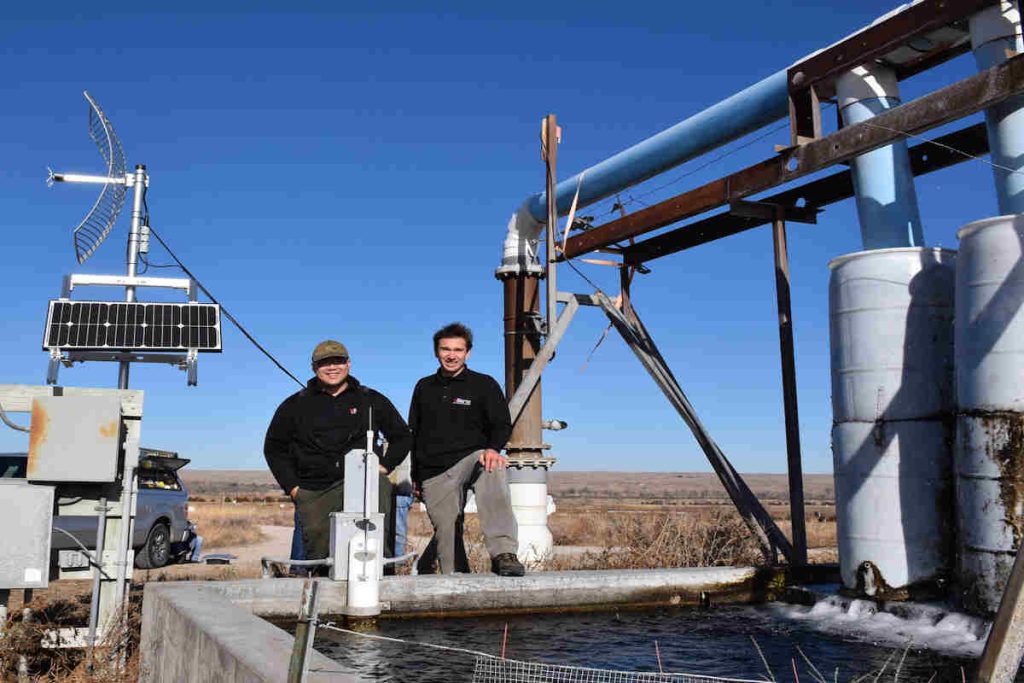
Real time water quality monitoring allows cities to track sewage flows, detect illegal discharges, and verify treatment performance.Digital monitoring tools are central to modern ESG systems because they create transparent, verifiable environmental data.
The United Nations University Institute for Environment and Human Security (UNU-EHS) notes that digital water solutions, including sensors and IoT platforms, improve decision making and resilience in urban water systems.
India is also advancing real time wastewater monitoring through policies that require industries to install continuous effluent monitoring systems.The Central Pollution Control Board (CPCB) provides technical guidelines for online continuous emission and effluent monitoring systems.
Below are the CPCB online monitoring guidelines:
Real time sewage monitoring supports:
• Compliance tracking under environmental regulations
• ESG reporting for industries
• Early detection of treatment failures
• River restoration and community based water quality audits
Earth5R integrates citizen science with digital water monitoring tools across river corridors, enabling communities to generate credible environmental data that supports urban planning and CSR investment.
Smart Technology 9: Wastewater Reuse and Reclamation for Industrial and Urban Applications
Treated wastewater is increasingly seen as a climate resilience tool.Reusing treated water reduces pressure on freshwater sources, supports groundwater recharge, and lowers the energy footprint of water transport.
The United Nations World Water Development Report highlights wastewater reuse as one of the key strategies for sustainable water management, especially in water stressed regions.Industrial reuse of treated wastewater is expanding rapidly in India.
A market brief from the International Trade Administration reports strong growth in wastewater treatment and reuse technologies due to regulatory pressure and water scarcity.Urban reuse, such as using reclaimed water for landscaping, infrastructure cooling, and construction, is becoming widespread under municipal circular economy initiatives.
This reduces the climate footprint of water supply and helps cities meet sustainability targets.
Earth5R’s programs in river cities promote reuse of treated water to reduce raw water extraction from rivers.This supports long term river regeneration and improves water security for vulnerable communities.
Summary
Sewage management is no longer a back end utility function.It is a climate strategy, a circular economy opportunity, and a core element of ESG and Corporate Social Responsibility frameworks in India.The nine technologies discussed here show how wastewater can be transformed into clean energy, nutrient resources, and reclaimed water while reducing methane and nitrous oxide emissions.
Environmental organisations, Environmental NGOs in India, and sustainability focused companies increasingly recognise the climate potential of sewage systems.India’s policy landscape, including MoHUA’s FSSM guidelines, digital monitoring requirements by CPCB, and circular economy frameworks by NITI Aayog, further supports the adoption of these technologies.
Earth5R’s on ground work in river cleaning, waste management, and community led monitoring demonstrates that climate aligned wastewater solutions must be integrated with local action.Only then can cities turn sewage from an environmental liability into a climate solution.
FAQs: 9 Smart Technologies That Turn Sewage into a Climate Solution: Earth5R Sustainability Review
What is the environmental impact of untreated sewage in India?
Untreated sewage reduces river oxygen levels, increases ammonia, spreads pathogens, and contributes to methane and nitrous oxide emissions that worsen climate change.
How does sewage contribute to greenhouse gas emissions?
Sewage releases methane during anaerobic decomposition and nitrous oxide due to excess nutrients. These gases have far higher warming potential than carbon dioxide.
Why is sewage management important for climate action?
Better sewage treatment cuts methane emissions, protects river ecosystems, and supports circular economy goals. It also helps cities meet their sustainability commitments.
What role do Environmental NGOs in India play in sewage management?
They support community engagement, policy awareness, river cleaning, data collection, and decentralised sewage monitoring. They bridge the gap between communities, municipalities, and technology partners.
How does anaerobic digestion help reduce emissions?
Anaerobic digestion captures methane as biogas rather than letting it escape into the atmosphere. The captured biogas can replace fossil fuels.
What makes constructed wetlands suitable for Indian cities and towns?
They are low cost, require minimal energy, and use natural systems to clean sewage. This makes them ideal for decentralised treatment in small towns and peri urban areas.
How do Membrane Bioreactors support water reuse?
MBRs produce high quality treated water that can be reused in industries, landscaping, cooling towers, and groundwater recharge, reducing dependence on freshwater sources.
What is the advantage of UASB reactors in sewage treatment?
UASB reactors handle large sewage volumes efficiently, generate biogas, and operate with low energy consumption, making them suitable for warm climates.
Why is Faecal Sludge and Septage Management important for India?
Most small towns rely on septic tanks instead of sewer networks. FSSM ensures that sludge from these systems is collected, transported, and treated safely.
How does resource recovery from sewage work?
Nutrients like phosphorus and nitrogen can be extracted, and treated wastewater can support agriculture or industrial reuse. This reduces waste and creates economic value.
What technologies support circular economy goals in wastewater?
Resource recovery systems, anaerobic digestion, water reuse infrastructure, and nutrient capture technologies help convert sewage into usable products.
How does real time monitoring improve wastewater management?
IoT sensors and online monitoring systems detect discharge irregularities, track plant performance, and support transparent ESG reporting.
Why do industries need sewage and effluent technologies?
Industries must meet environmental regulations, reduce freshwater use, and demonstrate sustainability performance under ESG frameworks.
How does sewage treatment support CSR initiatives?
Corporations can fund decentralised sewage systems, water reuse projects, and river cleaning programs as part of their CSR priorities related to environment and community development.
How can wastewater be reused safely?
Treated wastewater can be reused for industrial processes, construction, landscaping, and agriculture when it meets prescribed water quality standards.
Why is energy efficient aeration important?
Aeration consumes the most energy in treatment plants. Upgrading to efficient systems reduces electricity costs and lowers carbon emissions.
How does sewage treatment strengthen river cleaning efforts?
Cleaner sewage inflow reduces pollution loads in rivers, improves biodiversity, and enhances the effectiveness of river restoration programs.
What role does Earth5R play in sustainable sewage management?
Earth5R conducts community based monitoring, river cleaning, ESG aligned programs, and training that help cities and industries adopt sustainable wastewater practices.
How can communities participate in sewage management?
Communities can report drain contamination, support desludging planning, take part in citizen water quality audits, and engage in awareness programs.
What is the long term benefit of climate aligned sewage technologies?
They reduce emissions, conserve water, create green jobs, and help build resilient, circular, and sustainable cities aligned with India’s environmental goals.
Sewage as a Climate Resource for India’s Sustainable Cities
Earth5R invites city governments, corporations, research institutions, and CSR leaders to collaborate on building climate aligned wastewater systems across India.We support technology integration, community engagement, ESG measurement, and river corridor regeneration.
Together, these efforts can transform India’s wastewater landscape and accelerate the shift toward sustainable, low carbon, circular economy cities.To explore partnerships, sustainability programs, or wastewater solutions with Earth5R, visit our site.
Authored by- Sneha Reji