
The Rise of Organic Agriculture in a Changing World
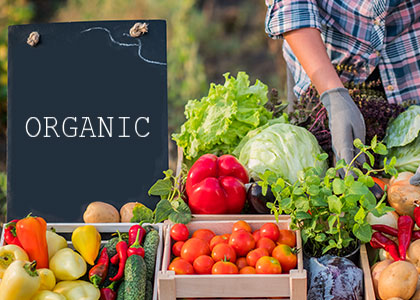
Organic agriculture is witnessing a global renaissance as nations confront the fallout of decades of chemically intensive farming. The degradation of soil health, the loss of biodiversity, and the emergence of antibiotic resistance have exposed the unsustainable nature of conventional food systems. These challenges have pushed policymakers, farmers, and consumers toward exploring more regenerative alternatives like organic farming.
The impact of agriculture on climate change has further accelerated this shift. Industrial farming is responsible for nearly one-third of global greenhouse gas emissions, primarily through synthetic fertilizers, deforestation, and monoculture practices.
In contrast, organic methods emphasize carbon sequestration and natural nutrient cycles, offering a viable path for climate-smart agriculture. Studies by the Intergovernmental Panel on Climate Change (IPCC) and the Food and Agriculture Organization (FAO) highlight organic practices as key climate mitigation strategies.
Public health concerns are also shaping this movement. Exposure to pesticide residues, hormone-treated livestock has led consumers to demand more transparent alternatives. Organic food, certified under strict regulatory frameworks, is free from synthetic chemicals and genetically modified organisms. Reports from the World Health Organization (WHO), and Harvard School of Public Health affirm the health benefits of switching to an organic diet
In the post-pandemic world, resilience has become a keyword in food systems planning. The COVID-19 crisis exposed the fragility of global food supply chains and emphasized the need for localized, sustainable agriculture.
Organic farming supports short supply chains, reduces reliance on external inputs, and builds community-level food security. Initiatives like the UN’s Food Systems Summit and the Agroecology Coalition place organic at the center of this new vision for resilience.
The global organic movement is also rooted in a growing cultural and ethical awakening. There is rising concern over animal welfare, land rights, and the ethics of industrial agriculture. Movements like Slow Food International, IFOAM – Organics International, and La Via Campesina advocate for food sovereignty, traditional knowledge, and organic principles as tools for restoring justice in farming.
Technological advances are now accelerating the adoption of organic methods. Tools like AI-powered farm analytics and biological pest control solutions are making organic farming more efficient and scalable.
Platforms like AgFunder, Cropin, and the Organic Trade Association’s Innovation Hub are facilitating innovation while preserving ecological integrity. As a result, organic agriculture is no longer seen as niche—it’s becoming the future-proof model of farming worldwide.
UN and FAO’s Influence on Sustainable Food Policies
The United Nations has made food sustainability a global priority through its Sustainable Development Goals (SDGs), particularly Goal 2 (Zero Hunger), Goal 12 (Responsible Consumption), and Goal 15 (Life on Land). These frameworks urge countries to transition toward more resilient food systems. Organic farming plays a vital role in meeting these interconnected objectives.
The Food and Agriculture Organization (FAO) leads global efforts to support sustainable agriculture, with growing emphasis on agroecology and organic practices. FAO promotes policy frameworks that reduce dependence on chemicals while improving food security. These include tools for capacity building and organic market development.
The FAO’s Committee on World Food Security (CFS) acts as a high-level policy forum for food governance. It champions approaches like agroecological intensification and promotes inclusive dialogues with farmers, civil society, and governments. CFS guidance directly influences national strategies in both developed and developing nations.
FAO also supports countries with technical cooperation projects that integrate organic methods into their food systems. These projects provide advisory services, policy design support, and tools for data-driven planning. Through this, organic agriculture becomes more accessible to smallholders and emerging economies.
The UN Environment Programme (UNEP) and UN Development Programme (UNDP) also reinforce organic’s role in climate-smart development. UNEP’s work on sustainable consumption and UNDP’s Nature-Based Solutions agenda both align with the organic model. These agencies collaborate with FAO in multi-stakeholder initiatives.
International events such as the UN Food Systems Summit, Global Forum for Food and Agriculture (GFFA), and Agroecology Dialogues have amplified organic farming’s relevance. These platforms help nations set science-based targets, share best practices, and shape future-ready agricultural policies.
This infographic illustrates India’s strategic role in the global organic movement, emphasizing certification systems, market potential, and export strengths. It showcases how India can align with global sustainability goals while empowering its organic farming ecosystem.
Organic Farming Adoption in Europe and North America
Europe has taken bold steps to mainstream organic farming through its European Green Deal and the Farm to Fork Strategy. The EU aims to convert 25% of farmland to organic by 2030. These goals are backed by policy support, subsidies, and eco-scheme incentives.
Key EU nations—Germany, France, and Italy—have invested in farmer training and market expansion. Their strategies include national organic action plans, research funding, and urban consumer outreach. Organic retail sales in these countries are among the highest globally.
The Common Agricultural Policy (CAP) incentivizes eco-friendly practices, including organic transition. Under CAP reforms, farmers can access direct payments for adopting soil health and biodiversity measures. National governments also offer technical advisory services.
In North America, the U.S. has institutionalized organic farming through the Organic Foods Production Act and the USDA Organic certification. The National Organic Standards Board (NOSB) regulates organic input approvals and practices. U.S. organic food sales surpassed $60 billion in 2022.
Canada supports organic adoption through the Canada Organic Regime (COR), which aligns with U.S. and EU equivalency standards. Provinces like British Columbia and Quebec promote organic farming through subsidies and certification support. Canada also invests in organic research networks.
Private players drive growth in both regions. Retailers like Whole Foods and Aldi have expanded their organic product lines. Organizations such as the Organic Trade Association (OTA) and Organic Farmers Association provide advocacy, education, and marketing tools that amplify farmer reach.
Africa and Asia’s Push Toward Indigenous, Organic Practices
Across Africa, organic farming is being championed through the revival of indigenous agricultural knowledge and low-input practices. Countries like Uganda, Ethiopia, and Tanzania are promoting organic systems to restore soil fertility and reduce costs. Support comes from networks like IFOAM Africa.
Uganda is Africa’s organic leader, with over 210,000 certified farmers. Organic exports—especially coffee, pineapples, and cocoa—contribute significantly to its GDP. The country benefits from PGS models and NGO support like NOGAMU. Its policies align with UNCTAD’s BioTrade principles.
In Asia, Bhutan stands out for its vision to become 100% organic. The government integrates traditional Buddhist values with natural farming methods. Bhutan’s focus on Gross National Happiness also places environmental sustainability at its core. International partners like IFOAM Asia support its transition.
Sri Lanka introduced a nationwide chemical fertilizer ban in 2021, aiming for rapid organic conversion. However, poor planning led to food shortages and economic disruption. The country’s experience shows that policy transitions must be gradual and supported by farmer training and infrastructure.
Many Southeast Asian countries are scaling up organic through ASEAN standards and regional trade frameworks. Thailand, Vietnam, and Philippines are investing in organic value chains and farmer cooperatives. Support from initiatives like the Asian Local Governments for Organic Agriculture (ALGOA) is accelerating this shift.
Organic farming in these regions is deeply intertwined with cultural practices. Concepts like Zero Budget Natural Farming (ZBNF) in India and Masanobu Fukuoka’s natural farming in Japan emphasize harmony with nature. These systems are gaining scientific validation and being integrated into national policy dialogues across the continent.
Global Certification Systems: USDA Organic, EU Organic, IFOAM
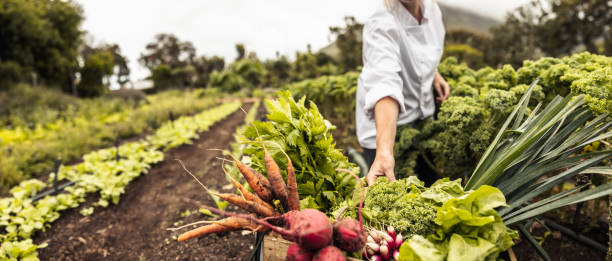
Organic certification ensures transparency and consumer trust in the global market. Leading standards include the USDA Organic, EU Organic, and IFOAM Family of Standards. These frameworks define how organic products are grown, processed, and labeled.
The USDA Organic seal is highly recognized in North America. It prohibits synthetic pesticides, GMOs, and artificial additives. The National Organic Program (NOP) oversees compliance through accredited certifiers. U.S. organic farms must maintain detailed records and undergo annual audits.
The EU Organic label covers all 27 EU nations and emphasizes biodiversity, soil care, and animal welfare. The EU has mutual recognition agreements with non-EU countries. Its system includes control bodies that inspect and certify both domestic and imported goods.
IFOAM – Organics International developed the first international organic standards. Its Norms guide policy harmonization globally and support certification in emerging markets. IFOAM also promotes Participatory Guarantee Systems (PGS) for small-scale, community-based validation.
Certification is often a barrier for small farmers due to costs and bureaucracy. Alternatives like PGS India and Group Certification offer inclusive models. These reduce third-party costs and encourage cooperative farming and shared accountability.
As demand rises, digital tools like blockchain traceability, remote auditing, and QR code tracking are modernizing certification. Global retailers and platforms increasingly rely on these tools to validate sourcing, boost consumer confidence, and support ethical supply chains.
What Is Driving Global Consumer Demand for Organic Products
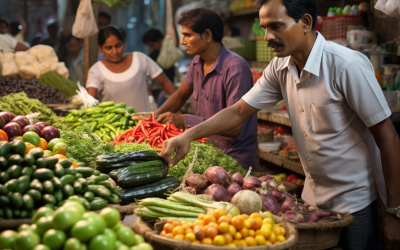
Rising health consciousness is a major driver of organic demand worldwide. Concerns about pesticide exposure, processed food risks, and lifestyle diseases have pushed consumers toward organic choices. Surveys by Statista reveal a strong link between organic preference and perceived health benefits.
Parents are choosing organic for their children to avoid chemical residues and hormone exposure. Pediatric health experts recommend organic diets for lower toxin levels. Studies from Harvard and the Mayo Clinic suggest organic foods can reduce risk factors linked to early childhood disorders.
Environmental awareness is another strong factor. Consumers increasingly understand that organic farming supports soil regeneration, biodiversity, and reduced carbon footprints. Eco-conscious shoppers now prioritize sustainability in their food choices.
Social media and influencer marketing are fueling awareness. Platforms like Instagram and YouTube showcase organic lifestyles, creating aspirational food cultures. Brands and eco-chefs are using these platforms to promote clean eating, farm-to-table models, and transparency in sourcing.
The rise of ethical consumption is reshaping global retail. Consumers are drawn to products that align with animal welfare, fair trade, and climate action. Organic labels provide assurance of integrity, contributing to the growth of mission-driven brands.
E-commerce has made organic more accessible than ever. Online stores like Thrive Market, BigBasket, and Whole Foods on Amazon offer curated organic selections. The convenience of doorstep delivery, transparent sourcing, and subscription models have boosted digital demand significantly.
Key Market Data: Growth Trends in Organic Trade
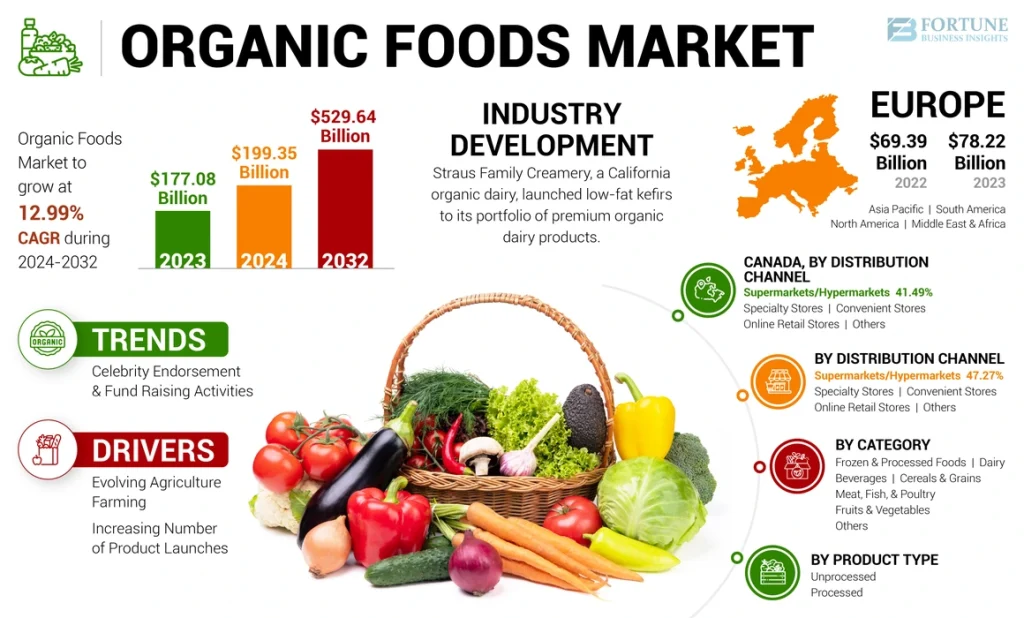
The global organic market has surpassed $150 billion in value and continues to grow at a compound annual rate of over 10%. Data from FiBL, IFOAM, and Statista confirm strong consumer trends across Europe, North America, and Asia. Growth is especially pronounced in post-pandemic years.
The United States remains the largest organic market, with over $60 billion in annual sales. Organic produce, dairy, and packaged foods dominate shelves in mainstream retail. The Organic Trade Association (OTA) reports double-digit growth in organic snacks and beverages.
In Europe, countries like Germany, France, and Switzerland lead in per capita organic consumption. The EU’s Green Deal aims to triple organic farmland by 2030. Retail data shows continued expansion, especially in fresh food and organic baby products.
Emerging markets are rapidly catching up. China, India, and Brazil are seeing export surges and domestic interest. Government support, rising incomes, and health awareness are driving growth in Asia and Latin America.
Organic trade is also expanding cross-border. Major exporters include India, Turkey, and Ukraine. Imports into the EU and U.S. are regulated through equivalence agreements. This has created secure pipelines for global organic exchange.
Product segments seeing the fastest growth include organic dairy, organic packaged snacks, and personal care. Consumers are also spending more on organic supplements and wellness beverages. This diversification is reshaping what the global organic basket looks like.
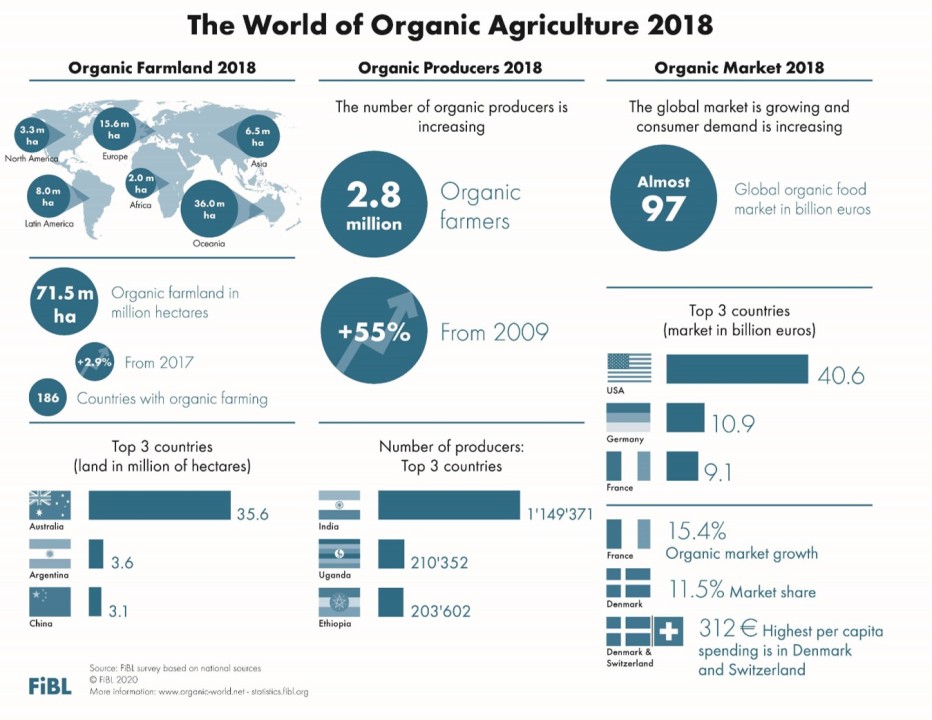
This infographic presents key global statistics on organic agriculture as of 2018, including farmland size, number of producers, and market value. It highlights that India leads in organic producers, while the U.S. dominates the organic market in value.
Where India Stands in the Global Organic Map
India has the highest number of organic producers globally, with over 4.4 million farmers as of 2023. Reports from FiBL and APEDA highlight India’s dominance in organic tea, oilseeds, and spices. The country has become a critical player in global organic exports, especially across Europe and Asia.
India’s certification operates through the National Programme for Organic Production (NPOP) and the Participatory Guarantee System (PGS). While NPOP is internationally recognized under USDA and EU equivalency, PGS offers a farmer-led, community-based model. Both support traceability and compliance.
India’s organic leadership includes Sikkim, the first 100% organic state, along with Madhya Pradesh and Uttarakhand. These regions are supported by targeted state subsidies and farmer cooperatives. Their success reflects the integration of agroecological policies.
Despite gains, the domestic market remains small, valued at around $2 billion. Issues like price sensitivity, low awareness, and fragmented supply chains limit wider adoption. Urban demand exists, but access and affordability remain critical barriers.
India exported over 750,000 MT of organic produce in 2022–23, valued at $1 billion. Key products include organic rice, pulses, oilseeds, and processed goods. APEDA ensures export traceability through its digital platform Tracenet, helping meet global standards.
With initiatives like the National Mission on Organic Farming, India has the infrastructure to scale both exports and domestic markets. Investments in consumer education, certification harmonization, and policy innovation could elevate India from contributor to global organic leader.
Lessons for Indian Policymakers and Exporters
India can learn from the EU’s Farm to Fork strategy, which sets clear organic targets backed by financial incentives. By introducing dedicated subsidies, eco-labeling, and urban outreach, Europe has created a thriving domestic organic culture. India must similarly blend production with consumer engagement.
A major priority should be improving domestic supply chains and infrastructure. Investments in cold storage, last-mile logistics, and traceability tools will help reduce wastage and ensure product integrity. These measures are critical for both exports and urban retail.
India must also simplify and integrate its dual certification system—NPOP and PGS—into a more harmonized framework. Learning from IFOAM’s unified approach could increase global recognition. This will benefit smallholder groups and exporters equally.
Exporters need to understand evolving standards in key markets like the USDA Organic, EU Organic, and Japanese JAS. Indian exporters must also build capacity in digital compliance tools and stay updated with non-tariff barriers affecting organic trade.
India should scale up farmer training through Krishi Vigyan Kendras (KVKs), Soil Health Cards, and Farmer Producer Organizations (FPOs). European and American models show that agricultural extension services and digital advisory tools can accelerate adoption. India needs a nationwide organic literacy mission.
Finally, branding is essential. India must create a global identity like Thailand’s “Q Mark” or France’s AB label. With storytelling rooted in Ayurveda, sustainability, and farm heritage, Indian organics can appeal to premium-conscious markets worldwide.
How India Can Lead the Next Global Organic Shift
India has the ecosystem to become a global organic leader, drawing strength from its rich agro-biodiversity, indigenous agricultural traditions, and massive smallholder base. With over 4 million organic farmers, India already has scale on its side. The time is right to take a leadership role globally.
A forward-looking National Organic Innovation Mission could unify India’s efforts across climate-smart agriculture, public health, and rural development. Mainstreaming organic into schemes like PM-KUSUM and PM-FME would drive grassroots adoption.
India should lead in organic traceability innovation through tools like blockchain-enabled supply chains, smart agri platforms, and mobile-accessible verification systems. These technologies can assure global buyers of integrity, boosting trust in Indian organic exports.
Domestically, India must generate consumer awareness via retail outreach, school meal schemes, and government procurement of organic food. Countries like Denmark have proven that institutional demand can accelerate organic adoption nationwide.
Globally, India must actively engage with platforms like IFOAM Asia, FAO agroecology networks, and South-South Cooperation programs. India can advocate for inclusive certification mechanisms, carbon farming rewards, and indigenous leadership in global organic markets.
Through a combination of innovative policy, green entrepreneurship, and international diplomacy, India can define the future of ethical, sustainable food. Rather than simply follow, India is positioned to lead the next global organic wave.
Conclusion: How the World Is Moving Towards Organic- Global Policies, Market Shifts, and What India Can Learn
The global shift toward organic farming is no longer a niche trend—it’s a powerful movement shaped by sustainability goals, consumer awareness, and urgent environmental needs. From Europe’s policy-driven approach to Africa’s indigenous revival, the organic landscape is evolving rapidly. Nations are now aligning food production with climate resilience.
India has a unique position in this landscape. With the world’s largest pool of organic producers and rich traditional knowledge systems, the country is primed to lead. However, to achieve global influence, it must address domestic consumption gaps and improve infrastructure and policy cohesion.
The global market is ripe with opportunity, from exports of high-value crops to tech-driven traceability systems that boost buyer trust. India’s role can evolve from supplier to standard-setter—if it invests in innovation, branding, and regulation. Leading the organic revolution could also enhance its soft power globally.
As the world redefines what good food means, India must take bold, coordinated steps. Through public-private partnerships, digital innovation, and farmer empowerment, it can turn a fragmented sector into a national strength. The time for India to rise as the global beacon of organic agriculture is now.
Frequently Asked Questions: How the World Is Moving Towards Organic- Global Policies, Market Shifts, and What India Can Learn
What is driving the global transition toward organic agriculture?
The shift is driven by climate change, soil degradation, consumer health concerns, and the global push for sustainability. Consumers and governments alike are demanding cleaner, regenerative farming methods that minimize environmental harm.
How have international food crises and climate concerns influenced the rise of organic farming?
Disruptions in food security, pesticide overuse, and extreme weather have exposed the fragility of chemical-intensive agriculture. Organic methods offer a more resilient and climate-friendly alternative by building soil health and reducing dependency on synthetic inputs.
What roles do the UN and FAO play in shaping global organic farming policies?
The UN and FAO provide frameworks, data, and funding to support sustainable agriculture. Through initiatives like the FAO’s Agroecology Knowledge Hub and the SDGs, they guide nations to adopt ecological farming practices.
How are international agreements promoting sustainable agriculture practices?
Global accords like the Paris Agreement and SDG 2 (Zero Hunger) encourage organic adoption through policy alignment, funding for low-carbon farming, and technology sharing between nations.
Why is Europe considered a global leader in organic adoption?
Europe has institutionalized organic agriculture through robust policies, subsidies, consumer education, and eco-labeling. Countries like Germany and France have high organic consumption rates and support farmers through the EU Green Deal.
What are some key policy tools used by North American countries to scale organic farming?
North America uses tools like the USDA Organic certification, tax incentives, farm-to-school programs, and organic transition funding to support organic agriculture across states and provinces.
How is Africa integrating indigenous knowledge systems into organic agriculture?
African nations are reviving ancestral farming methods, focusing on composting, intercropping, and traditional seed use. NGOs and governments support these practices with training, community certification, and export promotion.
What makes Asia’s organic push unique compared to other regions?
Asia blends traditional philosophies like Ayurveda and Zen farming with modern organic practices. Countries like Bhutan, India, and Vietnam emphasize harmony with nature, often supported by regional trade and government schemes.
How do Participatory Guarantee Systems (PGS) support small-scale organic farmers?
PGS allows local farmer groups to self-certify through community trust and transparency. It reduces the high costs and bureaucracy of third-party certification, making organic access more inclusive.
What are the differences between USDA Organic, EU Organic, and IFOAM standards?
USDA Organic focuses on strict compliance for U.S. markets, EU Organic emphasizes biodiversity and soil care, while IFOAM offers a global framework that many developing countries use to shape local policies.
Why are certifications critical to building trust in global organic markets?
Certifications validate farming practices, ensure compliance, and signal integrity to consumers. They create transparency in the supply chain and enable exports to regulated markets.
What challenges do small farmers face in accessing global organic certifications?
Barriers include high certification costs, lack of technical knowledge, and complex documentation. Language, access to auditing agencies, and market connections also make certification hard for remote communities.
What consumer trends are pushing demand for organic products worldwide?
Consumers seek pesticide-free, hormone-free, and climate-responsible foods. Trends like clean eating, veganism, and wellness culture have fueled a surge in organic grocery demand globally.
How does awareness of health risks and environmental impact influence organic food choices?
Knowledge about pesticide residues, GMOs, and lifestyle diseases leads many consumers to prefer organic. Environmental concerns like biodiversity loss and soil depletion further influence ethical buying behavior.
Which countries are currently leading the global organic trade?
The United States, Germany, France, and China dominate consumption, while India, Ukraine, Turkey, and Argentina are major exporters of organic food and raw materials.
What are the fastest-growing product segments in the organic market?
Organic dairy, ready-to-eat snacks, personal care items, wellness beverages, and baby food are showing rapid growth across both developed and emerging markets.
Where does India currently stand in the global organic agriculture map?
India has the highest number of organic producers but a relatively small domestic market. It is a major exporter of organic rice, spices, and oilseeds, with strong government certification frameworks.
What are the strengths and weaknesses of India’s organic export ecosystem?
Strengths include large-scale production, low-cost labor, and growing global demand. Weaknesses involve poor domestic awareness, fragmented supply chains, and challenges in traceability.
What can Indian policymakers learn from global organic leaders like the EU and the U.S.?
India can adopt consumer-driven campaigns, direct subsidies, eco-labeling, urban organic markets, and stronger farmer training programs modeled after successful Western systems.
How can India lead the next phase of the global organic agriculture revolution?
India can lead through innovation in traceability, investment in rural infrastructure, harmonized certification, and global diplomacy. With its scale, heritage, and youthful workforce, it’s poised to become a global organic powerhouse.
Call to Action: How the World Is Moving Towards Organic- Global Policies, Market Shifts, and What India Can Learn
India stands at a pivotal moment in agricultural history. With its vast network of farmers, deep-rooted traditions, and expanding organic expertise, the country has the potential to drive a global shift toward sustainable farming. But this transformation demands unified effort and bold policy innovation.
Policymakers must prioritize long-term investment in organic infrastructure, farmer education, and certification reforms. Empowering smallholders through localized support and streamlined systems will help unlock India’s full organic potential. The time to act is now, while momentum is building globally.
Consumers and businesses alike have a role to play. By choosing organic, supporting ethical brands, and spreading awareness, we can drive demand that rewards sustainability. A more conscious market can encourage more farmers to transition and thrive in the organic economy.
Let’s work together—citizens, farmers, governments, and entrepreneurs—to build an organic future that nourishes both people and planet. India doesn’t just have to follow the global organic movement. It can lead it, redefine it, and make it truly inclusive for the world.
~Authored by Barsha