
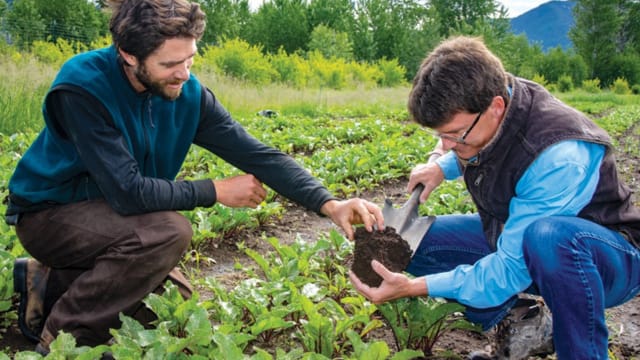
Why Healthy Soil Is the Backbone of Organic Farming
In the quiet rhythms of organic farms across India and the world, it is the soil that plays the role of an unsung hero. According to the Food and Agriculture Organization (FAO), a single gram of healthy soil can contain up to a billion bacteria, several meters of fungal filaments, thousands of protozoa, and scores of nematodes. This dense microbial diversity forms the foundation of soil fertility, disease resistance, and nutrient cycling, enabling crops to thrive without chemical interventions.
Recent research by the Rodale Institute shows that organic farming systems that prioritize soil health build resilience against droughts and floods. This is because organic practices enhance soil organic matter content, which improves water retention and aeration, two critical factors in the era of unpredictable climate patterns.
Healthy soil acts like a bank account, storing essential nutrients and organic carbon that plants withdraw as needed. But this bank does not merely store; it invests. Through processes like nitrogen fixation by rhizobia bacteria in legume roots or phosphorus solubilization by mycorrhizal fungi, healthy soils convert inaccessible nutrients into forms plants can readily absorb. Without such biological activity, farmers would be forced to apply synthetic fertilizers to compensate, undermining the very principle of organic farming.
Yet, despite this undeniable importance, India loses an estimated 5.3 billion tonnes of soil annually to erosion, according to the Indian Council of Agricultural Research (ICAR). This not only strips away fertile topsoil but also depletes organic matter, leading to crop failures and increasing vulnerability to climate change.
Earth5R’s ongoing soil regeneration initiatives under its Zero Waste Agriculture model are addressing this by training farmers in composting, mulching, and integrated soil testing practices to revive microbial health and reduce dependence on external inputs.
Ultimately, healthy soil is not a passive medium for plant growth. It is an active, breathing ecosystem that sustains livelihoods, nutrition, and climate resilience. In the realm of organic farming, where chemical interventions are minimal or absent, soil health becomes the deciding factor between success and failure.
As India strives for food security without environmental harm, recognizing and restoring the vitality of soil remains the cornerstone of its organic revolution.
Introduction to Soil Testing: What It Measures
If soil is the foundation of farming, then soil testing is its health check-up, ensuring that crops receive balanced nutrition without depleting the earth’s natural wealth. Soil testing is a scientific process that analyses various physical, chemical, and biological properties of soil to determine its suitability for growing specific crops.
According to the Indian Council of Agricultural Research (ICAR), soil testing measures parameters such as pH levels, macronutrients like nitrogen (N), phosphorus (P), potassium (K), secondary nutrients like calcium and magnesium, micronutrients including zinc, copper, and iron, organic carbon content, electrical conductivity, and soil texture composition.
At its core, soil testing answers three crucial questions for farmers: What is the current status of nutrients in my soil? What type and quantity of fertilisers or amendments should I use to optimise crop yield? How can I prevent soil degradation while maintaining productivity? These questions are vital in organic farming, where chemical fertilisers are avoided, and soil nutrition must come from natural amendments like compost, green manure, or biofertilisers.
For example, the pH of soil determines nutrient availability. Most crops grow best in soils with a pH between 6 and 7.5. If the soil is too acidic (low pH), nutrients like phosphorus become less available, while toxic elements such as aluminium become soluble, harming roots. Conversely, highly alkaline soils lock up micronutrients like zinc and iron, leading to stunted growth and chlorosis.
Soil testing also analyses texture – the proportion of sand, silt, and clay particles – which influences water retention, aeration, and root penetration. Sandy soils drain quickly but retain fewer nutrients, while clay soils hold nutrients well but can become waterlogged, suffocating roots. Knowing texture helps farmers design crop rotations and organic matter management to improve soil structure.
Moreover, soil tests measure organic carbon content, a critical indicator of soil fertility. Organic carbon acts as a sponge, holding nutrients and moisture while feeding microbes. According to FAO’s Global Soil Organic Carbon Map, soils with higher organic carbon not only produce better yields but also sequester atmospheric carbon, mitigating climate change.
India’s Soil Health Card Scheme, launched in 2015, has been a major step in making soil testing accessible. Under this programme, over 250 million soil health cards have been distributed, providing farmers with detailed reports of nutrient status and fertiliser recommendations tailored to their fields (Ministry of Agriculture, Government of India). While implementation challenges remain, this initiative has raised awareness about the importance of scientific soil testing in sustainable agriculture.
In organic farming, where nutrient management depends on biological cycles rather than synthetic inputs, soil testing becomes even more critical. It ensures that compost, manure, and biofertilisers are applied judiciously to restore nutrient balance without causing excess runoff or greenhouse gas emissions.
As Earth5R’s Blue Cities organic farming projects emphasise, soil testing is the first step toward regenerative agriculture, enabling farmers to replace guesswork with data-driven decisions that nurture both crops and the planet.
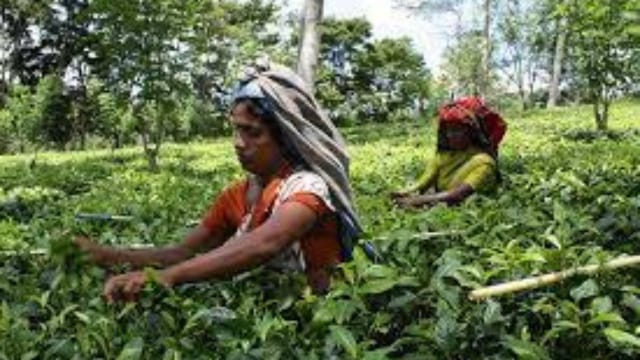
How pH, Nutrients, and Texture Affect Crop Yield
The yield of any crop is not merely a factor of seeds and water; it is a direct reflection of the invisible chemical balance beneath the surface. Soil pH, nutrient availability, and texture act as the trinity determining plant health and farm profitability. When these parameters are ignored, even the best farming practices fall short.
Soil pH governs the availability of nutrients to plants. A neutral pH (around 6.5-7) ensures maximum availability of macronutrients like nitrogen, phosphorus, and potassium while keeping toxic metals like aluminium insoluble. As explained by the International Plant Nutrition Institute, when soil pH drops below 5.5, phosphorus gets locked up as insoluble iron and aluminium phosphates, causing severe deficiency even if soil tests show adequate total phosphorus.
On the other end, alkaline soils (pH above 8.5) prevalent in parts of Rajasthan and Gujarat immobilise micronutrients like zinc, iron, and manganese. Wheat farmers in these regions often report chlorosis – yellowing between leaf veins – a classic sign of iron deficiency induced by high pH. Field trials by the Indian Institute of Soil Science demonstrated that applying organic composts alongside sulphur amendments lowered pH and improved micronutrient availability, leading to a 20-25% increase in wheat yields.
Nutrient levels – particularly nitrogen, phosphorus, and potassium (NPK) – are critical to crop growth stages. Nitrogen drives leafy growth and protein synthesis, phosphorus supports root and flower development, while potassium regulates water balance and disease resistance.
A 2018 study published in Frontiers in Plant Science revealed that nitrogen deficiency in organic paddy fields reduced tiller numbers, delaying panicle initiation and lowering grain yields by up to 50%. The same study emphasised integrating green manure crops like Sesbania to fix atmospheric nitrogen and maintain soil fertility without synthetic urea.
Texture – the proportion of sand, silt, and clay – influences water retention, drainage, and root penetration. Sandy soils, for instance, drain quickly but struggle to hold nutrients, causing fertilisers to leach away before plants can absorb them. This is a common problem faced by vegetable growers along the riverine sandy belts of Bihar, where cucurbits often show wilting despite regular irrigation.
Extension scientists from Krishi Vigyan Kendras (KVKs) have recommended adding well-decomposed farmyard manure to increase organic matter, thereby improving water and nutrient holding capacity.
Conversely, heavy clay soils like those in parts of Tamil Nadu’s delta region retain water and nutrients well but pose aeration challenges, leading to poor root growth and fungal infections in crops such as banana and turmeric. Farmers have been advised to incorporate gypsum along with organic compost to improve soil structure, reduce compaction, and enhance drainage (Tamil Nadu Agricultural University).
Earth5R’s Zero Waste Organic Farming initiatives have shown that when farmers integrate soil testing data to correct pH with natural amendments, replenish nutrients with compost, and improve texture through mulching and green manuring, their yields increase by up to 30% while reducing input costs and soil degradation.
In essence, nurturing these foundational soil properties is not an option but a necessity for sustainable farming in the face of climate uncertainty.
Differences Between Soil Health in Organic and Conventional
As the debate between organic and conventional farming intensifies globally, one factor remains at its core: soil health. While both systems aim to produce abundant crops, their impact on soil biology, chemistry, and structure differs significantly, influencing long-term sustainability.
Organic farming treats soil as a living ecosystem rather than an inert medium. By avoiding synthetic fertilisers and pesticides, organic systems rely on crop rotations, green manure, compost, and biological pest control to maintain soil fertility and suppress diseases.
According to a landmark 30-year study by the Rodale Institute, organic farming builds soil organic matter at a rate five times higher than conventional farming, enhancing nutrient cycling, moisture retention, and carbon sequestration. This organic matter acts like a sponge, holding water during droughts and preventing erosion during heavy rains, thus enhancing climate resilience.
Conversely, conventional farming practices prioritise short-term yields through intensive tillage, synthetic fertiliser application, and chemical weed control. While these inputs temporarily boost productivity, they often degrade soil structure and biology over time. A study published in Nature Sustainability (2018) found that conventional agriculture reduced soil biodiversity by nearly 25%, primarily due to pesticide exposure and the absence of organic inputs that feed microbial communities.
One stark difference lies in soil microbial biomass and activity. Organic soils harbour significantly higher microbial diversity and enzyme activities, essential for breaking down organic matter into plant-available nutrients. Research conducted by the Indian Institute of Soil Science comparing organic and conventional plots under long-term rice-wheat rotation showed that microbial biomass carbon was 45% higher in organic soils, translating into improved nitrogen mineralisation and crop nutrition.
Furthermore, organic soils demonstrate better aggregate stability, meaning the soil particles clump together effectively, creating a crumb-like structure with adequate pores for air and water movement. In contrast, continuous conventional tillage and chemical fertilisers often break down these aggregates, leading to compaction, reduced aeration, and poor root penetration.
This was evident in Punjab’s intensively farmed Green Revolution belt, where excessive urea and pesticide use caused soil hardpan formation at 10-15 cm depth, restricting water infiltration and leading to frequent waterlogging in paddy fields.
Nutrient dynamics also differ. While conventional farming ensures immediate nutrient availability through soluble fertilisers, it often leads to leaching and eutrophication of water bodies, harming aquatic life and human health. Organic farming, however, releases nutrients slowly through decomposition, reducing runoff risks and fostering balanced soil fertility over time.
A meta-analysis by the FAO highlighted that although initial yields in organic systems may be slightly lower, over a decade they stabilise with improved soil fertility, often outperforming conventional systems under climatic stress conditions.
Earth5R’s regenerative agriculture projects in Maharashtra have demonstrated this vividly. Under their Blue Cities Zero Waste model, transitioning degraded conventional sugarcane fields to organic practices involving vermicomposting, mulching, and microbial inoculants revived soil health within two years. Farmers reported improved soil texture, enhanced earthworm activity, and a 15-20% increase in cane yield without any synthetic inputs.
Ultimately, while conventional farming feeds the plant directly, organic farming feeds the soil first, which in turn feeds the plant sustainably. In the long run, restoring soil health is the only way to ensure food security without degrading the ecological systems that support life itself.
Tools and Technologies for On-Farm Soil Testing
In recent years, the landscape of soil testing has transformed from lab-based analyses taking weeks to rapid on-farm diagnostics enabling timely decisions. These innovations have empowered farmers, especially in resource-constrained regions, to manage their soils scientifically without waiting for distant lab reports.
Traditionally, soil testing required collecting samples, sending them to government or private labs, and waiting for results, often delaying critical crop management decisions. Today, portable soil testing kits and digital sensors are revolutionising this process. According to the Indian Council of Agricultural Research (ICAR), simple soil testing kits costing as low as ₹400 can measure pH, nitrogen, phosphorus, and potassium within minutes, giving farmers a basic understanding of their soil health on-site.
One widely used tool is the Soil Health Card portable kit, developed by the Indian government under its Soil Health Card Scheme. These kits include colourimetric tests where chemical reagents change colour based on nutrient concentration. Field extension workers and Krishi Vigyan Kendras (KVKs) use these to conduct village-level testing camps, offering immediate fertiliser recommendations to farmers (Ministry of Agriculture Soil Health Card Portal).
For more advanced diagnostics, digital soil sensors and portable spectrometers are emerging globally. Devices such as the SCIO handheld near-infrared spectrometer allow farmers to scan soil samples and receive nutrient and organic carbon readings via mobile apps within seconds (Consumer Physics SCiO). Such technologies, though currently expensive, are expected to become affordable as demand scales up.
In Kenya, a pilot with SCIO sensors in organic vegetable farms enabled precise compost application, reducing input costs by 18% and increasing yields by 25%, as reported by CGIAR’s Digital Agriculture Programme.
Analogy-wise, these tools function like instant glucometers for diabetic patients. Just as a diabetic must know blood sugar levels before deciding insulin doses, a farmer must know soil nutrient levels before applying compost, manure, or biofertilisers to avoid undernourishment or toxicity.
Earth5R’s regenerative farming programmes under the Blue Cities Zero Waste Model are actively integrating such innovations. In Nashik, Maharashtra, Earth5R trained grape farmers to use portable pH and NPK kits along with digital moisture sensors. This helped them fine-tune irrigation and composting schedules, resulting in improved grape sweetness (Brix levels) and a 30% reduction in water use.
However, experts caution that while technology is a powerful enabler, farmer training remains critical. Tools are only as effective as the knowledge guiding their use. Thus, combining on-farm soil testing technologies with grassroots capacity-building remains central to transforming India’s organic farming landscape sustainably.
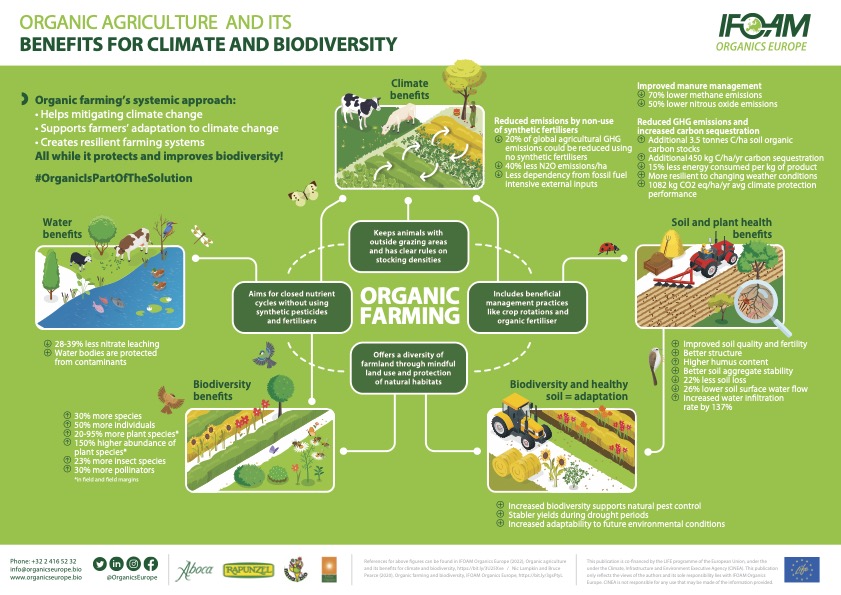
This infographic by IFOAM Organics Europe highlights how organic farming improves soil health, biodiversity, and climate resilience through practices like reduced fertiliser use, crop rotations, and mindful land management. Soil testing plays a vital role in this transformation by guiding nutrient cycles and enhancing soil structure, aligning perfectly with ESG, CSR, and Earth5R sustainability goals.
Case Study: Indian Farmers Using Soil Cards
When the Indian government launched its ambitious Soil Health Card (SHC) Scheme in 2015, many experts doubted whether smallholder farmers, often unfamiliar with lab-based data, would embrace it. However, in the fields of Maharashtra, Uttar Pradesh, and Punjab, these cards have quietly revolutionised nutrient management, particularly in organic and low-input systems.
The Soil Health Card is a government-issued report detailing the status of 12 key soil parameters, including pH, electrical conductivity, organic carbon, nitrogen, phosphorus, potassium, sulphur, zinc, iron, copper, manganese, and boron (Ministry of Agriculture Soil Health Card Portal). Based on soil tests conducted every two years, it recommends fertiliser and amendment doses tailored to each farm plot.
Take the example of Satara district in Maharashtra, where a cluster of organic sugarcane growers under Earth5R’s Zero Waste Organic Farming initiative integrated soil cards into their crop planning. Farmers like Ganesh Pawar had been applying compost and farmyard manure without precise knowledge of deficiencies.
After receiving his Soil Health Card indicating low potassium and marginal zinc levels, Pawar began using wood ash (a rich potassium source) and compost fortified with zinc-solubilising bacteria. Within one season, his sugarcane yield increased by 15%, and juice sweetness (Brix value) improved significantly, enhancing his market price.
Similarly, in Prayagraj, Uttar Pradesh, wheat and chickpea farmers trained by the Krishi Vigyan Kendra used soil cards to adjust their green manure cropping.
The success of Soil Health Cards lies not just in the data but in their accessibility and simplicity. Each card uses colour codes to indicate nutrient status, similar to traffic signals – green for adequate, yellow for marginal, and red for deficient. For farmers with limited literacy, this visual tool conveys critical information instantly. Agricultural extension officers and NGOs conduct village-level meetings to explain the cards, fostering community-led nutrient management practices.
Overall, with over 250 million Soil Health Cards distributed since its launch (Government of India Soil Health Card Data), this initiative stands as one of the world’s largest soil health interventions. Its success stories reaffirm that empowering farmers with scientific data transforms them from passive input users to active soil stewards, ensuring food security and environmental sustainability hand in hand.
How NGOs and CSR Teams Are Building Soil Labs
Across India’s agrarian landscape, NGOs and CSR initiatives are transforming soil testing for smallholder farmers. Recognising that healthy soil underpins food security, climate resilience, and rural prosperity, these organisations are investing in decentralised soil labs.
For instance, Earth5R, a Mumbai-based global environmental organisation, has integrated mobile soil labs into its Blue Cities Zero Waste Organic Farming programme. In Maharashtra’s Nashik district, Earth5R partnered with farmer cooperatives to deploy solar-powered mobile labs equipped with portable pH meters, nutrient test kits, and microbial analysis chambers.
These labs visit villages on designated days, enabling farmers to test samples within hours rather than weeks. This has empowered over 1,200 grape and vegetable farmers to optimise composting and biofertiliser use, increasing net farm incomes by 20-30%.
Similarly, the BAIF Development Research Foundation has established over 250 soil and water labs across Maharashtra, Gujarat, Karnataka, and Rajasthan. In Gujarat’s tribal Dang district, soil tests revealed widespread zinc deficiency affecting maize and pigeon pea yields. With BAIF’s guidance, farmers applied zinc-enriched compost, improving yields by up to 40% within two cropping seasons.
On the CSR front, companies like IFFCO Kisan have established soil testing vans equipped with spectrophotometers and GPS devices to conduct village-level camps in Uttar Pradesh, Haryana, and Madhya Pradesh. These vans test soil and send fertiliser recommendations via voice messages in local languages, bridging knowledge gaps digitally.
Likewise, under the HDFC Bank Parivartan programme, mini soil labs in Punjab train wheat and mustard farmers to replace synthetic fertilisers with farmyard manure fortified with phosphate-solubilising bacteria, improving yields and reducing input costs.
Experts liken these labs to community diagnostic centres, enabling preventive soil care. Success depends not just on technical equipment but also on community trust. Earth5R trains local youth as ‘Soil Health Champions’ to operate mobile labs and educate farmers, creating livelihoods while fostering environmental stewardship.
Challenges remain, including high equipment costs and technician shortages. To address these, organisations are piloting low-cost sensors and AI-based diagnostic apps to enhance outreach. In the long run, the convergence of NGOs, CSR teams, scientific institutions, and farmer communities signals a shift towards participatory, data-driven solutions essential for restoring India’s soil health and achieving sustainable food systems.
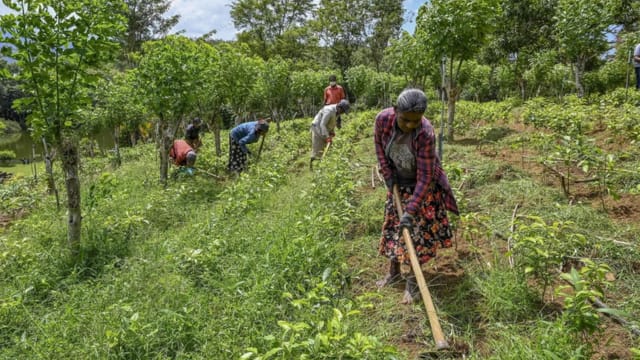
Interpreting Data for Practical Decision-Making
Soil testing data is only as valuable as its interpretation for actionable farm decisions. For smallholder organic farmers juggling multiple crops and limited resources, translating numerical data into practical steps is both an art and a science.
Soil reports present figures like pH, organic carbon percentage, and nutrient levels in ppm or kg/ha. According to the Indian Institute of Soil Science, interpreting these involves comparing nutrient status with crop-specific thresholds and planning amendments. For instance, a pH of 5.2 indicates moderate acidity, restricting phosphorus availability and microbial activity. Farmers may apply agricultural lime or wood ash to raise pH, enhancing nutrient uptake.
If nitrogen and organic carbon are both low, compost alone might not suffice. Integrating green manure crops like Sesbania or cowpea fixes nitrogen while adding organic biomass, improving soil fertility over a season. For sandy soils with low water retention, adding compost or crop residues enhances moisture holding. Conversely, clay soils with high sodium may require gypsum and deep ploughing to improve structure.
Soil data is like a blood report: numbers indicate imbalances, but only expert interpretation translates them into effective solutions. Agricultural extension services, NGOs, and digital platforms bridge this gap. Earth5R, under its Blue Cities Zero Waste Organic Farming programme, simplifies data into actionable insights. Trainers explain that “low phosphorus” affects chickpea roots or tomato flowering and demonstrate preparing phosphate-solubilising bacterial compost as a remedy.
Digital tools such as CropIn SmartFarm and Kisan Suvidha integrate soil data with crop models, offering tailored fertiliser and irrigation recommendations. However, experts caution that context is key: optimal nitrogen levels differ between cereals and legumes, while pH needs vary between blueberries and cabbage.
Earth5R’s trainers create crop calendars aligned with soil data, guiding seasonal amendments, crop rotations, and intercropping. In Nashik, grape farmers adopting such practices saw a 20% reduction in fungal infections due to balanced soil nutrition, improving plant immunity.
Ultimately, interpreting soil data bridges science and practice, turning static numbers into dynamic actions that regenerate soil, boost yields, and build resilience – a cornerstone for India’s sustainable farming future.
Making Soil Testing Affordable and Scalable
While soil testing offers undeniable benefits, its widespread adoption in India depends on affordability and scalability. For millions of smallholder farmers cultivating plots under two hectares, even minimal testing costs can be prohibitive unless integrated with subsidies and local institutions.
Traditional lab tests cost ₹200–₹500 per sample (ICAR Soil Testing Cost Guidelines), excluding transport to district labs. Farmers managing multiple crops often skip testing and rely on generic fertiliser application, leading to soil degradation and higher input costs.
To address this, the Soil Health Card Scheme launched in 2015 has distributed over 250 million cards, subsidising testing via state agriculture departments, Krishi Vigyan Kendras, and mobile labs. Yet challenges remain in ensuring timely sampling, accurate analysis, and effective farmer guidance.
Innovative low-cost solutions are emerging. The ICAR-IISS Rapid Soil Testing Kit provides semi-quantitative nutrient results at just ₹10 per test using colourimetric reactions suitable for field use. Though less precise than lab tests, they offer critical baseline data for nutrient management.
Startups like Krishitantra have pioneered AI-enabled portable soil testing kiosks analysing NPK, pH, micronutrients, and organic carbon within minutes. Their pilot with 8,000 farmers in Karnataka reduced testing costs by 50–60%, increasing adoption significantly.
Decentralisation is key. NGOs like BAIF and Earth5R are establishing community-managed labs and mobile testing vans under CSR partnerships. Earth5R’s Blue Cities Zero Waste Organic Farming programme runs mobile solar-powered labs serving grape, pomegranate, and vegetable growers in Maharashtra, reducing per-test costs and creating local jobs for youth as soil technicians.
Affordable soil testing is akin to public health diagnostics, preventing crises of nutrient depletion and food insecurity. Experts emphasise integration into extension systems rather than standalone interventions. Platforms like CropIn SmartFarm and Kisan Suvidha combine soil data with weather forecasts and crop models to guide inputs cost-effectively.
Behavioural change is equally important. Punjab Agricultural University found that soil test adoption doubled when recommendations were demonstrated in farmer field schools rather than merely distributed as paper reports.
Ultimately, making soil testing affordable and scalable requires blending low-cost technologies, decentralised labs, digital tools, and community capacity-building. This ensures every farmer has access to soil testing – a vital step towards healthier soils, improved livelihoods, and sustainable food security.
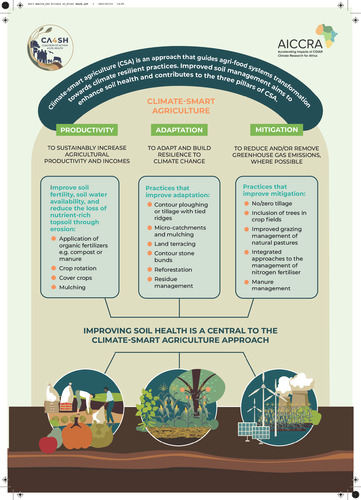
This AICCRA infographic emphasises that improving soil health is central to climate-smart agriculture, enhancing productivity, adaptation, and mitigation. Soil testing empowers these practices by guiding fertiliser use, erosion control, and carbon-smart management – aligning with ESG, CSR, and Earth5R’s mission for regenerative organic farming in Mumbai and beyond.
Future of Soil Intelligence in Sustainable Farming
As agriculture moves towards precision and sustainability, the future of soil management lies in soil intelligence – integrating data, technology, and regenerative practices for proactive decisions. Soil intelligence combines real-time monitoring, advanced analytics, and AI-driven advisories to build resilient, productive farming systems aligned with planetary health goals.
At the forefront are IoT-based soil sensors. Companies like CropX and Teralytic have developed wireless probes that continuously measure moisture, temperature, pH, and nutrients, transmitting data to cloud platforms. While units currently cost $500–$800, mass adoption is expected to reduce prices, making them accessible to Indian farmers soon.
In India, startups like Krishitantra are bridging this gap with AI-integrated soil kiosks that analyse nutrients and provide real-time digital recommendations. Pilots in Karnataka and Andhra Pradesh showed data-driven fertiliser decisions reduced input costs by up to 30% while enhancing yields.
Remote sensing is also transforming soil intelligence. ISRO’s Bhuvan Soil Data Portal offers macro-level insights on soil carbon, erosion risk, and moisture content, guiding regional nutrient management and climate-smart agriculture policies.
Machine learning and predictive analytics further revolutionise soil data use. CropIn SmartFarm analyses historical soil data, weather, and crop models to predict deficiencies and recommend preventive actions. For instance, if organic carbon trends show depletion, it suggests green manuring or composting strategies months in advance.
Soil intelligence is like health insurance for farms, combining diagnostics (tests), monitoring (sensors, satellite data), and preventive care (AI advisories) for long-term productivity.
Regenerative agriculture plays a vital role. Earth5R, through its Blue Cities Zero Waste Organic Farming model, integrates soil testing data with practices like mulching, green manuring, microbial inoculation, and crop rotation to build living soils.
Looking ahead, experts foresee soil testing embedded within integrated farm management systems, providing holistic advisories covering soil, water, weather, pests, and market trends through single digital platforms. This convergence aligns with the UN Decade on Ecosystem Restoration, which highlights soil regeneration as key to global food security.
However, equitable access remains a challenge. Smallholders risk exclusion if digital literacy, affordable devices, and community training are not prioritised alongside innovation.
Ultimately, soil intelligence combines technology with traditional knowledge and ecological wisdom. By merging AI-powered sensors with practices like green manuring and composting, agriculture can feed billions while restoring Earth’s living soil.
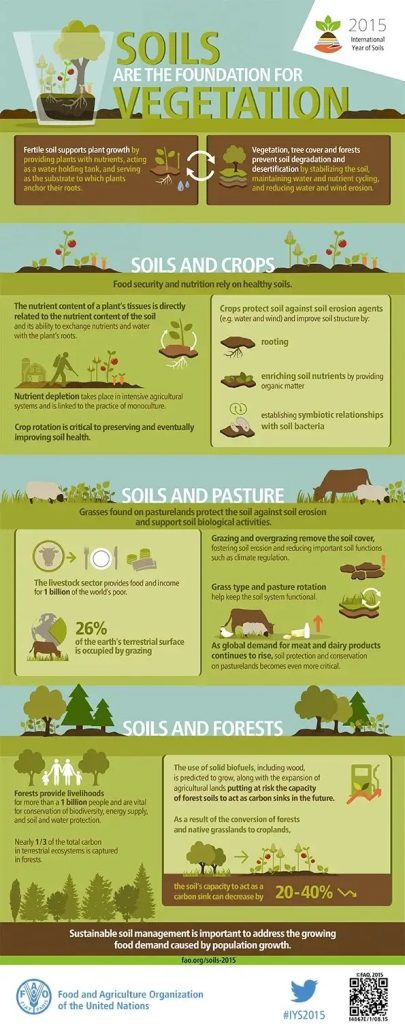
This infographic highlights how fertile soils form the foundation of vegetation, crop productivity, and pasture health by supplying nutrients and preventing erosion. Integrating soil testing into organic farming ensures these functions are sustained, aligning with ESG, CSR, and Earth5R’s mission for resilient farming ecosystems in Mumbai and globally.
Building a Future Rooted in Soil Wisdom
As this exploration reveals, soil testing is not merely a scientific tool but a bridge between tradition and technology, empowering farmers to nurture the earth that feeds us all. From understanding pH and nutrient dynamics to integrating AI-powered soil intelligence, sustainable soil management is transforming organic farming into a resilient, regenerative, and climate-smart solution for India and the world.
In an era of ecological uncertainty, restoring and protecting soil health remains humanity’s most urgent and universal mission.
FAQs on The Science Behind Sustainable Soil: How Soil Testing Is Transforming Organic Farming
What is soil testing in agriculture?
Soil testing involves analysing soil samples to determine their pH, nutrient content, organic matter, and texture. This helps farmers understand soil fertility and make informed decisions about amendments, compost, and crop choices.
Why is soil testing important for organic farming?
In organic farming, where synthetic fertilisers are avoided, soil testing helps identify deficiencies that can be corrected using natural amendments like compost, green manures, and biofertilisers to maintain balanced nutrition sustainably.
How often should farmers conduct soil tests?
Experts recommend testing soil at least once every two years, or annually for high-value crops, to track nutrient changes and adjust organic amendments accordingly.
What does soil pH indicate?
Soil pH indicates the acidity or alkalinity of soil. It influences nutrient availability, microbial activity, and overall plant health. Most crops prefer a near-neutral pH of 6.5-7.5.
How can farmers correct acidic soil?
Acidic soils can be corrected by adding lime, wood ash, or dolomite, which neutralise acidity and unlock nutrient availability for crops.
What are organic ways to increase soil nitrogen?
Planting leguminous green manure crops like Sesbania or cowpea, and applying well-decomposed compost or vermicompost, can naturally increase nitrogen levels in soil.
How do soil texture and structure affect farming?
Soil texture (proportion of sand, silt, and clay) determines water retention and drainage, while structure affects aeration and root penetration, both crucial for healthy crop growth.
What is the Soil Health Card Scheme?
The Soil Health Card Scheme is an Indian government initiative that provides farmers with detailed reports on soil nutrient status and recommendations to improve fertility and productivity.
How are NGOs supporting soil testing in India?
NGOs like Earth5R and BAIF set up mobile and community soil labs, train farmers to interpret results, and promote regenerative practices based on soil test data.
Can soil testing reduce farming costs?
Yes, soil testing helps farmers apply the right type and amount of organic amendments, reducing wastage and unnecessary expenses on inputs.
What is soil intelligence?
Soil intelligence combines soil testing data, sensors, AI analytics, and regenerative practices to make proactive decisions for sustainable and climate-resilient farming.
Are portable soil testing kits reliable?
Portable kits provide rapid, indicative results for parameters like pH and NPK. While not as precise as lab tests, they are useful for on-field decision-making.
How does soil organic carbon influence soil health?
High soil organic carbon improves fertility, water retention, microbial activity, and carbon sequestration, making soils resilient to climate stresses.
What role do CSR initiatives play in soil testing?
CSR programmes support soil labs, training camps, and technological innovations, making soil testing accessible and affordable for smallholder farmers.
What is the future of soil testing technology?
The future includes AI-powered soil sensors, mobile apps integrating weather and crop models, and satellite-based soil health monitoring for precision agriculture.
Can soil testing benefit organic certification?
Yes, maintaining documented soil health records through testing supports organic certification processes by demonstrating sustainable soil management practices.
How do farmers interpret soil test data?
Farmers compare test results with crop-specific nutrient thresholds, then decide on amendments such as compost, green manure, or natural mineral supplements accordingly.
Why do conventional and organic soils differ?
Organic soils have higher organic matter, microbial activity, and aggregate stability due to compost and biological inputs, whereas conventional soils often degrade over time with chemical fertilisers and intensive tillage.
Is soil testing mandatory for organic farms?
While not mandatory everywhere, many organic certification agencies require periodic soil tests to ensure farms maintain soil fertility without harmful inputs.
How can individuals support soil health initiatives?
Individuals can support NGOs working on soil restoration, advocate for sustainable farming policies, compost kitchen waste, and spread awareness on the importance of soil health for food security and climate resilience.
Prioritise Soil Testing for a Regenerative Tomorrow
We urge farmers, policymakers, NGOs, CSR leaders, and citizens to prioritise soil testing as the foundation of sustainable agriculture. Whether by supporting mobile soil labs, adopting data-driven farming practices, or advocating for equitable access to soil intelligence technologies, each stakeholder has a role to play. Let us work together to restore the vitality of our soils, ensuring food security, climate resilience, and ecological harmony for generations to come.
-Authored By Pragna Chakraborty