
Rethinking Urban Sustainability in the Age of AI and IoT
Urban sustainability is increasingly urgent as climate change accelerates and urbanization grows globally. With nearly 70% of the world’s population projected to live in cities by 2050, pressures on environmental resources are mounting. Traditional infrastructure struggles to keep pace, causing crises in waste management and water conservation.
Organizations such as Earth5R are using artificial intelligence and IoT systems to drive sustainable solutions.
The rise of smart cities demonstrates how IoT devices and data-driven policy reshape urban living. Sensors track energy consumption, traffic congestion, and carbon emissions in real time. These datasets are processed through predictive analytics powered by AI platforms. Programs like Earth5R’s BlueCities show how advanced tech can anticipate and reduce environmental strain before it escalates.
Sustainability requires citizen participation, not only technological innovation. Through digital platforms, communities gain access to open data, enabling active engagement. For example, IoT waste bins that signal when full succeed only if residents practice segregation. Earth5R dashboards create a feedback loop between citizens and governments, turning passive users into collaborators.
The urban energy footprint is massive, with cities consuming two-thirds of global energy. AI optimization of smart grids and renewable systems can cut losses drastically. Cities like Barcelona, Singapore and Amsterdam deploy IoT networks to maximize efficiency. Earth5R models extend these practices by integrating community resilience to ensure equitable access.
Climate resilience is central to sustainability. Sea level rise, heatwaves, and urban floods demand proactive responses. AI weather modeling uses satellite data to predict disaster risks. Meanwhile, IoT sensors track air quality and river health. Earth5R programs integrate insights to help local authorities plan preventive measures.
The path forward lies in merging AI technologies with IoT ecosystems and citizen action. Without AI insights, big data remains useless, and without IoT tracking, issues stay hidden. However, without community behavior change, neither has lasting impact. Earth5R initiatives combine policy partnerships with grassroots engagement, setting the foundation for inclusive urban sustainability.
Smart Cities as Living Systems: How Technology Drives Resilience
The concept of a smart city is evolving from a futuristic dream into a necessary framework for urban resilience. Cities generate enormous amounts of data through daily activities, from transportation to energy consumption. By integrating IoT sensors with AI analytics, this data becomes actionable knowledge. Programs like Earth5R’s BlueCities demonstrate how technology can reshape city functions sustainably.
IoT infrastructure enables cities to act like living organisms, constantly sensing and adapting. Sensors installed in traffic networks provide insights to reduce congestion and pollution. Water pipelines are monitored for leaks, while smart grids optimize electricity flow. These digital feedback loops allow responsive governance. Earth5R leverages such systems to empower both authorities and communities.
The advantage of real-time monitoring lies in early problem detection. Air quality sensors can identify toxic levels before they affect populations, while noise mapping highlights harmful soundscapes. AI forecasting then predicts trends and provides preventive measures. Earth5R citizen dashboards integrate this data, ensuring local communities gain access, not just city officials. This bridges gaps between data collection and practical action.
Energy management is another pillar of smart sustainability. AI-driven optimization helps balance renewable input with citywide demand. Solar grids and wind farms can be connected to IoT networks for efficiency. Cities such as Copenhagen and Tokyo showcase this integration. Earth5R’s programs adapt these ideas for Indian cities, making sustainable energy community-inclusive.
Smart mobility is transforming how citizens navigate urban spaces. AI-powered transit analyzes traffic flows to suggest eco-friendly routes. IoT-enabled public transport reduces emissions and travel delays. Bike-sharing networks and electric vehicles further boost resilience. Earth5R initiatives promote these systems at grassroots levels by connecting citizens with sustainable mobility solutions.
Finally, the smart city vision requires inclusive governance. Technology cannot succeed without policy support and citizen trust. AI systems must ensure transparency, while IoT data must be shared ethically. Earth5R collaborations with municipal governments and CSR partners highlight how equitable partnerships can align with global sustainability goals.
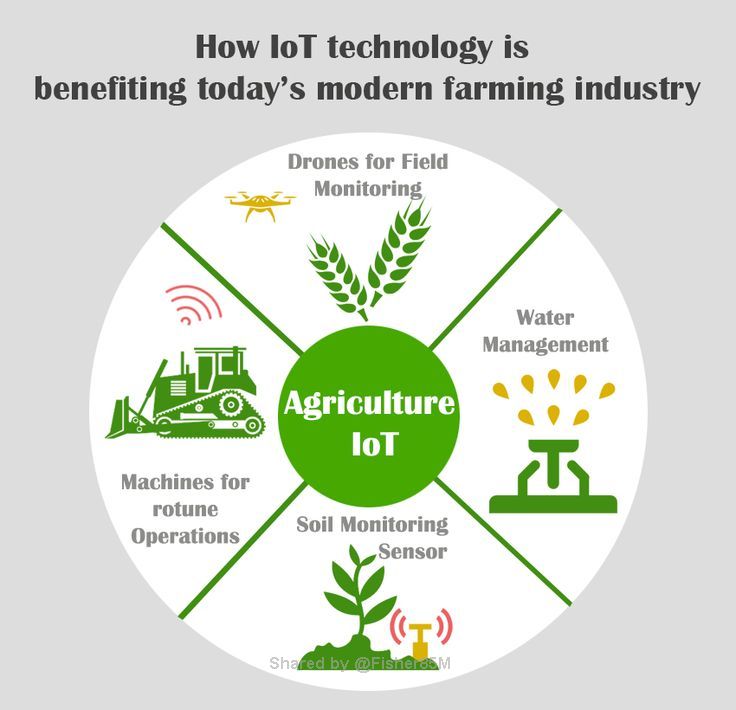
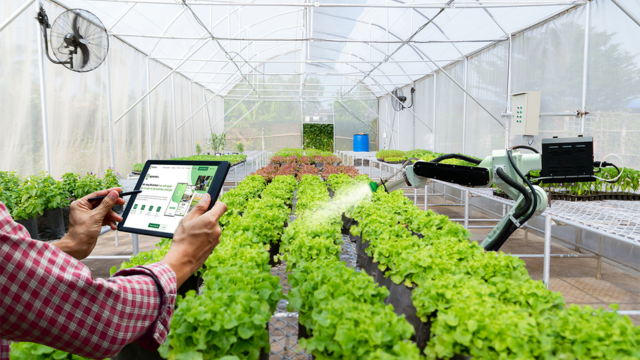
This infographic explains how IoT technology is transforming modern farming by integrating tools like drones, soil sensors, and automated machines. It highlights key applications in water management, field monitoring, and routine operations to boost agricultural efficiency and sustainability.
Earth5R’s Citizen-Tech Model: Harnessing Data for Collective Action
The Earth5R citizen-tech model redefines sustainability by blending digital innovation with community empowerment. Unlike top-down smart city frameworks, it ensures citizen inclusion at every stage. Residents participate in data collection through mobile platforms, reporting waste, pollution, and resource challenges. IoT devices complement these efforts by supplying real-time information, creating a holistic sustainability network.
Through crowdsourced intelligence, Earth5R bridges gaps between policy makers and communities. Mobile apps enable citizens to upload data about waste segregation, plastic pollution, or air quality. This data integrates with AI dashboards for analysis. Open-source platforms ensure transparency, making outcomes accessible to both local authorities and residents.
The strength of this model lies in citizen engagement. Instead of passively consuming urban services, communities co-create sustainability solutions. IoT sensors in rivers, waste bins, and air monitors generate data streams that citizens can interpret through interactive dashboards. Earth5R ensures training so local groups can act on this knowledge, strengthening shared responsibility.
A defining feature of Earth5R’s work is its BlueCities program, where communities and corporates collaborate on waste, water, and air management. CSR initiatives fund IoT-enabled interventions while residents drive implementation. For instance, real-time river monitoring links with AI forecasting to predict pollution spikes. These insights allow citizens and municipal bodies to act collectively and prevent environmental degradation.
The model also fosters education and training to ensure equitable participation. Workshops teach communities how to interpret IoT data, use mobile apps, and adopt sustainable practices. This transforms citizens from data collectors into change agents. Earth5R initiatives build local leadership, ensuring sustainability becomes a shared responsibility across demographics.
By connecting citizen science, AI-driven analytics, and IoT networks, Earth5R creates a model of collective intelligence. This approach democratizes sustainability, making open data accessible and actionable. It also aligns with global climate goals by ensuring grassroots participation. The citizen-tech framework becomes a replicable solution for cities striving to balance growth and resilience.
IoT Sensors in Waste, Water, and Energy Management
IoT sensors are revolutionizing urban infrastructure by providing real-time monitoring of essential resources. In waste management, bins embedded with sensors notify authorities when they are full, improving collection efficiency. Water pipelines equipped with IoT detect leaks instantly, preventing resource losses. Energy grids also benefit, as smart meters track usage patterns. Earth5R applies these systems to create sustainable city frameworks.
In waste systems, IoT enables precise data collection on waste volumes and types. This supports AI analysis to optimize segregation and recycling. Smart bins send alerts to reduce overflow, lowering urban pollution. Circular economy models become feasible as data reveals recycling potential. Earth5R projects demonstrate this by integrating community segregation practices with sensor technology.
Water scarcity is another critical challenge, and IoT monitoring provides actionable solutions. Smart meters track household consumption patterns, encouraging conservation. Leak detection technologies save millions of liters annually in urban systems. AI platforms then analyze usage to suggest conservation policies. Earth5R BlueCities incorporates these tools to empower local governments and communities in water stewardship.
Energy management is being transformed by IoT-enabled smart grids. Real-time meters allow households to optimize consumption and shift toward renewables. AI forecasting predicts peak demand and allocates resources efficiently. Community energy projects enhance resilience. Earth5R initiatives adapt these models for inclusive participation, ensuring marginalized communities benefit equally.
By combining IoT devices, AI-driven insights, and citizen data, cities can minimize resource wastage. River sensors detect pollution in real-time, while air quality networks provide continuous updates. Open dashboards ensure transparency, enabling public monitoring of conditions. Earth5R programs use this transparency to drive accountability and collective responsibility.
Ultimately, IoT in waste, water, and energy systems creates smarter ecosystems. AI optimization ensures these systems work efficiently across scales. Citizen participation transforms technical data into actionable practices. Earth5R’s citizen-tech model ensures inclusivity, showing that sustainable infrastructure is most effective when communities become active collaborators in management.
AI-Driven Analytics for Real-Time Urban Problem Solving
Artificial intelligence is revolutionizing how cities handle complex challenges in real time. By processing big data from IoT sensors, urban systems gain actionable insights. Traffic management improves as algorithms adjust signals instantly, reducing congestion. Earth5R applies AI-driven analytics to sustainability, enabling smarter decision-making for waste, water, and energy use.
A major strength of AI platforms is predictive capacity. By analyzing historical data, systems can forecast pollution spikes or flood risks. Machine learning models enable cities to prepare resources before crises escalate. Earth5R projects integrate predictive insights with citizen dashboards, turning abstract data into actionable warnings for local communities.
In waste management, AI categorizes waste streams and optimizes recycling logistics. Algorithms suggest efficient collection routes, lowering emissions and costs. Recycling plants benefit from automated material recognition. Earth5R aligns these tools with community engagement, ensuring technology adoption strengthens citizen practices.
For water systems, AI supports real-time quality monitoring. By analyzing sensor inputs, it identifies contamination or leakage trends. AI algorithms predict demand surges, allowing preventive conservation. Urban utilities can then act faster, ensuring equitable distribution. Earth5R BlueCities integrates such AI models to safeguard rivers and groundwater.
Energy efficiency is another area transformed by AI. Smart grids use predictive analytics to balance renewable and conventional supply. AI demand forecasting prevents blackouts while cutting costs. Community solar projects benefit from optimized distribution models. Earth5R initiatives ensure these solutions reach local communities, linking technological optimization with grassroots resilience.
Ultimately, AI analytics provides a foundation for responsive, data-driven governance. By linking IoT data streams with citizen dashboards, insights are made public and transparent. This ensures policy makers, corporates, and citizens work with shared knowledge. Earth5R’s citizen-tech framework shows how AI can power collective decision-making, turning cities into resilient, adaptive ecosystems.
Community Engagement Through Citizen Dashboards and Open Data
Citizen dashboards are transforming how communities participate in urban sustainability. These platforms visualize real-time data from IoT sensors, making information accessible to everyone. Air quality indexes, water levels, and waste volumes are displayed openly. Earth5R leverages dashboards to empower citizens with actionable insights.
The principle of open data ensures transparency and accountability. By providing public access to environmental metrics, citizens gain tools to hold local authorities accountable. Community groups use this data to advocate for better policies. Earth5R programs connect corporates and residents through shared dashboards, ensuring sustainability efforts remain collaborative.
Citizen science plays a vital role in enriching dashboard data. Communities report issues such as illegal dumping or plastic pollution, complementing IoT inputs. Mobile reporting apps make contributions easy and accessible. AI integration processes both citizen and sensor inputs for accuracy. Earth5R ensures these platforms remain simple enough for widespread use.
Engagement deepens when dashboards are linked to educational initiatives. Workshops train residents to interpret and act upon data. Youth participation is especially encouraged, building long-term resilience. Earth5R projects combine digital tools with grassroots education. This ensures sustainability moves beyond policy into everyday behavior.
Open dashboards also foster collaboration between government agencies, corporate CSR teams, and citizens. Shared transparency reduces duplication of efforts and builds trust. AI-powered alerts notify users instantly about risks such as pollution spikes or flood warnings. Earth5R integrates this collaboration into its citizen-tech ecosystem.
Ultimately, citizen dashboards and open data platforms transform sustainability from a government-led activity into a shared civic mission. By combining IoT technology, AI analytics, and citizen participation, collective action becomes possible. Earth5R’s framework shows that transparency, trust, and accessibility are the foundations of resilient and inclusive smart cities.
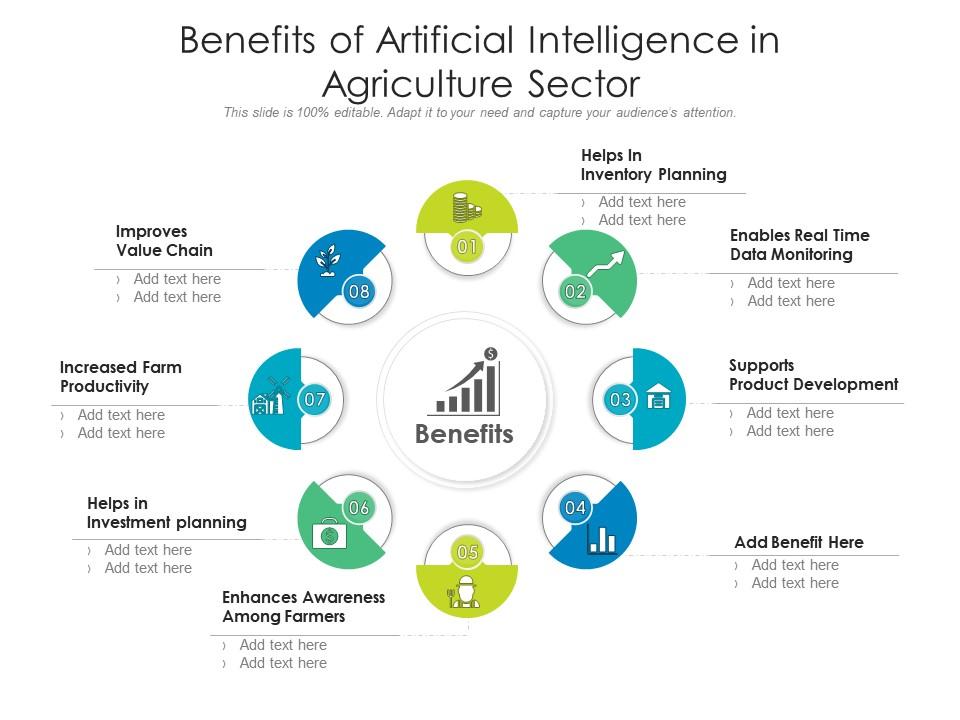
This infographic highlights the key benefits of Artificial Intelligence in the agriculture sector, showcasing how AI enhances productivity and efficiency. It emphasizes areas like real-time monitoring, inventory planning, product development, and empowering farmers with better awareness and decision-making tools.
Predictive Sustainability: Using AI to Anticipate Urban Challenges
Artificial intelligence is revolutionizing how cities prepare for sustainability challenges. By analyzing historical data, AI creates models to forecast urban risks such as pollution spikes, waste surges, and floods. Machine learning identifies patterns invisible to humans. Earth5R uses AI tools to support early interventions in community projects.
Predictive analytics help governments plan for climate-related events before they escalate. For instance, AI flood forecasting provides early warnings that save lives. Similarly, predicting air quality trends allows for timely traffic or industrial regulations. Earth5R initiatives ensure these forecasts are shared with local citizens.
By integrating IoT sensors with AI platforms, cities achieve real-time risk monitoring capabilities. Continuous data streams on water pollution or plastic waste feed into predictive systems. Community-led programs enhance accuracy by adding on-ground observations. AI-enabled dashboards then alert authorities and citizens to take preventive action.
Urban planning increasingly relies on AI to simulate future city scenarios, like population growth or energy demand. This supports smarter infrastructure investment and sustainable design. Predictive modeling ensures resources are allocated efficiently. Earth5R projects apply these approaches at both community and policy levels.
The power of AI foresight lies in transforming data into actionable knowledge. City governments benefit from automated decision-support systems. CSR partners use predictive insights to align sustainability investments. With AI-driven alerts, citizens also act faster in emergencies. Earth5R makes these insights widely accessible.
Ultimately, predictive sustainability is about preventing crises before they occur. By combining AI forecasting with community participation, cities become proactive rather than reactive. Earth5R’s citizen-tech model shows how technology, transparency, and awareness can together create resilient and adaptive urban systems.
Case Studies: Smart Interventions in Waste, Air Quality, and River Monitoring
In Mumbai, Earth5R’s Blue Cities model has demonstrated how IoT waste monitoring can transform urban sanitation. By placing smart bins equipped with sensors, the system tracks fill levels and schedules optimized collection. This reduces overflowing waste, prevents air pollution from landfills, and empowers citizens to report problems via mobile apps.
In Delhi, air quality is a pressing challenge, but AI-based monitoring systems provide real-time solutions. IoT sensors installed across hotspots transmit live data on pollutants like PM2.5 and NO₂. These are processed through predictive algorithms, enabling quick interventions. Earth5R’s programs use this data to engage citizens and local authorities in actionable change.
Rivers like the Yamuna and Mithi face industrial pollution, yet smart water quality monitoring systems are offering hope. Through IoT water sensors, Earth5R collects real-time data on oxygen levels, toxicity, and bacterial presence. This allows quick alerts to local bodies, supporting both clean-up drives and policy reforms.
In Chennai, flooding has become an annual disaster, but IoT flood sensors combined with AI-driven forecasting have created resilient solutions. Earth5R integrates citizen reporting apps with municipal systems, providing early warnings. This has reduced response time for emergency services and minimized damages in high-risk neighborhoods.
In Pune, the focus has been on plastic waste recycling through digital tracking. Earth5R’s blockchain-based waste programs tag collected waste from households, ensuring transparency. IoT systems then trace the journey of materials into recycling units, improving accountability while supporting a circular economy.
These case studies highlight how AI and IoT transform sustainability when combined with community engagement. The integration of citizen participation ensures that technology does not remain a top-down imposition. By applying real-time data in waste, air, and water systems, Earth5R sets a replicable model for sustainable cities worldwide.
The Future of Sustainable Cities: Scaling AI and IoT with Citizen Power
The vision of sustainable cities is incomplete without harnessing AI and IoT integration. As urban populations surge, traditional infrastructure is under immense stress. Smart technologies like real-time analytics and predictive modeling offer scalable solutions. However, programs succeed only when combined with citizen collaboration and community-driven action.
AI-powered urban mobility solutions can reduce congestion, cut emissions, and enhance accessibility. IoT-enabled traffic systems allow dynamic routing, while smart energy grids optimize consumption patterns. Yet, without inclusive governance that ensures equitable access, these technologies risk deepening urban inequalities. Earth5R emphasizes shared ownership of such tools.
Scaling up also requires integrating climate resilience planning with data-driven decision-making. AI can predict flooding, heatwaves, or waste surges before they occur. IoT-based early warning systems already protect vulnerable communities. But unless data is shared openly through citizen dashboards, urban resilience remains fragmented.
Corporate social responsibility has a decisive role in accelerating AI and IoT adoption. Businesses can fund smart waste programs, invest in air quality sensors, or deploy renewable microgrids. By partnering with citizen-driven initiatives like Earth5R, companies transform technology investments into measurable impact, aligning with both sustainability goals and community welfare.
The future lies in creating open innovation ecosystems where governments, businesses, and citizens co-develop solutions. Crowdsourced environmental data enhances accuracy and inclusivity. AI algorithms improve efficiency, while IoT devices extend coverage. Earth5R demonstrates that empowering communities with citizen tech tools ensures adoption is not just technological, but social and cultural.
Ultimately, scaling AI and IoT for urban sustainability is about balancing innovation with equity. The future city will not only be smart but also participatory, resilient, and regenerative. By combining real-time technologies with the collective power of citizens, Earth5R charts a path where technology and humanity co-create sustainable urban futures.
Conclusion: Powering the Future with AI, IoT, and Citizen Action
Urban sustainability today demands the fusion of AI and IoT with community participation. Cities cannot rely on infrastructure alone; they must embrace citizen-driven innovation. Earth5R’s programs show how technology and people together can drive long-term resilience.
The potential of smart cities lies in using data for inclusive growth rather than just efficiency. By applying predictive analytics, governments can anticipate challenges before they escalate. Citizen dashboards further ensure transparency, strengthening trust in public systems.
Partnerships with CSR initiatives are crucial for scaling sustainable innovation. Businesses funding IoT-enabled waste management or air-quality monitoring transform technology into measurable community benefits. Earth5R bridges corporate investments with grassroots action for lasting impact.
Ultimately, the future of sustainability is not only smart but participatory. By combining real-time digital solutions with the collective power of citizens, cities can achieve resilience, equity, and regeneration. Earth5R proves that when technology and humanity align, sustainable urban futures become reality.
Frequently Asked Questions: AI and IoT in Urban Sustainability- Earth5R’s Cutting-Edge Programs
What is the role of AI in urban sustainability?
AI helps cities predict energy demand, manage traffic, reduce pollution, and plan smarter waste management strategies by using data-driven insights.
How does IoT contribute to sustainable city development?
IoT devices track real-time environmental conditions, optimize water and energy use, and improve services like transportation and waste collection.
Why are AI and IoT integration important for future cities?
Together, they enable cities to become more efficient, resilient, and responsive to challenges like climate change and rapid urbanization.
How is Earth5R using AI and IoT for urban transformation?
Earth5R integrates smart sensors, citizen tech platforms, and AI-driven analytics to make cities cleaner, greener, and more livable.
What is a smart city in the context of sustainability?
A smart city uses digital technologies like AI and IoT to enhance environmental quality, public services, and resource efficiency.
How do citizens benefit from AI-powered urban solutions?
They experience better air quality, improved mobility, reliable energy supply, and greater participation in decision-making through citizen dashboards.
Can AI and IoT reduce urban air pollution?
Yes, through predictive modeling, real-time monitoring, and data sharing, cities can enforce better policies and reduce emissions effectively.
What is the connection between AI, IoT, and waste management?
IoT-enabled bins and AI-driven collection systems help optimize routes, reduce landfill waste, and promote recycling programs.
How can AI and IoT improve water management in cities?
Smart sensors detect leaks, monitor water quality, and ensure efficient distribution, reducing both waste and contamination risks.
Why is citizen participation important in smart sustainability programs?
Without active community involvement, technology adoption remains limited; citizens ensure data accuracy and long-term behavioral change.
What challenges exist in scaling AI and IoT solutions in cities?
Key barriers include high costs, limited data sharing, privacy concerns, and unequal access to technology.
How do corporate social responsibility (CSR) projects support AI and IoT adoption?
CSR funding enables deployment of smart sensors, renewable energy grids, and citizen platforms that enhance community welfare.
What role does data transparency play in urban sustainability?
Open data builds trust, improves accountability, and encourages citizens to engage with urban development initiatives.
How does Earth5R’s BlueCities model use technology?
It combines IoT-enabled environmental monitoring with AI insights to drive community-led river cleanups and waste reduction.
Can AI predict urban environmental risks?
Yes, AI algorithms can forecast floods, heatwaves, and pollution surges, giving cities time to prepare and protect citizens.
How do smart grids contribute to sustainable cities?
Smart grids balance energy demand, integrate renewables, and prevent blackouts, ensuring cleaner and more reliable power.
What is the role of IoT in urban mobility?
IoT-based traffic systems manage congestion, reduce fuel use, and improve the overall efficiency of public transport networks.
How does AI enhance disaster preparedness in cities?
AI analyzes patterns to detect risks, while IoT sensors provide early warnings, helping save lives during emergencies.
What makes Earth5R’s approach unique compared to other sustainability programs?
Its citizen-first, technology-enabled model bridges grassroots participation with AI and IoT to deliver measurable urban impact.
What is the future of AI and IoT in sustainability?
The future lies in participatory, resilient cities where communities, governments, and businesses co-create solutions powered by smart technologies.
Call to Action: Building Smarter, Greener Cities Together
Urban sustainability is no longer a distant vision but an urgent necessity for modern life. Technology such as AI and IoT offers powerful tools, but people remain the real drivers of change. Citizens, policymakers, and businesses all share responsibility in building a balanced future.
By aligning innovation with community engagement, we create cities that reflect collective responsibility. When citizens participate in local projects, technology becomes more effective and accessible. Governments can set policies that encourage sustainable practices while businesses invest in green solutions. This collaboration ensures that progress is not exclusive but benefits every neighborhood equally.
This is the opportunity to take decisive action for cleaner air, safer water, and smarter energy systems. AI and IoT already provide solutions to urban challenges, but adoption must accelerate. Every sector has a role in reducing waste, cutting emissions, and restoring ecosystems. A sustainable city is not built overnight, but with continuous effort and shared goals. Bold choices today will secure a livable tomorrow for generations to come.
The call is clear—join hands with community-led programs, support sustainability-driven enterprises, and advocate for greener policies. Volunteer time, share knowledge, or simply adopt eco-friendly habits at home and work. Collective action creates ripples that can transform entire urban landscapes. Together, we hold the power to reimagine cities as thriving ecosystems. The journey begins when each of us commits to act with purpose.
~Authored by Barsha Sharma