
The Water Challenge in Rural Agriculture
Rural agriculture in India struggles with rising water scarcity, as monsoon patterns become increasingly unpredictable. Heavy dependence on groundwater extraction has depleted aquifers, leaving wells dry. Studies by FAO reveal that over 70% of freshwater goes to farming, but efficiency is poor. Without sustainable irrigation, farmers risk severe crop losses and debt.
In many regions, canal irrigation once reliable has declined due to silt and reduced flow. Government reports note that only a third of cultivated land receives consistent irrigation. Borewells are drilled deeper each year, raising costs for smallholders. Weak water governance worsens the issue, leading to competition over limited sources. Villages that once cooperated now face resource conflicts.
Excessive irrigation and chemicals have fueled soil degradation, leaving farmland less fertile. Without proper moisture retention, rainfall fails to recharge aquifers effectively. Farmers see declining yields as degraded soil absorbs less water. UNESCO emphasizes restoring ecosystems, while UNDP links better irrigation to higher rural incomes. Sustainable farming remains essential for long-term growth.
For women farmers, who form a large share of the agriculture workforce, water shortages bring added hardship. Many walk hours to collect drinking water, cutting into productive time. According to World Resources Institute, women bear disproportionate impacts in rural crises. Lack of equitable water access undermines nutrition and household resilience. Policies often overlook gender roles, though empowering women could accelerate sustainability.
Water scarcity directly threatens food security, as reduced irrigation lowers yields and raises prices. With India’s population still expanding, demand for food is growing rapidly. IWMI studies show irrigation gaps cut smallholder productivity by up to 40%. Rising rural poverty and malnutrition link directly to water mismanagement. Without reforms, future generations may inherit worsening agricultural crises.
Shifting from centralized to community-led solutions is vital. Rainwater harvesting, watershed management, and micro-catchments offer low-cost resilience. Earth5R empowers villages through eco-innovation and citizen-led programs. Backed by CSR initiatives and citizen participation, communities can secure irrigation sustainably. These models not only conserve water but also ensure climate resilience, making rural farming future-ready.
What Are Micro-Catchment Systems? A Simple Yet Powerful Solution
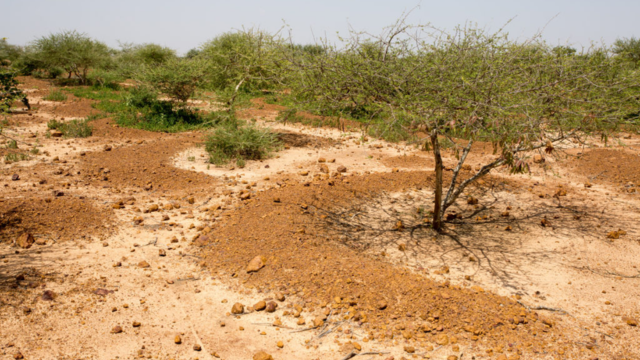
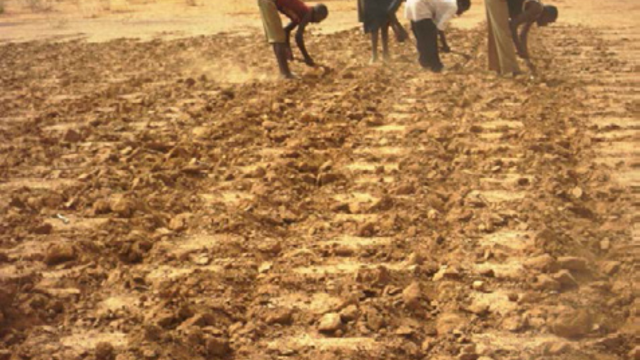
A micro-catchment system is a small, designed area where rainwater is captured and stored directly in the soil. Unlike large reservoir projects, it functions at the farm level, benefiting crops immediately. UNEP highlights these systems as low-cost yet highly effective for drylands. By slowing runoff and enhancing infiltration, they prevent soil erosion. Farmers gain more reliable water for crops even in erratic rainfall conditions.
The design involves small basins, bunds, or ridges constructed to trap rainfall in situ. Agricultural research shows that micro-catchments increase soil moisture retention by over 40%. Unlike drip irrigation, which requires external supply, they rely purely on rain. Watershed programs often integrate them for long-term landscape health.
Farmers using such systems report better crop survival during dry spells. This makes them highly suitable for semi-arid rural regions.
Historically, communities practiced similar rainwater capture techniques for centuries. Ancient agro-hydrological systems in Rajasthan used earthen bunds to conserve water. Today’s micro-catchments modernize these indigenous solutions with scientific precision. FAO notes that revival of traditional practices enhances acceptance among farmers.
By blending local knowledge with climate-smart agriculture, micro-catchments create resilience. They reflect a sustainable bridge between past wisdom and future necessity in rural irrigation.
One major advantage is cost-effectiveness, as micro-catchments need minimal investment. A farmer can construct them using basic tools and community labor. Compared to costly canal networks or pumping systems, they remain accessible to smallholders. UNDP highlights their role in poverty reduction through water security.
They also reduce reliance on groundwater depletion, ensuring long-term sustainability. Such affordability ensures equitable access for marginal farmers.
Beyond irrigation, these systems enhance ecosystem services. They recharge shallow aquifers, support biodiversity, and restore degraded lands. Studies in semi-arid Africa prove their success in increasing vegetation cover. Soil health improves as organic matter retains water efficiently. Villages adopting these systems also notice improved ground cover reducing dust storms.
As climate change worsens rainfall variability, micro-catchments provide adaptive resilience. They ensure crops survive dry intervals without external irrigation. Earth5R integrates them into its sustainable village programs, combining citizen participation with CSR partnerships. By promoting hands-on training, farmers quickly learn to replicate systems locally.
These decentralized solutions embody sustainability principles, empowering rural communities. Over time, such models could transform the irrigation landscape across India.
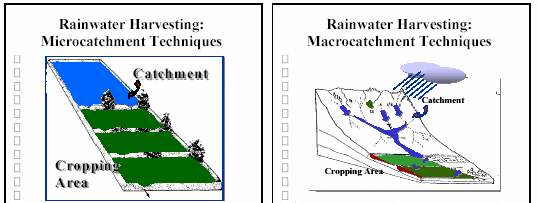
This infographic shows two methods of rainwater harvesting: microcatchments and macrocatchments. Microcatchments collect water from small areas close to the crops, while macrocatchments gather water from larger areas and direct it to fields farther away.
Traditional Irrigation vs. Micro-Catchments: A Comparative Insight
Traditional canal irrigation relies on large-scale water diversion, often leading to inefficiency and loss. Evaporation and leakage reduce effective delivery to fields, wasting scarce resources. Farmers dependent on groundwater pumps face high energy costs and declining yields. By contrast, micro-catchments capture rainfall where it falls, cutting losses dramatically. This localized method ensures every drop is used productively.
Canal systems often benefit wealthier farmers with land close to distribution points. Remote villages suffer delays or inadequate supply, as government reports frequently note. Borewell irrigation creates inequality, as only those with capital can drill deeper. IWMI warns that such systems exacerbate social divides. Micro-catchments, however, are accessible to smallholders, creating equitable water access.
Traditional irrigation contributes to soil salinity, as overwatering leaves mineral deposits. Continuous flooding also encourages waterlogging, damaging root systems and lowering fertility. Micro-catchments avoid these risks by retaining only the rainfall needed. They enhance soil structure, improving productivity over time. This method ensures sustainable use without degrading natural resources.
Large-scale irrigation projects require heavy infrastructure investments and years of construction. In contrast, micro-catchments need only basic tools and community participation. UNDP highlights their affordability, making them accessible in resource-poor regions. While dams and canals demand high maintenance costs, micro-catchments remain low-cost and self-sustaining.
Another contrast lies in climate resilience. Large irrigation networks fail when rainfall is irregular or drought strikes. Earth5R notes that farmers using micro-catchments cope better with delayed monsoons. These systems store moisture directly in soils, ensuring crops survive lean weeks. Research studies confirm higher crop survival rates in semi-arid regions. Thus, micro-catchments strengthen adaptive capacity against unpredictable weather.
Finally, traditional irrigation is centralized, dependent on state governance. Breakdowns in policy or management affect entire farming regions. Micro-catchments, however, are community-driven, giving farmers ownership and control. CSR projects and local NGOs can scale them effectively, bypassing bureaucracy. This decentralized approach fosters sustainability and resilience in rural livelihoods.
Soil Moisture Retention: The Hidden Power of Micro-Catchments
Healthy soil is the foundation of farming, yet soil moisture loss is a major barrier in rural agriculture. Over-irrigation and deforestation reduce the land’s ability to retain water. FAO warns that degraded soils store less rainfall, leaving crops vulnerable. Micro-catchments help restore balance by slowing runoff and enhancing infiltration. This improves productivity even in semi-arid landscapes.
When rain falls on bare land, most of it evaporates or runs off. UNCCD highlights that 24 billion tons of fertile soil are lost annually due to erosion. Micro-catchments combat this by directing water into basins where it seeps gradually. This moisture remains available to roots longer, increasing crop survival. Enhanced retention also boosts resilience against rainfall variability.
Moisture conservation strengthens soil organic matter, creating a sponge-like structure. Research shows organic-rich soils absorb water more effectively. Micro-catchments support this process by reducing surface runoff. Farmers report healthier soil microbes, which further enhance fertility. These changes create a positive cycle of higher yields and better ecosystem services.
Unlike canals or tube wells, micro-catchments recharge shallow aquifers naturally. They prevent waterlogging while keeping the subsoil moist for longer periods. This ensures crops get consistent water without over-saturation. IWMI emphasizes their role in reducing both drought and flood risks. Farmers benefit through stable productivity, even under climate uncertainty.
In degraded lands, micro-catchments reduce desertification risks. By capturing rainfall, they promote regeneration of vegetation cover. Studies in Africa show increased biomass growth after adoption. Villages also notice reduced dust storms and improved air quality. Such ecological co-benefits strengthen rural livelihood resilience. The systems work with nature rather than against it.
Earth5R’s sustainable models integrate micro-catchments into wider watershed programs. Farmers receive training on contour bunding, pit designs, and rainwater harvesting. With CSR funding and citizen collaboration, these initiatives spread faster. Communities not only conserve water but also regenerate soil fertility. This holistic approach creates climate-smart agriculture capable of feeding future generations.
Boosting Crop Yields: Direct Impact on Village Agriculture
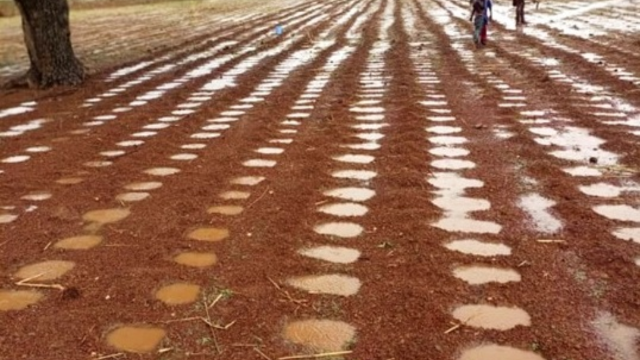
Micro-catchments directly improve crop yields by ensuring water availability during dry spells. Farmers in semi-arid regions often lose half their produce due to rainfall variability. By capturing rain where it falls, these systems reduce dependency on groundwater extraction. Research studies confirm yield gains of 20–40% in smallholder farms. This makes them vital for food security.
Crop diversity also improves, as water-secure farms experiment with new varieties. Villagers can cultivate pulses, vegetables, and horticultural crops alongside staples. ICRISAT highlights that diversified farming enhances nutrition and income stability. Reduced risk of crop failure encourages households to shift from subsistence to market-oriented agriculture. With micro-catchments, smallholders gain both resilience and economic opportunity.
Stable irrigation leads to better soil nutrient uptake. Plants under stress from drought absorb fewer minerals, lowering yield quality. Micro-catchments maintain steady root-zone moisture, enabling stronger growth. UNESCO emphasizes that balanced hydration improves both grain size and nutritional value. Farm case studies reveal healthier produce reaching markets. This raises farm profits while improving community diets.
In areas prone to crop loss, yield stability reduces rural poverty. Families secure consistent harvests, cutting dependence on seasonal migration for wages. UNDP stresses that reliable food production strengthens household resilience. With more surplus, farmers can invest in education and healthcare. Thus, irrigation improvements create ripple effects beyond agriculture, uplifting entire communities.
Micro-catchments also help farmers adapt to climate shocks. Erratic rainfall often destroys crops planted on borrowed credit, trapping farmers in debt. Earth5R reports that communities adopting micro-catchments recover faster from delayed monsoons. IWMI research shows yield security reduces loan defaults, strengthening rural credit systems. This resilience empowers farmers to expand their operations confidently.
Success stories highlight transformative results. In Maharashtra, watershed projects using micro-catchments doubled crop output in some villages. Farmers could grow two or three harvests annually instead of one. FAO identifies such methods as key to scaling food security globally. Supported by CSR partnerships and citizen-led initiatives, these systems deliver measurable impacts. Their role in boosting yields is undeniable.
Earth5R’s Citizen-Led Approach to Rural Irrigation
Earth5R empowers communities to take charge of their water resources. Through citizen engagement programs, villagers learn to build and maintain micro-catchments on their farms. This hands-on approach strengthens local knowledge and fosters community ownership. Training also covers soil conservation and water management techniques. By mobilizing residents, Earth5R ensures interventions are sustainable and scalable.
Workshops often combine traditional practices with modern solutions. Farmers study contour bunding, pit construction, and rainwater harvesting techniques. Local experts guide participants on adapting designs for varying soil types and topography. These community sessions are supported by NGOs and CSR initiatives. The collaborative model builds trust and encourages widespread adoption of sustainable irrigation.
Earth5R emphasizes low-cost solutions accessible to smallholders. Micro-catchments require minimal tools, relying on community labor rather than expensive machinery. UNDP notes that affordable interventions increase participation and reduce dependency on government schemes.
Watershed management techniques are integrated to maximize efficiency. Villagers gain both skills and confidence to replicate systems independently. This approach fosters long-term resilience.
Monitoring and evaluation are central to Earth5R’s model. Villagers track rainfall, soil moisture, and crop growth to assess impact. Digital tools and simple measurement devices help document improvements. Research studies confirm that participatory monitoring increases adoption rates. Insights are shared at community meetings, reinforcing knowledge exchange. Transparency ensures both efficiency and accountability in irrigation projects.
Scaling initiatives involves collaboration with CSR partners and local governments. Earth5R leverages corporate funding to supply materials, while volunteers provide manpower. Citizen science projects allow villagers to collect data on water retention and crop performance. Partnerships with research institutes validate methodologies and refine designs. This multi-stakeholder model ensures sustainable expansion across villages.
The long-term impact extends beyond water management. Villages report improved crop yields, enhanced food security, and stronger livelihoods. Community cohesion strengthens as residents collaborate on shared water projects. Earth5R emphasizes knowledge transfer, enabling new generations of farmers to maintain systems. This citizen-led approach creates resilient, self-sufficient rural communities.
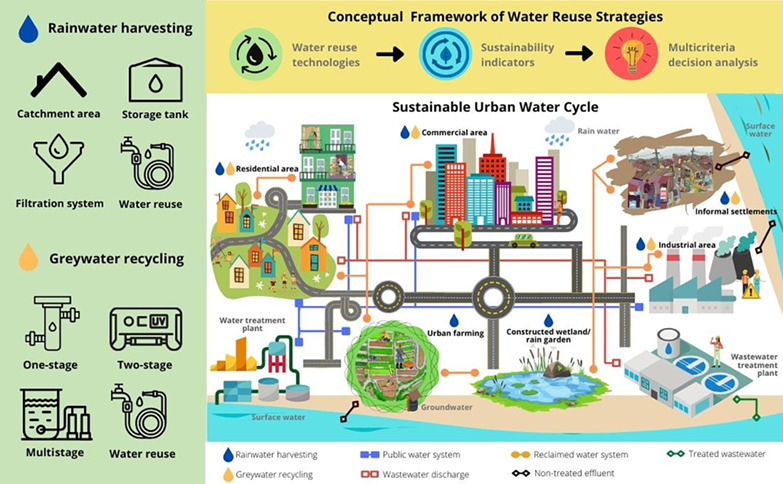
This infographic shows how cities can manage water in a sustainable way. It explains how rainwater harvesting and greywater recycling help collect, treat, and reuse water in homes, businesses, industries, and farming to reduce waste and save resources.
Case Studies: Villages Revived by Micro-Catchment Systems
In Maharashtra, several semi-arid villages adopted micro-catchments through Earth5R programs. Farmers observed immediate improvements in soil moisture and crop survival. Local NGOs provided training on contour bunding and pit designs. With minimal investment, communities reported 30–40% higher yields. These success stories illustrate the practical benefits of decentralized water management.
In Rajasthan, traditional rainwater harvesting structures were upgraded using micro-catchment techniques. Villages previously prone to drought now retain water longer. Research studies show improved root-zone moisture, enhancing crop resilience. Local women’s groups managed community ponds, ensuring equitable water access. Earth5R documented doubled production of pulses and cereals.
In Tamil Nadu, Earth5R facilitated watershed projects integrating micro-catchments with organic farming. Farmers reported richer soil fertility and better nutrient retention. ICRISAT confirmed that such systems reduce dependence on chemical fertilizers. Villagers also learned water monitoring to track irrigation effectiveness.
The combination of catchment systems and sustainable practices led to consistent crop outputs, even in lean monsoon years.
Madhya Pradesh villages leveraged CSR funding to expand micro-catchment projects across multiple farms. Earth5R volunteers trained youth in citizen science techniques to monitor rainfall and soil moisture. UNDP highlights that participatory models increase adoption rates. Farmers could plan crop cycles more efficiently, reducing losses. Community engagement proved essential in sustaining these systems long-term.
In Odisha, flood-prone villages integrated micro-catchments with rainwater harvesting to control runoff. Studies by IWMI indicated decreased soil erosion and improved groundwater recharge. Villagers cultivated vegetables and pulses in previously barren plots. FAO praised these projects for boosting food security. Local committees maintained the systems, showcasing the strength of community-driven irrigation.
In Karnataka, micro-catchments combined with traditional bunds helped revive degraded farmland. Farmers reported better crop diversity and increased income. Earth5R coordinated training workshops, while CSR partners supplied materials. Villages also noted improved ecosystem services, like soil microbe activity and reduced dust storms. These examples demonstrate measurable, scalable impacts of localized irrigation solutions.
Climate Resilience: Preparing Rural Farmers for Uncertain Rainfall
Erratic monsoons and droughts threaten rural crop production. Traditional irrigation cannot cope with delayed rainfall. Micro-catchments store rainwater in soil, giving crops a buffer against dry spells. Earth5R trains farmers to use these systems for adaptive irrigation. FAO reports that moisture retention increases crop survival significantly. This method enhances resilience at both farm and village levels.
Climate-smart agriculture combines water conservation with crop selection. IWMI recommends drought-tolerant varieties alongside micro-catchment adoption. UNDP notes that integrated strategies improve food security and reduce farmer vulnerability. Villagers can plan planting schedules according to retained soil moisture. Research studies show yields remain stable during unpredictable rainfall.
Micro-catchments also mitigate flood risks in heavy rainfall regions. By slowing runoff, they prevent waterlogging and soil erosion. UNCCD highlights that localized water management reduces environmental stress. Villagers can store excess rain for later use. FAO emphasizes that this dual benefit safeguards crops and preserves land. Earth5R supports these interventions with community-led monitoring systems.
Early warning and local knowledge complement infrastructure solutions. Weather forecasting tools guide farmers on when to utilize stored water. Community members track rainfall and soil moisture levels. Citizen science programs help villages adapt strategies seasonally. CSR partners support training workshops to interpret data. These measures improve decision-making and reduce crop failure risk.
Micro-catchments integrate well with watershed management for long-term resilience. By capturing and distributing rainwater locally, they complement groundwater recharge initiatives. Villagers witness increased crop stability and healthier soil. Earth5R documents these improvements for scaling across regions. UNESCO stresses that decentralized approaches are vital in climate-sensitive zones.
Finally, resilient irrigation improves livelihoods and food security. Consistent yields reduce migration pressures on rural families. UNDP highlights that adaptive systems lower poverty risks in semi-arid areas. Earth5R’s community model combines micro-catchments with citizen participation. Villages report increased income and confidence in managing climate impacts. These systems transform vulnerable regions into climate-resilient communities.
Integrating CSR and Citizen Tech for Scalable Solutions
Corporate Social Responsibility (CSR) plays a crucial role in scaling rural irrigation projects. Earth5R partners with companies to fund micro-catchment systems, supplying materials and tools. Volunteers assist with community training and knowledge sharing. UNDP notes that corporate involvement ensures sustainability and accountability. Citizen participation complements funding, creating an integrated impact-driven model.
Digital tools enhance monitoring and reporting of irrigation outcomes. Farmers record rainfall, soil moisture data, and crop performance using mobile apps. Citizen science initiatives allow communities to track results independently. Earth5R integrates technology with traditional knowledge, improving decision-making for farm planning. FAO recognizes such hybrid approaches as transformative for rural water management.
CSR funding also supports capacity-building workshops. Earth5R trains villagers in contour bunding, pit construction, and rainwater harvesting. UNESCO highlights that training enhances adoption rates of micro-catchments. NGOs often collaborate to extend outreach. By integrating corporate resources and community skills, smallholders gain access to advanced irrigation methods. Sustainability practices become easier to implement locally.
Tech-enabled monitoring improves data transparency and accountability. Community members submit regular updates on soil moisture, rainfall, and crop growth. Earth5R aggregates this data to optimize system designs. IWMI notes that real-time tracking reduces system failures. Corporate partners can measure outcomes efficiently. This fusion of technology and citizen participation ensures scalable impact across multiple villages.
Integrating CSR and citizen tech also accelerates climate adaptation. Local monitoring allows farmers to respond to irregular rainfall, droughts, or floods. Micro-catchments combined with digital alerts improve crop survival rates. UNDP emphasizes that this approach strengthens rural resilience. Villagers gain confidence in managing resources independently. Technology amplifies the benefits of community-driven water management.
Finally, the model encourages knowledge sharing between villages. Success stories are documented and disseminated digitally, allowing replication. CSR and citizen tech partnerships create a framework for long-term sustainability. Earth5R ensures communities own both knowledge and infrastructure. FAO and IWMI recognize this integrated approach as best practice.
The Road Ahead: Scaling Micro-Catchments for a Food-Secure Future
Scaling micro-catchments is vital to ensure food security across India’s semi-arid regions. Earth5R advocates replicating successful village models nationwide. Partnerships with NGOs and CSR initiatives provide resources for wider implementation. FAO emphasizes local ownership as essential for sustainability. Citizen participation ensures knowledge transfer and long-term maintenance. Such strategies help safeguard rural livelihoods against climate shocks.
Government policy plays a crucial role in supporting decentralized irrigation. Incentives for farmers to adopt micro-catchments can accelerate expansion. IWMI recommends integrating these systems into watershed programs and rural development schemes. UNDP highlights the importance of community engagement. Collaboration between local authorities, NGOs, and farmers ensures projects are both inclusive and effective.
Training and knowledge dissemination remain essential for scaling. Workshops on rainwater harvesting, contour bunding, and soil moisture management build capacity. Citizen science tools allow farmers to monitor progress and adapt methods. UNESCO emphasizes documenting best practices for replication. Digital platforms help share success stories between villages.
Technology continues to amplify the reach of micro-catchments. Mobile apps and sensors track rainfall and soil conditions in real time. FAO and IWMI recognize data-driven approaches as essential for efficient resource allocation. Farmers can plan planting and irrigation schedules more accurately. CSR partnerships provide funding for tech deployment. Citizen-led monitoring ensures scalability and sustainability.
Climate resilience remains central to future expansion. IPCC reports indicate increasing rainfall variability and drought risk. Micro-catchments reduce vulnerability by capturing rainfall for dry periods. UNCCD emphasizes ecosystem restoration through localized water management. Villages equipped with micro-catchments maintain crop productivity and protect soil fertility.
Earth5R combines community engagement and technology for adaptive solutions. This approach prepares rural areas for long-term sustainability.
Finally, the vision is a network of water-secure villages capable of sustaining food production and resilient livelihoods. Scaling micro-catchments with CSR support, citizen participation, and technology ensures measurable impact. FAO and UNDP highlight these systems as models for global replication. By empowering local communities, Earth5R contributes to a climate-resilient, food-secure future.
Conclusion: Building a Water-Secure, Climate-Resilient Future
Micro-catchment systems demonstrate that sustainable irrigation is achievable in rural villages. By capturing rainfall and retaining soil moisture, Earth5R helps farmers adapt to climate variability. Communities gain the knowledge and tools to maintain their own water systems independently. This approach ensures long-term crop stability and resource efficiency.
Integrating CSR initiatives with citizen participation amplifies impact. Corporate funding supports infrastructure, while villagers contribute labor and local expertise. UNDP notes that combining technology and community engagement enhances resilience against unpredictable weather. Together, these partnerships create scalable models for nationwide adoption.
Digital tools and monitoring platforms play a vital role in tracking outcomes. Mobile apps and sensor networks allow real-time soil moisture and rainfall reporting. Villagers can make data-driven decisions for better irrigation and crop management. Earth5R ensures technology complements traditional practices effectively.
Looking ahead, the vision is a network of water-secure villages that sustain food production and improve rural livelihoods. Scaling micro-catchments with CSR and citizen engagement creates measurable impact. By combining technology, training, and community participation, Earth5R is paving the way for a resilient, climate-adaptive agricultural future.
Frequently Asked Questions: How Micro-Catchment Systems Transform Rural Irrigation with Earth5R’s Sustainable Solutions
What are micro-catchment systems?
Micro-catchment systems are small-scale water harvesting structures designed to capture rainfall and store it in the soil for crops. They improve water availability for rural irrigation and prevent soil erosion.
How do micro-catchments improve crop yields?
By retaining rainfall and reducing water loss, micro-catchments ensure consistent soil moisture. This enables crops to grow during dry spells, enhancing productivity and resilience to climate variability.
What types of micro-catchment structures exist?
Common structures include contour bunds, pits, trenches, and check dams. Each type is designed for specific soil types, slope conditions, and rainfall patterns in rural areas.
Who can implement micro-catchment systems?
Farmers, local communities, NGOs, and organizations like Earth5R can implement these systems. CSR funding and citizen participation often support wider adoption.
What role does Earth5R play in micro-catchments?
Earth5R provides training, technical guidance, and community mobilization for designing and implementing micro-catchments. They integrate technology and sustainable practices for long-term impact.
Are micro-catchments cost-effective?
Yes, micro-catchments are low-cost compared to large irrigation projects. They require minimal materials and labor, making them accessible to smallholder farmers.
How do CSR partnerships support these projects?
CSR funding helps cover materials, training programs, and technology deployment. Companies can monitor social and environmental impact through collaboration with organizations like Earth5R.
Can micro-catchments help in drought-prone areas?
Absolutely. By capturing and storing rainwater, these systems maintain soil moisture during dry periods, mitigating drought impacts and protecting crops.
Do micro-catchments work for all types of crops?
They are suitable for a wide range of crops, including cereals, vegetables, and horticultural plants. Effectiveness depends on crop water requirements and soil conditions.
What is the role of technology in micro-catchment systems?
Mobile apps, sensors, and monitoring platforms track rainfall, soil moisture, and crop growth. This data helps farmers optimize irrigation and improve decision-making.
How long does it take to see results?
Farmers may observe improved soil moisture and crop growth within one season. Long-term benefits, such as higher yields and climate resilience, are noticeable after 2–3 years.
Can micro-catchments prevent soil erosion?
Yes, by slowing runoff and capturing water, micro-catchments reduce soil erosion on slopes and help maintain soil fertility for sustainable farming.
Are these systems scalable?
Micro-catchments can be scaled across multiple villages with coordinated community participation, CSR support, and integration with digital monitoring systems.
Do micro-catchments require maintenance?
Yes, occasional cleaning, repair of bunds, and monitoring water storage are necessary to ensure optimal functioning and long-term effectiveness.
What training is needed for farmers?
Farmers need training on site selection, contouring, pit construction, rainwater harvesting, and monitoring soil moisture for effective system use.
How do these systems help with climate adaptation?
By ensuring water availability during irregular rainfall and droughts, micro-catchments improve crop resilience, reduce crop failure, and support sustainable agriculture.
Are micro-catchments environmentally friendly?
Yes, they reduce runoff, prevent soil degradation, conserve water, and promote sustainable land and water management practices.
What is the role of citizen participation?
Community members contribute labor, monitor outcomes, and maintain systems. Citizen involvement ensures local ownership and long-term sustainability.
Can government programs support micro-catchments?
Yes, rural development and watershed management schemes often provide financial incentives, technical guidance, and policy support for scaling these systems.
How do micro-catchments contribute to food security?
By stabilizing crop yields and improving water availability, micro-catchments help communities produce more food sustainably, reducing vulnerability to climate variability.
Call to Action: Build Water-Secure Villages
Empower your village by adopting micro-catchment systems and sustainable irrigation practices. Small steps in water management improve crop yields and soil health. Every effort strengthens community resilience and ensures long-term sustainability. Join hands to make a tangible difference today.
Work with local farmers and organizations to implement these solutions effectively. Training programs and workshops provide guidance and practical skills. Your contribution ensures proper resource management and sustainable growth. Together, communities can thrive with smarter water use.
Support initiatives that focus on climate-resilient agriculture and food security. By sharing your time, expertise, or resources, you strengthen rural livelihoods. Collective action creates measurable impact for villages and ecosystems. Your participation helps build a better future for all.
Start today by spreading awareness, volunteering, or joining local programs. Active involvement helps scale micro-catchment solutions across regions. Encouraging more villages to adopt water-smart practices ensures resilience. The future of sustainable farming begins with your action.
~Authored by Barsha Sharma