
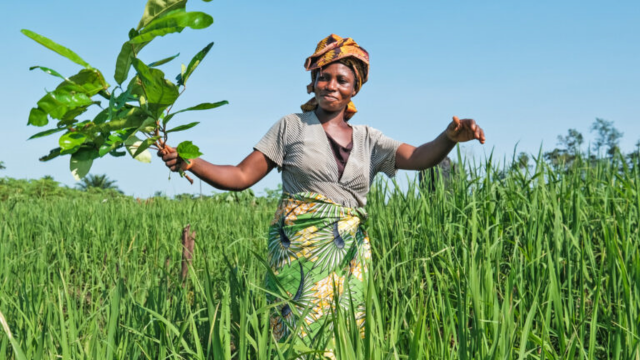
The Silent Erosion of Indigenous Seeds in Rural Landscapes
The disappearance of indigenous seeds signals a severe biodiversity crisis impacting food security. Industrial farming pushes high-yield monocultures that weaken resilience once offered by diverse crops. Reports from the Food and Agriculture Organization show 75% of varieties lost since the 1900s. In India, farmers watch millets and pulses vanish, replaced with market-driven hybrids.
Rural communities once preserved seeds through traditional exchanges and fairs, maintaining biodiversity. With the spread of hybrid seeds and chemicals, those networks eroded. Procurement policies favor crops like cotton and wheat, sidelining heritage grains.
Research on ResearchGate shows farmers become dependent when abandoning local seeds. This isn’t just economic but cultural—eroding identity, food habits, and festivals. The identity of rural communities weakens with every lost seed.
Nutritional decline follows the erosion of native seeds. Ancient grains like sorghum, pearl millet, and red rice offer minerals absent in refined staples. The World Health Organization warns that poor dietary diversity fuels malnutrition and disease. A study in Nature Food shows indigenous crops survive droughts with fewer inputs.
Their replacement by chemical monocultures accelerates soil exhaustion and water loss. Such erosion undermines sustainable development goals around hunger, health, and sustainability.
Climate change multiplies the risk where farming depends on narrow seed stocks. Crops like foxtail millet survive erratic rain yet lack policy backing. The UNEP Adaptation Gap Report stresses diversity boosts resilience to climate shocks. Without seed sovereignty, farmers face rising costs and debt.
The International Seed Federation notes corporate consolidation limits access to traditional seeds. Rural communities become increasingly vulnerable to unpredictable climate stress.
The Convention on Biological Diversity highlights native seeds as vital genetic reservoirs. India’s sacred groves and farming traditions once protected them. But the Green Revolution, while raising yields, marginalized smallholder resilience. Reports from Down To Earth show uniform seeds collapse under pest attacks.
Losing indigenous seeds reduces food sovereignty and cultural continuity. Safeguarding them conserves heritage as much as biodiversity. Preserving diversity is no longer optional—it ensures survival.
Grassroots resistance revives seed-saving as rural empowerment. Movements like Navdanya and Seed Savers Exchange promote biodiversity through collective custodianship. In Odisha and Maharashtra, farmers conserve paddy varieties via community initiatives blending science with tradition.
The Indian Council of Agricultural Research supports programs but scaling remains uneven. These actions prove indigenous seeds are more than crops—they safeguard resilience. Protecting them means reclaiming the ecological future of rural societies.
Indigenous Seeds as the Foundation of Food Security
Indigenous seeds form the backbone of rural resilience and food security. Unlike uniform hybrids, they are climate-suited and resistant to local pests. Research by the International Crops Research Institute shows traditional grains like sorghum and pearl millet thrive where commercial crops fail.
The Indian Council of Agricultural Research highlights their lower water needs compared to rice and wheat. By conserving them, farmers maintain a self-reliant food system less dependent on volatile global markets.
These seeds are also nutrient-rich, bridging gaps left by modern diets. For instance, finger millet contains calcium levels unmatched by wheat or rice. Studies published in the Journal of Food Science and Technology reveal native legumes provide superior proteins and micronutrients.
Reports from the World Health Organization confirm dietary diversity reduces malnutrition. By growing indigenous seeds, farmers restore access to traditional grains essential for rural nutrition. This makes them central to public health strategies.
Beyond nutrition, indigenous seeds sustain ecological stability. They adapt naturally to soils and resist erratic climate shocks. The Intergovernmental Science-Policy Platform notes genetic diversity underpins long-term farming resilience. Unlike hybrids needing fertilizers, native seeds enrich soils through organic compatibility.
Research from Frontiers in Sustainable Food Systems confirms biodiversity lowers risks of large-scale crop failure. By cultivating them, farmers ensure ecosystems remain balanced, supporting sustainable agriculture.
Culturally, indigenous seeds preserve traditions and community memory. Rituals tied to local varieties often link agriculture with festivals and cuisines. Reports from UNESCO emphasize how farming knowledge transmits across generations. In rural India, traditional rice and millet feature in harvest ceremonies, ensuring cultural continuity.
Losing these seeds means erasing heritage embedded in food practices. Protecting them sustains cultural identity alongside farming resilience.
Economically, indigenous seeds lower farming costs and risks. Unlike hybrids, they don’t require costly patented inputs. Farmers save and share them freely, reducing reliance on corporate supply chains. A Grain report shows communities with seed sovereignty are less vulnerable to price shocks. Studies from the FAO confirm that local seed systems enhance rural incomes and stability.
Finally, indigenous seeds hold answers for climate-resilient futures. With increasing floods and droughts, traditional varieties ensure adaptation. The UNFCCC underscores genetic diversity as vital for survival in warming climates. Research by Nature Sustainability finds native crops reduce carbon footprints by needing fewer inputs. They support agroecological transitions aligning with regenerative farming practices.
By protecting them, communities prepare for resilient, low-carbon food systems. This makes indigenous seeds essential to global climate action.
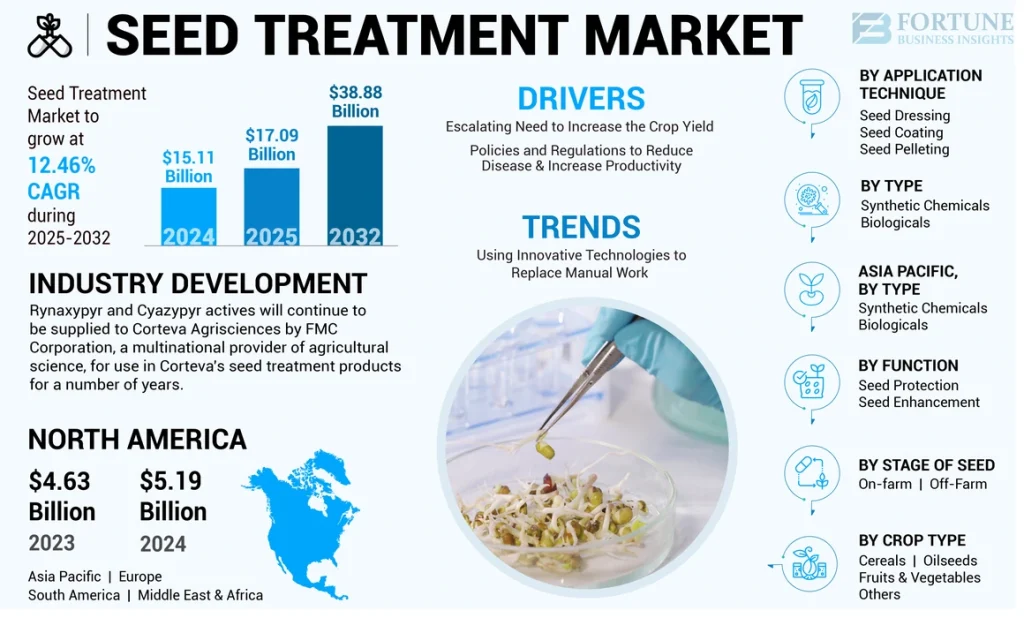
The seed treatment market is projected to grow significantly, driven by the need to boost crop yields and reduce diseases. Innovative technologies, biologicals, and synthetic chemicals are shaping the future of sustainable agriculture.
Challenges Farmers Face in Retaining Traditional Seeds
One major challenge is the dominance of hybrid seeds promoted through agricultural markets. These seeds offer short-term high yields but force dependence on external suppliers. Reports from the Food and Agriculture Organization warn farmers lose control of seed systems once traditional varieties vanish.
The International Seed Federation notes that corporate consolidation restricts local seed access. Without community-led efforts, farmers face erosion of seed sovereignty. This loss undermines resilience and long-term autonomy.
High input costs also discourage farmers from retaining traditional seeds. Commercial seeds often demand chemical fertilizers and pesticides, unlike native varieties. A study by Nature Sustainability shows this dependence traps smallholders in cycles of debt. The World Bank highlights financial stress as a key driver of farmer distress in rural India. Traditional crops, though low-cost, lack state support in credit schemes.
Policy frameworks often sideline heritage crops in favor of industrial farming models. Government procurement heavily promotes rice and wheat through subsidy structures. Reports from Down To Earth show how this discourages cultivation of millets and pulses. The National Sample Survey Office reveals declining land use for traditional grains. Farmers thus gravitate toward market-driven crops despite ecological disadvantages.
Another challenge is the erosion of community knowledge systems. Indigenous farming techniques were once passed orally, linked with rituals and local practices. The spread of mechanized agriculture marginalizes this traditional wisdom. A UNESCO report notes younger generations are increasingly disconnected from seed-saving.
Studies on ResearchGate confirm knowledge gaps accelerate biodiversity loss. Without efforts to revive intergenerational learning, seed banks alone cannot safeguard cultural resilience.
Market demand also favors uniform crops, pushing traditional ones out of circulation. Urban consumption patterns prioritize processed grains over heritage foods. The World Economic Forum highlights how global trade shapes farmer decisions. As demand falls, local varieties lose value despite their nutritional superiority. A Nature Food study shows this shift accelerates monoculture expansion.
Climate change amplifies all these difficulties, hitting smallholders hardest. Erratic rainfall and extreme weather threaten uniform crops heavily dependent on inputs. Indigenous varieties like foxtail millet adapt well, yet lack institutional support. The UNEP Adaptation Gap Report warns without diversity, rural systems collapse under shocks. Studies by the IPCC confirm genetic erosion leaves communities highly vulnerable.
Earth5R’s Community-Based Seed Banks Model
Earth5R has pioneered rural seed bank initiatives that focus on restoring indigenous crop diversity and empowering farmers. These banks collect, catalog, and distribute indigenous varieties that are otherwise disappearing from farmlands. By doing so, Earth5R ensures farmers are not trapped in cycles of dependency on hybrid seed suppliers.
According to the FAO, such community-led systems are crucial for resilience in agriculture. The model also integrates sustainable farming practices.
A distinctive feature of Earth5R’s approach is farmer-led ownership of the seed banks. Local communities manage seed exchange systems, ensuring transparency and equity in distribution. Reports from the International Institute for Environment and Development emphasize that decentralization fosters trust and sustainability. Farmers also document seed traits and cultivation methods, strengthening traditional knowledge systems.
To ensure wider impact, Earth5R integrates digital tools for seed bank operations. Mobile platforms allow farmers to log inventories, request seed types, and track climate suitability. This digitization reduces gaps in seed access across regions. According to the World Economic Forum, such platforms enhance transparency and efficiency. Farmers also receive alerts on weather and best planting times through ICT-enabled solutions.
Another strength lies in Earth5R’s partnerships with universities and research institutes. Collaborations with ICRISAT and the Indian Council of Agricultural Research provide scientific validation for seed performance. These partnerships ensure nutritional benefits and agronomic traits of indigenous crops are recognized. Studies published by Nature Sustainability confirm the need for genetic diversity in food systems.
Earth5R bridges gaps between modern science and local farming practices. This dual approach strengthens both credibility and impact.
Earth5R also emphasizes women’s leadership in managing seed banks. Women are often primary custodians of agricultural biodiversity and hold vast knowledge of local crops. Programs supported by UN Women highlight how empowering women strengthens food security. Earth5R ensures women play central roles in decision-making, collection, and distribution.
Finally, Earth5R’s model links conservation with economic incentives. Farmers saving seeds are also connected to sustainable markets that value indigenous crops. The International Fund for Agricultural Development notes such approaches raise rural incomes while protecting biodiversity. Seed banks become centers for training in organic farming, composting, and agroecology.
By integrating conservation with livelihood development, Earth5R ensures continuity and scalability. This makes seed banks central to sustainable rural futures.
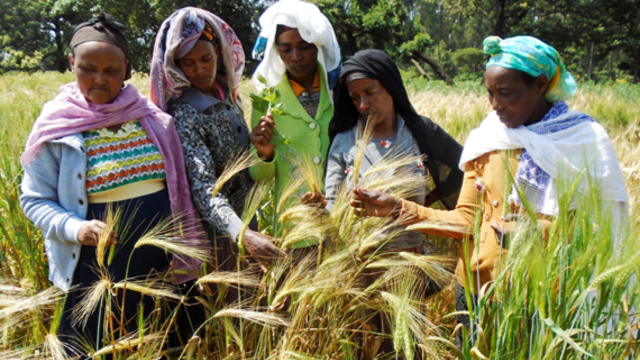
Training Farmers in Seed Preservation Techniques
Earth5R emphasizes capacity-building by training farmers in seed preservation methods that protect indigenous varieties. These sessions include drying, cleaning, and proper storage to maintain seed viability. According to ICRISAT, such practices extend seed life while preventing contamination. Farmers also learn to recognize genetic traits vital for sustainable agriculture.
Workshops are conducted in rural communities using participatory approaches. Farmers share traditional methods alongside scientific knowledge, creating a blended model of learning. Reports from UNESCO show community participation strengthens cultural heritage. By engaging with local practices, Earth5R ensures traditional knowledge is not lost. This collaborative training builds resilience in seed-saving systems.
To ensure accessibility, Earth5R integrates digital learning tools. Farmers receive training videos and manuals in regional languages for clarity. According to FAO, localized materials significantly improve adoption rates. Mobile apps also provide guidance on climate-smart agriculture. These innovations empower farmers to adopt preservation techniques effectively.
Earth5R’s programs also emphasize seed treatment using natural materials. Farmers learn methods like coating seeds with biofertilizers and organic pesticides to boost resilience. Studies in Nature Sustainability confirm such techniques improve germination and soil health. This aligns with global calls for regenerative agriculture. By relying on local resources, farmers reduce costs while protecting biodiversity.
Knowledge-sharing networks are central to the training model. Farmers exchange seeds and preservation techniques through community-led cooperatives. Reports from the International Institute for Environment and Development highlight that peer-to-peer models are highly sustainable. These networks ensure continuity even without external funding. By fostering collective ownership, Earth5R strengthens resilience across villages.
The training also links preservation to livelihood opportunities. Farmers who master techniques are supported to supply seeds to local markets. Studies by IFAD confirm community seed enterprises enhance rural incomes. Earth5R also connects trained farmers with organic farming initiatives. By integrating conservation with business potential, seed preservation becomes both practical and profitable.
Role of Indigenous Seeds in Climate Resilience
Indigenous seeds are uniquely suited to local ecosystems, giving them natural resilience in harsh climates. The FAO highlights their ability to tolerate drought, pests, and floods more effectively than uniform hybrids. Crops like millets require far less water while offering high nutritional value. Preserving them builds sustainable food systems for vulnerable communities.
Genetic diversity found in indigenous seeds strengthens farming systems against unpredictable weather events. Studies published in Nature Sustainability stress the importance of biodiversity in avoiding mass crop failures. The IPCC identifies preserving local varieties as key to climate adaptation worldwide. By conserving these resources, farmers reduce dependence on external agricultural inputs and protect food sovereignty.
Carbon emissions are significantly lower when farms rely on indigenous crops rather than industrial hybrids. Native varieties flourish without synthetic fertilizers or heavy irrigation, lowering energy demands. Frontiers in Sustainable Food Systems confirms this makes them ideal for climate-friendly farming. These practices align with global efforts to scale regenerative agriculture that restores ecosystems.
Indigenous crops also act as natural insurance during climate shocks that devastate monocultures. Research by ICRISAT shows traditional sorghum and pearl millet endure heat waves and poor soils. The UNEP Adaptation Gap Report stresses their role in resilience-building. Farmers cultivating diverse varieties create agricultural systems that withstand disasters better than uniform cropping.
Nutritional resilience is another benefit that strengthens communities under climate stress. Crops such as finger millet and pulses maintain micronutrients even when grown in degraded soils. The World Health Organization notes diet diversity improves immunity and reduces malnutrition. Linking food security with resilience highlights why conserving indigenous seeds is essential.
Finally, indigenous seeds empower communities to adapt with autonomy rather than external reliance. Reports from the UNDP show local seed systems support livelihoods during climate disruptions. Earth5R’s seed banks strengthen community-based adaptation while ensuring ecological balance. By blending traditional wisdom with innovation, farmers secure sustainable futures for generations ahead.
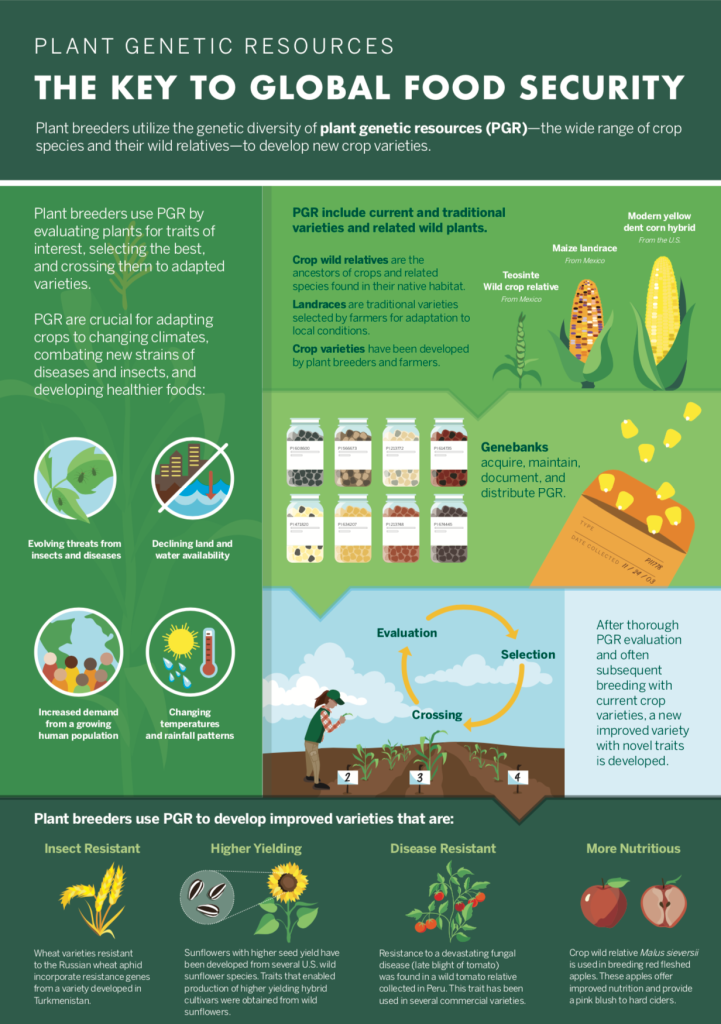
Plant genetic resources are vital for breeding crops that resist diseases, adapt to climate change, and meet rising food demands. They help develop improved, nutritious, and high-yielding crop varieties essential for global food security.
Community Empowerment through Seed Sovereignty
Seed sovereignty ensures that rural communities maintain control over their planting resources and food systems. The Navdanya movement has shown how local seed exchanges can protect biodiversity while resisting corporate monopolies. According to ETC Group, multinational companies dominate seed markets, restricting farmers’ independence. Building community-led seed banks restores self-reliance and cultural identity.
Local control of seeds allows farmers to preserve traditional knowledge alongside crop varieties. Research by Bioversity International emphasizes the role of indigenous wisdom in adapting seeds to microclimates. This knowledge transfer is vital for intergenerational learning and resilience. Empowered communities can manage biodiversity hotspots sustainably while ensuring seeds remain free of patents and commercial control.
Economic empowerment is another direct outcome of seed sovereignty in rural areas. By saving and exchanging indigenous seeds, farmers reduce dependency on costly commercial seeds and chemical inputs. This lowers expenses while ensuring climate-adapted productivity. Studies in Agricultural Systems Journal show community-managed seeds improve rural incomes. Such models advance sustainable livelihoods.
Seed banks foster social cohesion by creating platforms for collective participation and decision-making. Earth5R’s citizen-driven initiatives demonstrate how communities collaborate to build resilience. Collective seed management strengthens cooperative networks that reduce social fragmentation. These systems also integrate women and marginalized groups, ensuring inclusive community development.
Cultural identity is preserved when indigenous seeds remain within community hands. The Convention on Biological Diversity recognizes seeds as part of cultural heritage that must be safeguarded. Traditional crops link food security to culinary traditions, rituals, and indigenous knowledge. Protecting them ensures cultural resilience alongside ecological benefits. This dual preservation strengthens community pride.
Ultimately, seed sovereignty empowers farmers to be active stewards of their land rather than passive consumers. Grain.org highlights how small farmers protect most of the world’s food diversity. Earth5R’s model ensures communities lead in sustainability transitions. By restoring seed autonomy, rural populations secure both ecological balance and food democracy.
Policy Support and Government Initiatives
Government policies play a decisive role in protecting indigenous seed varieties and farmer rights. The National Bureau of Plant Genetic Resources in India safeguards thousands of traditional seeds through gene banks. At a global level, the International Treaty on Plant Genetic Resources provides frameworks for fair seed sharing. Such policies empower farmers and support agro-biodiversity.
National missions increasingly integrate indigenous crops into climate-smart agriculture programs. India’s National Food Security Mission promotes pulses and millets for resilient farming. Similarly, FAO-led initiatives encourage diversification of seed systems worldwide. These frameworks strengthen food sovereignty and reduce overreliance on hybrid seeds. Public support ensures traditional crops remain viable in modern agriculture.
Subsidy reforms and incentives encourage adoption of native varieties by rural farmers. The Paramparagat Krishi Vikas Yojana supports organic farming using local seeds. Research from ICAR confirms subsidies linked with indigenous crops increase cultivation. Governments providing direct support for community seed banks boost rural resilience. Policy-backed programs thus enhance both sustainability and farmer income.
Legal protections safeguard farmers’ rights over indigenous seeds, preventing exploitation by corporations. India’s Protection of Plant Varieties and Farmers’ Rights Act ensures farmers can save, share, and sell native seeds freely. Internationally, UPOV regulations set standards for plant variety protection. Strengthening legal rights secures seed sovereignty and maintains genetic diversity. Without supportive laws, communities risk losing traditional resources.
Policies also prioritize nutritional goals through promotion of native crops in public schemes. The POSHAN Abhiyaan integrates millet-based nutrition in child welfare programs. The World Food Programme advocates including indigenous seeds in food baskets to fight malnutrition. Linking traditional crops with public health improves community well-being. Governments adopting such approaches create stronger, healthier societies.
Collaborations between state, private sector, and NGOs accelerate indigenous seed conservation. The Global Crop Diversity Trust funds international seed banks to secure heritage varieties. Earth5R’s community-driven model aligns with these policies by empowering citizens. Partnerships amplify impact by merging local knowledge with institutional support. Such frameworks ensure resilient food systems for future generations.
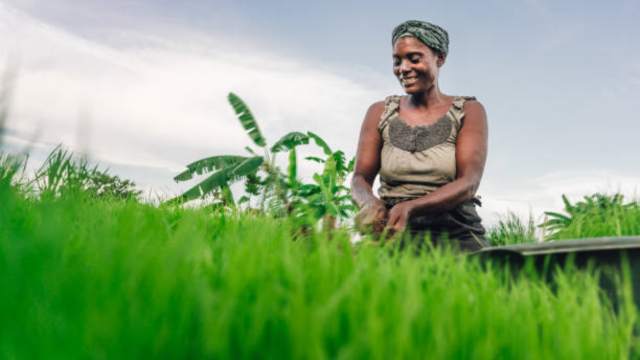
Earth5R’s Model for Rural Seed Banks
Earth5R’s rural seed bank initiative focuses on community-driven conservation and empowerment. By establishing decentralized seed banks, the organization ensures local farmers maintain access to indigenous seeds. These banks reduce dependence on external suppliers and support seed sovereignty. Through citizen-led action, Earth5R strengthens sustainable agriculture.
The model integrates education and training to equip farmers with knowledge on seed saving and storage. Earth5R conducts capacity-building workshops that revive traditional seed preservation techniques. Farmers also learn climate adaptation strategies aligned with agroecology. By merging traditional wisdom with innovation, Earth5R nurtures resilient farming communities.
Collaboration is central to Earth5R’s approach, linking citizens, farmers, and organizations. Through community partnerships, rural areas co-create solutions for biodiversity preservation. Earth5R mobilizes volunteers for seed collection drives to expand seed diversity. These cooperative networks build stronger social ties while reinforcing local resilience.
Sustainability is embedded in the model through integration with circular economy practices. Earth5R connects seed banks with waste management programs that promote composting and organic fertilizers. Linking soil health with indigenous seeds boosts crop yields sustainably. The initiative aligns with regenerative farming, reducing ecological degradation.
Economic benefits flow directly to communities through reduced input costs and increased independence. Farmers save money by reusing local seeds instead of buying expensive hybrids. Studies in Agricultural Systems confirm that self-reliant seed systems improve livelihoods. Earth5R ensures such models contribute to sustainable rural development.
Transparency and accountability are maintained through measurable impact assessments. Earth5R tracks outcomes such as biodiversity conserved, livelihoods improved, and carbon emissions reduced. Reports are shared with stakeholders and aligned with SDG targets. This evidence-based approach ensures replicability and long-term scalability.
Future of Seed Conservation and Sustainability
The future of seed conservation depends on blending traditional wisdom with modern science. Advances in genomic research can help identify traits that make indigenous crops resilient to climate change. Integrating these with community seed banks will expand biodiversity. Partnerships between researchers and farmers ensure seeds remain accessible and sustainably managed.
Digital innovation will play a key role in democratizing seed conservation for rural communities. Platforms using blockchain technology can record seed ownership and exchange transparently. Mobile-based farmer networks will enable knowledge sharing across regions. These digital systems, when linked with open-source platforms, ensure fair distribution and stronger food security.
Global collaboration is essential to protect seeds as shared heritage of humanity. Initiatives like the Svalbard Global Seed Vault store thousands of seed varieties for future use. The Crop Trust emphasizes global partnerships in sustaining agricultural diversity. Working together across borders will secure resilient food systems capable of facing ecological challenges.
Policy innovation will continue shaping the landscape of sustainable seed conservation. Governments must align agricultural policies with climate adaptation goals. Support for indigenous farmers and recognition of their knowledge systems will be critical. Future frameworks should promote food sovereignty while protecting against corporate monopolization of seeds.
Youth engagement will define the next phase of seed sustainability. Programs by UNESCO and FAO encourage younger generations to lead conservation efforts. Integrating indigenous seeds into school farming projects ensures continuity of knowledge. These efforts connect cultural heritage with modern sustainability goals.
Ultimately, the future of seeds is tied to the survival of ecosystems and humanity. Earth5R envisions communities where seed sovereignty ensures both ecological resilience and food security. By merging tradition, technology, and policy support, a sustainable future can be achieved. Indigenous seeds, once preserved, will continue to nourish generations in harmony with the planet.
Conclusion: Seeds of Hope for a Sustainable Future
Indigenous seeds are more than farming resources; they are lifelines for ecological and cultural survival. Conserving them through community seed banks ensures biodiversity flourishes even in unpredictable climates. By combining traditional knowledge with innovation, farmers gain resilience. This approach safeguards food systems for generations.
Earth5R’s initiatives demonstrate how citizen-driven action can transform seed preservation into community empowerment. By establishing local seed banks, rural communities reclaim seed sovereignty while reducing reliance on costly external inputs. Such models align with global sustainability goals and highlight the strength of collective participation. Empowerment ensures conservation moves beyond policy into daily practice.
Policy reforms and institutional support remain crucial in scaling indigenous seed conservation. Governments, NGOs, and organizations like Crop Trust provide frameworks for securing diversity. Linking conservation with nutrition programs and sustainable agriculture policies will accelerate adoption. Collaborative policies protect both cultural heritage and ecological resilience, making farming future-ready.
The path forward is clear: sustainable food security requires protecting indigenous seeds as a global priority. Earth5R’s model shows that empowering communities, fostering partnerships, and leveraging innovation can create long-term solutions. By preserving biodiversity and cultural identity, humanity invests in a resilient future. Seeds, once safeguarded, will continue to sustain both people and planet.
Frequently Asked Questions: Rural Seed Banks: Earth5R’s Strategy for Preserving Indigenous Crop Varieties
What is a rural seed bank?
A rural seed bank is a community-managed system that stores, preserves, and shares indigenous crop varieties for local farmers.
Why are indigenous seeds important for climate resilience?
Indigenous seeds adapt to local environments, making them more tolerant of drought, pests, and changing weather patterns.
How does Earth5R contribute to seed conservation?
Earth5R establishes community seed banks, conducts training, and promotes citizen-driven conservation models for indigenous seeds.
What role do seed banks play in biodiversity preservation?
Seed banks safeguard diverse genetic resources, ensuring future generations have access to resilient and nutritious crops.
Are indigenous seeds more sustainable than hybrid seeds?
Yes, indigenous seeds require fewer external inputs like fertilizers and irrigation, making them more sustainable and eco-friendly.
How do seed banks support farmer independence?
By preserving and sharing local seeds, farmers reduce reliance on corporate seed companies and maintain sovereignty.
What policies exist to protect indigenous seeds?
Laws like India’s Protection of Plant Varieties and Farmers’ Rights Act safeguard farmers’ rights to save, share, and exchange seeds.
How do indigenous seeds improve nutrition?
Crops like millets and pulses are rich in nutrients and provide dietary diversity that combats malnutrition.
What is seed sovereignty?
Seed sovereignty is the right of farmers and communities to save, use, exchange, and manage their seeds freely.
Can indigenous seeds help in organic farming?
Yes, indigenous varieties thrive in organic systems since they are adapted to low-input, natural farming practices.
Why are seed banks important for future generations?
They ensure children and future communities inherit a diverse and resilient food system to withstand climate challenges.
How do seed banks strengthen communities?
They create cooperation among farmers, empower women, and preserve cultural traditions tied to agriculture.
What challenges do indigenous seed systems face?
Key challenges include commercialization, patenting of seeds, climate change, and lack of policy support in some regions.
Are indigenous seeds scientifically valuable?
Yes, they contain unique genetic traits that can be studied to breed resilient and nutritious modern crops.
How do global organizations support seed conservation?
Groups like FAO, Crop Trust, and the Svalbard Global Seed Vault work to protect seeds at national and international levels.
What role does technology play in seed conservation?
Digital platforms, mobile apps, and blockchain systems help record, track, and distribute indigenous seeds transparently.
Can seed banks reduce poverty?
Yes, by lowering seed costs and improving crop resilience, farmers earn more income and strengthen rural economies.
How do seed banks promote gender equality?
Women often lead seed-saving initiatives, gaining recognition, participation, and decision-making power in communities.
What is Earth5R’s unique approach to seed banking?
Earth5R blends community empowerment, sustainability practices, and policy integration to scale rural seed banks globally.
What is the future of indigenous seed conservation?
The future lies in combining traditional practices with science, digital tools, and global collaboration for long-term sustainability.
Call to Action: Protect Indigenous Seeds Today
Join the movement to preserve indigenous crop varieties by supporting community seed banks in your region. Your contribution—whether through volunteering, donations, or spreading awareness—helps farmers maintain seed sovereignty and safeguard biodiversity. Every effort strengthens local food security and ensures future generations have resilient crops.
Get involved with Earth5R initiatives to learn seed-saving techniques and participate in training programs for sustainable agriculture. By engaging with these programs, you empower communities, foster environmental stewardship, and actively contribute to climate-resilient farming. Your hands-on participation makes a tangible difference.
Share knowledge about indigenous seeds and their cultural importance within your networks. Encourage schools, local organizations, and policymakers to support seed conservation projects. Raising awareness helps scale initiatives, attracts funding, and integrates sustainable practices into broader agriculture policies.
Start today by connecting with local farmers, joining workshops, or supporting crowdfunding for seed banks. Every action, big or small, reinforces the protection of genetic diversity, promotes ecological balance, and builds a sustainable future. Together, we can ensure indigenous seeds continue to nourish the planet.
~Authored By Barsha Sharma