
India’s Green Imperative: A Trillion-Dollar Dawn
India stands at a pivotal moment in global economic and environmental history. As the world’s most populous nation, its rapidly expanding economy drives an insatiable appetite for energy, a demand projected to grow faster than anywhere else in the world over the next three decades. This growth presents a monumental challenge, but also an unprecedented opportunity.
Instead of following the carbon-intensive path of earlier industrialised nations, India has firmly committed to a green transition, positioning itself as a critical player in the global fight against climate change. This commitment is not just rhetoric, it is reflected in its strong performance, ranking among the top countries in the Climate Change Performance Index (CCPI), a testament to its proactive policy measures and rapid deployment of renewable energy.
The guiding framework for this ambitious transformation was laid out at the COP26 summit, where India announced its five-fold strategy, the ‘Panchamrit’, or five nectars. This declaration serves as the nation’s north star, charting a course towards a sustainable future with clear, actionable targets that form the bedrock of its green policy.
These goals include reaching 500 GW of non-fossil fuel energy capacity by 2030 and achieving the landmark target of net-zero emissions by 2070. Achieving this vision requires a colossal mobilisation of capital. A report from the Council on Energy, Environment and Water (CEEW) estimates that India needs an investment of over USD 10.1 trillion. This staggering figure represents not a burden, but arguably one of the greatest investment opportunities of the 21st century for global investors.
This article delves into this historic economic shift, providing a research-backed analysis of the key sectors ripe for investment, the supportive policy ecosystem enabling this growth, and the financial mechanisms being deployed to turn India’s green dream into a global reality.
The Bedrock of Opportunity: India’s Proactive Policy Framework
India’s green transition is not a passive market evolution, it is a meticulously crafted, state-driven mission. The government has rolled out a green carpet for global investors, building a robust and multi-layered policy framework designed to de-risk investments, stimulate domestic manufacturing, and create predictable demand. This ecosystem of incentives and clear regulations forms the very bedrock of the investment opportunity.
At the forefront of this strategic push is the ambitious National Green Hydrogen Mission. With a target of producing 5 million metric tonnes (MMT) of green hydrogen annually by 2030, the mission is a bold leap into the future of clean energy. It aims to attract over ₹8 lakh crore (USD 100 billion) in investments, positioning India as a global hub for the production and export of this clean fuel, crucial for decarbonising hard-to-abate sectors like steel and fertilizers.
To bolster domestic manufacturing and reduce reliance on imports, the government has deployed its highly successful Production Linked Incentive (PLI) Schemes. These schemes act as a powerful tailwind for manufacturers, rewarding them for scaling up production. Significant outlays have been made for high-efficiency solar PV modules and Advanced Chemistry Cell (ACC) battery storage, directly addressing critical components of the green energy value chain.
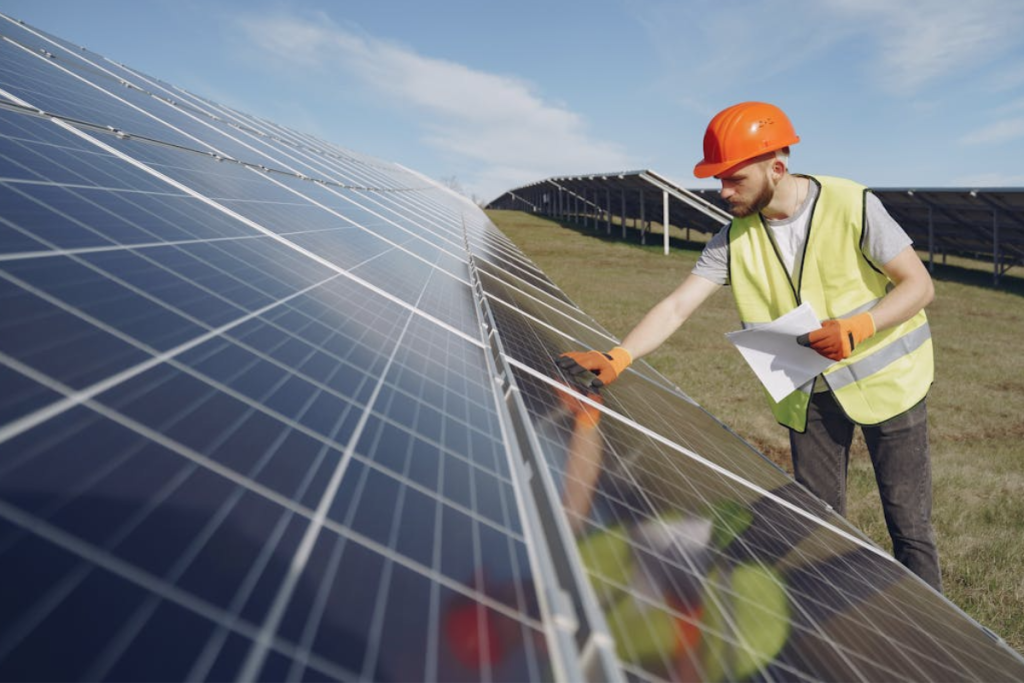
This policy support creates a clear path for companies to ‘Make in India’ for a green world, building a self-reliant and competitive domestic industry that global investors can partner with. The incentives are designed to make Indian manufacturing not just viable, but globally attractive.
Beyond stimulating supply, the government is also ensuring stable demand. Mechanisms like Renewable Purchase Obligations (RPOs) mandate that power distribution companies source a specific percentage of their energy from renewables, creating a captive market. Simultaneously, the growing trend of Corporate Power Purchase Agreements (PPAs) allows businesses to procure green energy directly, further driving demand and providing revenue certainty for investors in renewable projects.
This comprehensive approach is complemented by the proactive role of India’s financial regulators. The Reserve Bank of India (RBI) and the Securities and Exchange Board of India (SEBI) are actively fostering a green finance ecosystem. SEBI’s mandate for the Business Responsibility and Sustainability Report (BRSR) enhances transparency, while the government’s issuance of Sovereign Green Bonds has sent a powerful signal of confidence to the market, setting a benchmark for the entire industry.
The Investment Frontiers: India’s High-Growth Green Sectors
Beyond the policy documents and regulatory frameworks lies the tangible, multi-trillion-dollar opportunity spread across a diverse array of sectors. For global investors, understanding these key frontiers is crucial to tapping into India’s green growth story. Each sector presents a unique value proposition, backed by strong market fundamentals and clear government intent.
Renewable Energy: The Solar and Wind Powerhouse
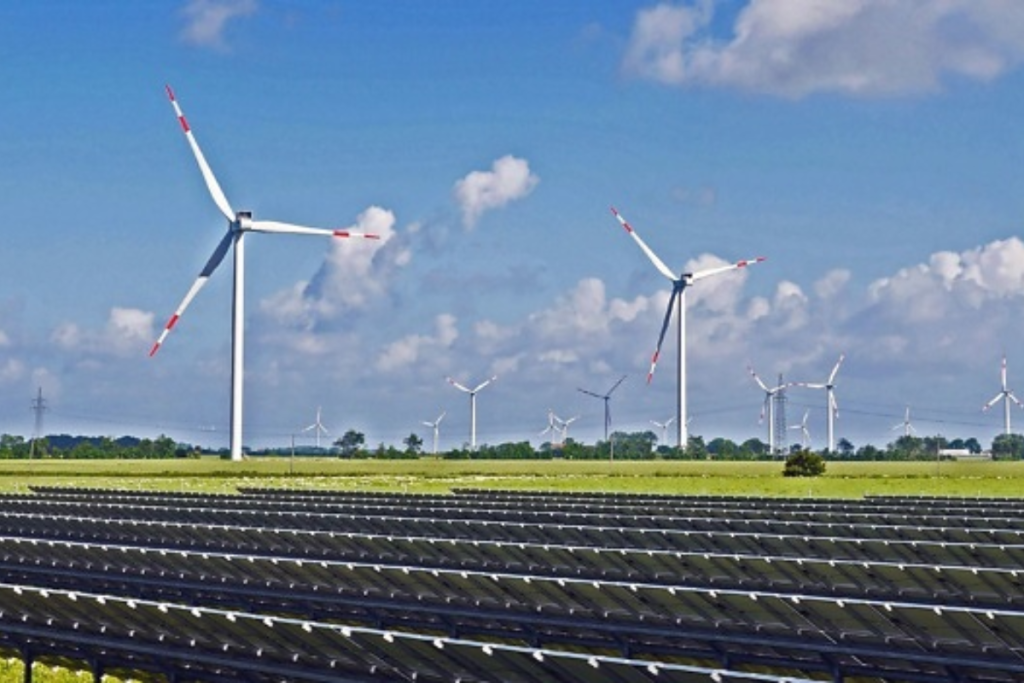
The most visible pillar of India’s green transition is its renewable energy sector. Having already achieved over 190 GW of non-fossil fuel capacity, India stands as the world’s fourth-largest market for renewables. The nation’s solar and wind generation capacity has skyrocketed, driven by a precipitous drop in costs.
Research from global energy bodies consistently shows that the levelized cost of energy (LCOE) for new utility-scale solar projects in India is lower than that of new coal-fired plants. This economic reality has made renewables the default choice for new capacity addition, creating a massive and sustained pipeline for investment in large-scale solar parks and wind farms.
The opportunity, however, is not limited to mega-projects. The rooftop solar segment is experiencing explosive growth, supercharged by schemes like the PM Surya Ghar Muft Bijli Yojana, which aims to solarize 10 million homes. This opens up a decentralized energy market for investors in manufacturing, installation, and financing, reaching every corner of the country.
Sustainable Mobility: The Electric Vehicle Revolution
India’s transport sector is on the cusp of an electric revolution. While the four-wheeler market is gaining traction, the real momentum is in the two and three-wheeler segments, which form the backbone of Indian mobility. The government’s FAME (Faster Adoption and Manufacturing of Hybrid and Electric Vehicles) scheme and state-level subsidies have ignited consumer demand.
For investors, the opportunities extend far beyond vehicle manufacturing. A critical bottleneck, and therefore a prime investment area, is the charging infrastructure. Building a dense, reliable network of public and private charging stations is essential. Another high-growth vertical is battery technology, spanning from raw material processing and cell manufacturing, supported by PLI schemes, to innovative Battery-as-a-Service (BaaS) models that reduce the upfront cost for consumers.
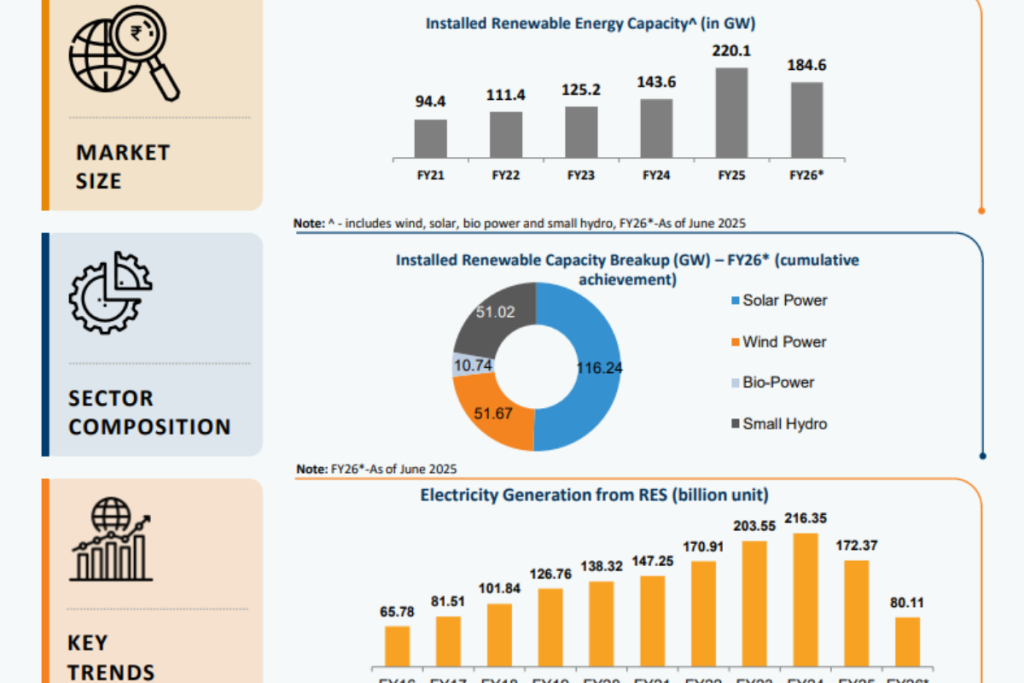
It details India’s growing renewable energy capacity and its composition.
Green Hydrogen: The Fuel of the Future
As detailed in the National Green Hydrogen Mission, India is making a strategic bet on becoming a global leader in this nascent industry. Leveraging its abundant sunshine and low-cost renewable power, the country is uniquely positioned to produce green hydrogen at a competitive price. This represents a ground-floor opportunity for investors.
The primary investment avenues include setting up electrolyzer manufacturing facilities and developing large-scale green hydrogen and green ammonia production plants. These products are vital for decarbonising domestic heavy industries and hold immense potential for export to markets like the EU and East Asia, making India a future powerhouse in the global clean energy supply chain.
Sustainable Agriculture: Cultivating a Greener Future
With over half its population dependent on agriculture, creating climate resilience in this sector is a national priority. This has unlocked a wave of innovation and investment in agri-tech. Opportunities abound in precision agriculture, smart irrigation systems that conserve water, and the development of climate-resilient crops.
Furthermore, the “waste-to-wealth” sub-sector is gaining prominence, focusing on converting agricultural residue into bio-energy and other valuable products. Grassroots initiatives are proving the efficacy of these models. For example, environmental social enterprise Earth5R’s sustainable agriculture programs have successfully trained farmers in climate-smart techniques, demonstrating a scalable model for improving livelihoods while reducing the sector’s environmental footprint.
Green Infrastructure: Building Tomorrow’s Cities
As India undergoes one of the largest urban transformations in history, the need for sustainable infrastructure is paramount. This opens up a vast market for green buildings, which prioritize energy efficiency and sustainable materials. Investors can find opportunities in manufacturing high-performance insulation, smart glass, and water-saving fixtures.
Beyond individual buildings, the focus is on creating smarter, more resilient urban systems. This includes investments in smart grid technology and large-scale energy storage solutions to manage renewable energy, as well as modern waste management systems that promote a circular economy through recycling and resource recovery. These infrastructure plays are long-term investments in the very foundation of a greener India.
The Financial Ecosystem: Mobilizing Green Capital
An ambitious green transition requires an equally ambitious financial architecture to support it. India is rapidly developing a sophisticated ecosystem to mobilize the trillions of dollars needed, creating a diverse range of instruments and platforms that offer global investors multiple entry points into its sustainable growth story.
The cornerstone of this financial push has been the emergence of a vibrant market for green bonds. Indian corporations have increasingly turned to this instrument to raise capital specifically for environmental projects. The market received a significant boost with the successful issuance of India’s maiden Sovereign Green Bonds, which were heavily oversubscribed, signaling immense investor appetite.

These sovereign bonds do more than just raise government funds, they act as a crucial benchmark for the entire market. They provide a clear pricing reference for corporate issuers and send a powerful message of stability and commitment to international investors looking for secure, long-term green investments.
Alongside public markets, private capital is flowing into the country’s most innovative green sectors. A surge in private equity and venture capital funding is fueling a new generation of green-tech startups. From battery technology and EV startups to circular economy platforms, risk capital is playing a vital role in funding the research and development that will power tomorrow’s green economy.
Recognizing that not all projects are immediately commercially viable, India is also leveraging blended finance mechanisms. These structures use public or philanthropic funds to de-risk investments, effectively absorbing initial risks to attract a much larger pool of private capital. This is crucial for pioneering new technologies and financing projects with longer gestation periods. The role of Foreign Direct Investment (FDI) remains paramount in this ecosystem, providing the scale of capital needed to match the scale of the opportunity.
The effort to mobilize capital also extends to the grassroots level. For instance, collaborative efforts like the green bond awareness programs conducted by Earth5R with the State Bank of India (SBI) highlight a crucial element of the strategy. By educating the public and retail investors, these initiatives help democratize green finance, building a broad and deep domestic capital base that complements large-scale institutional and foreign investment.
Navigating the Challenges: A Realistic Perspective
No transition of this scale and speed is without its complexities. For global investors, a clear-eyed understanding of the potential hurdles is as crucial as recognizing the opportunities. While India’s green story is overwhelmingly positive, navigating its dynamic market requires awareness of the challenges that can impact project timelines and returns.
A primary challenge lies in the gap between federal ambition and state-level execution. While national policies provide a strong directional signal, investors can sometimes face policy and regulatory inconsistencies on the ground. Delays in signing Power Purchase Agreements (PPAs) or navigating local administrative procedures can be significant hurdles, requiring patience and strong local partnerships.
Another major operational challenge is the need for supporting infrastructure, particularly for the power grid. The massive influx of intermittent renewable energy from solar and wind projects requires a stronger, smarter, and more flexible grid. This is akin to upgrading a city’s old plumbing to handle a powerful new water source, the grid requires significant investment in transmission, distribution, and storage to prevent bottlenecks.
Furthermore, land acquisition remains a persistent and sensitive issue for large-scale infrastructure projects in a densely populated country like India. Securing clear land titles for vast solar parks or wind farms can be a time-consuming process that requires careful due diligence and deep engagement with local communities to ensure projects proceed smoothly and equitably.
Finally, as sustainable finance moves from a niche to the mainstream, the risk of “greenwashing” becomes more pronounced. Investors need access to reliable, standardized data to verify the environmental claims of projects and companies. The need for robust impact measurement and transparent reporting is critical to maintaining the integrity of the green finance market.
These challenges, however, are not insurmountable roadblocks but rather manageable risks. The government is actively addressing these issues through initiatives like the PM Gati Shakti platform to streamline project approvals and SEBI’s mandatory BRSR framework to enhance corporate transparency. For savvy investors, many of these challenges, particularly in infrastructure, represent distinct and attractive investment opportunities in themselves.
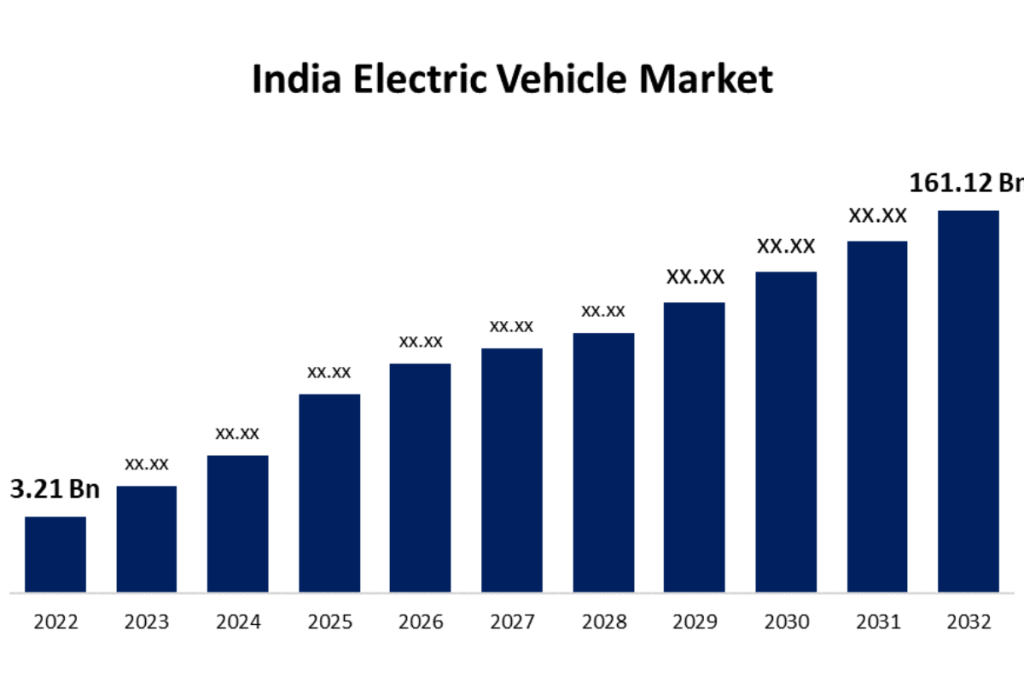
It shows the rapid, multi-billion dollar expansion expected in India’s EV market.
Case Studies from the Ground: The Tangible Impact of Green Action
Beyond the macroeconomic policies and large-scale investments, the success of India’s green transition is ultimately measured by its impact on the ground. Social enterprises like Earth5R demonstrate how national goals can be translated into powerful, community-led actions that generate environmental, social, and economic value simultaneously.
These grassroots initiatives offer a compelling preview of the tangible returns that green investments can yield. For instance, in Mumbai, the persistent challenge of urban pollution was tackled head-on through the Mithi River plastic waste cleanup project. By mobilizing local citizen volunteers, the project resulted in the removal of tonnes of plastic waste, directly improving the local ecosystem and showcasing a scalable model for urban environmental restoration.
The green transition also serves as a powerful engine for creating sustainable livelihoods. In some of Mumbai’s most densely populated slum areas, Earth5R, in partnership with corporates like Larsen & Toubro, has implemented horticulture and urban gardening programs. These projects equip residents with valuable skills, create local green spaces that mitigate the urban heat island effect, and open up new avenues for income generation.
These initiatives exemplify how investing in green skills can lead to profound social co-benefits, a key aspect of the ‘S’ in ESG (Environmental, Social, and Governance) considerations for investors.
Furthermore, these on-the-ground projects are building the foundation of a circular economy. Through community-focused e-waste collection and awareness drives, Earth5R helps channel electronic waste back into the formal recycling system. This not only prevents hazardous materials from ending up in landfills but also creates a reverse supply chain for valuable resources, demonstrating a practical and profitable model for resource management in an urbanizing India.

Conclusion: Investing in a Greener, Greater India
India’s journey towards a green economy is one of the most significant economic transformations of our time. It is a story not just of environmental necessity, but of deliberate policy, immense sectoral opportunity, and a rapidly maturing financial ecosystem. The path is clear, the political will is strong, and the market is ready.
The confluence of favorable government policies, from the National Green Hydrogen Mission to the Production Linked Incentive schemes, has created a fertile ground for investment. Opportunities that were once nascent, in areas like renewable energy, sustainable mobility, and green infrastructure, have now blossomed into multi-billion-dollar markets with a clear growth trajectory for decades to come.
For global investors, this represents a rare chance to participate in a foundational shift. Investing in India’s green transition is more than a portfolio decision, it is an investment in the very engine room of the 21st-century clean economy. It offers a strategic hedge against global supply chain volatility and a direct stake in a sustainable future.
While challenges exist, they are being met with concerted action and innovative solutions, many of which present new investment avenues themselves. The invitation from the world’s fastest-growing major economy is unambiguous. The moment is now to invest in India’s green ascent, partnering in a growth story that promises not just profitable returns, but a more resilient and sustainable planet for all.
Frequently Asked Questions (FAQs)
What is the estimated total investment opportunity in India’s green transition?
India’s transition to achieve its net-zero by 2070 goal is estimated to require over USD 10.1 trillion, presenting one of the largest green investment opportunities in the world for the coming decades.
What are the “Panchamrit” commitments and why are they important for investors?
The ‘Panchamrit’ is India’s five-fold commitment announced at COP26, including achieving 500 GW of non-fossil fuel capacity by 2030 and net-zero by 2070. They are important because they form the official, guiding framework for all of India’s green policies, providing long-term clarity and stability for investors.
Which sectors currently offer the most immediate opportunities for green investment?
The most immediate and large-scale opportunities lie in the renewable energy sector (utility-scale solar and wind), sustainable mobility (especially the electric two/three-wheeler ecosystem and charging infrastructure), and green infrastructure (energy-efficient buildings and waste management).
How does the government’s Production Linked Incentive (PLI) scheme support green investments?
The PLI scheme provides direct financial incentives to companies for manufacturing green technology, such as high-efficiency solar modules and advanced batteries, within India. This significantly de-risks investment in manufacturing by rewarding production volume and reducing reliance on imports.
Why is India considered a potential global hub for Green Hydrogen?
India’s abundant sunshine and falling costs of renewable energy give it a unique competitive advantage in producing low-cost green hydrogen. The National Green Hydrogen Mission further supports this with clear targets and incentives, aiming to make India a production and export leader.
What are the primary risks or challenges for foreign investors in this sector?
Key challenges include navigating regulatory inconsistencies between national and state levels, potential infrastructure bottlenecks like grid capacity, the complexities of land acquisition for large projects, and the need for robust data to avoid “greenwashing.”
How can a foreign investor participate in India’s green growth?
Investors can participate through various channels, including Foreign Direct Investment (FDI) in green projects, investing in India’s growing green bond market, allocating capital through private equity and venture capital funds focused on green-tech, or partnering with Indian companies.
What is the role of financial regulators like RBI and SEBI?
The Reserve Bank of India (RBI) and the Securities and Exchange Board of India (SEBI) are actively creating a conducive ecosystem for green finance. This includes developing frameworks for green bonds and mandating transparent ESG disclosures through the Business Responsibility and Sustainability Report (BRSR).
Is the Indian power grid prepared for the massive increase in renewable energy?
This is a recognized challenge. While India has made significant strides, the grid requires substantial modernization to handle the intermittency of renewables. This challenge itself presents a major investment opportunity in smart grids, energy storage solutions, and transmission infrastructure.
Are there green investment opportunities beyond the energy sector?
Yes, significant opportunities exist in sustainable agriculture (agri-tech, waste-to-energy), water management (treatment and conservation technology), green buildings (energy-efficient materials), and developing a circular economy (waste management and recycling).
What is a Sovereign Green Bond and why is it significant?
A Sovereign Green Bond is issued by the government to fund public sector projects with environmental benefits. Its significance lies in establishing a credible benchmark for the entire market, which helps in better pricing for corporate green bonds and boosts overall investor confidence.
How is India addressing the need for an EV charging infrastructure?
The government is actively promoting the rollout of public and private charging stations through subsidies and favourable policies. This area remains in a high-growth phase and is considered a critical bottleneck, representing a prime opportunity for investment.
What makes India’s two and three-wheeler EV market so attractive?
This segment forms the backbone of Indian personal and commercial mobility. High fuel prices, government subsidies, and a lower total cost of ownership are driving explosive growth, making it one of the largest and fastest-growing electric mobility markets globally.
What is “blended finance” and how is it being used?
Blended finance involves using public or philanthropic capital to de-risk projects, thereby attracting a larger pool of private investment. It is being used to support newer green technologies or projects that may have a longer path to commercial viability.
How does the Business Responsibility and Sustainability Report (BRSR) help investors?
The BRSR is a mandatory disclosure framework by SEBI that requires listed companies to report on their ESG performance in a standardized format. This increases transparency, reduces the risk of greenwashing, and allows investors to make more informed decisions.
What are Renewable Purchase Obligations (RPOs)?
RPOs are mandates that require power distribution companies and certain large consumers to source a minimum percentage of their energy from renewable sources. This creates guaranteed, predictable demand for renewable energy producers.
How is the challenge of land acquisition being managed?
The government is focusing on utilizing non-arable and wasteland for large-scale renewable projects. Additionally, innovative models like agrivoltaics (combining agriculture and solar panels on the same land) are being explored to optimize land use.
Are there opportunities in green finance itself?
Yes, beyond direct project investment, opportunities exist in financial services that support the green transition. This includes ESG rating agencies, green investment advisory services, and funds focused on sustainable assets.
How do grassroots initiatives contribute to the larger green transition?
Grassroots organizations build community engagement, create green livelihoods, and pilot innovative local solutions in areas like waste management and urban greening. They demonstrate the tangible social and economic co-benefits of the green transition, making the overall ecosystem more robust.
What is the long-term outlook for India’s green transition?
The long-term outlook is exceptionally strong, backed by unwavering political will, strong economic fundamentals, and increasing global investor interest. The transition is viewed not as a cost but as a core component of India’s strategy for future economic growth and energy security.
Partner in the Planet’s Pivotal Growth Story
The data has been presented, the policies are in place, and the path is paved. India’s green transition is moving forward with purpose and historic momentum. This is more than an investment thesis; it is an invitation to co-author a global story of sustainable prosperity.
The foundational pillars of a new, green economy are being set today. The choice is whether to observe this transformation or to power it.
We invite you to explore the opportunities, engage with the ecosystem, and connect with the innovators driving this change. The time to invest in a greener, greater India is now. Be a part of the solution; be a part of the legacy.
~ Authored by Abhijeet Priyadarshi