Earth5R

Rural sustainability in India is no longer an aspiration; it is an urgent national necessity. Over 65 percent of India’s population still depends on agriculture and related rural livelihoods, and the environmental health of these regions determines both food security and climate stability. Earth5R’s Rural Sustainability Program addresses this challenge with a holistic model that combines sustainable agriculture, environmental engineering, data-driven monitoring, renewable energy, and AI-enabled ecosystem design. The mission is to rebuild India’s rural landscape as a regenerative system, one that sustains soil, water, biodiversity, and livelihoods together.

This program evolved from Earth5R’s decade-long grassroots work with 1.2 million farmers and 430 villages across multiple states. Over the years, the organization has designed scalable models that balance economic opportunity with ecological restoration. Instead of viewing sustainability as a top-down intervention, Earth5R builds community-led systems where every farmer, cooperative, and local entrepreneur becomes an active participant in the transition toward regeneration.

Unlike traditional rural development models that focus on aid or subsidies, Earth5R’s work is grounded in climate data, field engineering, and measurable environmental outcomes. Every activity, whether it is an organic farming workshop or a watershed design, is digitally tracked through the Earth5R App, providing full visibility to partners, funders, and policymakers. This approach integrates rural sustainability with modern AI analytics, IoT sensors, and carbon accounting, ensuring that every effort contributes to India’s national sustainability and net-zero goals.

1. Organic Transition Program – Restoring the Soil, Restoring the Nation

At the core of rural sustainability lies the soil, the living foundation of agriculture, water cycles, and human nutrition. Earth5R’s Organic Transition Program is India’s most comprehensive initiative to help farmers shift from chemical-intensive practices to organic and regenerative agriculture. The program works on multiple levels: soil health improvement, organic input access, digital monitoring, and market linkage for organic produce.

The process begins with digital farmer onboarding through the Earth5R App. Each participating farmer is profiled with key details such as land size, crop type, soil condition, and water access. AI-based systems then recommend the best transition pathway for that specific region, suggesting composting techniques, cover cropping options, and nutrient management strategies.

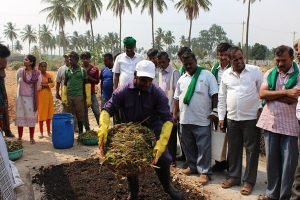
During the transition phase, Earth5R’s field teams conduct hands-on training on composting, biofertilizer usage, and natural pest management. Local demonstration plots are created where farmers observe yield improvements and cost savings in real time. Through this approach, organic farming becomes a visible and profitable alternative rather than a theoretical concept.

To ensure scalability, Earth5R collaborates with cooperatives, district agricultural officers, and banks to integrate financial support. Microloans and organic input subsidies are linked to verified data from the Earth5R App, ensuring that assistance reaches only active and compliant farmers. This data-backed model reduces corruption, strengthens trust, and builds a clear roadmap for national-level policy adoption.
2. Sustainable Agriculture Practices – Merging Science and Tradition

Sustainable agriculture in India is as much about reviving traditional wisdom as it is about applying modern science. Earth5R blends both by developing data-driven, locally adapted, and climate-smart farming systems that minimize environmental impact while improving productivity.

Our agronomists and engineers focus on five key pillars:

  • Soil Health Regeneration: Farmers are trained to use vermicompost, biochar, and microbial inoculants that restore soil structure and fertility. Each farm’s soil data, pH, organic carbon, nitrogen, phosphorus, and potassium levels, is recorded on a central dashboard for continuous tracking.
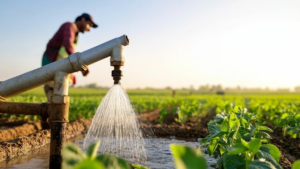
  • Water Efficiency and Irrigation Engineering: By deploying low-cost drip irrigation, solar water pumps, and rainwater harvesting ponds, villages reduce water wastage by up to 40 percent. AI-based hydrological models predict irrigation demand based on temperature and rainfall trends, allowing farmers to optimize usage and save resources.
  • Agroecological Zoning and Crop Diversification: Satellite data and AI analysis identify which crops perform best in specific microclimates. This ensures resilient harvests, reduces monocropping, and improves income stability.
  • Bio-Input Integration: Earth5R promotes the use of local inputs, compost, cow dung, neem, and herbal biopesticides, to replace synthetic chemicals. By supporting decentralized bio-input production units, the program reduces costs and strengthens village economies.
  • Pollinator and Biodiversity Management: Flower strips, native tree plantations, and buffer zones are introduced within farms to protect pollinators and improve natural pest control.

This integration of technology, tradition, and training has proven that sustainability can be profitable. Farmers report higher yields, improved soil texture, and better long-term returns, showing that regenerative agriculture can power both ecology and economy.

3. Carbon Credit and Nature Intelligence Systems

The world today recognises the importance of carbon-positive farming, but small and marginal farmers rarely receive credit for the environmental value they generate. Earth5R bridges this gap through its Nature Intelligence and Carbon Credit Platform, which creates verifiable digital identities for farms and ecosystems.

Every sustainable activity, composting, tree planting, reduced chemical use, or water conservation, is logged via the Earth5R App with GPS and timestamp verification. This data feeds into AI algorithms that calculate carbon sequestration and emission reduction at the farm level. Each farmer’s contribution becomes part of a larger carbon dataset that can be aggregated and traded through certified carbon registries.

The platform introduces the concept of Nature IDs, unique digital profiles that track soil organic carbon, biodiversity indices, and water usage over time. These IDs make it possible for banks, corporates, and policymakers to measure the true climate impact of their investments.

Through this data-driven system, Earth5R is building a transparent and equitable carbon economy where farmers are not just beneficiaries but active stakeholders in global climate solutions.

4. Farmer Training and Capacity Building – Knowledge as Infrastructure

Infrastructure alone cannot create sustainability without knowledge. Earth5R invests deeply in human infrastructure, the training, awareness, and empowerment of rural communities.

Each region receives tailored training modules developed in local languages. Workshops cover everything from soil regeneration and composting to renewable energy and financial literacy. For example, farmers in semi-arid regions are trained on drought-resilient crop varieties and water harvesting, while those in flood-prone zones learn about drainage and seed selection.

Earth5R’s training centres are equipped with interactive digital displays that use AI-enabled learning tools to customize lessons according to literacy levels and local challenges. The curriculum is supported by field demonstrations, mobile-based quizzes, and progress tracking.

The organization also identifies and trains Sustainability Facilitators, local youth who become community educators and data managers. This model ensures long-term continuity and creates local leadership pipelines. As a result, thousands of farmers have transitioned from being passive recipients of knowledge to active environmental problem solvers.

5. Rural Livelihood and Skill Development – Economic Empowerment through Ecology

True sustainability cannot exist without economic inclusion. Environmental stability and financial growth must progress together if rural India is to achieve long-term climate resilience. Earth5R’s Rural Livelihood and Circular Economy Initiatives turn ecological restoration into a reliable source of income, ensuring that farmers, women, and youth all benefit from the shift toward sustainability. Every project links environmental progress with measurable financial outcomes, making regeneration an economic opportunity rather than a social obligation.

  • Circular Waste Enterprises
    Rural India generates large quantities of agricultural waste, straw, husk, crop residues, and organic leftovers, that often go unused or are burnt, releasing harmful emissions. Earth5R trains villagers to segregate, collect, and repurpose this waste into useful materials such as compost, biochar, and eco-construction blocks. These community-run units provide full-time and part-time jobs in collection, sorting, and production while reducing open burning and soil pollution. By converting low-value waste into marketable goods, each village becomes a small-scale circular economy hub that supports local farmers and contributes to India’s carbon reduction goals.
  • Organic Input Production Units
    Alongside composting, Earth5R helps rural entrepreneurs set up decentralized bio-input production facilities that manufacture organic fertilizers, microbial cultures, and bio-pesticides. These units are equipped with low-cost machinery and guided by environmental engineers who ensure quality and safety standards. The products are sold to nearby farms, reducing transportation emissions and input costs. Over time, these units evolve into self-sustaining cooperatives that make organic farming economically viable and scalable across regions.
  • Women’s Green Entrepreneurship Networks
    Women’s participation is central to Earth5R’s rural sustainability framework. Through intensive training and mentorship, self-help groups learn to produce eco-friendly items like natural detergents, herbal sprays, and organic fertilizers. The organization also provides guidance in packaging, pricing, and digital marketing so that these products can reach local fairs and e-commerce platforms. Beyond income generation, these networks nurture confidence and leadership among women, turning them into active change-makers who drive both economic growth and environmental responsibility in their communities.
  • Community Eco-Hubs for Women Cooperatives
    Many villages now operate community-owned “Eco-Hubs” where women collaborate to recycle local waste, produce fertilizers, and manage sales collectively. These hubs function as demonstration and training centres that attract buyers, schools, and CSR partners interested in supporting green entrepreneurship. The shared model reduces costs, spreads risk, and builds long-term resilience through peer learning and collective ownership.
  • Youth Green Skill Programs
    Rural youth are among the most affected by unemployment and migration. Earth5R reverses this trend through structured training in solar maintenance, rainwater harvesting, sustainable construction, waste processing, digital mapping, and climate communication. Young participants gain both hands-on technical experience and exposure to digital tools like the Earth5R App for field data entry and monitoring. Graduates often form Village Sustainability Teams, providing paid services for compost setup, renewable-energy installation, and water-management projects. This creates a permanent layer of green professionals who anchor sustainability within their local economies.
  • Digital and Financial Literacy for Youth
    Alongside technical skills, participants are trained in financial literacy, bookkeeping, and smartphone-based documentation. They learn to track project expenses, record environmental outcomes, and communicate with government schemes or CSR sponsors online. This builds the foundation for transparent, data-driven entrepreneurship in the countryside.
  • Artisan and Upcycling Clusters
    In partnership with local artisans, Earth5R promotes upcycling of discarded materials, plastic wrappers, textiles, glass, and metal, into handicrafts, home décor, and construction panels. These clusters merge traditional artistry with modern sustainability concepts, offering new markets for rural artisans and aligning their work with global eco-design trends.
  • Renewable-Energy Livelihoods
    Rural electrification creates another employment stream. Villagers are trained to assemble, maintain, and repair solar lanterns, micro-grids, and solar-drying systems. Women’s groups often operate solar dryers for food preservation, enabling them to sell dried fruits, herbs, and grains year-round. These renewable-energy ventures lower energy costs and open micro-enterprise opportunities linked to food processing and value addition.
  • Eco-Tourism and Heritage-Based Livelihoods
    Some villages possess natural or cultural heritage assets that can support low-impact eco-tourism. Earth5R helps communities design and manage nature trails, homestays, and agro-tourism farms with minimal ecological footprint. Youth are trained as eco-guides and naturalists, creating income from conservation rather than extraction.
  • Integrated Market Linkages and Cooperative Branding
    To sustain income beyond the local market, Earth5R supports branding and cooperative marketing of eco-products. Packaging carries traceable QR codes that connect each item to verified environmental data from the Earth5R platform. This transparency appeals to conscious consumers and corporate buyers seeking authentic ESG-aligned sourcing.
  • Impact Measurement and Data Transparency
    Every livelihood project is monitored digitally through the Earth5R App, which captures location, quantity, and value of materials processed or sold. Environmental outcomes, such as waste diverted, carbon reduced, or water saved, are displayed alongside financial indicators like revenue and savings. This combination of ecological and economic data makes projects measurable, replicable, and bankable, allowing investors and CSR partners to fund initiatives with full confidence in their returns.
  • Partnership with Banks and CSR Programs
    Earth5R’s verified data enables financial institutions to design credit and insurance products for small entrepreneurs. CSR sponsors also use this information to measure real-time social and environmental returns on investment. By linking grassroots work to formal finance, sustainability moves from grant-based dependence to performance-based growth.
  • Social Transformation Outcomes
    Beyond income, these livelihood programs reshape rural society. Migration reduces as stable local jobs emerge; women gain leadership roles; youth become community innovators; and environmental awareness becomes part of everyday life. The visible success of these ventures attracts neighbouring villages, spreading the model organically without external push.

Through this network of circular enterprises, women-led cooperatives, and skilled youth teams, Earth5R is building a new rural economy where ecology and employment strengthen one another. These initiatives redefine prosperity for rural India, where earning a livelihood also means restoring soil, conserving water, and protecting biodiversity. This is how Earth5R turns sustainability into an engine of empowerment and ensures that economic growth and environmental care grow from the same root.

6. Water Resource Management and Environmental Engineering

Across India, thousands of villages swing between two extremes, drought during summer and floods during monsoon. Both are symptoms of fragmented water systems and the loss of natural hydrological balance. Earth5R’s Water Resource Management and Environmental Engineering Program tackles these challenges through a scientific, data-driven approach that integrates traditional wisdom with modern technology. The goal is to design self-sustaining village-level water ecosystems that capture, store, treat, and reuse water efficiently.

Through the combined efforts of engineers, hydrologists, community workers, and local Panchayats, Earth5R creates models that are not just infrastructural but ecological, systems that treat water as a renewable asset rather than a seasonal crisis. Using tools like GIS mapping, drone surveys, and IoT-based monitoring, the program transforms rural areas into climate-resilient hydrological zones where every drop of water is tracked, valued, and reused.

  • Hydrological Mapping and Catchment Modelling
    Every project begins with detailed hydrological mapping of the region. Earth5R’s engineers use drones, LiDAR scans, and GIS-based contour mapping to identify water flow patterns, catchment boundaries, and recharge points. By analysing soil permeability, vegetation density, and rainfall distribution, they determine where interventions will have the highest impact. These maps form the backbone of the design phase, ensuring that every structure, pond, bund, or trench, is positioned scientifically. This method replaces guesswork with data-backed watershed design, which leads to long-term water balance restoration.
  • Watershed Restoration and Soil Conservation Engineering
    Once mapping is complete, Earth5R’s field engineers construct a range of nature-integrated infrastructure, check dams, contour bunds, gabion walls, and percolation trenches. These structures slow down surface runoff, allowing water to percolate into the ground and recharge aquifers. The process simultaneously prevents soil erosion and enhances groundwater retention. Where feasible, bioengineering techniques like vetiver grass bunds and bamboo fencing are used to stabilize soil and increase infiltration. In some regions, Earth5R also revives abandoned village ponds and tanks, linking them to catchments through small channels that recreate natural water flow networks.
  • Rainwater Harvesting and Storage Systems
    Beyond watershed work, Earth5R designs community rainwater harvesting systems for schools, Panchayat buildings, and households. Rooftop collection units and underground tanks ensure that even short bursts of rainfall are captured and stored safely. By connecting these systems with drip irrigation or household filtration units, villages gain reliable water access throughout the year.
  • Greywater Treatment and Reuse
    Most rural households discharge greywater, used water from washing, cleaning, and kitchens, directly into open drains, causing stagnation and contamination. Earth5R introduces decentralized wastewater treatment systems (DEWATS) that use natural filtration through gravel, sand, and reed beds. The treated water is channelled back for irrigation or groundwater recharge. These low-cost systems are easy to maintain and do not depend on electricity, making them ideal for rural conditions. The result is a closed-loop water cycle that minimizes waste and maximizes reuse.
  • Groundwater Recharge and Aquifer Revival
    In drought-prone areas, Earth5R promotes aquifer recharge systems such as recharge pits, injection wells, and percolation tanks. Using water flow modelling and soil testing, engineers determine the exact depth and composition required to ensure effective infiltration. Over time, these systems raise groundwater tables, restoring wells that had previously run dry. Farmers benefit directly through improved irrigation access and reduced reliance on borewells.
  • Monitoring through IoT Sensors and Digital Dashboards
    Every Earth5R water project is monitored digitally for precision and transparency. IoT sensors are installed in wells, tanks, and recharge points to measure groundwater levels, flow rates, and rainfall intensity. The data is transmitted in real time to the Earth5R Sustainability Dashboard, where engineers and local authorities can track the performance of each intervention. This technology ensures that outcomes are not anecdotal but data-verified, allowing decision-makers to refine designs or expand successful models.
  • AI-Based Water Management Models
    Using data from multiple projects, Earth5R’s research team applies AI algorithms to predict future water availability, identify risk zones, and optimize water allocation. These models integrate meteorological data, soil health parameters, and land-use changes to create early warnings for drought or flood risk. Villages receive practical guidance on adjusting irrigation schedules or implementing protective measures before crisis strikes.
  • Community Participation and Water Literacy
    Technology alone cannot sustain water systems without community ownership. Earth5R organizes water literacy campaigns to educate villagers about water budgeting, safe storage, and pollution control. Local youth are trained as Water Champions, responsible for recording rainfall data, monitoring storage levels, and maintaining infrastructure. These community custodians ensure that systems built through engineering are preserved through awareness and accountability.
  • Integration of Traditional Wisdom with Modern Engineering
    Many ancient Indian water systems, like stepwells, johads, and tank cascades, were designed around natural hydrology. Earth5R studies these local traditions and integrates their design logic with modern environmental engineering. For example, traditional tank networks in Tamil Nadu are restored using modern desilting machines and IoT monitoring, merging heritage and innovation in one framework. This hybrid approach ensures cultural continuity while achieving measurable hydrological results.
  • Linking Water Projects with Agriculture and Livelihoods
    The benefits of better water management extend far beyond availability. Restored watersheds support increased agricultural productivity and enable farmers to diversify crops. Fish farming, floriculture, and horticulture emerge as new livelihood options around community ponds. Women’s groups often manage these enterprises, earning income while maintaining ecological balance. Water projects thus act as multipliers for both environmental and economic sustainability.
  • Disaster Mitigation and Climate Resilience
    Villages equipped with proper watershed systems and real-time monitoring become naturally more resilient to climate shocks. Controlled runoff prevents flash floods, while recharged aquifers provide drought relief. Earth5R’s climate resilience framework uses predictive analytics to identify vulnerable zones and recommend preventive engineering measures before disasters occur. By embedding this intelligence at the village level, the program converts vulnerability into preparedness.

These water engineering and management projects collectively transform villages into living hydrological ecosystems, where every drop of water serves a purpose and no resource is wasted. The approach blends science, data, and local participation to rebuild the natural balance that sustains rural life. Over time, such interventions not only stabilize agriculture and recharge groundwater but also reduce climate migration and improve public health.

By treating water as a shared community asset rather than a commodity, Earth5R’s model creates villages that are water-secure, flood-resistant, and environmentally self-reliant. Each project demonstrates that sustainable water management is not just about engineering structures, it is about designing harmony between people, land, and the life-giving cycles of nature.

7. Technology, AI, and Data – The Engine of Rural Transformation

In modern rural development, data is not just a record of change, it is the foundation of intelligent decision-making. Technology now plays a central role in transforming how sustainability is planned, measured, and scaled across India’s villages. Earth5R’s Rural Sustainability Program integrates artificial intelligence (AI), Internet of Things (IoT), satellite data, and blockchain transparency to ensure that every intervention is evidence-based, adaptive, and verifiable. The use of technology bridges the long-standing gap between rural wisdom and scientific precision, making each sustainability project smarter with every action recorded and analysed in real time.

The digital backbone of Earth5R’s work transforms villages into living data ecosystems where agriculture, water, waste, and livelihood systems are interconnected through technology. These systems collect and process millions of data points, turning them into actionable insights for farmers, cooperatives, and policymakers. Technology not only increases efficiency but also builds trust, every claim of impact, every metric of improvement, and every ton of carbon saved is backed by transparent, data-verified evidence.

  • AI for Predictive and Precision Farming
    Earth5R’s predictive farming models use machine learning algorithms that process satellite imagery, soil composition data, and micro-climatic information to forecast agricultural challenges before they occur. These algorithms predict rainfall variations, pest outbreaks, disease risks, and nutrient deficiencies in specific crops. Farmers receive easy-to-understand alerts and actionable recommendations through SMS messages and app notifications in their local language, enabling timely intervention. This AI-enabled foresight reduces crop losses, optimizes input usage, and supports decision-making that is both data-informed and environmentally sustainable. Over time, predictive AI transforms reactive farming into proactive and precision agriculture, helping farmers save costs and conserve resources simultaneously.
  • IoT-Based Farm Sensors and Smart Agriculture Devices
    To make real-time monitoring possible at the grassroots level, Earth5R deploys IoT-based sensors that collect continuous data on soil moisture, pH, temperature, and humidity. These sensors are connected to solar-powered nodes that transmit information to the Earth5R cloud dashboard. Farmers and agronomists can access live readings through mobile interfaces, allowing them to fine-tune irrigation cycles, fertilizer application, and pest control practices. This data-guided precision prevents overwatering, minimizes chemical waste, and increases yield efficiency. In addition, micro-weather stations installed in select districts capture hyperlocal climate data, allowing communities to prepare for changing rainfall or temperature patterns.
  • AI-Driven Soil and Water Intelligence Platform
    Beyond individual farms, AI models analyse cumulative data from hundreds of villages to identify soil degradation trends, declining water tables, and land-use shifts. The system produces Soil Health Indices and Water Availability Maps, giving planners and government agencies the ability to target interventions where they are needed most. By integrating remote sensing data with ground reports, Earth5R builds a comprehensive environmental intelligence system that links natural resource management with climate adaptation strategies.
  • Blockchain Traceability for Organic and Sustainable Produce
    Transparency is critical for building market confidence in organic and sustainable products. Earth5R uses blockchain technology to document every stage of the supply chain, from seed to harvest to packaging to retail. Each product is linked to a unique QR code that consumers can scan to view details such as farm location, farmer name, certification status, and environmental metrics like soil carbon or water usage. This immutable record of authenticity assures consumers of the product’s sustainability and opens premium market opportunities for farmers. It also prevents fraud in the organic sector and enables corporates to verify ESG-linked sourcing claims with full traceability.
  • Drone Mapping and Satellite Monitoring
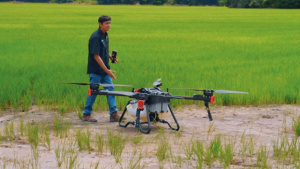
    High-resolution drone mapping is used to track crop growth, soil erosion, and vegetation cover. Satellite imagery supplements these insights with seasonal land-use patterns and climate data. Together, they create a visual intelligence layer for rural planning, helping engineers design better watershed systems, agronomists select resilient crops, and policymakers monitor the progress of environmental restoration. Drones also document before-and-after results for CSR and ESG reporting, making visual verification an integral part of project transparency.
  • District Sustainability Dashboards and Policy Integration
    One of Earth5R’s most impactful innovations is the creation of District Sustainability Dashboards, which consolidate environmental, agricultural, and socio-economic data from multiple villages. These dashboards provide district administrations, banks, and corporate partners with insights on water availability, soil fertility, carbon sequestration, and livelihood outcomes. The platform enables policymakers to prioritise funding, assess risks, and allocate resources with accuracy. By converting raw data into visual, policy-ready intelligence, Earth5R bridges the gap between on-ground action and regional planning.
  • Mobile-Based Data Collection and Farmer Participation
    Every farmer enrolled in Earth5R’s program contributes to this digital ecosystem. The Earth5R App allows farmers and local coordinators to log activities such as compost production, training attendance, or irrigation schedules with photographs and location tags. This participatory data approach ensures community ownership and inclusivity while maintaining accuracy and transparency. Local youth are trained as Data Facilitators, responsible for collecting and validating information, creating employment and digital literacy alongside sustainability.
  • AI and Machine Vision for Crop Quality Assessment
    Earth5R is piloting the use of machine vision systems that capture crop images through mobile cameras and automatically detect quality, disease symptoms, or nutrient stress. This technology reduces dependency on laboratory testing and enables on-the-spot quality assessment. The results feed back into the predictive AI system, further improving accuracy for future crop cycles.
  • Data Integration with Carbon and ESG Platforms
    The same datasets used for farming and resource management are integrated into Earth5R’s carbon credit verification and ESG reporting frameworks. This interoperability allows every litre of saved water, every ton of compost generated, or every hectare of restored soil to be quantified as part of measurable climate benefits. Corporates can directly link their investments to real-time carbon offset data, creating traceable and verifiable ESG performance records.
  • Cybersecurity, Data Ethics, and Open Access Principles
    Recognizing that sustainability data belongs to the communities who generate it, Earth5R follows strict data ethics and open-access principles. Farmers retain access to their own data records and can view aggregated reports through community dashboards. Secure encryption and anonymization ensure privacy, while open-data models allow academic institutions and government agencies to use anonymized datasets for research and policy development. This balance between transparency and protection strengthens both trust and innovation.

These technologies form an integrated digital nervous system for rural India. Every water structure, composting unit, and farm plot becomes a data node contributing to a national sustainability intelligence network. AI models learn continuously from each project, improving predictive accuracy and optimizing resource allocation.

Through this digital infrastructure, Earth5R turns rural sustainability from an idea into a measurable science. Villages evolve into smart rural ecosystems, self-learning, self-correcting, and deeply connected to global climate data systems. Technology, in this vision, is not replacing traditional knowledge but amplifying it, ensuring that the wisdom of farmers meets the precision of modern data.

This combination of AI, IoT, satellite monitoring, and blockchain transparency makes Earth5R’s rural programs uniquely verifiable and scalable. It ensures that sustainability is not only practiced but proven, and that every drop of water saved, every kilogram of compost produced, and every hectare of restored land is visible, traceable, and part of India’s collective journey toward a regenerative future.

8. Community Governance and Cooperative Development

Rural sustainability cannot be delivered through external intervention, it must be nurtured through local governance, collective ownership, and community accountability. True change takes root when people manage their own natural and social resources with awareness and responsibility. Earth5R’s Community Governance and Cooperative Development Program builds frameworks where villagers, farmers, and local institutions collaborate to govern water, waste, soil, and livelihoods as shared assets. These systems are designed to outlast any single project or funding cycle, ensuring that sustainability becomes a community habit rather than a temporary activity.

By combining traditional Panchayat systems with data-driven decision-making, Earth5R promotes decentralized governance models that align social structures with environmental priorities. Villagers are not just beneficiaries, they are planners, implementers, and monitors of their own sustainability programs. Each project establishes local institutions and digital mechanisms that make collective management transparent, measurable, and self-sustaining.

  • Village Sustainability Councils
    Every participating village forms a Village Sustainability Council (VSC) comprising farmers, women leaders, teachers, youth, and local government representatives. These councils oversee water conservation, renewable energy adoption, waste management, and agricultural sustainability. Members receive orientation in environmental literacy, financial planning, and data documentation so they can make informed decisions. The councils create Village Sustainability Plans, outlining goals, resource allocation, and annual targets. Over time, the VSC becomes the local decision-making nucleus that ensures long-term environmental stewardship. By fostering shared responsibility, these councils transform citizens from passive observers into active custodians of their ecosystems.
  • Farmer Producer Organizations (FPOs) and Cooperative Strengthening
    Earth5R recognizes that small and marginal farmers can achieve scale only through collective enterprise. The program therefore supports Farmer Producer Organizations (FPOs) and agricultural cooperatives to professionalize their operations. FPO members receive training in business planning, value addition, digital record-keeping, and marketing. They also learn about organic certification processes, traceability standards, and ESG compliance, allowing them to sell produce at better prices in premium markets. Through cooperative aggregation, farmers gain bargaining power for inputs and access to institutional finance, making sustainable farming economically feasible. Earth5R also facilitates linkages between FPOs and corporate supply chains that seek verified sustainable produce.
  • Participatory Data Collection and Monitoring
    A key strength of Earth5R’s governance model is its participatory data approach. Using the Earth5R App, villagers record daily sustainability actions such as composting, tree plantation, or water conservation. Each entry is geo-tagged, timestamped, and verified by local data coordinators, ensuring transparency. This participatory monitoring creates a digital governance ecosystem, where citizens and local authorities can jointly track progress, review performance dashboards, and adjust strategies in real time. The inclusion of citizens in data collection not only improves accuracy but also deepens ownership, villagers can literally see the outcomes of their work through visual analytics.
  • Women and Youth Representation in Decision-Making
    Earth5R places strong emphasis on inclusive governance. Women and youth are given mandated representation within councils and cooperatives to ensure that diverse perspectives guide decisions. Women often lead waste management and livelihood subcommittees, while youth take charge of digital data entry, awareness campaigns, and environmental audits. This balance ensures that governance reflects the full fabric of rural society and creates a new generation of sustainability leaders at the grassroots level.
  • Integration with Panchayati Raj and Local Institutions
    To prevent overlap and enhance legitimacy, Earth5R integrates its governance structures with the Panchayati Raj system and existing government committees. Local Panchayat leaders are included in sustainability councils, ensuring alignment between community priorities and official development plans. This partnership model reduces bureaucracy and speeds up implementation, while giving citizens direct channels to influence government-funded programs in water, sanitation, and renewable energy.
  • Transparency and Accountability Mechanisms
    Governance succeeds only when accountability is visible. Earth5R trains councils to maintain transparent records of funds, project milestones, and resource distribution. Financial and environmental reports are displayed publicly in community halls and updated digitally on the Earth5R platform. The combination of data verification and public disclosure prevents misuse and builds credibility among stakeholders and sponsors.
  • Conflict Resolution and Peer Learning Platforms
    As new systems evolve, resource-sharing conflicts or operational challenges may arise. Earth5R facilitates peer learning and mediation sessions where different village councils share best practices and collectively resolve disputes. This cooperative dialogue transforms potential conflicts into learning opportunities, strengthening social bonds and ensuring continuity of collective management.
  • Long-Term Self-Reliance and Institutional Continuity
    The ultimate goal of community governance is independence. Once trained and operational, local councils and cooperatives manage funds, monitor outcomes, and maintain infrastructure without external intervention. Earth5R continues to provide remote guidance and performance analytics, but ownership remains with the community. By the end of each project cycle, these local institutions become self-sustaining governance systems capable of planning their own sustainability initiatives and applying for government or CSR funding autonomously.

These community-led governance systems ensure that rural sustainability is not a one-time project but an ongoing democratic process. When villagers control their water systems, waste cycles, and livelihood networks, environmental stewardship becomes part of everyday decision-making.

Through these frameworks, Earth5R transforms villages into micro-models of participatory democracy and ecological management, where people’s voices and scientific data guide the same agenda. Over time, these self-reliant institutions evolve into regional sustainability clusters that can influence policy, attract investment, and share knowledge with neighbouring communities. This is how Earth5R builds a culture of governance that grows stronger with every season, one that safeguards natural resources while empowering people to lead their own path toward regeneration and resilience.

9. Climate Resilience and Biodiversity Restoration

Climate change is reshaping the rhythm of rural life across India. Erratic rainfall, prolonged droughts, rising temperatures, and shifting pest patterns are threatening both livelihoods and ecosystems. For millions of farmers who depend on predictable weather and stable soil, these disruptions are not distant environmental issues, they are daily realities. Earth5R’s Climate Resilience and Biodiversity Restoration Program provides a practical, science-based response to these challenges. It combines environmental engineering, AI-enabled climate analytics, renewable energy integration, and biodiversity restoration to make villages adaptive, regenerative, and self-reliant in the face of changing climate conditions.

This framework recognizes that resilience is not built through emergency relief or isolated infrastructure, it grows from healthy ecosystems, informed communities, and continuous adaptation. By restoring natural systems and integrating local knowledge with modern science, Earth5R enables rural India to withstand shocks while sustaining economic progress.

  • Agroforestry and Regenerative Land Use Models
    Agroforestry forms the backbone of Earth5R’s climate adaptation strategy. Farmers are trained to plant native trees, fruit-bearing species, and nitrogen-fixing plants along field boundaries and water channels. These trees not only provide additional income through fruits, fodder, or timber but also protect crops from heat stress and wind erosion. The root systems enhance soil organic matter, increase moisture retention, and reduce runoff, making farms more drought-resistant. Through mixed cropping and multilayer plantation, microclimates are stabilized and biodiversity is naturally restored. In several pilot districts, such integrated land use has improved soil fertility by up to 25 percent and reduced fertilizer dependency significantly.
  • Climate-Resilient Agriculture Practices
    Earth5R promotes low-input, climate-smart agricultural practices that reduce vulnerability and enhance productivity. These include conservation tillage, crop rotation, use of drought-tolerant varieties, and organic mulching. AI-based analysis of soil and rainfall data guides farmers on optimal sowing periods and irrigation schedules. By reducing dependency on external inputs and unpredictable weather, these measures build long-term resilience at the farm level.
  • Renewable Energy Integration in Agriculture
    Energy security is central to climate resilience. Earth5R facilitates the installation of solar-powered irrigation pumps, dryers, and cold-storage systems, helping farmers reduce fossil fuel usage and operational costs. Solar dryers extend the shelf life of produce, allowing farmers to sell during off-season months at better prices. Community-owned solar microgrids supply clean power to schools, water pumps, and processing units, demonstrating how renewable energy can make villages self-sufficient while cutting carbon emissions.
  • Water-Smart Infrastructure and Flood-Drought Mitigation
    In regions where water stress alternates between scarcity and flooding, Earth5R’s engineering teams design dual-purpose water management systems. These include storage ponds, elevated tanks, and contour channels that capture excess monsoon runoff and release it gradually during dry months. IoT-based water-level sensors alert farmers and local councils to prevent overuse or flooding. These climate-sensitive designs ensure that communities can adapt to both extremes without external dependence.
  • AI-Based Climate Mapping and Risk Forecasting
    To bring precision into local planning, Earth5R employs AI-based climate mapping tools that combine meteorological, topographical, and hydrological data. Predictive models identify drought-prone and flood-prone zones, enabling proactive design of infrastructure, crop planning, and insurance schemes. These maps also integrate soil carbon and vegetation indices, helping policymakers evaluate the long-term resilience potential of each district. Farmers can access simplified risk forecasts through the Earth5R App, allowing them to adjust planting schedules and resource allocation ahead of time.
  • Biodiversity Restoration as a Climate Shield
    Biodiversity is nature’s own insurance system against climate shocks. Earth5R embeds biodiversity restoration into every project by reintroducing native species, restoring wetlands, and building ecological corridors. The program supports community seed banks that preserve indigenous crop varieties adapted to local climates, ensuring food security even during extreme weather. Bird corridors, pollinator gardens, and butterfly zones are created around farms and schools to maintain ecosystem balance. These habitats not only enhance pollination and pest control but also rebuild cultural and ecological connections within the community.
  • Community Nurseries and Seed Sovereignty
    Earth5R establishes community-run nurseries where local youth and women cultivate seedlings of native trees, medicinal plants, and agroforestry species. These nurseries supply saplings for village plantation drives and sell surplus to nearby towns, generating income. At the same time, seed sovereignty initiatives empower farmers to conserve and exchange traditional crop varieties, reducing dependency on commercial seed systems. This dual benefit, ecological restoration and local income, creates a cycle of self-sustaining resilience.
  • Climate Education and Village Awareness Programs
    Long-term resilience depends on awareness and participation. Earth5R conducts village climate education sessions to explain how daily activities, such as burning crop residue, deforestation, or overuse of groundwater, affect the local climate. Using visual tools and gamified mobile modules, farmers and students learn about carbon cycles, soil regeneration, and biodiversity protection. These awareness programs transform rural communities into active climate stewards capable of making informed local decisions.
  • Integration with Carbon Farming and Climate Finance
    Data collected through AI and IoT systems feeds directly into carbon accounting frameworks, allowing farmers to quantify the climate value of their regenerative practices. This verified data can be used to access carbon credits or climate-linked incentive schemes through Earth5R’s Nature Intelligence Platform. By monetizing positive climate action, the program converts sustainability into a viable income source, reinforcing long-term behavioural change.
  • Monitoring, Verification, and Continuous Adaptation
    Every climate resilience intervention is monitored digitally through the Earth5R Dashboard, which integrates environmental data with social indicators. The system tracks metrics such as soil organic carbon, water table recovery, biodiversity counts, and renewable energy generation. Regular data reviews help local councils adapt plans based on performance, ensuring that resilience is a continuous process, not a static outcome.

Through these interlinked systems, agroforestry, renewable energy, AI mapping, and biodiversity restoration, Earth5R is redefining what rural climate action looks like in practice. Villages become self-sustaining ecological networks where natural resources regenerate faster than they are used. Instead of reacting to climate disasters, communities anticipate and adapt, supported by data, design, and local governance.

Earth5R’s Climate Resilience and Biodiversity Restoration framework shows that adaptation is not only about survival, it is about regeneration. It transforms vulnerability into strength and dependency into innovation. Every restored tree, every pollinator garden, every drop of water saved becomes part of a larger living system that protects the land and the people who depend on it. In this model, rural India stands not as a victim of climate change but as a pioneer of climate intelligence and ecological renewal.

10. Aligning with ESG, CSR, and National Policy Goals

Rural sustainability is not a standalone pursuit, it is part of India’s larger transition toward a low-carbon, inclusive, and data-driven economy. Earth5R’s approach connects grassroots environmental work directly to ESG (Environmental, Social, and Governance) standards, CSR (Corporate Social Responsibility) mandates, and national sustainability policies. By creating verifiable impact data and transparent reporting systems, Earth5R ensures that every rural intervention contributes meaningfully to the country’s climate commitments and the global sustainability agenda.

Through active partnerships with corporates, financial institutions, and government agencies, Earth5R aligns its programs with measurable sustainability indicators such as Scope 3 emissions, carbon credits, biodiversity restoration, water conservation, and livelihood creation. This integrated model transforms rural development from a philanthropic exercise into a strategic pillar of ESG performance and policy alignment.

  • Corporate ESG Integration and Reporting Support
    For corporates, Earth5R provides a powerful framework to meet ESG and CSR goals through verified on-ground action. Companies across industries, from agriculture to manufacturing, partner with Earth5R to fund, implement, and track rural sustainability programs that offset emissions, reduce waste, and generate social impact. Using the Earth5R App and Sustainability Dashboard, each activity, tree plantation, organic transition, or watershed restoration, is recorded with GPS coordinates, timestamps, and photographic evidence. This data becomes part of a company’s ESG disclosure and Scope 3 emission reduction reports, ensuring transparency and regulatory compliance.
    Earth5R also assists in carbon credit certification, using verifiable data to quantify carbon sequestration achieved through organic farming, agroforestry, and composting projects. Corporates receive periodic sustainability scorecards that link their investments to measurable environmental and social returns, allowing them to communicate progress confidently in BRSR, GRI, and CDP frameworks.
  • Green Financing and Partnerships with Banks and Development Agencies
    Banks and financial institutions play a crucial role in scaling sustainability by mobilizing capital toward regenerative agriculture and renewable energy. Earth5R designs green financing models that help banks offer credit lines and loans to farmers who adopt organic and sustainable practices. These models are built on verifiable data from Earth5R’s field app, ensuring low-risk lending backed by measurable outcomes.
    Through collaboration with development agencies, Earth5R also structures impact-linked financing instruments, where repayments or incentives are tied to environmental performance metrics such as soil organic carbon increase, water conservation, or emission reduction. Such instruments convert sustainability from a cost centre into a productive asset for the financial sector. The model has proven especially effective for public sector banks supporting smallholder farmers through CSR-linked credit and training programs.
  • Government Collaboration and Policy Alignment
    Earth5R’s technology-enabled systems directly support policy planning, monitoring, and evaluation for various government departments. The organization delivers real-time data on soil fertility, groundwater levels, biodiversity recovery, and carbon stock trends to help design district-level plans for regenerative agriculture and climate resilience.
    This data-driven collaboration strengthens national missions such as the Pradhan Mantri Krishi Sinchai Yojana, National Mission for Sustainable Agriculture, and National Action Plan on Climate Change (NAPCC). Earth5R’s field-verified datasets also contribute to India’s reporting under the United Nations Framework Convention on Climate Change (UNFCCC) and its Nationally Determined Contributions (NDCs). Through such cooperation, Earth5R helps bridge the gap between policy design and field-level execution.
  • Integrating Rural Impact into Corporate Supply Chains
    Many of Earth5R’s partner corporations are embedding sustainability deeper into their supply chains. By sourcing raw materials such as cotton, grains, or organic inputs from Earth5R-supported farmer networks, companies can trace the environmental footprint of their products and demonstrate responsible sourcing. Blockchain-enabled traceability ensures that every transaction, whether compost sales, carbon credit exchanges, or organic produce delivery, remains verifiable. This enhances brand reputation and investor confidence while fulfilling ESG reporting requirements related to ethical procurement and supply chain transparency.
  • Standardized Metrics and Reporting Frameworks
    Earth5R aligns its data architecture with international sustainability standards, enabling seamless integration with corporate and government reporting tools. Each project’s data is compatible with GRI, SASB, and BRSR indicators, allowing partners to automatically populate sustainability reports. The organization’s AI-based analytics convert raw data into dashboards showing trends in water savings, carbon sequestration, and community engagement, giving both corporates and policymakers a clear view of progress against measurable KPIs.
  • Capacity Building for ESG and CSR Professionals
    Earth5R extends its training programs beyond farmers and community workers to include corporate ESG officers and CSR professionals. These sessions focus on understanding rural sustainability metrics, impact verification, and communication of sustainability outcomes. By equipping decision-makers with field-level knowledge and digital tools, Earth5R ensures that corporate strategies remain realistic, evidence-based, and aligned with India’s sustainability goals.
  • Multi-Sector Partnerships for National Impact
    Earth5R’s model thrives on cross-sector collaboration. Partnerships with energy companies support renewable adoption in villages; collaborations with FMCG and food corporations drive waste circularity; and alliances with IT and telecom firms enhance digital connectivity for rural monitoring. Each partnership reinforces the idea that sustainability is not the responsibility of a single actor but a shared national agenda.
  • Transparency and Public Accountability
    All CSR and ESG-aligned projects are documented through open data dashboards accessible to corporate partners and government stakeholders. Every report is backed by photographic, geospatial, and timestamped proof, making the entire value chain, from funding to field impact, fully transparent. This commitment to accountability ensures credibility, attracts long-term investment, and strengthens India’s reputation for responsible development.

Through this cross-sectoral alignment, Earth5R ensures that rural transformation becomes an integrated part of India’s sustainable growth architecture. Farmers gain access to new markets and finance, corporations meet their ESG and CSR commitments with measurable proof, and policymakers receive real-time intelligence to design adaptive frameworks for climate action.

This collaborative ecosystem demonstrates that sustainability is most powerful when shared. By connecting rural regeneration with corporate responsibility and national priorities, Earth5R turns fragmented projects into a synchronized movement of regenerative growth, one that builds climate resilience, creates livelihoods, and advances India’s collective journey toward a just, inclusive, and sustainable future.

The Vision – A Regenerative Rural India

Earth5R envisions a future where India’s villages are not struggling communities but thriving ecosystems, where agriculture restores soil instead of depleting it, where water is harvested and reused, where waste becomes a resource, and where every household participates in environmental stewardship.

Through AI-enabled monitoring, environmental engineering, circular economy models, and organic farming systems, Earth5R is building a rural economy that feeds both people and the planet. This integrated model turns sustainability into a measurable economic advantage, empowering farmers with knowledge, technology, and financial inclusion.

Rural sustainability, in this vision, is not charity, it is infrastructure. It is the foundation of a regenerative nation where the prosperity of every village strengthens the resilience of the world.