

The world is increasingly awakening to the stark reality that fashion isn’t just about what we wear: it’s about what the planet wears. In an age of sustainable fashion brands, the choices we make in clothing ripple out to water scarcity, carbon emissions, and labour rights across continents. The global sustainable fashion industry is no longer a niche concept; it is rapidly evolving into a key front in the fight for climate-resilient and ethically sound supply chains.
From towering data on waste to the shifting tides of consumer demand, this article will navigate through the complex terrain of global sustainable fashion. We’ll uncover which eco-fashion brands are taking the lead, how policy and research back their efforts, and what the future holds for truly ethical fashion brands to watch. Along the way you’ll find case studies, hard evidence, and insightful commentary drawn from scientific studies and market analyses, all structured for clarity and engagement.
As you read on, you’ll learn not just which brands are worth your attention, but why they matter, how they are working, and what challenges still stand in the way of a genuinely sustainable fashion industry.
Why Sustainable Fashion Matters: The Industry Context
The scale of the fashion industry and its environmental footprint
The global apparel industry is massive, currently valued at around US$ 1.3 trillion and employing more than 300 million people across its value chainsee the article. In other words, what we wear touches economies, lives and landscapes across the planet.
Over the past two decades, the volume of fibre production has almost doubled from approximately 58 million tonnes in 2000 to about 116 million tonnes in 2022.This surge reflects growing consumer demand, faster fashion cycles and the expansion of manufacturing globally.
Zooming in on the European Union helps illustrate the broader footprint: in 2022 the supply chain for textile consumption in the EU generated roughly 355 kg of CO₂ per person, equivalent to the emissions of driving a standard petrol car for some 1,800 km. see here
Thus, when we talk about global sustainable fashion brands and the sustainable fashion industry, the context is clear: enormous economic scale, rapidly increasing production, and a correspondingly large environmental toll. Transitioning to more sustainable and ethical practices isn’t just a moral choice—it is a business imperative for supply-chain resilience and climate-responsible growth.
Key environmental and social issues
Underneath these headline figures lie a range of deeper environmental and social issues. For example, textile and apparel production is one of the most water-intensive sectors, involves heavy use of chemicals and generates significant microplastics and waste. According to one brief: “85 % of all textiles go to the dump each year.” The dyeing and finishing processes alone account for about 20 % of global clean-water pollution
On the social front, the sprawling global value chains mean many workers often in low-income countries face challenges of traceability, fair wages, and working conditions. The outsourcing of production to regions with weaker protections has amplified this risk.
In response, regulatory frameworks are now emerging to shift the system. For example, the European Environment Agency (EEA) reports mounting pressure on the apparel sector to embed circular economy practices, designer responsibility, and extended producer-responsibility schemes within policy. The interplay of regulatory pressure, stakeholder expectations, and visible environmental/social risk is steadily raising the bar for what truly constitutes a “sustainable fashion brand.”
Market opportunity and growth of sustainable fashion
The winds of change are also blowing through the market. As consumers, regulators and brands increasingly recognise the consequences of “business-as-usual” fashion, the sustainable fashion segment is seeing rapid growth. One market estimate places the global sustainable fashion market at around US$ 7.8 billion in 2023, with projections reaching US$ 33.05 billion by 2030 (a compound annual growth rate of ~22.9 %).
Another source estimates the sustainable clothing market to be about US$ 3.6 billion in 2024, expected to grow to US$ 9.4 billion by 2034 at a CAGR of ~10.3 %.
That divergence in numbers highlights two things: first, the definition of “sustainable fashion” is evolving and market-segmentation differs; second, even the more conservative estimates point to a significant growth trajectory. Consumer awareness is rising, albeit with complexity: many people say they care about sustainable fashion yet may feel uncertain about how to identify truly ethical brands.
In effect, the sustainable fashion industry presents not only a response to urgent environmental and social challenges, but also a strategic business opportunity — for brands that can pivot effectively, adopt transparency and embed sustainability into their core model.
In short: the sheer scale of the global apparel industry, its growing environmental and social footprint, and the booming potential of the sustainable fashion segment together make clear why the shift to global sustainable fashion brands matters ; now more than ever.
What Makes a Fashion Brand Truly Sustainable?

Defining sustainability in fashion
When we talk about sustainable fashion brands or the broader sustainable fashion industry, we must begin with a clear definition of sustainability in fashion. One widely-cited academic source defines it as “efforts to minimise the fashion industry’s adverse environmental and social impacts.” This means that a truly sustainable fashion brand doesn’t just focus on one element (say, using recycled fabric) it takes a full value-chain view, from raw materials through production, distribution, consumption, and end-of-life. In practical terms, that view means asking:
- Where did the fibre come from?
- How much water or chemical pollution was used or produced?
- How long will the garment be in use?
- What happens when the garment is disposed of?
A brand that treats each stage as important, rather than just a marketing point, is far more likely to be genuinely sustainable. This holistic stance also aligns with the so-called “triple bottom line” of People, Planet and Profit.
Core criteria for sustainable fashion brands
So what makes a fashion brand genuinely sustainable rather than just claiming it? Several criteria stand out:
First, the use of sustainable or organic materials (for example organic cotton, recycled polyester, or bio-based fibres) and production methods with low environmental impact — less water, fewer chemicals, lower energy.
Second, circularity: designing garments so they last longer, can be repaired, reused or recycled, thereby closing the loop rather than operating a take-make-dispose model.
Third, transparency and traceability: the brand is open about its supply chain, knows where the raw materials came from, what conditions workers faced, and what happens at end-of-life. According to recent analysis, transparency is critical, yet remains a challenge.
On the certification front, credible labels and standards help , for example the OEKO‑TEX Standard 100, Global Organic Textile Standard (GOTS), and the Better Cotton Initiative (BCI). An OECD discussion on the garment and footwear sector noted that many brands require such certifications from their suppliers: “78% of responding brands and retailers indicated that sustainability certifications were useful tools for supporting human rights and environmental due diligence.”
Finally, regulatory compliance and avoiding greenwashing matter: a brand may claim “eco” credentials, but if the claims are vague, unsupported, or misleading, the risk of greenwashing undermines credibility (and may invite legal/regulatory scrutiny) ; a growing issue as fashion regulators tighten oversight.
Challenges and pitfalls
Even with the right intent, many fashion brands fall into common traps on the path to sustainability. One major issue is the volume problem: innovation in sustainable fibres or production methods may advance, but if the overall production volume of garments keeps expanding, the net environmental impact may still grow. As one paper puts it: even when production materials shift, consumption patterns may undo gains.
A second key hurdle is consumer confusion. Many consumers say they want sustainable fashion, but they struggle to assess what counts as “sustainable” and what is marketing spin. A recent systematic review found that while consumer interest is high, actual sustainable behaviour in apparel remains complex.
Thirdly, supply-chain complexity, cost pressures and traceability limitations remain endemic in the global fashion industry. Brands often work with multiple tiers of suppliers, across countries with varying labour, environmental and governance standards. Achieving full traceability is expensive and logistically challenging, reinforcing the need for robust certifications and clear auditing.
In short, becoming a truly sustainable fashion brand requires more than good intentions ; it requires structural change, transparency, credible metrics, and a willingness to confront hard trade-offs. Brands that do so effectively will be the ones to watch in the evolving sustainable fashion landscape.
Global Sustainable Fashion Brands to Watch: Case Studies
Case Study 1: PANGAIA
Founded in 2018, PANGAIA presents itself as a materials-science fashion brand blending style and sustainability. What began as a simple T-shirt brand has grown into a global voice, with collections built on next-generation fibres, plant-based materials and a clear mission around the sustainable fashion industry.
What makes PANGAIA stand out is its commitment to innovation rather than mere branding. For example, in its 2023 Impact & Innovation report the company reported a 40% reduction in its carbon footprint compared with its 2021 baseline. Even more granularly, the emissions intensity dropped by about 9% from 2022 to 2023.
But the impact is not just about numbers. PANGAIA has adopted a slow-fashion approach, challenging the fast-fashion cycle by designing garments to last, using recycled fibres and plant-based or bio-fabricated materials. The brand has been rated “Great” on the ‘Planet’ metric by the independent reviewer Good On You, reflecting its strong environmental policies throughout its supply chain.
Why this matters: PANGAIA appeals strongly to a younger, sustainability-aware audience (often Gen Z) and proves that aesthetic and eco-innovation can coexist. The brand serves as a proof point for how materials science and design can help transform the sustainable fashion industry rather than merely creating a new niche. Its progress suggests that major brands may need to adopt similar science-driven models to scale sustainability in the global apparel market.
Case Study 2: Patagonia
A longstanding player in outdoor apparel, Patagonia has consistently positioned itself as a benchmark for ethical and environmental practices. From pioneering recycled materials to offering repair programs and supply-chain transparency, Patagonia embodies many of the core criteria for what makes a fashion brand truly sustainable (as discussed in the previous section).
Patagonia’s approach includes offering lifetime repairs of garments, encouraging reuse, and publishing detailed supply-chain data. These initiatives reinforce its image as a leader in the sustainable fashion industry. While exact new metrics for 2025 are not included here, the brand’s long-term consistency offers a model for others.
Why it matters: Patagonia shows that sustainability can be embedded into the core business rather than treated as an add-on. It helps anchor consumer trust in what “eco-fashion brands” can look like and sets a bar for brands seeking to claim leadership in ethical fashion. It also highlights that mature brands can pivot or maintain sustainability credibly over time.
Case Study 3: Adidas
One of the largest sportswear and apparel brands globally, Adidas offers a compelling lens on sustainability at scale, both the opportunities and the challenges. According to its 2024 metrics, adidas had achieved 99% recycled polyester use where technically possible for its polyester products, nearing its goal of full switch from virgin polyester.
In its 2023 environmental impact report, Adidas also confirmed that 90% of its articles were classified as sustainable, and it set a target of climate neutrality across the value chain. However, Adidas’ journey also illustrates pitfalls: in March 2025 the Nuremberg-Fürth Regional Court found the company guilty of greenwashing for failing to detail how it would deliver on its “climate neutrality by 2050” claim.
Why it matters: Adidas underscores that scale matters. When a major global brand commits to sustainable fashion, the ripple effect can be immense. Yet it also shows, at scale, the trade-offs and scrutiny become sharper. Brands in the sustainable fashion industry must not only set bold goals but also provide transparent pathways and evidence. The Adidas case is a caution as much as an example.
Case Study 4: Emerging Brand Spotlight – Earth Republic (India)
In the Indian sub-continent, a growing number of smaller brands are adopting circular and sustainable models. Earth Republic, for example, is a vegan, plant-based fashion brand that emphasises responsible sourcing, minimal production and circularity, positioning itself among the leading sustainable fashion brands in India.
While Earth Republic does not yet publish the same volume of public metrics as global majors, its significance lies in being part of a regional wave of brands converting local challenges (waste, raw material scarcity, consumer awareness) into opportunities for circular fashion innovation. This mirrors broader trends documented in the Indian fashion ecosystem with reports emphasising the need to move from linear to circular models.
Why it matters: Emerging brands like Earth Republic demonstrate how the sustainable fashion industry is not exclusively a Western phenomenon. For brands in developing markets with distinct labour, raw material and consumer-behaviour contexts. sustainability practices can align closely with local manufacturing and circularity advantages. Observing these players offers insight into how sustainable fashion brands of the future might look globally.
Each of these case studies illustrates distinctive paths from innovation-driven (PANGAIA), to legacy leadership (Patagonia), to scale-operational (adidas), to regional, emerging (Earth Republic). Together, they provide a portfolio of what the sustainable fashion industry currently offers: diverse models, varying geographies, differing maturity. Observing how they perform, scale and evolve gives us insights into which eco-fashion brands to watch and how the sustainable fashion market might develop.
In the next section, we’ll shift focus from brand examples to regional perspectives & emerging markets, exploring how policy, consumer behaviour and manufacturing dynamics vary across the globe.
Regional Perspectives & Emerging Markets
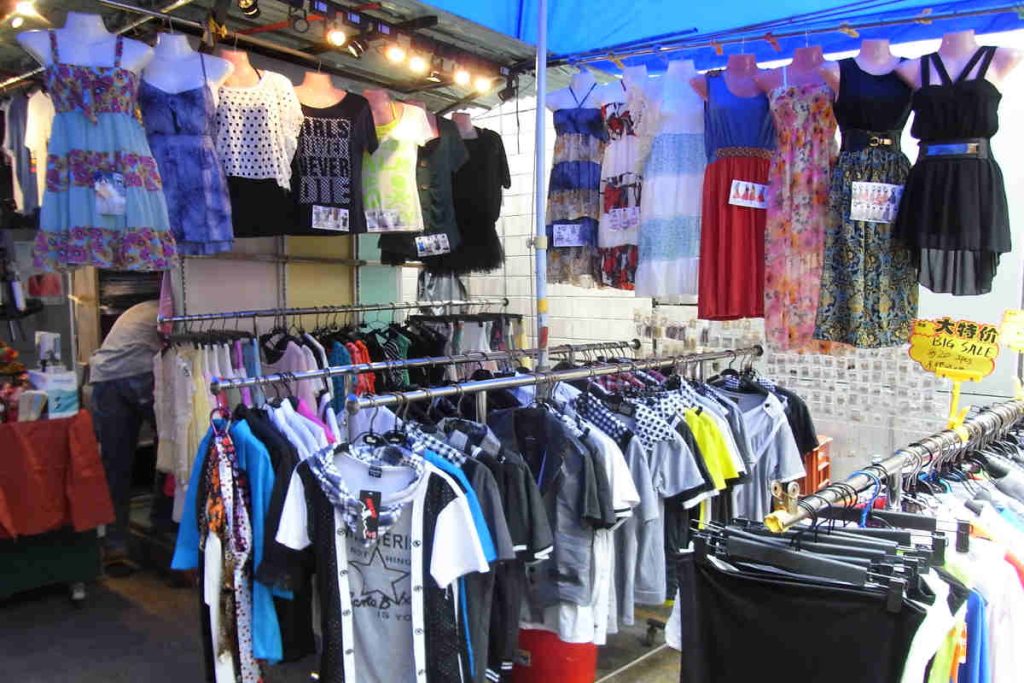
Asia-Pacific and Manufacturing Hubs
The Asia-Pacific region is rapidly becoming a global hotspot for sustainable fashion, set to reach approximately USD 4.5 billion by 2034 in the sustainable clothing segment. This growth is driven by the region’s vast manufacturing capacity;think countries like China and India which gives it both an opportunity and a responsibility in reshaping the fashion value chain.
In India for instance, the textile and apparel sector is a major employer, and there’s growing policy momentum behind aligning production with sustainability goals. The challenge lies in transitioning from large-scale production to greener, more circular models. On the one hand, brands in the region can leverage lower production costs, scale and raw-material access; on the other, they face steep hurdles: energy-intensive processes, weak waste-management infrastructure, and the legacy of mass-production paradigms.
As a result, the Asia-Pacific sphere stands at a pivot point;its manufacturing hubs could either continue to power a traditional fast-fashion model or become central to the ethical fashion ecosystem that global consumers and regulators increasingly demand.
Policy & Regulation in Major Markets
Regulatory pressure is now reshaping how the sustainable fashion industry operates in different regions and brands must pay attention. In the European Environment Agency (EEA) region, purchases of textiles in 2022 generated about 355 kg of CO₂ per person, equivalent to roughly 1,800 km of petrol-car travel. This underlines the urgency of the EU’s push for a circular-economy textiles strategy and tighter laws on production, waste and traceability.
In the United States, state-level regulation is rapidly gaining ground. For example, garments with intentionally added PFAS (so-called “forever chemicals”) will be banned or tightly restricted in states like California and New York from 2025. Meanwhile, in developing or other emerging markets, policy incentives aim to promote circular materials, textile-waste recovery, and eco-industrial zones. A report from DatoCMS outlines how certain governments now reward reuse, resale, and certification models in the fashion supply chain.
Together, these policy streams signal that the global regulatory environment around sustainable fashion is intensifying. Brands that want to succeed in the sustainable fashion industry will need to anticipate not only consumer demand but also evolving compliance, disclosure, and value-chain mandates across regions.
Consumer Behaviour and Demand
Ultimately, even the most sustainable fashion brand depends on the consumer’s choice. Research from McKinsey & Company shows a critical divide: younger, urban consumers express strong interest in eco-fashion, yet “most shoppers remain neutral” when it comes to actual purchasing behaviour. In one survey, 67 % of respondents said sustainable materials mattered when buying clothing, and 63 % said brand transparency was crucial.
However, deeper studies suggest that saying you care isn’t the same as acting. A recent systematic literature review found that while attitudes, environmental knowledge and subjective norms strongly influence purchase intention, they do not always translate into real buying behaviour especially in markets where price, convenience and trend-cycles dominate.
This disconnect means that for the sustainable fashion industry to grow meaningfully, brands must not only market sustainability but also make it accessible, clear and relevant. Clarity matters: consumers want to know what “sustainable” means and how the brand delivers it. In turn, that drives demand and offers a path for brands to scale ethically, globally.
As we explore these regional dynamics, it becomes clear that manufacturing hubs, regulatory landscapes and consumer behaviour are tightly interconnected in the global sustainable fashion industry. For brands to be truly global and sustainable, they must navigate all three. In the next section, we’ll shift focus to what’s next: trends, innovation & outlook in sustainable fashion.
What’s Next: Trends, Innovation & Outlook

Material innovation and circular economy
The future of the sustainable fashion industry depends heavily on material innovation and the shift to a circular economy. According to research by the Stockholm Resilience Centre, the textile value chain must move from a linear take-make-dispose logic to one that aligns with planetary boundaries and resource limits.
In practice, some of the most promising innovations include solution-dyeing (which eliminates water-intensive dying steps), upcycling of post-consumer textiles, and bio-based fibers derived from waste or plant sources. For instance, brands are increasingly experimenting with fibers grown with minimal chemical inputs or garments designed for multiple lifecycles.
Yet the challenge remains: designing garments is only half the equation; closing the loop matters. The research emphasizes that without effective recycling infrastructure, take-back programmes and design-for-disassembly, the volume of material still threatens to outpace innovation.
For brands and investors eyeing the sustainable fashion market, the message is clear: innovation must be systemic. It’s not enough to adopt one eco-fibre;companies must re-imagine design, production, use and end-of-life simultaneously.
Digital tools, transparency & AI in sustainability
Another frontier shaping the sustainable fashion industry is the rise of digital tools, transparency platforms and artificial intelligence (AI). A recent paper on the prototype tool “FITS: Towards an AI-Driven Fashion Information Tool for Sustainability” shows how natural-language processing can classify and extract credible sustainability data for fashion brands.
This development matters because one of the biggest barriers for consumers and regulators has been lack of accessible, trusted information about what brands do and how “sustainable” their claims really are. AI-powered platforms can help interpret reports, monitor supply-chain disclosures and create transparency at scale.
Moreover, AI is beginning to support other functions: such as automatically sorting textile waste streams for recycling, or using material-recognition systems to identify fibre types and streamline circularity efforts.
For brands, the adoption of these digital tools means two things: First, operational advantage;better data means better decision-making and faster innovation cycles. Second, reputational leverage ,as consumers demand traceability, brands that can show transparent, audit-ready supply chains will earn trust. For consumers, this translates to clearer, more credible signs of sustainability credentials.
Growth projections and market potential
The business case for the sustainable fashion industry is drawing increasing interest from investors, brands and policymakers. One report by Global Market Insights estimates that the sustainable clothing market was valued at US$ 3.6 billion in 2024, and projects a growth to US$ 9.4 billion by 2034, implying a compound annual growth rate (CAGR) of around 10.3%.
A more aggressive forecast from Custom Market Insights places the global sustainable fashion market at US$ 8.1 billion in 2024, with an expected leap to US$ 33.1 billion by 2033—a staggering CAGR of about 22.9%.
These figures suggest a strong tail-wind for brands of all sizes, but also raise a warning: The sector’s growth will depend on both demand from consumers and supply-chain transformation to scale sustainably. For policymakers, growth underscores the need for regulation, infrastructure, and skills development. For investors, the opportunity lies in brands that can deliver both scale and credibility in sustainability.
Challenges ahead and policy levers
Despite the promising trends, several challenges continue to cloud the outlook for the sustainable fashion industry. One of the most persistent is overproduction;the fact that even if materials shift to more sustainable options, the sheer volume of garments produced can still drive ecological harm. The organisation Remake cautions that without addressing consumption patterns and production scale, many sustainability innovations risk being offset by growth.
Another important lever is policy and regulation. Reports from DatoCMS highlight how incentives for circular materials, extended producer-responsibility schemes and transparency mandates can help brands embed sustainability into their business models rather than treat it as a marketing add-on. For example, regulatory demands for disclosure and traceability are beginning to force brands to rethink supply chains rather than simply label products as eco-friendly.
In this sense, sustainable fashion is not just a creative or retail challenge; it’s a systems transition. Brands must navigate production change, material innovation, digital transparency, regulatory compliance, and shifting consumer behavior simultaneously. Those that can align on all fronts will be best placed to lead the next wave.
Concluding Thought
As we look ahead, the global sustainable fashion industry stands at a pivotal moment. Material science, digital platforms, and growth-demand dynamics are aligning in ways unseen a decade ago. But success will depend on integration. Brands that connect innovation, transparency, and scale will emerge as true leaders in the eco-fashion movement. For consumers, investors, or policymakers, the question is not if sustainable fashion matters, but who will deliver it—and how fast.
FAQs: Global Sustainable Fashion Brands to Watch
What does “sustainable fashion” mean?
Sustainable fashion refers to clothing, accessories, and textiles produced in ways that minimize environmental harm and promote ethical labor practices across the value chain from raw materials to end-of-life recycling.
Why is sustainable fashion important globally?
The fashion industry accounts for up to 8–10% of global carbon emissions and consumes vast water resources. Shifting to sustainable fashion can significantly reduce waste, pollution, and social exploitation in supply chains. (UNEP)
How large is the global sustainable fashion market in 2025?
The global sustainable fashion market is valued at around USD 8 billion in 2024 and is projected to exceed USD 33 billion by 2033, growing at a CAGR of 22.9%.
Which regions lead in sustainable fashion production?
Europe leads regulatory reforms and consumer demand, while Asia–Pacific particularly India and China dominates production and is forecast to reach USD 4.5 billion by 2034 in sustainable clothing.
What materials define sustainable fashion?
Brands are turning to organic cotton, hemp, bamboo, Tencel, and bio-based fibres alongside recycled polyester. These materials require less water, emit fewer greenhouse gases, and reduce dependence on fossil fuels.
What are some key circular-fashion innovations?
Notable innovations include solution dyeing (to cut water use), upcycling (reusing existing garments), and bio-engineered textiles made from agricultural or food waste.
Which sustainable fashion brands are leading the way?
Brands such as PANGAIA, Patagonia, Adidas, and India’s Earth Republic are pioneering sustainable models through material science, repair programs, recycled plastics, and circular production practices.
What makes PANGAIA unique in sustainable fashion?
PANGAIA merges materials science with fashion design, using plant-based dyes, seaweed fibre, and bio-fabrication. Its 2023 report shows a 40% reduction in carbon footprint since 2021. (PANGAIA Impact Report 2023)
How has Patagonia become a sustainability benchmark?
Patagonia embeds environmental activism into its business model, donating profits to conservation, using recycled fabrics, and promoting lifetime repair programs that extend garment lifespans.
What role does Adidas play in circular fashion?
Adidas has pledged to use only recycled polyester where feasible and runs initiatives like the Made to Be Remade sneaker line, designed for full recyclability. However, it faces scrutiny over greenwashing transparency. (Adidas Sustainability Report 2024)
What challenges does the sustainable fashion industry face?
Major hurdles include overproduction, complex supply chains, high production costs, and consumer confusion about sustainability claims. Even “green” materials lose impact if output volumes keep growing.
How are governments regulating sustainable fashion?
The EU is implementing a Circular Textiles Strategy and extended producer responsibility laws. In the U.S., states like California are banning PFAS chemicals in apparel. Many emerging economies offer incentives for circular materials.
How are digital tools and AI changing sustainable fashion?
AI-driven tools like the FITS project analyze brand sustainability data and detect misleading claims, improving traceability and accountability.
What are consumers’ attitudes toward sustainable clothing?
Studies show younger, urban consumers care deeply about sustainability—but price and style often outweigh environmental intent. Bridging this gap is key to long-term market growth.
What certifications help verify sustainable fashion claims?
Certifications such as GOTS (Global Organic Textile Standard), OEKO-TEX Standard 100, B Corp, and Fair Trade provide third-party assurance of environmental and social standards. (OECD Report 2025)
What to Watch?
The journey of the sustainable fashion industry has moved from “nice to have” to must-have. We’ve seen how material innovation and circular economy frameworks are redefining supply chains, how digital transparency and AI are empowering both brands and consumers, and how the market’s growth signals a large-scale shift. Meanwhile, regulatory leverage and production patterns remain crucial.
Here are three key watchpoints for the coming years:
- Which brands scale sustainable practices effectively Beyond boutique labels, the big question is whether global fashion houses can embed sustainability at scale across volumes and geographies.
- How regulation and transparency evolve globally. As policies such as extended producer responsibility and traceability mandates spread, brands operating globally must adapt or risk lagging.
- How consumers shift from intention to action in sustainable fashion. It’s one thing to buy a “green” tee; it’s another to embrace circular models of repair, resale, and long use. Consumer behavior may determine how fully the market transforms.
For consumers, this means being more discerning about sustainability claims. For brands, it means integrating innovation, digital transparency, and system-level change. For policymakers and investors, it means recognizing that the sustainable fashion industry is an intersection of sustainable finance, ESG investing, and global climate-resilient supply chains.
In short: the sustainable fashion landscape is evolving fast, and the winners will be those who connect the dots; style, science, transparency, and scale. The question now is not whether eco-fashion matters; it’s who will lead and how they will deliver.
Authored by- Sneha Reji