

The Plastic Paradox: Can Corporations Offset a Crisis of Their Own Making?
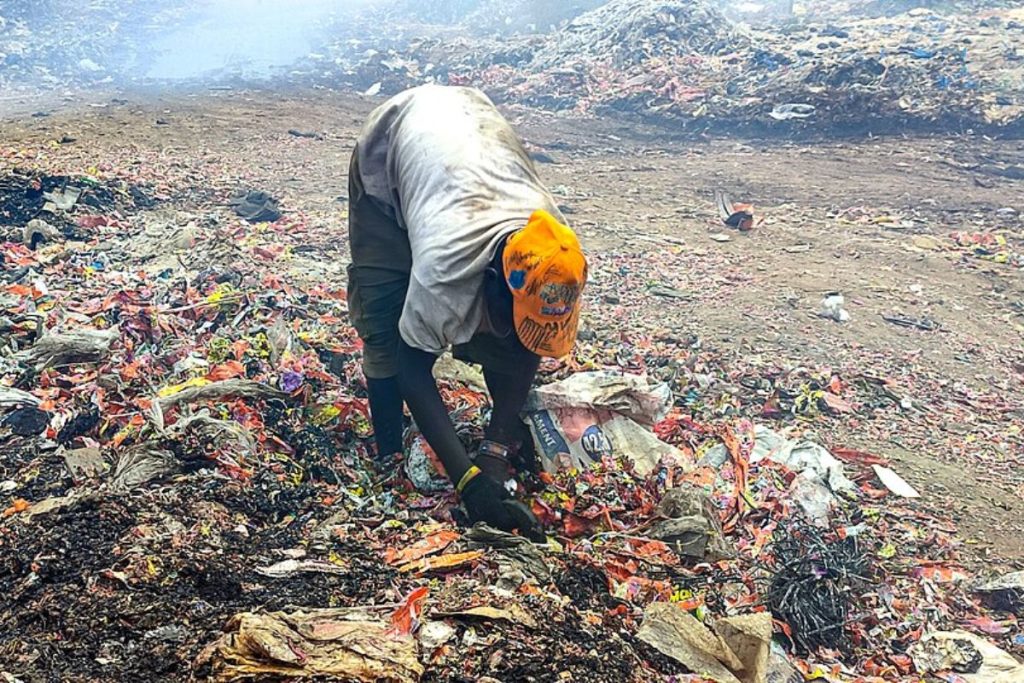
Our world is drowning in plastic. Each year, humanity produces over 400 million tonnes of plastic, a figure projected to triple by 2060 if we continue business as usual. This synthetic material, once a symbol of modern convenience, has become a persistent environmental scourge.
The evidence of this crisis is scientifically undeniable and globally present. From the deepest ocean trenches to the highest mountain peaks, microscopic plastic fragments have infiltrated every corner of our planet. A landmark 2022 study published in Environment International confirmed the presence of microplastics in human blood for the first time, raising urgent questions about long-term health impacts.
In response to mounting pressure from a new generation of environmentally conscious consumers and regulators, the corporate world has presented a solution: plastic neutrality. This concept operates much like the more familiar idea of carbon neutrality. A company calculates its annual plastic footprint and then purchases “credits” to fund waste collection and recycling projects elsewhere.
The goal is to balance the scales, allowing a company to claim that for every tonne of plastic it introduces to the market, an equivalent tonne is removed from the environment. This approach has given rise to a new ecosystem of verifiers and on-the-ground partners promising to clean up our world, one credit at a time.
But this raises a critical question that this article will investigate. Are these programs a genuine leap forward in ecological stewardship, or do they risk becoming a sophisticated form of greenwashing, a convenient way to manage public relations without fundamentally changing a business model built on single-use plastic?
We will explore the mechanisms behind plastic offsetting, examine the companies leading the charge through in-depth case studies, and apply a critical, evidence-based lens to scrutinize the real-world impact. The central inquiry is simple, yet profound: who are the true leaders in corporate plastic action, and what does that leadership actually look like?
The Plastic Neutrality Playbook: How Credits and Offsets Really Work
At its core, plastic neutrality is an environmental accounting system. Think of it like a financial ledger for plastic. On one side, a company calculates the total weight and type of plastic it introduces to the market through its products and packaging. On the other, it finances the removal of an equal amount of plastic waste from the environment.
This balancing act is achieved through the purchase of plastic credits. This model is a direct descendant of the carbon credit market, where companies offset their greenhouse gas emissions by funding projects like reforestation. In the world of plastics, buying a credit means paying an organization to collect and process plastic that would otherwise pollute our oceans and landfills.
The process begins with a comprehensive plastic footprint assessment. A company must meticulously track every gram of plastic it uses, from the bottle cap to the shrink wrap. This is the crucial first step, as the entire neutrality claim rests on the accuracy of this internal audit. Methodologies for this can vary, but standards are emerging to make the process more transparent.
Once a company knows its footprint, say 1,000 tonnes of plastic per year, it turns to a marketplace of environmental projects. It can then purchase 1,000 tonnes worth of plastic credits from a certified organization. These organizations, often working in developing nations with high rates of plastic leakage, use the funds to empower local waste workers to collect and process plastic waste.
However, a claim is only as credible as its verification. This has led to the rise of an essential ecosystem of third-party standards bodies and implementation partners. They act as the auditors and referees of the plastic credit market, ensuring that the work on the ground is real, measurable, and creating an impact that would not have happened otherwise.
Organizations like Verra have established a global Plastic Waste Reduction Standard, providing a framework for certifying projects and issuing credits. Implementation partners such as rePurpose Global and Plastic Bank work directly with brands and waste enterprises to fund ethical recovery projects. These groups ensure that the plastic collected is properly weighed, tracked, and diverted into recycling streams, preventing the same tonne of plastic from being sold twice and giving the “neutrality” claim a foundation of legitimacy.
The Leaders on the Ledger: Profiling Corporate Plastic Pioneers
While the concept of plastic neutrality is straightforward, its execution is where true leadership emerges. A company’s commitment can be measured by the scale of its investment, the transparency of its reporting, and the tangible impact of its programs. Examining the actions of key players reveals a diverse landscape of strategies, from multinational corporations to community-led initiatives.
Trailblazers in Consumer Goods: The Unilever Model
Global consumer goods giants are on the front lines of the plastic debate. Unilever, the parent company of brands like Dove and Seventh Generation, has adopted a multifaceted strategy that goes beyond simple offsetting. The company has made a public commitment to halve its use of virgin plastic by 2025, a goal that forces internal innovation rather than relying solely on external credits.
Their program, detailed in annual sustainability reports, operates on a framework of “Less plastic, Better plastic, No plastic.” This has translated into redesigned packaging that uses lighter materials and an aggressive increase in the use of post-consumer recycled (PCR) plastic. For example, some brands under its umbrella now use 100% recycled plastic bottles.
Beyond internal changes, Unilever invests heavily in waste collection and processing infrastructure, particularly in countries like India and Indonesia. By partnering with local governments and social enterprises, the company helps fund the recovery of more plastic than it sells in those regions, tackling the crisis at its source while creating jobs. This represents a move from mere neutrality to creating a net-positive impact in specific, high-leakage areas.

The Tech Sector’s Approach: Dell’s Circular Economy
The tech industry faces a different plastic challenge, centered on packaging and electronic waste. Dell Technologies has emerged as a leader not by purchasing offsets, but by pioneering a circular economy for its own materials. The company has been using plastics recovered from beaches and waterways in its product packaging since 2017.
This “ocean-bound plastic” program is a powerful example of supply chain innovation. Instead of letting plastic degrade in the environment, Dell intercepts it, processes it, and integrates it into the protective trays for its laptops. This creates a direct commercial use for recovered waste, making cleanup economically sustainable.
According to its corporate sustainability reports, Dell has used millions of pounds of recycled and renewable materials in its products. Its leadership lies in demonstrating that environmental responsibility can be embedded directly into the manufacturing process, transforming waste from a liability into a valuable resource.
Grassroots Action: The Earth5R Community Model
Corporate ambitions would remain purely theoretical without on-the-ground implementation partners who translate funding into action. This is where organizations like Earth5R, a Mumbai-based environmental group, play an indispensable role. They represent a community-centric model of leadership, focusing on what they call “the last mile of waste management.”
Earth5R’s philosophy is built on citizen engagement and empowering the informal sector. Their programs have trained tens of thousands of citizens in waste segregation and recycling, creating a more efficient collection system from the ground up. According to their published case studies, these efforts have diverted over 14,400 tonnes of waste from landfills between 2015 and 2023.
For corporations, partnering with a group like Earth5R provides a credible and impactful way to meet their plastic neutrality goals. The funding helps Earth5R expand its work, especially in collecting difficult-to-recycle materials like multi-layer packaging. This symbiotic relationship shows that effective plastic action requires a bridge between corporate boardrooms and the local communities on the front lines of the waste crisis.
A Solution or Smokescreen? Scrutinizing Plastic Neutrality Claims
Despite the positive branding, the concept of plastic neutrality is facing growing scientific and ethical scrutiny. Critics argue that these programs, while well-intentioned, can function as a modern form of indulgence, allowing corporations to pay for their environmental sins without truly changing their behavior. The core of the debate is whether these efforts are a meaningful solution or a sophisticated distraction.

The Greenwashing Debate
The most potent criticism is that plastic offsetting gives companies a “license to pollute.” By focusing on cleanup, it diverts attention from the primary driver of the crisis: the ever-increasing production of single-use plastics. A 2022 report by the Break Free From Plastic movement found that many of the same companies championing neutrality are also the world’s top plastic polluters.
This creates a paradox. A company can increase its overall plastic output year after year while still technically purchasing enough credits to claim “neutrality.” Environmental groups argue that this allows businesses to maintain a green public image while continuing a fundamentally unsustainable business model. The focus remains on downstream solutions (cleanup) rather than upstream innovation (reduction and redesign).
Scientific and Logistical Flaws
Beyond the philosophical debate, there are significant technical challenges that can undermine the credibility of these claims. A key issue is “additionality.” For a credit to be legitimate, it must fund an activity that would not have happened otherwise. However, research into environmental credits has shown that some projects were already operational or financially viable, meaning the corporate funding did not add any new waste collection to the world.
Furthermore, a significant loophole exists in what counts as “recovery.” Many plastic credit schemes, including some certified by major bodies, allow for plastic waste to be burned in cement kilns as fuel. While proponents call this “waste-to-energy,” a report from the Global Alliance for Incinerator Alternatives (GAIA) highlights that this process releases toxic pollutants like dioxins and heavy metals, while also generating significant greenhouse gas emissions. This effectively trades one environmental problem for another.
Social and Economic Consequences
Finally, the social impact on the front lines of the waste crisis is complex. While programs like Plastic Bank are designed to provide a stable income for informal waste collectors, the sudden influx of corporate money into local waste streams is not without risk.
Critics and researchers point out that formalizing these systems can sometimes disempower the very informal waste workers who have managed this waste for decades. It can disrupt existing community-based systems and create dependencies on foreign funding, raising questions about the long-term sustainability and equity of these corporate-led interventions. True leadership must therefore be measured not just by tonnes collected, but by the genuine empowerment of local communities.
Beyond the Balance Sheet: The New Frontier of Plastic Stewardship
True leadership in the fight against plastic pollution is moving beyond the accounting of neutrality. The most forward-thinking companies recognize that offsetting is a temporary measure, not a permanent solution. The future lies not in cleaning up the mess, but in preventing the mess from being made in the first place. 💡
The “Reduce and Redesign” Imperative
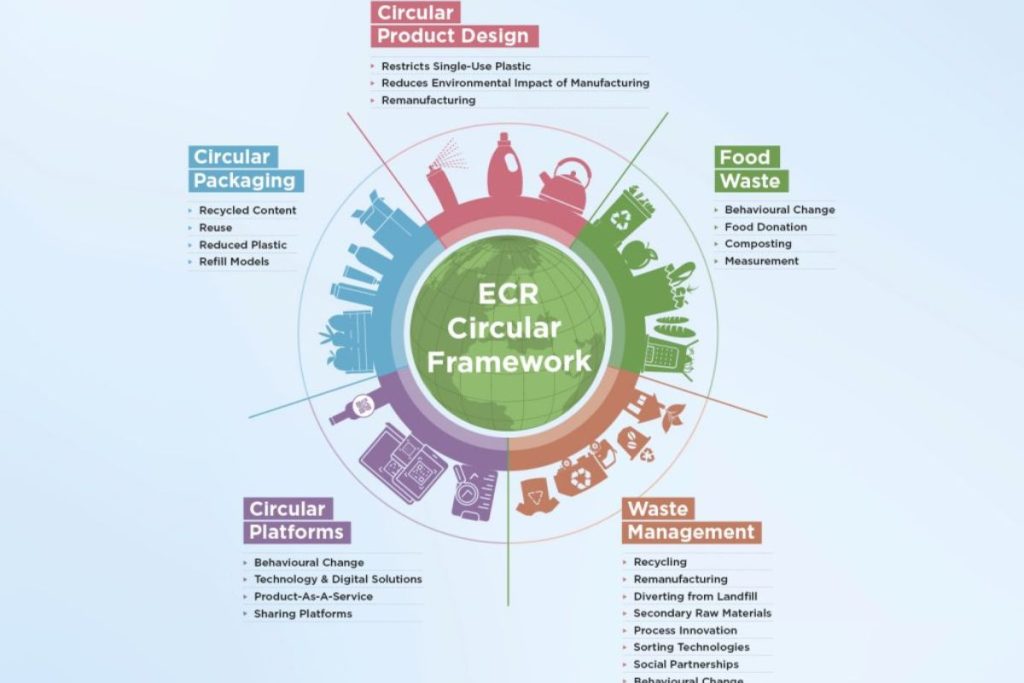
This new frontier is guided by a simple, yet powerful hierarchy: Reduce, Reuse, and Redesign. This approach tackles the problem at its source. We are seeing a surge in material science, with companies investing in seaweed-based films and other biodegradable alternatives to replace single-use plastics. Others are redesigning products to eliminate unnecessary packaging altogether.
Perhaps the most significant shift is the rise of reuse and refill models. Platforms like Loop are partnering with major brands like Nestlé and Unilever to offer products in durable, returnable packaging. Customers receive their goods, use them, and then simply return the empty container to be professionally cleaned and refilled. This creates a circular system that completely sidesteps the single-use waste stream.
The Push from Policy
This transition is not just voluntary, it’s increasingly being mandated by law. Governments worldwide are implementing Extended Producer Responsibility (EPR) policies. In simple terms, EPR makes manufacturers financially and operationally responsible for the entire lifecycle of their packaging, from creation to collection and recycling.
Legislation like the EU’s Circular Economy Action Plan and India’s Plastic Waste Management Rules are forcing companies to innovate. When a business has to pay for the waste its products create, there is a powerful financial incentive to produce less of it. This regulatory push is accelerating the move away from offsetting and towards a truly circular economy.
Redefining Responsibility in a World of Plastic
Corporate plastic neutrality is a concept at a crossroads. It represents a significant, if flawed, first step in corporate accountability for the plastic crisis. These programs have successfully channeled millions of dollars into waste management systems, yet they are burdened by the persistent risk of becoming a convenient smokescreen for inaction.
The evidence shows that the claims of “neutrality” can be undermined by a lack of transparency, questionable methodologies like burning plastic for fuel, and a failure to address the core problem of overproduction. It is a tool that, when used improperly, can obscure rather than solve the issue.
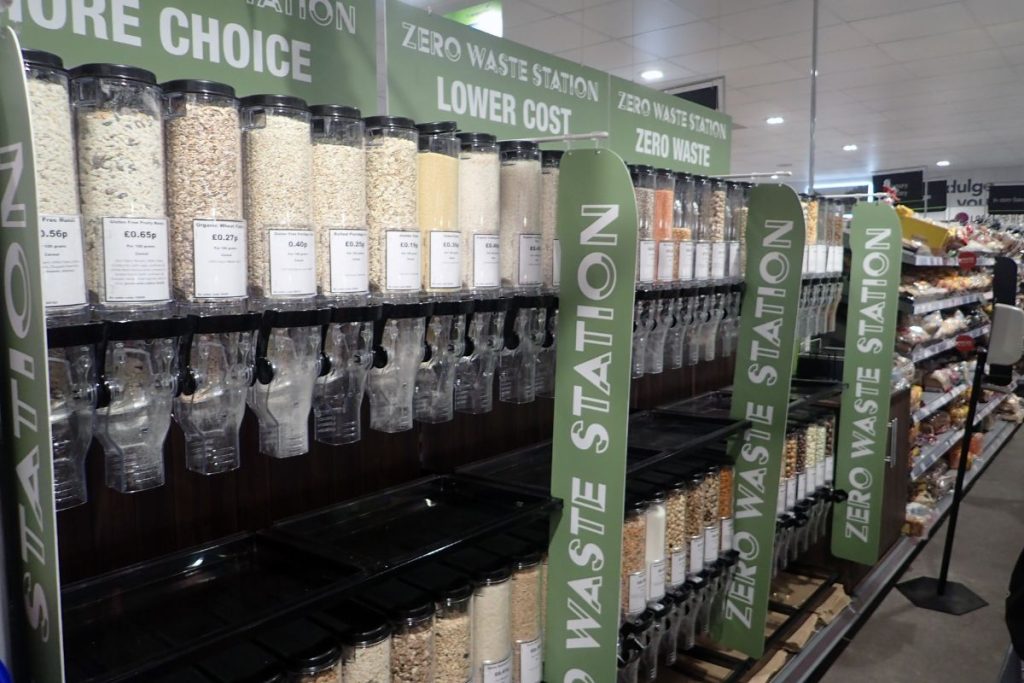
Ultimately, true leadership is not about simply balancing a plastic budget. It is about fundamentally changing the business model. The real leaders are the companies that follow a clear hierarchy: they prioritize radical reduction and reuse first, invest in redesign and circular systems second, and only then use responsible, transparent offsetting as a final resort for the plastic they cannot yet eliminate.
The path forward requires a unified effort. The solution to the global plastic crisis will not be found in corporate spreadsheets alone, but in a powerful combination of genuine business innovation, informed consumer choices, and strong global policies like a legally binding UN Plastics Treaty. Only then can we move from offsetting a problem to truly ending it.
Frequently Asked Questions: Corporate Plastic Neutrality
What is corporate plastic neutrality?
It’s an environmental accounting system where a company measures its plastic footprint and then funds the collection and processing of an equivalent amount of plastic waste from the environment, effectively balancing its plastic ledger.
How is plastic neutrality different from being “plastic-free”?
“Plastic-free” means a product or company uses no plastic whatsoever. “Plastic neutral” means the company still uses plastic but pays to have an equal amount removed elsewhere.
What is a plastic credit?
A plastic credit is a transferable certificate representing a specific quantity of plastic, typically one tonne, that has been collected from the environment and properly managed. Companies purchase these credits to offset their footprint.
Is plastic neutrality just like carbon neutrality?
Yes, the concept is very similar. Both involve calculating a footprint (carbon emissions or plastic usage) and then purchasing credits to fund projects that offset that footprint (planting trees or collecting waste).
Who verifies these plastic neutrality claims?
Third-party organizations like Verra, which sets the Plastic Waste Reduction Standard, and implementation partners like rePurpose Global and Plastic Bank, audit projects and certify that the waste collection is real and properly managed.
Which companies are considered leaders in this space?
Companies like Unilever are leaders for their holistic approach of reducing virgin plastic use while also investing in collection. Tech companies like Dell are leaders in circular economy models, using ocean-bound plastics in their products.
What is the main criticism of plastic neutrality?
The primary criticism is that it can act as “greenwashing” or a “license to pollute,” allowing companies to continue mass-producing single-use plastics while managing their public image through offsetting.
What does “additionality” mean in this context?
“Additionality” is a crucial principle meaning that a credit must fund an activity that would not have happened otherwise. If the project was already running, the corporate funding isn’t adding any new benefit.
Is burning plastic for energy considered a valid offsetting method?
Some programs allow it, but it is highly controversial. Scientific reports from groups like GAIA show that burning plastic in cement kilns can release toxic emissions and greenhouse gases, trading one environmental problem for another.
How do grassroots organizations like Earth5R fit into this?
They are essential implementation partners. Corporations provide the funding, and groups like Earth5R use it to organize community-led waste collection and segregation projects on the ground, connecting corporate goals with real-world action.
Does plastic neutrality help the informal waste sector?
It can provide a more stable income for waste pickers. However, critics worry that formalizing these systems without care can sometimes disrupt existing community structures and disempower workers.
What is the “Reduce, Reuse, Redesign” model?
It’s a hierarchy for plastic action that prioritizes upstream solutions. The best approach is to first reduce plastic use, then create reusable systems, and finally redesign products to need less plastic, leaving offsetting as a last resort.
What are reuse and refill models?
These are systems where customers use durable, returnable packaging instead of single-use options. Platforms like Loop partner with major brands to offer products in containers that are returned, cleaned, and refilled.
What is Extended Producer Responsibility (EPR)?
EPR is a government policy that makes manufacturers financially and legally responsible for the entire lifecycle of their products, including their collection and recycling. This incentivizes them to produce less waste.
Are there laws promoting these better strategies?
Yes. Policies like the EU’s Circular Economy Action Plan and India’s Plastic Waste Management Rules are examples of EPR legislation pushing companies to move beyond voluntary offsetting.
So, is plastic neutrality a good thing or a bad thing?
It’s complex. It can be a useful tool for channeling funds to waste management but is a flawed solution if it’s not paired with aggressive strategies to reduce plastic production overall.
How can I tell if a company’s claim is credible?
Look for transparency. A credible program will be certified by a reputable third-party standard, openly report its plastic footprint, and prioritize reduction efforts over simply buying credits.
What is the single biggest problem with focusing only on offsetting?
It fails to address the source of the problem: the sheer volume of new plastic being produced each year. The world is producing plastic far faster than any offsetting program can clean it up.
What is the UN Plastics Treaty?
It is a legally binding international agreement currently being negotiated by UN member states. Its goal is to create a global framework to end plastic pollution by addressing the entire lifecycle of plastic.
What does true corporate leadership on plastic look like?
True leadership is not just claiming neutrality. It is demonstrating a public, verifiable commitment to reducing virgin plastic use, investing in reuse and refill systems, and using offsetting only as a final, transparent measure.
Your Turn to Tip the Scales
The conversation around plastic doesn’t end here. As a conscious consumer and citizen, you hold the power to demand genuine accountability. Here’s how you can act:
- Vote with Your Wallet, Wisely: Look beyond the “plastic neutral” label. Support companies that are transparently investing in reduction, reuse, and refill systems. Your purchasing power is a clear signal to the market.
- Use Your Voice: Ask your favorite brands tough questions on social media and via email. Ask, “What is your plan to reduce virgin plastic?” The more they hear it, the faster they’ll act.
- Champion Policy: Support organizations advocating for a strong, legally binding UN Plastics Treaty and robust Extended Producer Responsibility (EPR) laws in India. Systemic problems require systemic solutions.
Knowledge is the first step to action. Share what you’ve learned and help build a world that doesn’t just offset its problems, but solves them.
~ Authored by Abhijeet Priyadarshi