
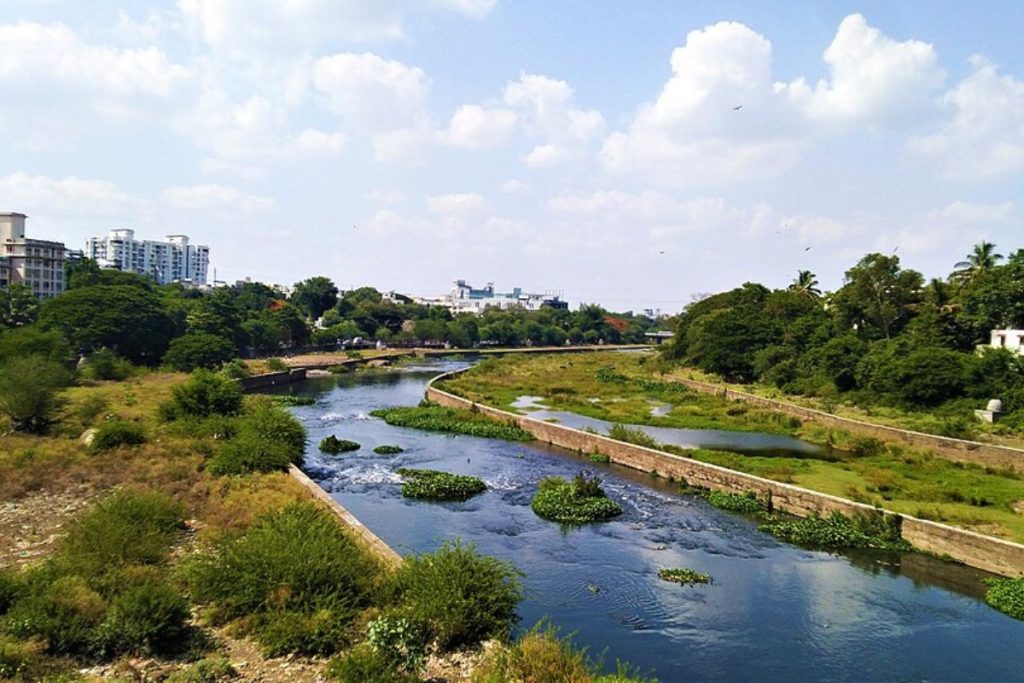
From Polluted Channels to Urban Lifelines
The world’s megacities are facing an escalating water crisis, a silent threat that jeopardizes the health and prosperity of billions. At the heart of this challenge lie our urban rivers, often treated as little more than sewers, yet holding immense potential as pillars of urban water security. They are the circulatory system of our concrete jungles, and their health is a direct reflection of our own.
This article embarks on a comparative journey, examining two vastly different urban rivers: Mumbai’s heavily polluted Mithi River and New York’s recovering Hudson River. Through a research-driven lens, we dissect their stories of degradation and the ongoing struggles for their revival. Mumbai represents the acute challenges of rapid, developing-world urbanization, while New York offers a long-term perspective on tackling legacy industrial pollution.
Drawing on scientific data and case studies, including innovative community-led initiatives by organizations like Earth5R, this analysis seeks to uncover transferable lessons. The core argument is that a synergy of grassroots community action, robust environmental policy, and technological innovation is essential for transforming these neglected waterways back into thriving lifelines.
By contrasting these two narratives, we can forge a blueprint for cities worldwide. The lessons learned from Mumbai and New York provide critical insights into reclaiming our rivers, ensuring they can once again play their vital role in groundwater recharge, flood mitigation, and supporting resilient urban ecosystems for generations to come.
The Urban Water Crisis and the Neglected Role of Rivers
The specter of “Day Zero,” a term popularized during Cape Town’s severe 2018 water shortage, is no longer a distant dystopian threat. It is a looming reality for megacities across the globe, from São Paulo to Chennai. The United Nations projects that by 2050, more than five billion people could suffer water shortages, with urban centers being the epicenters of this crisis. 💧
This challenge to urban water security stems from a perfect storm of climate change, booming populations, and aging infrastructure. Cities, with their vast expanses of concrete and asphalt, often exacerbate the problem. Rainwater, instead of replenishing groundwater, is funneled away, treating a precious resource as a nuisance to be discarded.
In this urgent conversation, a critical component is frequently overlooked: the urban river. These natural arteries, which once gave birth to our greatest cities, are now often treated as forgotten back-alleys or engineered drains. They have been paved over, polluted, and pushed to the margins of urban planning and consciousness.
This article brings these vital waterways back to the center of the discussion. By juxtaposing the stories of two iconic rivers, Mumbai’s Mithi and New York’s Hudson, we can uncover powerful lessons. Mumbai presents a case of extreme urban pressure in the developing world, while New York offers a long-term view of industrial pollution and landmark restoration efforts.
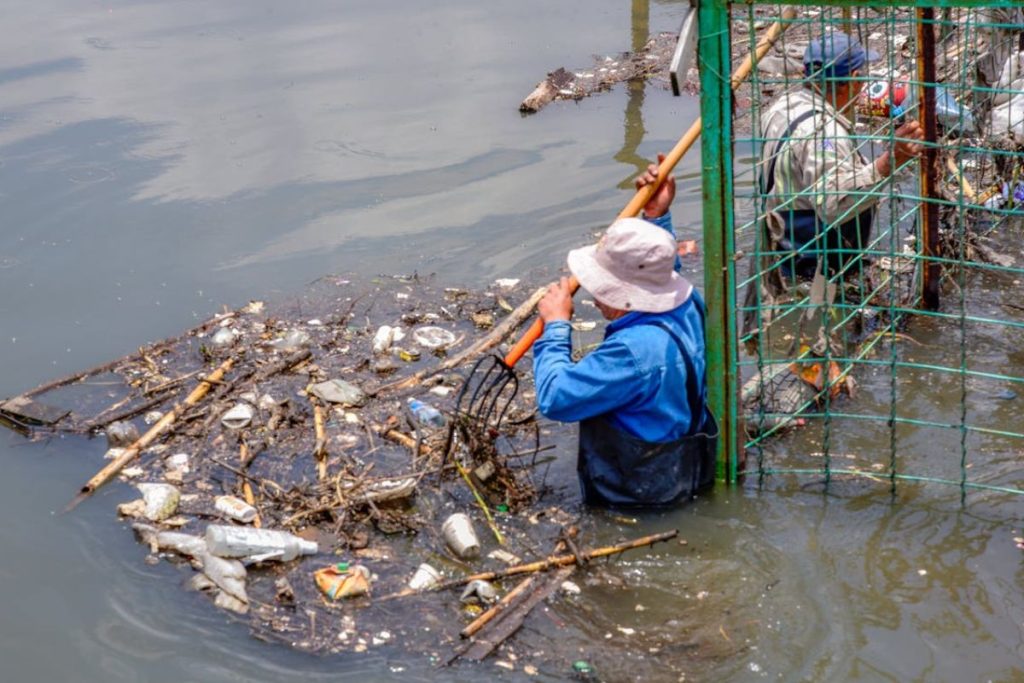
The thesis is clear: by examining the starkly different paths of degradation and recovery in these two cities, we can create a universal blueprint for restoring urban rivers. This is not merely an environmental project, but a fundamental strategy for securing a water-resilient future for the world’s urban populations.
The Science of Urban River Degradation
To understand why our urban rivers are so sick, we must first understand how cities fundamentally re-engineer the flow of water. In a natural landscape, the ground acts like a sponge, absorbing rainfall and slowly recharging the groundwater below. But in a city, we wrap the earth in a concrete and asphalt raincoat.
This creates what hydrologists call a disrupted urban hydrological cycle. When rain falls, these impervious surfaces prevent absorption, forcing massive volumes of water to run off into drainage systems. This not only diminishes the replenishment of critical groundwater aquifers but also turns gentle streams into raging, erosive torrents during storms.
This runoff acts as a city-wide taxi service for pollutants. Scientists categorize these pollutants into two main types. The first is point source pollution, which is like a single leaky faucet. It comes from an identifiable source, such as an industrial discharge pipe or a wastewater treatment plant releasing insufficiently treated sewage directly into a river.
The second, and often more insidious, is non-point source pollution. This is the diffuse grime of urban life. It’s the oil dripping from cars, the pesticides from city parks, and the microplastics from litter, all washed from the streets into the river with every rainfall. A study in Nature Communications highlights how this “urban stream syndrome” degrades river ecosystems globally.
The consequences are a cascade of ecological failures. The contaminated water seeps into the ground, poisoning wells and aquifers. The high nutrient load from sewage causes algal blooms that choke out all other life, creating dead zones. For riverside communities, this is not just an ecological issue, it’s a direct threat, increasing the risk of waterborne diseases like cholera and typhoid, as warned by the World Health Organization (WHO).
Case Study: Mumbai’s Mithi River – A Choked Artery
Flowing for just under 18 kilometers, the Mithi River should be a lifeline for Mumbai. Instead, for decades, it has served as the city’s primary sewer. Once a vibrant estuary teeming with life, it has become a tragic symbol of the intense pressures of unplanned urbanization, its natural course constricted and its waters turned toxic.
The river’s degradation is a story of a thousand cuts. Unchecked industrial zones discharge a cocktail of heavy metals and chemicals directly into its waters. A report by the Maharashtra Pollution Control Board (MPCB) has consistently shown Biochemical Oxygen Demand (BOD) levels far exceeding safe limits, indicating severe organic pollution and an inability to support aquatic life.
This chemical assault is compounded by physical strangulation. Countless illegal settlements and infrastructure projects have encroached upon the river’s natural floodplains, effectively hardening the city’s arteries. This narrowing of its channel turned the river into a catastrophic bottleneck during the 2005 Mumbai floods, a disaster that claimed over 1,000 lives and submerged large parts of the city. 🌊
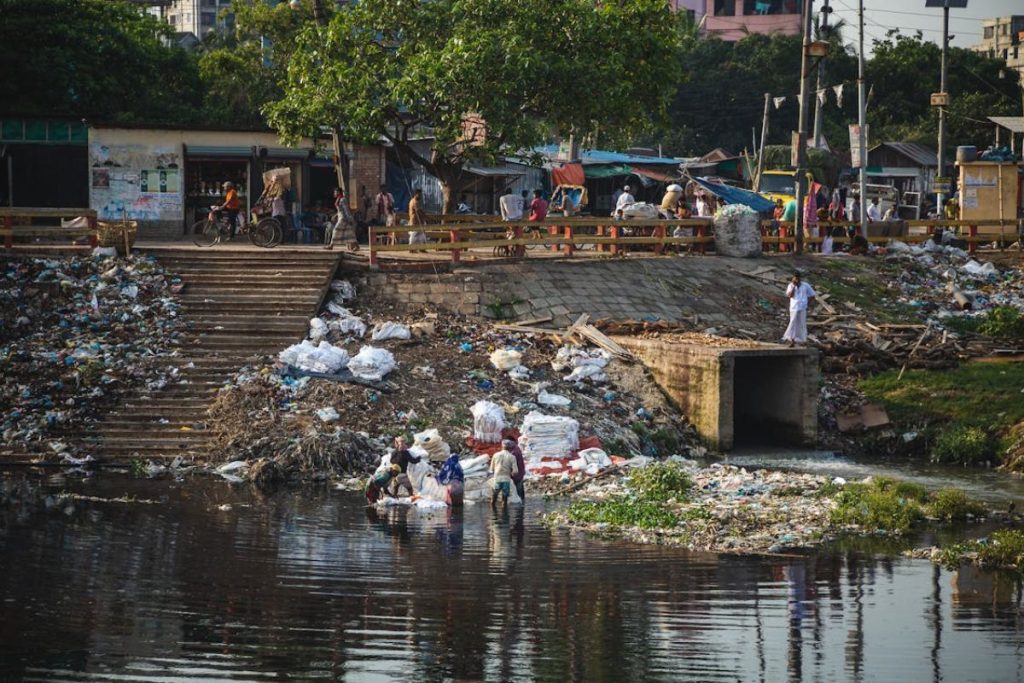
Yet, amidst the neglect, a new chapter is being written, not by large-scale government machinery alone, but by the people themselves. Community-led restoration efforts are proving to be a powerful force for change. Spearheading this movement is the environmental group Earth5R, which has implemented a hands-on, data-driven model.
Their approach treats river cleanup as a sustainable service, not a one-time event. Through their “River Guardians” program, they empower local residents with the tools and knowledge to conduct regular cleanups and monitor pollution hotspots using geotagging technology. This creates a circular economy, turning collected waste into valuable resources and fostering a profound sense of local ownership for the river’s health.
Case Study: New York’s Hudson River – A Path to Recovery
The Hudson River is woven into the very fabric of American history, a powerful artery of commerce and culture that fueled the growth of New York City. Yet, for much of the 20th century, this majestic river was treated as an industrial sewer, a convenient dumping ground for the factories that lined its banks.
Its most infamous toxic inheritance came from decades of PCB contamination. From 1947 to 1977, General Electric plants discharged an estimated 1.3 million pounds of Polychlorinated Biphenyls (PCBs) into the river. This carcinogen settled into the riverbed sediment, creating a persistent environmental hazard that poisoned fish populations and posed a severe risk to public health.
The turning point for the Hudson, and for rivers across America, was the landmark Clean Water Act of 1972. This powerful piece of legislation gave federal authorities, like the Environmental Protection Agency (EPA), the power to regulate the discharge of pollutants. It was like performing major surgery, finally stopping the bleeding of industrial waste into the nation’s waterways.
Following this, a 200-mile stretch of the river was declared a federal Superfund site, one of the largest in the country. This triggered a massive, multi-billion dollar dredging project to physically remove the most contaminated sediment from the river floor. While controversial and complex, the cleanup represented a monumental commitment to reversing decades of environmental damage.
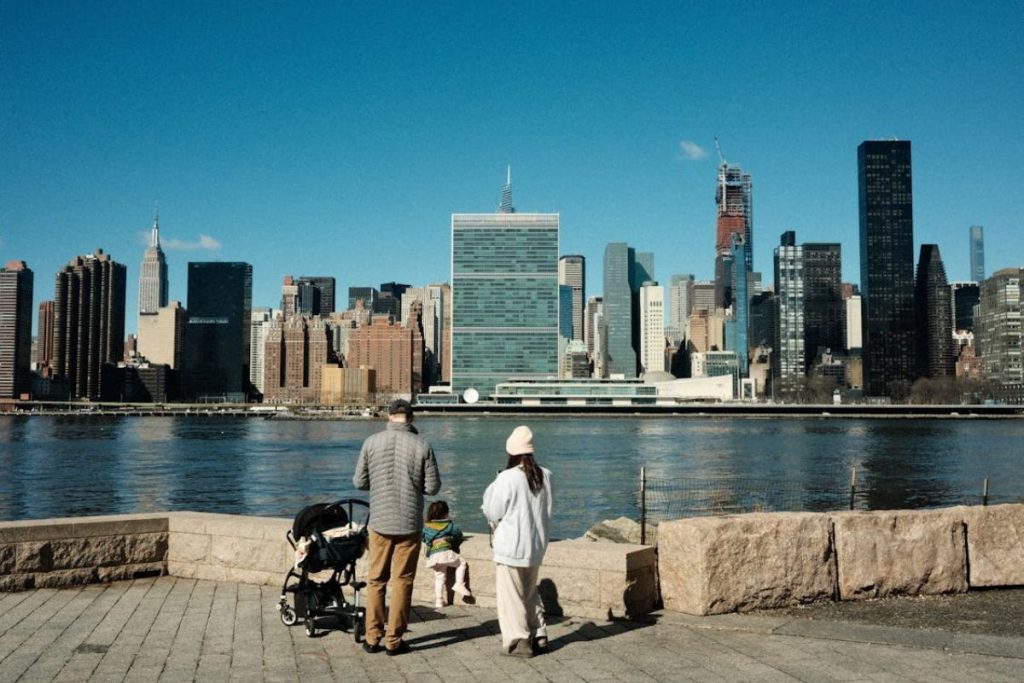
Today, the Hudson’s recovery is a work in progress, a testament to sustained action. Groups like Riverkeeper conduct citizen-led water quality monitoring, while innovative projects are reintroducing oyster reefs to naturally filter the water. The river’s journey from a polluted channel to a recovering ecosystem offers a powerful, albeit costly, lesson in environmental accountability.
Comparative Analysis: Drawing Lessons from Two Urban Rivers
Placing the stories of the Mithi and the Hudson side-by-side reveals a tale of two vastly different approaches to a similar crisis. One represents a top-down, policy-driven intervention, while the other showcases the rise of a bottom-up, community-powered movement.
New York’s approach to the Hudson was defined by a massive, state-led response. The Clean Water Act and the EPA’s Superfund program were the equivalent of major surgery, backed by billions of dollars and federal authority to tackle a legacy of industrial pollution. This Top-Down vs. Bottom-Up approach contrasts sharply with Mumbai, where citizen-led groups are pioneering solutions in the face of slower institutional change.
The nature of the pollution also differs. The Hudson’s primary battle was against a historical chemical enemy, PCBs, buried in its sediment. The Mithi, however, faces a relentless, ongoing assault from a mix of raw sewage, industrial effluent, and a staggering volume of plastic and solid waste, problems intertwined with daily urban life and infrastructure gaps.
Despite these differences, a powerful universal truth emerges: The Power of Community. While the Hudson’s cleanup was federally mandated, the sustained pressure and vigilance of citizen groups like Riverkeeper were essential. This mirrors the work of Earth5R in Mumbai, proving that no river can be saved without a dedicated community acting as its guardian. 🤝
Ultimately, both stories underscore The Necessity of Data for effective action and the sobering reality that restoration is a marathon, not a sprint. Whether it’s the EPA’s sediment sampling or Earth5R’s geotagging of garbage dumps, data-driven strategies are what turn good intentions into measurable progress.
The Way Forward: A Blueprint for Urban River Restoration
The lessons from Mumbai and New York provide more than just cautionary tales, they offer a clear blueprint for action. To secure our urban water future, we must fundamentally shift our relationship with the rivers that flow through our cities, treating them not as backyards but as lifelines.
First and foremost is the need for Integrated Urban Planning. This means breaking down the silos between housing, sanitation, and environmental departments. Cities must create protected green corridors along riverbanks, or riparian buffers, which act as natural filters and flood absorbers. This is a core principle of the “Sponge City” concept.
Next, cities must aggressively invest in modern wastewater treatment and embrace a Circular Economy for waste. This involves not just treating sewage before it reaches the river, but also reimagining waste management. Models like those promoted by the Ellen MacArthur Foundation show how plastic and organic waste can be captured and repurposed, transforming a source of pollution into a source of economic value.
Finally, and perhaps most crucially, is Empowering Local Communities. The success of grassroots initiatives proves that local residents are the most effective river guardians. Municipalities must create formal frameworks to support these groups, providing them with funding, data, and a real voice in the decision-making process to ensure a sustainable, community-owned restoration.
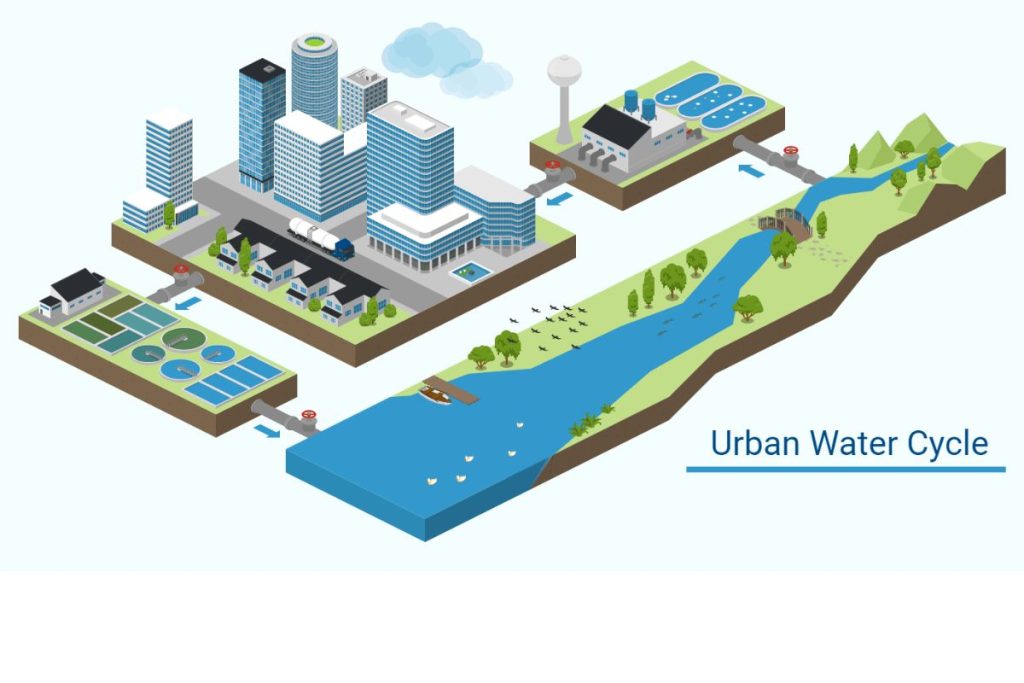
Visual Representation of a good Urban Water Cycle
Reimagining Urban Rivers as Lifelines
The journeys of the Mithi and the Hudson, though separated by geography and economics, converge on a single, vital lesson. The restoration of our urban rivers is not a task for governments alone, nor can it be shouldered solely by passionate citizens. True, lasting revival is only possible through a dedicated partnership between the two.
This requires a profound shift in perspective. We must stop viewing our rivers as passive channels for waste and start seeing them for what they are, which are dynamic, living ecosystems that are critical to our survival. Their health is a direct indicator of our own city’s health and a prerequisite for achieving global goals on clean water and sanitation.
The challenges are immense, but the path forward is clear. By integrating intelligent urban design with the energy of grassroots movements, we can turn the tide. Let us reinvest in our rivers, transforming them from polluted liabilities into vibrant, cherished spaces.
Doing so is not merely an act of environmental restoration. It is an investment in public health, a strategy for climate adaptation, and a crucial step in building the resilient, water-secure cities of the future. Our rivers are, and have always been, our fundamental pillars of urban resilience.
Frequently Asked Questions
What is urban water security?
Urban water security is the ability of a city to provide a reliable and sufficient quantity of acceptable-quality water for its population, economy, and ecosystems, while managing water-related risks like floods and droughts.
Why are urban rivers important for water security?
Urban rivers are crucial for water security because they help recharge groundwater, provide natural drainage to prevent flooding, and support biodiversity. When healthy, they are vital assets for a city’s resilience.
What is the “urban hydrological cycle”?
It describes how cities, with their impervious surfaces like concrete and asphalt, disrupt the natural water cycle. Instead of being absorbed into the ground, rainwater becomes rapid runoff, which increases flood risk and reduces groundwater replenishment.
What is the main difference between point source and non-point source pollution?
Point source pollution comes from a single, identifiable source, like a factory discharge pipe. Non-point source pollution is diffuse and comes from many sources, like oily runoff from roads or chemicals from lawns.
What are the main problems facing Mumbai’s Mithi River?
The Mithi River suffers from extreme pollution from untreated sewage and industrial waste, rampant illegal encroachment that has narrowed its channel, and the constant dumping of solid waste, especially plastics.
How did the Mithi River’s condition contribute to the 2005 Mumbai floods?
Its narrowed, choked channel was unable to handle the heavy monsoon rains, causing water to back up and leading to catastrophic flooding across large parts of the city.
What is unique about Earth5R’s approach to river cleanup?
Earth5R uses a community-driven, data-centric model. They empower local “River Guardians” and use technology for monitoring, while also creating a circular economy by treating collected waste as a resource.
What was the main historical pollutant in New York’s Hudson River?
The primary historical pollutant was Polychlorinated Biphenyls (PCBs), a toxic industrial chemical discharged by General Electric plants over a 30-year period.
What is the U.S. Clean Water Act?
The Clean Water Act is a landmark U.S. federal law passed in 1972 that regulates the discharge of pollutants into the nation’s surface waters. It was a major turning point for the Hudson River’s recovery.
What does it mean for a river to be a “Superfund site”?
A Superfund site is a location in the United States that has been contaminated by hazardous waste and identified by the EPA for cleanup. The Hudson River’s designation triggered a massive, federally managed dredging project to remove contaminated sediment.
What is the main difference between the cleanup approaches in Mumbai and New York?
New York’s cleanup was a “top-down,” policy-driven effort led by the government and costing billions. Mumbai’s emerging restoration is more “bottom-up,” driven by community-led initiatives and social enterprises.
What is a common lesson from both the Mithi and Hudson River stories?
A universal lesson is the critical importance of community involvement. Whether through formal advocacy groups like Riverkeeper or grassroots movements like Earth5R, engaged citizens are essential for a river’s long-term health.
What is a “riparian buffer”?
A riparian buffer is a vegetated area of trees, shrubs, and grasses along a riverbank. These zones are crucial for filtering pollutants from runoff, preventing erosion, and providing habitat for wildlife.
How does a “circular economy” apply to river restoration?
A circular economy model involves collecting waste from the river (like plastics and organic matter) and repurposing it into new products or resources, thereby reducing pollution and creating economic value simultaneously.
Why is data important for cleaning rivers?
Data from water quality testing and pollution mapping (like geotagging) helps identify the main sources of pollution. This allows cleanup efforts to be targeted, efficient, and measurable.
Can urban rivers ever be fully restored to their original state?
Fully restoring a heavily urbanized river to its pristine, pre-development state is often impossible. However, they can be significantly rehabilitated to a healthy, functional state where they can support ecosystems and be a safe community asset.
What is a “Sponge City”?
A “Sponge City” is an urban design concept that uses natural landscapes and green infrastructure (like permeable pavements and rain gardens) to absorb, clean, and use rainwater rather than just channeling it away. This helps reduce flooding and recharge groundwater.
How do healthy rivers help with climate change adaptation?
Healthy rivers and their surrounding floodplains act as natural buffers against the more extreme weather events caused by climate change. They can absorb heavy rainfall to mitigate floods and help maintain water supplies during droughts.
What can an individual do to help protect their local urban river?
Individuals can participate in local cleanup events, reduce their use of single-use plastics, properly dispose of waste and chemicals, and support advocacy groups working to protect local waterways.
What is the main message of the article?
The main message is that urban rivers are fundamental pillars of a city’s resilience. By combining strong government policy with empowered community action, cities can transform these polluted waterways back into the vibrant lifelines they were always meant to be.
From Bystander to Guardian
The journey to reclaim our rivers begins not in government halls, but in our own homes and neighbourhoods. You have the power to be a part of this global movement.
Start today. Find a local cleanup group. Choose reusable items over single-use plastics. Raise your voice and ask your city leaders what they are doing to protect your local waterway.
Every river, no matter how neglected, is waiting for its guardians to return. Be one of them.
~ Authored by Abhijeet Priyadarshi