
The Green Leap: Southeast Asia’s New Energy Imperative
Southeast Asia stands at an economic crossroads, facing what energy experts call the “energy trilemma.” The region’s economies are booming, with organizations like the Asian Development Bank forecasting sustained, rapid growth.
This remarkable expansion brings with it a skyrocketing thirst for energy. The International Energy Agency (IEA) projects that regional energy demand will climb significantly by 2030, creating immense pressure on existing power infrastructure.
This surging demand, however, is clashing with urgent global climate goals. Historically, growth in the region has been powered by fossil fuels, a dependency that is now at odds with pressing Paris Agreement commitments and ambitious national net-zero pledges.
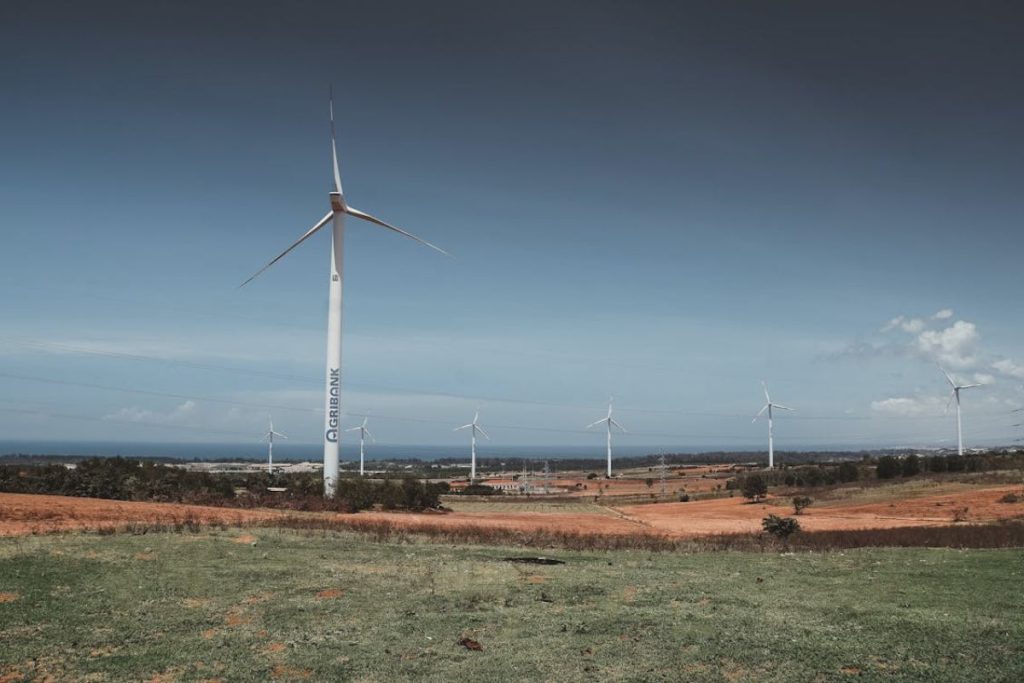
The transition to green energy is not just about massive, utility-scale solar and wind farms. While these large-scale projects are essential, they only solve part of the complex energy puzzle. A complete, modern, and resilient energy system requires high-tech solutions for incredibly difficult problems. This is where a new generation of innovators comes in.
A dynamic ecosystem of innovative startups is proving essential for a full-scale transition. These agile companies are not competing with the energy giants, rather, they are tackling the critical, niche challenges that larger players often overlook or are not structured to solve.
They are the ones developing everything from next-generation green hydrogen electrolyzers and advanced battery recycling processes to AI-powered grid management platforms. These are the technologies vital for decarbonizing not just the power grid, but the entire economy.
The market opportunity for these startups is staggering. Market research from analysts like Mordor Intelligence paints a clear picture of exponential growth.
The renewable energy sector in Southeast Asia is projected to expand dramatically, potentially reaching over 225 gigawatts (GW) of installed capacity by 2030. This growth is driven by a powerful compound annual growth rate (CAGR) that is expected to exceed 12% in the coming years.
This isn’t just a distant forecast, it’s a fundamental market shift. For many nations, the economic tipping point for renewables has already been reached.
New research on the Levelized Cost of Electricity, or LCOE, confirms this. The LCOE can be thought of as a car’s “total cost of ownership,” as it factors in construction, fuel, and maintenance over a power plant’s entire lifetime.
According to analysis from global energy think tanks like Ember, building a new solar or wind farm is now consistently cheaper than building a new coal plant in most of Southeast Asia. This economic reality means that renewable energy is no longer just a green alternative, it is the most sensible economic choice.
Governments across the region are stepping on the accelerator, rolling out policies that act as a powerful catalyst for investment and innovation.
Vietnam, for example, has captured global attention with its ambitious Power Development Plan 8 (PDP8). This national strategy sets world-leading targets for offshore wind and solar development, signaling a clear move away from coal.
Meanwhile, Indonesia is leveraging its unique geography. The nation is aggressively exploring its vast geothermal energy potential, a stable, 24/7 renewable source. It is also poised to become a global leader in floating solar projects, deploying panels on its extensive reservoirs.
Singapore, a global finance hub, is tackling its energy security through innovation. Its plan to import 4 GW of clean energy by 2035 is creating a massive, stable demand that green startups and regional projects are racing to fill.

Despite this powerful momentum, significant challenges remain. These are the very gaps that the region’s top startups are specifically designed to solve.
First is the investment gap. The IEA warns that annual clean energy investment in the region must triple by 2030 to meet stated climate goals. Startups, with their new technologies, are crucial for attracting this new venture capital.
Second is the complex technical challenge of grid integration. Adding intermittent renewables like solar and wind can be like trying to manage a water system where the taps turn on and off unpredictably. This creates huge issues with grid stability and congestion.
This is a problem that cannot be solved by simply building more panels. It requires sophisticated, AI-driven software, smart energy storage, and new battery technologies—the exact specialties of the startups we will explore in this article.
Methodology: How We Selected the “Top 25”
Identifying the definitive “Top 25” in a region as dynamic as Southeast Asia is a complex challenge. The ecosystem is evolving at a rapid pace, with new innovators emerging monthly.
Therefore, this list is not a simple ranking based on venture capital funding alone. Instead, our selection is the result of a comprehensive analysis based on four key, research-driven criteria.
First, we prioritized Technological Innovation. We looked for companies with proprietary, “hard-tech” solutions like new chemical processes for battery recycling or advanced electrolyzer designs. We also included those with novel, high-tech business models, such as AI platforms that can redesign a supply chain for carbon efficiency.
Second, we assessed Market Traction and Scalability. This criterion measures real-world validation. We looked for startups that have secured significant, strategic funding from top-tier venture funds, or those that have formed major partnerships with established energy giants like ENGIE or Vena Energy.
Third, we analyzed the Solved-Problem and Niche Impact. We specifically sought out startups that are solving a critical, Southeast Asia-centric problem that larger players often overlook. This includes tackling agricultural waste, recycling e-waste from the region’s manufacturing hubs, or providing energy access to remote communities.
Finally, we focused on Founding Date. To distinguish true startups from established energy corporations, this list primarily includes companies founded within the last 10 to 12 years, ensuring the focus remains on the new generation of innovators.
The 2025 List: Southeast Asia’s Top 25 Renewable Energy Startups
Here are the 25 companies, categorized by their core mission, that are defining the future of green energy in Southeast Asia.
Category 1: The Solar Revolution (C&I, Rooftop & AI)
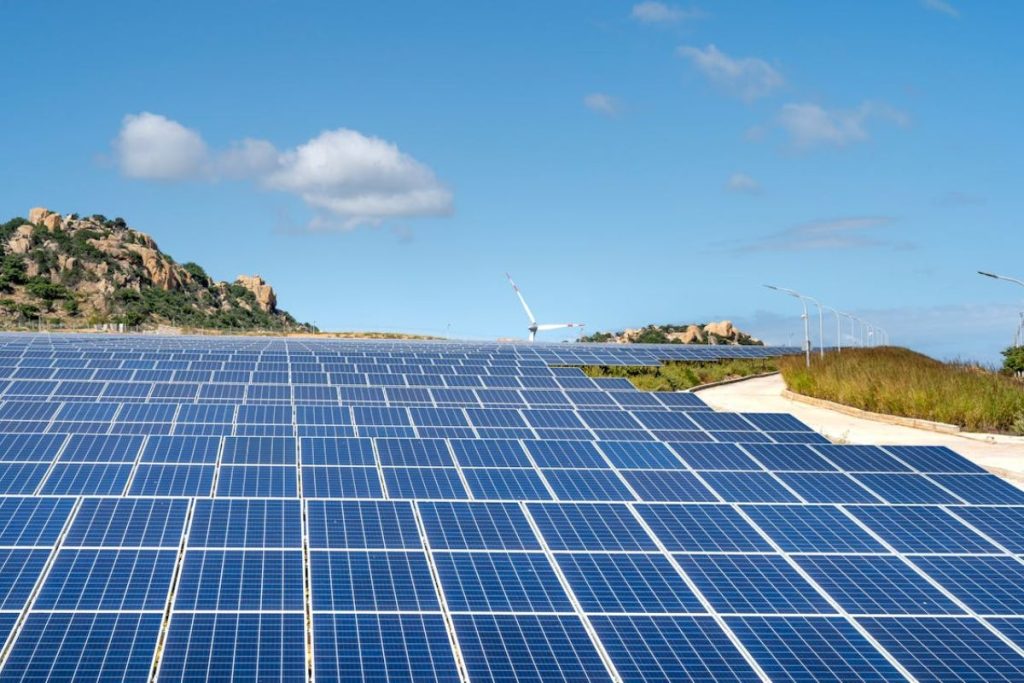
These are the startups making solar accessible. They are moving beyond simple installation and using finance and AI to unlock solar for every type of building, from small homes to massive industrial factories.
- Xurya (Indonesia, 2018) Its mission is to make rooftop solar ubiquitous for Commercial and Industrial (C&I) clients. Xurya is on this list for pioneering a “no-upfront-cost” solar leasing model that has unlocked the C&I market in Indonesia, attracting major funding from global investors.
- SolarKita (Indonesia, 2020) This company is focused on digitizing and simplifying solar adoption for the residential market. SolarKita stands out by using a data-driven platform to manage everything from customer acquisition to installation, tackling the complex, fragmented residential sector.
- Cleantech Solar (Singapore, 2015) A major player across Southeast Asia, Cleantech Solar provides full-service solar solutions to corporations. Its inclusion is based on its proven market traction, having been acquired by Shell and now operating as a key part of its renewable solutions portfolio.
- Skye Renewables (Singapore, 2019) Skye Renewables focuses on C&I rooftop solar projects across Southeast Asia, particularly in Vietnam and the Philippines. It is notable for its backing by Clime Capital, a specialist climate-focused fund, demonstrating strong investor confidence in its regional model.
- SUN Energy (Indonesia, 2016) As one of Indonesia’s most prominent solar developers, SUN Energy has a significant track record in deploying large-scale solar projects. It represents the successful scaling of a solar startup into a major, established regional player.
- Solar AI Technologies (Singapore, 2020) This company uses AI and satellite imagery to instantly assess the solar potential of any rooftop. Solar AI is on the list for its innovative, tech-first approach, which solves a key customer bottleneck: accurately and quickly determining a project’s viability.
Category 2: The Digital Backbone (Grids, Storage & E-Mobility)
This category features the “tech-first” companies building the essential software and hardware for a stable, flexible green grid. They manage everything from smart grids and IoT sensors to the battery-swapping networks for electric vehicles.
- Swap Energy (Indonesia, 2019) Swap Energy is building a network of battery-swapping stations for electric motorbikes. It’s a critical enabler for EV adoption in a region dominated by two-wheelers, solving the problem of long charging times and “range anxiety.”
- Oyika (Singapore, 2018) Like Swap, Oyika offers a battery-as-a-service model, providing swappable batteries for electric motorbikes across Southeast Asia. Its innovative, venture-backed model is vital for accelerating the e-mobility transition in capital-sensitive markets.
- Ampotech (Singapore, 2017) Ampotech develops smart IoT sensors that collect and analyze energy usage data from buildings in real-time. This “digital backbone” is essential for energy efficiency, allowing building managers to see exactly where energy is being wasted.
- Envision Digital (Singapore, 2014) Born from an energy giant, Envision Digital provides an AIoT (AI + IoT) operating system called EnOS™. It is on this list for its proven ability to manage massive, complex energy systems, from smart grids to wind farms, at a global scale.
- Genplus (Singapore, 2019) This startup provides cutting-edge energy storage solutions, including advanced battery management systems. Genplus is on the list for tackling the critical challenge of grid stability, providing the storage needed to make intermittent sources like solar reliable.
- Synergy Efficiency Solutions (Indonesia, 2013) SES is a leading energy service company (ESCO) that guarantees energy savings for clients. It is notable for its “shared savings” model, where it finances and installs efficiency upgrades at no upfront cost, making it a key financial enabler of decarbonization.
Category 3: The Circular Economy (Battery Recycling & Waste-to-Energy)
As the green transition accelerates, it creates new waste streams. These “hard-tech” startups are solving the problem of what to do with millions of used solar panels, wind turbines, and electric vehicle batteries.
- Ace Green Recycling (Singapore, 2019) Ace Green has developed a revolutionary, emissions-free process for recycling lead-acid and lithium-ion batteries. It’s on this list for its groundbreaking technology that operates at room temperature, drastically reducing cost and environmental impact.
- Green Li-ion (Singapore, 2020) Another leader in battery recycling, Green Li-ion has developed a modular system that processes “black mass” from used batteries. Its innovation is a co-precipitation technology that converts waste directly back into high-value cathode materials, closing the battery loop.
- EcoWorth Tech (Singapore, 2016) This startup transforms industrial and agricultural waste into high-value “Carbon Fibre Aerogels.” EcoWorth is included for its unique waste-to-value technology, which turns pollutants like palm oil effluent into a material that can be used for environmental cleanup.
- Selex Motors (Vietnam, 2018) While it makes electric scooters, Selex is on this list for its comprehensive battery-swapping ecosystem. Its solution, designed for Vietnam’s challenging urban environments, is a key example of solving a local problem with a scalable, integrated system.
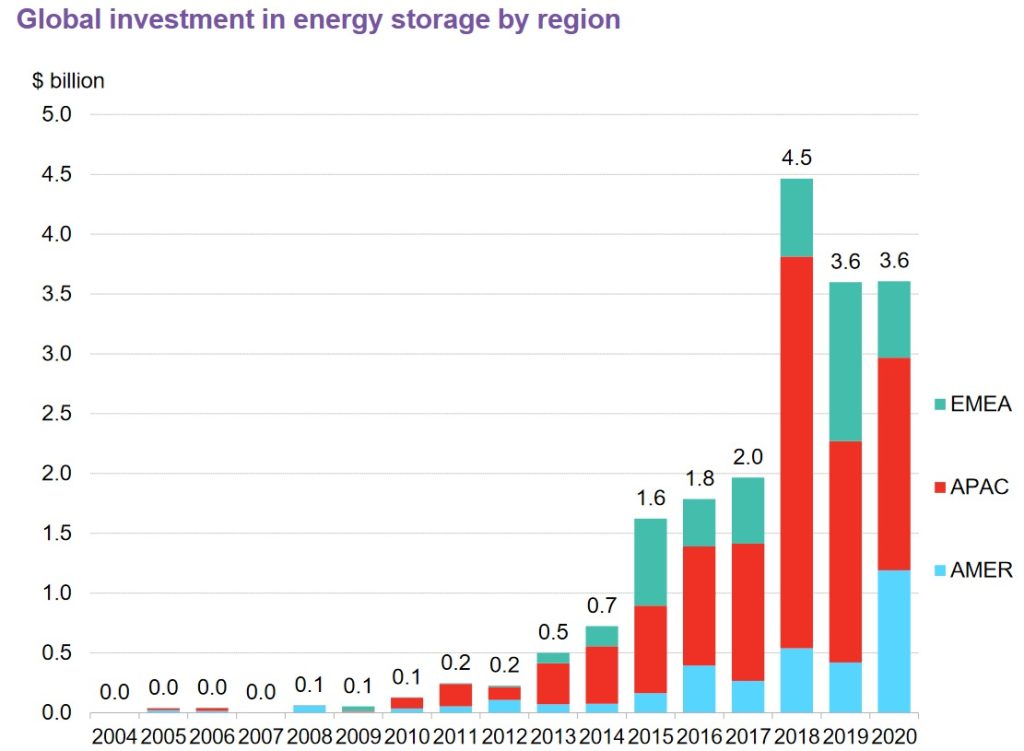
A bar chart showing the rapid growth in global energy storage investment from 2004 to 2020, with the APAC region as a dominant leader.
Category 4: The Next Frontier (Green Hydrogen & Emerging Tech)
These are the deep-tech companies working on the “next big thing.” They are focused on developing and commercializing next-generation fuels and energy sources, most notably green hydrogen, which is essential for decarbonizing heavy industries.
- SunGreenH2 (Singapore, 2020) SunGreenH2 is developing high-performance electrolyzers for green hydrogen production. Its proprietary nanotech-based component can double hydrogen output while using less energy, positioning it as a potential global leader in this critical field.
- Hydgen (India/Singapore, 2021) Focused on making green hydrogen accessible, Hydgen develops proprietary AEM electrolyzers. It is on the list for its focus on deploying on-site hydrogen production, serving industrial clients across India and Southeast Asia and solving supply chain challenges.
- Origenr8 (Singapore, 2021) Origenr8 is developing a breakthrough technology to produce green hydrogen using a catalytic process without traditional electrolyzers. Its inclusion is based on its high-risk, high-reward technological innovation that could fundamentally disrupt the hydrogen market.
- ByoMax (Singapore, 2018) This startup addresses the major problem of agricultural waste, particularly from palm oil. ByoMax has developed a technology to convert this low-value biomass into a high-grade, coal-like biofuel, creating a renewable fuel source from a regional pollutant.
Category 5: The Decarbonization Engine (AI, Carbon & MRV Platforms)
This is the fastest-growing category. These software companies are building the “picks and shovels” of the green economy. They provide the essential tools for companies to measure, manage, report, and reduce their carbon footprint.
- Unravel Carbon (Singapore, 2022) Unravel Carbon is an AI-powered platform that helps companies track and reduce their emissions, especially complex supply-chain emissions. It’s on this list for its tech, which converts accounting data directly into a detailed carbon footprint, making it a leader in Asia’s decarbonization-as-a-service market.
- Zuno Carbon (Singapore, 2020) A key competitor in the carbon management space, Zuno Carbon’s platform helps businesses measure and analyze their entire environmental footprint. It is notable for its AI-driven Veridis platform and its focus on empowering organizations across their full supply chain.
- Fairatmos (Indonesia, 2022) Fairatmos is a climate-tech startup focused on the carbon market. It’s on this list for its innovative model of building a platform that connects project developers (like reforestation projects) with businesses seeking to offset their emissions, a vital link for nature-based solutions.
- Ureca (Singapore, 2022) Ureca is democratizing climate action by using digital MRV (Measurement, Reporting, and Verification) technology. It is included for its unique blockchain-powered marketplace that allows individuals and businesses to directly invest in high-quality, verifiable climate solutions.
- Carbon GPT (Malaysia, 2023) As its name suggests, Carbon GPT uses generative AI to revolutionize sustainability reporting. It is on the list as a prime example of “next-gen” climate tech, automating the complex and costly process of ESG (Environmental, Social, and Governance) data analysis.
In-Depth Case Studies: The “Earth5R” Impact Lens
To truly understand the impact of these startups, it’s essential to look beyond their technology and funding. My research into environmental organizations like Earth5R shows a clear focus on circular economy principles, community-led waste management, and creating green livelihoods.
Using these principles as a research lens, we can analyze how the top startups are creating tangible, ground-up change. They aren’t just building power plants, they are re-engineering the region’s relationship with waste, finance, and community resources.
Case Study 1: Ace Green Recycling (The Circular Economy Champion)
The Problem: The renewable energy boom has a hidden waste problem: batteries. Traditional lead-acid and lithium-ion battery recycling relies on pyrometallurgy, a high-heat smelting process. This method is not only energy-intensive, often burning fossil fuels, but it also releases toxic lead fumes and other pollutants, creating a significant environmental and public health hazard.
The Solution & Impact: Singapore’s Ace Green Recycling directly tackles this problem with a groundbreaking “hard-tech” solution that embodies the circular economy. Instead of high-heat smelting, Ace uses a proprietary, fully electrified hydrometallurgical process that operates at room temperature.
The impact of this innovation is transformative. According to the company’s own technical analysis, their method produces zero Scope 1 carbon emissions and no toxic wastewater. It’s a closed-loop system that replaces a polluting industrial process with a clean, electrified one.
This technology is a prime example of the “waste-to-wealth” model. It efficiently recovers critical battery materials like lead, lithium, graphite, and cobalt with high purity. This creates a sustainable, localized supply chain for the battery industry, reducing the need for new mining and turning a hazardous waste stream into a valuable resource.
Case Study 2: Fairatmos (Democratizing Community Climate Finance)
The Problem: In nations like Indonesia, vast opportunities for nature-based climate solutions, such as reforestation and peatland conservation, lie with local communities. However, these communities and small project developers lack the technical expertise and financial access to navigate the complex, expensive global voluntary carbon market.
The Solution & Impact: Indonesia’s Fairatmos acts as a high-tech “digital bridge” for these communities, perfectly aligning with Earth5R’s principle of community empowerment. The company’s platform uses AI and satellite imagery to help anyone with land assess its carbon credit potential, a service that has already been used to screen over 30 million hectares.
Fairatmos provides end-to-end support, from the initial digital feasibility study (using its “AtmosCheck” tool) to developing the complex project-design documents required for international verification.
A prime example is their work with the Muara Teweh Conservation project in Central Kalimantan. Fairatmos is helping the project, which works with local Dayak communities, to protect forests, safeguard endangered species, and generate high-integrity carbon credits. This is a model that directly funnels climate finance to the people on the ground, creating sustainable livelihoods based on conservation, not extraction.
Case Study 3: ByoMax (Solving a Regional Waste-to-Energy Challenge)
The Problem: Southeast Asia is the global epicenter of palm oil production. This industry creates millions of tons of agricultural waste, particularly empty fruit bunches (EFB). This biomass is often left to rot, releasing methane, a potent greenhouse gas, or is disposed of inefficiently.
The Solution & Impact: Singapore’s ByoMax applies the “waste-to-value” principle directly to this massive regional challenge. The startup has developed a specialized torrefaction process, a form of thermal treatment, that converts this low-value, high-moisture biomass into a high-grade, solid biofuel.
The end product is a “coal-like” renewable fuel that is energy-dense, water-resistant, and easy to transport and burn in existing industrial plants. ByoMax is effectively taking a major regional pollutant and engineering it into a clean, renewable energy source.
This solution is a perfect example of tackling a niche, region-specific problem. It helps decarbonize the agricultural sector, creates a new revenue stream from waste, and provides a scalable, renewable alternative to coal for industrial power generation.
Analysis: Key Trends & Future Outlook
The “Top 25” list is more than just a collection of innovative companies, it is a data set that reveals three powerful trends shaping the future of energy in Southeast Asia.
First, digitalization is now non-negotiable. The energy transition is as much about software as it is about hardware. The proliferation of AI-powered carbon platforms like Unravel Carbon and Zuno Carbon, along with smart-grid IoT companies like Ampotech, proves that data is the key to managing decarbonization.
As recent industry analysis from the 2025 Singapore International Energy Week (SIEW) highlighted, future energy systems must be “smarter, cleaner and AI-Ready.” These startups are building the intelligent layer required to optimize a decentralized, renewable-powered grid.
Second, the circular economy has moved from a buzzword to a core business. The rise of “hard-tech” battery recycling startups like Ace Green Recycling and Green Li-ion signals a crucial maturation of the market.
This trend shows the ecosystem is moving beyond just generation (building solar farms) and is now tackling the complex sustainability of the transition itself. As reports from the United Nations emphasize, managing battery waste is a critical challenge, and these startups are creating the technology to solve it.
Third, smart investment is moving to “next-horizon” technologies. While solar is now an established and bankable asset class, venture capital is flowing into the next wave of innovation.
The emergence of a dedicated green hydrogen category, featuring deep-tech companies like SunGreenH2 and Hydgen, is the clearest signal of this shift. Recent funding rounds in this space, though still early-stage, confirm that investors are betting on these technologies to decarbonize the “hard-to-abate” sectors like heavy industry and shipping.
Conclusion: The Engine of the Transition
Southeast Asia’s path to a net-zero future is not monolithic. It cannot be achieved by governments or legacy utilities alone. This research confirms that the region’s success depends on a powerful dual-track approach.
On one track, energy giants and state-backed utilities will build the massive, multi-billion dollar solar farms, wind turbines, and cross-border interconnectors like the ASEAN Power Grid. These projects form the essential “superhighways” of the new energy economy.
On the second track are the 25 startups profiled in this article. They are the agile “R&D labs” of the green economy. They are the ones building the critical, specialized technology that will run on those highways, from AI grid-management software and advanced battery storage to the carbon-neutral fuels of the future.
These companies are more than just a list of promising ventures. They represent the region’s best bet for solving the most complex challenges of the transition. Their ability to innovate, scale, and attract capital will be a critical determinant in whether Southeast Asia can successfully navigate the energy trilemma and build a truly sustainable, secure, and prosperous future.
Frequently Asked Questions: Southeast Asia’s Green Revolution
What is the “energy trilemma” Southeast Asia is facing?
It is the core challenge of balancing three competing goals at the same time: first, meeting the skyrocketing energy demand from its fast-growing economies; second, ensuring that energy remains affordable and secure; and third, meeting urgent national and global climate commitments to reduce emissions.
What is the main driver for renewable energy growth in the region?
It is a powerful combination of economics and policy. Critically, research on the Levelized Cost of Electricity (LCOE) shows that building new solar and wind farms is now often cheaper than building new coal plants. This economic reality, combined with strong government policies like Vietnam’s Power Development Plan 8 (PDP8) and Singapore’s clean energy import strategy, is accelerating the transition.
How fast is the renewable energy market in Southeast Asia growing?
The market is expanding exponentially. Market research firms project that the region’s installed renewable capacity will surge to over 225 gigawatts (GW) by 2030, driven by a powerful compound annual growth rate (CAGR) of more than 12%.
How were the “Top 25” startups in this article selected?
The list was not based on funding size alone. Each startup was evaluated using a four-part methodology: 1) Technological Innovation (proprietary tech), 2) Market Traction & Scalability (major funding or partnerships), 3) Niche Impact (solving a specific SEA-centric problem), and 4) Founding Date (founded in the last 10-12 years).
Are all these startups just building solar farms?
No. The article categorizes the startups into five distinct groups. While some are in the “Solar Revolution” (like Xurya), many others are focused on critical, high-tech niches like the “Digital Backbone” (smart grids), the “Circular Economy” (battery recycling), the “Next Frontier” (green hydrogen), and the “Decarbonization Engine” (AI carbon-tracking software).
What is a “Decarbonization Engine” startup?
This is a category for startups that provide the essential digital tools for the green economy. They don’t build hardware; instead, they create AI and software-as-a-service (SaaS) platforms that help other companies measure, manage, report, and ultimately reduce their carbon footprints. Examples include Unravel Carbon and Zuno Carbon.
What is the “Digital Backbone” of the energy transition?
These are the technology companies building the essential hardware and software for a modern, stable green grid. This includes smart IoT sensors from companies like Ampotech to monitor energy use, and battery-swapping networks from companies like Swap Energy to power the e-mobility transition.
Why is battery recycling so important for the green transition?
The green transition is creating a massive new waste stream of used lead-acid and lithium-ion batteries from EVs and solar plants. Startups like Ace Green Recycling and Green Li-ion are crucial because they create a circular economy, using new technology to prevent toxic waste and recover valuable, finite materials like lithium, cobalt, and graphite.
What is the difference between pyrometallurgy and hydrometallurgy in battery recycling?
Pyrometallurgy is the traditional, polluting method that uses high-heat smelting to burn batteries. This is energy-intensive and releases toxic fumes. Hydrometallurgy, used by startups like Ace Green, is a modern, clean chemical process that operates at room temperature to dissolve and extract the valuable metals, producing zero Scope 1 emissions.
What is the “Earth5R Impact Lens” used in the case studies?
This is an analytical approach based on the principles of environmental organizations like Earth5R. It prioritizes analyzing startups not just on their technology, but on their tangible, ground-up impact, such as their contribution to the circular economy, their ability to create green livelihoods, and their empowerment of local communities.
How does a startup like Fairatmos help local communities?
It acts as a high-tech “digital bridge” to the global carbon market. Its platform uses AI and satellite data to help local communities and reforestation projects, like the Muara Teweh project in Indonesia, to verify their carbon impact, connect with corporate buyers, and earn sustainable revenue from conservation, not extraction.
What regional problem does ByoMax solve?
It directly tackles the massive agricultural waste problem from Southeast Asia’s palm oil industry. Its proprietary technology, called torrefaction, converts low-value, methane-emitting empty fruit bunches into a high-grade, “coal-like” solid biofuel that can be used to power industrial plants.
What problem do green hydrogen startups like SunGreenH2 solve?
They are focused on creating a clean fuel for the “hard-to-abate” sectors where electrification with batteries is not feasible. This includes heavy industry, manufacturing, and long-haul shipping. They develop new “deep-tech” like advanced electrolyzers to produce green hydrogen efficiently.
What is the biggest technical challenge these startups are solving?
One of the biggest is grid integration. Simply adding large amounts of intermittent solar and wind power makes a nation’s grid unstable. Startups in the “Digital Backbone” category are building the AI-driven software, smart energy storage, and IoT controls needed to manage this variability and create a stable, flexible, and reliable green grid.
What is a carbon management platform?
It is a software (SaaS) platform, like those from Unravel Carbon or Carbon GPT, that helps companies automatically measure and analyze their carbon footprint. This is especially important for complex “Scope 3” supply-chain emissions, which are the hardest to track.
What is the most significant trend identified among these startups?
The article identifies three key trends, but the most foundational is that digitalization is non-negotiable. The energy transition is now as much about AI, data, and software as it is about solar panels. This is shown by the large number of startups in the “Decarbonization Engine” category.
Why is investment moving to “next-horizon” technologies?
Because the market is maturing. Solar is now an established and bankable asset class. The next wave of high-growth opportunity is in solving harder, more complex problems. This is why smart venture capital is now flowing into deep-tech areas like green hydrogen and advanced battery recycling.
What is the “dual-track approach” to SEA’s energy transition?
This is the article’s core conclusion. It states that for Southeast Asia to succeed, it needs two efforts working in parallel: 1) Large-scale utilities building the “superhighways” (like the ASEAN Power Grid) and 2) The agile startups (like the Top 25) building the specialized, high-tech solutions that run on those highways.
What is the main takeaway from this article?
The main takeaway is that Southeast Asia’s green future depends on a dynamic and diverse ecosystem. While large corporations and governments are essential, it is the specialized, fast-moving startups profiled in this article that are developing the critical, niche technologies—from AI software to clean recycling—required to build a truly sustainable, circular, and secure energy system.
Are these the only innovative startups in the region?
No. This list of 25 is a curated snapshot of companies that are representative of the key trends and meet the article’s specific methodology. The ecosystem is incredibly dynamic, with new innovators emerging constantly, signaling a healthy and rapidly expanding green-tech sector in Southeast Asia.
~ Authored by Abhijeet Priyadarshi