
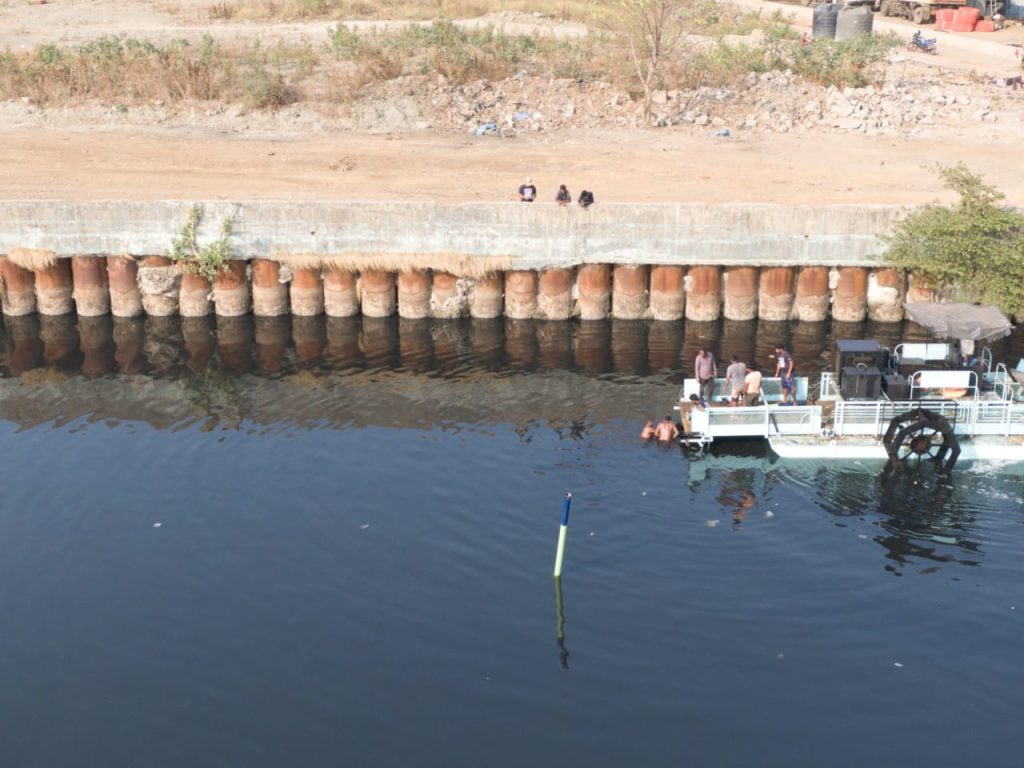
Urban Rivers Under Pressure
India’s urban expansion has dramatically altered the natural waterways that once sustained cities. Rivers, lakes, and wetlands are now facing unprecedented threats from untreated sewage, industrial discharge, and encroachment.
According to a report by the Central Pollution Control Board, over 70 % of urban wastewater in India flows untreated into rivers, intensifying pollution and ecological stress (timesofindia) The loss of these water systems not only affects biodiversity but also worsens urban flooding, heat islands, and water scarcity.
The Ecological Consequences
Degraded urban waterbodies disrupt the delicate balance of ecosystems and urban life. Wetlands and lakes that once absorbed excess rainfall are now paved over or clogged with debris, contributing to frequent floods during monsoons.
Research on urban lakes in Bengaluru shows that only 35 % of the lakes remain functional, while the rest have shrunk or become stagnant pools, unable to support aquatic life or recharge groundwater downtoearth .
Case Study: The Revitalization of the Mithi River, Mumbai
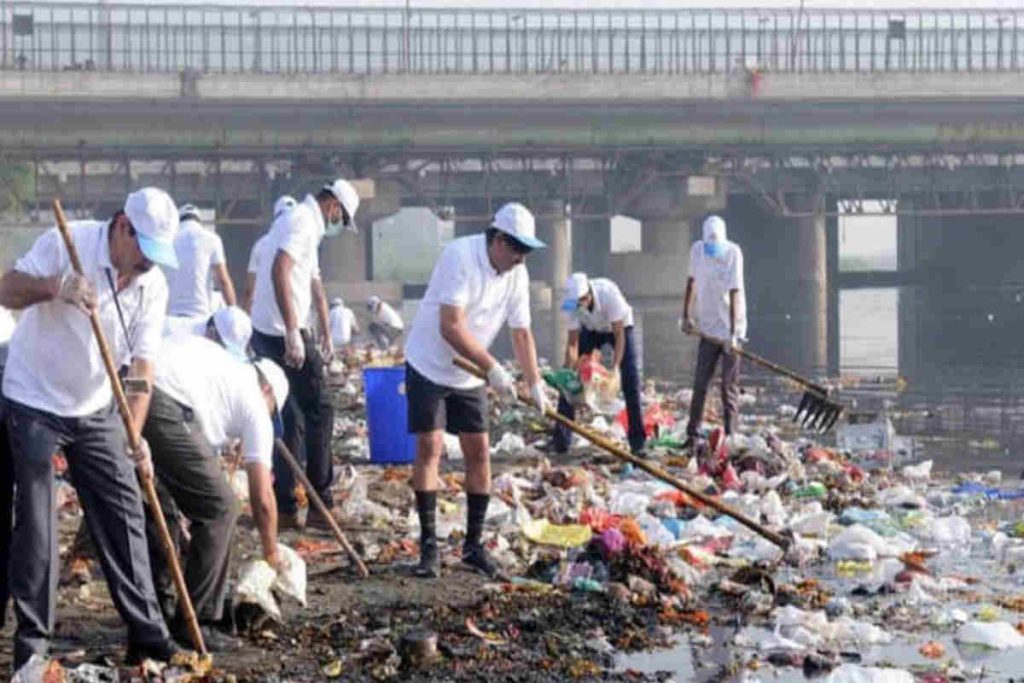
The Mithi River in Mumbai provides a vivid example of both the crisis and potential solutions. Once a natural drain supporting local biodiversity, the river became heavily polluted due to industrial and domestic waste.
Severe flooding during the 2005 Mumbai deluge highlighted the consequences of neglect. Restoration initiatives, including desilting, garbage removal, and improved sewage management, have shown early signs of recovery.
Water quality measurements indicate a gradual reduction in Biochemical Oxygen Demand (BOD) and an increase in dissolved oxygen levels in certain stretches, allowing native fish species to return.
Towards a New Urban Ecology
The concept of a new urban ecology emphasizes the integration of rivers and lakes into city planning as living infrastructure. Healthy waterways can regulate microclimates, recharge aquifers, mitigate floods, and provide recreational spaces.
Cities like Pune and Ahmedabad have begun experimenting with community-driven lake restoration and riverfront revitalization projects, demonstrating that combining science, urban planning, and citizen engagement can transform degraded urban waterways into resilient ecological corridors researchgate .
The Crisis and the Response: Degraded Waterways in Expanding Cities
India’s rapid urbanization has left many rivers, lakes, and wetlands under severe stress. Urban sprawl, untreated sewage, and industrial effluents have transformed once-thriving waterways into polluted channels.
Studies reveal that over 70 % of urban sewage enters rivers untreated, and many lakes in cities like Bengaluru and Pune are heavily eutrophic, unable to support aquatic life.
Despite these challenges, the degradation itself has sparked awareness and action. Cities are beginning to recognize that rivers and lakes are not just drains but critical urban infrastructure, vital for water security, biodiversity, and climate resilience.
Case Study: Bellandur Lake, Bengaluru
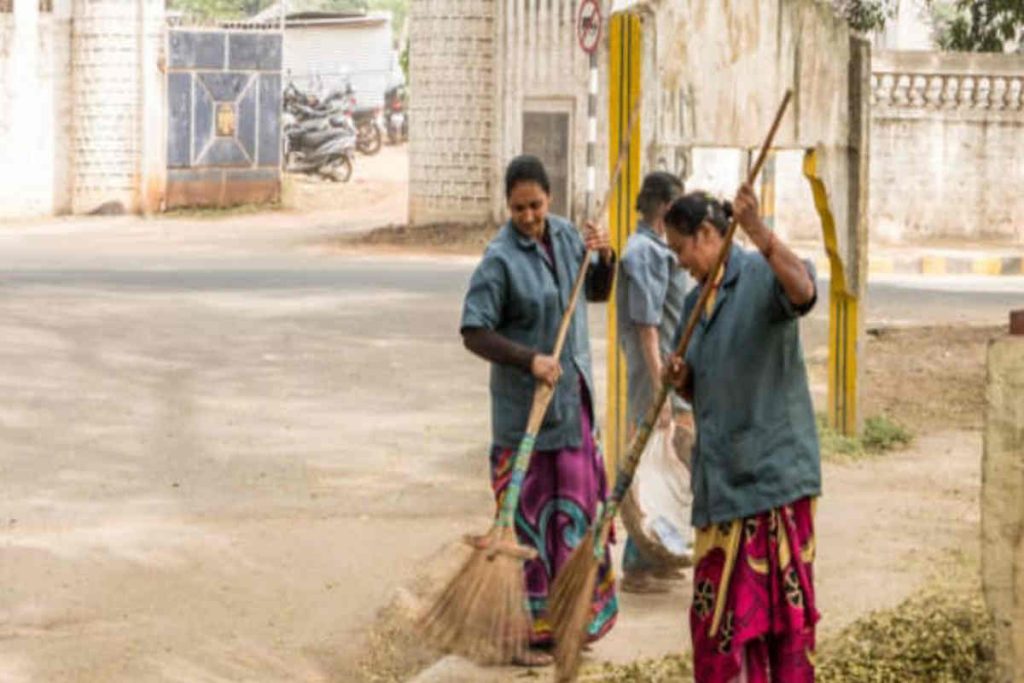
Bengaluru’s Bellandur Lake had become infamous for foam pollution caused by untreated sewage and industrial runoff. Community-led clean-up initiatives combined with municipal intervention such as aeration, sewage treatment, and floating wetlands have started to reduce nutrient load and restore the lake’s ecological function.
While full recovery is ongoing, these efforts demonstrate how coordinated action can transform degraded urban waterbodies bbc .
Why Restoration Matters for Cities
Restoring rivers and lakes is not only an environmental imperative but also an urban necessity. Functional waterways:
Mitigate floods by acting as natural buffers
Recharge groundwater and secure water supply
Reduce urban heat islands and improve microclimates
Enhance biodiversity and provide green recreational spaces
Studies show that cities with restored urban lakes experience improved flood management and increased biodiversity, demonstrating measurable social, ecological, and economic benefits. (ResearchGate)
Conceptualizing a New Urban Ecology: Rivers, Cities, and Connectivity]
The new urban ecology framework emphasizes that rivers and lakes should be treated as core urban infrastructure, not just peripheral or neglected elements.
Integrating waterbodies into city planning helps regulate flooding, improve microclimates, and maintain biodiversity corridors. Modern urban design increasingly considers blue-green networks, where connected rivers, wetlands, and parks create a resilient urban ecosystem worldbank .
Blue-Green Corridors: Connecting Cities to Rivers
Creating blue-green corridors involves linking rivers, lakes, and wetlands with parks, pedestrian pathways, and green spaces. For instance, Pune’s rejuvenated Mula-Mutha riverfront project combines flood management with public spaces and native vegetation planting, creating both ecological and recreational benefits.
These corridors not only prevent encroachment but also facilitate groundwater recharge and urban cooling.
Nature-Based Solutions in Urban Ecology
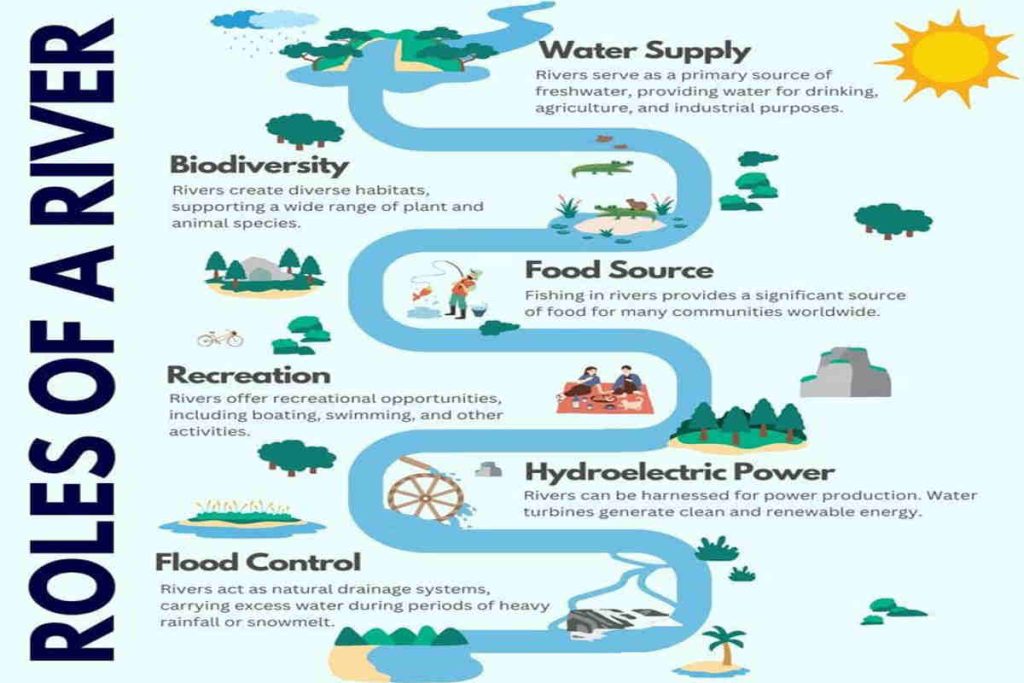
Nature-based solutions (NbS) such as constructed wetlands, rain gardens, and buffer zones provide sustainable alternatives to conventional engineering approaches.
For example, constructed wetlands in Ahmedabad have improved water quality in several urban lakes while supporting migratory birds. NBS help cities address stormwater management, reduce pollution, and restore biodiversity in a cost-effective and ecologically friendly way.
FAQs on Rebuilding Rivers, Restoring Cities: India’s New Urban Ecology
What is meant by rebuilding rivers in Indian cities?
Rebuilding rivers means restoring their natural flow, removing pollution sources, and reviving the ecosystems that once supported urban life. It focuses on integrating rivers into sustainable city planning rather than confining them to concrete channels.
Why are India’s urban rivers facing a crisis?
Rapid urbanization, encroachments, and untreated sewage have turned rivers into drains. Cities like Delhi, Bengaluru, and Mumbai have lost more than half of their functional wetlands in the past three decades, worsening pollution and flooding.
How does restoring rivers help in rebuilding cities?
Restored rivers improve air quality, control floods, and recharge groundwater. They also enhance the livability of cities by providing recreational areas, cooling effects, and supporting local biodiversity.
What is the concept of India’s new urban ecology?
India’s new urban ecology views cities as living ecosystems where nature, water, and people coexist. It promotes the idea that sustainable cities depend on healthy natural systems, not just modern infrastructure.
Which cities in India are leading examples of river restoration?
Ahmedabad’s Sabarmati, Chennai’s Adyar Creek, and Pune’s Mula-Mutha rejuvenation projects are successful examples. These cities show how design, science, and community action can restore degraded urban rivers.
What makes Bellandur Lake in Bengaluru so significant?
Bellandur Lake symbolizes both environmental neglect and renewal. Once notorious for catching fire due to toxic foam, it is now slowly recovering through legal action, wastewater treatment, and active citizen participation.
What role do communities play in river restoration?
Community groups and volunteers organize clean-up drives, plant native species, and monitor water quality. Their involvement ensures accountability and long-term success beyond government-led interventions.
How does technology support river restoration projects?
Technologies like GIS mapping, drone surveys, and IoT-based water sensors help monitor pollution sources, design efficient drainage systems, and assess progress scientifically.
Are there any government programs supporting this movement?
Yes, programs like the National Mission for Clean Ganga (NMCG), AMRUT 2.0, and Smart Cities Mission emphasize ecological river management and sustainable water infrastructure.
What is blue-green infrastructure and why is it important?
Blue-green infrastructure combines water and vegetation systems like wetlands, bioswales, and rain gardens to manage floods, clean water naturally, and improve city resilience.
How does climate change impact urban water systems?
Erratic rainfall, rising temperatures, and extreme weather events are straining city drainage systems. Healthy rivers act as natural buffers, absorbing excess water and stabilizing local climates.
Can restoring rivers create economic value for cities?
Yes. Clean rivers boost tourism, increase property values, and save millions by reducing flood damage. Studies show nature-based infrastructure delivers long-term economic returns.
What scientific evidence supports urban river restoration?
Research by the Indian Institute of Science (IISc) and World Bank indicates that integrating natural ecosystems into cities can reduce heat by up to 4°C and enhance biodiversity by 30%.
How can citizens contribute to this movement?
Individuals can participate in lake clean-ups, avoid littering, segregate waste, and advocate for eco-friendly policies. Small local actions collectively create large ecological impacts.
Are India’s environmental laws effective for river protection?
Laws like the Wetlands (Conservation and Management) Rules, 2017, and National Green Tribunal directives provide legal protection, but enforcement remains a major challenge in many states.
How does restoring rivers improve public health?
Cleaner rivers reduce waterborne diseases, improve air quality, and offer natural recreational spaces that enhance mental well-being and community interaction.
What are some innovative restoration techniques used in India?
Cities are using bio-remediation, constructed wetlands, and floating treatment wetlands to purify water naturally. These eco-technologies reduce chemical dependency and cost.
What lessons can global cities learn from India’s river revival projects?
India’s projects show how community-driven, low-cost, and scalable solutions can restore urban waterways even under high population pressure.The vision is to create water-sensitive cities where rivers, people, and ecosystems thrive together ensuring sustainability, resilience, and environmental justice.
What is the ultimate goal of India’s new urban ecology?
The vision is to create water-sensitive cities where rivers, people, and ecosystems thrive together ensuring sustainability, resilience, and environmental justice.
How can young citizens get involved in this ecological transformation?
Students and youth can volunteer with local environmental NGOs, participate in citizen science projects, or pursue careers in sustainable urban planning and ecology.
Be the Current That Revives Our Rivers
Every river tells a story of life, neglect, and rebirth. Across India, from the foaming surface of Bellandur Lake to the restored mangroves of Adyar Creek, citizens are proving that transformation begins at the grassroots. The revival of our rivers isn’t just an environmental duty; it’s a social awakening.
Urban sustainability is no longer the responsibility of planners alone it belongs to everyone who lives, breathes, and builds within a city. Each action, whether reducing plastic use, joining a clean-up drive, or planting native trees near water bodies, adds momentum to this new ecological revolution.
Be a part of the movement that rebuilds not only rivers but the spirit of the cities that depend on them. Join local restoration programs, support sustainable policies, and volunteer with environmental collectives that work to protect India’s water ecosystems.
Together, we can create cities that breathe through their rivers, sparkle through their lakes, and thrive through their communities.
Let’s become the generation that restores balance one river, one city, and one collective action at a time.
Authored by- Devashree Chakraborty