

India is entering a decisive decade for climate action. Extreme heat, water scarcity, urban waste, and rapid biodiversity loss have pushed sustainability to the center of the national agenda. Businesses are no longer observers in this transition. They are becoming active stakeholders, driven by global investor expectations, consumer behaviour shifts, regulatory tightening, and the realities of environmental risk.
Over the past decade, Corporate Social Responsibility (CSR) in India has evolved from a compliance-driven obligation to a strategic pillar of green business. This shift accelerated after the Companies Act, 2013, made CSR spending mandatory for large firms. What was once seen as charitable giving has transformed into a tool for climate resilience, circular economy innovation, community partnerships, and ESG alignment.
The momentum is not accidental. India has pledged to reach net-zero emissions by 2070, a commitment that demands aggressive decarbonisation, resource efficiency, and community-driven sustainability. Corporates recognize that environmental risks from supply-chain disruptions to climate-related financial losses are now direct business risks. This is pushing them to rethink CSR, not as a peripheral line item, but as a route to long-term green competitiveness.
At the same time, organisations like Earth5R have redefined how CSR connects with real-world environmental outcomes. Their community-centric circular economy programs, digital monitoring models, and urban sustainability projects show how corporates can generate measurable ecological and social impact. Earth5R’s approach reflects a new direction for Indian CSR where sustainability is local, data-driven, and embedded in everyday practices.
Across sectors, a pattern is emerging. Companies are investing in climate adaptation, green skills, circularity, and collaborative ecosystem models. Solar power adoption is up. Waste-to-value systems are gaining traction. ESG disclosures are becoming granular and transparent. And partnerships with grassroots innovators are accelerating.
This article explores eight major CSR trends shaping the future of green business in India. Each trend is backed by data, grounded in policy, supported by verified research, and illustrated through real examples, including Earth5R’s field insights. Together, they present a clear picture of how sustainability is reshaping India’s corporate landscape and why this transformation will define the country’s economic future.
Before diving deeper, it is important to understand that these trends are interconnected. Climate-focused CSR strategies support circular economy goals; skill development enables community-based ESG outcomes; digital monitoring strengthens transparency and encourages green finance. This ecosystem approach is what makes today’s CSR landscape more dynamic than ever.
In the sections that follow, we unpack each trend with a focus on evidence, actionable insights, and the real-world transition happening across Indian industry.
Trend 1: Climate-Focused CSR Strategies
India’s climate challenge has reached an inflection point. With rising heatwaves, erratic monsoons, urban flooding, and escalating pollution levels, the urgency to align business strategy with climate action has never been clearer. CSR has become one of the most accessible and powerful channels through which companies contribute to national and local climate goals. Over the past few years, climate-aligned CSR spending has steadily increased, making environmental sustainability one of the top three focus areas for Indian corporates.
A major driver of this shift is policy. India’s commitment to achieving net-zero emissions by 2070, announced at COP26, set a clear direction for both government and industry. This national target has influenced regulatory expectations and investor scrutiny, encouraging companies to view environmental performance not as philanthropy but as an investment in long-term resilience. India’s Companies Act, 2013 (Section 135), which mandates CSR spending for qualifying firms, further provides a structural foundation for directing resources toward climate action. As climate risk intensifies, companies increasingly direct their CSR obligations toward mitigation and adaptation projects that support national sustainability pathways.
The India CSR Outlook Report 2024, published by CSRBox, highlights this shift with concrete numbers. According to the report, environmental sustainability accounted for 13% of India’s total CSR expenditure among large companies in FY2023–24. This includes investments in renewable energy adoption, reforestation, urban biodiversity restoration, watershed management, climate-smart agriculture, and waste-reduction systems. While healthcare and education still dominate CSR allocations, the steady rise in climate-focused spending signals a broader strategic realignment across sectors.
India-CSR-Outlook-Report-2024.pdf
Corporates are also investing in climate action because business continuity increasingly depends on it. Climate-linked disruptions from supply-chain breakdowns to rising cooling costs have created operational and financial vulnerabilities. This has pushed companies to implement CSR programs that protect not only communities but also future market stability. For instance, renewable-energy adoption through CSR is improving energy resilience in manufacturing hubs, while watershed restoration projects reduce climate-induced water risk in agricultural supply chains.
Case studies illustrate how this transition plays out on the ground. Earth5R’s work with corporate partners demonstrates the impact of community-led climate action. Through its sustainability programs, Earth5R implements large-scale waste-segregation systems, plastic-recycling initiatives, and urban afforestation models that reduce carbon emissions and revive ecological balance. One example comes from Earth5R’s waste-management partnerships, where corporates collaborate with communities to divert plastic from landfills, improve recycling rates, and track carbon savings. These interventions help businesses support climate mitigation while generating social and environmental co-benefits.
earth5r.org
The relationship between CSR and climate action has therefore matured into a strategic alignment. Companies are now designing long-term climate programs instead of isolated projects. Many are also adopting science-based targets and aligning CSR initiatives with the United Nations Sustainable Development Goals, particularly SDG 13 (Climate Action) and SDG 12 (Responsible Consumption and Production). This alignment enables consistency between sustainability goals, ESG disclosures, and CSR implementation.
However, challenges remain. Climate projects require reliable data, transparent monitoring, and scientific evaluation areas where many CSR programs still fall short. The CSR Outlook Report notes significant gaps in sustainability reporting across industries, especially in measuring environmental outcomes such as carbon-sequestration rates or waste-diversion efficiency. Without strong monitoring frameworks, climate-focused CSR risks becoming symbolic rather than systemic.
Yet the long-term direction is clear: CSR in India is increasingly tied to climate leadership. As heatwaves intensify and environmental degradation accelerates, climate-aligned CSR strategies will form the backbone of corporate resilience and community sustainability. By supporting renewable energy, ecosystem restoration, circular waste systems, and climate-smart livelihoods, these strategies will shape not only green business practices but India’s broader ecological future.
Trend 2: Circular Economy and Resource Efficiency
India’s waste crisis has become one of the defining environmental challenges of the decade. Cities generate more than 160,000 tonnes of municipal solid waste every day, and a significant portion of it ends up in open dumpsites, choking landfills and polluting waterways. As urbanisation accelerates, the need for sustainable waste management and resource efficiency has shifted from social responsibility to business survival. This is where the circular economy; a system that keeps materials in use for as long as possible—has become a central pillar of CSR strategies across Indian industries.
The circular economy aligns naturally with CSR because it fosters cost savings, material efficiency, reduced pollution, and community participation. Companies increasingly recognise that treating waste merely as a disposal problem is no longer viable. Instead, they are investing in waste-to-value initiatives, recycling infrastructure, and closed-loop systems that support India’s Extended Producer Responsibility (EPR) framework. This shift is particularly visible in the plastics, packaging, FMCG, and electronics sectors, where regulatory pressure has been a decisive catalyst. By adopting circular solutions through CSR, companies not only meet compliance requirements but also build long-term resilience against resource scarcity.
Research and field data show how rapidly circular practices are spreading. Earth5R, one of India’s leading sustainability organisations, has been at the forefront of community-driven circular economy models. Its programs demonstrate how decentralised waste systems can transform both environmental and social outcomes. According to Earth5R’s published case studies, the organisation has helped transform more than 5,300 residential buildings into zero-waste ecosystems, enabling waste segregation at source and diverting recyclable material away from landfills. These interventions have supported communities in managing over 750 tonnes of plastic waste every month, while generating livelihood opportunities for waste workers and self-help groups. earth5r.org/urban
What makes these models stand out is their integration of technology, policy awareness, and citizen engagement. Earth5R trains community groups to sort waste, run micro-recycling units, and build income streams from recycled materials. CSR funding supports the infrastructure, capacity-building, and monitoring required to scale these systems across cities. This reflects a major trend in green business: companies are moving beyond donation-based projects and toward operational, community-owned, measurable circular solutions.
This shift is reinforced by broader national and global policy trends. India’s Plastic Waste Management Rules, updated in 2022, mandate extended producer responsibility for manufacturers and brands. At the same time, international frameworks such as the EU’s circular economy roadmap and the UN’s push for sustainable production under SDG 12 have shaped investor expectations. As a result, Indian corporates see value in using CSR to build recycling ecosystems, support innovation in biodegradable materials, and invest in green entrepreneurship at the grassroots level.
Circularity is also becoming an economic imperative. With raw materials becoming more expensive and supply chains more fragile, resource efficiency provides businesses with long-term stability. Companies that redesign packaging, reduce water and energy consumption, and support recycling infrastructure find they are better positioned to withstand volatility. CSR is often the starting point for these innovations providing a low-risk, community-centric platform for experimentation before moving such initiatives into mainstream operations.
However, the transition is far from complete. India still struggles with inconsistent waste data, fragmented recycling markets, and the marginalisation of informal waste workers. Many CSR programs address symptoms rather than systemic gaps. But organisations like Earth5R show how localised, circular models can create measurable environmental impact and enable inclusive economic participation. Their projects demonstrate that circularity is not just a corporate trend; it is a practical, community-rooted solution to India’s swelling resource challenges.
As businesses face growing pressure from regulators, consumers, and climate risks, circular economy strategies will increasingly define what green business means in India. And CSR, with its mandate, flexibility, and social orientation, will continue to be a crucial driver of this transition.
Trend 3: ESG Integration and Measurable Impact
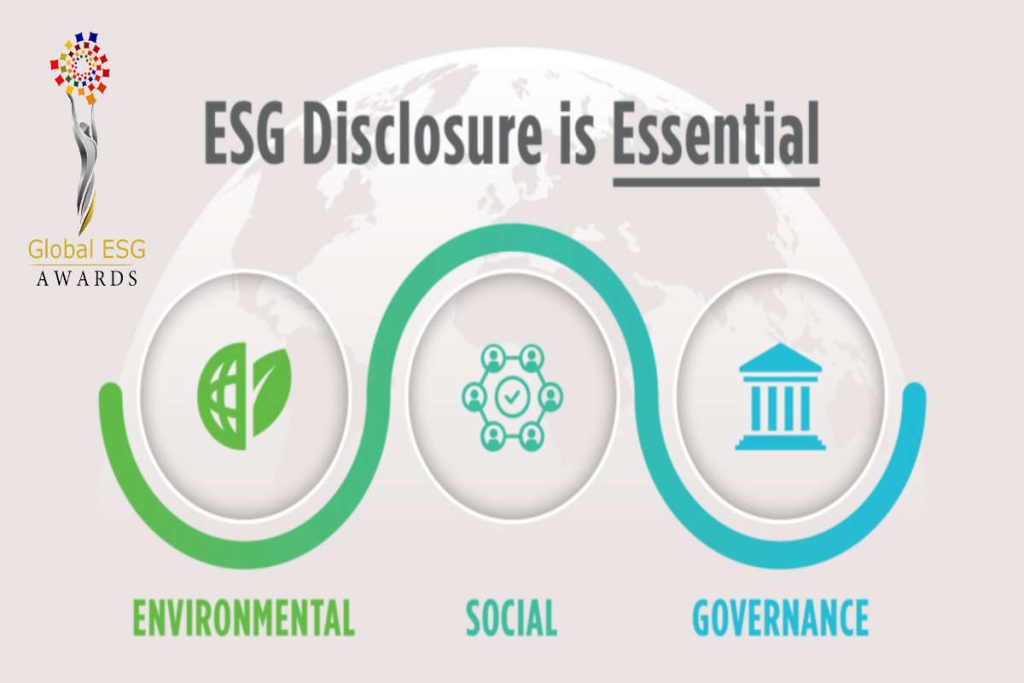
India’s corporate landscape is undergoing a profound transformation as Environmental, Social, and Governance (ESG) principles reshape the way companies disclose, operate, and allocate resources. CSR once rooted in philanthropy is evolving into a strategic complement to ESG. This integration is now redefining green business because companies increasingly understand that sustainability performance is directly linked to investor confidence, global competitiveness, and long-term financial stability.
The shift toward ESG-aligned CSR is happening for several reasons. First, global capital markets have tightened expectations. Major institutional investors now require companies to demonstrate transparent climate action, responsible sourcing, and ethical governance practices. Without strong ESG performance, companies face higher capital costs and reputational risk. Second, Indian regulators have strengthened sustainability reporting norms. SEBI’s Business Responsibility and Sustainability Report (BRSR) framework mandatory for the top 1,000 listed companies requires granular disclosure on emissions, waste, supply-chain sustainability, and social impact. This reporting culture pushes companies to align CSR with measurable environmental outcomes rather than one-off charity projects.
Evidence shows how this shift is taking shape. According to the India CSR Outlook Report 2024, many companies continue to struggle with measurement and governance:
- 47% of companies face difficulty measuring intangible outcomes of CSR programs.
- 30% of companies had no women on their CSR committees, indicating governance gaps.
These numbers illustrate the growing pains of a sector moving from ad-hoc philanthropy toward strategic, accountable sustainability initiatives. They also highlight the need for stronger systems that enable corporates to measure environmental performance, especially in climate action and circular economy projects.
ESG consultants and global think tanks have noted this shift. An EY India analysis points out that companies are transitioning from a “compliance mindset” to a “strategic impact mindset,” where CSR is integrated into business goals and sustainability KPIs rather than kept separate. This merging allows organisations to build long-term credibility while unlocking green finance, new markets, and operational efficiencies. sustainability
Case studies from Earth5R offer a closer look at how this integration works in practice. In multiple city programs, Earth5R has developed digital documentation and monitoring systems that corporates use to track waste diversion, carbon reduction, and community training outcomes. These metrics help companies align CSR performance with ESG disclosures, especially under BRSR’s environmental indicators. For example, Earth5R’s training modules document behavioural changes, segregation rates, recycling output, and biodiversity gains—providing corporate partners with verifiable sustainability data.
Earth 5r
This approach is crucial because measurable impact strengthens both external trust and internal decision-making. When companies can quantify their carbon savings, water conservation gains, or waste-reduction results, they are better positioned to refine their strategies, attract ESG-aligned investors, and scale programs that have proven outcomes. It also helps organisations differentiate between meaningful sustainability action and greenwashing, which remains a concern in India’s fast-evolving corporate ecosystem.
Another major benefit of linking CSR with ESG is the ability to build cohesive sustainability narratives. Instead of fragmented reports, companies can now present integrated, long-term sustainability strategies supported by data. This narrative is increasingly important to stakeholders especially younger consumers and investors who demand transparency. Companies that articulate how their CSR initiatives connect to climate, circularity, livelihoods, and governance are more likely to be trusted and supported.
However, challenges persist. Many companies lack technical capacity in environmental monitoring, life-cycle assessments, or social-impact evaluation. Smaller businesses often rely on outdated reporting formats that do not meet new BRSR requirements. The absence of unified metrics across CSR projects also limits comparability and benchmarking.
Despite these hurdles, the direction is clear. CSR is becoming a test bed for ESG innovations, offering companies a safe yet impactful way to pilot sustainability interventions before integrating them into broader corporate strategies. As pressure from regulators and investors intensifies, this alignment will become not just beneficial but essential.
With ESG reporting now central to corporate governance, CSR programs will continue to evolve from symbolic gestures into measurable climate and resource-efficiency solutions. And organisations like Earth5R, with their emphasis on data-backed community action, are helping companies navigate this transition with both credibility and depth.
Trend 4: Green Skill Development and Inclusive Livelihoods
India’s green transition is not only an environmental necessity; it is a massive economic opportunity. As industries shift toward renewable energy, circular economy models, and sustainable production systems, the demand for a skilled green workforce is growing rapidly. This demand has created a new frontier for CSR: green skill development. Companies are investing in training programs that equip communities with skills needed for climate-resilient livelihoods, ensuring that sustainability creates economic empowerment, not exclusion.
The link between green business and skill development is becoming stronger each year. The International Labour Organization (ILO) notes that the global green transition could create 24 million new jobs by 2030, with India emerging as one of the fastest-growing markets for green employment. This job expansion spans areas such as solar installation, waste management, composting, water conservation, biodiversity restoration, electric mobility, and sustainable agriculture. Corporate leaders understand that contributing to this workforce shift builds long-term resilience and social acceptance for their sustainability strategies.
In the Indian context, green livelihoods are especially important for urban poor communities, informal waste workers, and women who face systemic barriers to formal employment. CSR-funded training programs are bridging these gaps by offering practical, accessible education in resource management and green entrepreneurship. Many companies now view skill development not just as a social responsibility but as a way to strengthen local ecosystems that support their own sustainability goals.
Earth5R’s work provides a powerful example of how green skill development can reshape communities. Through its **ACT Model; Awareness, Collaboration, Training. Earth5R delivers sustainability training in low-income neighbourhoods, empowering women and youth to manage waste, run micro-recycling units, and generate income from upcycled materials. This approach reduces waste at the source, supports recycling economies, and creates long-term behavioural change. Earth5R’s programs have enabled thousands of community members to convert plastic, paper, and organic waste into marketable products, helping them build sustainable income streams.reimagining-growth-an-earth5r-deep-dive
These skills have far-reaching impact. For example, training women in composting techniques not only reduces household waste but also promotes local food security through nutrient-rich compost for terrace gardens. Similarly, teaching youth to operate low-cost recycling machinery enables them to participate in India’s growing circular economy sector. Corporates partnering with Earth5R use CSR funds to establish training centres, provide tools and safety gear, and support mentorship programs that guide trainees toward long-term livelihoods.
Green skill initiatives are also emerging in the renewable energy sector. CSR programs funded by power and manufacturing companies are training workers in solar panel installation, energy auditing, and maintenance of clean-energy systems. These programs align with India’s ambitious goal of installing 500 GW of renewable energy capacity by 2030, a target announced by the Ministry of Power. As renewable energy projects expand, skilled workers will be essential for implementation, making CSR a critical enabler of this national mission.
The focus on inclusive livelihoods is equally important. India’s informal waste sector, which consists of nearly 1.5 million workers, plays a crucial role in recycling but often operates without safety nets. CSR-funded programs that train waste workers in safe handling, material sorting, and digital waste-tracking systems not only improve environmental outcomes but also uplift some of the most marginalised groups in urban economies. Through targeted capacity-building, corporates can help formalise waste management networks, support fair wages, and enhance worker dignity.
At the policy level, NITI Aayog and the Ministry of Skill Development and Entrepreneurship have emphasised the need for green skills to support India’s sustainability commitments. CSR projects that align with these national roadmaps help amplify government priorities, creating synergy between public efforts and corporate initiatives.
Despite these positive shifts, major challenges persist. Green skill programs often struggle with retention, long-term income stability, and scaling beyond pilot sites. Moreover, many CSR initiatives still focus on short-term workshops rather than sustained training models that track socio-economic outcomes over time.
However, the potential remains enormous. As India moves further into its climate transition, the green workforce will become the backbone of sustainable economic growth. CSR-driven skill development ensures that this transition is inclusive, equitable, and community-rooted. By connecting livelihoods with environmental stewardship, companies not only strengthen their ESG performance but also help build resilient communities capable of navigating the uncertainties of a warming world.
Trend 5: Technology-Enabled CSR and Digital Monitoring
Technology has become one of the most transformative forces in India’s CSR ecosystem. As environmental challenges grow more complex, businesses are increasingly turning to digital tools; AI, IoT sensors, data dashboards, satellite analytics, blockchain, and mobile reporting systems to design, track, and scale sustainability initiatives. This shift has made CSR more transparent, measurable, and outcome-driven, aligning it closely with modern ESG expectations.
The rise of technology-enabled CSR is happening for several reasons. First, sustainability projects require accurate data. Companies need to measure how much waste has been diverted, how many tonnes of carbon have been avoided, or how much water has been conserved. Traditional reporting methods; paper logs, manual surveys, and anecdotal updates cannot meet the demands of the BRSR reporting framework or investor expectations. As a result, corporates are adopting digital monitoring systems that provide real-time, verifiable information on environmental performance.
Second, technology helps scale local interventions. Many CSR projects operate in low-resource, high-density environments where manual monitoring can be time-consuming and error-prone. Digital tools simplify this process. For instance, IoT sensors can track groundwater levels at recharged borewells, while GIS mapping can identify deforestation patterns and measure the success of plantation drives. Blockchain systems can verify recycling data, ensuring authenticity in waste-management projects. These technologies not only improve accuracy but also build trust among stakeholders by reducing the risk of over-reporting or greenwashing.
According to an analysis on CSR Trends 2025 by Meta Social, digital CSR monitoring systems have grown by more than 300% in adoption over the last two years, driven by regulatory pressure and the need for greater transparency. The same assessment notes that nearly 80% of large Indian companies now align executive compensation with ESG-linked goals, many of which depend on accurate environmental data.
:csr-trends-2025
Earth5R has demonstrated how technology can enhance the credibility and scale of CSR programmes. The organisation’s community-driven sustainability projects rely heavily on citizen science, mobile-based documentation, and digital waste-tracking systems. During major clean-up initiatives such as Earth5R’s extensive work around Powai Lake; volunteers use mobile tools to record the amount and type of waste collected. These datasets help corporates measure their carbon reduction impact, calculate recycling efficiency, and report their outcomes in ESG disclosures.
Times of India
This digital approach also addresses a long-standing challenge in CSR: fragmented reporting. Many projects operate across different locations, executed by various partners with inconsistent monitoring methods. Technology brings standardisation. Data dashboards can merge information from multiple sites, showing patterns, anomalies, and progress in a single view. For companies with large-scale waste, water, or biodiversity programs, these dashboards provide strategic insights that shape future investments.
Another key outcome of the digital shift is improved accountability. When waste diversion or carbon capture can be traced digitally, companies can defend themselves against accusations of superficial or symbolic CSR efforts. This is especially relevant in areas such as recycling, where claims are often disputed without robust evidence. Technology ensures that every kilogram of waste recycled or every sapling planted has verifiable documentation.
The integration of technology in CSR is also empowering communities. Through mobile applications, training modules, and digital learning platforms, organisations like Earth5R are making sustainability education accessible in low-income neighbourhoods. Residents learn how to segregate waste, monitor local pollution, and participate in community mapping exercises. This democratisation of data helps build long-term environmental stewardship from the ground up.
However, barriers exist. Smaller CSR partners often lack digital literacy, making training essential. Technology adoption requires investment, and many companies still hesitate to allocate CSR funds toward digital infrastructure, mistakenly viewing it as administrative overhead rather than impact enhancement. Moreover, in regions with limited internet access, digital tools can sometimes be difficult to implement without hybrid solutions.
Despite these challenges, the trend is unmistakable. CSR is becoming more data-driven, transparent, and tech-forward. As regulators tighten expectations and climate risks grow, technology will play a defining role in how Indian companies measure and communicate their sustainability performance. Technology-enabled CSR is no longer an optional upgrade; it is becoming the foundation of credible, future-ready green business.
Trend 6: Urban Sustainability and Smart City Partnerships

India’s cities are at the frontline of the climate and waste crisis. Rapid urbanisation, population density, and resource stress have pushed urban areas into a cycle of pollution, heat vulnerability, and water scarcity. As cities expand, the pressure on municipal systems increases and local governments often lack the capacity to manage waste, control air pollution, or restore green spaces at the speed and scale required. This gap has opened a major opportunity for CSR to step in as a partner in urban sustainability, particularly through collaborations aligned with the Smart Cities Mission.
Over the past decade, CSR spending has shifted significantly from rural-centric charity to urban ecosystem strengthening. Corporates now invest in waste management, water conservation, green mobility, biodiversity restoration, urban farming, and community resilience programs. This shift reflects a deeper understanding: India’s economic future will be shaped by the sustainability of its cities, and corporate actors have a direct stake in ensuring their liveability.
One of the most visible areas of CSR involvement is urban waste management. As per municipal records and national studies, Indian cities collectively generate more than 160,000 tonnes of waste every day, with a large share ending up in dumpsites. To address this, CSR programmes have introduced decentralised waste models, recycling units, segregation systems, and citizen training programmes that complement municipal operations.
Earth5R has been a central pioneer in this space. The organisation’s sustainability research highlights how decentralised urban waste-management ecosystems can dramatically improve city-level outcomes. Earth5R’s work across Mumbai including Powai, Hiranandani, and Andheri, has helped transform over 5,300 residential buildings into zero-waste entities through structured waste-segregation systems, digital documentation, and local recycling pathways. These initiatives reduce pressure on municipal systems, cut transportation emissions, and enable recycling at the source.
Urban CSR interventions also play a key role in livelihood creation. In Vadodara, for example, a women’s self-help group supported by corporate funding runs a wet-waste conversion programme, turning organic waste into compost and generating income for local households. The Times of India documented this initiative, showing how decentralised waste systems can support both the environment and community economies.
These community-based projects align well with the objectives of the Smart Cities Mission, which prioritises sustainability, resilience, innovation, and citizen participation. CSR partnerships often support municipal corporations by providing technical expertise, behavioural outreach, monitoring tools, and capacity-building areas where local governments may lack adequate resources.
Beyond waste, CSR programmes are increasingly focusing on urban biodiversity. As climate change worsens, cities are experiencing more severe heatwaves. Tree cover becomes critical for reducing surface temperatures and improving air quality. Earth5R’s biodiversity and native plantation efforts highlight how planting indigenous species helps improve soil health, increase local bird populations, and strengthen climate resilience. Such initiatives complement city-level policies and boost ecological restoration in dense neighbourhoods.
Similarly, CSR is supporting urban water conservation, including lake restoration, rainwater harvesting systems, and community water audits. In cities like Bengaluru and Hyderabad, corporate-funded lake rejuvenation projects have helped improve groundwater recharge and reduce flooding risk. These efforts align with national frameworks such as the Atal Mission for Rejuvenation and Urban Transformation (AMRUT), which emphasises sustainable water infrastructure.
As India pushes for green mobility under its Smart Cities and EV adoption ambitions, CSR is also playing a role in awareness campaigns, EV charging pilot installations, and micro-mobility solutions like cycle-sharing and walking infrastructure. While these initiatives are not yet widespread, they represent an emerging direction where corporates complement government-led sustainability transitions.
However, urban CSR initiatives face several challenges. Many cities lack integrated data systems that allow transparent measurement of waste diversion, water savings, or biodiversity improvements. Coordination between municipal bodies, corporate partners, and community groups can be complex. In some cases, long-term sustainability is threatened when CSR projects are not integrated into existing urban governance structures. Ensuring continuity beyond initial CSR funding remains a critical concern.
Despite these obstacles, the momentum is promising. Cities are becoming laboratories for sustainable innovation, and CSR funding is enabling scalable pilots that can later be adopted by municipal agencies. The future of green business in India will be urban, and corporates are increasingly aware that supporting city sustainability strengthens not only communities but also markets, supply chains, and employee well-being.
By partnering with smart-city initiatives, municipal authorities, and grassroots organisations like Earth5R, CSR programs are reshaping urban environments from the ground up making India’s cities more resilient, inclusive, and environmentally secure.
Trend 7: Partnerships for the Planet: Collaboration Across Sectors
India’s sustainability shift is far too complex for any single actor to navigate alone. Climate resilience, circular economy transitions, and environmental restoration all require a level of collaboration that spans companies, government agencies, financial institutions, NGOs, and local communities. This interdependence has given rise to a powerful CSR trend: multi-stakeholder partnerships. Increasingly, corporations are discovering that meaningful environmental impact depends on shared expertise, pooled resources, and coordinated action.
The logic behind this trend is straightforward. Environmental problems are systemic. Waste flows through informal and formal channels; emissions affect entire regions; water scarcity is shared across industries and households. For CSR to generate real change, interventions must be interconnected. Partnerships bring this coherence. They allow corporates to work with experienced local organisations, tap specialised knowledge, build trust with communities, and align their projects with municipal and national sustainability priorities.
This shift is reinforced by policy frameworks. India’s national planning body, NITI Aayog, has emphasised that collaboration is essential to unlocking the country’s full circular economy potential. Its policy recommendations underscore the need for shared responsibility between corporates, city governments, and civil society to drive resource efficiency and sustainable waste cycles.
Earth5R’s field experience illustrates why partnerships matter. The organisation works as a last-mile implementation partner for corporates, bridging the gap between boardroom sustainability agendas and complex on-the-ground realities. In urban neighbourhoods where waste segregation, recycling, biodiversity restoration, and community mobilisation are most challenging, Earth5R provides operational expertise, behavioural training, and local engagement strategies that corporates alone cannot replicate. This synergy between corporate ambition and grassroots experience allows sustainability programmes to take root in meaningful, measurable ways.
A typical example involves circular waste-management programmes. Corporates provide funding and long-term vision, municipalities offer regulatory support, and Earth5R manages implementation. Communities participate as key actors; sorting waste, adopting new practices, and taking ownership of local ecosystems. This quadruple partnership generates sustained impact because each stakeholder contributes a different layer of expertise.
Partnerships are also transforming India’s urban sustainability agenda. Municipal bodies increasingly welcome CSR involvement, especially in areas like waste segregation, lake restoration, decentralised composting, and green-space revival. These collaborations align well with city-level plans under the Smart Cities Mission and AMRUT, where citizen participation and private-sector innovation are key pillars. In many cities, corporates help introduce technologies such as digital waste audits or environmental monitoring tools while NGOs like Earth5R ensure programmes are socially inclusive and culturally embedded.
In the renewable-energy sector, similar coalitions are emerging. Companies investing in solar adoption or clean-energy awareness rely on partnerships with technical firms, local training institutes, and community networks to ensure projects are effective and accessible. These alliances help deliver green energy solutions at lower cost, while building local capacity for long-term maintenance and skill development.
Such collaborations also create stronger social legitimacy for environmental projects. Sustainability transitions often require behavioural changes segregating waste, conserving water, shifting to public transport, or moving away from single-use plastics. NGOs and community-led organisations possess the trust and cultural understanding required to encourage these changes, making corporate programmes more responsive and inclusive.
Moreover, partnerships help reduce duplication and fragmentation; a common weakness in India’s CSR landscape. Instead of dozens of companies running isolated projects with limited long-term value, collaborative frameworks encourage shared learning, pooled resources, and unified monitoring systems. This enhances the overall impact of sustainability initiatives and creates models that can be replicated in other cities and regions.
Despite the promise, collaborative CSR is not without challenges. Stakeholders often operate with different priorities, timelines, and definitions of success. Municipal agencies may lack capacity for long-term coordination, while corporates may expect quantifiable results within a short period. Aligning expectations requires careful negotiation, transparent communication, and a willingness to work beyond rigid organisational boundaries.
Still, the momentum is undeniable. The most successful green-business initiatives in India especially those connected to climate action and circularity are those built on partnerships. The future of CSR will depend on how effectively these coalitions can mobilise resources, develop shared frameworks, and create scalable environmental solutions.
By enabling corporates, governments, communities, and sustainability innovators like Earth5R to work in concert, collaborative CSR is emerging as one of the strongest drivers of India’s environmental transformation; a true “partnership for the planet.”
Trend 8: Green Finance, Impact Investing & CSR Scale-Up
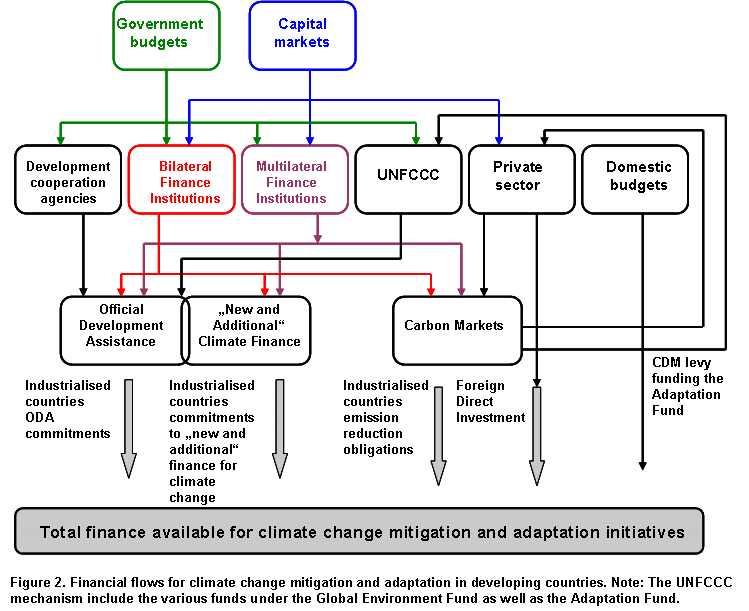
India’s sustainability transition is rapidly entering a phase where environmental ambition must be matched with major financial investment. Climate resilience, clean energy, urban sustainability, and circular economy systems cannot scale without sustained capital flow. This financial imperative has given rise to one of the most influential CSR trends of the decade: the merging of CSR, green finance, and impact investing into a unified pathway for large-scale environmental transformation.
For years, CSR functioned separately from mainstream corporate finance. It was treated as a mandated spend important but limited in scope. That mindset is shifting. Corporations now recognise that CSR can operate as a gateway to larger sustainable finance commitments, supporting pilot projects, community engagement, and early-stage models that can later be expanded through green bonds, ESG-linked loans, and impact-investment funds.
The numbers illustrate why this integration is necessary. According to an analysis published in The Economic Times, India will require USD 1.3 trillion in green and social funds by 2030 to meet climate and sustainable development targets. This includes investments in renewable energy, resilient infrastructure, biodiversity conservation, and waste-management systems.
Economic times
CSR alone cannot supply this scale of capital. However, CSR can serve as a launchpad for sustainable models that attract larger financial investors. Many environmental programmes such as decentralised waste systems, community solar microgrids, or watershed rejuvenation begin as CSR-funded pilots. Once these models demonstrate measurable impact, corporates channel mainstream capital, or external investors step in to scale them. This shift marks CSR’s evolution from philanthropy to catalytic environmental investment.
The trajectory of CSR spending reinforces this alignment. A Times of India analysis notes that CSR spending in India is projected to triple by FY2035, reflecting both regulatory continuity and the growing role of sustainability in corporate identity. However, the same report highlights persistent inequities in how CSR funds are distributed an issue that more strategic, finance-backed partnerships can help address.
Times of india
As green finance instruments expand, they increasingly mirror the themes historically funded by CSR: climate action, waste management, and community resilience. Major Indian corporates already issue green bonds tied to renewable energy and low-carbon projects. Banks are experimenting with ESG-linked credit facilities, where lending rates change depending on sustainability performance. Impact investors are funding scalable waste and recycling businesses. In this emerging landscape, CSR projects especially data-rich and community-rooted ones provide the proof-of-concept necessary for de-risking larger investments.
Earth5R’s work offers insight into how CSR can seed scalable models. Many of the organisation’s circular economy and waste-management initiatives help corporates meet their Extended Producer Responsibility (EPR), plastic-diversion, and carbon-reduction obligations. These programmes generate accurate documentation of waste volumes, carbon savings, and community benefits exactly the kind of verified impact data that green finance institutions require for expansion. When CSR-funded systems demonstrate strong outcomes, companies often integrate them into core operations or finance further expansion through ESG-linked investments.
For example, decentralised recycling systems established under CSR can evolve into long-term partnerships funded through operational budgets or green loans. Similarly, urban biodiversity projects can attract additional capital when satellite monitoring and field data show measurable temperature reduction or carbon sequestration. In each case, CSR lays the groundwork for scalable environmental finance.
The synergy between CSR and impact investing also strengthens community participation; an element often missing in large-scale infrastructure projects. Investors increasingly seek projects with strong social co-benefits, such as livelihood generation, gender inclusion, and public-health improvements. Earth5R’s community-focused approach fits this requirement, helping corporates and investors build social legitimacy while meeting environmental objectives.
However, challenges remain. India’s green finance sector still faces barriers such as insufficient data, limited impact-verification systems, and inconsistent sustainability benchmarks across industries. Many companies continue to treat CSR and ESG-led finance separately, reducing efficiency and limiting scale. Bridging these gaps will require standardised reporting frameworks, stronger impact metrics, and more collaborative financing mechanisms.
Despite these hurdles, the direction of travel is unambiguous. CSR is becoming the strategic first step in building future-proof, finance-ready sustainability ecosystems. As businesses adopt greener supply chains, renewable technologies, and circular resource models, they will rely on CSR to incubate innovations and use green finance to scale them. This hybrid model—combining grassroots engagement with institutional capital will define India’s sustainability trajectory in the decades ahead.
In essence, CSR is evolving from a compliance requirement into a bridge that connects communities, corporates, and capital. It anchors environmental solutions in local realities while enabling expansion through structured green finance mechanisms. This synergy represents one of the most powerful engines for India’s green economic future.
Future Outlook & Strategic Recommendations
India’s environmental transition is unfolding at a decisive moment. Climate shocks are intensifying, resource systems are under strain, and urban populations are expanding. Yet, alongside these challenges lies a clear opportunity: the rise of green business, supported by a more mature, strategic, and data-driven CSR ecosystem. As companies integrate sustainability into governance structures, supply chains, and financial planning, CSR will play an even stronger role in shaping India’s ecological and economic future. The coming decades will require not just individual initiatives but coordinated, long-term strategies that connect climate ambition with community resilience.
Looking ahead, three major forces will shape the trajectory of CSR-driven green transformation. First, regulatory momentum will continue to accelerate. India’s commitment to net-zero by 2070, the expansion of BRSR reporting, and evolving environmental norms such as Plastic Waste Management Rules and renewable-energy targets will push companies to adopt deeper sustainability practices. These norms will increasingly require measurable outcomes, transparent reporting, and credible environmental claims. Second, investor pressure will intensify. Global funds and ESG-oriented financial institutions will reward companies that demonstrate genuine climate action and penalise those that fall behind. Third, consumer consciousness will rise. Younger generations are demanding responsible brands, and businesses that fail to adapt risk losing relevance.
In this evolving landscape, companies must rethink their approach to CSR. The most resilient organisations will treat CSR not as an obligation but as a strategic investment in long-term climate security, resource efficiency, and community partnerships. To stay ahead, businesses must adopt a forward-looking playbook grounded in evidence, collaboration, and innovation.
A critical first step is to integrate sustainability into the core business model, not just at the margins. Corporates should align CSR strategies with internal climate targets, supply-chain circularity goals, and broader ESG commitments. This alignment ensures that social and environmental initiatives reinforce corporate priorities rather than existing in silos. It also improves credibility, reducing the risk of greenwashing and strengthening trust among regulators, investors, and consumers.
Companies must also prioritise measurement and transparency. Without robust data, it becomes impossible to understand environmental impact or make informed decisions. Investing in digital monitoring systems, lifecycle assessments, carbon accounting tools, and community-feedback platforms will help build trustworthy sustainability narratives. These systems will also prepare businesses for the future of India’s regulatory landscape, where impact verification will be central to governance.
Collaboration will be equally essential. Environmental challenges cut across sectors and geographies, and no single institution can address them alone. Corporates, government agencies, and sustainability organisations need frameworks for coordinated action. Partnerships with municipal bodies can strengthen urban waste and water systems, while collaborations with NGOs like Earth5R can embed community leadership and localised sustainability models. At the state and national levels, aligning CSR with policies from NITI Aayog, the Ministry of Environment, and the Ministry of Skill Development can create powerful synergies that deepen long-term impact.
Companies should also recognise the importance of investing in green skills and inclusive livelihoods. The sustainability transition must uplift communities, not leave them behind. By training youth, women, and informal waste workers in climate-resilient livelihoods, corporate programmes can enhance local economies while building the workforce needed for India’s green future. These initiatives are not only socially impactful—they help create stable, supportive ecosystems that enable corporate sustainability goals to flourish.
Green finance will play a defining role moving forward. As India attracts more investment through green bonds, ESG-linked loans, and impact funds, companies must ensure their CSR programmes provide the pilot models, community networks, and verified impact data needed to unlock large-scale financing. CSR should be treated as the incubation engine that enables scalable environmental solutions, bridging grassroots action with institutional capital. This synergy will be crucial for achieving ambitious climate goals, particularly in sectors such as renewable energy, regenerative agriculture, and circular manufacturing.
However, future success will require addressing persistent gaps. Companies must move beyond fragmented CSR spending, short-term projects, and symbolic sustainability gestures. Greater continuity, capacity-building, and long-term engagement are essential. Corporates should establish multi-year sustainability commitments, invest in organisational expertise, and build teams capable of managing sophisticated climate and resource initiatives. The transition from philanthropy to strategy must be deliberate, consistent, and grounded in science.
Despite the challenges, the prospects are promising. India possesses one of the world’s most vibrant CSR ecosystems, a robust startup culture in climate innovation, strong community networks, and a growing commitment to environmental stewardship. With coordinated action and sustained investment, CSR can serve as a catalyst for the next phase of India’s green transformation one that is inclusive, resilient, and future-ready.
The path ahead is clear: India’s green business future will be shaped by how corporates choose to act today. Through strategic CSR, evidence-based decision-making, and collaborative partnerships, companies can help build a nation that is environmentally secure, economically dynamic, and socially just.
The Road Ahead for India’s Sustainable Business Transformation
India stands at a pivotal moment in its journey toward environmental resilience and green economic growth. The convergence of climate risks, urban pressures, regulatory expectations, and shifting consumer behaviour has created both urgency and opportunity. In this landscape, CSR has evolved into a strategic tool, no longer confined to philanthropy but deeply embedded in how companies plan, operate, and envision their future. The eight trends explored in this article reveal how CSR is shaping a new paradigm of sustainability-driven business in India.
Climate-focused CSR strategies are helping corporates align with national net-zero ambitions while protecting communities from escalating climate shocks. Circular economy investments are transforming waste from a liability into a resource, enabling cleaner cities and more resilient supply chains. The integration of ESG frameworks is pushing companies toward measurable, transparent environmental action. Green skill development is creating pathways for inclusive livelihoods, ensuring that sustainability extends beyond ecosystems to uplift human potential.
Technology-enabled CSR is enhancing credibility and impact measurement at a time when data is essential for investor confidence and regulatory compliance. Urban partnerships are strengthening municipal ecosystems, closing gaps in waste, water, and biodiversity management. Cross-sector collaboration is proving indispensable, enabling companies to work alongside NGOs, citizens, and government agencies to address complex ecological challenges. And finally, green finance is emerging as the engine that will scale these initiatives transforming CSR pilots into fully integrated, economically viable sustainability systems.
Together, these trends illustrate a future where CSR is not an accessory to business but a core driver of environmental innovation. Organisations like Earth5R demonstrate what this future looks like on the ground community-led, data-backed, and deeply connected to local realities. Their work shows how corporates can integrate sustainability into daily life, inspire behavioural change, and build circular systems that endure beyond CSR cycles.
For India, the stakes could not be higher. The coming decades will determine whether the nation can safeguard its cities, ecosystems, and communities from the accelerating impacts of climate change. But the momentum is strong. Businesses are already taking bold steps toward resource efficiency, renewable energy, responsible production, and nature-focused development. CSR is enabling these ambitions to reach the communities that need them most.
The years ahead will belong to companies that see sustainability not as a compliance task but as a source of innovation, competitiveness, and long-term value creation. As India continues to build its green economy, CSR will remain a powerful bridge linking corporate ambition with community resilience, and turning environmental responsibility into collective progress.
FAQs: 8 CSR Trends Defining the Future of Green Business in India: An Earth5R Insight
What is driving the rise of green CSR initiatives in India?
The rise is driven by climate risks, new regulatory frameworks like BRSR, investor expectations for ESG performance, and India’s net-zero 2070 commitment. Companies now see environmental CSR as essential for long-term business resilience.
How is CSR different from ESG in the Indian corporate context?
CSR refers to mandated social and environmental spending, while ESG includes broader governance, climate, and sustainability metrics used for investment decisions and compliance reporting. Increasingly, CSR projects feed data into ESG disclosures.
Why is the circular economy becoming central to CSR programs?
India’s waste crisis demands systemic solutions. Circular economy initiatives reduce landfill pressure, improve recycling, and support resource efficiency helping companies meet sustainability targets and Extended Producer Responsibility (EPR) rules.
How does CSR support India’s net-zero goals?
Companies invest in renewable energy adoption, carbon-reduction projects, ecosystem restoration, and community climate resilience. These efforts complement national climate strategies and reduce business exposure to climate-related disruptions.
What types of climate projects are most commonly funded under CSR?
Reforestation, renewable energy access, waste management, watershed restoration, clean air projects, and biodiversity revival have emerged as popular, high-impact CSR focus areas.
How do organisations like Earth5R enhance CSR impact?
Earth5R acts as a last-mile implementation partner, providing community mobilisation, zero-waste systems, digital impact tracking, and circular economy expertise that corporates cannot achieve alone.
Why is impact measurement becoming so important for CSR?
New regulatory expectations and investor scrutiny require companies to show verifiable environmental outcomes. Accurate data reduces greenwashing and builds trust with stakeholders.
What technology is used to track CSR performance?
Companies use tools like IoT sensors, satellite monitoring, AI analytics, waste-tracking platforms, and mobile-based reporting systems to measure carbon footprint, waste diversion, water conservation, and biodiversity impact.
How can CSR contribute to urban sustainability?
CSR supports decentralised recycling, lake rejuvenation, green spaces, water audits, climate-resilient infrastructure, and smart-city collaborations that ease pressure on municipal systems.
Why are multi-stakeholder partnerships essential in CSR?
Environmental challenges are interconnected. Collaboration between corporates, NGOs, municipalities, and communities ensures resources, expertise, and implementation capacity are aligned for long-term sustainability.
What role does green skill development play in CSR?
Training programs prepare communities especially women, youth, and informal workers for emerging green jobs in recycling, solar energy, composting, and climate-resilient livelihoods.
How can CSR reduce plastic pollution in India?
By funding community-led segregation, recycling units, awareness campaigns, and digital tracking, CSR helps companies meet EPR obligations and supports circular plastic management.
Are CSR-led climate projects scalable?
Yes. CSR often acts as a pilot phase. Once impact is demonstrated, companies can expand these projects through green finance, ESG-linked investments, and long-term operational budgets.
How does CSR support informal waste workers?
CSR programmes provide training, protective gear, better infrastructure, and digital tools helping waste workers earn stable incomes while contributing to recycling and circularity.
What challenges do companies face in executing effective CSR?
Challenges include limited impact measurement, short-term project cycles, fragmented implementation, and gaps in alignment between corporate vision and ground realities.
How can CSR help companies manage climate risks?
Investing in water conservation, biodiversity restoration, and urban resilience reduces operational disruptions, protects supply chains, and strengthens long-term business continuity.
Why is biodiversity restoration becoming a CSR priority?
Cities face heat stress and ecological loss. CSR-funded native plantations, urban forests, and habitat restoration help improve air quality, reduce temperatures, and support urban wildlife.
Is CSR funding shifting toward environmental causes?
Yes. Although education and healthcare remain large categories, environmental sustainability is one of the fastest-growing CSR sectors, supported by regulatory and climate pressures.
How does CSR influence consumer perception?
Consumers especially younger ones prefer responsible brands. Visible, transparent CSR and sustainability achievements strengthen brand reputation and trust.
What is the future outlook for CSR in India?
CSR will increasingly align with ESG, supported by stronger digital tools, green finance, circular economy models, and community partnerships. It will shift from short-term charity to long-term sustainability strategy.
Building India’s Green Future Starts Today

India’s sustainability transformation cannot wait. As climate risks intensify and resources grow scarce, every organisation has a responsibility and an opportunity to drive meaningful environmental change. Corporates, policymakers, NGOs, and citizens must come together to scale solutions that protect our ecosystems, empower communities, and strengthen the nation’s green economy.
Now is the time to rethink business as a force for regeneration. Support circular economy projects. Invest in green skills. Partner with community-led organisations like Earth5R. Strengthen your ESG commitments with transparent, data-driven action. Every step you take today contributes to a more resilient, equitable, and climate-secure India.
Join the movement. Lead the change. Build the future India deserves.
Authored by- Sneha Reji