
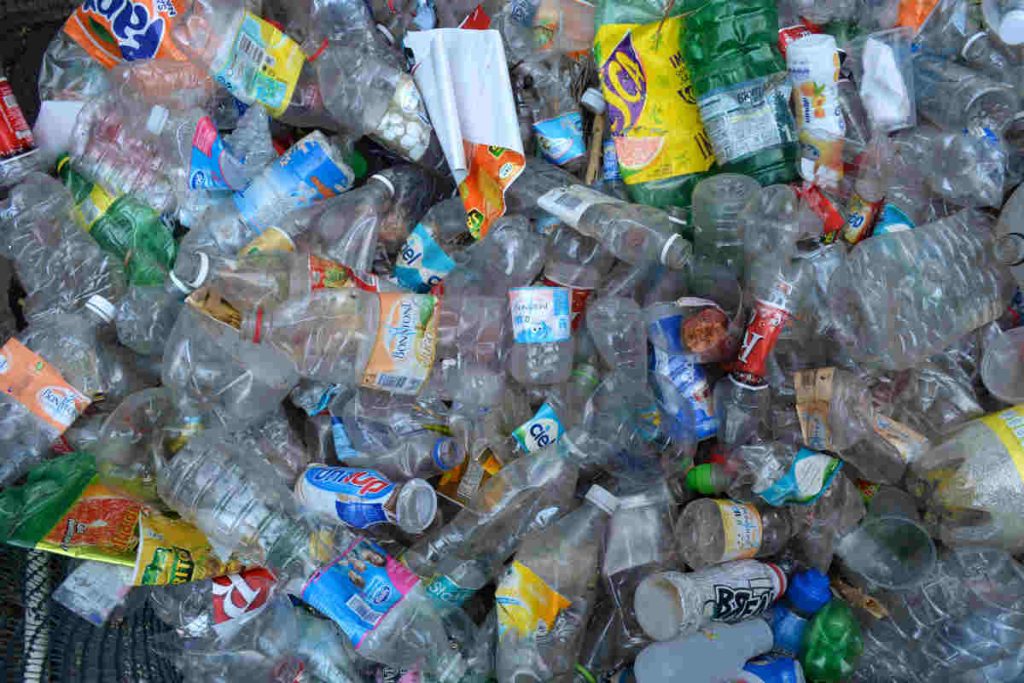
Plastic pollution has become one of the defining environmental challenges of our generation. Every year the world produces massive quantities of plastic waste, much of which ends up in landfills, rivers and oceans where it remains for centuries. Traditional waste management systems are unable to cope with the growing volume, leaving governments, businesses and communities searching for structured solutions.
In the middle of this challenge, plastic credits have emerged as a promising tool. They mirror the role carbon credits once played in climate action by introducing accountability, financial incentives and verifiable impact into the waste sector. Earth5R, with its long experience in community-driven sustainability programs, views plastic credits as a strategic instrument that can strengthen circular economy models and support the global transition to responsible consumption.
This article explores how plastic credits work, why they are being compared to carbon credits, their benefits, challenges, and Earth5R’s strategic insights. It also breaks down their impact through clear listicles that explain the practical value they bring to communities and corporations worldwide.
What Exactly Are Plastic Credits
Plastic credits represent a verified quantity of plastic that has been collected, recycled or prevented from entering natural ecosystems. Their purpose is to create a measurable and accountable mechanism that enables companies to balance their plastic footprint. Rather than relying on broad claims of sustainability, organisations can now invest in verified recovery programs that demonstrate real environmental impact.
Plastic credits also provide financial support to recycling infrastructure, informal waste workers and community-led programs. They convert plastic recovery into a structured activity that can be traced, audited and reported as part of corporate ESG frameworks. This systematic approach is precisely what makes them an emerging global tool in the waste management landscape.
Why Plastic Credits Are Being Compared to Carbon Credits
Plastic credits are often described as the carbon credits of the waste sector because they serve a similar purpose. Carbon credits helped measure and reduce greenhouse gas emissions by creating a market-based system for environmental responsibility. Now, plastic credits are applying the same principle to the world’s plastic pollution crisis.
Both systems assign a financial value to environmental action and incentivise organisations to invest in sustainability. They allow companies to compensate for their environmental footprint while supporting projects that create positive social and ecological outcomes. This structural similarity is why plastic credits are gaining momentum as part of corporate and national sustainability strategies.
Why the World Needs Plastic Credits Now More Than Ever
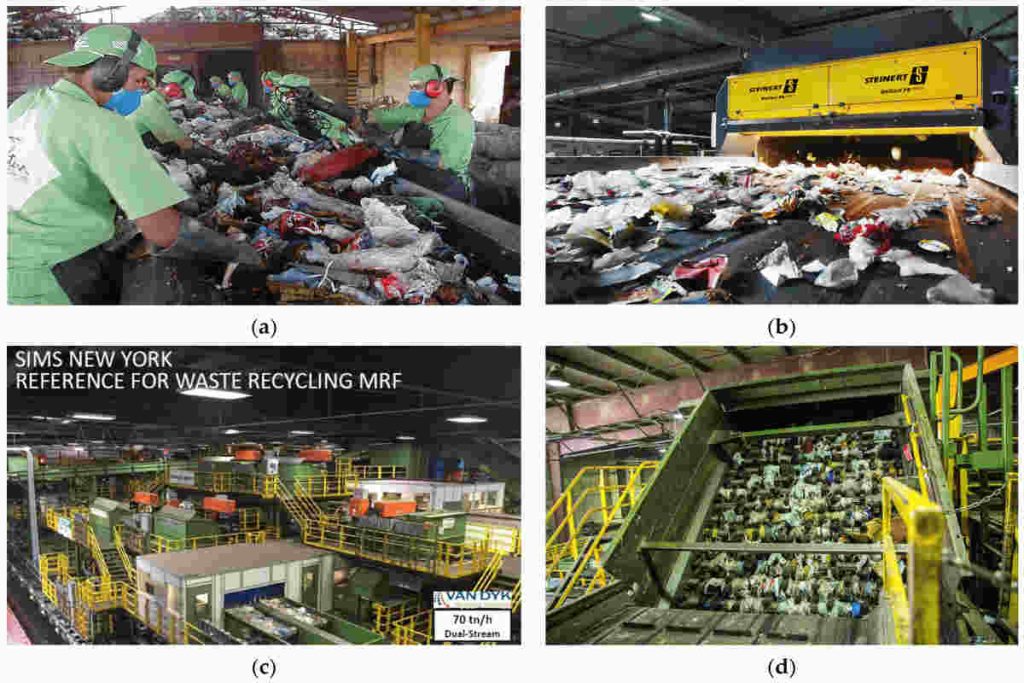
Plastic production continues to outpace the world’s ability to manage it. Recycling rates remain low in many regions due to inadequate infrastructure, limited funding and weak regulatory systems. As plastic consumption increases, waste systems are becoming overwhelmed, causing environmental leakage and long-term ecological harm.
At the same time, public awareness about plastic pollution has grown significantly. Consumers and investors now expect companies to take responsibility for the waste they generate. Plastic credits provide a verifiable way for organisations to demonstrate action, fulfil ESG commitments and support waste recovery efforts that would otherwise struggle to find funding.
How Plastic Credits Work: A Simple Breakdown
Although the concept may appear technical, plastic credits work through a clear and structured process that can be understood easily.
1. Measurement of Plastic Footprint
Companies begin by calculating how much plastic they use, produce or distribute within a given period. This assessment considers packaging, products, distribution channels and supply chains. Understanding the plastic footprint allows organisations to identify areas of improvement and reduction. It also sets the baseline for how many credits may be needed to offset their impact.
2. Selection of Verified Recovery Projects
After measuring their footprint, companies select verified waste recovery or recycling projects that align with their goals. These projects may include river cleanup programs, community recycling centers or material recovery facilities. The verification process ensures the selected initiatives follow established standards and deliver measurable outcomes. This step ensures that plastic credits contribute to real environmental and social benefits.
3. Independent Verification of Recovery
Third-party auditors examine the recovery or recycling activities to ensure accuracy and compliance. This inspection verifies the amount of plastic collected or recycled, along with the working conditions, environmental practices and documentation. Verification protects the integrity of the credit and prevents misuse. It also ensures that buyers can confidently report their impact.
4. Issuance and Purchase of Credits
Once verification is complete, plastic credits are issued based on the confirmed recovery. Companies can purchase these credits to balance their own plastic footprint and report the results within their sustainability frameworks. The purchase creates a financial flow that supports the projects long-term. It also helps build transparency and accountability across the waste sector.
Why Plastic Credits Are Transforming the Waste Economy
Plastic credits are reshaping how businesses approach waste by creating incentives for responsible management. They help shift the burden from governments and informal workers to companies that produce and use plastic. This encourages a more balanced and equitable waste system and speeds up the adoption of circular practices.
In addition, plastic credits funnel resources into areas where waste management has been historically underfunded. This includes rural communities, low-income urban neighbourhoods and regions lacking recycling facilities. By distributing resources more fairly, they support local economies and strengthen environmental resilience.
Ten Ways Plastic Credits Create Real Impact on the Ground
- Plastic credits help fund recycling centers in regions where infrastructure is inadequate. These funds support equipment, training and operational costs that local communities may struggle to cover. As a result, more plastic is diverted from landfills and waterways. This helps create cleaner environments and more reliable waste management systems.
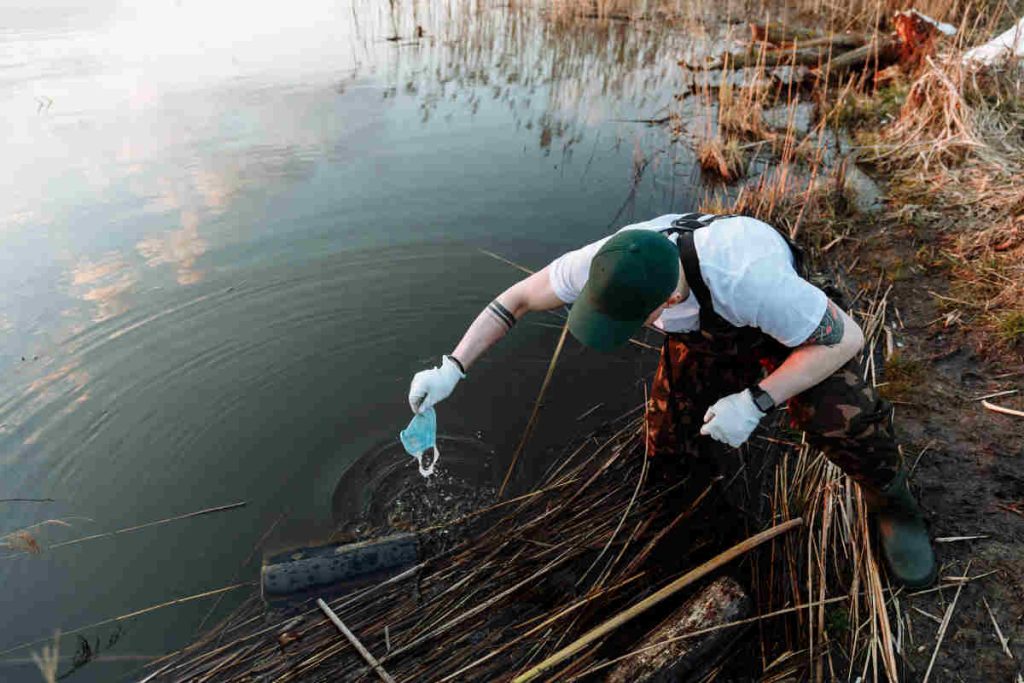
- They support beach, river and lake cleanup activities that are essential for reducing environmental leakage. These cleanups require manpower, transportation and sorting facilities, all of which require consistent funding. Plastic credits create financial stability for long-term cleanup projects rather than short-term volunteer drives. This leads to more meaningful and sustained environmental recovery.
- Plastic credits uplift waste workers by formalising their role in the recovery process. Funds are used to provide fair wages, protective equipment and safer working conditions. Waste workers often operate in unsafe environments, but plastic credits help change this narrative. They promote economic inclusion and dignity for thousands of workers who keep cities clean.
- They reduce plastic leakage into rivers, drains and coastal areas by funding targeted recovery operations. These operations remove plastic from high-risk zones before it reaches open water. By preventing leakage at source points, environmental damage is significantly reduced. This contributes to healthier marine and freshwater ecosystems.
- Plastic credits encourage companies to reduce their dependence on single-use plastics. When organisations pay for the recovery of plastic waste, they become more aware of the long-term costs associated with disposable materials. This often leads to design improvements and packaging innovations. Over time, this influences the entire supply chain toward sustainability.
- They promote innovation in recycling technology by providing financial support for research and development. Emerging technologies such as chemical recycling or advanced sorting systems require investment. Plastic credits help innovators access funding that accelerates their progress. This leads to more efficient and scalable waste management solutions.
- Plastic credits help fund awareness programs that teach communities about recycling and responsible waste disposal. These initiatives include workshops, school campaigns and public outreach activities. Improved awareness leads to better waste segregation and reduced contamination. Over the long term, this strengthens recycling rates and community participation.
- They enhance waste collection and sorting efficiency by providing necessary tools and resources. Collection teams often need vehicles, bins and sorting stations to work effectively. Plastic credits help cover these operational costs that are essential for large-scale recovery. This results in cleaner cities and more organised waste systems.
- They support the development of digital tracking systems that improve waste transparency. These systems monitor the journey of plastic from collection to recycling. Data collected helps improve planning, reporting and compliance. It also builds trust between companies, regulators and consumers.
- Plastic credits strengthen corporate ESG reporting by providing measurable impact data. Companies can track how many credits they purchased and what environmental results were achieved. This data becomes part of sustainability disclosures, investor reports and public communication. Such transparency builds credibility and strengthens brand trust.
Plastic Credits Market Insights
- The global plastic credit market is projected to reach USD 500 million by 2030, driven by corporate sustainability commitments.
- Companies who adopt plastic credits or similar mechanisms see up to a 20 percent rise in brand trust among eco-conscious consumers.
- Verified plastic recovery projects can increase recycling rates by 40 to 60 percent in communities with limited infrastructure
Environmental and Health Impact
- Microplastics have been detected in over 80 percent of tested drinking water samples worldwide.
- Humans ingest an estimated 50,000 microplastic particles every year through food, water and air.
- Plastic pollution costs the global economy approximately USD 13 billion each year due to damage to ecosystems and tourism.
Community and Social Impact
- Providing proper equipment and fair wages can boost waste worker productivity by 30 to 40 percent.
- Community-led recycling centres can reduce local landfill waste by up to 50 percent in the first year of operation.
- Every tonne of plastic recycled can save up to 5,700 kWh of energy, contributing to both environmental and economic benefits.
Earth5R’s Strategic Perspective
Earth5R recognises plastic credits as an essential tool for accelerating circularity and community empowerment. The organisation has worked for years on waste management projects across urban and rural landscapes, witnessing firsthand the challenges that communities face. Through this experience, Earth5R understands that plastic credits can bring structure, resources and long-term value to waste ecosystems.
Earth5R believes plastic credits must always be tied to social impact. They should uplift waste workers, fund local recycling systems and promote environmental education. When implemented correctly, plastic credits contribute to healthier ecosystems, stronger communities and more responsible corporations.
Earth5R’s Strategic Reasons for Supporting Plastic Credits
- Plastic credits compel companies to take measurable responsibility for their plastic footprint. This shifts the burden of waste management from informal workers and governments to the producers of plastic. It encourages businesses to adopt reduction and recycling strategies. This shift accelerates progress toward a circular economy.
- They bring essential resources to communities that struggle with waste pollution and lack of infrastructure. Earth5R’s projects often operate in regions where recycling facilities are limited or entirely absent. Plastic credits help fund these projects and create opportunities for local employment. This leads to sustainable community development.
- Plastic credits support environmental justice by recognising the contributions of waste workers. Earth5R believes in inclusive environmental solutions that strengthen livelihoods. By funding fair wages and safe working conditions, plastic credits improve the well-being of waste workers. This aligns with Earth5R’s mission of creating sustainable and equitable communities.
- They help companies align with global sustainability frameworks such as the UN Sustainable Development Goals. Plastic credits contribute directly to goals related to responsible consumption, climate action and clean water. This alignment improves corporate ESG scores and strengthens global sustainability commitments. Earth5R sees this as a critical step in ensuring long-term accountability.
Circular Economy and Impact Benefits
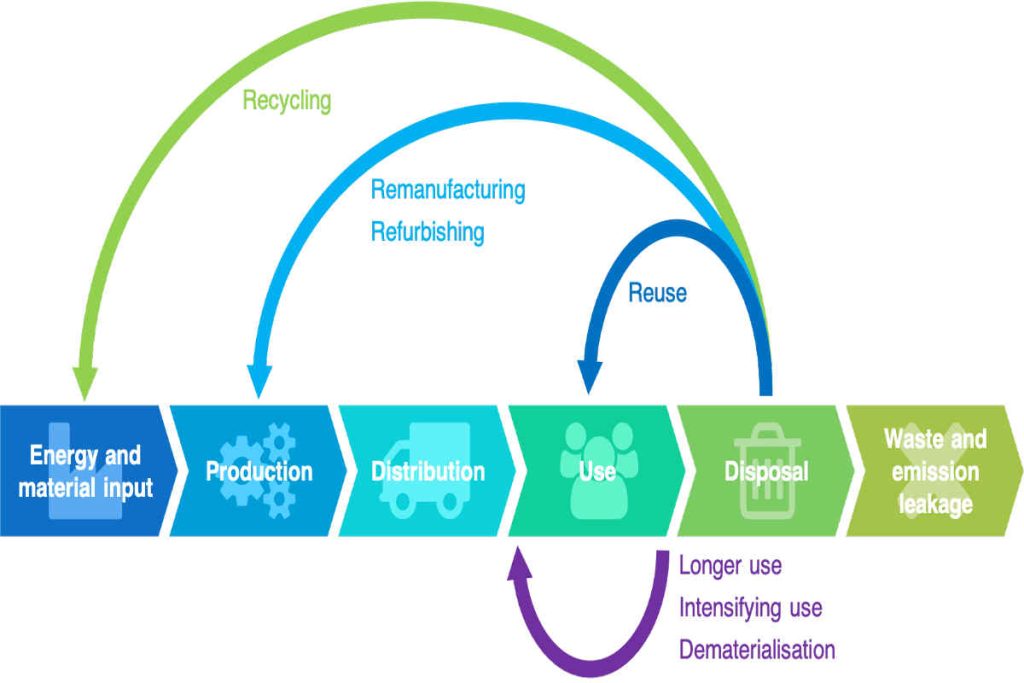
- Transitioning to a circular economy for plastic could reduce waste leakage by up to 80 percent by 2040.
- Recycled plastic has a carbon footprint up to 70 percent lower than virgin plastic.
- Circular economy efforts could create 700,000+ new jobs globally, especially in waste collection and recycling.
Challenges and Concerns Surrounding Plastic Credits
Despite their potential, plastic credits come with challenges that need careful attention. If poorly managed, they can become a tool for surface-level sustainability claims rather than real environmental change. Companies may rely too heavily on purchasing credits without reducing their overall plastic use, which undermines the purpose of the system.
Standardisation is another area of concern. Different crediting systems follow different methodologies, making it difficult to compare impact. Verification requires strong oversight and transparent auditing to maintain credibility. Without such systems, plastic credits risk losing trust among stakeholders.
Future of Plastic Credits: What Lies Ahead
As global awareness grows, plastic credits will likely evolve into a more standardised and widely adopted sustainability tool. Governments may begin integrating them into national waste policies, while global regulatory bodies may develop unified guidelines to ensure consistency. This evolution will strengthen the credibility and effectiveness of plastic credits.
Technology will also play a crucial role in the future. Satellite imagery, blockchain tracking and AI-based verification could make plastic recovery more transparent and efficient. As these tools mature, plastic credits will become more automated, accurate and reliable, further boosting their adoption.
What Companies Should Look for Before Buying Plastic Credits
- Companies should ensure that the project has clear documentation and transparent methodologies. This documentation should outline how plastic is collected, measured and verified. Transparency helps organisations understand how their investments create environmental benefits. It also protects them from reputational risks.
- Organisations should look for third-party verification to ensure credibility. Independent auditors examine project operations, worker conditions and environmental practices. This ensures that credits represent real recovery and not exaggerated claims. Verified credits strengthen ESG reporting and build trust with stakeholders.
- They should review how projects impact local communities, especially waste workers. Social impact should be a central component of credit programs. Companies should choose projects that provide fair wages, safe conditions and capacity-building opportunities. This aligns sustainability with social responsibility.
- Companies should evaluate whether the project aligns with broader ESG and circular economy goals. Plastic credits should complement internal reduction and recycling strategies, not replace them. Organisations should choose credits that support long-term sustainability commitments. This ensures that credits contribute to a holistic environmental strategy.
Conclusion: Why Plastic Credits Are Becoming the Carbon Credits of the Waste World: Earth5R Strategic View
Plastic credits are rapidly becoming the carbon credits of the waste world because they offer measurable, verifiable and impactful pathways to address the plastic pollution crisis. They enable companies to balance their plastic footprint while supporting community-led recovery programs, improving waste worker livelihoods and strengthening recycling infrastructure.
Earth5R believes plastic credits play a vital role in building a world where plastic is managed responsibly instead of being discarded carelessly. When implemented with transparency, fairness and commitment, plastic credits can support the transition toward circular living and cleaner environments.
By combining corporate responsibility, community empowerment and measurable impact, plastic credits have the potential to become one of the most transformative sustainability tools of this decade.
FAQs:Why Plastic Credits Are Becoming the Carbon Credits of the Waste World: Earth5R Strategic View
What are plastic credits?
Plastic credits are verified units that represent a specific amount of plastic collected, recycled or prevented from entering the environment. They allow companies to balance their plastic footprint by supporting certified recovery projects.
How do plastic credits work?
Organisations measure their plastic use, support verified recovery projects and purchase credits based on independently confirmed recycling or cleanup activities. This creates a measurable and traceable impact.
Why are plastic credits compared to carbon credits?
Both systems assign financial value to environmental action and create a market-based approach to accountability. Carbon credits address emissions while plastic credits tackle waste pollution.
Who can purchase plastic credits?
Companies, producers, retailers and organisations that use or distribute plastic can purchase plastic credits to reduce their net plastic impact.
Do plastic credits replace recycling programs?
No, plastic credits complement recycling programs by funding additional recovery that goes beyond existing systems. They strengthen local waste infrastructure rather than replace it.
Are plastic credits a permanent solution to plastic pollution?
Plastic credits are helpful but not a standalone solution. They are most effective when paired with reduction, reuse and improved product design.
What types of projects generate plastic credits?
Projects include river and beach cleanups, community collection centers, recycling facilities and technologies that prevent plastic leakage into natural ecosystems.
How are plastic credits verified?
Independent auditors review documentation, measure recovered plastic and assess working conditions. Verification ensures that credits reflect real and traceable impact.
Can plastic credits prevent greenwashing?
They can when implemented with strong verification, transparent methodologies and paired with internal reduction goals. Poorly managed credit programs may encourage surface-level claims.
Why do companies invest in plastic credits?
Companies invest to reduce their plastic footprint, meet ESG targets, comply with regulations and support environmental and social impact programs.
Do plastic credits benefit waste workers?
Yes, many credit programs include fair wages, safe working conditions and skill-building initiatives that uplift waste workers and strengthen community-based recovery.
How do plastic credits support the circular economy?
They fund recycling infrastructure, improve collection systems and promote innovations that keep plastic circulating within the economy rather than leaking into nature.
What role does Earth5R play in plastic credit programs?
Earth5R supports verified recovery projects, promotes community-driven sustainability and ensures that plastic credit investments create meaningful impact on the ground.
Are plastic credits internationally recognised?
Recognition varies but global interest is growing. Many countries and organisations are exploring plastic credit frameworks similar to established carbon markets.
How do plastic credits help reduce plastic leakage into oceans?
Plastic credits fund targeted recovery operations in high-risk areas such as rivers, drains and coastal zones. These efforts help remove plastic before it reaches open water.
Do plastic credits require companies to reduce plastic use?
While not mandatory, responsible companies combine credit purchases with internal reduction strategies to achieve long-term sustainability.
How do plastic credits contribute to ESG reporting?
Credits provide quantifiable metrics on plastic recovery and recycling. These metrics can be included in sustainability reports, investor disclosures and compliance documentation.
What should companies look for when buying plastic credits?
They should check project transparency, third-party verification, community impact, environmental compliance and alignment with broader sustainability goals.
Can individuals buy plastic credits?
Most systems are designed for organisations, but some platforms allow individuals to contribute to verified cleanup or recycling efforts.
Will plastic credits become more common in the future?
Yes, as regulations tighten and environmental awareness increases, plastic credits are expected to become a mainstream tool in global sustainability frameworks.
Take Action for a Cleaner Future
Plastic pollution will continue to grow unless we choose meaningful solutions today. Your organisation can play a pivotal role in reducing environmental harm, supporting waste workers and helping build a circular economy. By investing in verified plastic credits and partnering with impact-driven initiatives like Earth5R, you can turn responsibility into measurable action.
Join the movement toward cleaner communities, healthier ecosystems and a more sustainable future. Start reducing your plastic footprint and support real on-ground change now.
Authored by- Sneha Reji