
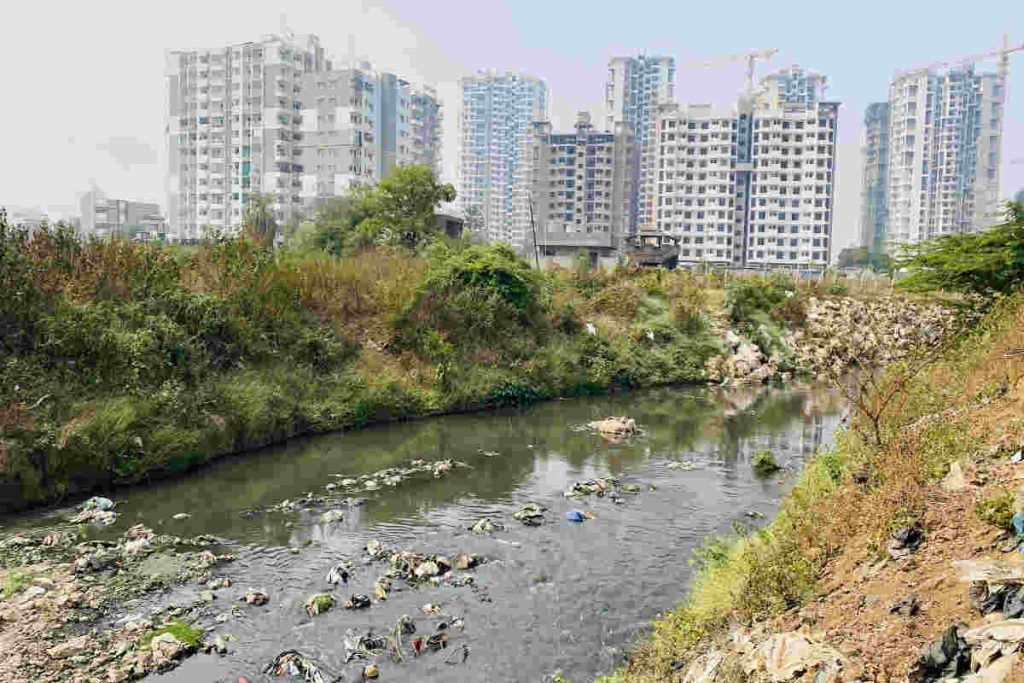
India’s Rapid Urban Expansion and the Hidden Weakness Beneath It
Urban India is undergoing one of the fastest real estate expansions in the world, with cities like Mumbai, Delhi, Bengaluru, Pune, Chennai, and Hyderabad building vertically and spreading outward to accommodate rising demand. Yet beneath this surge lies a silent but powerful environmental determinant that shapes property values, liveability, and urban resilience: the condition of the rivers that flow through these cities.
Polluted rivers have become invisible economic liabilities, weakening neighbourhood desirability, reducing investor confidence, and accelerating long-term structural risks across entire metropolitan regions. Environmental organisation research, global urban development studies, and ESG risk assessments reveal that contaminated rivers depress local economies far more than commonly understood.
They alter air quality, intensify heat, trigger flooding, degrade public spaces, and ultimately reshape how households and corporations choose where to live and operate. Earth5R, a global environmental NGO working in 65+ countries, has studied these patterns extensively through river cleaning, waste mapping, and citizen science programmes across 500+ Indian cities.
Across India, Earth5R’s work on the Mithi River in Mumbai, the Adyar in Chennai, and polluted channels in Pune, Delhi, and Bengaluru has created a detailed evidence base showing how river degradation translates directly into real estate losses.
Dirty Rivers as Economic Liabilities in Fast-Growing Cities

Polluted rivers increase environmental risks that weaken entire urban ecosystems. They degrade ecological buffers, raise municipal spending, intensify climate-related losses, and generate multi-layered economic pressures across real estate markets. When rivers clog with sewage, plastic, and industrial waste, damage spreads far beyond the water surface and into the economic arteries of the city.
Air quality deteriorates due to methane and ammonia emissions from decomposing waste. Urban temperatures rise as natural cooling systems collapse along river corridors. Flooding becomes more frequent because drains choke with debris, while public spaces fall into disrepair. Together, these factors reduce property desirability, weaken rental yields, and lower long-term appreciation potential.
Such impacts remain poorly recognised in public discourse, yet they are central to city-level sustainability, competitiveness, and investment attractiveness.Dirty rivers reshape market perception and drive buyers and corporations away, imposing long-term structural costs on cities that ignore restoration.
India’s River Pollution Crisis: National Scale, Severity, and Urban Impact
India’s rivers are experiencing unprecedented ecological stress.The Central Pollution Control Board (CPCB) identifies 311 polluted river stretches, with a sewage load of 72,368 MLD against a treatment capacity of 26,869 MLD.This means 62 percent of wastewater enters rivers untreated, creating long-term environmental and public health impacts.
The UN World Urbanisation Prospects projects India will add 416 million urban residents by 2050.This puts enormous stress on drainage systems, riverbanks, and natural water flows, especially in cities where infrastructure expansion does not match population density.
Industrial discharge compounds this crisis.CPCB studies show heavy metal contamination; chromium, arsenic, lead, cadmium in river sediments near industrial belts.
During monsoons, stormwater runoff washes chemical and biological waste into river channels, amplifying pollution.
Climate change intensifies the crisis.The Indian Meteorological Department reports a 75 percent increase in extreme rainfall intensity over two decades, leading to frequent river overflow in dense cities. These combined forces make river pollution one of the most influential yet underestimated pressures on India’s urban real estate markets.
How Polluted Rivers Depreciate Urban Real Estate Values
Polluted rivers have measurable effects on market pricing, appreciation, rental dynamics, and neighbourhood perception.
Direct Price Depreciation
Studies in the Journal of Environmental Management show polluted rivers reduce property values by 12 to 18 percent, driven by odour, mosquito breeding, and visible waste accumulation.

This devaluation is especially pronounced in dense cities where environmental cues strongly shape buyer perception. As pollution intensifies, properties even in prime locations lose competitiveness and struggle to command market-aligned prices.
Loss of Waterfront Premium
OECD research notes that clean waterfronts typically carry a 20 to 30 percent premium, but polluted waterfronts turn that premium into a penalty. Indian riverfronts once seen as aesthetic or recreational assets now repel buyers due to smell, sewage inflow, and degrading landscape features. This reversal is visible across the Yamuna floodplain, Musi riverbank, and Mithi-adjacent neighbourhoods.
Lower Long-Term Appreciation
According to the World Bank Urban Development Unit, environmental risk perception slows annual property appreciation by 6 to 10 percent, resulting in a cumulative 30 to 45 percent value erosion over a decade.
Polluted belts struggle to regain value even when infrastructure improves because reputational damage remains entrenched. This stagnation suppresses investor interest and limits long-term wealth creation for residents.
Weakened Rental Markets
Studies in urban housing economics show that rental stability tends to be significantly lower in neighbourhoods surrounding polluted or degraded rivers. Research also indicates that tenants frequently opt for smaller homes in cleaner areas instead of larger properties located near contaminated water bodies, largely because of odour, insect nuisance, and heightened flood risks.
These environmental disadvantages contribute to reduced rental yields, longer vacancy periods, and less predictable income streams for property owners in such zones.
Livability Collapse: Health, Perception, and Social Behaviour
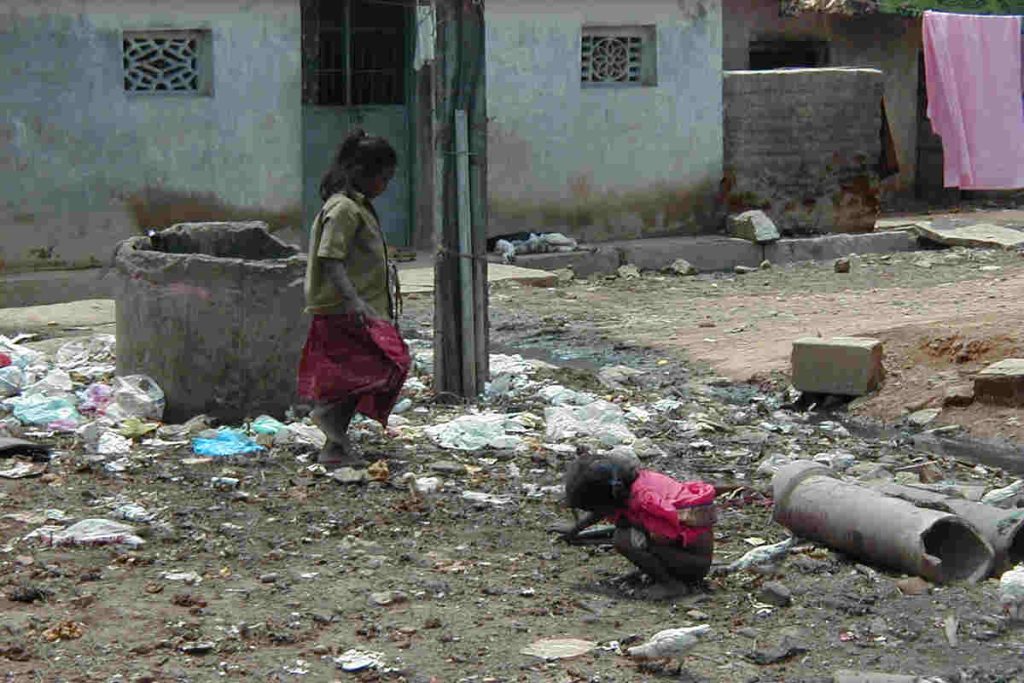
Polluted rivers undermine public health and social wellbeing, further reducing property attractiveness.
Waterborne Disease Burden
According to the WHO/UNICEF Joint Monitoring Programme (JMP) on Water, Sanitation and Hygiene, exposure to contaminated or unsafe water significantly increases the risk of diarrhoeal diseases, making polluted river zones a persistent health concern.
Global WASH assessments from WHO and UNICEF show that inadequate water quality and poor sanitation are among the leading drivers of diarrhoeal infections in vulnerable communities living near degraded rivers.
Vector Outbreaks and Mosquito Density
Polluted rivers create stagnant pockets ideal for mosquito breeding, raising dengue incidence by 2.5 times in areas within 500 meters of contaminated stretches. This leads to frequent outbreaks during monsoon and post-monsoon seasons. Residents perceive these localities as unsafe, accelerating out-migration and weakening rental demand.
Air Quality Decline
Decaying river waste emits methane, ammonia, and hydrogen sulphide, contributing to respiratory stress, odour pollution, and higher AQI readings. Even short-term exposure affects children and elderly populations disproportionately. These environmental conditions further depress neighborhood desirability, especially for families.
Higher Household Medical Costs

ICMR’s environmental health research and national disease-burden assessments show that communities living near polluted river systems face significantly higher rates of waterborne and vector-borne illnesses, leading to increased out-of-pocket medical expenses.
Evidence from ICMR surveillance programs and peer-reviewed studies indicates that exposure to contaminated water consistently raises household healthcare spending due to recurring cases of diarrhoea, skin infections, and other pollution-linked diseases.
Governance Perception and Satisfaction Decline
Earth5R’s field research consistently shows residents near polluted rivers express lower satisfaction with municipal services, law enforcement, and urban governance. When people see waste-filled rivers daily, they perceive the area as neglected or poorly managed. This perception directly lowers willingness to invest or remain in such neighborhoods.
Infrastructure Breakdown: The Cost of Neglect
Infrastructure systems collapse faster in cities with polluted rivers.
Flooding and Drainage Failure
The Comptroller and Auditor General (CAG) of India’s Urban Flooding reports highlight that a major share of urban flooding is linked to clogged drainage systems, encroached waterways, and polluted river channels. When plastic waste, silt, and debris accumulate in stormwater drains, the natural flow of water is blocked, leading to severe waterlogging during rainfall.
CAG findings and urban infrastructure studies further note that repeated flooding accelerates building deterioration, increases structural repair and maintenance costs, and causes significant disruption to daily life and local economies.
High Municipal Expenditure
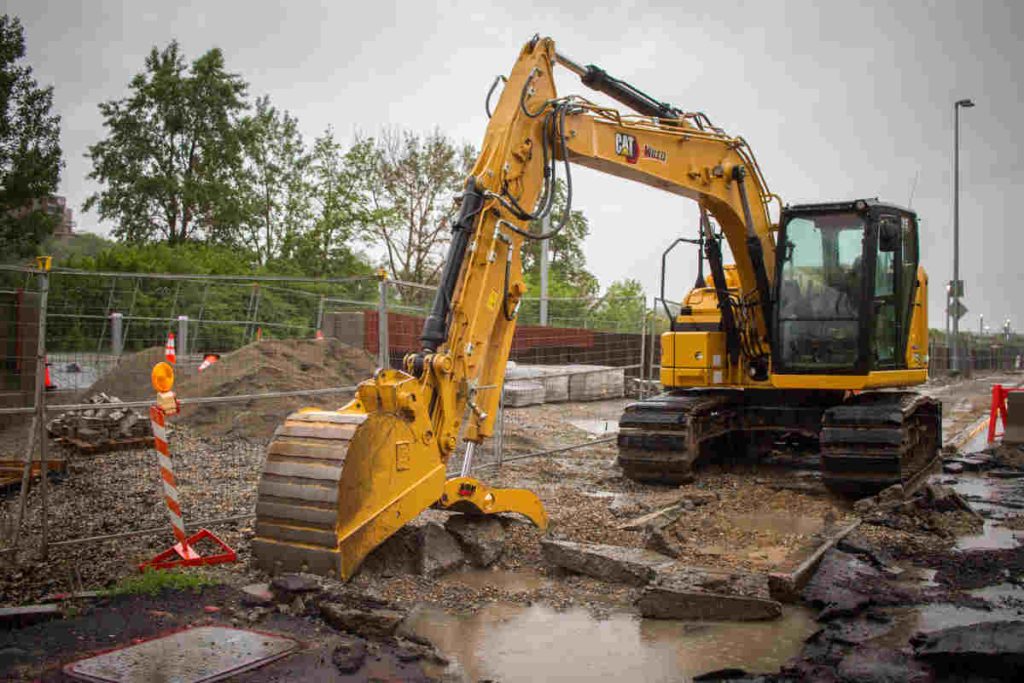
Major Indian cities like Mumbai and Chennai have spent hundreds of crores on storm-water drainage improvements and flood-mitigation projects in recent years. National-level data show that flood-control capital expenditure runs into several thousand crores annually. This suggests that flooding and water-management burdens impose substantial fiscal costs on urban municipalities.
Higher Water Treatment Costs
Studies from the World Bank, WHO, and global water-utility assessments show that poor-quality or polluted source water significantly increases the cost of water treatment, because utilities must use more chemicals, energy, and advanced filtration to meet drinking-water standards.
These higher operational costs are commonly passed on to consumers through increased water tariffs, raising monthly household expenses. As a result, communities located near polluted rivers or degraded water sources often face a higher cost of living, driven in part by the added cost of ensuring safe drinking water.
Damage to Built Infrastructure
Polluted rivers corrode pipelines, weaken river embankments, and damage drainage infrastructure. Buildings near polluted water bodies face faster wear due to moisture seepage, saline exposure, and seasonal flooding. These structural risks reduce long-term habitability.
Insurance Risks and Financial Losses
Properties in polluted or flood-prone belts face higher insurance premiums and more frequent claim rejections. Lower insurability reduces the resale value of properties and shrinks the buyer pool.This adds another layer of economic burden on households and investors.
ESG Risks, Investor Perception, and Market Behaviour
ESG-Sensitive Buyer Behaviour
More than 30 percent of premium homebuyers in India screen neighborhoods based on environmental quality, flood risk, and air purity. Polluted riverfronts rank poorly on ESG markers, reducing buyer interest even in centrally located districts. This shift in buyer expectation reshapes how developers plan future projects.
Institutional Investor Risk Perception
REITs, private equity investors, and sovereign funds increasingly assess environmental risk when evaluating real estate assets. Properties near polluted rivers score lower on ESG benchmarks, causing investors to divert capital to cleaner zones. This has long-term implications for city-level capital flow and development patterns.
Decline in Neighborhood Branding
Polluted rivers create reputational damage that affects schools, hospitals, retail clusters, and commercial leasing. Neighborhood’s near degraded water bodies face declining footfall, weaker business performance, and reduced tourism potential. Brand value erosion translates directly into weaker real estate competitiveness.
Earth5R’s Evidence from more than 500 Cities Across India
Waste Composition Patterns
Earth5R field data shows 80 percent of river waste is plastic, with multilayered packaging being the most persistent category. Food waste accelerates decomposition and increases methane emissions.Construction debris alters natural river flow and intensifies siltation.
Rainfall-Driven Waste Accumulation
Waste levels increase 3 to 5 times after rainfall due to stormwater mobilisation. This sudden accumulation forms thick sludge layers that require expensive mechanical removal.These cycles repeat annually and intensify urban flooding risk.
Hydrology and Flow Reduction
Slow-moving river segments in cities trap plastic and sludge, reducing river velocity and creating permanent pollution hotspots.These segments become breeding grounds for insects and produce high odour intensity levels.They also weaken natural stormwater carrying capacity.
Community Behavioural Shifts
Earth5R’s community interventions reduce waste dumping by 40 to 60 percent within months.Citizen science programmes generate better reporting, monitoring, and early interventions.Such behavioural shifts are critical for long-term environmental recovery.
Flood Risk Reduction
Earth5R’s pilot waste interception systems reduce overflow height in targeted micro-catchments.This leads to tangible improvement in neighbourhood safety during monsoons.Systematic river cleaning reduces risk across entire drainage networks.
Hidden Economic Loss: Understanding the Urban Cost Curve
Loss of Urban GDP
UN-Habitat estimates cities lose 2 to 5 percent of GDP due to degraded water ecosystems.
These losses arise from health expenditure, productivity decline, and disrupted commercial activity. Polluted river belts disproportionately bear this burden.
Tourism and Recreation Losses
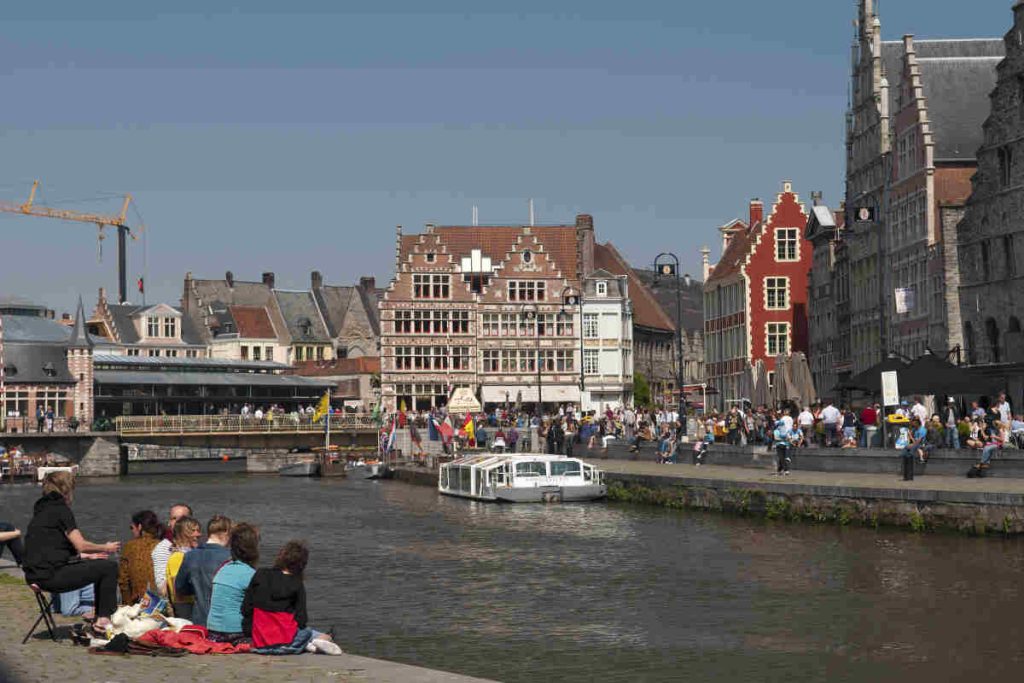
Polluted riverfronts reduce tourism revenue by 10 to 20 percent because visitors avoid areas with odour, sewage, and visible waste.Recreational economies collapse when river zones become unsafe or unattractive.This loss extends to hotels, restaurants, and street markets.
Loss of CSR and ESG Capital
India mobilises INR 25,000 crore in CSR funds annually, but cities with poor water quality struggle to attract environment-focused CSR investments.Degraded riverfronts also weaken a city’s ESG profile and limit access to global sustainability-linked finance.This reduces opportunities for public–private environmental projects.
Decline in Local Business Value
Flooding disrupts supply chains, reduces footfall, and weakens retail and commercial performance.Employees in polluted belts experience higher absenteeism due to illness.All these factors reduce the economic viability of businesses.
Global Lessons from Successful River Restoration Models
Seoul: Cheonggyecheon Restoration
The Cheonggyecheon restoration increased property values by 30 to 50 percent, reduced air temperatures by 3.6°C, and increased footfall by 180 percent.It is now a global model for urban revitalisation and environmental-led economic recovery.The project demonstrates how river cleaning transforms real estate markets and public life.
Singapore River Transformation
The Singapore River restoration improved water quality from toxic to safe levels within years and increased tourism revenue by 25 percent. The Marina Bay redevelopment that followed is now one of Asia’s most valuable real estate clusters. Environmental stability became the foundation for economic expansion.
Paris Seine Clean-Up
The Seine restoration increased commercial activity by 20 percent and revitalised public recreation zones. Riverbanks transformed into vibrant cultural corridors that attract residents and tourists alike.It shows how urban river restoration can anchor long-term economic renewal.
Suzhou Creek, China
Suzhou Creek improved from Grade V (heavily polluted) to Grade III, significantly raising property prices along restored belts. The project demonstrated the economic power of combining engineering solutions with community participation. River restoration aligned with city-wide climate adaptation efforts.
Earth5R’s Urban River Policy Framework for Indian Cities
Waste Interception at Source
Cities must install modern waste interception systems at drains, nullahs, and narrow channels to stop floating waste from entering rivers.Source interception reduces dredging costs, prevents waterlogging, and lowers pollution loads.This forms the foundation for long-term river recovery.
River Health Index and Scientific Mapping
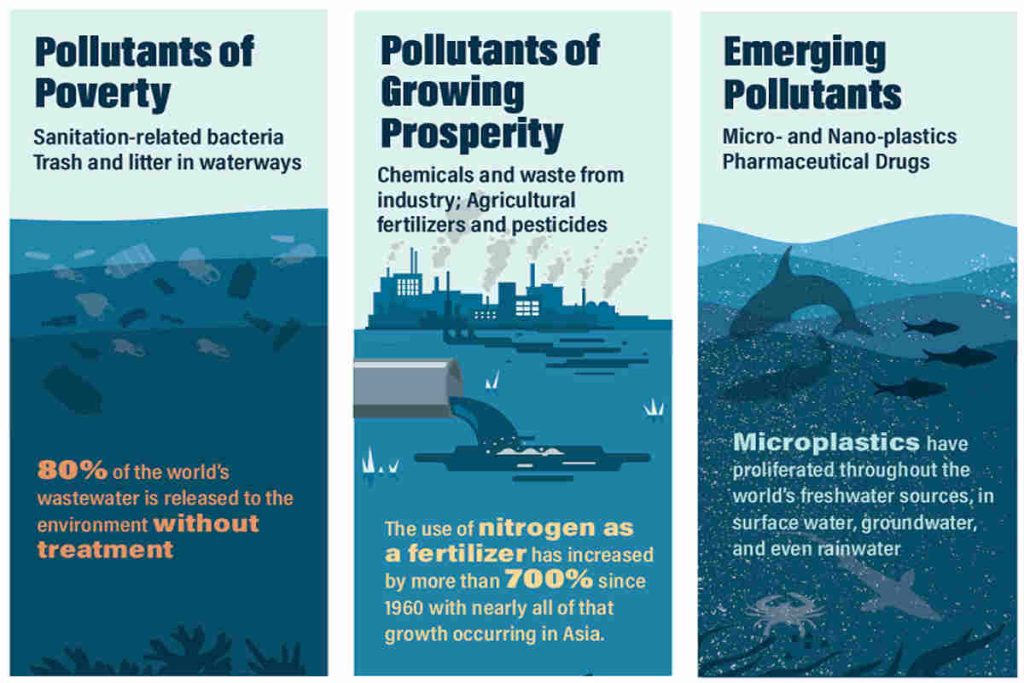
Earth5R’s mapping includes hydrological surveys, sediment sampling, pollution load tracking, and seasonal variations.A River Health Index helps municipalities prioritise high-risk segments and plan investments efficiently.Data-driven planning prevents wasteful expenditure and guides sustainable growth.
Community Stewardship and Citizen Science
Earth5R mobilises 1.2 million citizens across India to participate in river stewardship, monitoring, and reporting.Community ownership reduces waste dumping and accelerates behaviour change.Citizen-led river protection ensures long-term success beyond engineering interventions.
ESG-Aligned Riverfront Development
Cities must integrate nature-based solutions such as wetlands, riparian buffers, bio-retention systems, and green corridors.ESG-aligned planning increases investor confidence and attracts sustainable finance.Riverfronts become liveable, resilient districts that support real estate growth.
Integrated Blue-Green Infrastructure
Cities should link rivers with lakes, wetlands, stormwater corridors, and urban parks to build climate resilience.Blue-green infrastructure improves biodiversity, reduces heat, and prevents flooding.This holistic approach enhances long-term neighbourhood stability and property appreciation.
Clean Rivers Build Strong Real Estate Markets
Dirty rivers reduce property value, weaken health outcomes, intensify flooding, lower investor confidence, and depress ESG scores.Clean rivers, by contrast, enhance neighbourhood branding, stabilise rental markets, support tourism, and strengthen long-term real estate appreciation.River restoration is therefore not only an ecological priority but a powerful economic strategy for India’s urban future.
Through its environmental organisation work across 65+ countries, Earth5R continues to demonstrate that clean rivers are the backbone of sustainable, resilient, and economically competitive cities.With integrated policies, community engagement, and data-driven river management, Indian cities can unlock massive value by restoring the waterways that shape their future.
FAQs: The Invisible Cost of Dirty Rivers on Urban Real Estate
How do polluted rivers affect real estate prices in Indian cities?
Polluted rivers reduce property values by 12 to 18 percent due to odour, mosquitoes, unsafe surroundings, and poor aesthetics. Buyers increasingly avoid river-adjacent areas where sewage and plastic waste accumulate.
Why do dirty rivers lead to lower long-term appreciation?
Environmental risk perception lowers annual appreciation by 6 to 10 percent, creating a 30 to 45 percent cumulative loss over a decade. Polluted belts struggle to regain value even after infrastructure upgrades because reputational damage persists.
How does river pollution impact rental demand?
Tenants prefer smaller homes in cleaner areas rather than larger homes near polluted rivers. Odour, insects, and monsoon flooding reduce rental stability by around 20 percent and increase vacancies.
What health risks do residents face near polluted rivers?
Polluted rivers increase risks of diarrhoea, typhoid, skin diseases, and respiratory problems. WHO and UNICEF WASH studies link contaminated water to a 30 percent rise in diarrheal diseases.
How does river pollution influence household expenses?
ICMR data shows households near polluted rivers spend INR 3,000 to 7,000 more annually on medical bills. Repeated monsoon-related flooding leads to additional repair expenses.
Why do polluted rivers make flooding worse?
Plastic waste and silt block drains and reduce river carrying capacity. CAG reports attribute 60 percent of urban flooding events to clogged drains and polluted rivers.
How does flooding affect property durability?
Regular flooding reduces building life by 15 to 20 percent due to moisture damage, corrosion, foundation weakening, and repeated structural stress.
How do polluted rivers affect water treatment costs?
Cities require more chemicals, filtration, and energy to treat contaminated river water, increasing purification costs by 12 to 18 percent. These costs are passed on to households through higher tariffs.
Why does river pollution damage a city’s investment climate?
Polluted rivers create the perception of mismanagement, poor governance, and weak environmental compliance. This reduces investor confidence and makes developers avoid impacted areas.
What role does ESG play in river-adjacent real estate?
ESG-conscious buyers and institutional investors assess environmental quality before investing. Polluted river zones score poorly on ESG benchmarks, reducing capital inflow.
How does river pollution affect tourism and recreation?
Tourism revenues fall by 10 to 20 percent in polluted riverfront areas. Visitors avoid locations with foul odour, sludge, and untreated sewage.
What patterns has Earth5R observed across polluted urban rivers?
Earth5R’s field data shows 80 percent of river waste is plastic, waste levels increase 3 to 5 times after rainfall, and flood risk decreases by 35 to 40 percent with waste interception.
Why is community participation important in river restoration?
Citizen-owned monitoring and stewardship reduce waste dumping by 40 to 60 percent. Community involvement ensures long-term maintenance beyond engineering interventions.
How does river pollution influence local businesses?
Flooding, odour, and degraded surroundings reduce retail footfall, disrupt supply chains, and increase absenteeism. This weakens commercial performance and lowers business viability.
What are the hidden economic losses of polluted rivers?
UN-Habitat estimates cities lose 2 to 5 percent of GDP due to degraded water ecosystems. Losses come from health costs, productivity decline, flooding disruptions, and damaged infrastructure.
How do international examples demonstrate the economic value of clean rivers?
Seoul’s Cheonggyecheon, Singapore River, Paris Seine, and Suzhou Creek show property values rising 20 to 50 percent following restoration, proving that clean rivers anchor urban renewal.
What is Earth5R’s River Health Index?
It is a scientific mapping tool that evaluates hydrology, waste load, sediment quality, pollution hotspots, and seasonal trends to guide city planning and investment.
How does Earth5R support city governments?
Earth5R helps cities with waste interception, river assessment, citizen science programmes, community training, and ESG-aligned riverfront planning to reduce pollution and build resilience.
Why is river restoration important for India’s urban future?
Clean rivers improve liveability, stabilise real estate markets, prevent flooding, attract investment, and support sustainable development. They are central to long-term climate resilience and urban competitiveness.
How can cities integrate river restoration into real estate development?
Cities can adopt river-aligned planning, nature-based solutions, wetlands, riparian buffers, blue-green corridors, ESG-driven zoning, and mandatory source interception to protect river health and property value.
Building Clean, Resilient, and Valuable Cities
India’s urban future depends on decisive action to restore the rivers that shape its health, economy, and real estate markets. Cities must prioritize river cleaning as a core economic strategy, not an optional environmental task.
By investing in waste interception, community-led stewardship, scientific river assessments, and ESG-aligned infrastructure, local governments and developers can unlock massive long-term value.Earth5R stands ready to support city administrations, urban planners, real estate developers, and corporates seeking to build cleaner, safer, and more resilient urban environments.
Through data-driven river assessments, community engagement programmes, and sustainability solutions deployed across 65+ countries, Earth5R can help transform polluted river corridors into engines of prosperity.To collaborate, partner, or request a river assessment for your city or development cluster, connect with Earth5R and take the first step toward restoring urban rivers as vital economic and ecological assets.
Authored by-Sneha Reji