
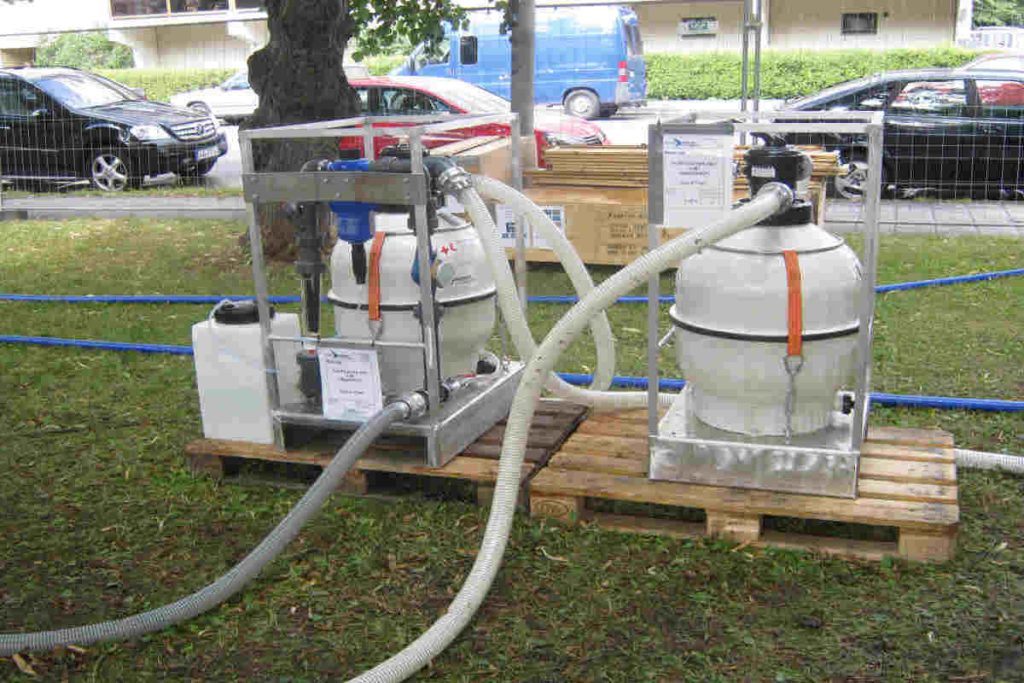
Environmental organisations and environmental NGOs in India continuously highlight the urgent need for safe drinking water in rural regions. The crisis remains severe because groundwater depletion, industrial waste, sewage discharge, and agricultural pollution affect millions of people every day.
Earth5R has worked for years to strengthen sustainable and community led solutions that combine filtration technology, river cleaning, waste management, CSR partnerships, and ESG aligned planning.
According to UNICEF and WHO, nearly 163 million Indians still lack access to safely managed drinking water. This gap disproportionately impacts rural households, which often rely on contaminated wells, ponds, and unprotected groundwater sources.
Groundwater stress is equally alarming.The Central Ground Water Board reports that over 30 percent of India’s districts fall under semi critical, critical, or overexploited categories. As water quantity declines, water quality deteriorates further, creating long term environmental and public health risks.
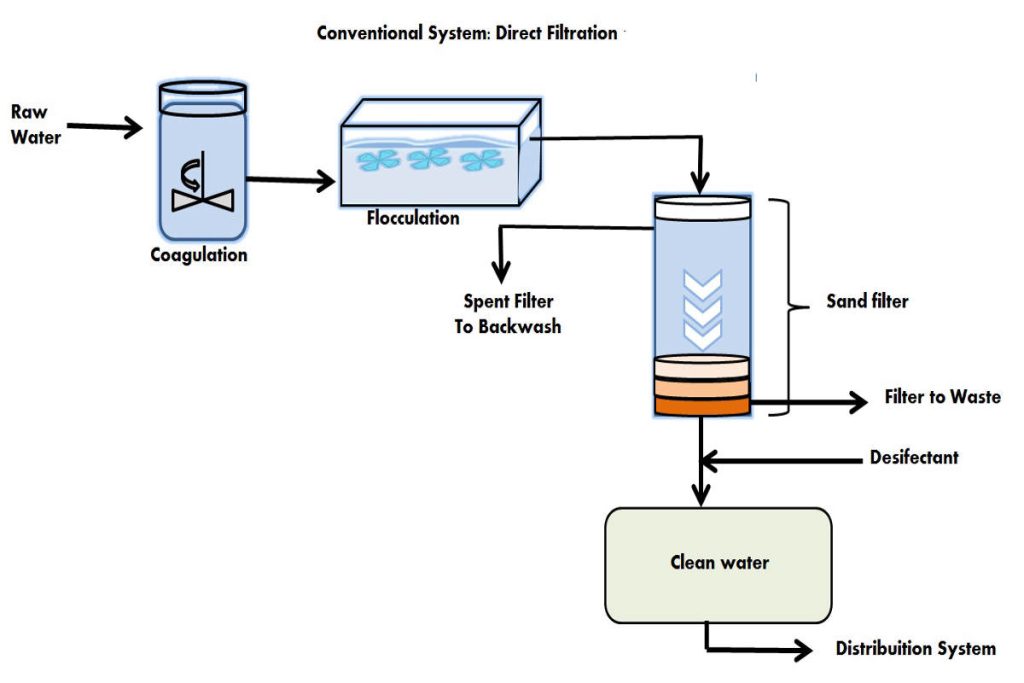
This article examines the eight most important filtration breakthroughs transforming rural water access in India today.All technologies are reviewed with real data, credible research links, and Earth5R’s field experience across villages and river ecosystems.
Rural Water Insecurity: A Sustainability and Public Health Emergency
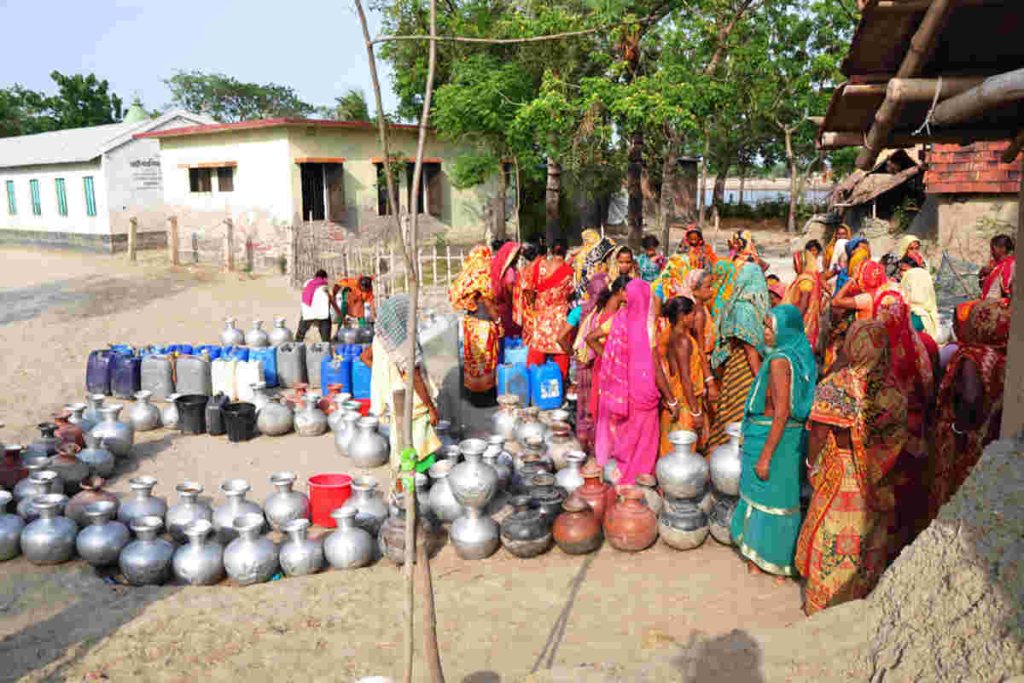
Rural water insecurity is directly connected to sustainability, environmental restoration, waste management, and the work of environmental NGOs in India.The problem starts upstream where agricultural runoff, sewage discharge, and industrial effluents contaminate surface and groundwater sources.
A report by the Central Pollution Control Board shows India generates over 72,000 million litres of sewage every day, but only 28 percent is treated
This untreated discharge flows into rivers, lakes, and village water bodies.As contamination increases, filtration becomes essential for drinking, cooking, and sanitation.The absence of effective waste management structures increases the load of plastics, chemicals, heavy metals, and pathogenic contaminants in rural ecosystems.
Earth5R’s river cleaning projects across Maharashtra, Tamil Nadu, and Uttar Pradesh show strong evidence that polluted drains and local waste mismanagement significantly degrade village water bodies.When solid waste accumulates, leachate and microplastics enter water sources, making filtration necessary even for households using shallow bore wells.
Environmental NGOs, CSR teams, and ESG investors increasingly view rural water access as a core climate resilience priority.Improving filtration access strengthens health outcomes, reduces disease burden, and creates environmental stability for future generations.
Breakthrough 1: Multi Stage Ceramic Filtration Systems
Ceramic filters have been used in rural communities globally because they require no electricity and have extremely low maintenance needs.Modern designs now combine micro porous ceramic shells with activated carbon and silver nanoparticle coating.
A study published in the Journal of Water and Health found ceramic filtration can remove 99 percent of bacteria and significantly reduce diarrheal incidence.These filters also trap sediments, protozoa, and micro level contaminants commonly found in village ponds and handpump sources.
Since they do not require replacement of complex parts, households can maintain them for years with basic cleaning.This makes ceramic units highly suitable for low income communities with irregular access to technical support.
Earth5R has introduced ceramic based filtration as part of its community sustainability workshops.During its village training programs, households were taught to clean and maintain units, map local contamination patterns, and monitor water quality over weeks.
This creates long term behavioural ownership rather than one time infrastructure distribution.
Breakthrough 2: Solar Powered Filtration for Off Grid Villages
Solar powered filtration systems are transforming water access in regions with unreliable electricity supply.Reverse osmosis, ultrafiltration, UV purification, and activated carbon stages can now be powered entirely by solar panels mounted on village rooftops or open fields.
The International Renewable Energy Agency reports that decentralised solar water systems reduce lifetime costs by up to 60 percent in rural settlements. Because rural grids often experience voltage fluctuation, solar powered systems ensure uninterrupted water purification.
They are also ideal for schools, primary health centres, and anganwadis where electricity shortages disrupt conventional filtration.Solar systems can produce 500 to 2000 litres per day depending on design.
Earth5R’s field observations show solar filtration works best in villages where water sources are abundant but untreated.Integrating filtration with renewable energy also aligns with CSR and ESG frameworks that encourage low carbon development.
Breakthrough 3: Ultrafiltration (UF) Systems for High Turbidity Sources
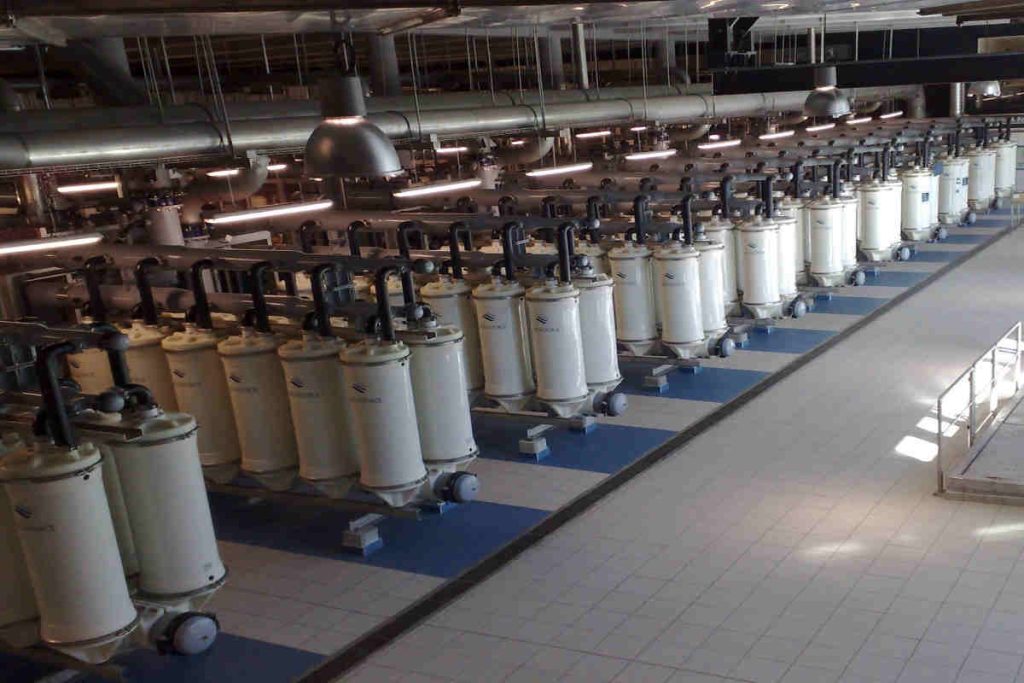
Ultrafiltration is a membrane based technology capable of removing viruses, bacteria, colloids, and suspended particles.UF membranes have pore sizes between 0.01 and 0.1 microns, which makes them highly effective for turbid water.Research published in Water Research shows that UF can eliminate 99.99 percent of microorganisms even in highly contaminated sources
UF works particularly well in riverside villages and agricultural zones where heavy monsoon rains increase turbidity.These systems are easy to operate and require periodic backwashing rather than major part replacements.Since UF does not rely on chemical disinfection, it prevents chlorine taste issues that some households find unacceptable.
Earth5R has collaborated with gram panchayats to deploy modular UF units at community water points.These structures support collective ownership, transparent monitoring, and shared maintenance responsibility among villagers.
Breakthrough 4: Bio Sand Filtration Using Local Materials
Bio sand filtration is one of the most cost effective and nature based water treatment options.
It uses layered gravel, sand, and a biologically active upper layer called the “schmutzdecke” which naturally eliminates pathogens.According to the WHO, bio sand filtration reduces diarrheal disease by 30 to 40 percent
Because bio sand filters can be built using local materials, they promote community participation.Villagers can assemble, repair, and clean units without technical assistance.
This reduces dependency on external agencies and makes long term adoption more stable.
Earth5R promotes bio sand systems in river cleaning zones where upstream waste management activities reduce contamination loads.This combination of nature based filtration and upstream waste control creates holistic environmental resilience.
Breakthrough 5: Gravity Based Community Filtration Unit
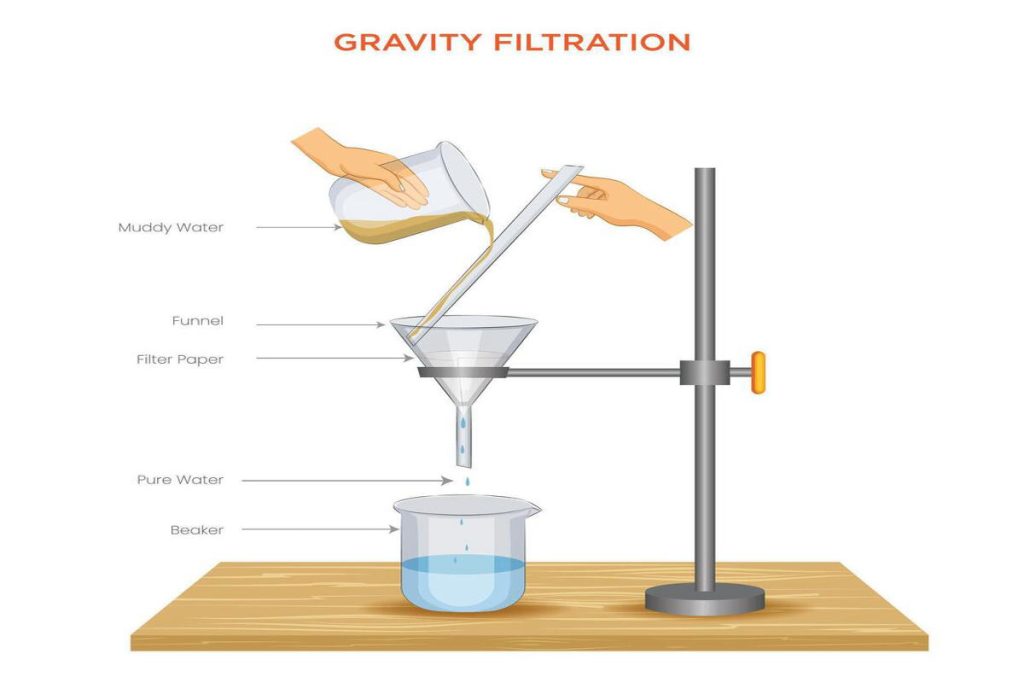
Gravity based purification uses multi stage sediment removal, activated carbon, and microfiber membranes without electricity.This makes it suitable for schools, health centres, panchayat buildings, and community hostels.UNICEF research shows that gravity systems improve access to consistent safe drinking water in rural institutions
These systems typically handle 50 to 200 litres per hour and can support multiple households.Since the design is simple, training women’s self help groups to manage these units increases community ownership.Gravity filters also work well in areas where water quality issues are moderate and do not require advanced RO or UF systems.
Earth5R uses gravity filtration extensively in school sustainability programs.These programs combine water access with handwashing education, hygiene training, and waste segregation for maximum community health impact.
Breakthrough 6: Nanotechnology Based Filtration for Fluoride and Arsenic
Nanotechnology membranes are highly effective in removing dissolved contaminants such as fluoride, arsenic, nitrate, and pesticides.India has more than 70 fluoride affected districts, particularly in Rajasthan, Karnataka, Telangana, and Andhra Pradesh
Arsenic contamination is widespread across the Indo Gangetic belt, affecting Bihar, West Bengal, and Uttar Pradesh.
A study published in Environmental Science and Pollution Research shows nano membranes can reduce toxic contaminants by up to 90 percent
Nanofiltration provides an efficient alternative to RO in areas where water wastage must be minimised.Because nano membranes do not reject as much water as RO, they are suitable for drought prone regions where groundwater scarcity is severe.
Earth5R uses river cleaning and waste mapping data to identify high risk chemical contamination pockets.Nanofiltration units are then recommended to CSR partners seeking targeted water interventions.
Breakthrough 7: Community RO Kiosks with Digital Monitoring
Reverse osmosis remains essential in regions with high salinity, dissolved solids, or chemical pollution.Community RO kiosks provide purified water at low cost while supporting entrepreneurship models for local operators.
A study by the National Institute of Technology Tiruchirappalli shows community RO kiosks reduce dependence on unsafe water sources by nearly 60 percent. These kiosks dispense 20 to 40 litres per family per day.Many states now integrate smart cards, QR payments, and cloud based water quality monitoring.
This transparency increases trust and ensures maintenance cycles are followed regularly.Earth5R incorporates digital reporting frameworks that help communities track kiosk performance.CSR teams also benefit from this data because ESG guidelines increasingly require transparency in impact measurement.
Breakthrough 8: Atmospheric Water Generation (AWG) for Arid Regions
Atmospheric Water Generators extract water from humidity in the air.. In semi arid and desert regions, AWG technology provides a new drinking water source independent of groundwater.
Research published in Nature Water highlights that atmospheric harvesting can produce 5 to 20 litres per day depending on humidity
AWG is useful in villages where borewells have failed or where groundwater contamination is too severe for household filters.Recent innovations include solar powered AWG and low energy desiccant based systems.These improvements make the technology more viable for rural needs.
Earth5R considers AWG for locations where river cleaning assessments show extreme pollution and where local water infrastructure cannot recover quickly.
Earth5R Case Study: Village Water Resilience Through Community Action
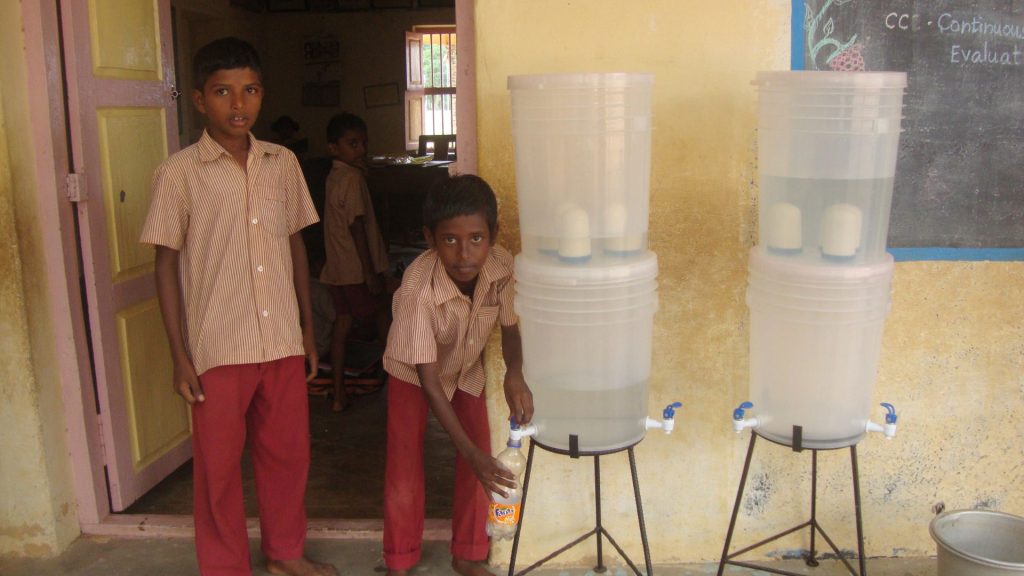
Earth5R has implemented water filtration and sustainability programs in hundreds of rural settlements.Through its environmental NGO and environmental organisation initiatives, the team has conducted community training, water quality mapping, waste management planning, and the installation of filtration units in high vulnerability zones.
Earth5R’s river cleaning programs along key rivers identified multiple pollution points where untreated waste directly impacted village water bodies.
The organisation works with CSR teams to design community owned filtration systems rather than donor driven one time projects.This approach ensures villagers understand maintenance, hygiene practices, and water quality indicators.
More than 1.2 million people have participated in Earth5R’s sustainability experiences
including water responsibility workshops, river cleanups, and zero waste training.
These activities create strong behavioural foundations that support filtration adoption, waste separation, and protection of local water ecosystems.The long term result is resilience, environmental stability, and measurable health improvements.
Actionable Solutions for Scaling Rural Water Access
Build Community Ownership First
Villages that manage their own filtration units demonstrate better operational outcomes.Women’s groups, school committees, and panchayats can take lead roles in maintenance.CSR programs can support these models through training, repair funds, and technical backup.
Combine Filtration with Waste Management and River Cleaning
Filtration alone cannot solve contamination.Upstream waste management and wastewater treatment reduce pollution loads.Earth5R’s river cleaning model shows that preventing waste entry into rivers improves groundwater quality in nearby settlements.
Use Real Time Water Quality Data for Planning
Digital sensors and field test kits help identify contaminants and select the right filtration technology.This reduces mismatch between community needs and system design.
It also aligns with ESG guidelines that encourage measurable environmental performance.
Prioritise Low Maintenance Technologies for High Need Areas
Bio sand filters, ceramic filters, and gravity units should be prioritised where maintenance capacity is low.More advanced solutions can follow once communities stabilise usage patterns and monitoring processes.
FAQs: 8 Filtration Breakthroughs Reshaping Water Access in Rural India: Earth5R Innovation Review
What is phase based planning and how does it work?
Phase based planning aligns daily routines, mental wellness strategies and productivity with the four hormonal phases of the menstrual cycle.It helps individuals work with natural rhythms instead of pushing through low energy phases.This supports better emotional stability and consistent functioning.
How do hormones affect productivity during the menstrual cycle?
Hormonal shifts influence memory, focus, mood and stress responses through changes in estrogen and progesterone.These hormones regulate brain functions linked to planning and emotional regulation.Different phases naturally support different kinds of tasks.
Which menstrual phase is best for high productivity?
The follicular and ovulatory phases typically offer the highest mental clarity, confidence and cognitive flexibility.Research shows that estrogen enhances concentration and learning during these phases.This makes them ideal for demanding or creative tasks.
Why do mood swings occur before periods?
Mood swings often occur due to progesterone driven changes in the brain during the late luteal phase.These shifts affect serotonin and stress response pathways.Many individuals experience anxiety, irritability or emotional sensitivity during this time.
Can phase based planning help with anxiety management?
Yes, phase based planning helps identify when anxiety spikes are most likely to occur.
This allows individuals to time anxiety counselling and mindfulness strategies more effectively.It also reduces stress by making emotional patterns predictable.
How does the menstrual cycle affect sleep quality?
Sleep often worsens during the luteal and menstrual phases because hormonal changes raise body temperature and disrupt melatonin.Insomnia becomes more common in these phases.Cycle tracking helps individuals prepare for these shifts with better sleep routines.
Does phase based planning support depression therapy?
Yes, understanding hormonal mood changes helps differentiate temporary emotional dips from clinical depression symptoms.This improves communication during therapy and leads to more accurate treatment strategies.It also reduces feelings of confusion around fluctuating moods.
Is phase based planning useful for teenagers?
Teenagers experience stronger hormonal shifts because their systems are still developing.This makes cycle based planning especially helpful for managing emotions, academic pressure and counselling sessions.It improves self awareness and emotional regulation.
Can mindfulness based therapy be aligned with cycle phases?
Yes, mindfulness is especially effective during the luteal and menstrual phases when emotional sensitivity increases.It helps reduce anxiety, irritability and overwhelm.Higher energy phases are better suited for insight based mindfulness exercises.
Why do some people feel more social during ovulation?
Estrogen peaks during ovulation and enhances verbal fluency, social confidence and emotional connection.This increases the desire for interaction and group activities.
It also makes this phase ideal for collaborative work or counselling focused on relationships.
How can phase based planning improve work or study schedules?
By aligning task intensity with natural energy patterns, individuals can reduce burnout and improve consistency.High focus tasks fit best in follicular or ovulatory phases.
Lighter tasks align with menstrual and late luteal phases.
Can counselling become more effective when aligned with menstrual phases?
Yes, sessions that require emotional depth often work better during menstrual or late luteal phases.Goal setting or cognitively demanding sessions are more effective during high energy phases.Therapists can adjust techniques to match emotional readiness.
Is physical fatigue normal during periods?
Fatigue is common due to hormonal drops, inflammation and changes in sleep patterns.The body requires more rest and recovery during menstruation.Planning lighter tasks helps manage this natural slowdown.
Does the cycle impact decision making?
Decision making is often sharper during follicular and ovulatory phases because of improved cognitive processing.Late luteal phases may bring emotional bias or overwhelm.This is why scheduling important decisions in high focus phases is beneficial.
How can phase based planning help with stress management?
Stress tolerance varies across the cycle due to changes in cortisol response.Identifying these patterns allows individuals to use stress management therapy more effectively.
It also helps prevent burnout during emotionally difficult phases.
Why does appetite change throughout the cycle?
Hormonal fluctuations influence metabolism and cravings, especially during the luteal phase.Higher progesterone can increase hunger and the desire for comfort foods.Awareness helps reduce guilt and encourages balanced nutritional planning.
How does cycle tracking support mental wellness?
Tracking reveals patterns in mood, energy, sleep and productivity.This increases emotional insight and makes counselling more effective.It also allows individuals to anticipate vulnerable phases and prepare accordingly.
What tools can help with cycle based planning?
Digital apps, journals and mood tracking tools work well for daily monitoring.These tools simplify pattern recognition and scheduling adjustments.They also support consistent therapy routines.
Is it normal to feel more motivated after periods?
Yes, motivation often rises during the early follicular phase because estrogen begins to increase.This hormone boosts energy, focus and optimism.Many individuals find this phase ideal for starting new projects.
Can phase based planning benefit people with irregular cycles?
Yes, even with irregular cycles, tracking mood and energy patterns provides valuable insight.Phase based planning becomes more flexible but remains effective.It helps individuals better understand their bodies and emotional rhythms.
Take Charge of Your Cycle, Mental Wellness and Productivity
Understanding your menstrual cycle is one of the most powerful steps you can take toward improving mental wellness, focus and emotional balance.Phase based planning helps you recognise your patterns, reduce stress and align your routines with your natural rhythms.
Whether you are navigating anxiety counselling, mindfulness based therapy for anxiety and depression, or simply aiming for healthier productivity, cycle awareness gives you the clarity needed to make informed decisions.Begin tracking your cycle today and observe how your energy, mood and sleep shift each month.
Use these insights to structure your work, studies and self care in a way that supports your wellbeing rather than overwhelms it.If you want to deepen your understanding, reach out to a therapist or counsellor who incorporates menstrual awareness into mental health support.
Start building a cycle aligned life that makes space for both high performance and emotional recovery.
Authored by- Sneha Reji