
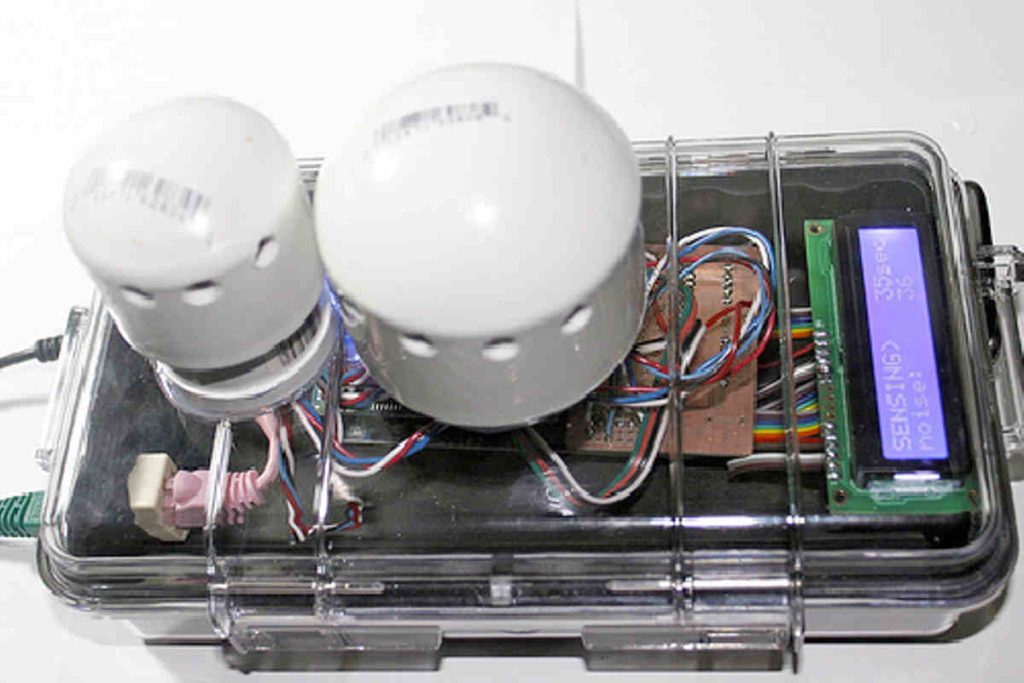
Air pollution is one of the biggest challenges faced by every environmental organisation and environmental NGO India relies on for sustainability work. Low income communities and public schools face the worst exposure because they rarely have access to real time air quality monitoring.
Earth5R works directly inside these informal settlements and has consistently observed how lack of data deepens environmental injustice.
India has 39 of the world’s 50 most polluted cities according to an analysis published by the Energy Policy Institute at the University of Chicago.Air pollution contributed to 1.67 million deaths in India according to a study published in Lancet Planetary Health and indexed on PubMed,Without neighbourhood level data, communities remain unaware of what they inhale and cannot take steps to protect their health.
Low cost sensors are changing this system by making air quality data accessible and hyperlocal.They empower slum communities, strengthen sustainability and waste management interventions, support river cleaning, and help CSR and ESG teams measure real environmental impact.Earth5R integrates these sensors into the BlueCities sustainability framework to ensure that every citizen has access to the right to breathe clean air.
The Air Quality Gap in Slums and Schools
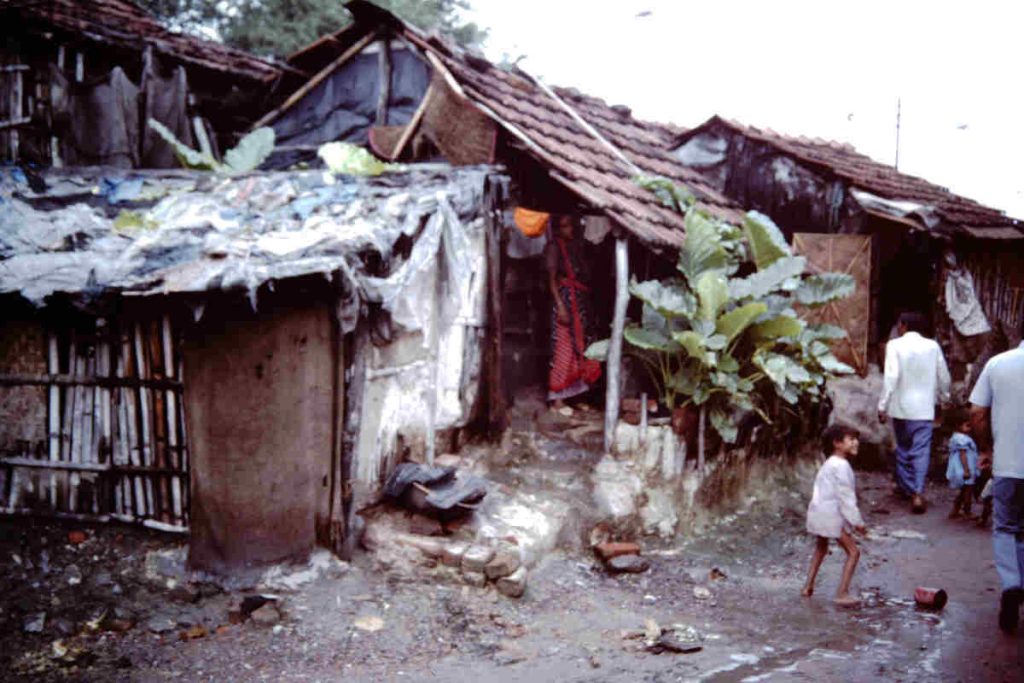
Slum residents live close to waste burning sites, congested roads, informal industries, and polluted riverbanks, yet most do not have access to any monitoring systems.
They experience extreme exposure to PM2.5 and toxic gases but receive only citywide averages that hide localised pollution.Earth5R field teams frequently document the mismatch between actual conditions and official data.
India has fewer than 400 government grade monitoring stations according to the Central Pollution Control BoardThis number is far too small for thousands of urban neighbourhoods spread across major cities.High density informal settlements often fall outside government monitoring zones, creating “data shadows” where pollution is unmeasured.
School children face equal or higher risks.A UNICEF report titled Danger in the Air highlights how millions of children worldwide are exposed to extremely poor air quality, with India being one of the most affected regions .Indoor classroom PM levels can be even higher than outdoor pollution when ventilation is inadequate or schools are located beside high traffic corridors.
Environmental justice requires that vulnerable communities receive air quality information specific to their surroundings.Low cost sensors provide real time alerts that help families time outdoor activities and reduce exposure during peak pollution periods.Earth5R has seen strong behavioural change in communities once this data becomes visible.
Why Traditional Monitors Exclude Low Income Communities
Government reference monitors cost between INR 1 crore and INR 2 crore per unit because they require precision instruments, shelters, climate controls, and certified staff.
These installations are typically placed in urban centres or institutional zones where power and security conditions are stable.This leaves informal settlements without official measurement infrastructure.
India’s pollution exposure estimates often rely on interpolation rather than real data in low income areas.A technical paper from IIT Delhi shows how sparse monitoring leads to inaccurate pollution mapping, especially in periphery neighbourhoods .This means that slum residents breathe far worse air than what municipal datasets reflect.
Environmental NGO India groups have long pointed out that vulnerable communities remain invisible in official datasets.High capital cost, maintenance complexity, and power requirements prevented government stations from being deployed in slums and schools.Low cost sensors now overcome these limitations by offering scientifically acceptable accuracy at a fraction of the cost.
How Low Cost Sensors Became Scientifically Reliable
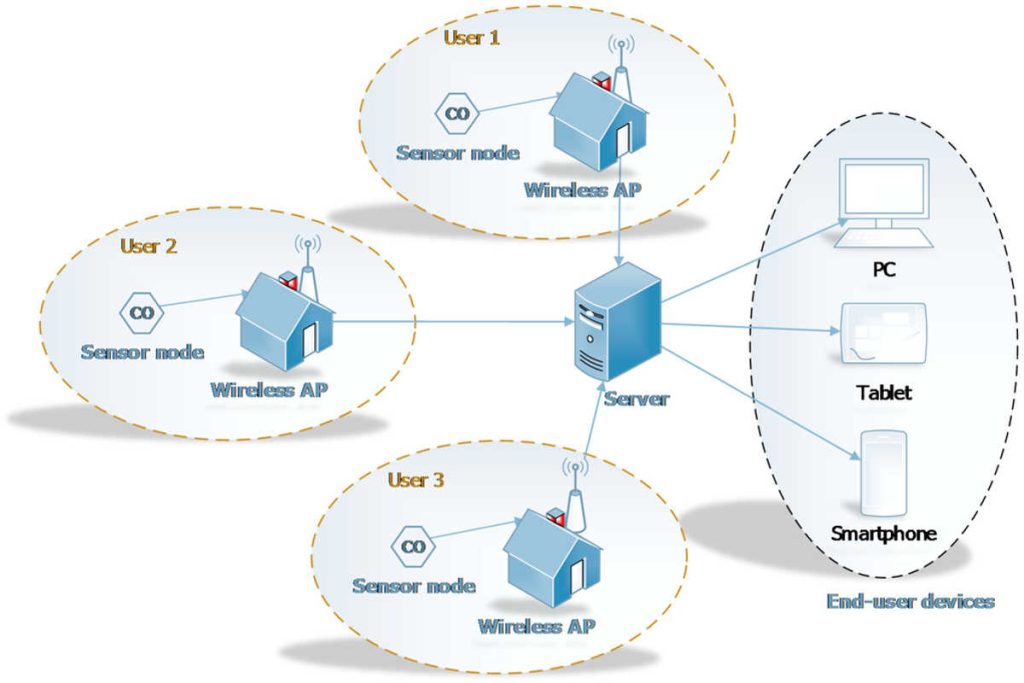
Modern low cost sensors use optical particle counting, microelectromechanical systems, and AI based calibration models to improve accuracy.These devices measure particulate matter using laser scattering and then apply correction algorithms to adjust for humidity and temperature.
The resulting datasets are suitable for public health planning, community engagement, and CSR reporting.
The US Environmental Protection Agency’s Air Sensor Toolbox confirms that low cost sensors can provide meaningful and reliable data when calibrated appropriately Peer reviewed research by the University of California Berkeley demonstrates that calibrated low cost sensors can map local variations that expensive monitors miss.
Studies from IIT Delhi and other Indian research institutions further validate their community level accuracy in urban environments. These devices connect through GSM, WiFi, and LoRaWAN networks, making them easy to deploy in dense settlements.
Cloud platforms automatically collect and analyse the data, allowing environmental organisation teams to create detailed pollution maps without specialised hardware.
Earth5R uses this architecture within its BlueCities urban sustainability framework to analyse air quality alongside waste and river pollution indicators.
Why Slums Are High Priority Zones
More than half of India’s urban population lives within 500 metres of a major pollution source according to the National Family Health Survey. Slum communities face even more concentrated exposure due to biomass cooking, diesel generators, plastic burning, and proximity to small industries. These activities create peak pollution spikes that government stations cannot detect.
Scientific studies confirm that children living in polluted urban settlements show reduced lung capacity compared to peers in cleaner areas.An Indian study on adolescent lung function demonstrates the link between environmental exposure and respiratory health decline.
Another study published in Clinical Epidemiology and Global Health shows how industrial emissions strongly affect children’s respiratory health in Indian cities.
Low cost sensors allow residents to identify dangerous hours and pollution hotspots.When communities see real time readings, they shift behaviours such as burning patterns, cooking times, and indoor ventilation practices.
Environmental organisation partners have seen higher compliance with sustainable waste management practices once pollution data becomes visible.
Schools and the Hidden Burden of Air Pollution

Children breathe faster and take in more air per kilogram of body weight, making them highly vulnerable to toxic pollutants.Exposure to PM2.5 and NO2 affects cognitive development, academic performance, and emotional health.Teachers and school administrations often misjudge indoor air quality because pollutants accumulate quietly.
A peer reviewed study on air pollution and academic performance in India shows that higher pollution leads to lower test scores and increased absenteeism. A UNICEF guide on children’s vulnerability explains how air pollution affects early brain development and long term cognitive outcomes .This makes air quality monitoring essential for school health planning and education equity.
Low cost sensors give schools actionable insights.Teachers can shift morning assemblies away from peak pollution hours, improve ventilation strategies, and monitor classroom conditions throughout the day.These small adjustments significantly reduce health risks for children.
Earth5R Case Study: Community Air Mapping in Informal Settlements
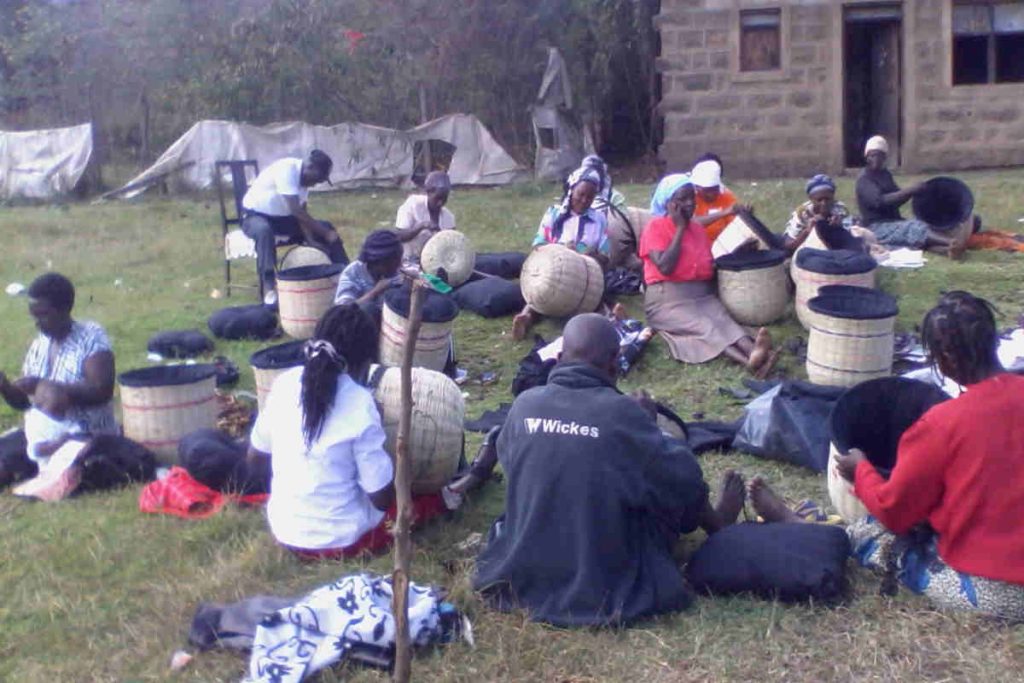
Earth5R deployed low cost sensors across informal settlements in Mumbai, Pune, Delhi, and Chennai through the BlueCities model.The project aimed to provide real time exposure data to communities living near waste burning zones, congested roads, and polluted drains. Earth5R trained local youth, women’s groups, and resident volunteers to manage the sensors.
Expanded Results
Morning biomass cooking spikes were identified clearly.
Sensors showed PM2.5 skyrocketing during early morning hours when families used biomass stoves.This helped households understand how indoor and outdoor pollution influenced health and encouraged adoption of safer cooking practices.
Waste burning hotspots were mapped and eliminated.
Data showed consistent spikes at specific times and locations linked to waste burning.
Earth5R worked with community leaders and municipal teams to remove burning spots and improve waste management processes .
Schools adapted schedules based on real time alerts.
Slum schools shifted physical education classes and morning assemblies to cleaner time periods.Teachers reported noticeable reductions in coughing and asthma symptoms among children after making these simple changes.
CSR partners invested more transparently and strategically.
Corporates used sensor data to justify funding green buffers, air purifiers, and sustainable cooking initiatives.This strengthened CSR accountability and provided quantitative evidence for annual reporting.
Municipal bodies improved local planning using sensor data.
Ward officials used Earth5R data to identify burning zones, industrial leakages, and waste accumulation patterns.The data supported targeted clean air actions rather than broad, inefficient policies.
Riverbank settlements experienced dual benefits.
Sensors revealed that reducing plastic burning near riverbanks improved both air quality and river cleaning outcomes.This supported Earth5R’s integrated sustainability and river restoration model https://earth5r.org/river-cleaning.
How Low Cost Sensors Support CSR and ESG Priorities
Low cost sensors offer measurable, transparent, and high frequency environmental data that CSR and ESG teams can use to demonstrate real outcomes.Environmental organisation partners benefit because sensor outputs allow them to track community exposure and design targeted clean air programs.This helps bridge the long standing gap between funding and evidence in India’s sustainability space.
1. CSR air quality improvement programs
Corporates investing in clean air initiatives often struggle to quantify the impact of their interventions.Sensors installed in schools, slums, hospitals, and riverbank settlements give CSR teams real time data that reflects local improvements.This helps organisations clearly demonstrate outcomes in their annual CSR reports and strengthens accountability.
2. ESG Scope 3 pollution monitoring
ESG frameworks increasingly require companies to measure not only direct emissions but also the broader community impacts of their operations.Low cost sensors placed near logistics routes, manufacturing clusters, and workers’ communities provide granular exposure data.This allows companies to evaluate how their supply chains influence local air quality and integrate findings into ESG disclosures.
3. SDG aligned development strategy
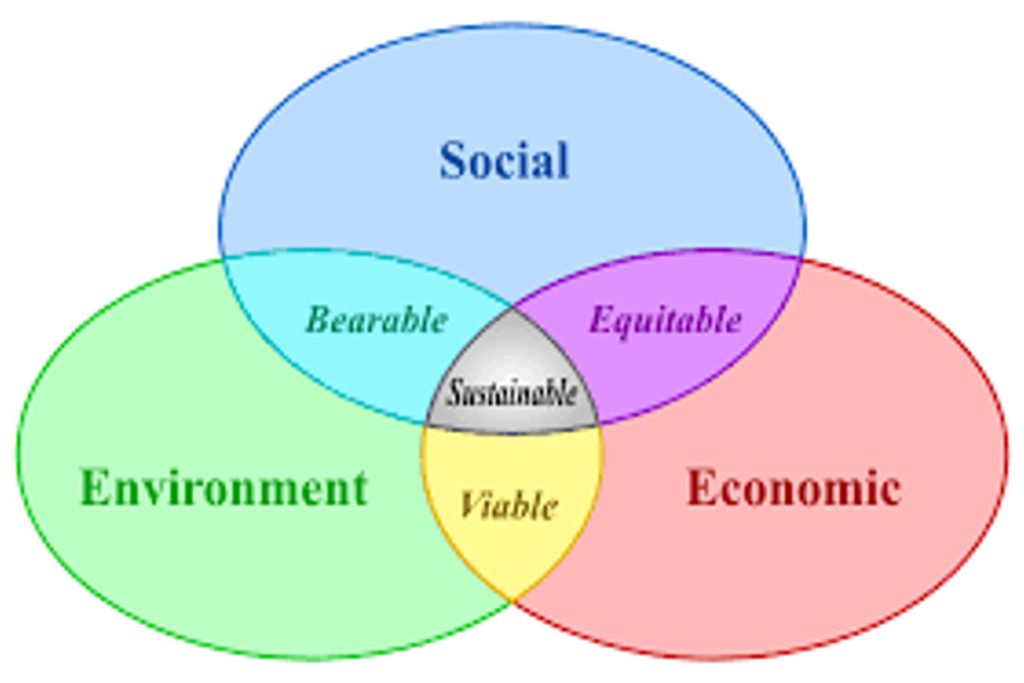
Sensor data supports Sustainable Development Goal tracking, especially SDG 3 (Health), SDG 11 (Sustainable Cities), and SDG 13 (Climate Action).Environmental NGO India groups often rely on such data to demonstrate alignment between local interventions and global climate commitments.Low cost sensors make SDG contributions quantifiable and evidence driven.
4. Pollution reduction as part of sustainability planning
Companies planning sustainability interventions require accurate data on the pollution sources around their operational zones.Sensors reveal whether emissions are related to traffic congestion, waste burning, industrial leakage, or local fuel use.This helps environmental organisation partners create science based clean air action plans.
5. Supply chain compliance and community safety
Industries located near residential communities face increasing pressure to demonstrate boundary compliance.Low cost sensors placed along factory perimeters show real time exposure levels for nearby households.This supports environmental governance while strengthening community relationships.
Earth5R integrates these CSR and ESG needs through the BlueCities platform, which allows companies to view air data alongside waste, river, and mobility indicators
Low Cost Sensors for Waste Management and River Cleaning Zones
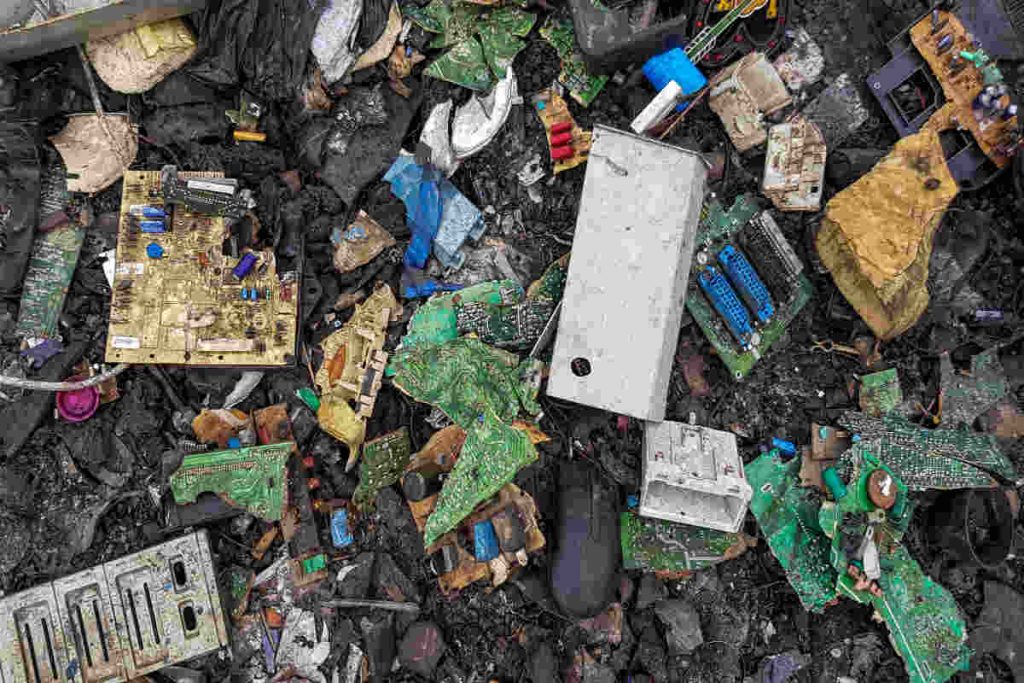
Waste burning is one of the most frequent causes of extreme local pollution in Indian cities.
Slum areas located near informal dumpsites often see sudden spikes in PM2.5 that are missed by formal monitoring networks.Environmental organisation teams need real time visibility to prevent such incidents.
A peer reviewed study warns that open waste burning could soon become one of India’s largest sources of air pollution if not addressed systematically.This makes it essential for environmental NGO India partners to track burning incidents using low cost sensors.The data helps identify patterns and hold stakeholders accountable.
Sensors near waste burning hotspots
Low cost sensors detect rapid changes in PM2.5, enabling teams to locate active burning sites in real time.This allows Earth5R and community volunteers to respond immediately and stop the burning before pollution spreads.Over time this reduces the overall frequency of such events and improves local health conditions.
Sensors along riverbank settlements
Riverbank communities often burn plastic waste due to lack of access to formal waste management.Earth5R’s river cleaning work shows that burning near water bodies worsens both air and water quality, contributing to microplastic pollution.Sensors installed near riverbanks reveal how contamination from waste burning affects surrounding regions .
Data for integrated environmental planning
Sensor readings help environmental organisation teams combine air, waste, and water data for comprehensive planning.Pollution spikes often correlate with waste disposal patterns and drainage blockages.This helps cities address root causes rather than isolated symptoms.
Early warning systems for community action
Sensors enable early warning alerts through mobile dashboards.Residents receive information about hazardous hours and avoid outdoor exposure during extreme peaks.
This builds community engagement and responsibility around sustainability and waste management.
Earth5R has used this approach to support integrated urban environmental restoration across multiple cities and informal settlements.
The BlueCities Model: Data Driven Urban Sustainability
The BlueCities model is Earth5R’s flagship approach to sustainable urban development.
It integrates air quality data, waste mapping, river pollution insights, and citizen reporting into a unified dashboard.This supports cities in making efficient, evidence based decisions.
BlueCities includes indicators such as:
• Air quality hotspots
• Waste burning incidents
• River and drain water quality trends
• Community engagement levels
• Mobility emission patterns
• ESG and CSR project performance
How sensors strengthen the BlueCities system
Low cost sensors provide continuous, high frequency data essential for identifying micro area variations. Government monitors show broad patterns, but sensors placed inside slums or school zones reveal hyperlocal differences of 200 to 300 percent.This allows sustainability planners to deploy targeted interventions instead of citywide blanket measures.
Supporting ward level and municipal planning
Municipal bodies can use BlueCities dashboards to plan waste collection routes more effectively.Sensors detect pollution spikes that indicate burning zones or illegal dumping.
This leads to faster enforcement and improvements in neighbourhood cleanliness.
Ground truth for environmental organisation teams
BlueCities allows environmental NGO India partners to evaluate the impact of their work in real time.For example, if a community waste initiative reduces burning, sensors immediately show declines in PM2.5 levels.This helps organisations demonstrate measurable outcomes to donors and CSR partners.
Enabling replicable city models
The BlueCities framework is designed to scale across Indian cities with minimal modification.
Low cost sensors make this scaling affordable for both municipal governments and CSR stakeholders.Earth5R uses the same model across more than 65 countries to unify sustainability, citizen empowerment, and environmental governance..
Technical Advances That Make Sensors Affordable
Low cost sensors are possible due to major advances in electronics and IoT architecture.
They use components priced at a few hundred rupees that previously cost thousands.This has opened up new possibilities for environmental organisation teams working in slums and schools.
Laser based particle counting
Modern sensors use precise laser scattering techniques to measure particulate matter. This provides high sensitivity even in dense environments where earlier sensors struggled. These improvements make the devices reliable for everyday community use.
AI and machine learning calibration
Humidity and temperature variations affect particle sensor readings in India’s climate.AI based correction models adjust for these variables, improving accuracy significantly.
Studies from IIT institutions and international labs confirm the effectiveness of such calibration models.
LoRaWAN and GSM connectivity
Low cost sensors use low power wide area networks to transmit data.This allows installation in slums where WiFi or stable electricity may be unavailable.GSM modules enable sensors to operate using basic mobile networks.
Low energy microcontrollers and solar options
Sensors use microcontrollers that consume minimal energy and run for long periods.
Solar options are available for areas with limited electricity access.This helps environmental NGO India partners deploy sensors even in remote or challenging locations.
Policy Implications for India
India’s National Clean Air Programme (NCAP) aims to reduce PM2.5 pollution by 40 percent in major cities.However, the program’s monitoring network is insufficient for the millions of people living in informal settlements.Low cost sensors can close this data gap without requiring massive capital expenditure.
Supporting NCAP’s mission
Low cost sensors allow NCAP teams to identify hotspots and track interventions.They help cities measure progress toward NCAP targets more accurately.They also support citizen engagement, which is central to NCAP implementation.
Strengthening Smart Cities Mission

Air quality is a major indicator under the Smart Cities framework.Integrating sensors into command and control centres offers real time insights for municipal decisions.Environmental organisation partners can support cities by interpreting this data and recommending interventions.
Driving climate governance and local planning
Sensors provide evidence for local clean air action plans and climate mitigation strategies.
Ward level officials can identify patterns such as morning biomass peaks or recurring burning spots.This improves resource allocation and ensures sustainability interventions reach vulnerable communities.
Challenges and Future Needs
While low cost sensors are transformative, they face practical limitations that must be addressed.Environmental NGO India teams need training and maintenance protocols to ensure consistent data quality.
Policy frameworks must also recognise community sensor networks as valid sources of environmental data.
Humidity and weather sensitivity
High humidity can affect sensor accuracy, especially in coastal cities.AI based calibration helps, but maintenance remains essential.Regular checks improve reliability over time.
Need for periodic calibration
Sensors drift slightly over months of use.Local calibration frameworks are needed to keep community networks aligned with reference data.Earth5R is developing such frameworks through field validation trials.
Power and connectivity barriers
Slums often experience unstable electricity or limited network coverage.Solar options and multi-network devices can help overcome these challenges.Environmental organisation teams must choose installation sites carefully.
Municipal adoption and recognition
Local governments may hesitate to use community sensor data because reference standards are rigid.Awareness is growing, but formal integration into policy will take time.
Earth5R advocates for city level adoption of community generated environmental data.
Low cost sensors will play an increasingly central role in clean air planning as India expands its sustainability and public health programs.
FAQs: The Rise of Low Cost Sensors: A New Age for Air Quality Justice in Slums and Schools
What are low cost air quality sensors and how do they work
Low cost air quality sensors are compact devices that measure pollutants like PM2.5, PM10, and gases using optical and electronic components.They use laser based particle counting and convert readings into digital data that updates every few seconds.This makes them ideal for community level monitoring in slums, schools, and riverbank zones where government monitors are absent.
How accurate are low cost sensors compared to government monitors
Low cost sensors become highly reliable after proper calibration and correction.The US EPA confirms that many such sensors can correlate 80 to 90 percent with reference grade monitors when managed correctly .
This makes them suitable for environmental organisation and environmental NGO India projects that need high frequency community data.
Why are slums high priority areas for air quality monitoring
Slum communities face concentrated exposure due to waste burning, biomass fuel use, and nearby industrial activities.Studies in Indian Pediatrics show that children in polluted neighbourhoods have reduced lung function and higher respiratory illness rates Monitoring helps identify pollution hotspots and create targeted sustainability solutions through organisations like Earth5R.
How does air pollution affect school children in India
Children breathe more rapidly and absorb pollutants deeper into their lungs compared to adults.Pollution affects academic performance, emotional development, and long term cognitive health as shown by UNICEF and educational research.Low cost sensors help schools adjust timetables and improve ventilation to reduce exposure.
Why are traditional government monitors not installed in slum areas
Government stations cost between INR 1 crore and INR 2 crore due to advanced hardware and complex maintenance needs.Such infrastructure is difficult to install in high density, low infrastructure communities.Low cost sensors offer a practical alternative that environmental organisation teams can deploy rapidly.
Can low cost sensors support environmental organisation and NGO projects
Yes, they offer real time, location specific data that enhances environmental governance, sustainability planning, and community awareness.Environmental NGO India teams use this data to design waste management, river cleaning, and climate resilience programs.
Sensors make invisible pollution visible, which improves local decision making.
What pollutants do low cost sensors measure
Most sensors measure PM2.5, PM10, temperature, and humidity.Advanced models can detect gases like CO, NO2, O3, and VOCs.These parameters help environmental organisation teams understand both combustion sources and industrial emissions.
How can CSR teams use low cost sensor data
CSR teams can track improvements in school air quality, slum exposure reduction, and reductions in waste burning.Data supports transparent reporting for sustainability and community health programs.This aligns with CSR rules in India and enhances project credibility.
How do sensors help ESG compliance for companies
ESG frameworks require measurable environmental indicators.Sensors provide real time exposure data for communities living around company operations, logistics routes, and manufacturing zones.This helps companies refine sustainability strategies and document climate risk.
How does Earth5R use low cost sensors in its projects
Earth5R integrates sensors into its BlueCities model to map pollution along with waste and river data .The organisation deploys sensors in slums, schools, and riverbank communities to support local action.This allows Earth5R to create science based interventions that reduce pollution and improve livelihoods.
Can community volunteers operate these sensors easily
Yes, low cost sensors are user friendly and require minimal technical training.Earth5R routinely trains youth groups, women’s collectives, and resident volunteers to install, monitor, and maintain these devices.This builds community ownership and long term sustainability.
How do sensors help reduce waste burning in slums
Sensors detect dramatic pollution spikes at the exact time burning occurs.This helps communities identify burning locations and stop the activity quickly.Over time this reduces recurring burning and improves neighbourhood air quality.
Can schools use sensor data for timetable adjustments
Yes, schools can avoid outdoor activities during peak pollution hours identified by sensors.
They can shift morning assembly times or hold activities indoors when readings are high.This directly lowers children’s exposure to harmful pollutants.
Are low cost sensors reliable during high humidity or monsoon conditions
Humidity affects optical readings, but sensor calibration models significantly reduce this error.AI corrections and regular maintenance make sensors reliable during monsoon seasons.Indian research institutions have validated these corrections in coastal cities.
How does the BlueCities model use sensor data
BlueCities combines sensor data with waste mapping, river pollution insights, and citizen reports to support urban sustainability.This integrated system helps municipal leaders and CSR teams design precise environmental interventions.
.
Can municipal governments use community sensor networks
Yes, several cities worldwide integrate community sensors into policy through validation and calibration.Such data helps identify micro hotspots missed by official monitors.
Earth5R advocates for the inclusion of community data in India’s municipal clean air planning.
Do sensors help river cleaning and waste management efforts
Sensors show how pollution spikes correspond with waste burning and dumping activities.
This helps environmental organisation teams identify root causes of river pollution.
Earth5R uses this integrated data to support its river cleaning work.
How often should sensors be calibrated
Most sensors require calibration every few months depending on weather and usage.
Earth5R is developing community friendly validation techniques to keep sensors accurate in the field.Regular calibration ensures data reliability for sustainability decisions.
How can companies sponsor community air monitoring projects
Companies can fund sensors for slums, schools, clinics, or riverbank settlements as part of CSR programs.Sensor data provides measurable outcomes that strengthen CSR reporting and ESG compliance.Earth5R helps corporates design and deploy community air monitoring systems.
Can low cost sensors be used in rural schools and anganwadis
Yes, sensors operate effectively in rural and semi urban settings.Solar and GSM enabled devices work even where electricity and WiFi are limited.This helps bring air quality justice to remote communities that have never had access to real time data.
Partner With Earth5R to Build Clean Air Communities
Air quality justice requires data, community participation, and strong partnerships between governments, corporates, and civil society.
If your organisation is committed to sustainability, CSR, ESG, waste management, or river cleaning, Earth5R can help you deploy community air monitoring networks with measurable impact.Our BlueCities model provides the technical, social, and scientific backbone required to scale these interventions across India.
To collaborate on slum air mapping, school monitoring, or integrated environmental planning, contact Earth5R at:
Together we can build cleaner, healthier, and more resilient communities across India.
Authored by- Sneha Reji