
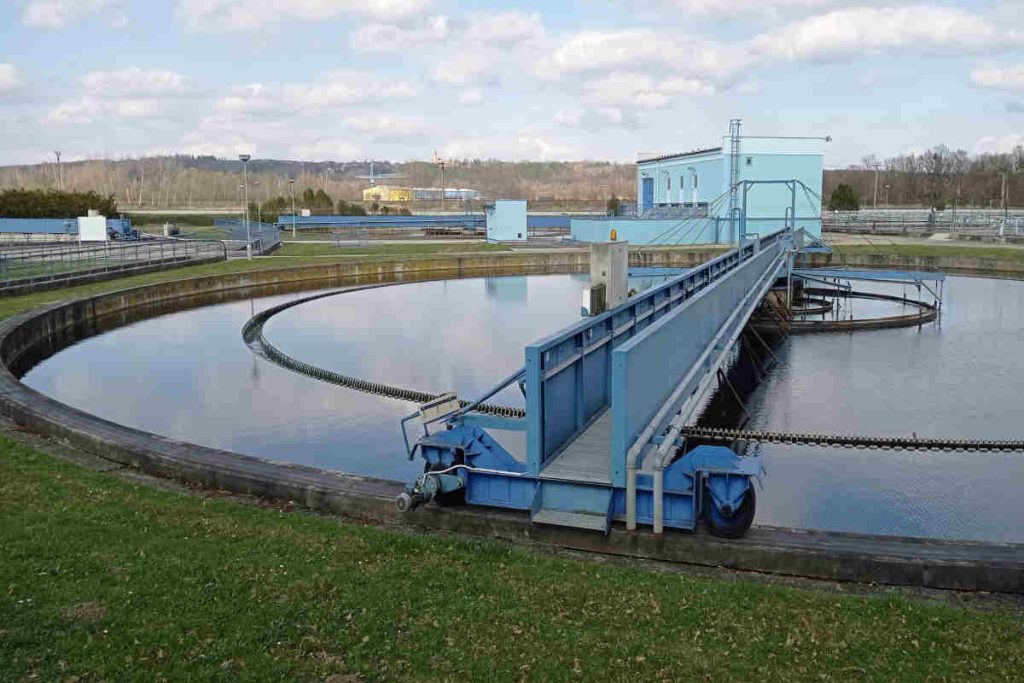
Introduction: Invisible Infrastructure and India’s Next Development Stage
Environmental organisations and Environmental NGOs in India now agree that the next phase of infrastructure will not always be visible.Instead of new flyovers or expressways, India urgently needs invisible systems that clean the air we breathe and filter the water we drink.This invisible layer of protection is becoming central to Sustainability, ESG, and Corporate social responsibility planning.
In 2019, air pollution was linked to about 1.67 million deaths in India, accounting for nearly 18 percent of all deaths.At the same time, official summaries of NITI Aayog’s Composite Water Management Index show that nearly 600 million Indians face high to extreme water stress and that around 70 percent of water is contaminated.
These two facts show why invisible infrastructure matters.If India does not rapidly improve water filtration and air quality systems, health costs, productivity losses, and climate risks will keep rising.Earth5R’s work as a Sustainability and climate focussed Environmental organisation shows that communities feel these invisible crises every day.
Earth5R’s multi sector work and BlueCities river programs demonstrate that good environmental infrastructure does not always look like construction.Sometimes it looks like a sensor on a lamppost, a filtration unit under a footpath, or a quality monitor in a school.
India’s Air Quality Crisis: Why Monitoring and Filtration Matter
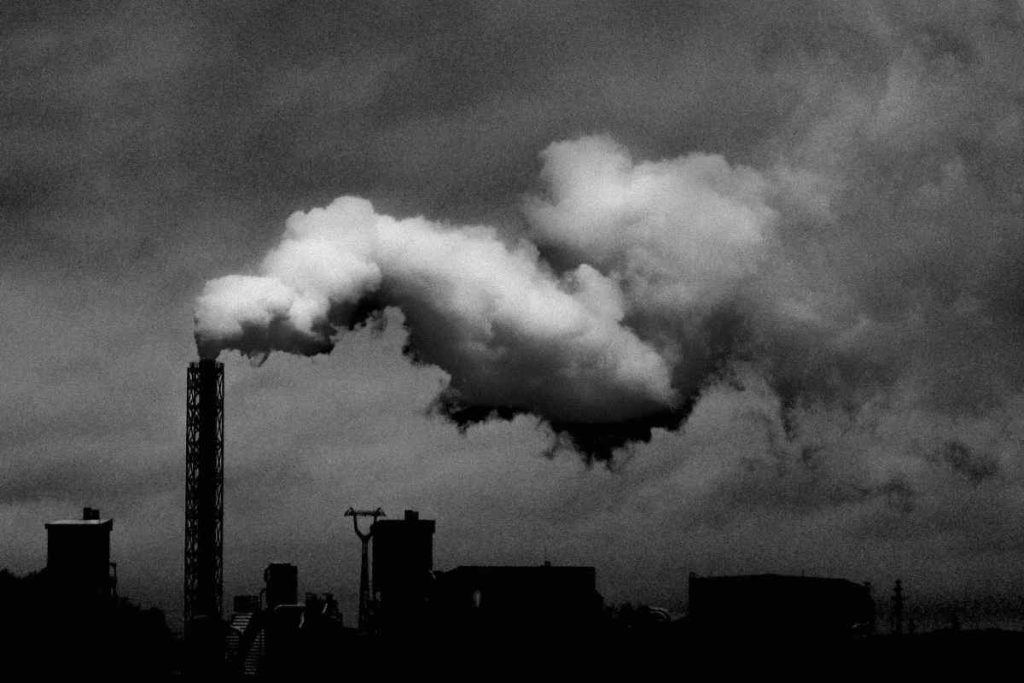
Air quality is one of India’s biggest public health challenges.Analyses of global burden of disease data show that pollution related mortality in India is the highest in the world, with 1.6 to 1.7 million deaths in 2019 due to air pollution alone.
The State of Global Air reports and linked studies show that long term exposure to fine particulate matter (PM2.5) increases the risk of stroke, heart disease, lung cancer, and respiratory infections.
India’s official monitoring network, coordinated by the Central Pollution Control Board, tracks real time air quality across cities but still does not cover many smaller urban areas and rural clusters. Independent assessments also show that Indian cities frequently exceed national and WHO guidelines for PM2.5.
From a city planning perspective, this means that invisible infrastructure like sensor networks, local filtration systems for schools and hospitals, and early warning platforms must be treated as essential assets.Without them, Environmental NGOs in India and local governments are working in the dark.They cannot target interventions or measure whether policies are working.
For Earth5R’s river cleaning and Waste management programs, air quality is not a separate issue.Open burning of solid waste, poorly managed dumps, and traffic around river corridors all contribute to particulate pollution and climate emissions.
Water Quality and the “Invisible Water Crisis”
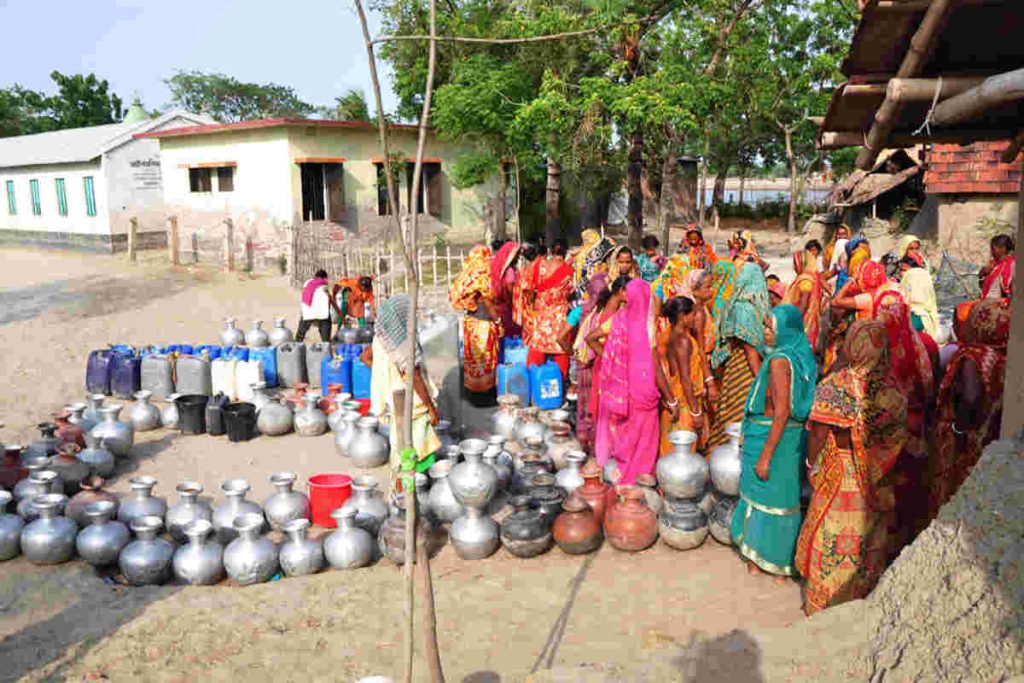
India is also facing what global experts call an “invisible water crisis”.The World Bank’s flagship report on water quality shows that pollution in rivers and groundwater can silently reduce agricultural yields, lower child growth, and depress economic productivity without being easily visible.
NITI Aayog’s Composite Water Management Index and subsequent summaries describe India as undergoing the worst water crisis in its history, with nearly 600 million people living under high to extreme water stress.These analyses also highlight that India ranks near the bottom in global water quality indices.
Media and policy summaries of NITI Aayog’s findings note that about 70 percent of India’s water is contaminated, which directly affects three out of four Indians and contributes to disease burden.
The problem is often invisible.Contaminants like nitrates, heavy metals, industrial chemicals, and microbial pollution are not seen with the naked eye.Communities may draw water from handpumps or municipal taps that look clear but carry long term health risks.
This is where invisible infrastructure becomes critical for environmental social governance.
High quality treatment plants, point of use filtration, and continuous water quality monitoring systems are needed beneath the surface of daily life.
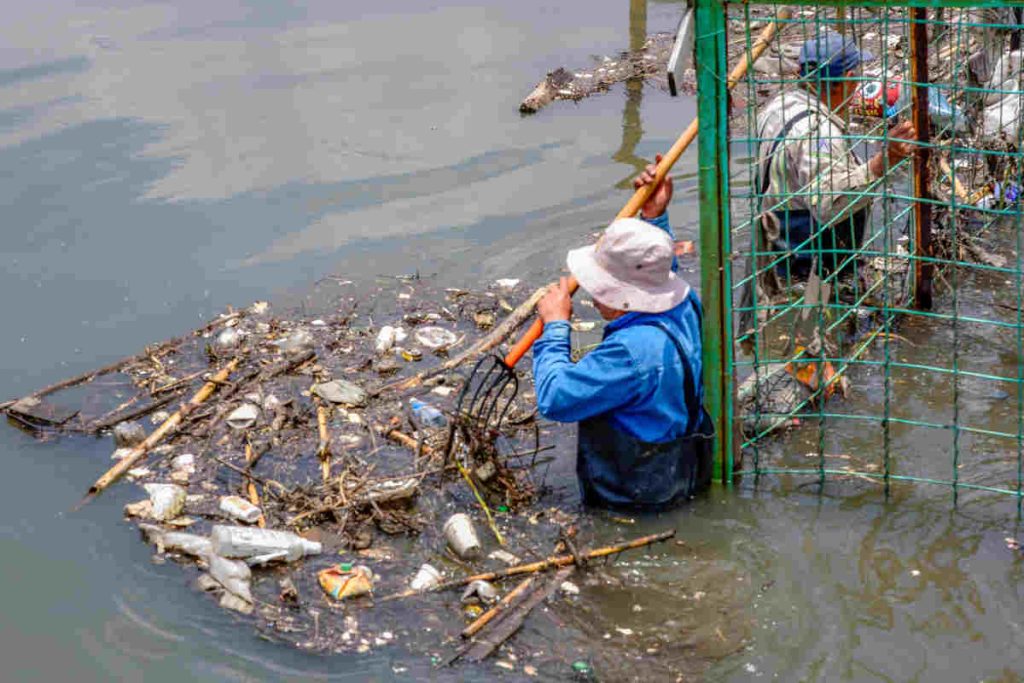
Earth5R’s work in river cleaning projects shows that untreated sewage, industrial discharge, and solid waste leachate often flow into rivers without visible signs upstream.Communities only see the impact when fisheries decline, skin infections rise, or groundwater smells and tastes different.
What Is “Invisible Infrastructure” in Water and Air Systems
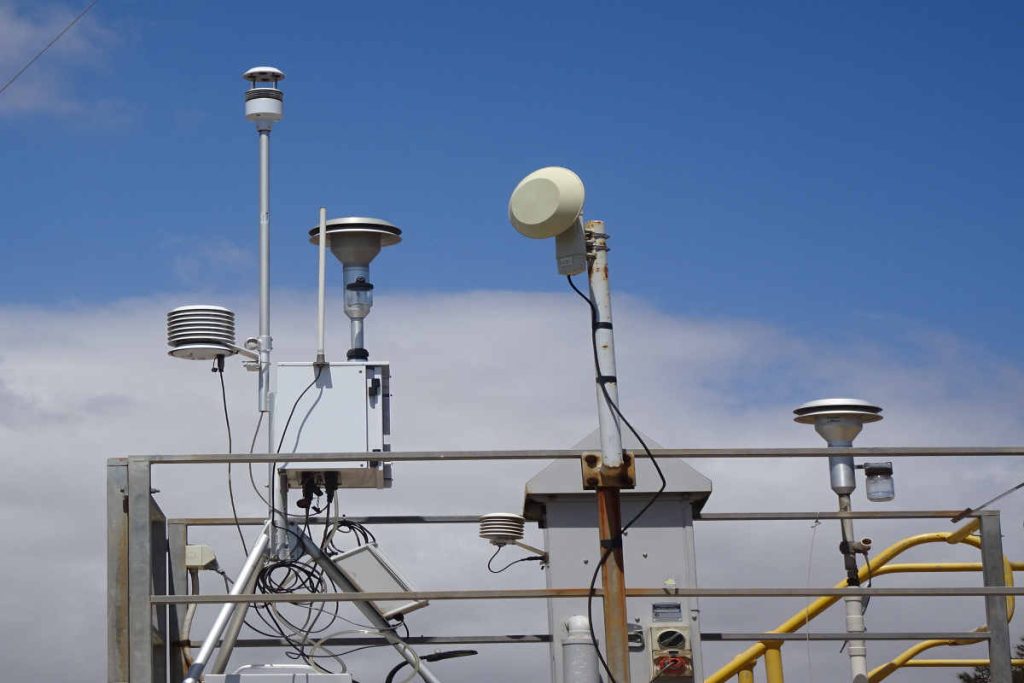
Invisible infrastructure refers to systems that work quietly in the background to protect health and the environment.They do not always become public landmarks, but they shape daily life.
For water and air, key examples include:
• Decentralised water filtration and disinfection units integrated into neighbourhood supply networks
• Advanced filtration inside utilities, schools, and healthcare facilities
• Networks of air quality sensors across streets, schools, offices, and industrial zones
• Real time pollution monitoring platforms that inform public alerts and regulation
• Leak detection systems that reduce non revenue water loss
• Data platforms that feed ESG and CSR reporting for companies
Global assessments of water and air pollution repeatedly stress that monitoring and quality control are as important as supply expansion.
For example, studies on India’s air pollution show that health impacts remain high across both rural and urban areas, even where some pollution levels are improving.This means invisible infrastructure like air filtration in classrooms, indoor air quality sensors, and low cost sensor networks are essential, not optional.
On the water side, the “Quality Unknown” research shows that degraded water quality can reduce GDP growth in some regions by a third.Invisible infrastructure in this context includes advanced filtration, continuous water quality testing, and safe reuse systems for treated wastewater.
For an Environmental organisation like Earth5R, these systems are central to Sustainability because they prevent harm rather than just reacting to visible crises.
Why India Needs This Invisible Infrastructure Now
Several structural reasons make invisible infrastructure urgent for India:
• Rapid urbanisation and densification of cities
• Rising dependence on groundwater and stressed rivers
• High baseline pollution in many airsheds
• Climate change intensifying heatwaves, droughts, and flooding
• Growing ESG expectations from investors and regulators
Recent analyses of India’s water security and pollution show that without systemic improvements in water quality and filtration, climate risks will push more regions into high stress.
Similarly, recent papers and policy briefs emphasise that air pollution related deaths and economic losses remain extremely high.
For Environmental NGOs in India, this means that projects cannot focus only on visible outcomes like tree plantations or one time clean up events.They must also push for invisible systems like:
• Filters at key contamination points in water supply chains
• Continuous air quality monitoring in vulnerable communities
• Integration of low cost sensors into municipal operations
• Smart controls for ventilation and filtration in public buildings
Earth5R’s BlueCities Sustainability Network is one example of how this can be organised.
It combines river cleaning, Waste management, and data driven monitoring to build healthier river corridors and neighbourhoods.
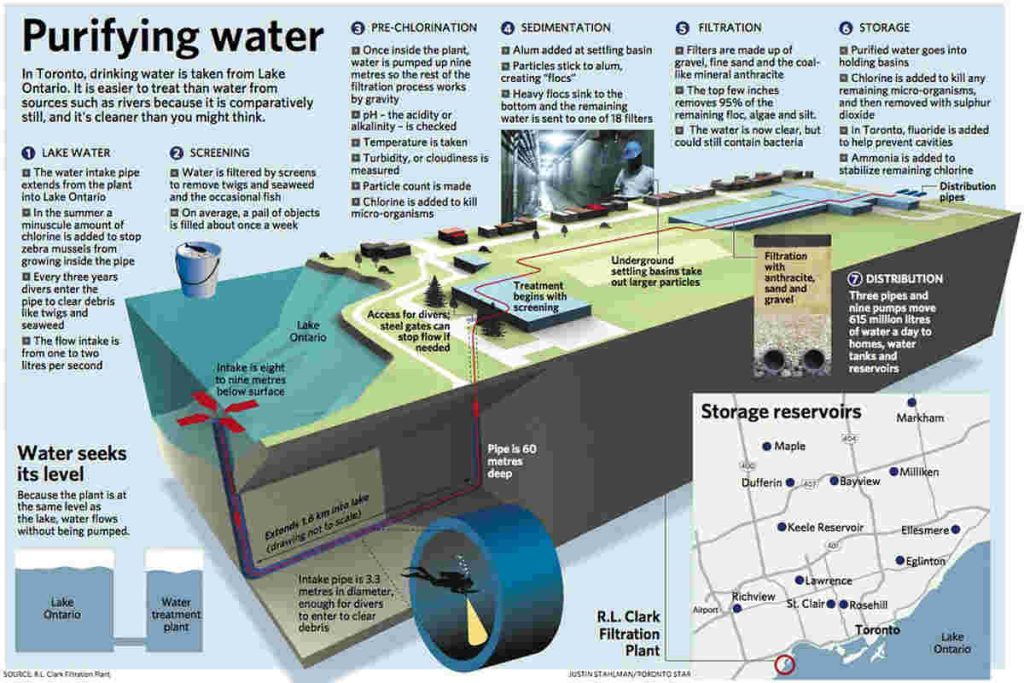
Invisible Water Filtration: From Households to City Networks
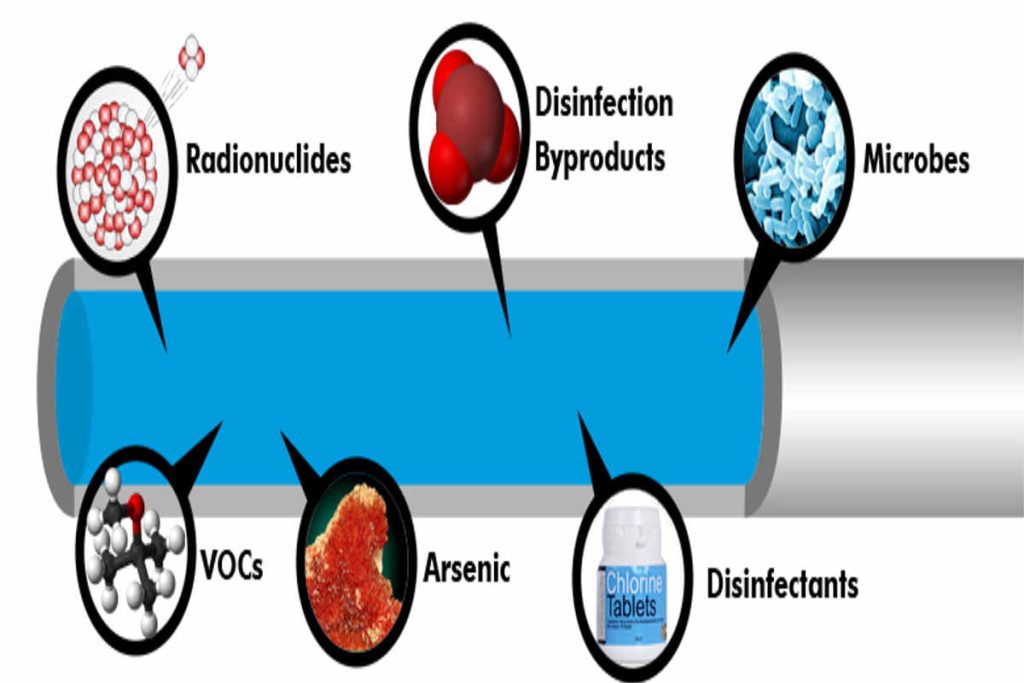
Water filtration technologies range from simple household units to complex municipal systems.For climate and health, the most important features are:
• Effective removal of pathogens and chemical contaminants
• Low energy consumption
• Compatibility with local water quality and flow
• Ability to integrate into existing pipelines or storage systems
Point of use filtration can reduce diarrhoeal disease and related child mortality where piped supply is unsafe.At the city scale, advanced filtration and disinfection can keep contaminants below safety thresholds for millions of users. Studies on India’s water crisis show that improving water quality, not just quantity, is central to reducing health impacts and boosting productivity.
For ESG and Corporate social responsibility programs, this translates into investments in:
• Filtration upgrades for worker housing and nearby settlements
• Support for municipal treatment upgrades around industrial clusters
• Community scale water kiosks or filtration hubs
• Monitoring and disclosure of water quality in CSR project areas
Earth5R’s engagement with communities around polluted rivers shows that when filtration is installed at community scale and linked to local governance, trust and health indicators improve quickly.
Invisible Air Quality Infrastructure: Sensors, Filtration, and Data
On the air side, invisible infrastructure includes both monitoring and protection.
Key components are:
• Dense networks of air quality sensors that cover streets, transport nodes, schools, and markets
• Indoor filtration systems using HEPA filters or equivalent technologies in schools, clinics, and offices
• Real time public dashboards and alerts that inform behaviour
• Data integration into urban planning, traffic management, and industrial regulation
Reports on India’s air pollution show that deaths and economic losses linked to PM2.5 and household pollution are substantial, but targeted interventions can yield rapid health benefits.
Invisible air quality infrastructure helps in three ways:
• It allows Environmental organisations and city agencies to identify hotspots.
• It supports enforcement of emission norms for transport and industry.
• It guides protection measures for vulnerable groups like children and the elderly.
Community focussed models, which Earth5R uses, add citizen science to this mix.
Residents collect air quality data, relate it to health symptoms, and co design interventions with municipal officers and corporate partners.
How Invisible Infrastructure Strengthens ESG, CSR, and Policy
For companies, invisible infrastructure is a strategic ESG asset.Investors and regulators increasingly expect detailed environmental social governance disclosures that include:
• Quantified air and water quality improvements
• Reductions in health risk for workers and communities
• Reduced water use per unit of production
• Lower emissions and pollution loads
Global and national research shows that poor water and air quality can significantly reduce economic growth and increase health system costs.For CSR projects, this means that investment in invisible infrastructure is one of the highest impact pathways.
Instead of only funding short term events, CSR projects can:
• Install filtration systems in schools and primary health centres
• Support continuous air and water quality monitoring in project areas
• Fund training for local youth as environmental monitors
• Build data platforms that feed into city level environmental planning
Earth5R’s role as an Environmental organisation is to design, implement, and track such interventions in partnership with governments and companies.Its work connects invisible infrastructure to clear climate, health, and livelihoods outcomes.
Summary
The new infrastructure India needs is not always seen in photographs.It lives inside pipes, sensors, filters, data systems, and community networks.Without this invisible infrastructure for water filtration and air quality, visible development will remain fragile and unequal.
Air and water quality data show that India cannot afford to delay these investments.Environmental NGOs in India, city governments, and companies all have a shared responsibility to act.
For Earth5R, invisible infrastructure is at the centre of its Sustainability mission.Through river cleaning, Waste management, community training, and data driven projects, Earth5R helps cities and companies embed water and air quality protection into everyday systems.
Frequently Asked Questions: Invisible Infrastructure, Water Filtration, and Air Quality in India
What does invisible infrastructure mean in the context of air and water quality?
Invisible infrastructure refers to systems like sensors, filtration units, monitoring networks, and underground treatment technologies that protect health without being visually prominent in cities.
Why is invisible infrastructure important for India today?
India faces high air pollution, contaminated water, and climate risks. Invisible systems help protect communities, improve public health, and strengthen sustainability performance without requiring large visible structures.
How does poor air quality affect public health in India?
Air pollution is linked to respiratory illness, heart disease, reduced lung function in children, and millions of premature deaths. Long term exposure harms productivity and increases health costs.
Why is water quality a major challenge despite increasing water supply?
Much of India’s water is contaminated with chemicals, pathogens, or industrial residue. This contamination is often invisible, requiring filtration and monitoring technologies to detect and manage risks.
How do air quality sensors support environmental protection?
Sensors measure real time pollutants across neighbourhoods. They help authorities identify hotspots, enforce regulations, and issue alerts that protect vulnerable groups.
What types of water filtration technologies are most useful for Indian cities?
Ultrafiltration, reverse osmosis, activated carbon filters, and disinfection systems help remove pathogens, chemicals, and heavy metals from contaminated water supplies.
How is invisible infrastructure linked to ESG goals?
Air and water quality improvements can be measured and reported as part of environmental disclosures. These actions reduce health risks, lower emissions, and strengthen ESG performance.
Why should companies invest in filtration and monitoring as part of CSR?
CSR programs can achieve measurable impact by improving water quality in schools, healthcare centres, and vulnerable neighbourhoods. This creates long term community benefits.
How is Earth5R involved in invisible infrastructure projects?
Earth5R supports community based monitoring, river cleaning, waste management, and sustainability programs that integrate filtration, sensors, and data systems into everyday life.
What role do communities play in invisible infrastructure adoption?
Communities participate in monitoring, reporting pollution, maintaining local systems, and co designing solutions with Environmental NGOs and city agencies.
How does invisible infrastructure strengthen climate resilience?
Cleaner air reduces heat stress and health burdens. Safe water reduces disease during floods and droughts. Monitoring systems help cities respond to climate impacts quickly.
Are invisible systems more cost effective than traditional infrastructure?
Yes. They require smaller physical footprints, lower material use, and shorter installation time, making them more scalable and cost effective for fast growing cities.
Can invisible infrastructure reduce hospitalisation rates?
Better air filtration and cleaner water lower the incidence of respiratory diseases and waterborne illnesses, reducing hospital visits and medical costs.
Why is monitoring essential even after filtration systems are installed?
Monitoring ensures that filtration units work correctly, contamination does not return, and environmental quality remains stable over time.
How does water contamination affect economic productivity?
Polluted water reduces crop yields, harms worker health, and increases medical spending, weakening local and national productivity.
Can invisible infrastructure help reduce inequalities in urban India?
Yes. Low income neighbourhoods face the highest pollution exposure. Targeted filtration and monitoring systems improve health outcomes and reduce environmental injustice.
What is the link between river pollution and invisible water systems?
Untreated sewage and industrial discharge often flow invisibly into rivers. Monitoring and filtration systems help detect and intercept contamination before it reaches waterways.
How do schools benefit from air filtration and indoor air quality systems?
Filtration in classrooms reduces respiratory infections, improves attention levels, and creates healthier learning environments for children.
Why should cities prioritise invisible infrastructure over visible construction?
Invisible systems deliver faster health and environmental returns. They require fewer resources and directly address pollution, which visible infrastructure often overlooks.
How can citizens encourage adoption of invisible infrastructure?
Residents can demand better air and water quality data, participate in citizen science, support Environmental organisation programs, and advocate for environmental budget allocations in municipal planning.
Building the Invisible Infrastructure India Deserves
If your organisation is planning ESG, CSR, or Sustainability initiatives in India, invisible infrastructure for water and air should be a core priority.
You can collaborate with Earth5R to:
• Design community based monitoring for air and water
• Integrate filtration and treatment into river and neighbourhood projects
• Build data systems that support transparent ESG reporting
• Co create pilot projects in BlueCities and other urban clusters
These investments do not always make headlines, but they save lives, protect rivers, and build long term resilience.
Authored by- Sneha Reji