
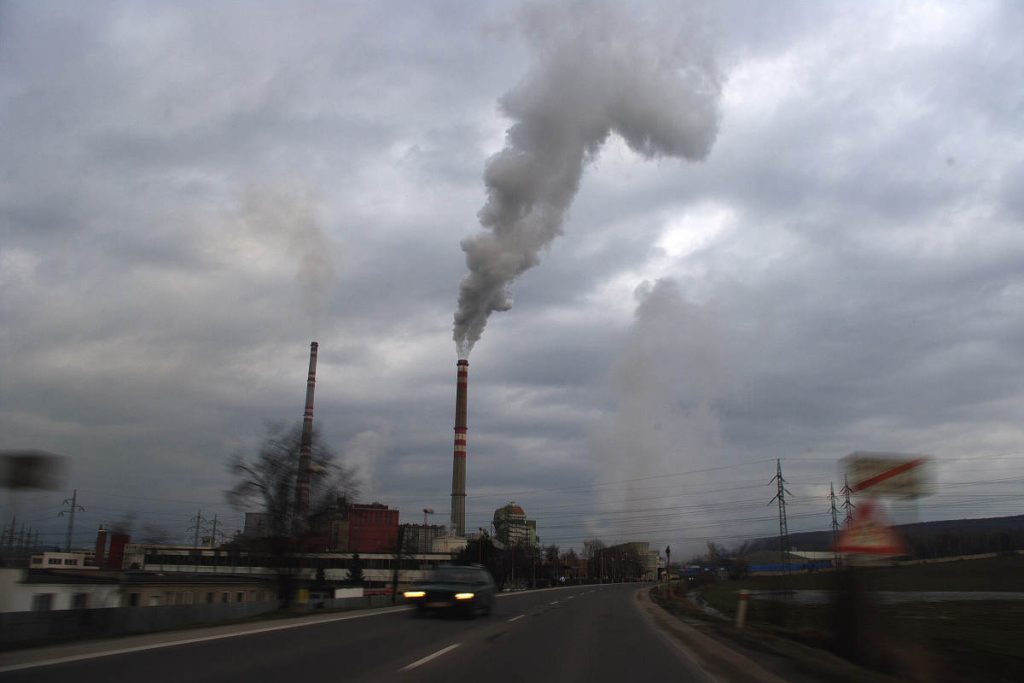
India’s Air Pollution Crisis Is Deeply Local
India faces hazardous air pollution driven by neighbourhood-level emission sources that vary by season, behaviour, and local infrastructure.World Bank data shows that South Asia has the highest PM2.5 concentrations in the world, and India holds nine of the ten most polluted cities.
The Health Effects Institute reports that India experiences the highest global mortality linked to air pollution.Imported technologies fail to address these issues because India’s air pollution is shaped by local waste burning, informal settlements, biomass fuels, traffic congestion, and microindustrial clusters.Earth5R’s work shows that only community-based, hyperlocal interventions can address India’s air crisis effectively.
India’s Air Crisis Is Driven by Local Sources, Not Large Regional Factors
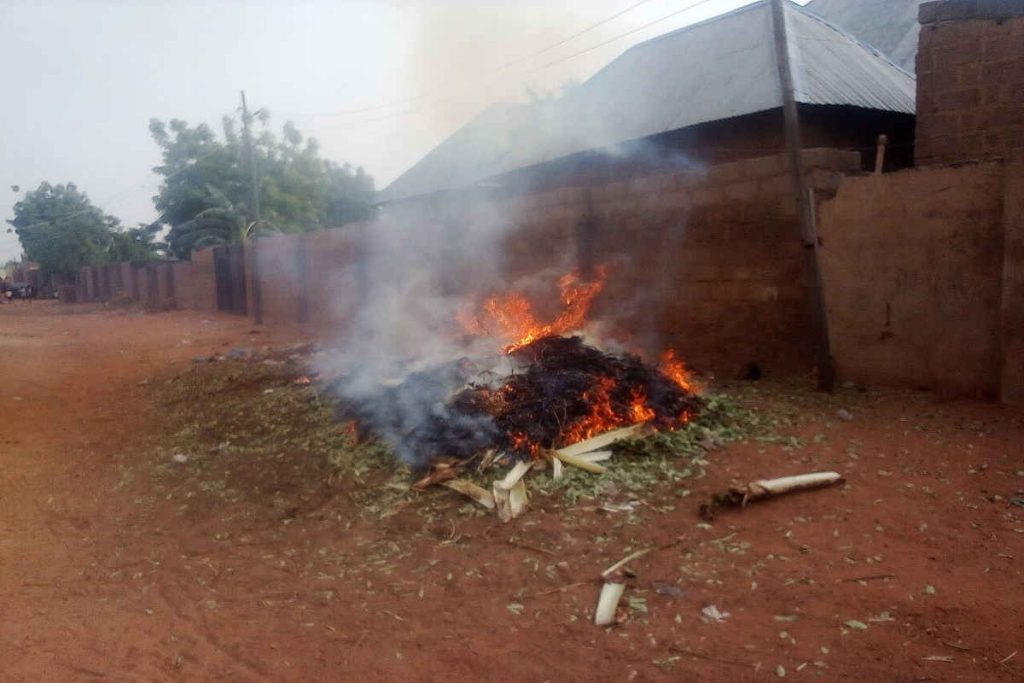
Indian cities experience pollution that changes from neighbourhood to neighbourhood.
The National Clean Air Programme notes that a major share of particulate pollution comes from within city boundaries.
This means international technologies designed for uniform emission patterns fail in India.
Pollution spikes rise suddenly due to waste burning, increased traffic, local rituals, or construction dust.UNEP’s global assessment recommends solutions that match the local social and infrastructural context of each country.
Earth5R’s field teams consistently observe that even two nearby settlements can have drastically different air quality levels, depending on their waste practices and fuel use.
Why Imported Technologies Do Not Solve India’s Pollution Problem
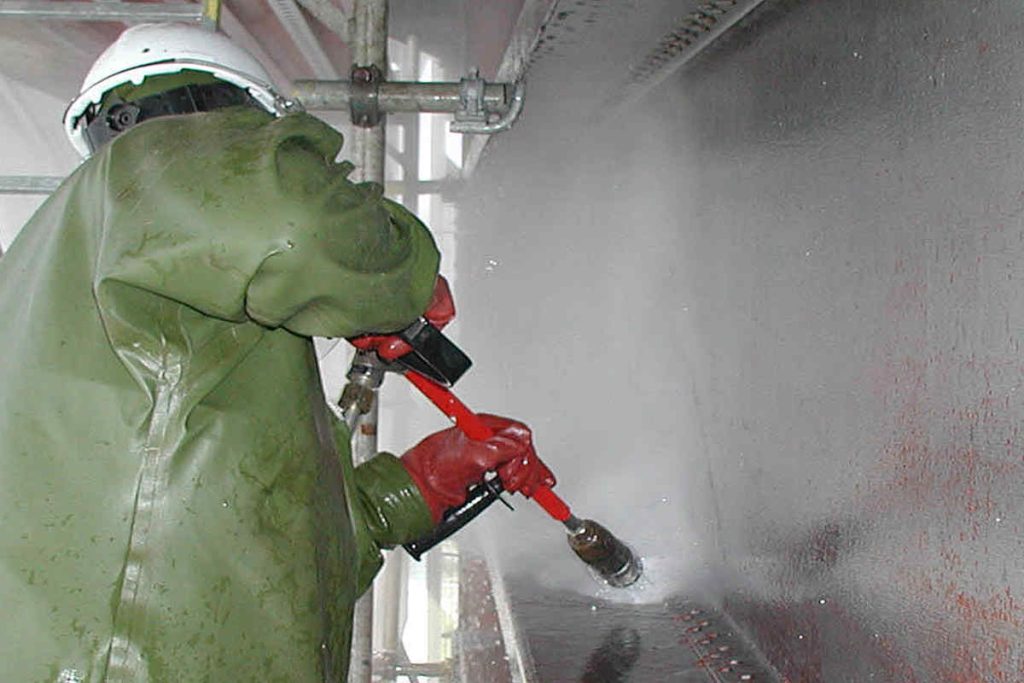
Imported systems often focus on centralised filtration, industrial-level scrubbers, or high-cost indoor purifiers.These technologies cannot address large numbers of micro sources such as garbage burning, biomass cooking, informal factories, and road dust.
The IIT Kanpur source apportionment study shows that Delhi’s air is heavily affected by road dust, waste burning, and vehicle emissions.Imported systems cannot manage open waste burning or dust from unpaved lanes.They also do not address behavioural patterns in informal settlements, where daily activities contribute significantly to particulate pollution.
The International Energy Agency notes that clean-air transitions require solutions that align with affordability and behavioural realities.India needs approaches built for Indian conditions, not for European or East Asian urban patterns.
Earth5R’s Localised Framework for Clean Air
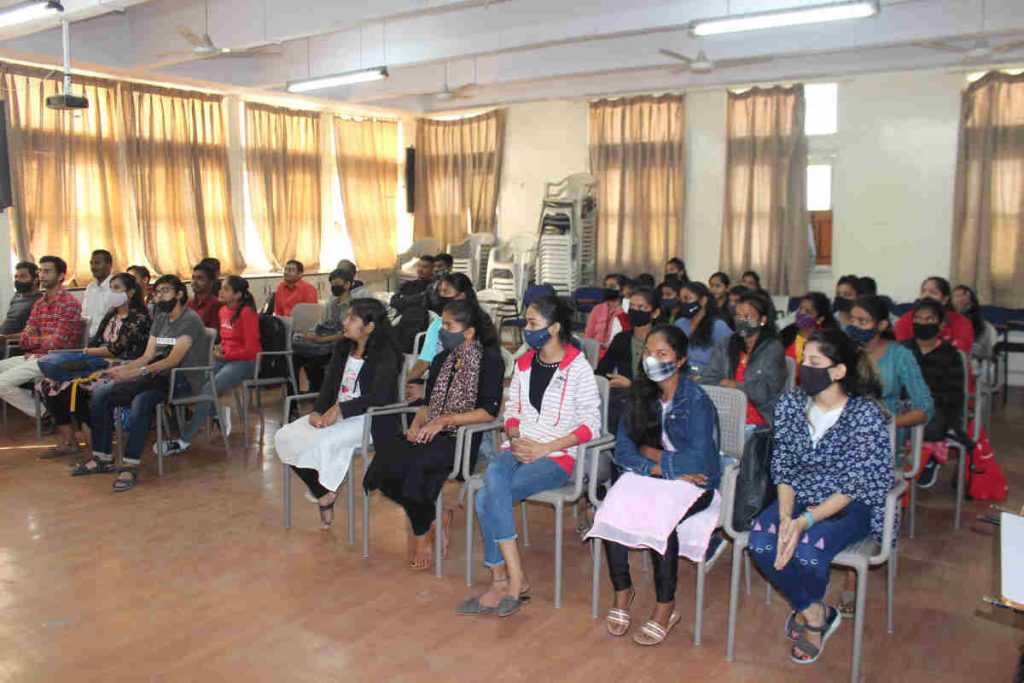
Earth5R uses a hyperlocal model that relies on community involvement, behavioural insight, and neighbourhood-level data.Teams identify burning hotspots, map waste patterns, improve segregation practices, and engage households living near polluted zones. Workshops help communities understand how small actions such as burning leaves, dumping waste, or cooking with biomass immediately impact their health.
Earth5R also helps local schools establish eco-clubs that monitor dust levels and report recurring pollution events.This ensures continuous data collection even when government monitoring is limited.By placing responsibility and tools in the hands of residents, air quality becomes a shared outcome rather than an externalised problem.
Behaviour Change Matters More Than Imported Filters
Air pollution in India is often produced by millions of small actions rather than a few major industries.People burn waste to clear space, cook with biomass because of affordability, and sweep dry dust from streets without wetting the ground.These actions produce a significant share of daily PM2.5 exposure.
The Lancet Commission on Pollution highlights that pollution solutions must integrate social and behavioural components to succeed.Imported technologies cannot change behaviour.
Earth5R’s programmes show that when people understand the health consequences of waste burning and dust exposure, they adopt cleaner practices and influence their neighbourhoods.
Low Cost, Hyperlocal Technologies Work Better for Indian Cities
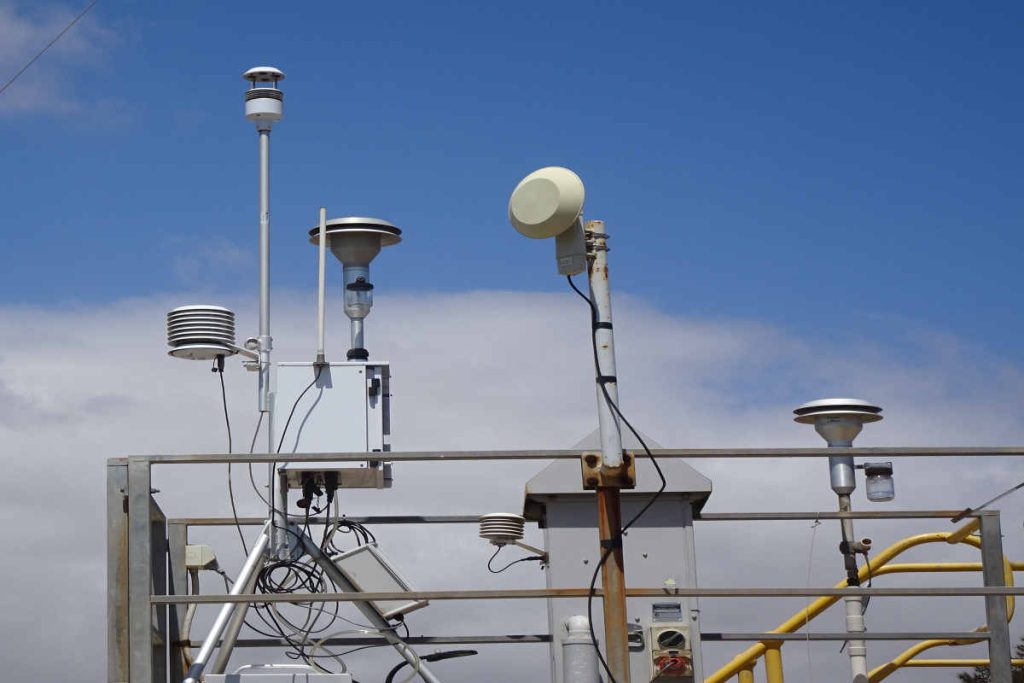
India benefits more from small, affordable solutions than from expensive imported systems. Local air sensors map neighbourhood variations, and their lower cost allows wide coverage. Wet sweeping reduces local dust more effectively than large vacuum trucks in narrow lanes. Composting systems replace waste burning in slum communities. Efficient, affordable cookstoves reduce smoke exposure in low-income households.
Research in Atmospheric Pollution Research confirms that dense networks of low-cost sensors provide better exposure data than a few expensive stations. Earth5R integrates these tools into community monitoring, enabling residents to interpret air readings and report pollution in real time.
Waste Burning Is a Major Driver of City Air Pollution
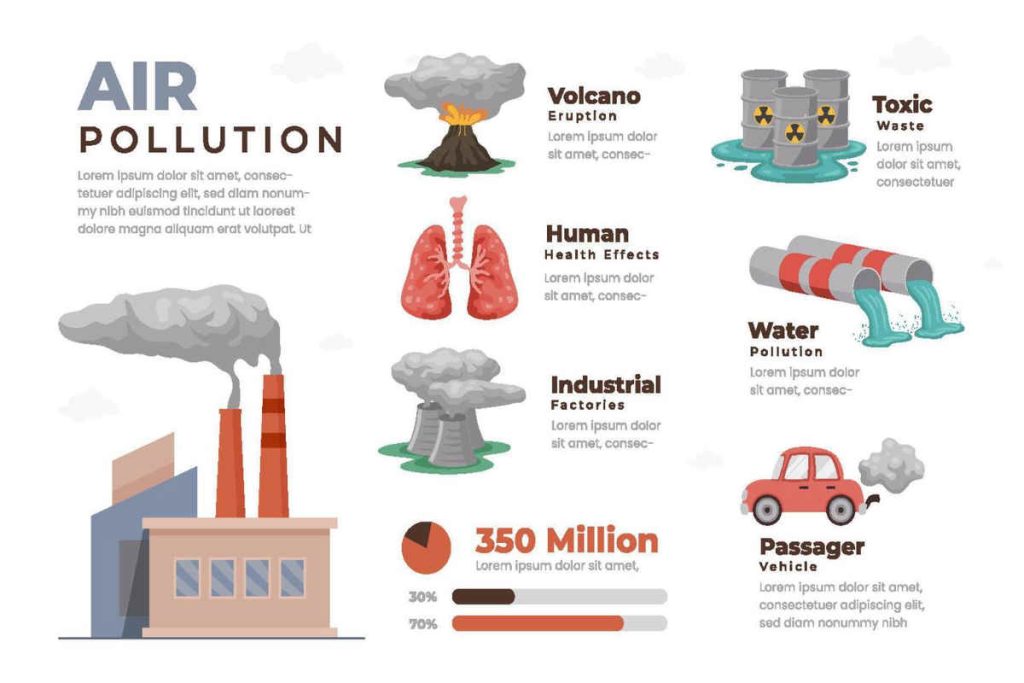
Open waste burning releases toxic pollutants including black carbon, dioxins, and heavy metals.The Ministry of Environment identifies waste burning as a major contributor to India’s particulate pollution problem.
Earth5R’s waste audits show that burning occurs when waste collection is irregular or when households lack segregation knowledge.When communities separate organic and recyclable waste, burning decreases and air quality improves almost immediately.
Community Monitoring Outperforms Imported Models in Indian Cities
Most imported air models assume uniform pollution across zones.However, the World Air Quality Report confirms that Indian cities experience extreme micro-variation because pollution is highly localised.
Earth5R’s citizen-led observations capture pollution events long before municipal teams detect them.Residents report illegal burning, small industries operating without filters, night-time waste fires, and roadside emissions.This real-time reporting leads to faster interventions and more accurate pollution responses.
India Needs Integrated Local Systems, Not Imported Fixes
India requires systems that link waste, water, mobility, and air quality rather than isolated, imported technologies.The WHO Global Air Quality Guidelines state that sustainable air improvement requires multi-sector involvement and community participation.
Earth5R integrates air action into river cleanup, waste segregation, plastic reduction, and climate resilience programmes.This systemwide approach addresses multiple sources of pollution simultaneously.
Conclusion: India’s Clean Air Future Must Be Built Locally
India cannot rely on imported technologies to solve a deeply local air crisis.Change must begin at the neighbourhood level, supported by community leadership, locally appropriate tools, public participation, and behavioural transformation.Earth5R’s work shows that city air improves when people, institutions, and governments collaborate with shared responsibility.
FAQs:Why India’s Air Crisis Needs Local Solutions, Not Imported Tech: Earth5R Perspective
What makes India’s air pollution different from other countries?
India’s pollution is driven by highly local sources such as waste burning, biomass cooking, construction dust, and dense traffic. Pollution levels change quickly across neighbourhoods, making imported models ineffective.
Why do imported technologies fail in Indian conditions?
Imported systems assume predictable emissions and strong enforcement. Indian cities have thousands of micro sources that cannot be controlled with centralised filtration tools.
What are the main local contributors to air pollution in Indian cities?
Major contributors include open waste burning, road dust, vehicle emissions, biomass fuel use, and emissions from informal industries located inside residential areas.
Why is India’s air crisis considered a local problem?
Most pollution originates within city boundaries and varies from street to street. Local behaviour and waste systems influence pollution more than long range transport.
How does waste burning impact air quality?
Waste burning releases black carbon, toxic chemicals, and fine particulate matter. These pollutants spread quickly in dense settlements and increase respiratory and cardiac risks.
Can expensive imported air purifiers improve outdoor air quality?
Large purifiers cannot address open burning, dust, or unplanned traffic corridors. They treat small spaces but do not fix the root causes of outdoor air pollution.
Why is behaviour change important for air improvement?
Everyday practices such as burning trash or using biomass for cooking create continuous pollution. Behaviour change reduces emissions at the source.
What role does Earth5R play in addressing local pollution?
Earth5R trains communities to map pollution hotspots, track waste burning, monitor air levels, and adopt cleaner practices. This creates long term local responsibility.
How does community monitoring help reduce air pollution?
Residents detect pollution events faster than centralised systems. Quick reporting helps authorities stop burning, enforce rules, and prevent recurring emissions.
Why are low cost sensors useful for Indian cities?
Low cost sensors can be deployed widely, allowing neighbourhood-level monitoring. They capture variation that expensive, centralised monitors often miss.
What kinds of local technologies work better than imported systems?
Simple tools such as wet sweeping, composting units, clean cookstoves, roadside dust control, and decentralised air sensors are more suited to Indian conditions.
How does traffic contribute to local pollution hotspots?
Congestion, idling vehicles, and narrow lanes increase emissions in specific areas. These hotspots often go unnoticed in citywide monitoring systems.
Why is integration with waste management important for cleaner air?
Poor waste collection leads to burning, which becomes a major pollution source.Segregation and timely collection reduce the need for burning.
How does Earth5R address pollution in slums and informal communities?
Earth5R works with residents to promote segregation, prevent burning, and understand health risks. This reduces pollution directly at the community level.
What makes neighbourhood-level interventions more effective?
Each neighbourhood has unique activities and emission patterns. Local solutions can target real causes instead of applying generic imported technology.
Can air quality improve without major industrial reforms?
Yes. Many Indian cities suffer more from local dust, waste burning, and traffic emissions than from large industries. Reducing these sources improves exposure quickly.
How does climate change influence India’s air pollution problem?
Heatwaves, stagnant air layers, and changing wind patterns trap pollutants close to the ground. This makes local emissions even more dangerous.
Why is public participation essential in clean air programs?
Air pollution affects daily life, and communities often witness pollution earlier than authorities. Public involvement enables faster action and better compliance.
How do local schools and children contribute to pollution reduction?
Schools run awareness programmes, measure local air levels, and motivate families to avoid burning and use cleaner practices. Children become catalysts for behaviour change.
What is the long term vision for cleaner air in India?
India needs community-driven systems, local technology, strong waste management, and behavioural transformation. Earth5R believes clean air will emerge from local action, not imported machinery.
Partner With Earth5R to Build Local Clean Air Systems
Earth5R invites municipal authorities, corporates, education institutions, and citizen groups to co-create neighborhood-level air quality programmes. The organization supports community training, local monitoring systems, waste audits, behavioral interventions, and climate resilience strategies. Together, India can reduce exposure, protect vulnerable communities, and build a clean-air future grounded in local action.
Authored by- Sneha Reji