
Circular economy is becoming central to India’s urban sustainability transition.Environmental organisations, Environmental NGOs in India, and municipal leaders understand that linear waste systems are no longer workable in fast growing cities.
India generates more than 62 million tonnes of municipal solid waste each year, and this is projected to cross 165 million tonnes by 2030, according to the Ministry of Housing and Urban Affairs,muncipalities face rising landfill dumping, marine pollution, plastic leakage, and river contamination.
This makes circular waste management essential for cities working on sustainability, river cleaning, waste management, and ESG aligned development.Earth5R has spent years working across Indian cities to design circular models that involve citizen participation, municipal partnerships, and data driven waste mapping.
This article explains why circular waste systems represent the future of urban India and shows how municipalities can lead this transformation with policy, technology, and community engagement.
Why Linear Waste Systems Are Failing Indian Cities
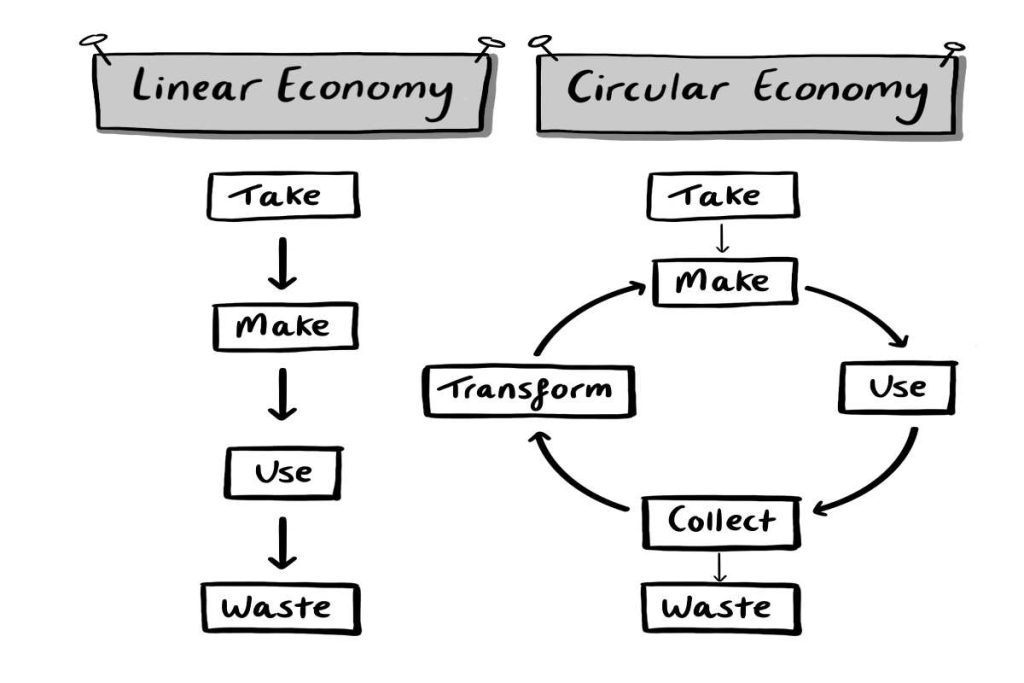
India’s traditional waste systems were designed for smaller populations and lower consumption levels.Urbanisation has increased drastically, and cities now generate more waste than the infrastructure can manage.
According to the World Bank, global waste will rise to 3.4 billion tonnes by 2050, with South Asia seeing the fastest growth.Most Indian municipalities still rely on mixed waste collection, manual sorting, and large landfills.These landfills produce methane emissions, groundwater contamination, and fires that cause severe public health impacts.
Studies from the Central Pollution Control Board show that India recycles less than 20 percent of its waste.Environmental organisations and Environmental NGOs in India have long emphasised that the system needs redesign, not expansion.A circular economy model solves this through prevention, reuse, decentralisation, and material recovery.
The Scale of India’s Waste Crisis
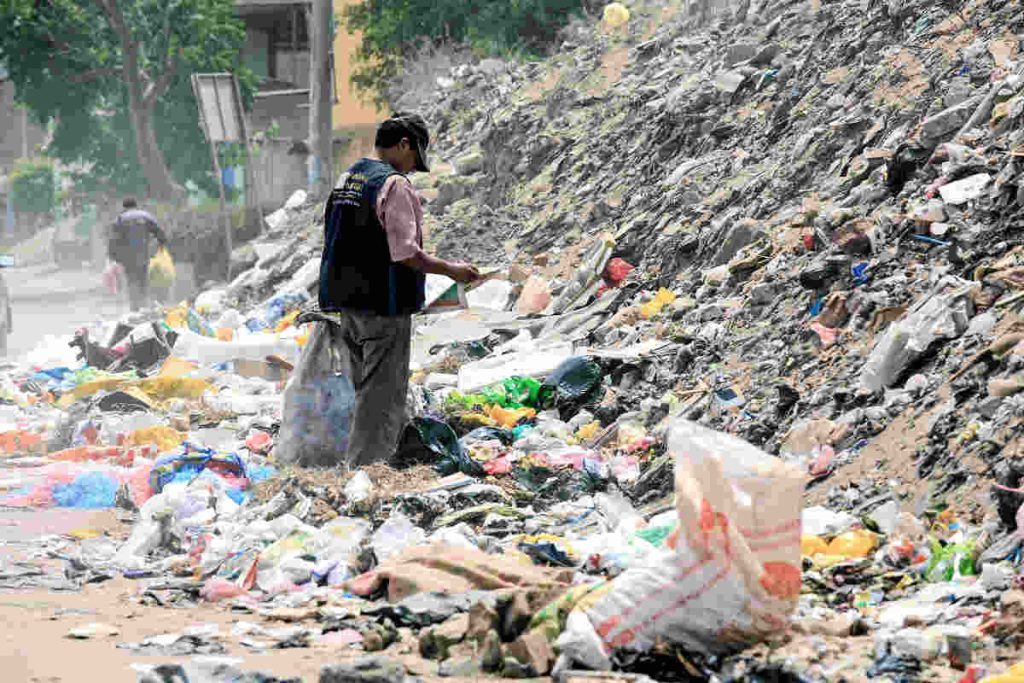
The circular economy movement is grounded in real numbers.Cities must understand these indicators to design effective solutions.India generates 3.3 million tonnes of plastic waste annually, according toMoEFCC.Only 30 percent of plastic is recycled.The remaining plastic goes to dumpsites, waterways, and rivers, eventually entering marine ecosystems.
India produces 150 million tonnes of organic waste every year, a major contributor to methane emissions.About 70 percent of wastewater in India is discharged untreated into rivers and lakes.
These numbers represent a systemic design problem that municipalities cannot ignore. Circular systems give cities a pathway to reduce environmental harm while improving economic efficiency and public health.
Circular Economy: A Framework for Indian Municipalities
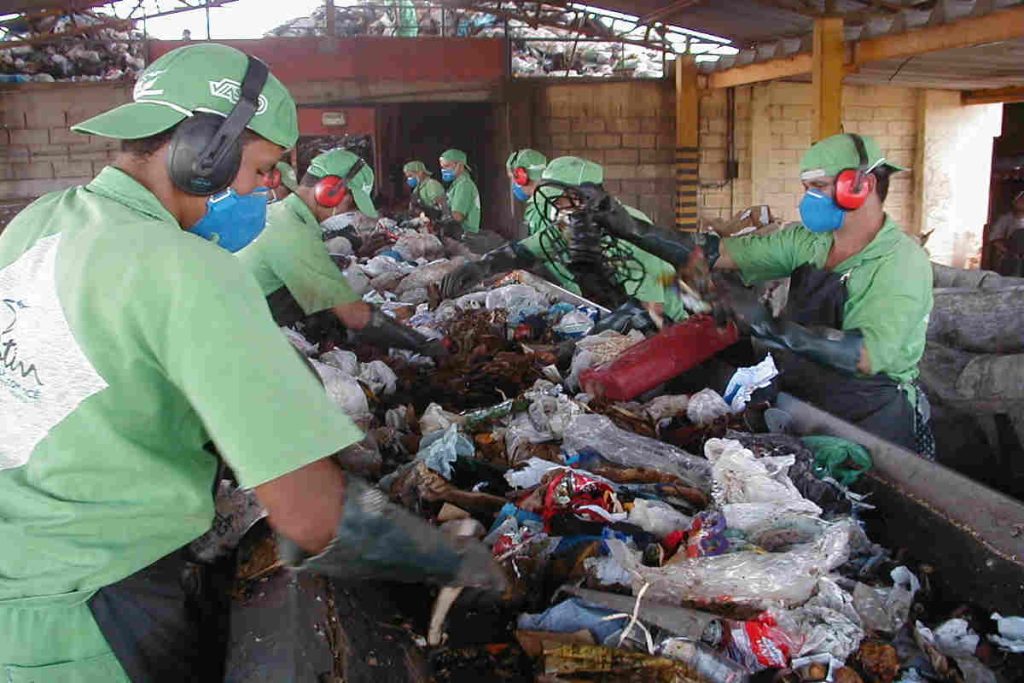
A circular economy aims to keep materials in use for as long as possible.This reduces dependence on raw materials, lowers pollution, and strengthens local employment systems. For waste management, circular principles include segregation at source, reuse, composting, recycling, and product redesign.
The European Union estimates that circular economy transitions can reduce greenhouse gas emissions by up to 56 percent by 2050.For India, where cities struggle with landfill saturation and river pollution, circularity is not optional.It is the only sustainable pathway forward.
Municipalities hold the biggest responsibility because they operate the waste collection systems, sanitation budgets, and community programs that influence daily behaviour.
Earth5R’s Circular Approach for Indian Cities
Earth5R has developed an integrated model under the BlueCities Framework.This model brings together municipalities, citizens, environmental organisations, Environmental NGOs in India, universities, and the private sector.The approach focuses on prevention, community ownership, and data guided planning.
Earth5R’s circular strategy includes:
Mapping waste hotspots using citizen science
Community training on segregation and composting
Deploying decentralised waste systems
Supporting recycling cooperatives
Engaging CSR teams to co fund impact
Building indicators aligned with ESG standards for municipal visibility
These models have been applied in Mumbai, Pune, Bengaluru, and Coimbatore through Earth5R programs that reached more than 1.2 million citizens.
Municipalities as Anchors of Circular Waste Systems

Municipalities control fleets, collection schedules, tenders, and material recovery facilities.
Their actions determine the success or failure of circular models.Research by the Ellen MacArthur Foundation shows that cities can influence up to 60 percent of material flows through waste policies.
Indian cities can redesign waste systems by introducing:
Segregation at source mandates
Door to door dry and wet waste tracking
Decentralised bio waste processing
River waste interception systems
Plastic buy back or deposit return schemes
Earth5R’s experience shows that when municipalities adopt community centric models, segregation compliance rises by 40 to 60 percent within the first year.
How Circular Waste Systems Strengthen Municipal Budgets

Circular systems reduce operational costs for municipalities.Landfill management is expensive and consumes a large portion of urban sanitation budgets.According to the World Bank, waste management can consume up to 20 percent of a city’s municipal expenditure inlower income countries.
When cities implement segregation, decentralised composting, and recycling, they reduce the volume of waste transported to landfills.Lower volume means lower transport fuel, fewer worker hours, and reduced landfill maintenance.This is one of the strongest economic drivers for municipal circular programs.
Municipalities also gain revenue from compost, recyclables, and recovered materials.Cities like Indore and Ambikapur have shown that structured recycling systems can support local workers and generate income through recyclables.
These cities are often cited in national surveys and are repeatedly recognised under the Swachh Survekshan ranking.Circular systems therefore convert waste from a cost centre into a value generating stream.
The Role of Citizen Engagement in Circular Waste Management

Circular systems depend heavily on citizen participation.Segregation at source is the foundation of every circular economy program.Without it, both composting and recycling systems collapse.
Studies from UN Habitat show that cities with strong citizen engagement can improve waste recovery rates by up to 80 percent. Earth5R has applied this principle across more than 500 Indian cities, training citizens in segregation, composting, waste reduction, and river cleaning practices.
Earth5R’s community work archive shows thousands of cleanups, awareness drives, and training sessions.
Municipalities can replicate this model by integrating:
Ward level community workshops
School programs on circular economy
Segregation campaigns with RWAs
CSR funded behavioural change initiatives
Citizen volunteers for waste hotspot mapping
When communities are engaged, waste management becomes a shared responsibility rather than a government burden.
Technology as a Driver of Circular Waste Transformation
Smart technology allows municipalities to monitor waste streams in real time.IoT sensors, GPS enabled vehicles, QR coded bins, and waste analytics platforms improve operational efficiency.These systems help cities track segregation levels, collection efficiency, and landfill input volumes.
According to the Smart Cities Mission, more than 100 cities now operateIntegrated Command and Control Centres to coordinate urban services.Technology also helps identify leakage points in the waste system.
For example, river cleaning technologies can intercept floating waste before it enters large water bodies.Automated screening systems are being deployed in cities like Pune and Varanasi.These technologies are aligned with national urban policy priorities.
Earth5R integrates technology through mapping, mobile tracking, and waste quantification tools that support circular implementation.Municipalities that invest in digital waste systems build strong foundations for long term circularity.
Circular Bio Waste Systems for Indian Cities
Bio waste is India’s largest waste stream.This includes food waste, vegetable markets, slaughterhouses, and household organic waste. According toFAO, nearly 40 percent of food produced in India is lost or wasted. Organic waste in landfills generates methane, a greenhouse gas 84 times more potent than carbon dioxide.
Circular bio waste systems include:
Decentralised composting
Community level organic pits
Biogas units under the Gobardhan scheme
On site treatment for markets and institutions
Cities like Mysuru and Ambikapur have shown success in decentralised composting models.These cities manage organic waste close to its source to reduce transport costs and create compost for urban agriculture.
Earth5R’s waste projects include composting pilots, training programs, and bio waste mapping done with citizens and municipal partners.This approach strengthens local systems and reduces landfill dependency.
Circular Plastic Systems for Urban India
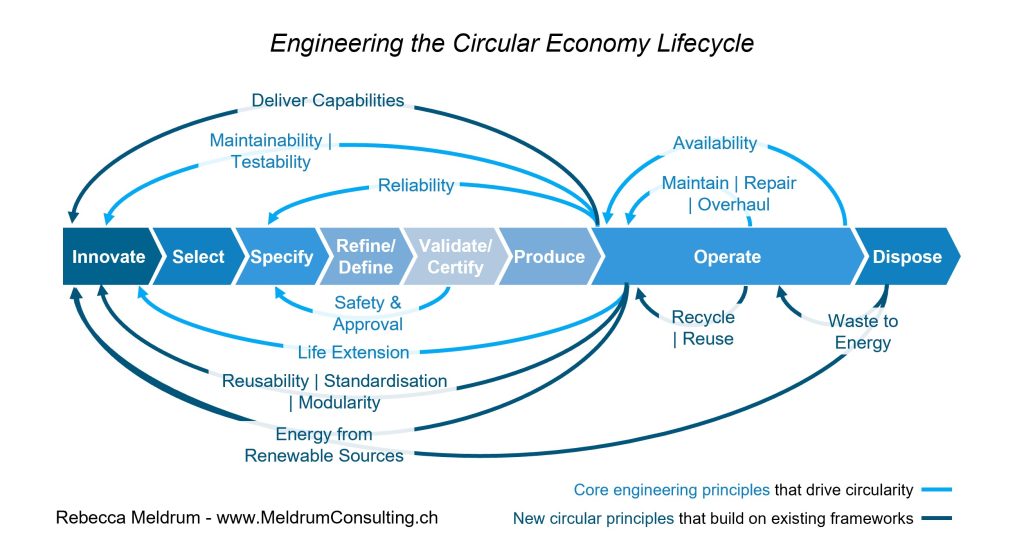
Plastic waste is one of the biggest challenges for municipalities.India generates over 3.3 million tonnes of plastic waste annually, and nearly half is single use.Only 30 percent of this waste is recycled.The rest clogs drains, pollutes rivers, and enters marine ecosystems.
This makes circular plastic systems essential for urban resilience.
Circular plastic solutions include:
Deposit return schemes
Plastic buy back centres
MRF scaling and automation
Brand responsibility collection under EPR
Product redesign for recyclability
EPR (Extended Producer Responsibility) is now mandatory in India.The Plastic Waste Management Rules require brands to collect and process equivalent volumes of plastic they introduce into the market.Municipalities can work with brands, recyclers, scrap dealers, and environmental organisations to strengthen value chains around plastic.
Earth5R’s recycling projects and cleanup programs have collected thousands of kilograms of plastic waste along rivers and coastlines.These initiatives demonstrate how circular systems can be activated with community participation.
Circular Construction and Demolition (C&D) Waste Systems
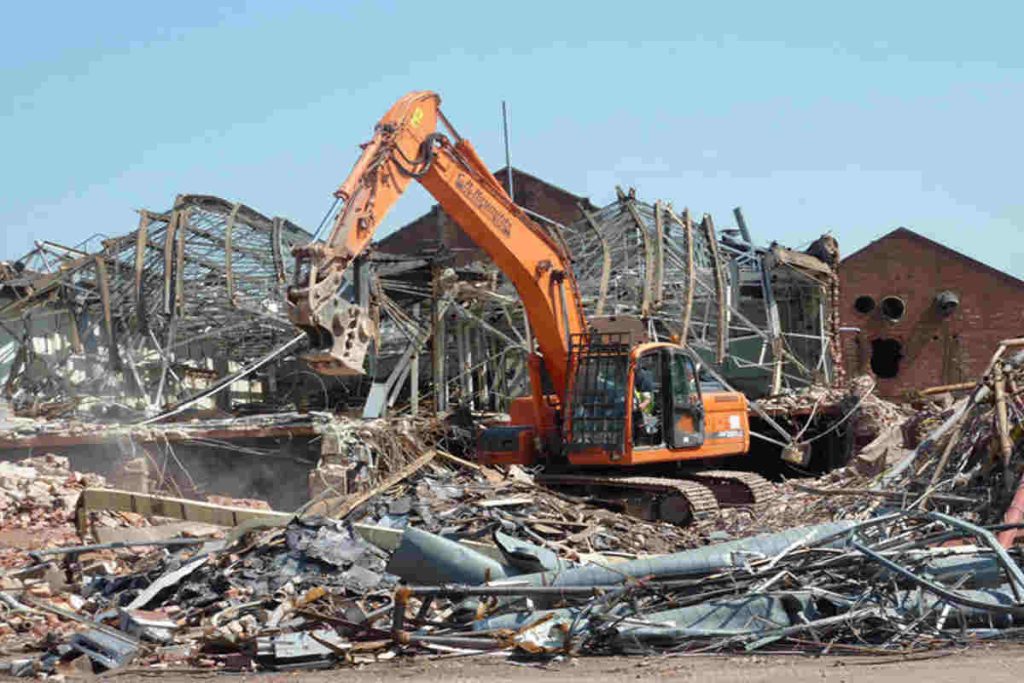
C&D waste is one of the fastest growing categories in India.The country generates 150 million tonnes of C&D waste annually.Most of this waste is dumped illegally or sent to overflowing landfills.Circular systems can recover stone, sand, concrete, metal, and bricks for reuse in infrastructure.
Cities like Delhi and Ahmedabad run large C&D waste processing facilities.These plants convert waste into tiles, paver blocks, and recycled aggregates.Municipalities can replicate such models with strong enforcement of construction waste rules and localised recovery systems.
Earth5R supports awareness programs that help citizens and builders comply with sustainable construction practices.These initiatives reduce pollution in rivers, drains, and green areas.
Circular Wastewater and Sewage Systems for Urban India
Wastewater remains one of India’s most critical environmental challenges.According to the Central Pollution Control Board, India generates 72,368 million litres per day of sewage, and only 28 percent is treated.
Untreated sewage flows directly into rivers, lakes, coastal areas, and groundwater.This creates disease, biodiversity loss, and major public health risks.Circular wastewater systems repurpose sewage for reuse, energy generation, and nutrient recovery.
Circular models for wastewater include:
Decentralised wastewater treatment systems
Greywater reuse for landscaping and flushing
Sludge composting and bio fertiliser recovery
Biogas extraction from sewage
Nature based treatment systems like constructed wetlands
Cities like Chennai, Bengaluru, and Surat have implemented treated wastewater reuse for industries and non potable applications.This reduces freshwater demand and strengthens circularity in the urban water cycle.
Earth5R’s river cleaning and water quality programs help municipalities map sewage entry points, community discharge areas, and industrial leakage spots.Earth5R uses citizen science to collect water samples and co design river restoration strategies.
River Circularity: Turning River Cleaning into a Waste Prevention System
Most river pollution in India comes from urban solid waste and untreated sewage. A 2021 World Bank study found that polluted rivers reduce GDP growth in affected regions by up to one third. Circular river systems aim to prevent waste from entering rivers rather than cleaning it after contamination.This requires redesign of urban waste flows, stormwater systems, and community behaviour.
A circular river model includes:
Decentralised waste interception systems
Floating barriers for plastic and debris
Decentralised wastewater treatment
Catchment wise waste mapping
Public participation in river stewardship
Continuous monitoring of water quality
ESG aligned partnerships for long term funding
Cities such as Pune, Varanasi, and Hyderabad have started using floating waste barriers.
These prevent plastic flow into downstream ecosystems.
Earth5R’s river circularity programs combine community cleanups, waste segregation, composting, and recycling support.This prevents new waste from entering rivers and reduces dependency on expensive cleanup operations.
The Economic Value of Circular Waste Systems
Circular systems create new industries and economic opportunities.According to the International Labour Organization, the circular economy can create 7 to 8 million new green jobs by 2030 globally.
For India, major job creation opportunities exist in:
Recycling cooperatives
MRF automation
Organic waste composting units
Plastic collection under EPR
C&D waste recovery units
Decentralised sewage treatment plants
Repair and refurbishing hubs
A study by the Ellen MacArthur Foundation states that circularity can offer economic savings of 1.8 trillion dollars in Europe by 2030.Municipalities can channel job creation towards local workers, informal waste pickers, and small enterprises.This strengthens livelihoods while improving environmental outcomes.
Earth5R has already trained thousands of citizens in waste handling, composting, and urban sustainability practices.These programs demonstrate the economic and social value of circular systems at community scale.
ESG and CSR Integration in Municipal Circularity
Corporations are increasingly expected to contribute to environmental sustainability.India is the first country to mandate CSR spending for qualifying companies under the Companies Act 2013.This creates major opportunities for municipal projects aligned with circular waste systems.ESG driven companies look for measurable, data backed, and community centric environmental projects.
Circular waste systems offer strong ESG indicators such as:
Waste diverted from landfills
Plastic recovered and recycled
Water saved through reuse
Methane emissions reduced
Communities trained and engaged
Biodiversity improved in river catchments
According to KPMG’s India Sustainability Review, more than 80 percent of companies now prioritise environmental indicators in their ESG reporting.
Municipalities can partner with CSR teams to co fund:
Decentralised composting systems
River cleaning interventions
IoT waste monitoring projects
Recycling micro enterprises
Biodiversity restoration in catchments
Earth5R regularly works with CSR departments to co create city wide sustainability programs.Earth5R combines community engagement, municipal coordination, and impact measurement frameworks to ensure accountability.
Policy Reforms Needed for Circular Municipal Governance
Circularity requires supportive policies at the municipal and state level.Most cities still depend on outdated waste rules that do not incentivise segregation, recycling, or decentralisation.
Key reforms that municipalities can adopt include:
Mandatory segregation backed by enforcement
User fee models based on waste generation levels
Incentives for decentralised processing units
Land allocation for recycling clusters
Strong monitoring of waste contractors
Transparent data publishing for ESG compliance
Capacity building for municipal workers
Integration of informal waste workers into official systems
The Ministry of Environment’s Solid Waste Management Rules (2016) already create a national framework for segregation and decentralised processing.Municipalities can improve compliance through awareness campaigns, digital systems, and public accountability.
Earth5R’s BlueCities Framework supports cities in developing policies that combine local behavioural insights with global sustainability standards.This is essential for ensuring that policies translate into measurable outcomes.
Earth5R’s BlueCities Model: A Circular Framework for Municipal Transformation
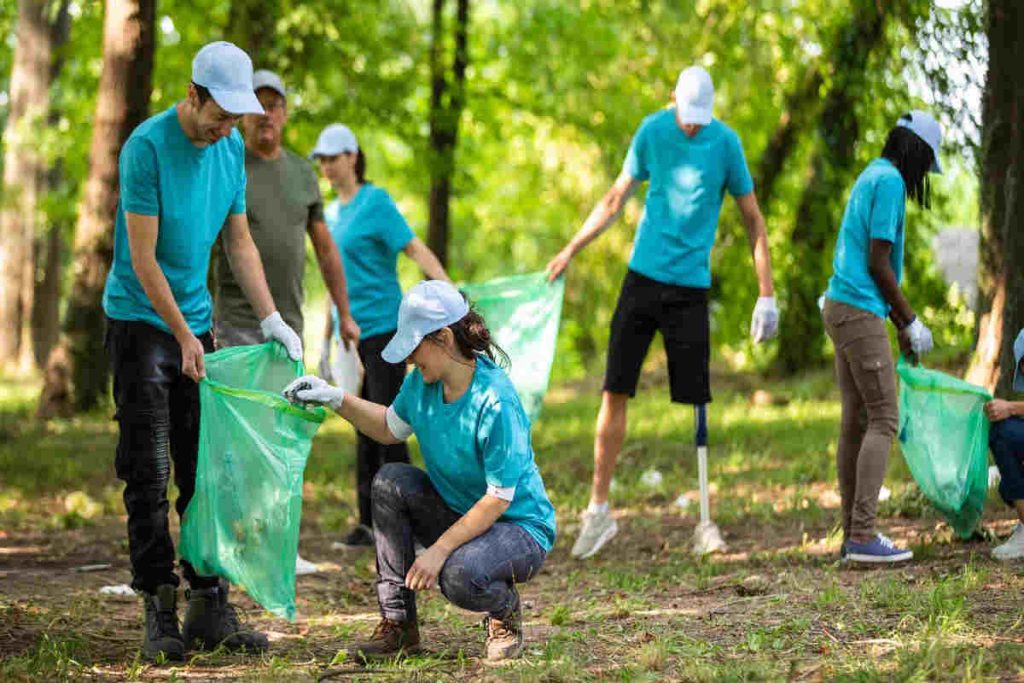
Earth5R designed the BlueCities Model to help municipalities build long term circular systems.The model integrates community engagement, data science, environmental education, and waste management operations.It aligns with global sustainability standards while remaining practical for Indian city conditions.
BlueCities focuses on three pillars:
Community ownership
Circular infrastructure
Data driven environmental governance
The model works because it treats circularity as a behavioural, economic, and ecological system instead of a technical challenge alone.
Municipalities often adopt fragmented solutions.
BlueCities helps them build integrated and scalable processes that improve over time.
Earth5R uses real community data to make decisions, ensuring that interventions are grounded in local realities.
BlueCities Pillar 1: Community Ownership and Behaviour Change
Circularity begins with citizens.Households generate the largest share of municipal solid waste.Without daily segregation and responsible consumption, no circular system can succeed.
Earth5R trains communities through workshops, cleanups, school programs, and door to door awareness.This approach builds pride, ownership, and long term behaviour change.
Cities that adopt this model see improvements in segregation, composting, and plastic recovery.
UNDP research shows that community participation can increase waste recovery efficiency
Municipalities can replicate this by:
Creating ward level sustainability clubs
Training local volunteers
Conducting regular cleanup events
Partnering with NGOs for awareness
Running school and youth sustainability programs
Using CSR partners for funding awareness campaigns
When communities build habits, they reduce the system’s long term cost.
BlueCities Pillar 2: Circular Infrastructure and Decentralised Systems
Circular systems cannot depend only on landfills and large processing units.India needs decentralised infrastructure supported by material recovery facilities, composting hubs, and community collection points.
Circular infrastructure includes:
Dry waste collection centres (DWCCs)
Micro composting centres
Biogas plants
Decentralised sewage treatment units
Plastic recovery facilities
River waste interception barriers
Urban gardens using compost from the community
Cities like Indore, Mysuru, and Ambikapur have shown that decentralised infrastructure reduces pressure on centralised plants.It also improves monitoring and increases the quality of recyclable materials.
Earth5R supports municipalities in designing such decentralised nodes.The organisation also uses citizen science for waste audits, which helps determine the best placement for these units.
BlueCities Pillar 3: Data Driven Municipal Governance
Circular systems require real time monitoring of materials.Cities often struggle because of outdated or incomplete waste data.Earth5R’s BlueCities approach uses data from community mapping, waste quantification, behavioural surveys, and digital tracking tools.
Data helps municipalities:
Identify waste hotspots
Measure segregation compliance
Track volumes entering MRFs
Monitor landfill diversion rates
Estimate methane reduction
Support ESG reporting
Evaluate tender performance
Design better policies
World Bank research emphasises that data driven waste systems are 40 percent more efficient than traditional models. Earth5R supports municipalities with real time dashboards, environmental indicators, and community feedback tools.This builds transparent, accountable systems that attract CSR and ESG funding.
Case Study: Earth5R’s Circular Waste Program in Mumbai

Earth5R has worked extensively in Mumbai, one of India’s largest waste generating cities. The program focused on community training, waste mapping, river hotspot identification, and decentralised processing pilots.
Key achievements include:
Training thousands of residents across multiple slums and housing societies
Conducting shoreline cleanups along polluted coastal areas
Identifying plastic leakage points into the Mithi River
Supporting composting programs for wet waste
Engaging informal sector workers for material recovery
Documenting community behaviour data for municipal planning
Mumbai’s complex waste landscape required a people centric approach rather than a purely operational one.Earth5R’s BlueCities model proved effective because it built long term community engagement and measurable environmental outcomes.
Case Study: Community Led Circularity in Pune
Pune has emerged as one of India’s most progressive waste management cities.The city benefits from active waste picker collectives, decentralised processing units, and strong municipal backing.
Earth5R supported Pune through:
River cleaning and citizen participation drives
Segregation workshops in high waste generating wards
Plastic hotspot mapping using citizen science
Support for DWCC scaling models
Training students and citizens in composting and recycling
Pune’s circular journey is driven by strong community involvement.Earth5R’s work in the city helped strengthen local participation and create a cleaner river catchment.
Case Study: Circular Systems for Hill Stations in Uttarakhand
Hill stations face a unique challenge.Tourism increases waste during specific seasons, and narrow roads limit large truck movement.Earth5R implemented circular models in Uttarakhand to help municipalities manage seasonal waste.
Interventions included:
Tourist awareness programs
Waste audits at market zones
Community training for segregation
River cleanups in ecologically fragile zones
Plastic recovery initiatives linked with recyclers
Mapping biodegradable and non biodegradable waste streams
These interventions helped municipalities reduce plastic leakage into rivers that flow downstream to major Indian cities.
How Municipalities Can Build Circular Waste Roadmaps
Municipalities can adopt a step by step roadmap that aligns with national frameworks and local realities.
Step 1: Assess the Waste Baseline
Cities must begin with a comprehensive waste audit.This includes waste composition studies, mapping hotspots, and understanding community behaviour. Earth5R’s methodology uses citizen science, field volunteers, and trained youth to execute low cost assessments.
Step 2: Build a Citywide Behaviour Change Strategy
Municipalities should focus on awareness, incentives, and enforcement.Behaviour change must be continuous, not campaign based.
Step 3: Strengthen Decentralised Infrastructure
Priority units include composting hubs, DWCCs, biogas plants, and neighbourhood resource centres.Decentralisation reduces transportation costs and improves segregation outcomes.
Step 4: Integrate Digital Monitoring Systems
IoT sensors, GPS tracking, QR coded bins, and mobile apps allow cities to monitor waste in real time.This supports better decision making and ESG reporting.
Step 5: Build Partnerships with Environmental NGOs and CSR Teams
Municipalities should collaborate with Environmental NGOs in India, including Earth5R, to accelerate implementation.CSR funding can support infrastructure, awareness, and innovation.
Step 6: Publish Data for Public Accountability
Cities should publish waste dashboards that show segregation rates, recycling volumes, and landfill diversion.This improves transparency and community trust.
Building Circular Cities Through Strong Municipal Leadership
Municipal leadership is essential for making circular systems work in India.Cities must integrate infrastructure, community behaviour, and digital systems into one coordinated framework.This ensures that waste is treated as a resource instead of a liability.
The transition to circularity is not only an environmental priority.It is also a financial and social opportunity for municipalities seeking efficient budgeting, cleaner neighbourhoods, and healthier communities.Circular systems create long lasting value through jobs, community engagement, lower emissions, and revived rivers.
Earth5R’s work shows that circularity is practical and scalable.The key is to activate local communities, support informal workers, build decentralised systems, and use data for transparency.This approach allows municipalities to build long term sustainable systems.
How Circular Cities Improve River and Coastal Health
Indian rivers are heavily impacted by untreated sewage, plastic leakage, and landfill leachate.Circular waste systems help reduce these sources of pollution at the root.
When waste is segregated, composted, and recycled, it does not enter rivers or drainage lines.
World Bank research shows that improved waste management can reduce river pollution significantly in fast growing cities. Circular systems also restore biodiversity along riverbanks.Cleaner rivers improve fish populations, reduce disease, and strengthen local economies dependent on tourism and fisheries.
Earth5R’s river projects show that circularity can restore ecosystems when combined with community engagement.
The Circular Future: What Indian Cities Will Look Like in the Next Decade
Indian municipalities will transform rapidly over the next decade.Cities will adopt digital waste systems, decentralised infrastructure, and behaviour change programs supported by CSR and ESG partners.Circularity will become the foundation of waste management, not a niche idea.
Future circular cities will include:
Segregation in every home
Composting in every community
Plastic buy back systems at neighbourhood hubs
River catchment based waste prevention programs
Digital dashboards for public monitoring
Repair and reuse markets supported by local workers
Partnerships with Environmental NGOs in India for large scale implementation
ESG reporting frameworks linked to municipal performance
This future requires clear leadership from municipalities, strong partnerships with environmental organisations, and consistent citizen engagement.
FAQs:The Future of Waste Is Circular: How Indian Municipalities Can Lead the Way: Earth5R Outlook
What is a circular waste system?
A circular waste system keeps materials in use by promoting segregation, reuse, recycling, and composting instead of dumping.It reduces environmental harm and strengthens local economies.
Why should municipalities adopt circularity?
Circularity lowers waste management costs, reduces landfill pressure, and improves river health.It also supports ESG reporting and attracts CSR partnerships.
How does circularity reduce landfill volumes?
By promoting segregation and decentralised processing, cities prevent organic and recyclable materials from entering landfills.This reduces transport, methane emissions, and long term management costs.
How does circularity benefit river ecosystems?
Circular systems prevent plastic and waste leakage into drains and rivers.This restores biodiversity, improves water quality, and reduces public health risks.
Can small towns adopt circular waste models?
Yes.Decentralised infrastructure is ideal for smaller towns where transport capacity and budgets are limited.
What role do citizens play in circular systems?
Citizen behaviour is central.Segregation at source enables composting, recycling, and landfill diversion.
Are circular solutions expensive?
No.Circular solutions reduce long term costs and require less investment than expanding landfills or centralised facilities.
How can municipalities fund circular systems?
Funding can come from municipal budgets, CSR contributions, grants, and public private partnerships.
What is the role of Environmental NGOs in India in circular transitions?
NGOs support awareness, data collection, training, technology adoption, and community mobilisation.They bridge the gap between municipalities and citizens.
How does Earth5R support circular cities?
Earth5R provides community engagement programs, waste mapping, decentralised infrastructure support, and river restoration models.
What data do municipalities need to design circular systems?
Cities need waste composition, segregation levels, leakage points, citizen behaviour data, and landfill input volumes.
What is decentralised waste processing?
It involves treating waste near its source through composting, DWCCs, and biogas plants.This reduces transport costs and improves efficiency.
How does circularity create jobs?
Circular economies open opportunities in recycling, repair, composting, awareness programs, and sustainability education.
Can circular systems reduce air pollution?
Yes.By reducing landfill burning and methane emissions, circularity improves air quality.
Are digital waste systems necessary?
Digital tools improve transparency, tracking, and operational efficiency. They support ESG aligned impact measurement.
How can circularity help informal waste workers?
Formalising roles, improving working conditions, and offering training strengthens the livelihoods of informal workers.
What is the BlueCities Model?
BlueCities is Earth5R’s integrated framework for building circular cities through community engagement, decentralised systems, and data driven governance.
Why is segregation at source essential?
Segregation improves recycling quality, reduces operational costs, and prevents mixed waste contamination.
What is the biggest barrier to circularity in Indian cities?
Behavioural resistance and lack of awareness remain major challenges.Municipalities must invest in long term engagement programs.
How can cities begin their circular transition?
Start with waste audits, community engagement, decentralised units, and digital monitoring. Partner with environmental organisations for implementation.
Partner with Earth5R to Build Circular Cities
Earth5R works with municipalities, corporations, CSR teams, and communities to design and implement circular waste systems across India.Our programs combine environmental education, community engagement, decentralised infrastructure, and data driven monitoring to create measurable impact.
We support cities in building long term strategies aligned with national policies, ESG frameworks, and local realities.Municipalities, CSR departments, and waste innovators who want to build circular systems can collaborate with Earth5R for:
Citywide circular roadmaps
Behaviour change and awareness programs
Decentralised composting and recycling models
River waste interception and restoration
Citizen science based waste mapping
ESG aligned impact measurement
To explore partnerships or start a circular project in your city, connect with Earth5R.
Authored by- Sneha Reji