
The ESG Decisioning Layer for India's Banks, Advisers, and Listed Companies.
Global ESG raters score disclosure quality from a desk. Country indices rank India as a single number and stop there. Neither tells a lender which borrower is actually on a credible transition, or a board where it stands against its sector. TERRA Score™ does: 1,200+ listed companies scored individually across 34 indicators, anchored to BRSR and NGRBC, and verified on the ground across 150+ Indian cities.
per company
weight profiles
with mathematical triggers
The Data Exists. The
Decision Layer Does Not.
India's top 1,000 listed companies now file BRSR. That is thousands of pages of disclosure a year. But a lender pricing transition risk, a Big 4 partner scoping a BRSR engagement, and a board benchmarking itself against peers all face the same wall: the disclosure is not scored, not verified, and not comparable at company level. The reports exist. The intelligence to act on them does not.
The pairwise correlation between major ESG raters is only 0.54 (Berg, Koelbel and Rigobon, Review of Finance, 2022). For credit rating agencies the equivalent figure is 0.99. At that level of disagreement, ESG ratings measure different constructs depending on the provider, with direct consequences for how capital is allocated.
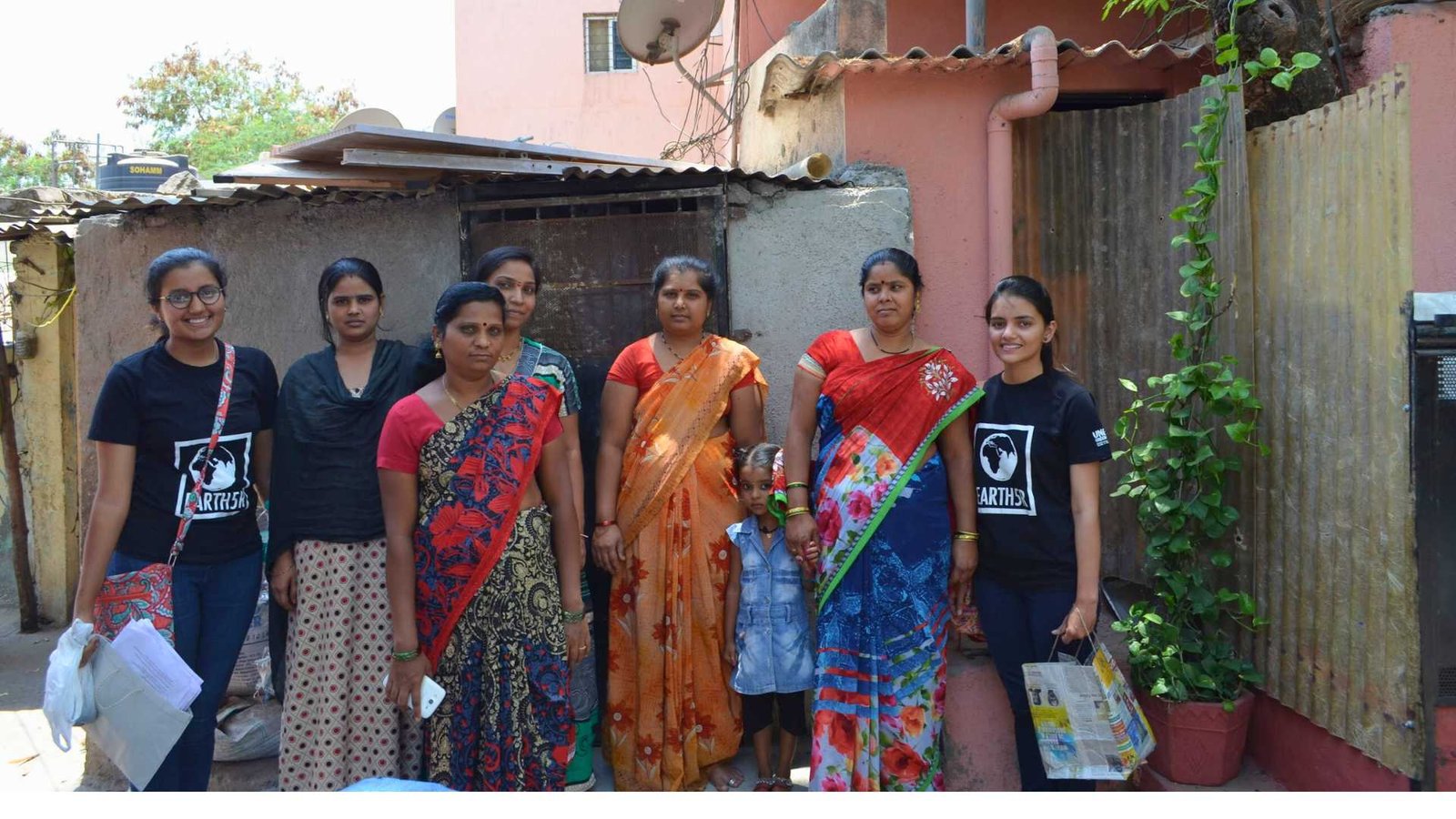
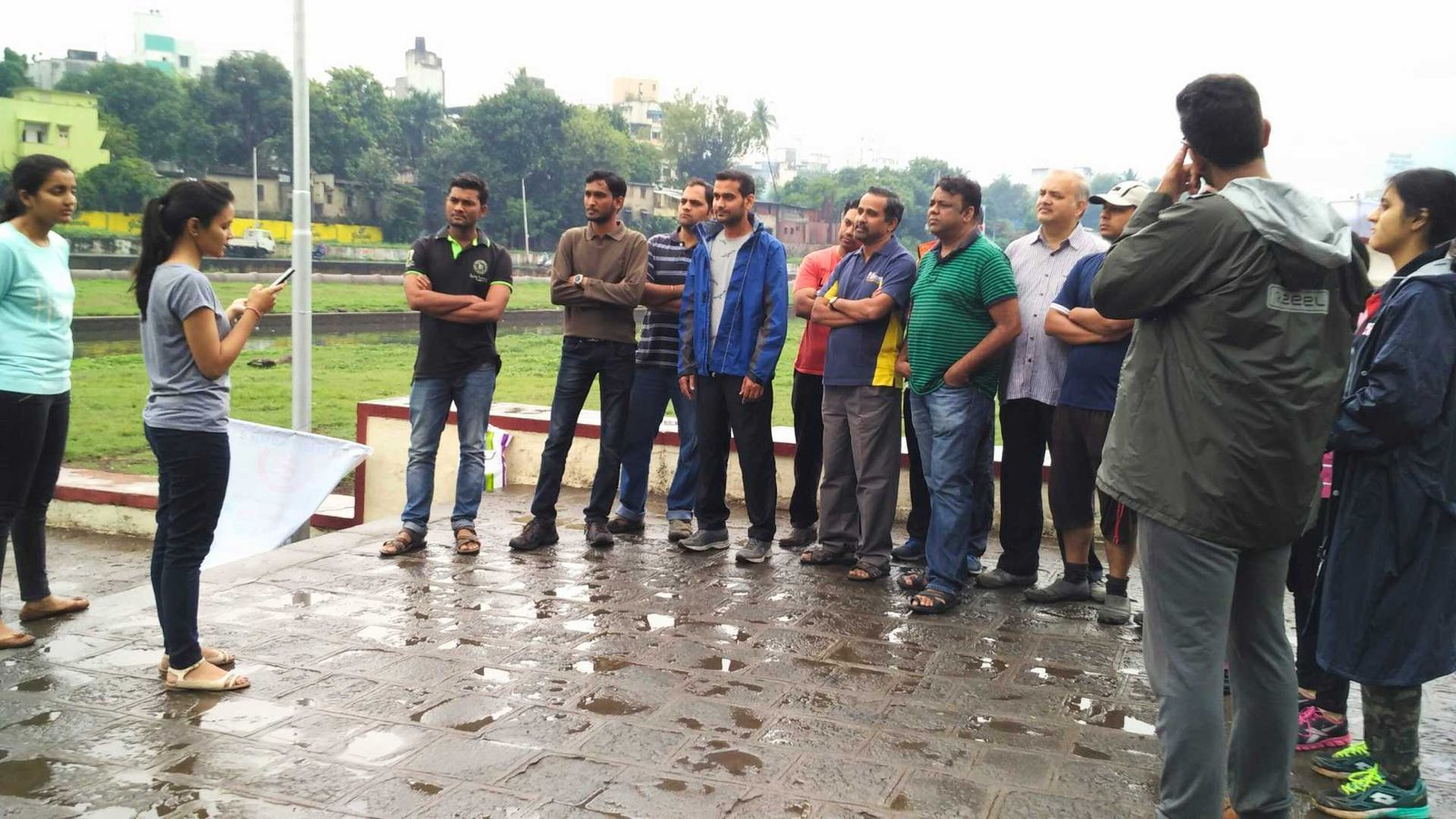
TERRA closes the gap: 1,200+ Indian companies scored individually across 34 indicators, anchored to Indian regulation, and verified with ground data from 150+ cities and 2.4 billion geo-tagged environmental data points.

Banks and NBFCs lend into emissions-heavy books with no company-level outcome data
Steel, cement, power, and oil-to-chemicals borrowers carry most of a lender's transition risk. BRSR filings and disclosure-quality ratings do not tell a credit team which of those borrowers is genuinely decarbonising and which is restating its way to a better number.
Big 4 and ESG advisory have no independent diagnostic substrate
BRSR remediation, assurance readiness, and gap analysis all start from the client's own numbers. There is no external, quantified, sector-calibrated baseline to diagnose against or to defend a recommendation with.
Listed companies cannot see their own CvR Gap before others do
A company knows what it disclosed. It does not know how independently scored its narrative reads against its own quantitative data, or where it sits against sector peers, until an investor, a journalist, or a regulator runs that comparison first.
Five Dimensions. 34 Indicators.
One Auditable Score.
Every company is scored 0 to 100 across five weighted dimensions, using sector-specific weights across 12 industry profiles. Indicators are benchmarked against physical limits, regulatory thresholds, and best-practice standards, adjusted for gaming, and reported with confidence bands.
- 3-year rolling improvement rate
- Pledge-to-progress ratio
- Restatement penalty
- SBTi and net-zero alignment
- GHG intensity, dual-normalised by revenue and physical output
- Water stress-adjusted consumption (WRI Aqueduct)
- Waste circularity rate
- Biodiversity footprint (TNFD-aligned)
- Supply chain ESG cascade (Tier 1 and Tier 2)
- Physical climate risk (IPCC RCP 4.5 / 8.5)
- Systemic leverage index
- Vulnerability Depth Index (ST 1.8x, SC 1.6x, BPL 1.5x, women-led 1.4x)
- Community-Verified Impact
- Geographic depth score
- CvR Gap™
- ESG governance depth
- Regulatory compliance record (MoEF, NGT, SEBI, BRSR)
Scoring India's Hard-to-Abate Sectors at Company Level
Steel, oil-to-chemicals, cement, power, and diversified manufacturing carry most of a lender's transition risk and most of a Big 4 practice's advisory value. These are the sectors where BRSR narratives and physical reality diverge most, and where a single sector label hides an enormous spread between the companies moving and the companies stalling. TERRA scores each one individually.
Individually verified across the O2C sector profile. The highest-scoring of the three, driven by disclosure and accountability strength against a heavy environmental base.
Rescored on full BRSR data against the metals sector profile. Sits above its sector-mate on trajectory and systems strength within the same hard-to-abate universe.
Verified across three reporting years. A measured BF-BOF narrative backed by assured intensity data, the profile TERRA classifies as process-constrained honesty.
Three names in the same emissions-heavy universe, three different stories. The score is the entry point. The value is the ability to separate the borrower closing its gap from the borrower narrating around it, across an entire lending book or advisory portfolio, using the same 34-indicator spine every time.



The Claim-vs-Reality Gap™
AI reads each report in two passes. Pass 1 extracts the quantitative disclosures: emissions, water, waste, CSR spend, beneficiary counts. Pass 2 scores the narrative claim strength: language intensity, scope of claims, superlatives. CvR is the gap between what a company says and what its own data supports, classified across 15 detection modes from Inflated Narrative to Process-Constrained Honesty.
Illustrative detection-mode patterns. Company-specific CvR scores are provided in the full scorecard.
Anchored to India's Regulatory Architecture
TERRA is not a global framework retrofitted to India. Every dimension is calibrated to the disclosure rules, statutory obligations, and physical conditions that Indian companies, lenders, and advisers actually operate under.
Better Measurement Redirects Capital to Where It Works
TERRA is built to change decisions. When a lender, an adviser, or a board can see a company's CvR Gap, its Geographic Depth Score, and its VDI breakdown, the choice becomes concrete: close the gap by moderating language, or close it by improving performance. The companies that choose the second create real change.
Transition Finance Priced on Reality
A lender can distinguish a steel or cement borrower genuinely on an SBTi-aligned path from one whose improvement is a restatement. Trajectory and CvR together turn a loan-book decision into a data-driven one.
Risk Surfaced Before It Becomes a Crisis
A CvR Gap of 0.65 is a quantified measure of exposure to the next investor query, activist campaign, or regulatory inquiry that compares a company's claims against its own data.
Excluded Communities Become Visible
The Vulnerability Depth Index reveals which populations Indian CSR systematically underserves. Scheduled Tribes receive a fraction of the CSR spend that urban populations receive. The multiplier system makes that exclusion measurable and actionable.
Honest Companies Get Recognised
CvR Mode 10, Process-Constrained Honesty, rewards companies operating within genuine physical limits who communicate in measured language backed by data. Honesty becomes a competitive advantage rather than a disadvantage.
When a company can see exactly where it is weak, the rational response is to get stronger. Better environmental and social outcomes follow as the structural consequence of giving decision-makers data granular enough to act on.
One Dataset, Four Decisions
Banks & NBFCs
Assess transition and lending risk across emissions-heavy loan books. Trajectory, SBTi alignment, and CvR at borrower level, so credit and ESG teams can price who is actually decarbonising.
Big 4 & ESG Advisory
Bring an independent, sector-calibrated diagnostic into BRSR remediation, assurance readiness, and gap analysis. Use TERRA as the substrate under client engagements and improvement roadmaps.
Corporate ESG & Boards
Benchmark against sector peers using independent scoring, and see your CvR Gap before an investor, journalist, or regulator does. Understand exactly where you stand and what to fix first.
Fund & Asset Managers
Screen India equity portfolios for ESG risk using 34 indicators, sector benchmarks, and CvR exposure flags. Reporting that goes beyond disclosure quality to outcome-level performance.
Three Ways to Start
Score transition risk across your lending portfolio
Borrower-level TERRA analysis across your emissions-heavy exposures. Trajectory, SBTi alignment, and CvR flags, so credit and ESG teams can price who is genuinely on a transition path.
Schedule a Briefing →Add an independent diagnostic layer to your ESG practice
Proprietary India ESG data as the substrate for client work: BRSR gap analysis, remediation roadmaps, assurance readiness, and sector benchmarking, defensible with third-party scoring.
Schedule a Briefing →See where your company stands, and your CvR Gap, first
A full TERRA Scorecard with dimension breakdown, CvR walkthrough, anti-gaming results, sector peer benchmarking, and a prioritised improvement pathway.
Schedule a Briefing →Or send us a message
We will respond within 48 hours with a TERRA Scorecard for a company in your sector of interest, or a methodology briefing, depending on your use case.