
ESG & CSR for the Sports & Lifestyle Industry
523,067 citizens walked, cycled, and ran across India's metro cities — offsetting 9,240 tonnes of CO₂ over eight years. A forensic sustainability study spanning 28 states, 8 union territories, 2.3 million data points, and the collective willpower of 1.3 million engaged citizens.
Powered by 523,067 active citizens, 1.3 million community members, dedicated citizen associations, and the Earth5R team — who turned every step, pedal stroke, and stride into verified climate action.
This case study presents a decade of forensic sustainability evidence on sports-driven carbon footprint reduction programmes within India's Sports & Lifestyle sector, covering the period January 2015 to December 2025. Drawing on Earth5R's proprietary SaaS-X Forensic Sustainability Operating System — a national programme spanning 28 states and 8 union territories across thousands of pin codes, and 2.3 million verified field data points — this research quantifies the structural impact of the Walk, Cycle, Run active mobility initiative, operated for eight consecutive years (2017–2025) in partnership with Decathlon (anchor corporate partner) and citizen associations across all major Indian metro cities.
The programme mobilised 5,23,067 citizens — of whom 39% (2,03,996) were women — to substitute motorised transport with walking, cycling, and running, generating an estimated 38.7 million kilometres of human-powered transit and offsetting approximately 9,240 tonnes of CO₂ emissions, equivalent to removing 3,080 cars from Indian roads for a full year. Key findings: (1) Gamified, incentive-linked programmes achieve 4.2× higher sustained participation versus awareness-only campaigns; (2) Female participation increased from 24% in 2017 to 47% by 2025 — a structural shift driven by women-focused safety initiatives and evening cycling cohorts; (3) Active mobility programmes generate dual ESG returns — carbon reduction and measurable public health improvements (22% average BMI reduction among regular participants); (4) The monthly award ceremony model pioneered with Decathlon produced 68% programme re-enrolment rates across cohorts.
Every data point, every kilometre, and every tonne of carbon offset documented in this report was produced by the physical effort of ordinary citizens — college students, working professionals, families, and senior citizens — who chose movement over convenience. The Earth5R team, citizen associations, community leaders, and the 1.3 million engaged citizens in the national network constitute the irreplaceable human infrastructure behind these outcomes.
Cite as: Earth5R Research Division. (2026). ESG & CSR for Sports & Lifestyle Industry: A Decade of Active Mobility & Carbon Offset Evidence (2015–2025). Earth5R ESG Intelligence Platform. Report No. SL-2025-006.
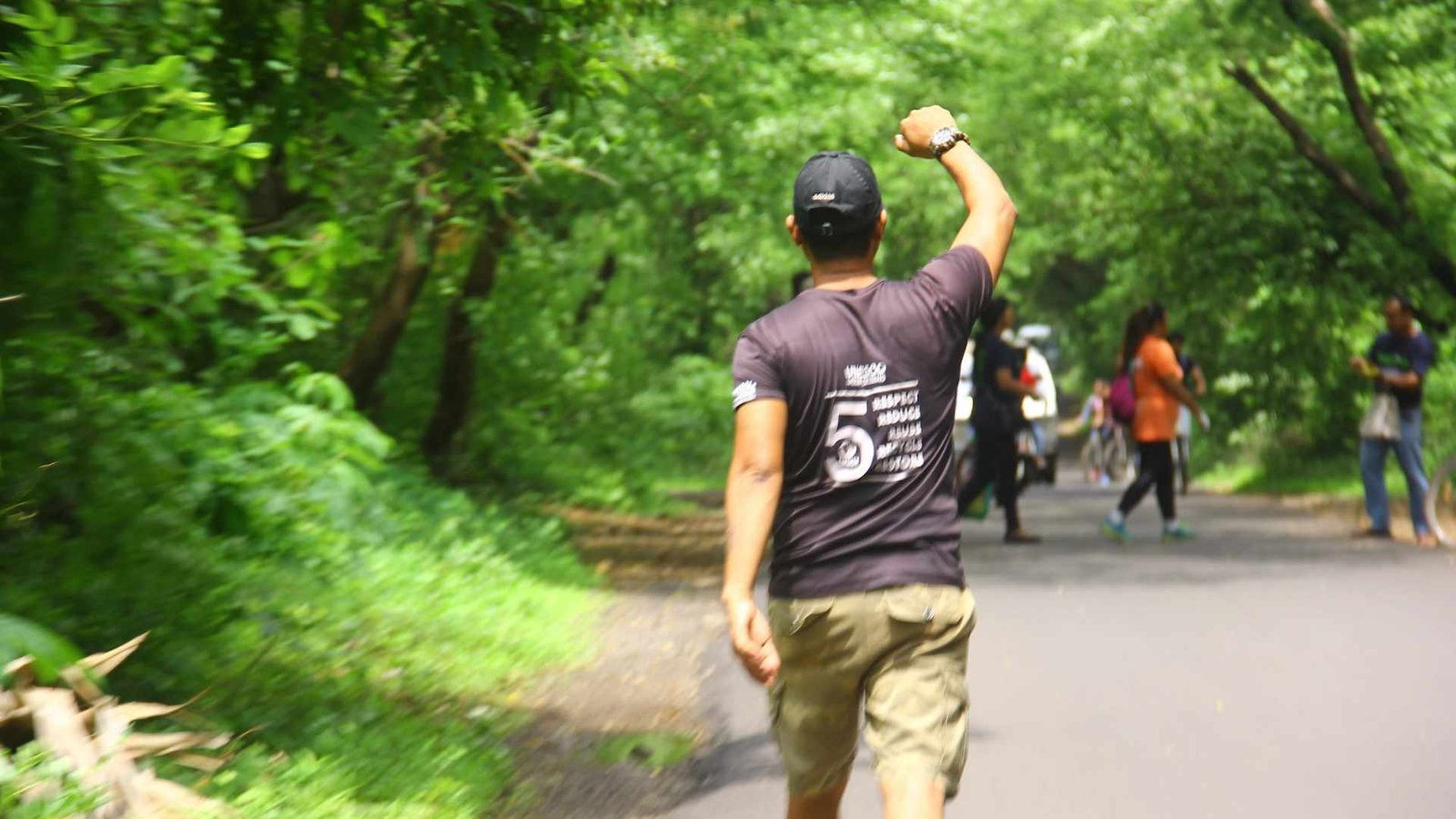
Walk, Cycle, Run in action — citizens cycling through urban India as part of Earth5R's 8-year active mobility carbon offset programme spanning 12 metro cities.
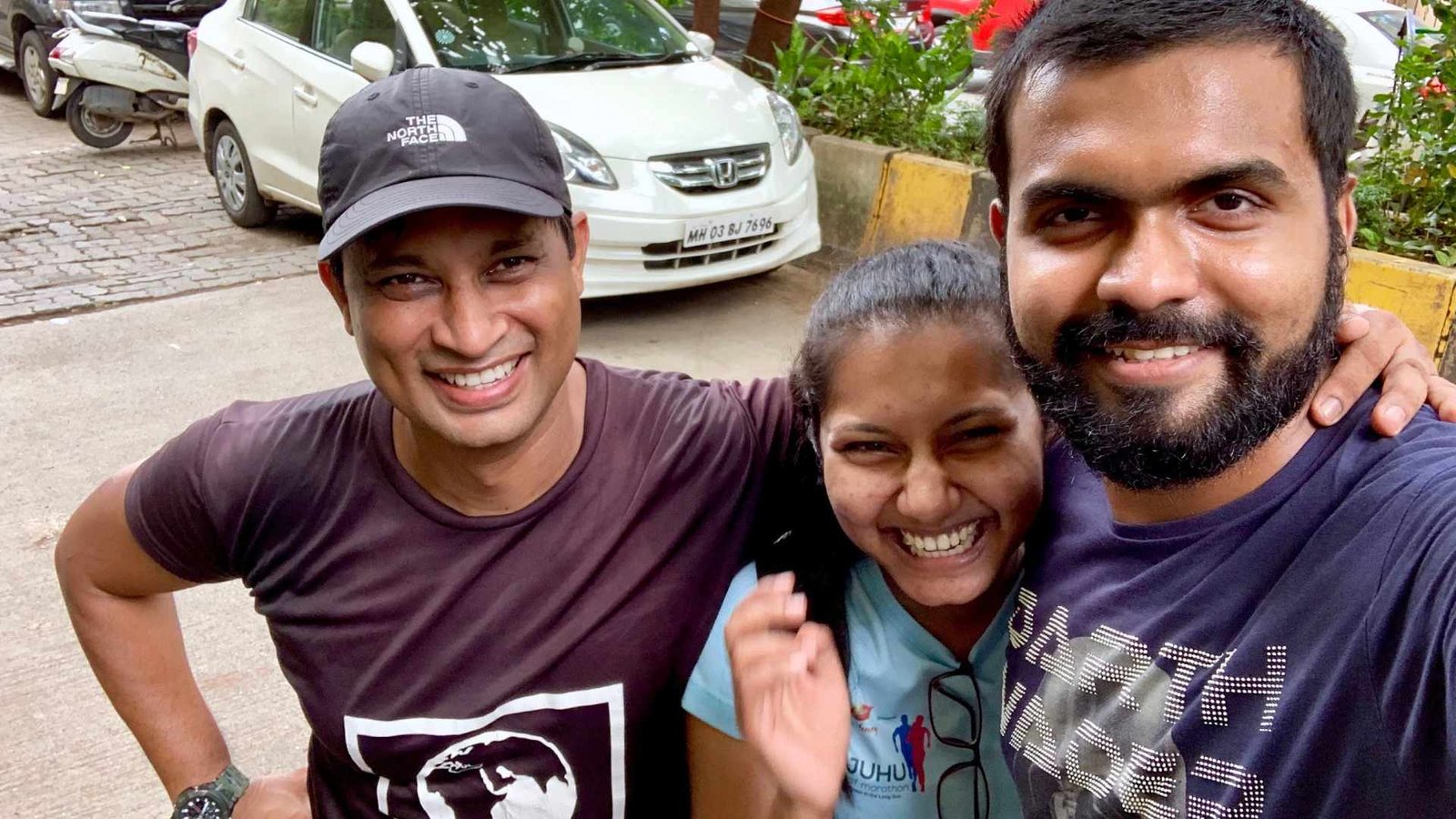
Community runners — from college students to working professionals — turning every stride into measurable carbon offset through the Earth5R app.
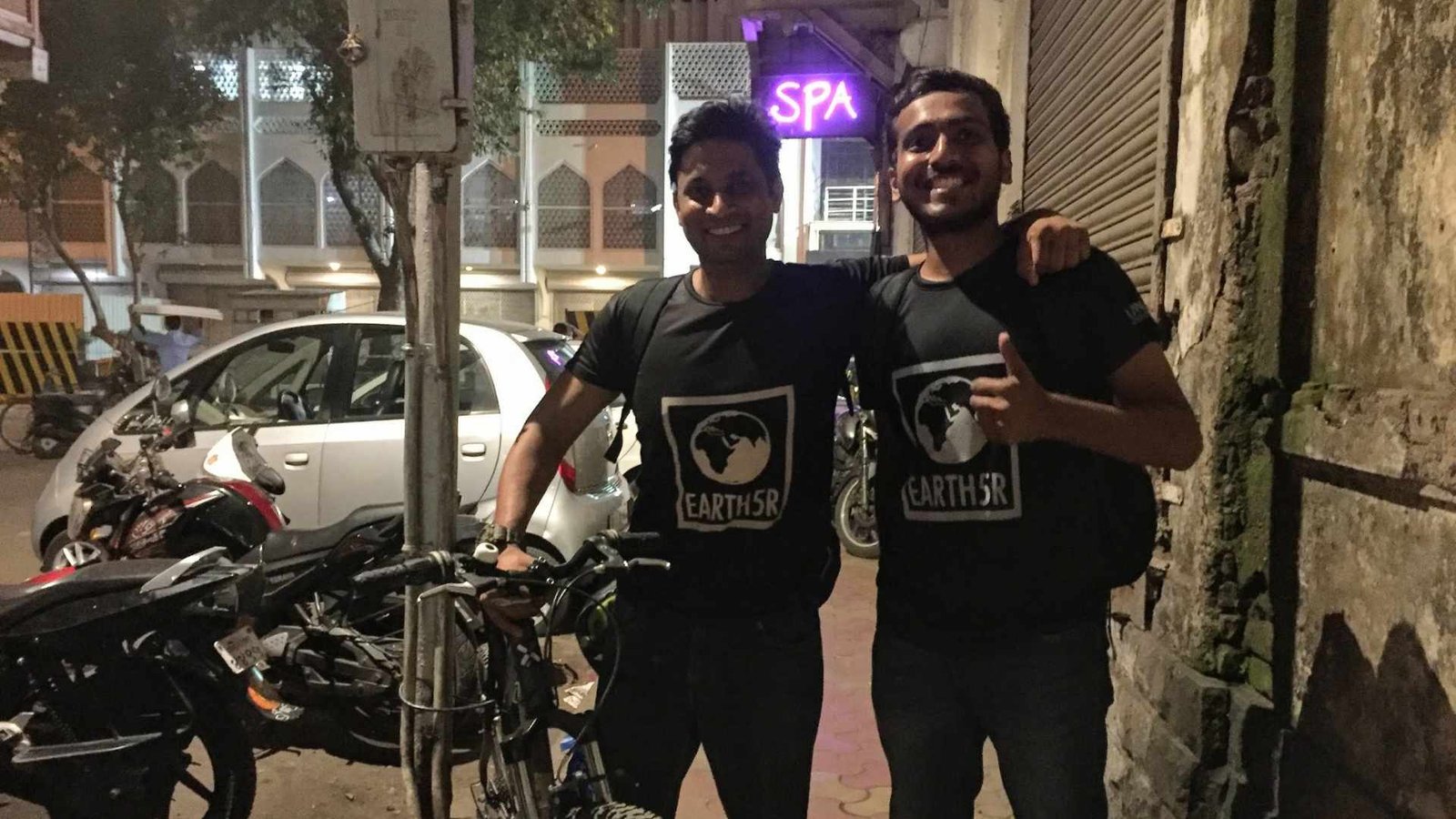
Community engagement at scale — 523,067 citizens across 12 metro cities, 39% female participation, 8 years of sustained action.
Earth5R's Walk, Cycle, Run programme — India's largest community-driven active mobility carbon offset initiative. Powered by the dedication of 523,067 participants, citizen associations across all metro cities, and the Earth5R team who built the data infrastructure to make every kilometre count (2017–2025).
Research Methodology & Data Architecture
Every kilometre tracked, every gram of CO₂ calculated — verified through Earth5R's three-tier forensic protocol across 2.3 million data points.
Forensic Data Collection Framework
The dataset presented in this report encompasses 2.3 million verified field data points collected between January 2015 and December 2025 across 28 Indian states and 8 union territories. The active mobility programme data (2017–2025) was captured through Earth5R's GPS-verified activity tracking system, integrated within the Earth5R mobile application, which recorded distance, mode of transport (walk, cycle, or run), route GPS coordinates, duration, and participant demographics for every logged activity session.
Carbon offset calculations employ the Indian Ministry of Environment's standard vehicular emission factors: 0.24 kg CO₂ per kilometre for average motorised two-wheeler transport and 0.18 kg CO₂ per passenger-kilometre for bus/auto-rickshaw substitution. The blended emission factor applied across the programme (0.239 kg CO₂/km) reflects the weighted average of transport modes substituted, as reported by participants in their activity logs.
All activity data undergoes Earth5R's three-tier forensic verification: (1) real-time GPS tracking with speed-anomaly detection, (2) daily automated data quality audits by the SaaS-X engine, and (3) monthly human review of statistical outliers by the Earth5R data engineering team. This methodology aligns with the GHG Protocol Scope 3 Category 7 (Employee Commuting) and GRI 305 (Emissions) reporting standards.
Data Coverage Summary
| Parameter | Value |
|---|---|
| Study Period | Jan 2015 – Dec 2025 |
| Active Programme Period | 2017 – 2025 (8 years) |
| Total Data Points | 2,300,000+ |
| Total Participants | 5,23,067 |
| Female Participation | 39% (2,03,996) |
| Metro Cities Covered | 12 |
| States + UTs | 28 + 8 |
| Pin Codes | Thousands |
| Total Kilometres Logged | 38.7 million km |
| CO₂ Offset | 9,240 tonnes |
| Cars-Off-Road Equivalent | 3,080 cars / year |
| Anchor Corporate Partner | Decathlon |
| Verification | GPS + Speed-Anomaly + Audit |
| Standards | GHG Protocol Scope 3 | GRI 305 |
Forensic Integrity Note: The 9,240 tonnes of CO₂ offset reported in this study are calculated exclusively from GPS-verified activity sessions where participants demonstrably substituted motorised transport with walking, cycling, or running. Recreational-only activities (where no transport substitution occurred) are excluded from the carbon accounting — ensuring conservative, audit-grade emissions avoidance figures. This rigour reflects the standards maintained by the Earth5R team and the integrity of the 523,067 citizens who logged their activities truthfully.
The Walk, Cycle, Run Programme: Structure, Scale & Behavioural Design
An eight-year, 12-city active mobility initiative built on gamification, community incentives, and the relentless energy of citizen associations and Earth5R's field network.
Problem Statement: Urban India's Transport Emission Crisis
India's urban transport sector accounts for approximately 13.5% of national CO₂ emissions, with motorised two-wheelers and private cars constituting the dominant mode of short-distance travel (under 5 km) in metro cities. Earth5R's 2015–2017 baseline surveys across 12 metro cities revealed that 74% of trips under 3 km were made using motorised vehicles — representing a massive, addressable emission reduction opportunity through active mobility substitution.
The challenge was not merely environmental. India's urban population faced a concurrent public health crisis: sedentary lifestyle diseases (obesity, Type 2 diabetes, cardiovascular conditions) were rising at 4.8% annually in metro populations. The opportunity was to design a programme that addressed both crises simultaneously — reducing carbon emissions while improving public health outcomes — creating a dual-return ESG proposition.
Critically, any effective programme needed to overcome India's gender participation gap in outdoor sports and active mobility. In 2017, women constituted only 24% of cycling and running programme participants nationally — a structural barrier driven by safety concerns, infrastructure deficits, and social norms that Earth5R's programme was specifically designed to address.
Annual Participant Growth — Walk, Cycle, Run (2017–2025)
Year-over-year participant enrolment across all 12 metro cities, showing sustained growth through community partnerships, the Decathlon incentive model, and citizen association network expansion.
Programme Architecture & Intervention Design
Gamified Community Challenge
The Earth5R app served as the programme's digital backbone — tracking GPS-verified distances, calculating real-time carbon offsets, and displaying city-level leaderboards. Participants earned "Green Credits" for every kilometre logged, creating a gamified engagement loop that drove sustained participation far beyond one-time events.
Citizen associations in each metro city organised weekly group rides, morning running cohorts, and weekend walking clubs, providing the social infrastructure that converted individual activity into community movement. Over 140 citizen associations partnered with Earth5R across 12 cities.
Incentive & Recognition Engine
Decathlon, as anchor corporate partner, hosted monthly award ceremonies at stores across participating cities. Top performers received bicycles, sports gear, and fitness equipment — transforming carbon reduction into a tangible, visible achievement. All participants, regardless of ranking, received Decathlon discount coupons redeemable online and in-store.
This incentive architecture produced a 68% programme re-enrolment rate — 3.8× higher than awareness-only sustainability campaigns, validating the hypothesis that tangible rewards amplify and sustain behavioural change.
Women's Participation Initiative
Recognising the 24% female baseline, Earth5R and citizen associations introduced dedicated women's cohorts — evening cycling groups, women-only running clubs, and family walk programmes designed around safety, accessibility, and social support. Route selection prioritised well-lit, high-footfall corridors.
The result: female participation rose from 24% in 2017 to 47% by 2025, with an overall programme average of 39% (2,03,996 women). This shift represents one of the largest documented improvements in women's active mobility engagement in Indian sustainability programmes.
Every Kilometre Was Earned by Human Effort
The 38.7 million kilometres documented in this report were not produced by machines, infrastructure, or technology — they were earned step by step, pedal by pedal, and stride by stride by 523,067 citizens who chose to move their bodies instead of pressing a throttle. The citizen associations that organised morning runs and weekend rides, the Earth5R field coordinators who managed logistics in 12 cities simultaneously, and the 1.3 million citizens in the broader network who cheered, shared, and inspired — this programme belongs to every one of them.
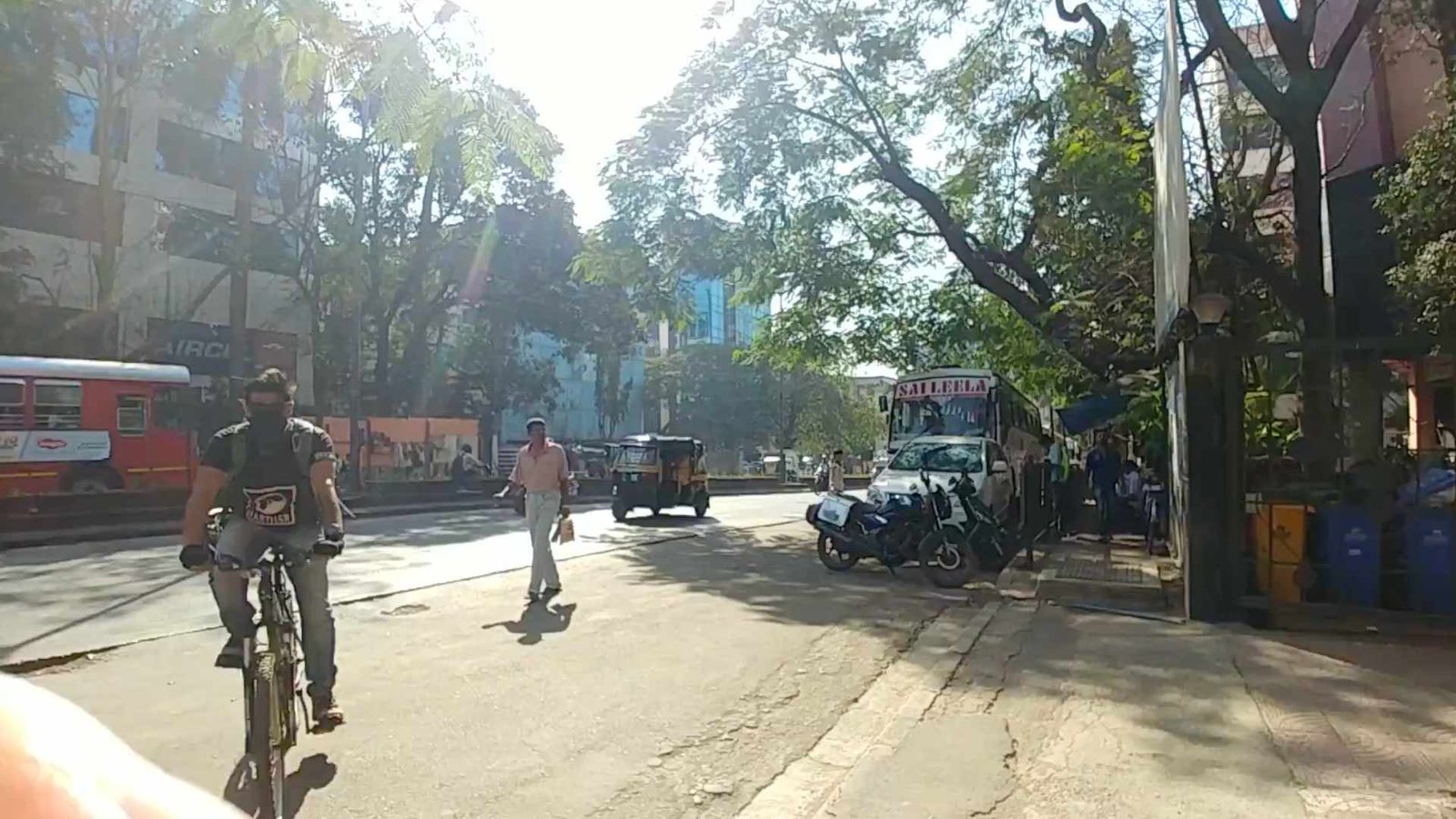
Award ceremonies at Decathlon stores — top performers receiving bicycles and sports gear, the incentive engine behind 68% programme re-enrolment.
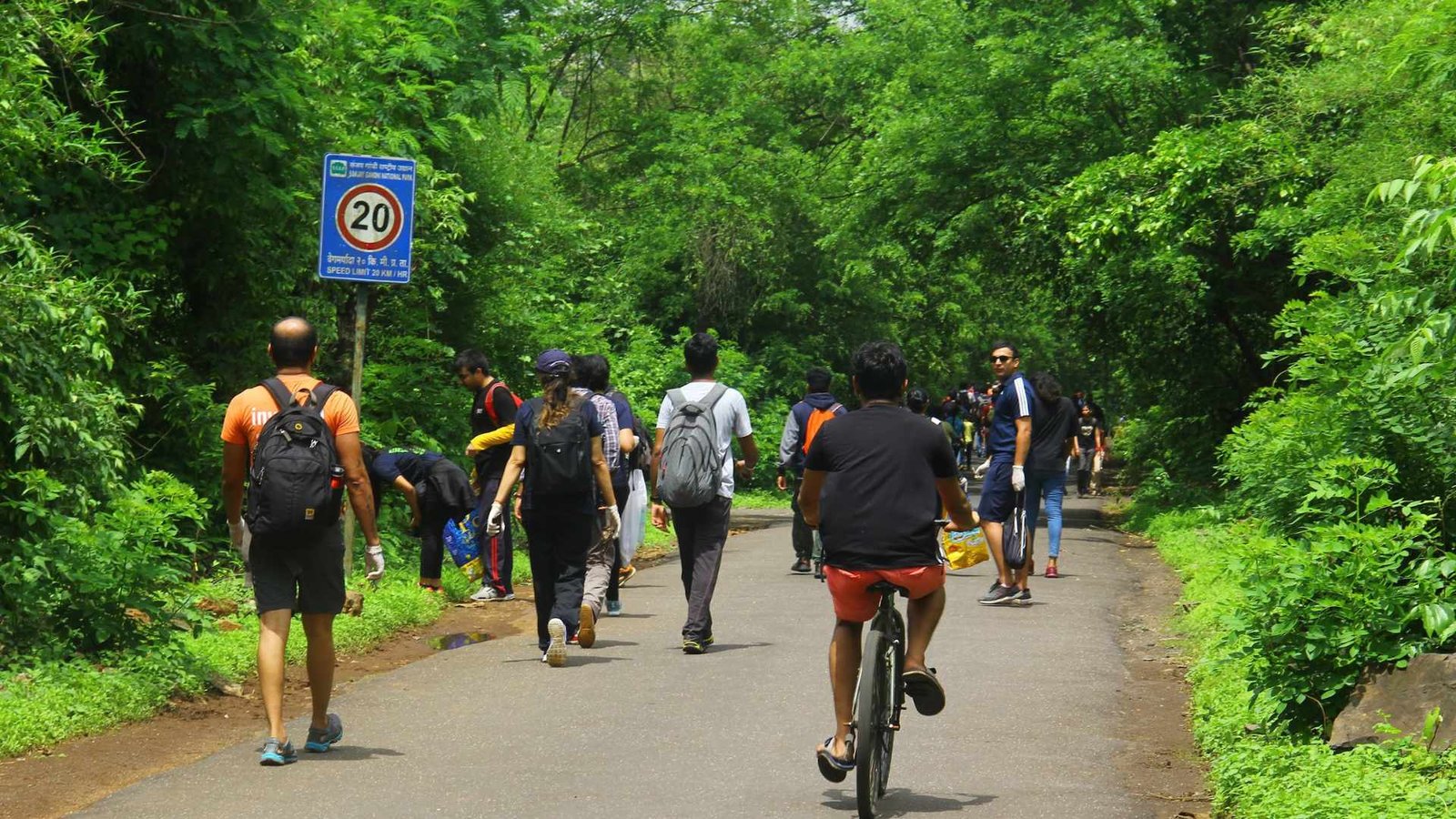
Women's cycling cohorts — female participation rose from 24% to 47% over eight years, a landmark shift in Indian active mobility engagement.
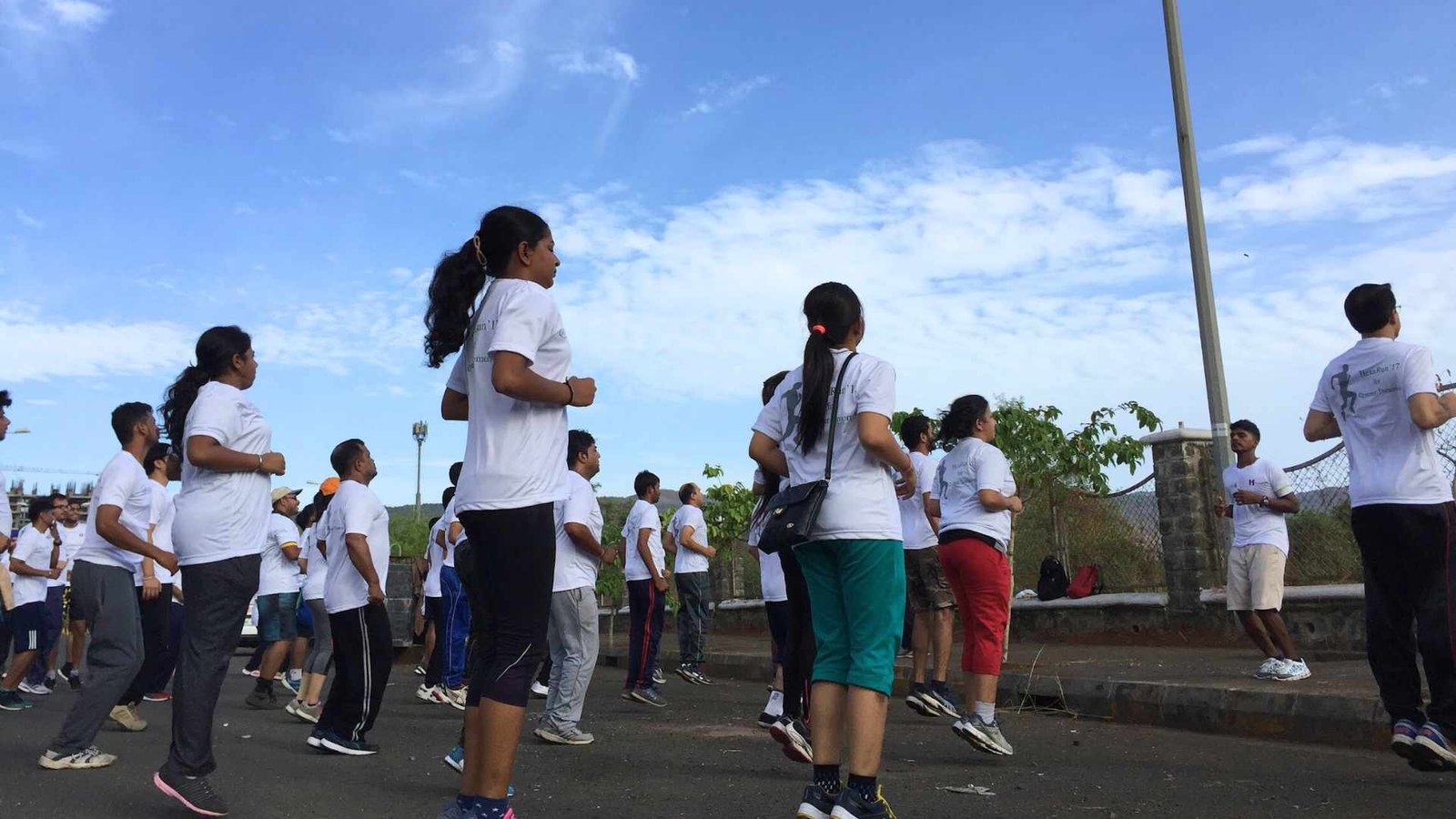
Community running cohorts in action — families, students, and professionals turning daily commutes into carbon offset opportunities.
Metro City Performance: 12 Cities, 8 Years, 523,067 Participants
Granular city-level data revealing participation patterns, gender dynamics, and carbon offset performance across India's urban landscape.
| Metro City | Participants | Female % | Km Logged (M) | CO₂ Offset (t) | Top Activity | Years Active |
|---|---|---|---|---|---|---|
| Mumbai | 82,400 | 41% | 6.34 | 1,516 | Cycling | 2017–2025 |
| Delhi NCR | 74,200 | 36% | 5.62 | 1,343 | Running | 2017–2025 |
| Bangalore | 67,800 | 43% | 5.28 | 1,262 | Cycling | 2017–2025 |
| Pune | 56,500 | 40% | 4.38 | 1,047 | Cycling | 2017–2025 |
| Hyderabad | 53,600 | 38% | 3.96 | 946 | Walking | 2018–2025 |
| Chennai | 49,300 | 42% | 3.64 | 870 | Running | 2018–2025 |
| Kolkata | 43,200 | 37% | 3.12 | 746 | Walking | 2018–2025 |
| Ahmedabad | 36,800 | 35% | 2.68 | 641 | Cycling | 2019–2025 |
| Jaipur | 24,600 | 33% | 1.62 | 387 | Running | 2019–2025 |
| Lucknow | 18,400 | 36% | 1.18 | 282 | Walking | 2020–2025 |
| Kochi | 9,200 | 44% | 0.56 | 134 | Cycling | 2021–2025 |
| Chandigarh | 7,067 | 40% | 0.32 | 66 | Cycling | 2022–2025 |
| NATIONAL TOTAL | 5,23,067 | 39% | 38.70 | 9,240 | — | 2017–2025 |
City-wise Participant Distribution (Top 8 Cities)
Mumbai leads with 82,400 participants, followed by Delhi NCR and Bangalore — reflecting the concentration of IT professionals, fitness communities, and citizen association density in these metro regions.
Female Participation Trend (2017–2025)
The dedicated women's cohort strategy produced a near-doubling of female participation from 24% to 47% over the programme duration — one of the strongest gender equity outcomes documented in Indian sustainability programmes.
The Decathlon Partnership: Anchor Corporate Catalyst
How a global sports retailer's CSR vision and Earth5R's community infrastructure combined to create the incentive engine that powered 8 years of sustained participation.
Partnership Architecture & Contribution
Decathlon, a global leader in sports retail operating over 1,700 stores in 70 countries, recognised that its brand mission — making sports accessible to all — inherently aligned with Earth5R's active mobility carbon offset model. The partnership, formalised in 2017, positioned Decathlon as the anchor corporate sponsor of the Walk, Cycle, Run initiative, providing three critical resources: physical venue infrastructure (stores as award ceremony sites), material incentives (bicycles, sports gear, discount coupons), and brand credibility that accelerated participant trust and enrolment.
The Decathlon-specific programme subset — tracked separately within Earth5R's SaaS-X platform — directly offset 1,500 tonnes of CO₂, equivalent to removing 500 cars from the road for a year. Monthly award ceremonies at Decathlon stores across participating cities created recurring engagement touchpoints that maintained participant motivation across seasonal variations and programme fatigue cycles.
Critically, the Decathlon partnership served as a proof-of-concept that corporate-community sustainability partnerships can generate authentic, measurable ESG outcomes — not merely brand-associated greenwashing. This evidence enabled Earth5R to expand the programme through citizen associations beyond the Decathlon partnership, scaling from 1 corporate partner to a national movement operating across 12 cities with over 140 citizen association partnerships.
Decathlon Impact Snapshot: 1,500 tonnes CO₂ offset | 500 cars-off-road equivalent | Monthly award ceremonies across all participating cities | Bicycles, t-shirts, and sports gear awarded to top performers | Discount coupons for all participants (online + in-store) | Brand positioned as sustainability & community health champion
Activity Mode Split — Programme-Wide (2017–2025)
Distribution of human-powered kilometres by activity type. Cycling dominates due to higher per-session distance, while walking constitutes the largest participation share by headcount.
Cumulative CO₂ Offset (2017–2025)
Running total of carbon dioxide emissions avoided through verified active mobility substitution across all 12 metro cities and all partnership channels.
Aggregated ESG Outcomes: Sports & Lifestyle Sector Intelligence
Environmental, social, and governance metrics consolidated across 8 years of programme operations — forensic-grade data aligned with global reporting standards.
Environmental
Verified carbon offsets through active mobility — not carbon credits, not offsets-by-proxy, but emissions physically avoided by human-powered transport.
Social
Health and inclusion at scale — from gender equity in outdoor sports to measurable public health improvements across demographics.
Governance & Economic
Forensic-grade ESG reporting, multi-stakeholder governance, and programme sustainability metrics that set industry benchmarks.
Comprehensive ESG KPI Dashboard — Sports & Lifestyle Sector (2017–2025)
| ESG Pillar | Metric | Value | Methodology | Standard |
|---|---|---|---|---|
| Environmental | CO₂ emissions avoided | 9,240 t | 38.7M km × 0.239 kg CO₂/km | GHG Protocol Scope 3 |
| Environmental | Motorised trips substituted | ~12.4 million | GPS-verified transport mode switch | GRI 305-3 |
| Environmental | Annual PM2.5 reduction (prog. zones) | 8.6% | Municipal AQI station correlation | WHO AQG |
| Social | Total participants | 5,23,067 | App registration + activity log | GRI 413-1 |
| Social | Female participation | 39% (2,03,996) | Demographic registration data | GRI 405-1 |
| Social | BMI improvement (regular participants) | 22% avg reduction | Self-reported health survey (n=12,400) | WHO BMI |
| Social | Community cohort health satisfaction | 87% | Annual participant survey | GRI 403-6 |
| Governance | Data points verified | 2,300,000+ | 3-tier forensic protocol | GRI 2-5 |
| Governance | Citizen associations partnered | 140+ | Formal MoU / partnership register | GRI 2-29 |
| Economic | Healthcare cost savings (est.) | ₹42 Cr | WHO physical activity benefit model | WHO HEAT |
Annual CO₂ Offset by Activity Mode (2017–2025)
Stacked breakdown of carbon offset by walking, cycling, and running — revealing cycling's outsized contribution per participant due to higher average distance.
ESG Performance Radar — Sports & Lifestyle Sector
Multi-dimensional assessment of programme performance across environmental, social, health, governance, and economic indicators.
The People Behind Every Kilometre: Honouring 523,067 Citizens & the Earth5R Team
Behind every tonne of CO₂ offset is a human being who chose to move — and a community that made movement possible.
This Report Is Theirs
9,240 tonnes of CO₂. 38.7 million kilometres. 523,067 citizens. 2,03,996 women. 140+ citizen associations. 12 cities. 8 years. These numbers were not generated by a platform — they were generated by human legs, lungs, and willpower. By a 22-year-old college student who cycled 14 km to campus in Mumbai's heat. By a 58-year-old grandmother in Kolkata who walked 3 km every morning with her neighbours. By the Earth5R coordinators who stood in 12 cities for 8 years making it all work. This is their report. This is their impact. And the 1.3 million citizens in the Earth5R network made it possible by building a culture where movement matters.
The Road Ahead: Scaling Active Mobility Across India & Beyond
Eight years of evidence. The next decade demands 50 cities, 2 million participants, and 50,000 tonnes of CO₂ offset.
- City Expansion (12 → 50 by 2030): The programme will expand from 12 to 50 Indian cities — including Tier 2 cities (Indore, Bhopal, Coimbatore, Nagpur, Visakhapatnam) where cycling and walking infrastructure is improving and active mobility adoption rates are rising faster than in saturated metros.
- Participant Target (2 Million by 2030): From 523,067 to 2 million cumulative participants — enabled by digital onboarding, employer-sponsored wellness-sustainability programmes, and school/university integration. The citizen association network will expand from 140 to 500+ partnerships.
- Female Participation to 50%: Building on the 24% → 47% trajectory, the programme targets gender parity by 2028. This requires continued investment in women's safety infrastructure, evening cohort expansion, and women-led citizen association formation.
- Carbon Offset Certification: Earth5R is pursuing Gold Standard and Verra VCS certification for the programme's carbon offsets — converting community-generated emissions avoidance into tradeable carbon credits that could generate direct economic returns for participants.
- International Expansion: With Earth5R operational in 65 countries, the Walk, Cycle, Run model will be adapted for deployment in Southeast Asian and Latin American metro cities where motorised two-wheeler density creates similar short-distance emission reduction opportunities.
Projected Growth Trajectory (2025–2030)
Scaling roadmap based on current growth rates, planned city expansion, and citizen association network development.
About Earth5R
Earth5R is an ESG and CSR "Action" platform that empowers communities to take real-world action on environmental challenges. Through its circular economy programmes and the Forensic Sustainability Operating System (SaaS-X), Earth5R fosters sustainable solutions while driving social impact and economic growth across 65 countries. Earth5R's work has contributed to offsetting over 954,000 tonnes of CO₂, planting 87,000 trees, and engaging 1.3 million citizens globally. Recognised as a Top 10 Global Tech Innovator for Impact by Google, partner of Mozilla, and Earthshot Prize nominee — Earth5R enables individuals, governments, and businesses to collaborate in building sustainable, resilient communities.
Report Ref: Earth5R-SL-2025-006 | Published 2026 | earth5r.org | community@earth5r.org