
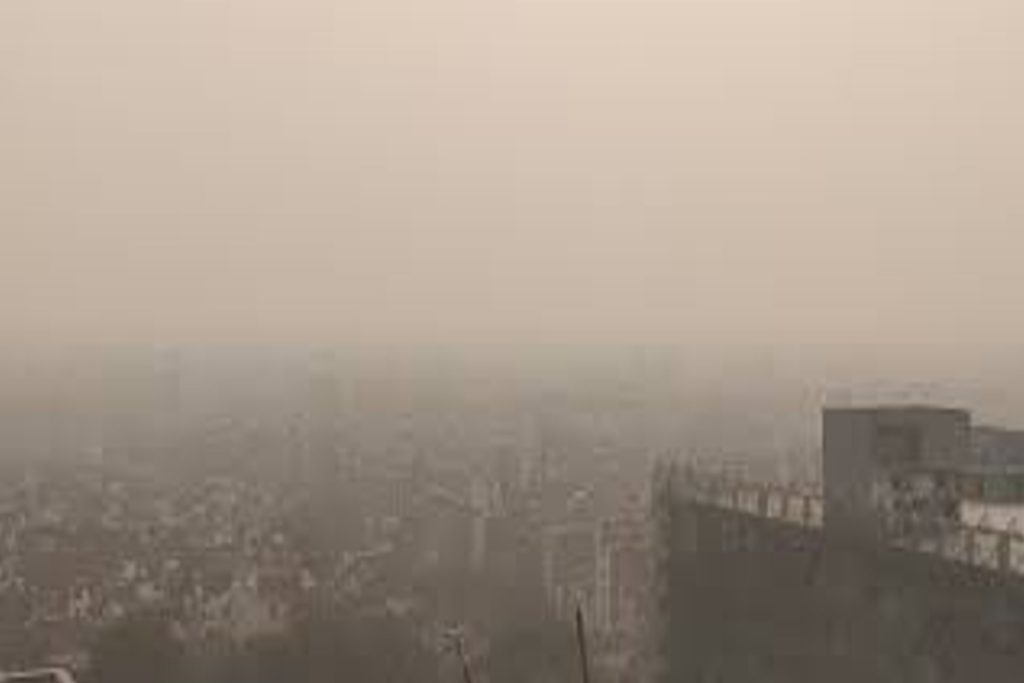
Air pollution and poor air quality are rising health risks in India, especially in urban centres.
These threats are causing increases in asthma and other chronic respiratory illnesses. Environmental NGOs and environmental organisations must therefore link air-quality management with public health and urban design.
This article reviews data on air pollution and asthma in India, and outlines actionable solutions for clean-breathing cities.
The Scale of Air Pollution in Indian Cities
India’s polluted urban air
Many Indian cities consistently rank among the most polluted in the world. According to a recent global air quality report, in 2024 several Indian cities featured among the top with highest annual PM2.5 concentrations.
In the last few years, large parts of India breached national ambient air quality standards. A satellite-based assessment found that about 60 per cent of India’s 749 districts violated the annual PM2.5 standard.
A 2025 report showed that 447 out of 749 districts crossed safe PM2.5 thresholds annually.
Health burden from outdoor air pollution
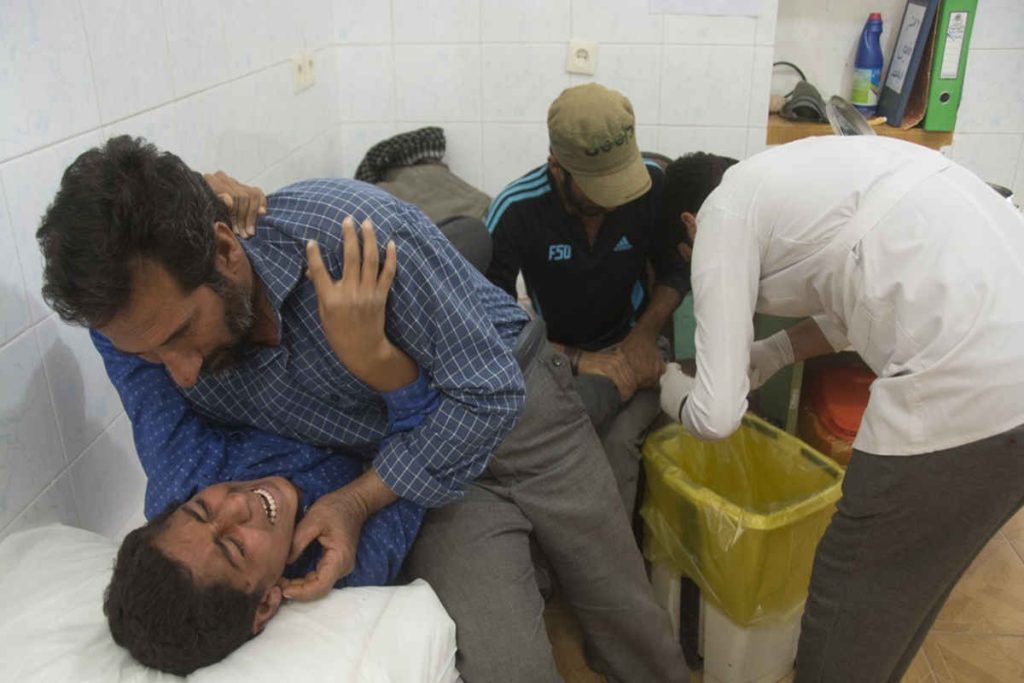
Long-term exposure to fine particulate matter (PM2.5) is linked to substantial disease burden worldwide. The global estimate for 2019 attributes about 4.14 million deaths to PM2.5 exposure.
In India, air pollution contributed to high mortality and disease burden. A recent analysis estimated that ambient air pollution caused nearly one million deaths in a given year.
The health burden includes lung diseases such as chronic obstructive pulmonary disease (COPD), acute and chronic respiratory infections, and also cardiovascular diseases.
Asthma and Chronic Respiratory Diseases in India
Asthma prevalence and burden
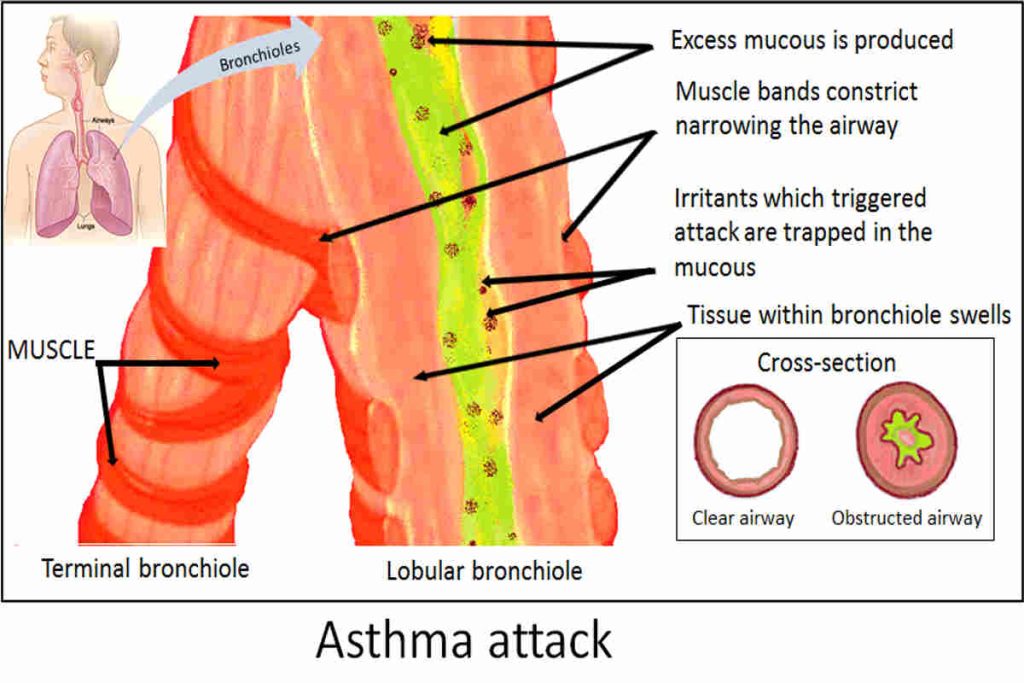
According to the 2019 global burden data, India had around 34.3 million people suffering from asthma.
Asthma in India accounts for a significantly higher share of mortality and DALYs (disability-adjusted life years) compared to global averages.
Air pollution is a recognized risk factor for triggering new asthma cases and aggravating existing conditions.
Air pollution’s link to asthma and respiratory illness
A recent global meta-analysis of around 25 million participants found that long-term exposure to PM2.5 is associated with a ~ 30 per cent increase in asthma risk for children and adults.
Another study estimated that globally 4.0 million new paediatric asthma cases each year could be attributable to NO₂ pollution, with most cases occurring in urban areas.
In India, ambient air pollution remains a leading environmental risk factor for chronic respiratory diseases, triggering exacerbations of asthma, COPD, and other conditions.
Why Urban Waste, Rivers and Planning Matter for Air Quality
Waste management and pollutant emissions
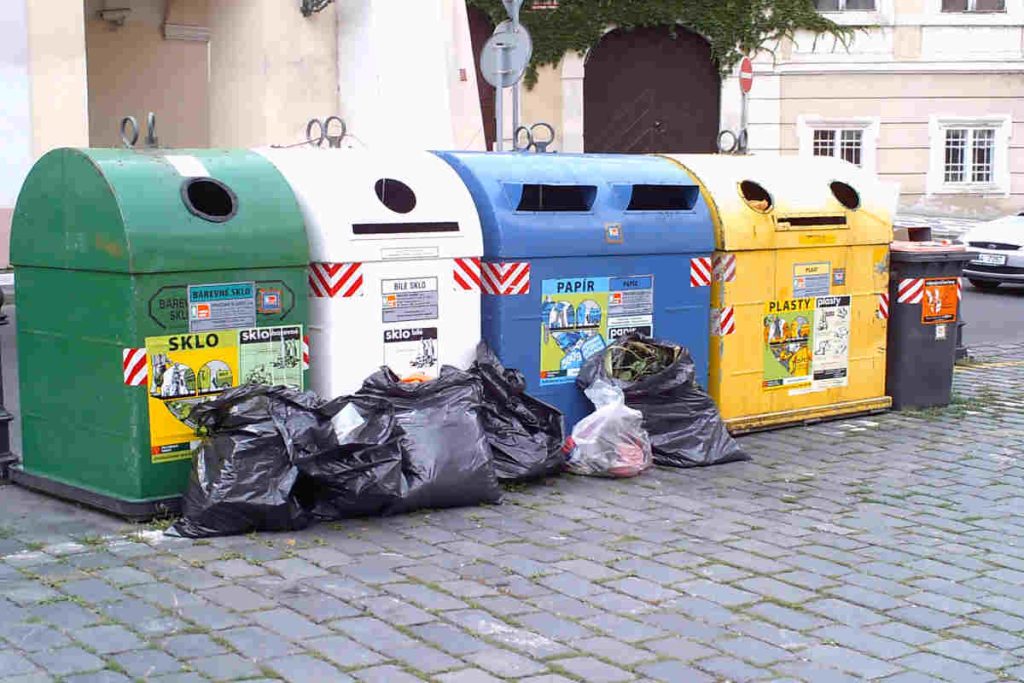
Poor waste management leads to open burning of waste, especially mixed household, plastic, and organic waste. This releases particulate matter, black carbon, and toxic gases.
These emissions contribute significantly to ambient PM2.5 concentrations and directly affect respiratory health.
According to the 2018 “Burden of Disease Attributable to Major Air Pollution Sources in India” report, a considerable fraction of air-pollution related health burden arises from solid fuel use and waste burning.
Urban airflow and city design
Dense urban layouts with narrow streets and high-rise buildings often restrict airflow. This limits dispersion of pollutants and results in poor air quality at ground level. Poorly planned cities with low green cover lose out on natural filtration through vegetation. Trees and green cover can trap and absorb pollutants, helping improve ambient air quality.
Indoor air and vulnerability
Indoor air pollution sources such as cooking fuels, dust, poor ventilation further add to respiratory risks. In households with inadequate ventilation, indoor pollution adds to outdoor exposure.
Combined indoor and outdoor pollution exposure increases risk of asthma, especially among children and vulnerable populations.
Urban Health Strategy: Integrated Solutions for Clean-Breathing Cities
Based on data and research, cities must adopt multi-pronged strategies to reduce air-pollution related health burdens.
1. Decentralised Waste Management and Reduced Open Burning
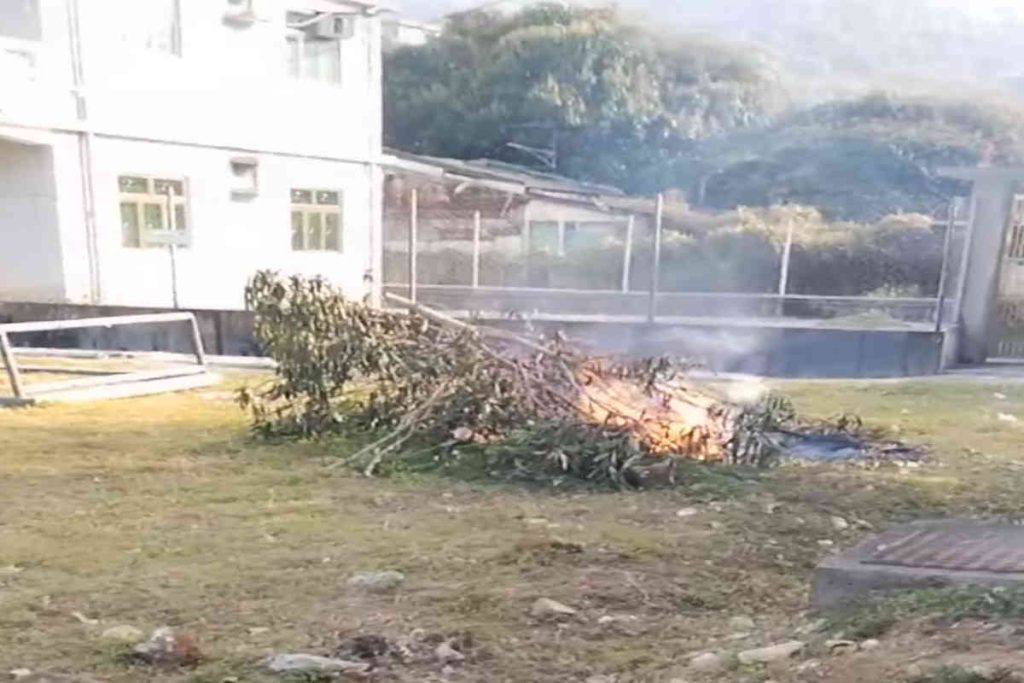
Establish local waste collection, segregation, composting, and material recovery facilities.
This avoids open burning of waste and reduces particulate matter and toxic emissions.
Communities trained in waste segregation help reduce volume of waste that ends up burning.
2. Increase Green Cover and Proper Urban Planning
Plant urban forests, green belts, and tree corridors.Design wide roads, allow building setbacks to improve airflow. Develop green roofs and vertical gardens in high-density zones.
3. Revive and Protect Rivers and Water Bodies
Prevent dumping of waste in rivers and drains to avoid gaseous emissions from sewage or decomposing waste.Clean riverbanks and maintain water flow to reduce stagnation and associated air and health risks.Protect riparian green zones to act as natural buffers and improve micro-climate.
4. Promote Clean and Low-Emission Mobility Systems
Encourage electric public transport, cycling lanes, pedestrian-friendly streets.Implement low-emission zones near schools, hospitals, residential areas.Reduce vehicular emissions that contribute heavily to urban PM2.5.
5. Deploy Dense Air Quality Monitoring Network
Install both fixed and community-based air quality monitors to capture real-time data across neighbourhoods. Use data to identify pollution hotspots and inform targeted interventions. Publish data openly to raise awareness and enable community participation.
6. Community Education and Health-Sensitive Urban Zoning
Raise awareness about risks of air pollution and asthma triggers.Advocate for zoning laws that prevent polluting activities near vulnerable institutions (schools, hospitals, old-age homes). Include master-planning for low-income and informal settlements to ensure equitable access to clean air and safe living environment.
Why India Needs Integrated Environmental-Health Governance
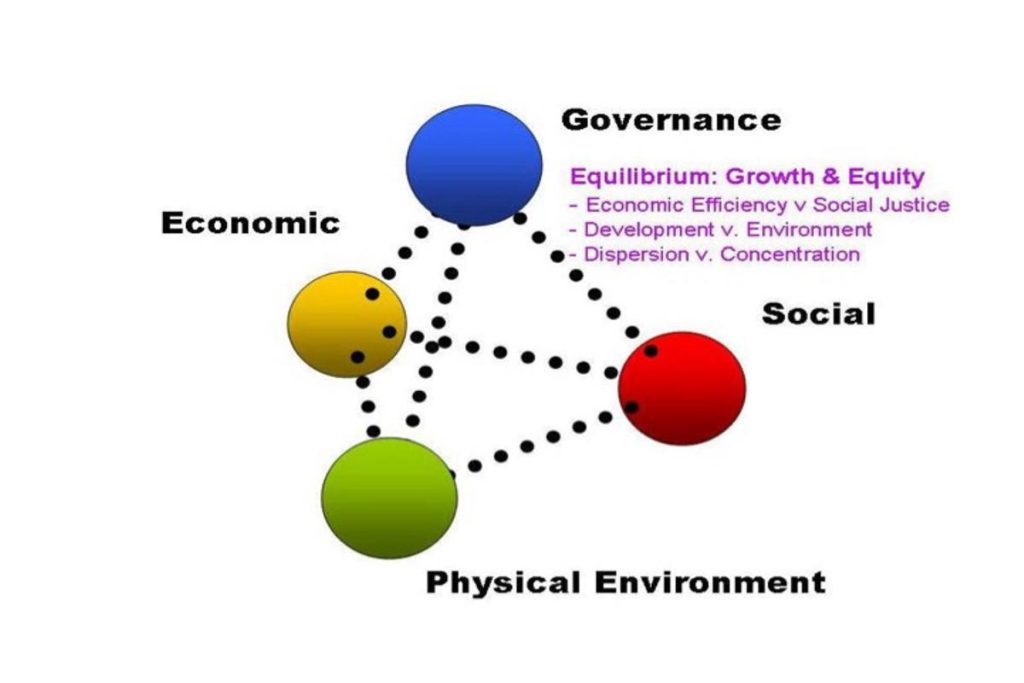
The data clearly shows that air pollution is not only an environmental issue; it is a public health crisis.Urban governance, waste management, river restoration, mobility planning, and public health must converge in an integrated ESG-driven framework.
Corporate social responsibility (CSR) spending and environmental social governance (ESG) models must evolve to include air quality, urban health, and sustainable community design as core metrics.Environmental organisations and NGOs can partner with governments, private sector and local communities to implement scalable solutions.
Challenges and Gaps
Some of the important challenges include:Uneven monitoring coverage in cities, leading to data gaps.
Lack of coordination between municipal waste, water, transport, and health departments.
Limited public awareness about health risks from air pollution and indoor pollutants.
Socio-economic inequalities: low-income communities often live closer to pollution sources and lack clean infrastructure.
Limited green cover and open spaces in high-density urban areas.
These gaps require urgent attention from policy makers, urban planners, civil society, and the private sector.
Role of NGOs and Environmental Organisations
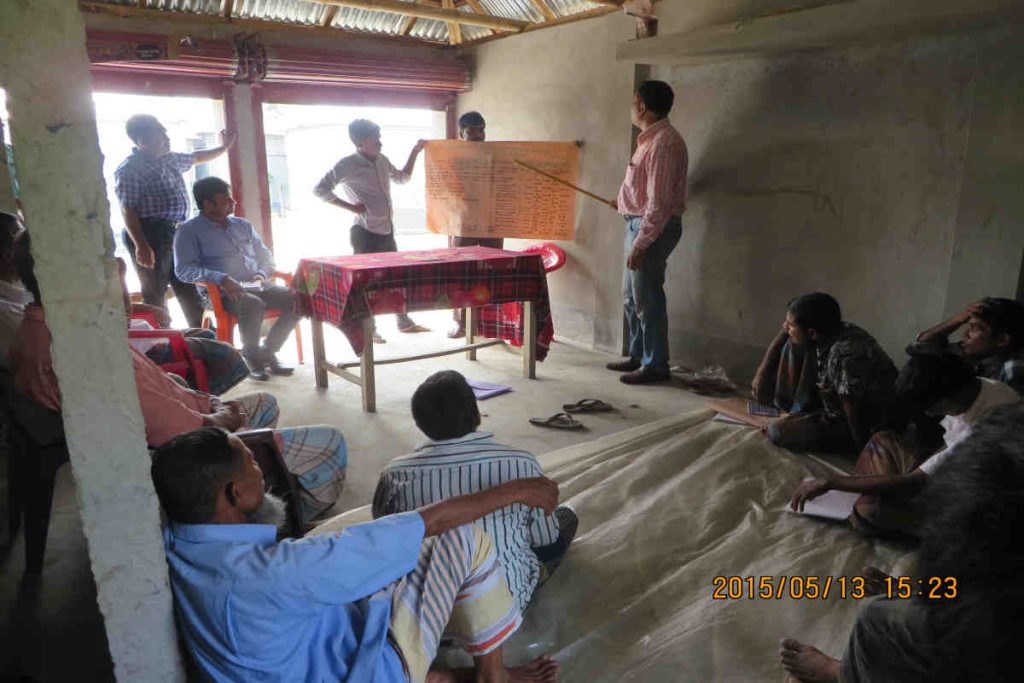
Environmental NGOs in India have a critical role to play. Through advocacy, community mobilisation, and project implementation they can:
Run decentralised waste management, recycling, composting at neighbourhood level.
Lead river-cleaning, water-body restoration, and riparian greening.
Promote urban afforestation and green-space planning.
Engage citizens in monitoring air quality, mapping pollution hotspots, and creating awareness.
Collaborate with local governments and corporates under CSR/ESG frameworks to scale up impact.
Summary
Clean air is foundational for healthy cities and a healthy population. Air pollution, asthma and chronic respiratory diseases are not just environmental problems but urgent public health crises.
An integrated strategy combining waste management, river restoration, green infrastructure, clean mobility, monitoring and community engagement is essential. Environmental NGOs, environmental organisations, governments, corporates and communities must collaborate under ESG and CSR frameworks.
India must prioritize clean-breathing cities. The stakes for public health, climate resilience and social equity are high. Now is the time for sustainable, evidence-driven urban transformation.
20 FAQs: Air Quality, Asthma and Urban Health in India: Designing Cities for Clean Breathing
What makes India’s urban air pollution so severe?
Many Indian cities exceed national PM2.5 limits because of traffic emissions, waste burning, industries, and poor ventilation in dense neighbourhoods.Satellite-based assessments show that a majority of districts exceed the annual PM2.5 standard. Urban design and climatic conditions further trap pollutants near the ground.
How does PM2.5 affect human health?
PM2.5 particles enter deep into the lungs and bloodstream.They cause inflammation, respiratory illness, and heart disease.Long-term exposure increases the risk of asthma and chronic lung damage.
How many asthma patients are there in India?
India has more than 34 million asthma patients according to global burden data. Asthma contributes significantly to disability and mortality in the country. Poor air quality is a major trigger for worsening symptoms.
Does air pollution cause asthma?
Yes. Meta-analyses show that long-term PM2.5 exposure increases asthma risk by nearly 30 percent.Nitrogen dioxide from traffic is linked to millions of new paediatric asthma cases globally.Urban populations face the highest exposure levels.
What are the biggest sources of air pollution in Indian cities?
Traffic emissions, open waste burning, construction dust, industry, and diesel generators are major contributors. Stagnant wastewater and landfills also release harmful gases. Low green cover makes pollution levels rise faster.
Why is open waste burning harmful?
Burning mixed waste releases PM2.5, black carbon, and toxic chemicals. It is a major cause of localised pollution spikes in many Indian cities. Reducing burning is essential for better respiratory health.
How do polluted rivers affect air quality?
Decomposing waste in rivers releases methane, ammonia, and foul gases. These emissions irritate the respiratory system and worsen asthma. Cleaning water bodies helps reduce airborne pollutants.
Can urban design improve air quality?
Yes. Wider streets, better airflow, and green buffers reduce pollution concentration. Cities with higher tree cover naturally filter dust and chemicals. Good planning protects residents from daily exposure.
Why are children more vulnerable to pollution?
Children breathe faster and inhale more air relative to body weight. Their lungs are still developing and are more sensitive to toxins. Living near busy roads increases asthma risk significantly.
What is a Clean Air Zone?
It is a neighbourhood where pollution sources are reduced or controlled.These zones include waste management units, green corridors, and safe mobility routes. They help improve local air quality and protect vulnerable residents.
Why are air quality monitoring networks important?
More sensors give accurate, localised pollution data. Cities can identify hotspots and target interventions effectively.Public access to data increases awareness and accountability.
How does indoor air pollution affect asthma?
Dust, biomass smoke, cleaning chemicals, and poor ventilation raise indoor pollution. Indoor exposure combined with outdoor pollution worsens respiratory risks. Homes, schools, and offices must improve airflow and reduce contaminants.
What is the role of green spaces in clean air?
Trees filter particulate matter and absorb harmful gases. Green belts improve ventilation and reduce heat islands. They act as natural protection zones for public health.
How does transport planning affect air quality?
Road congestion and diesel vehicles create high NO₂ and PM2.5 levels. Cities need clean mobility, electric public transport, and cycling infrastructure. Low-emission zones protect residents near schools and hospitals.
Why is river restoration important for urban health?
Clean rivers reduce gas emissions from decomposing waste. Healthy water bodies improve micro-climates and city ventilation.Restoration reduces respiratory irritants and improves well-being.
How can communities help reduce pollution?
Communities can segregate waste, avoid burning trash, and monitor air quality. They can plant trees, report illegal dumping, and promote clean mobility. Local action significantly improves neighbourhood air.
What urban groups are most vulnerable?
Children, elderly people, and low-income communities face the highest exposure. They often live closer to pollution sources with fewer protective measures. Urban planning must prioritise these groups.
How do CSR and ESG contribute to air quality improvement?
Companies fund projects on monitoring, greening, and waste management. ESG frameworks now include air-quality indicators and public health metrics. CSR partnerships help scale environmental solutions across cities.
What long-term strategies can cities adopt for clean air?
Decentralised waste systems, clean transport, green corridors, and air monitoring networks. River restoration and zoning laws that protect vulnerable areas. Community education that drives behavioural change.
What can individuals do to protect themselves in polluted cities?
Avoid waste burning, improve ventilation at home, and reduce vehicle use. Use masks during high-pollution days and monitor local air data. Participate in local environmental programs and community initiatives.
Join the Movement for Clean Breathing Cities
Clean air must become a shared priority across communities, institutions, and city systems.
Air pollution and rising asthma cases show that urban health and environmental management are deeply connected. Sustainable cities can only be built when waste systems, mobility, river restoration, and green infrastructure work together.
Every citizen, organisation, and CSR team has the power to improve air quality through collective action.Support decentralised waste solutions, participate in local clean-air initiatives, and engage in community education.Advocate for greener urban spaces, cleaner transport, and evidence-based planning.
Join Earth5R and work with environmental organisations, governments, and citizens across India to build clean-breathing neighbourhoods.Together we can create cities where every family has access to safe air, healthy spaces, and a more sustainable future.
Authored by-Sneha Reji