
River Cleanup & Waste Segregation Across All Sectors
A decade of community-led environmental restoration at Powai Lake (Mumbai) and Mula Mutha River (Pune) — demonstrating measurable ESG impact across environmental, social, and economic dimensions.
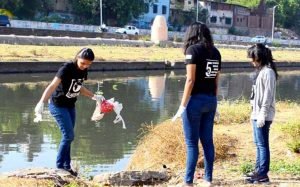
Powai Lake Cleanup & Waste Segregation Program
The Issue
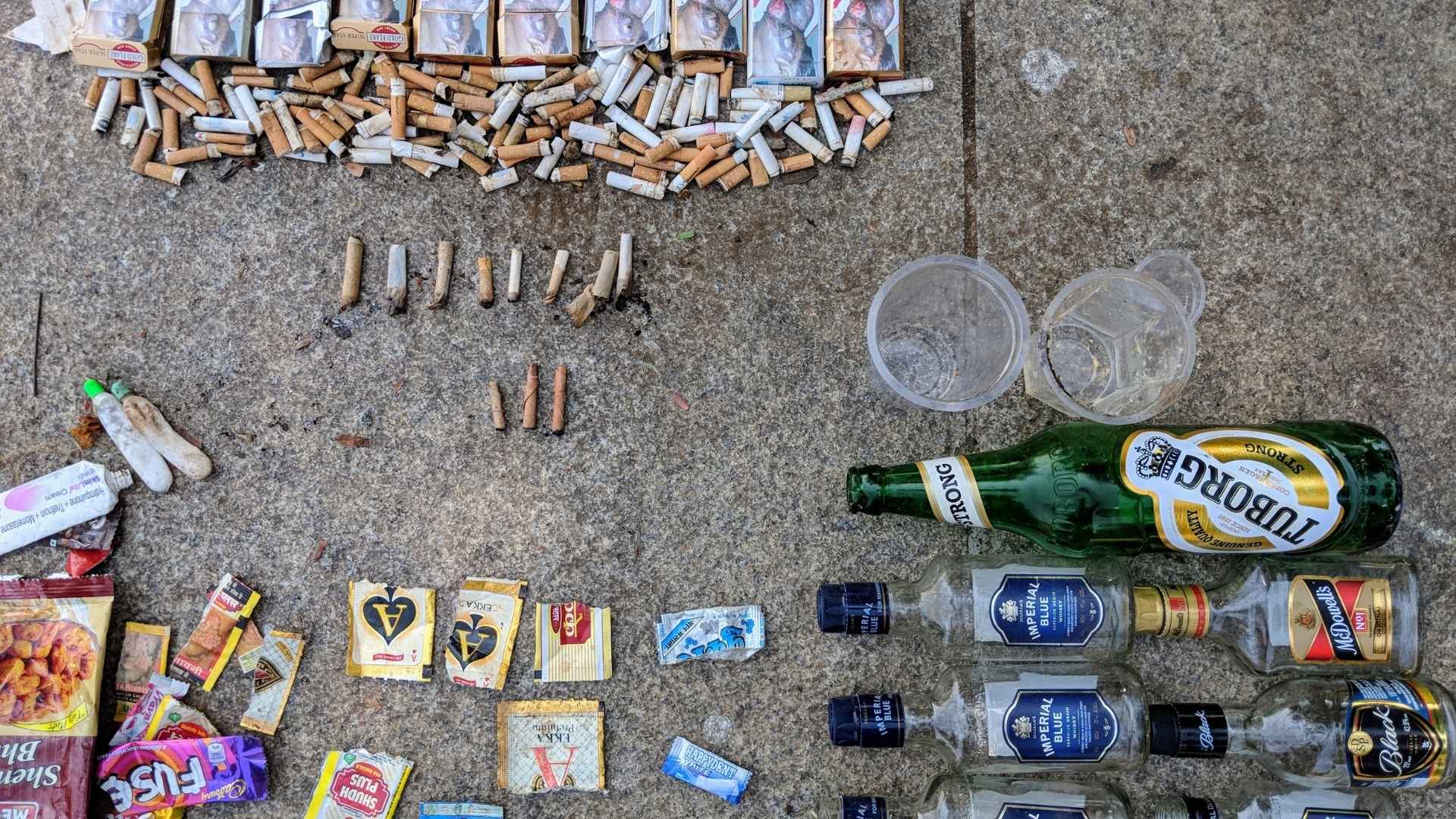
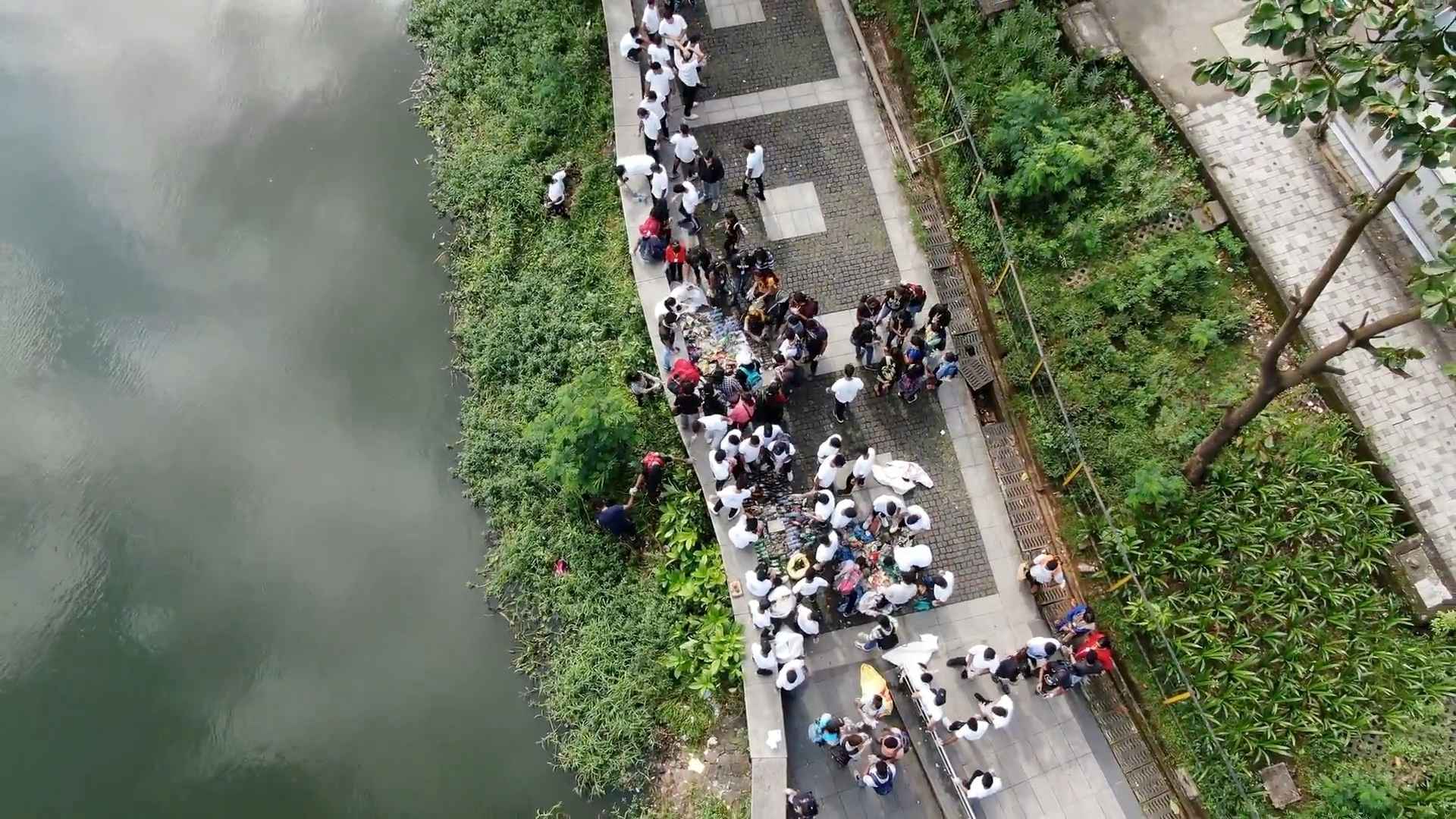
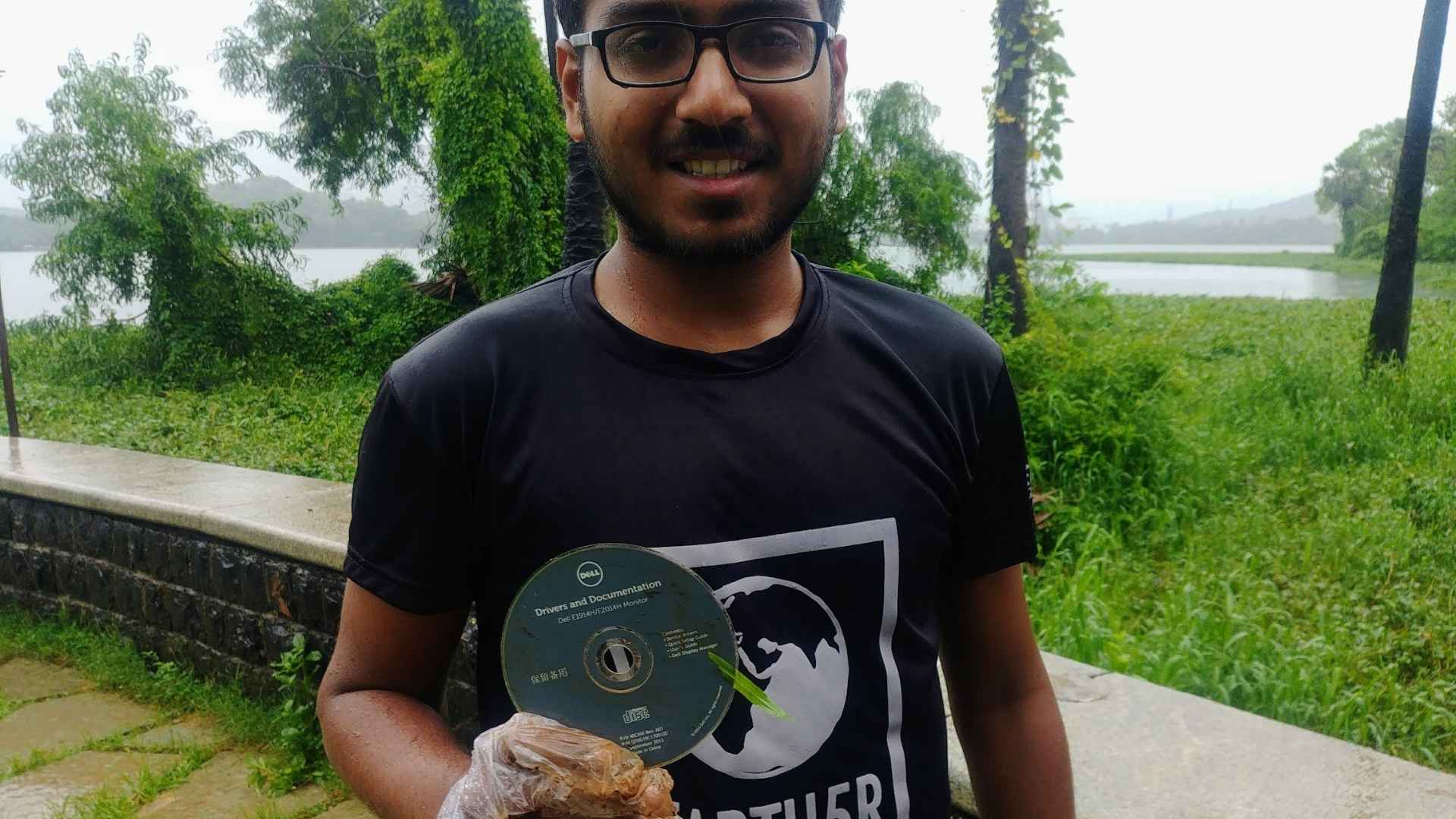
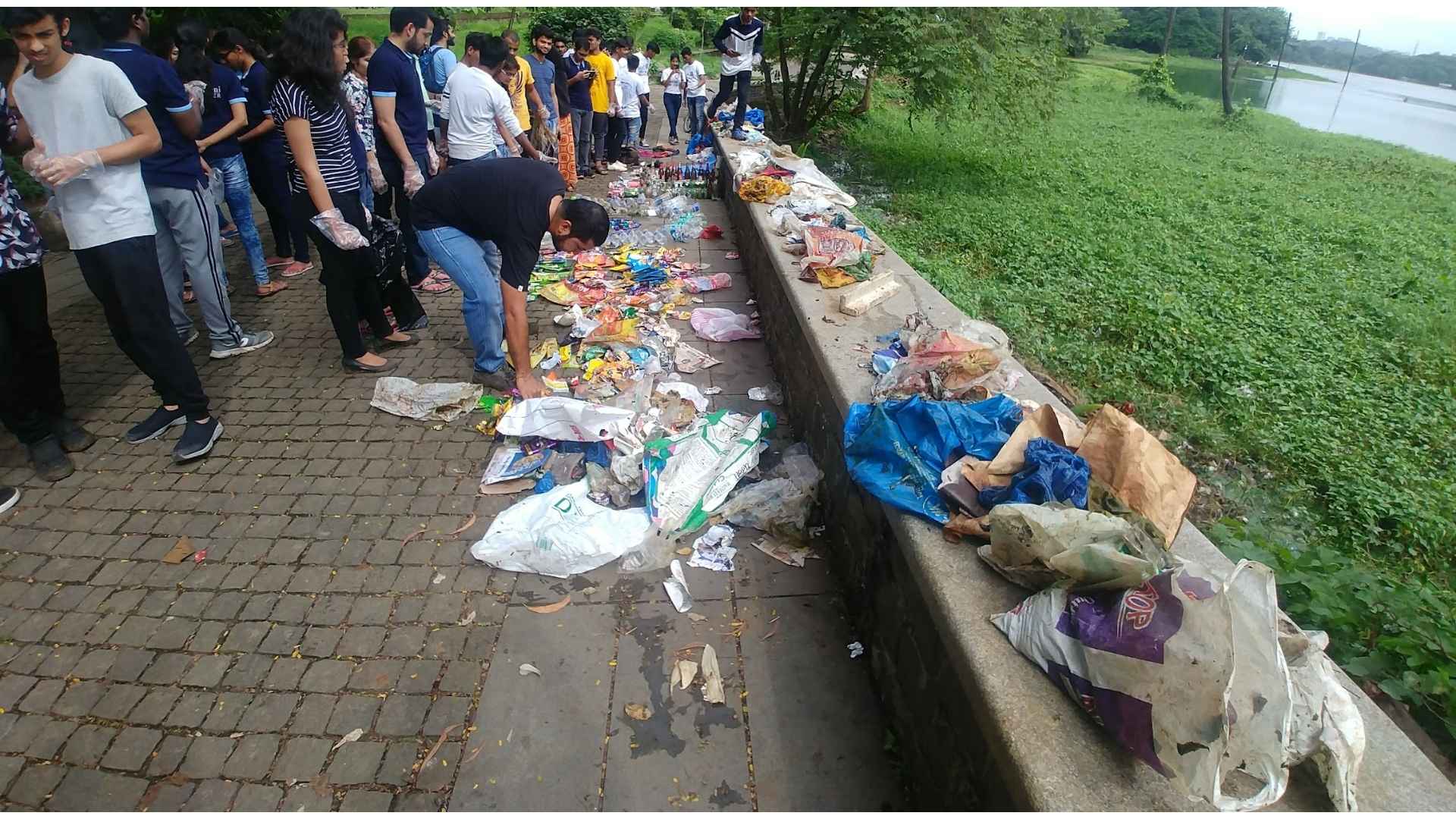
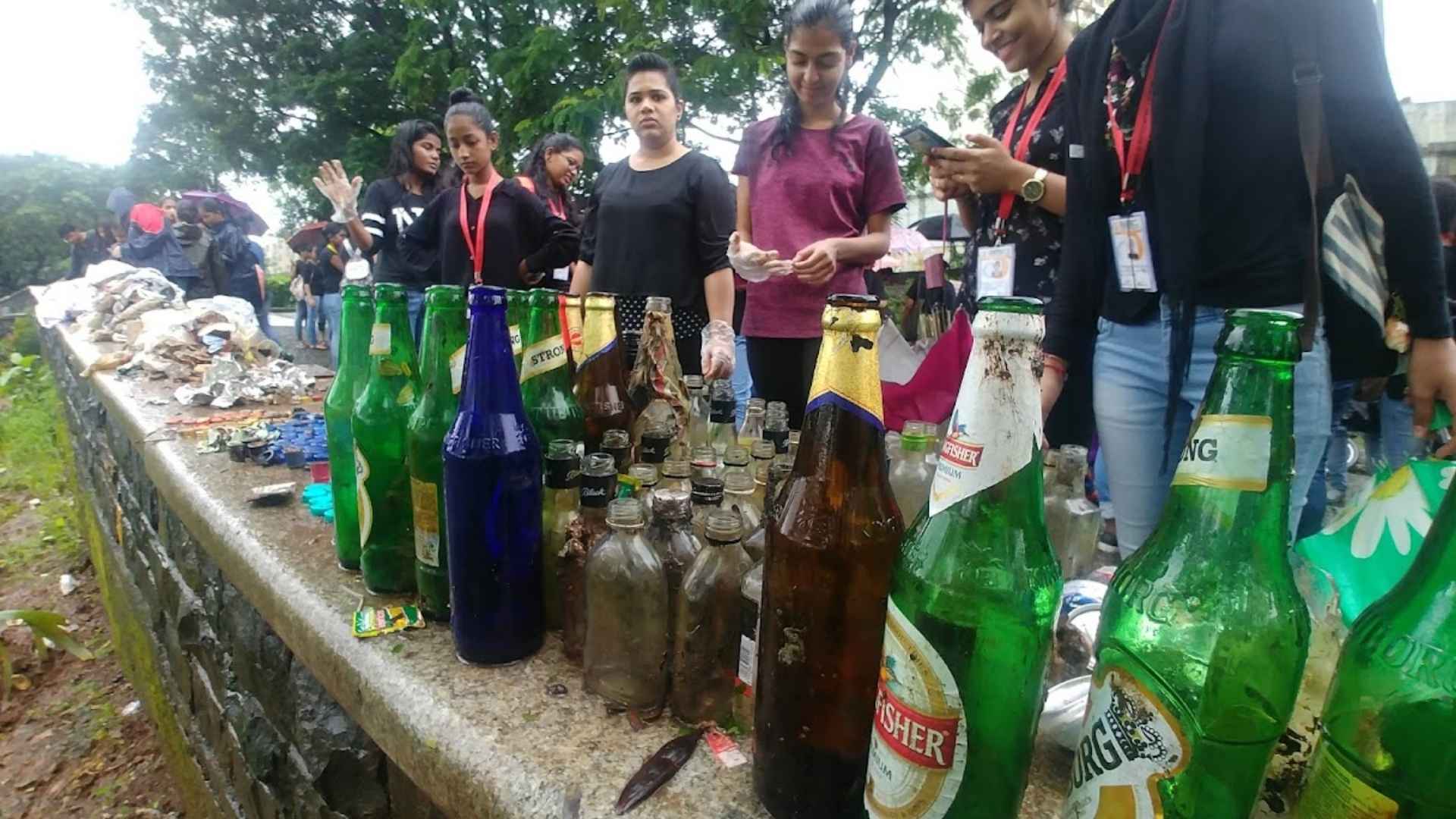
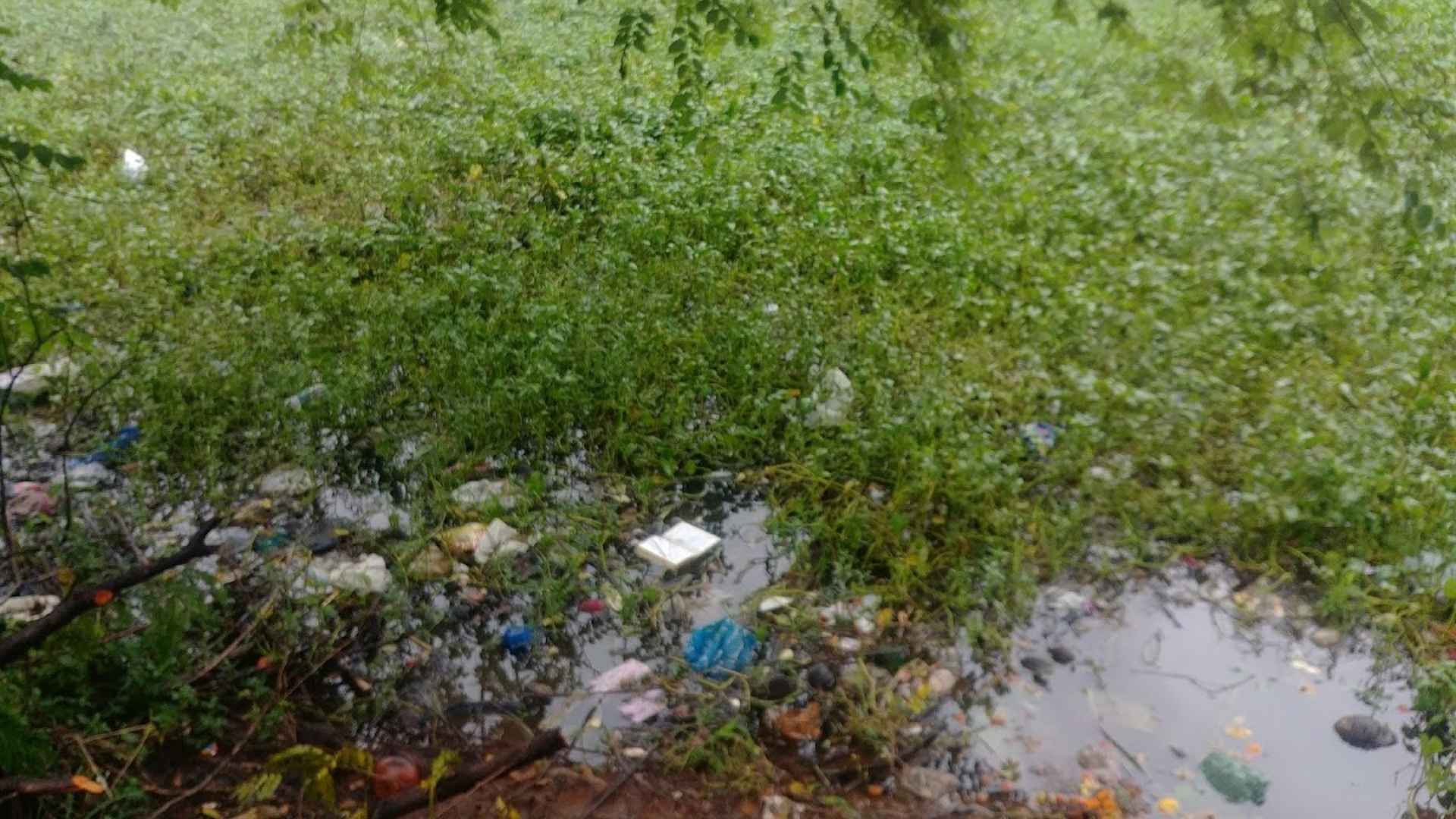
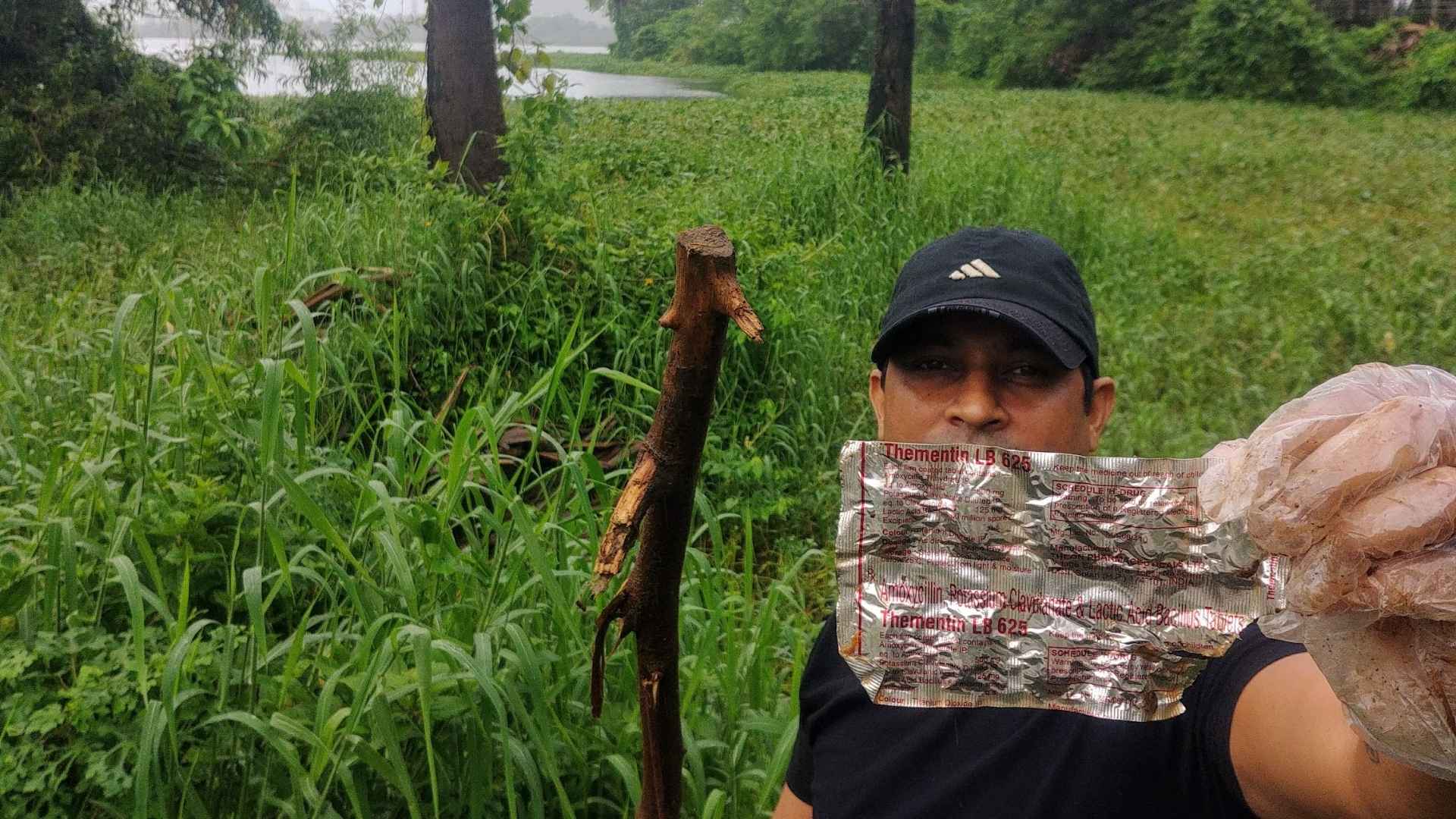
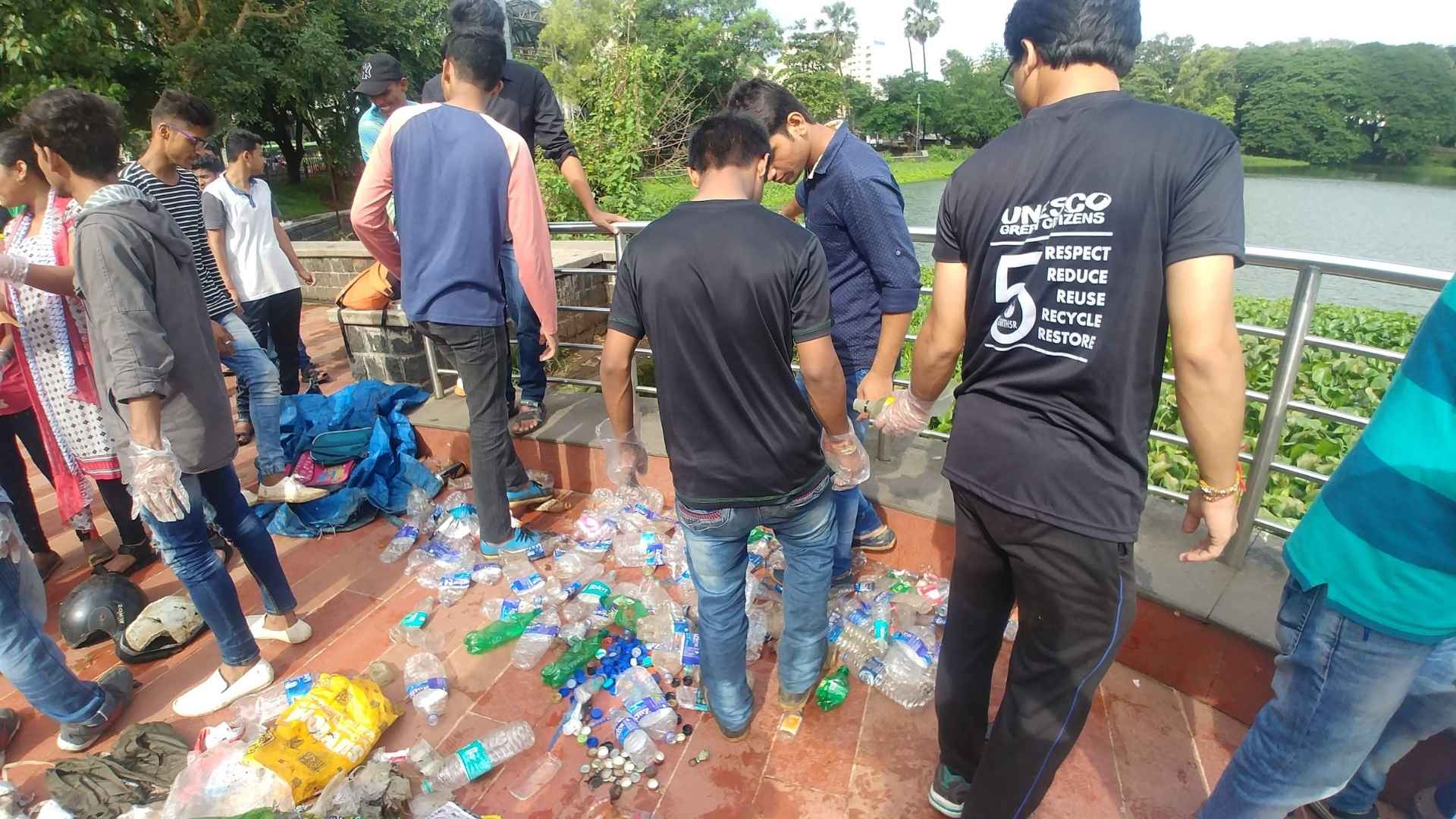
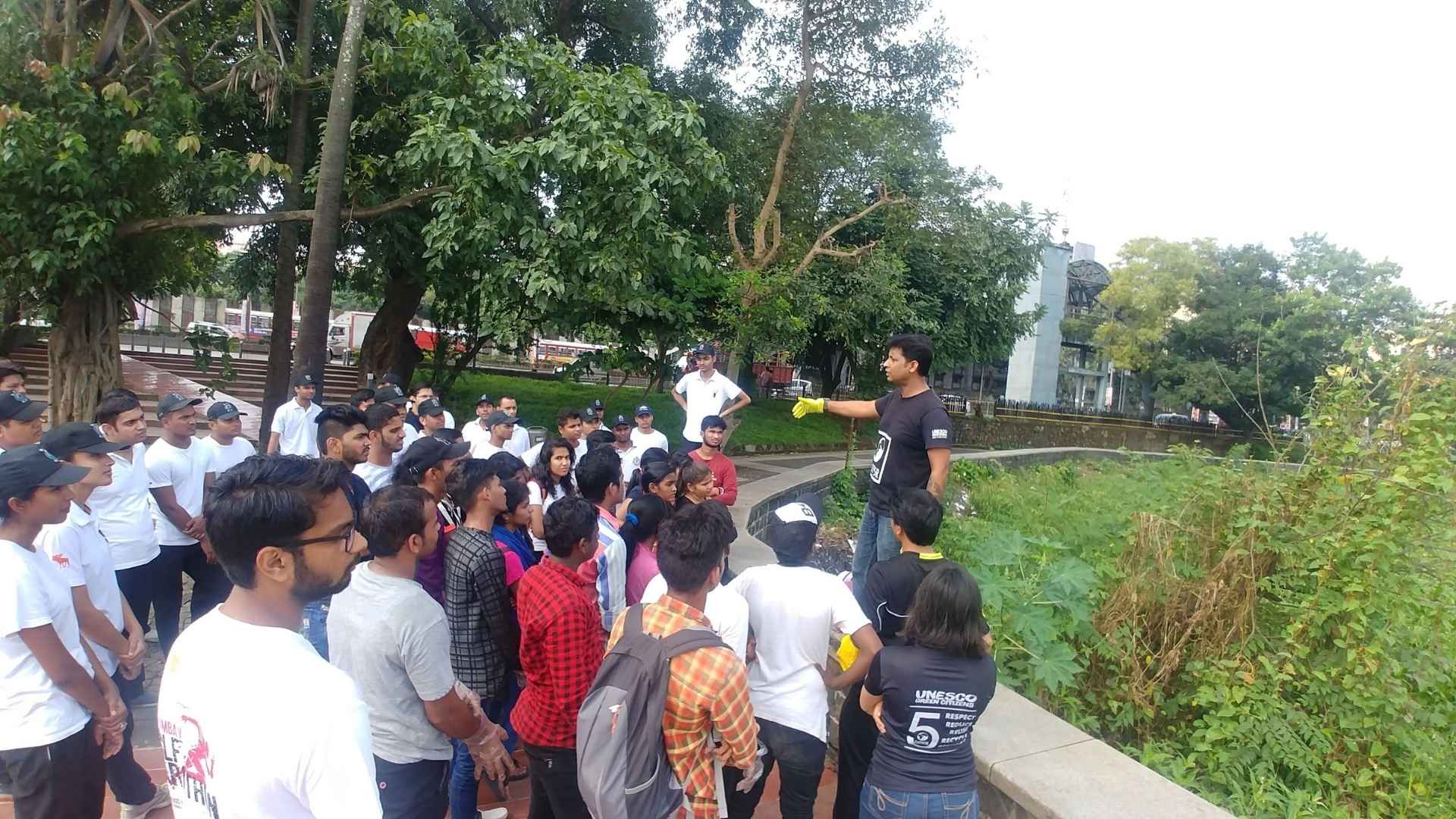
Powai Lake, a crucial urban ecosystem in Mumbai, is located in a special economic zone surrounded by high-density residential areas, colleges, and influential companies. The lake receives around half a ton of waste every day — single-use plastics, metal cans, glass bottles, electronic waste, and even medical waste.
This accumulation not only causes severe water pollution but also negatively impacts the livelihood of people dependent on the lake. The challenge was multi-dimensional: engaging the local community, creating corporate awareness, and establishing a circular and sustainable approach to waste management that would endure beyond individual cleanup events.
Without intervention, the lake's ecosystem faced irreversible damage — affecting biodiversity, water quality, public health, and the economic value of the surrounding areas.
Earth5R's Comprehensive Solution
Earth5R designed a four-component strategy that combined consistent on-ground action, economic incentives for local waste workers, data-driven awareness campaigns, and corporate partnership models:
Weekly Cleanup Drives — 208 Sundays
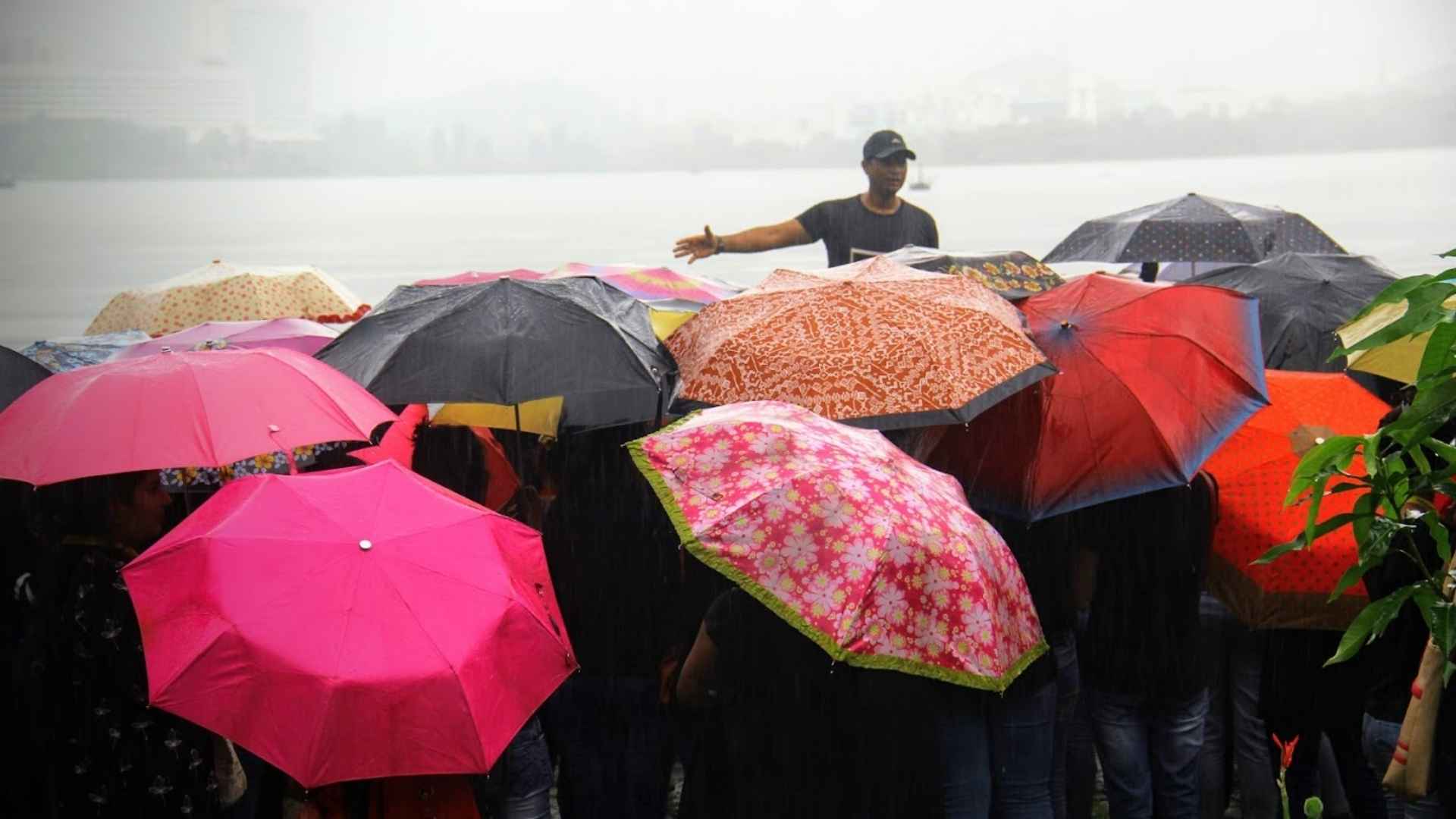
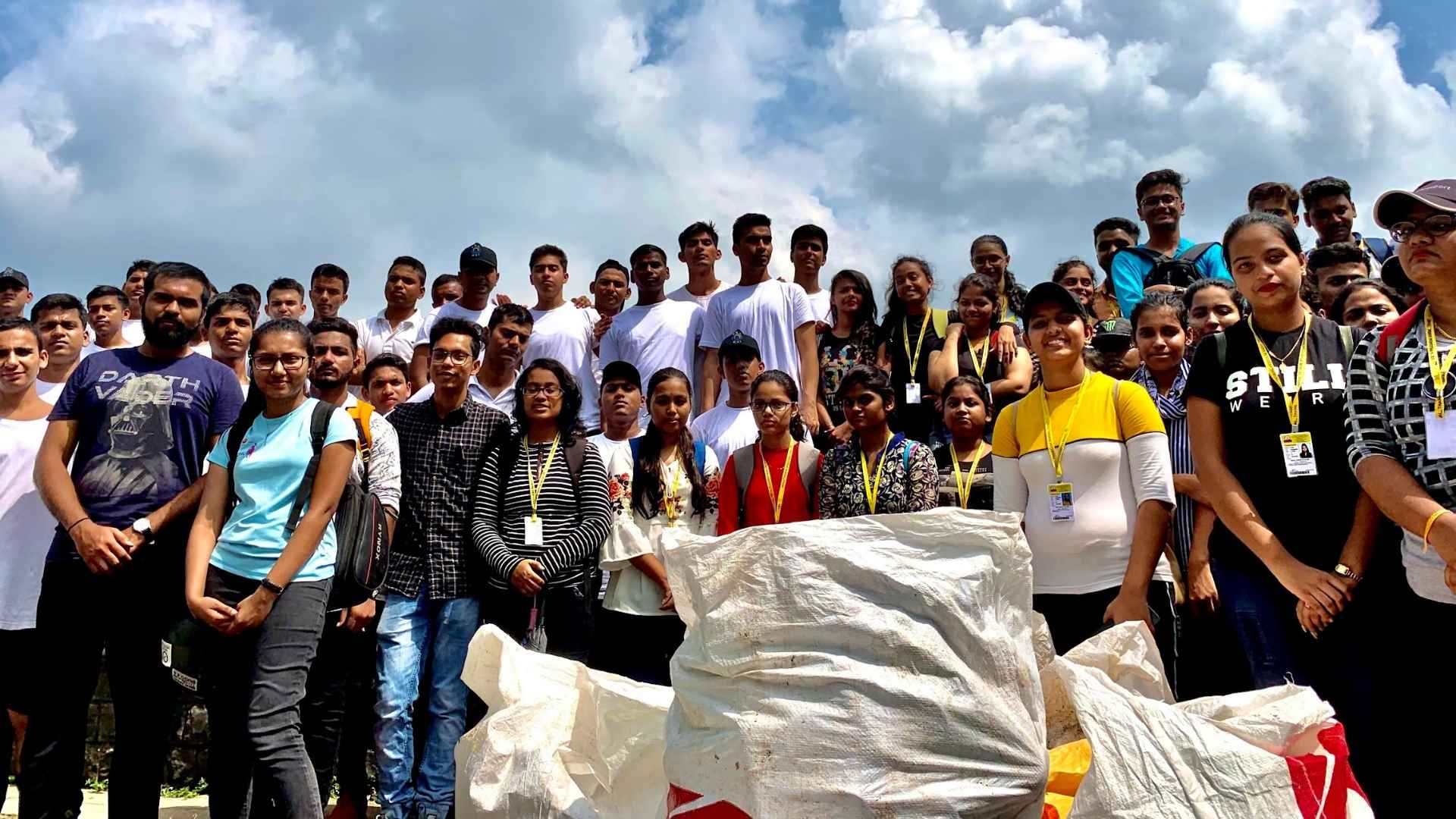
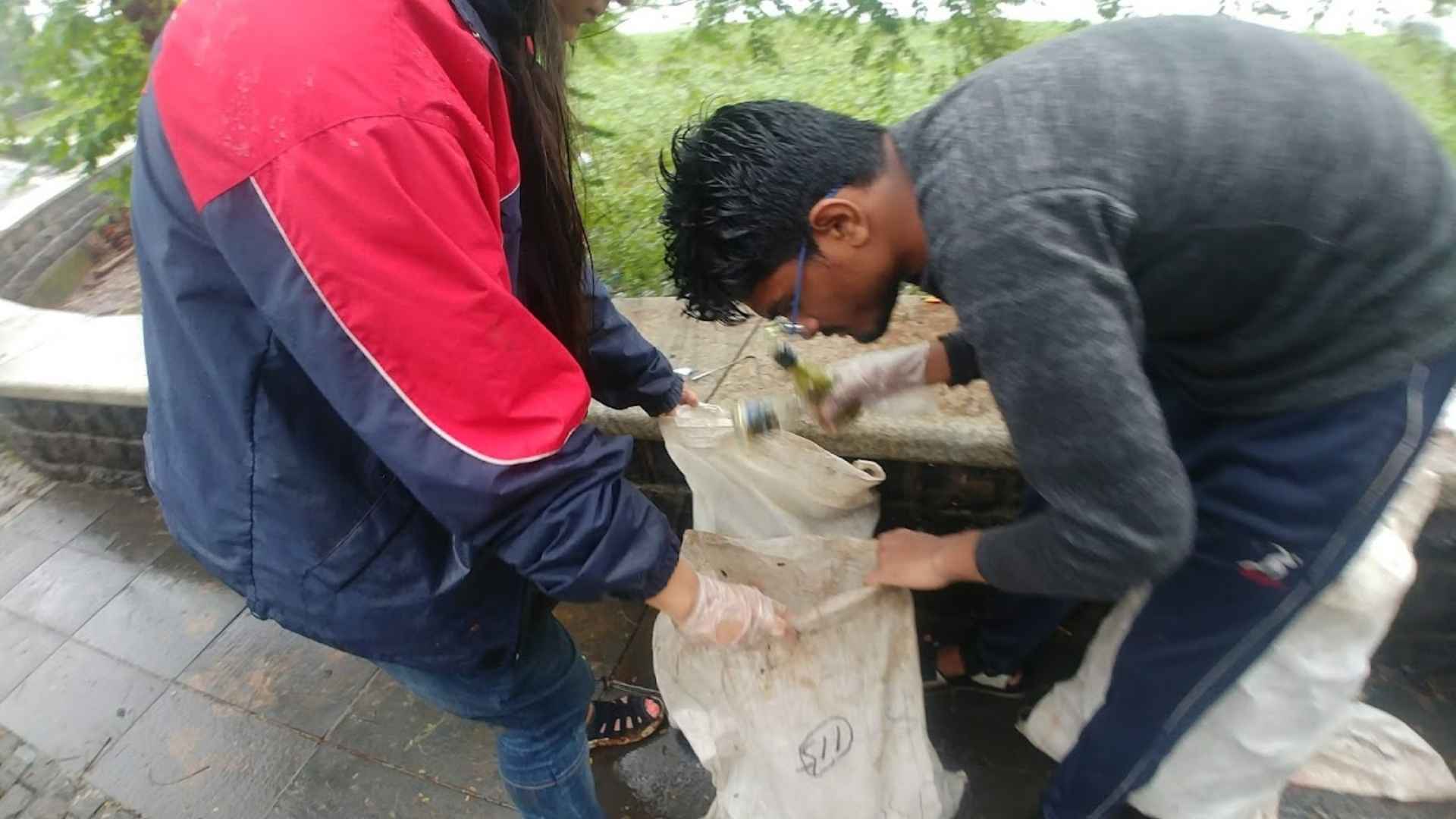
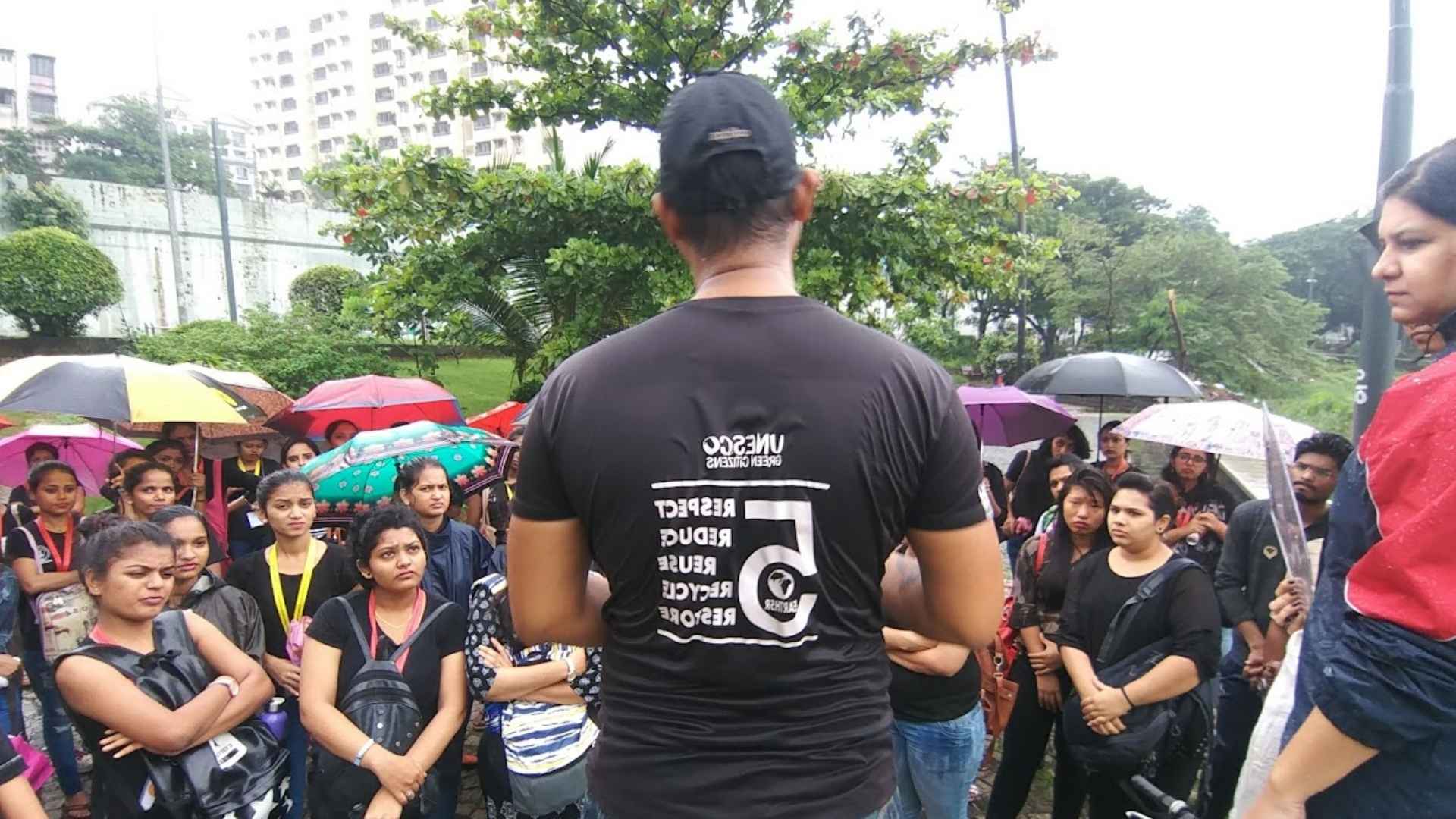
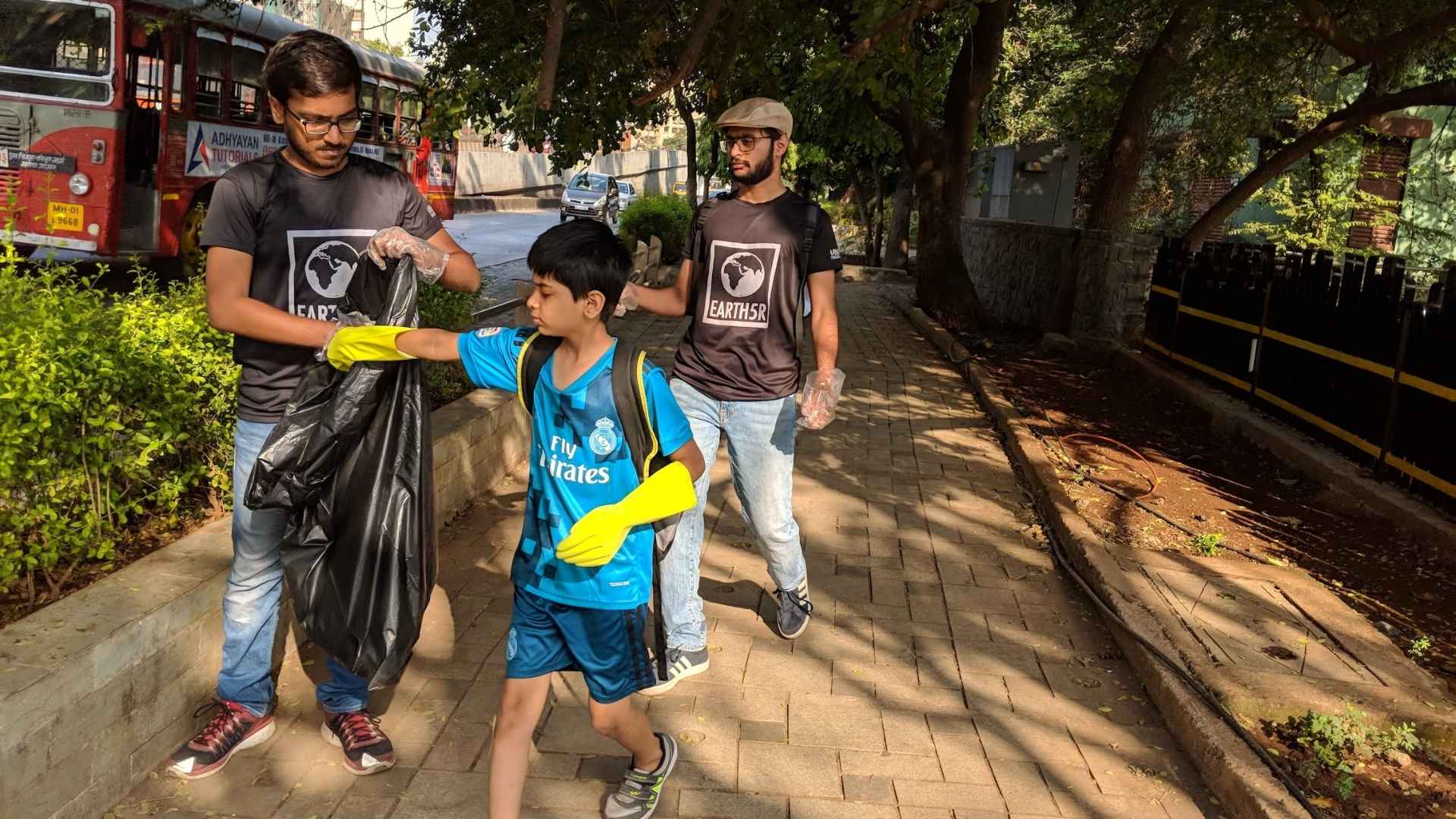
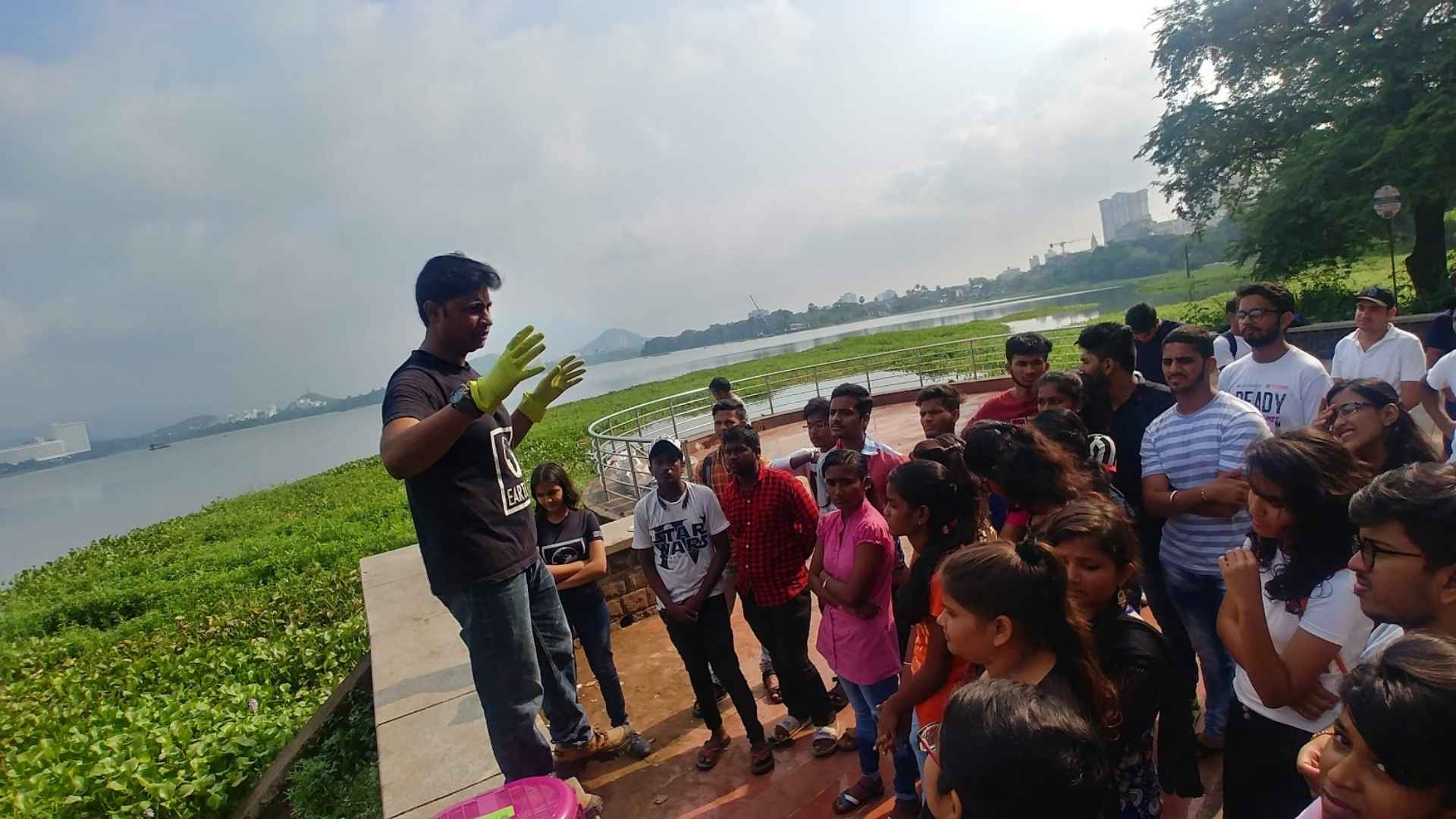
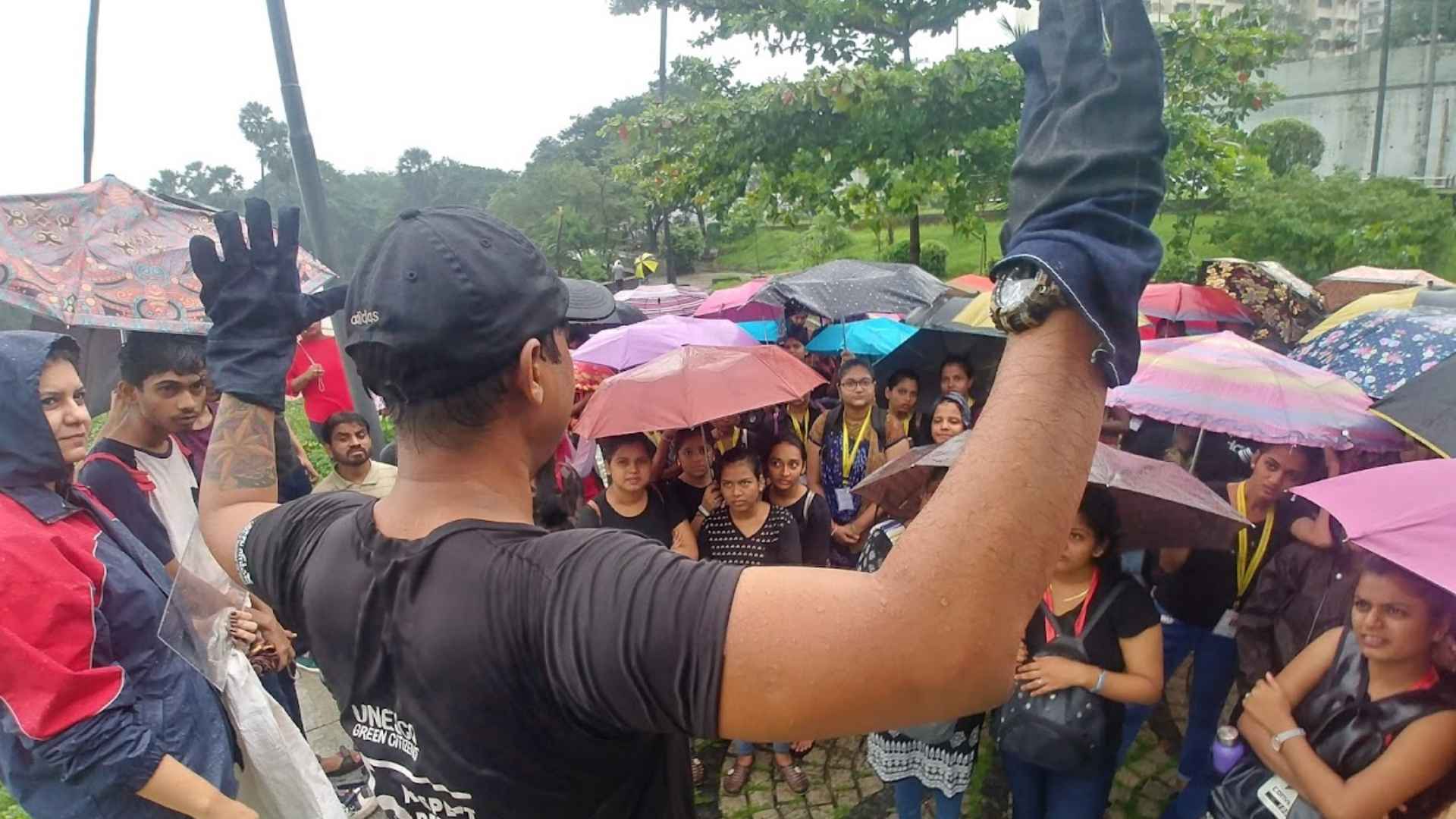
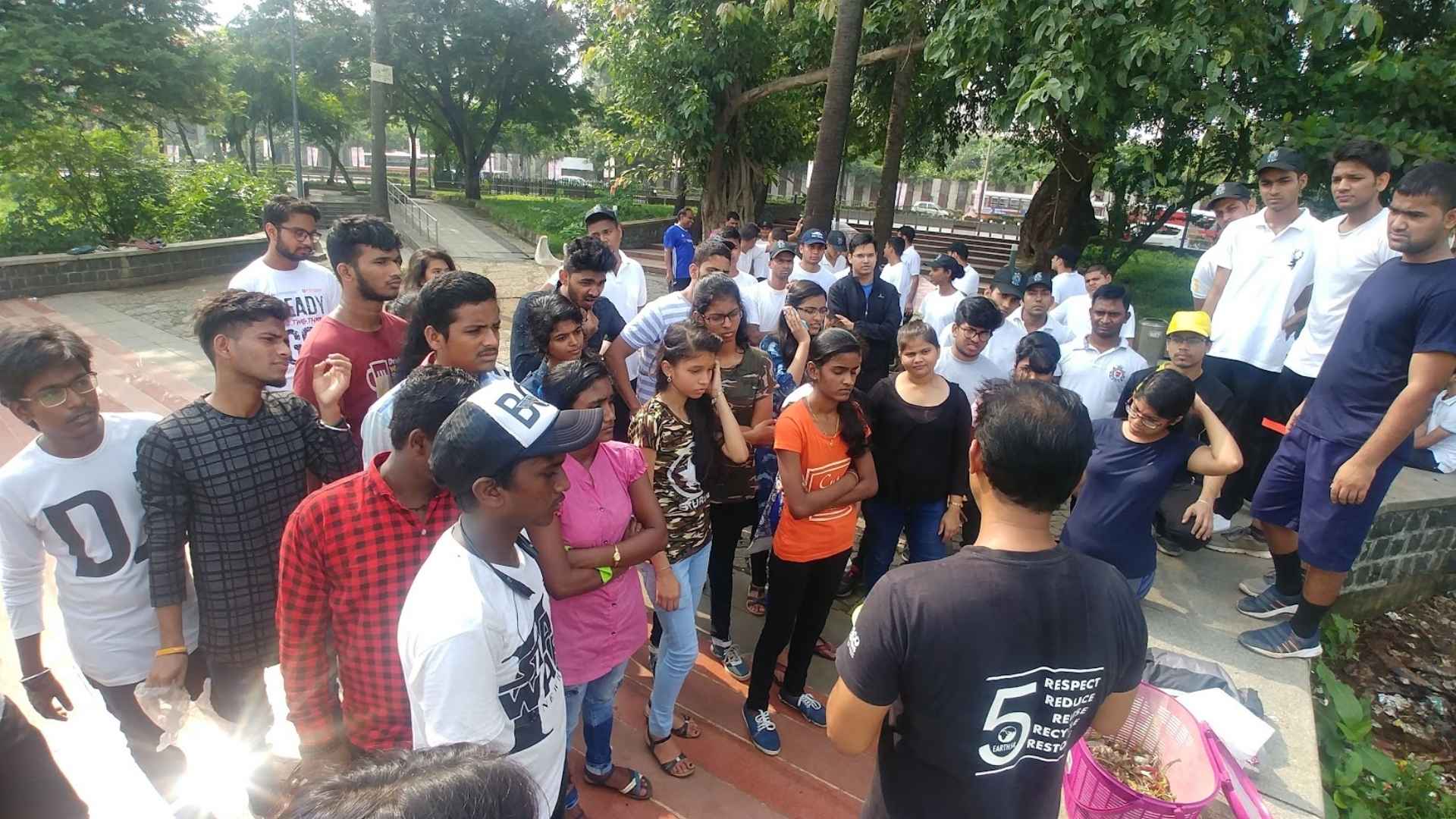
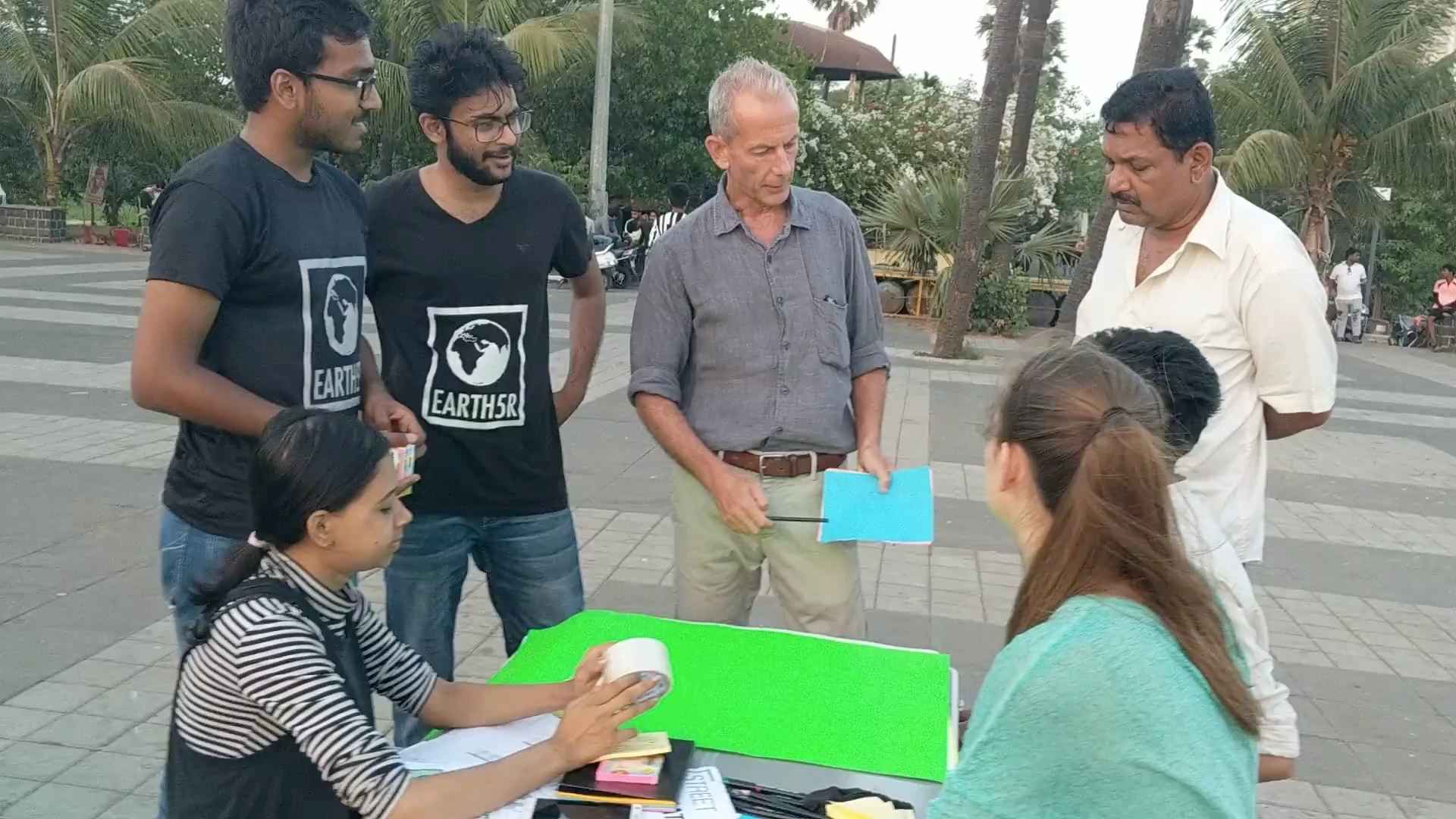
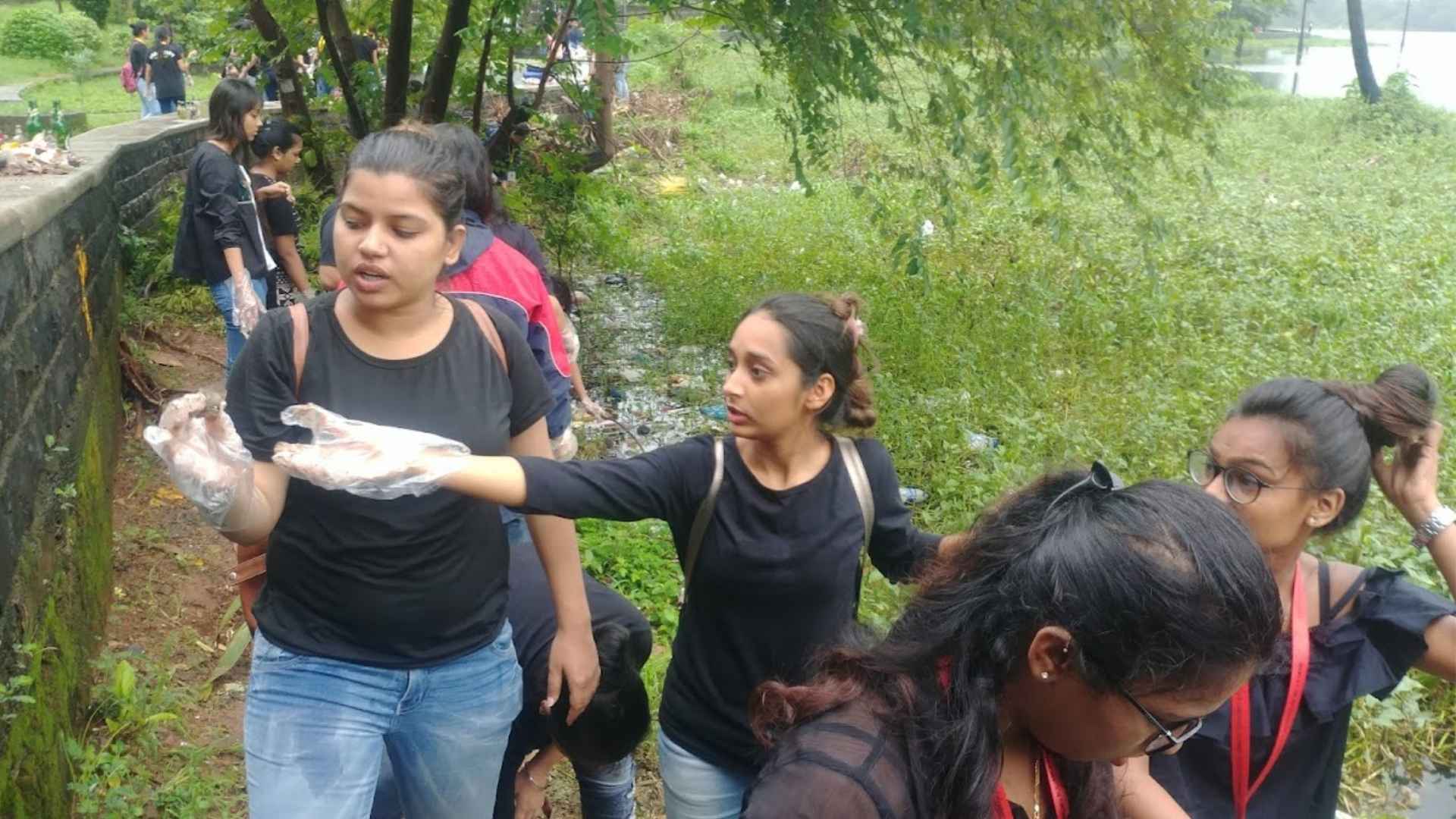
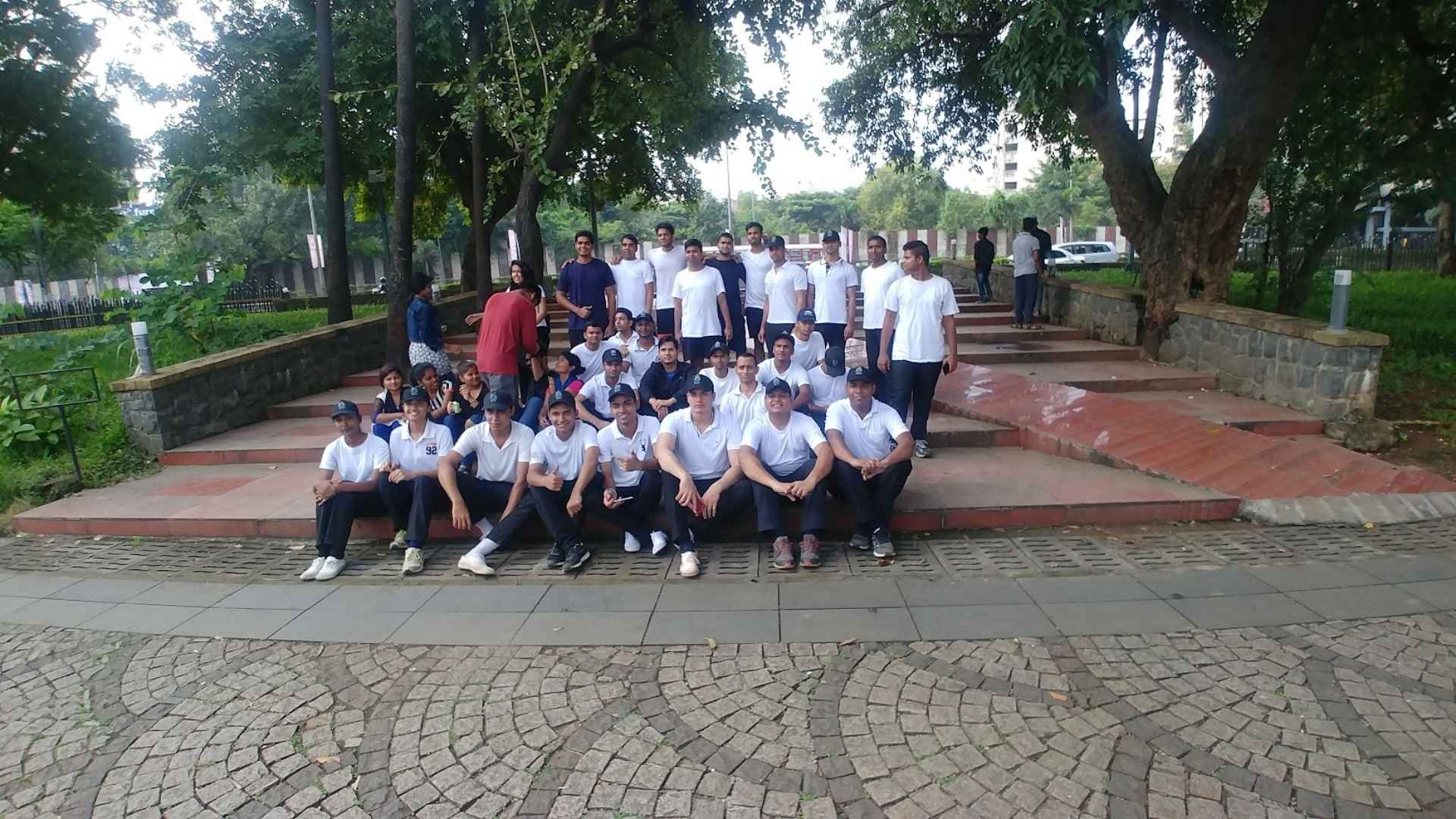
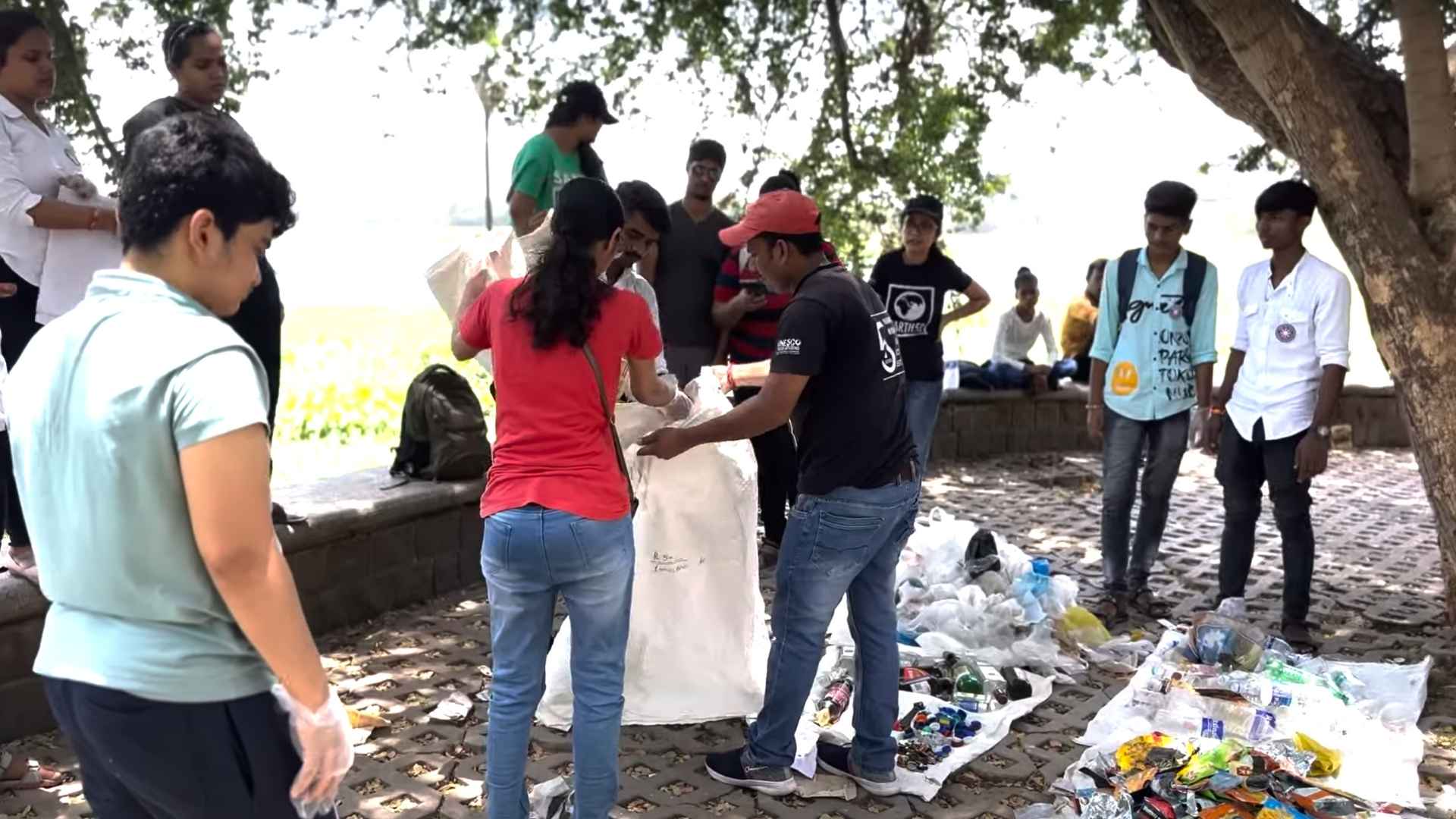
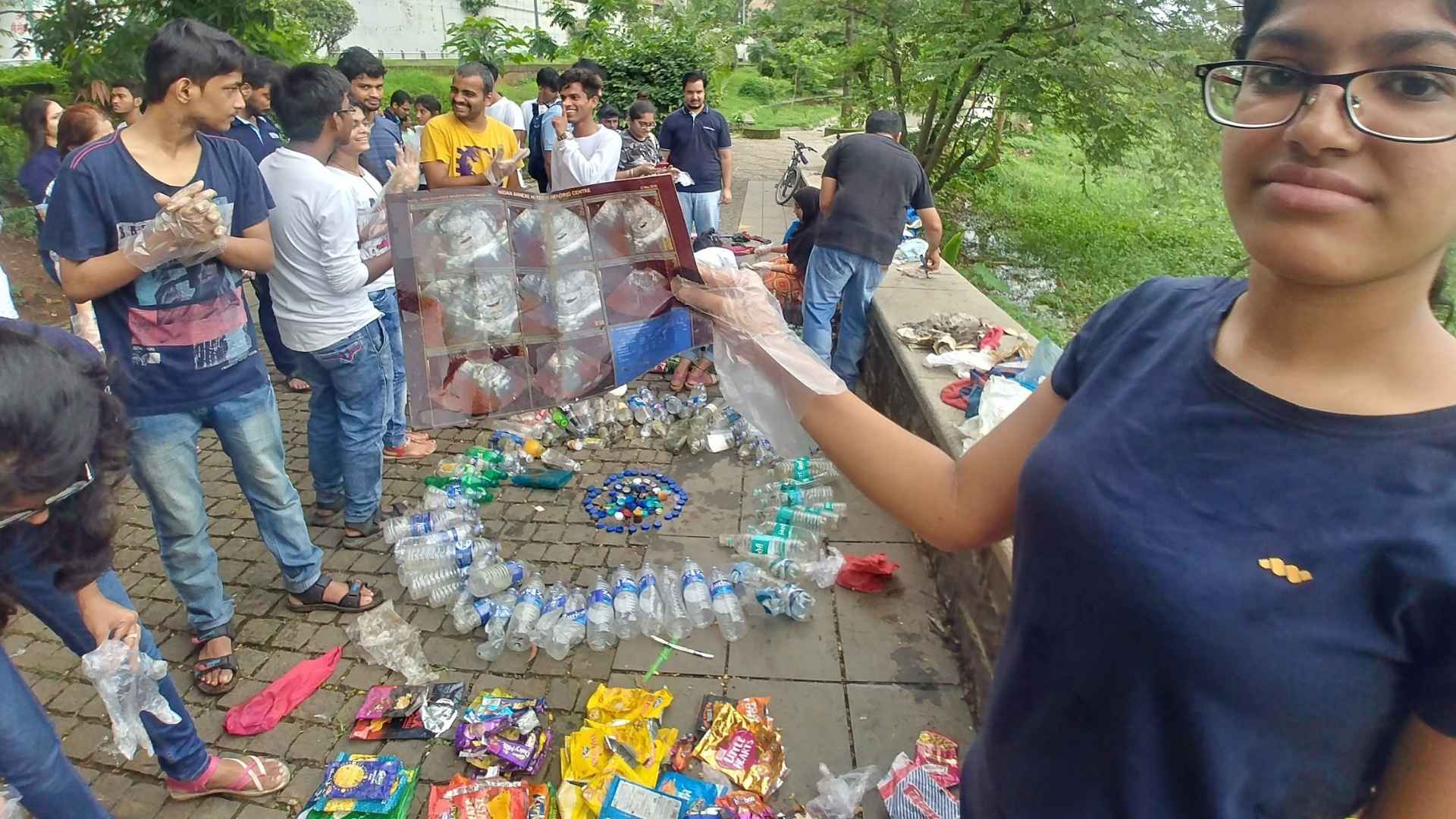
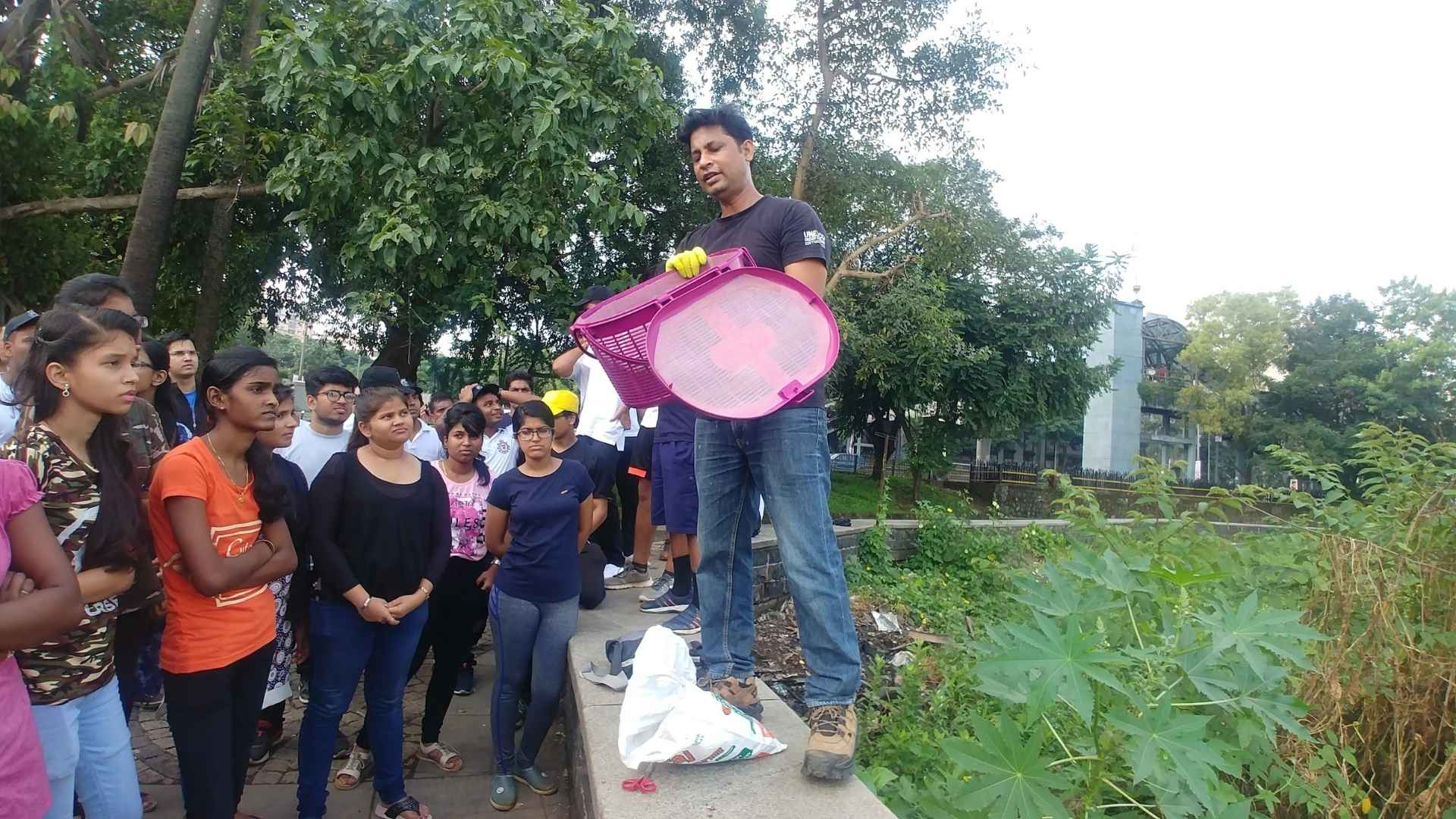
An average of 70 volunteers every Sunday for 4 consecutive years, including college students, corporate employees, NSS groups, and residents. Drives ran regardless of weather — monsoons, extreme heat, holidays — ensuring consistent waste removal and establishing habitual community engagement. Each volunteer collected approximately 4 kg of waste per 2-hour session.
Ragpicker Partnership & Fair Access Model
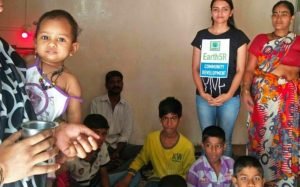
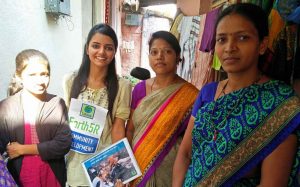
Earth5R collaborated with 50+ local ragpickers for waste collection and recycling. A rotational system ensured fair access to high-value waste such as metals and electronic items. This partnership opened livelihood avenues, formalised informal waste workers into the recycling economy, and ensured that economic value flowed directly to the communities most in need.
Data-Driven Awareness Campaigns
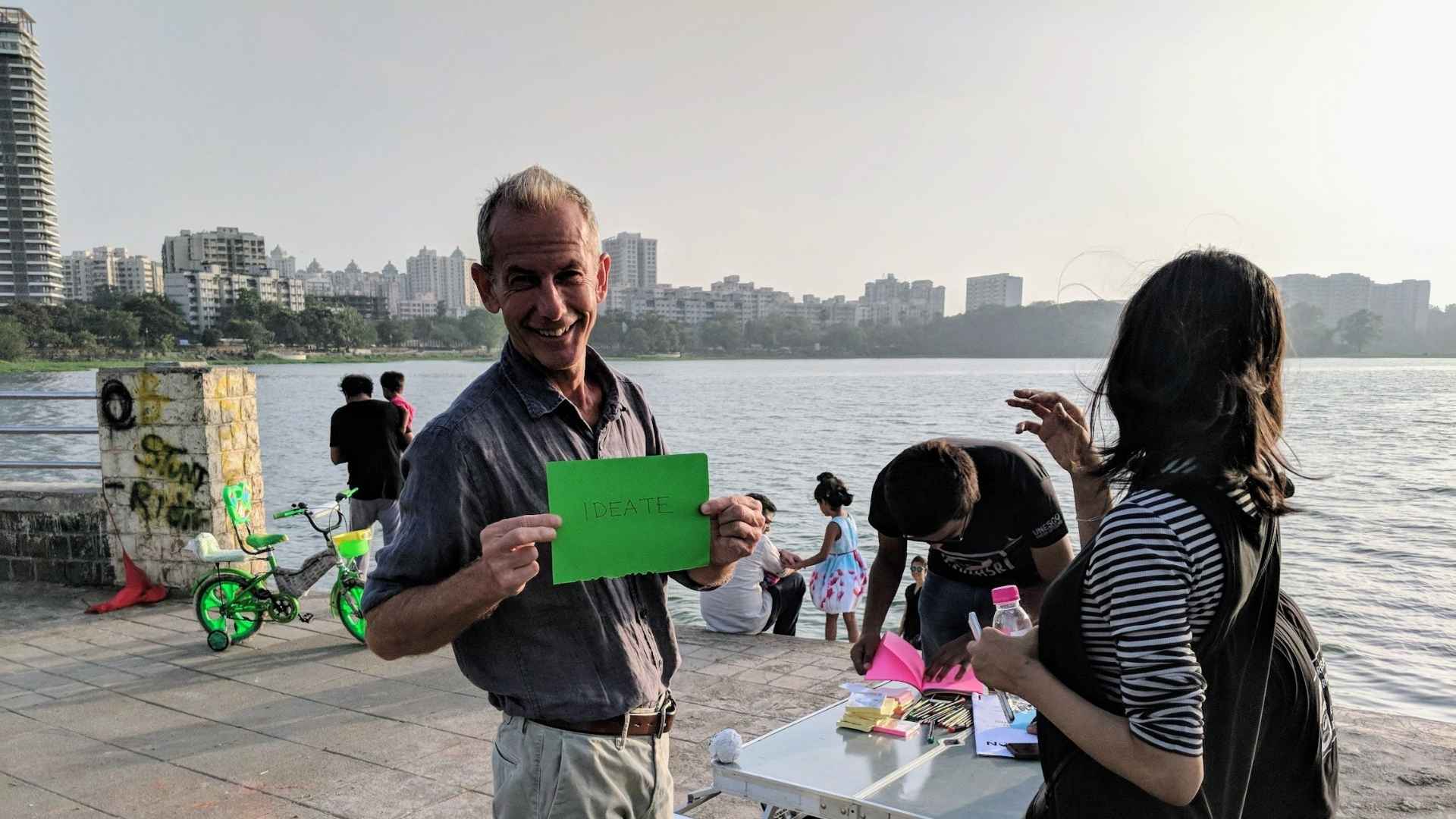
Data collected from waste segregation powered 208 educational events reaching 50,000+ residents. Campaigns ran across schools, community centres, and corporate offices — teaching waste management, sustainability principles, and circular economy concepts. This approach created measurable behavioural change: a 35% reduction in waste disposal around the lake.
Circular Economy Model
Earth5R's model transforms waste from a liability into an economic asset — creating a closed-loop system that benefits the environment, local communities, and corporate ESG goals simultaneously:
Collection
70 volunteers weekly, 4 kg each
Segregation
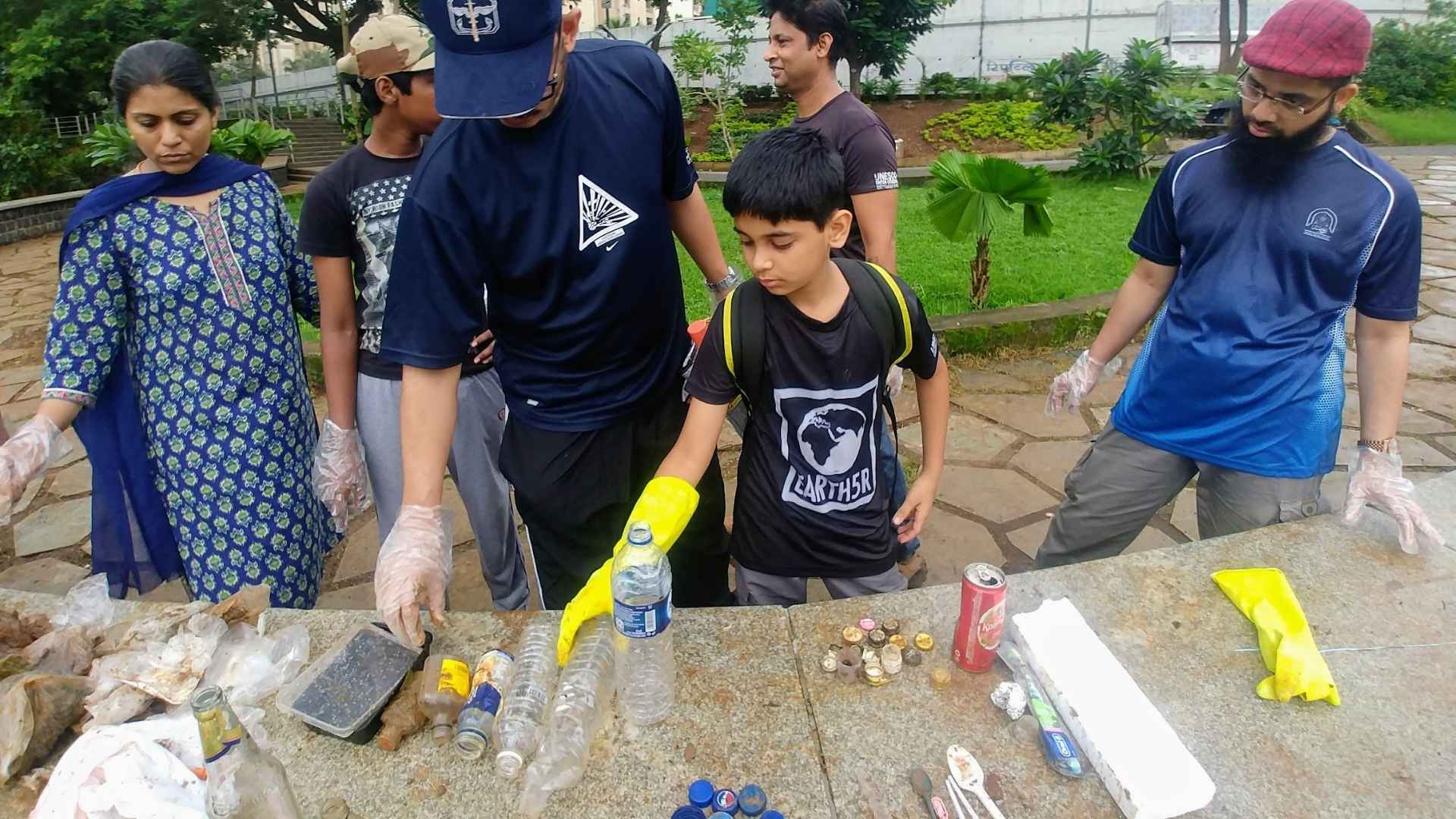
Plastics, metals, glass, e-waste
Ragpicker Network
50+ workers, fair rotation
Recycling
₹5/kg value recovery
Circular Value
₹2.91L + landfill savings
Measurable Outcomes
Every metric in the Powai Lake programme is calculated from verifiable on-ground data — making this a fully auditable ESG case study suitable for corporate sustainability reporting:
Impact Breakdown
ESG KPIs — Environmental, Social & Economic
Environmental Impact
- 58.24 tonnes of waste removed from the ecosystem
- 78.04 tonnes of CO₂ emissions offset (equivalent to preventing the burning of ~33,000 litres of diesel fuel)
- Improved air quality and reduced land/water pollution
- Enhanced biodiversity through circular economy approach
- Healthier ecosystem for local wildlife and residents
Social Impact
- 29,120 volunteer hours of citizen participation
- Fair access to high-value recyclables for 50+ local ragpickers
- Employee engagement fostering environmental ownership
- 50,000+ residents influenced through 208 educational events
- Cross-sector collaboration: citizens, corporates, NGOs, NSS groups
Economic Impact
- ₹2.91 lakhs generated through recycling and waste recovery
- ₹40.76 lakhs saved in municipal landfill costs (₹700/tonne × 58.24t = ₹4.07M over 4 years)
- Waste converted into a valuable resource for local economies
- Financial inclusion for informal waste workers
- CSR alignment for participating corporate partners
Behavioural Change & Community Adoption
Sustained education, training, workshops, and awareness campaigns played a crucial role in shifting waste disposal habits. 50,000+ residents were influenced through 208 educational events, resulting in a 35% reduction in waste disposal around the lake.
Research suggests that habitual engagement in ecological restoration for over 12 months results in a 45% increase in long-term environment-friendly behaviour. Data shows consistent citizen efforts towards sustainable development boost behavioural change likelihood by 65%.
The project mobilised multiple stakeholders — local citizens, corporate volunteers, and NSS organisations from nearby universities — fostering a strong sense of CSR among participating firms and establishing a structured circular economy. The cross-sector collaboration ensured that environmental action was not a one-time event but a sustainable movement.
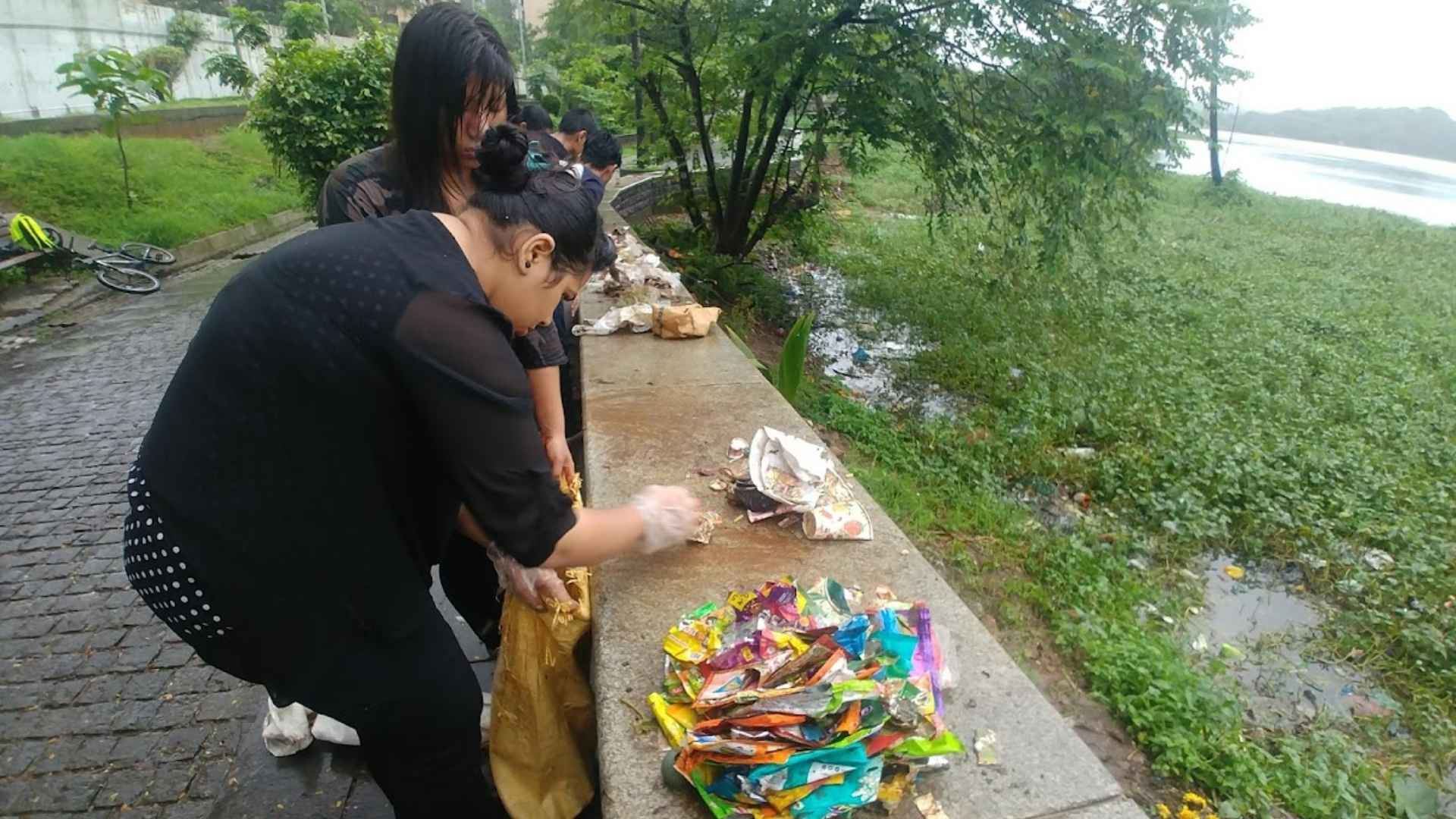
Mula Mutha River Cleanup Initiative
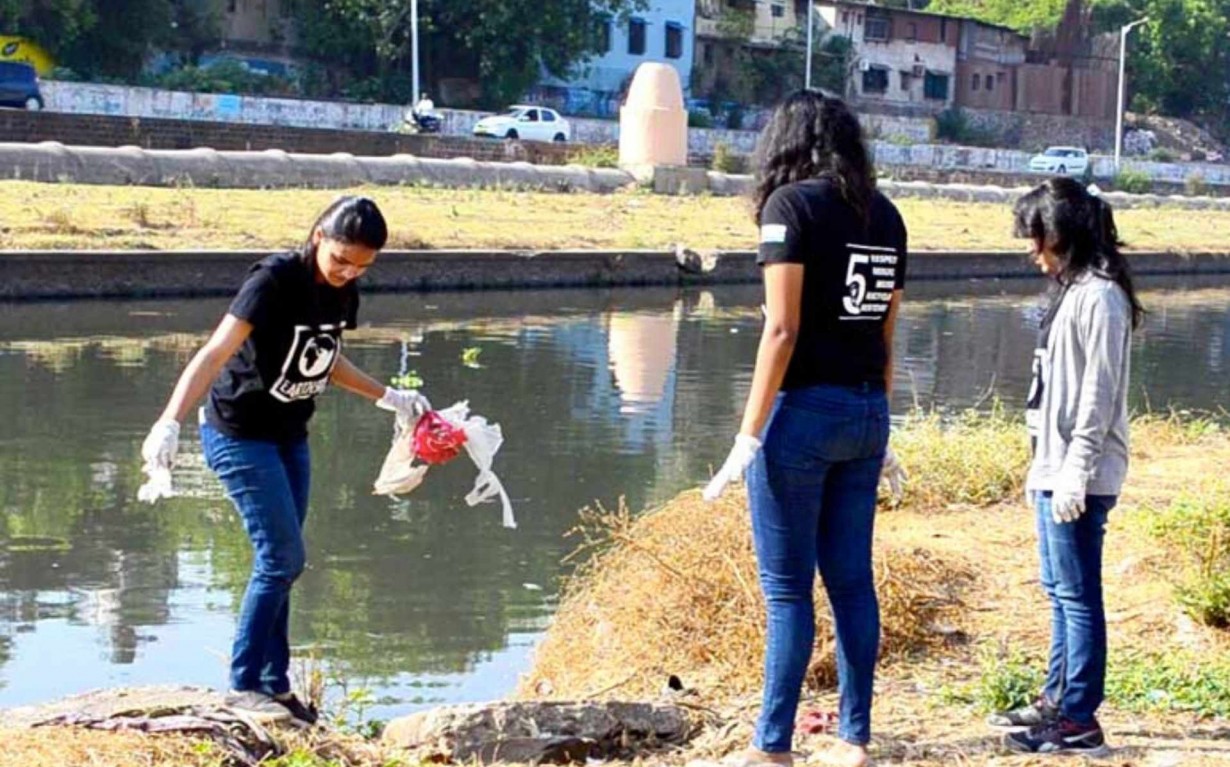
Earth5R's Intervention
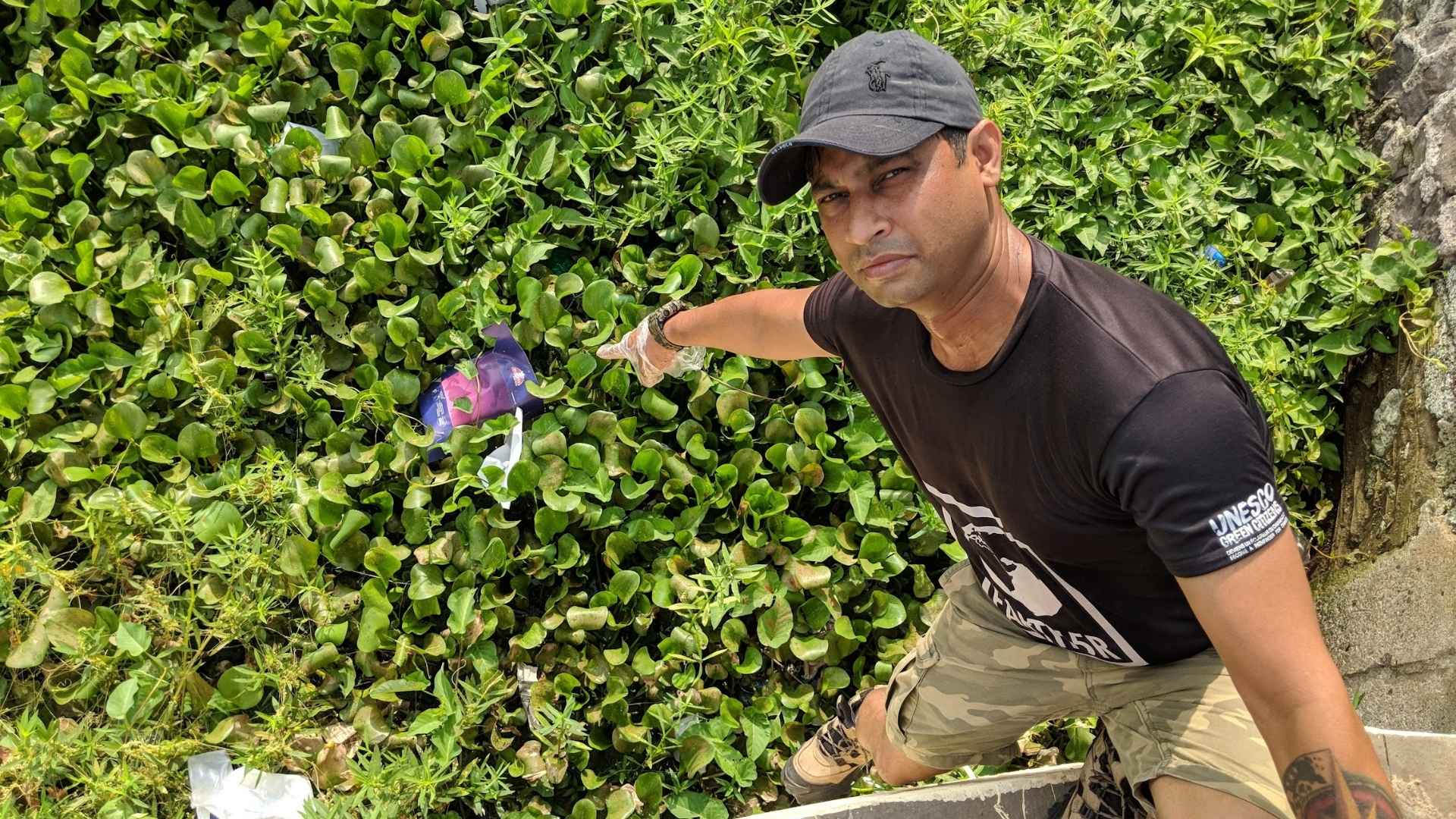
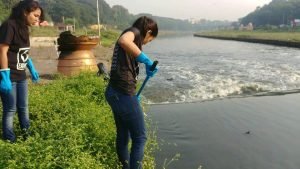
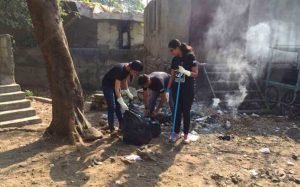
The Mula Mutha River, flowing through the heart of Pune, had become heavily polluted with discarded textiles, plastics, construction debris, metal scraps, and electronic waste. Earth5R designed a multi-layered intervention combining consistent on-ground action with cultural engagement to create deep community ownership:
Weekly Cleanup Program — 312 Sundays
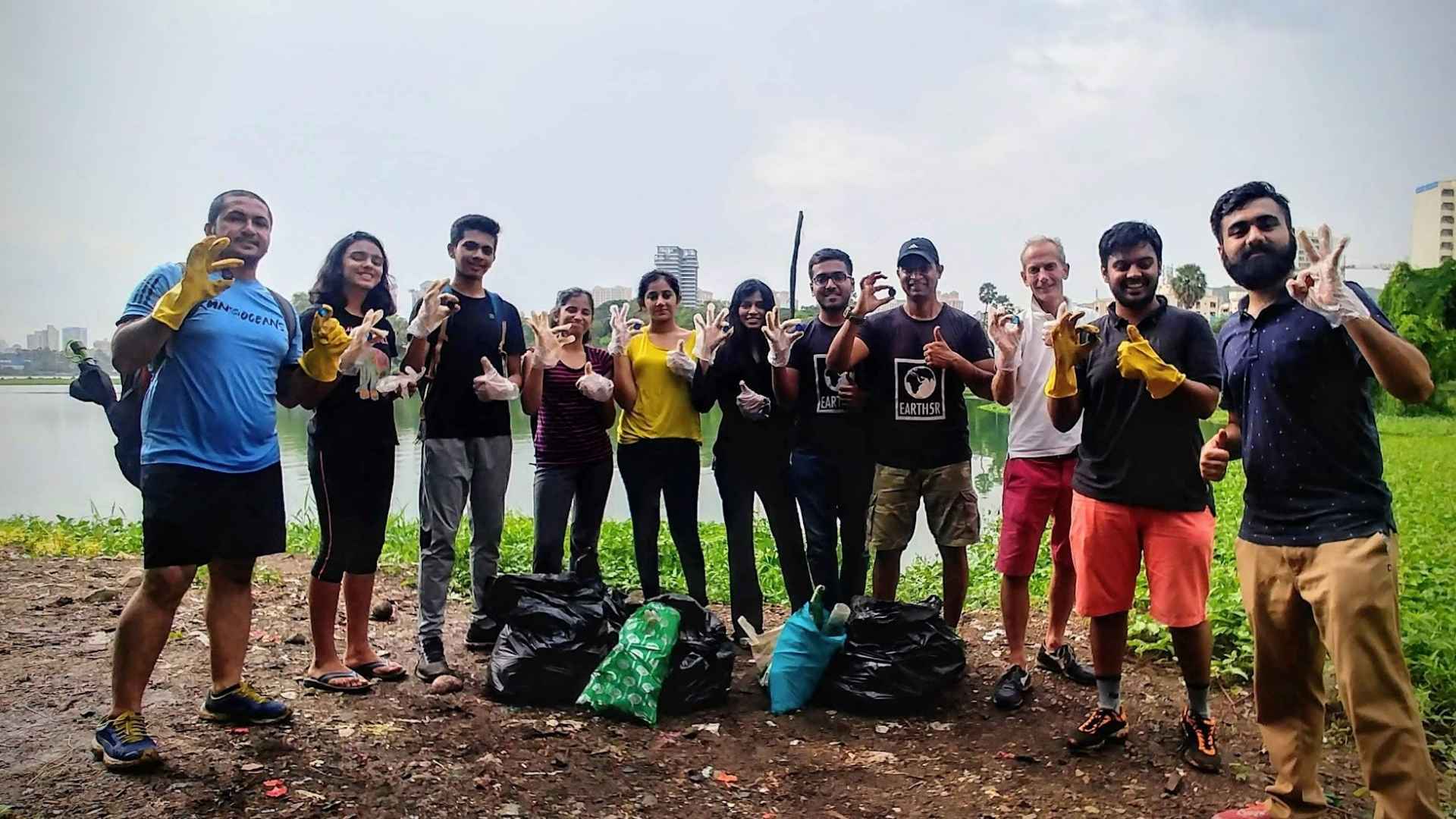
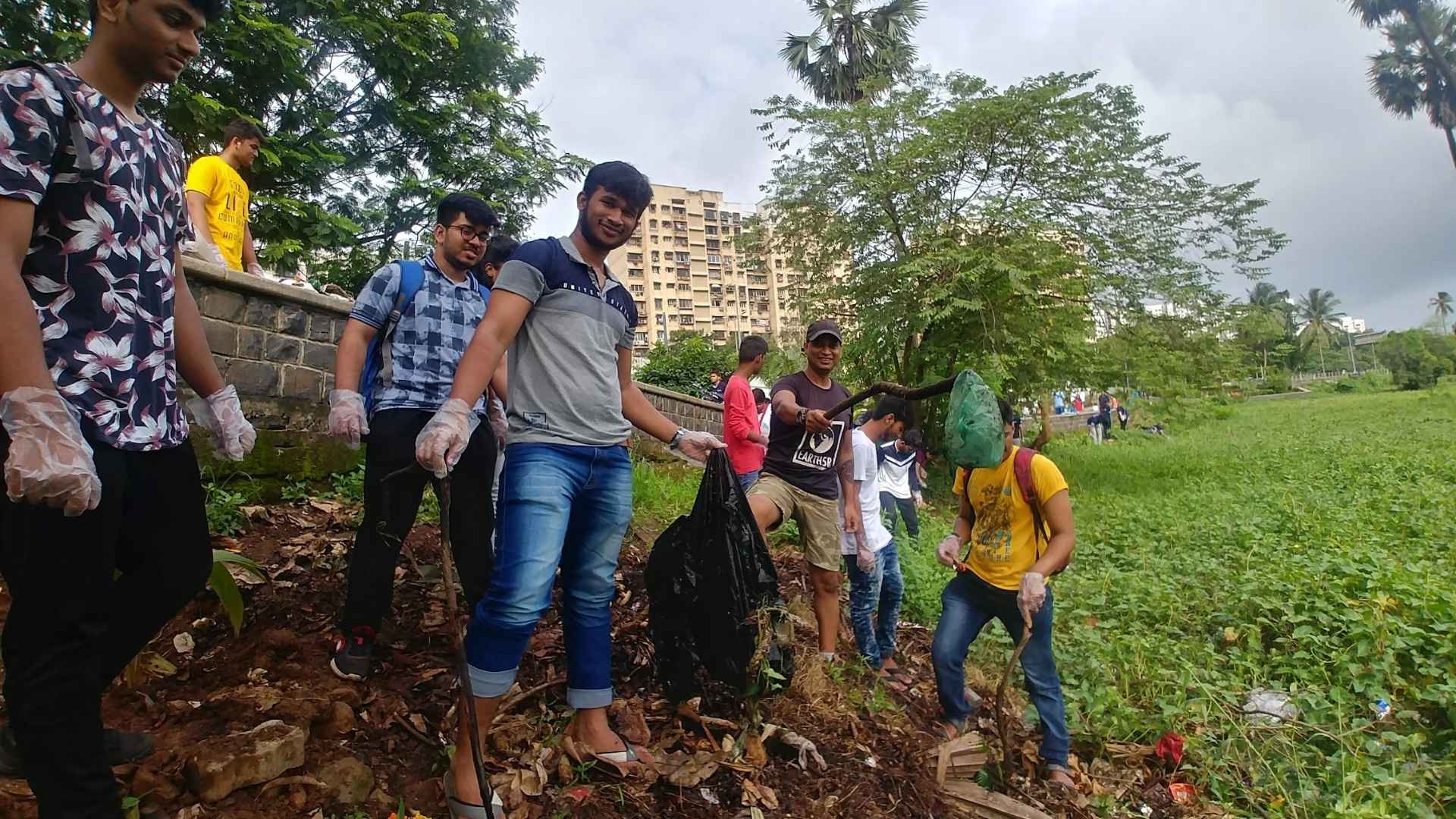
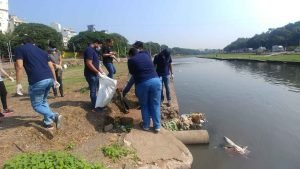
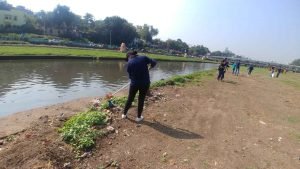
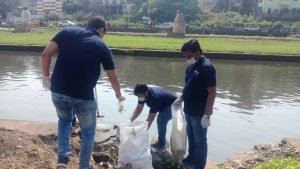
30–40 volunteers cleaned the Mula Mutha riverbanks every Sunday, each collecting around 9 kg of waste during 2-hour sessions. This was sustained for 6 continuous years without interruption, establishing one of the longest-running river cleanup initiatives in Maharashtra.
Community & Cultural Engagement
After each cleanup, volunteers participated in activities like football matches — inspired by tribal communities that blend cultural practices with environmental action. These practices created emotional bonds with the space, encouraging volunteers to take personal ownership of the riverbank environment.
Corporate & NGO Involvement
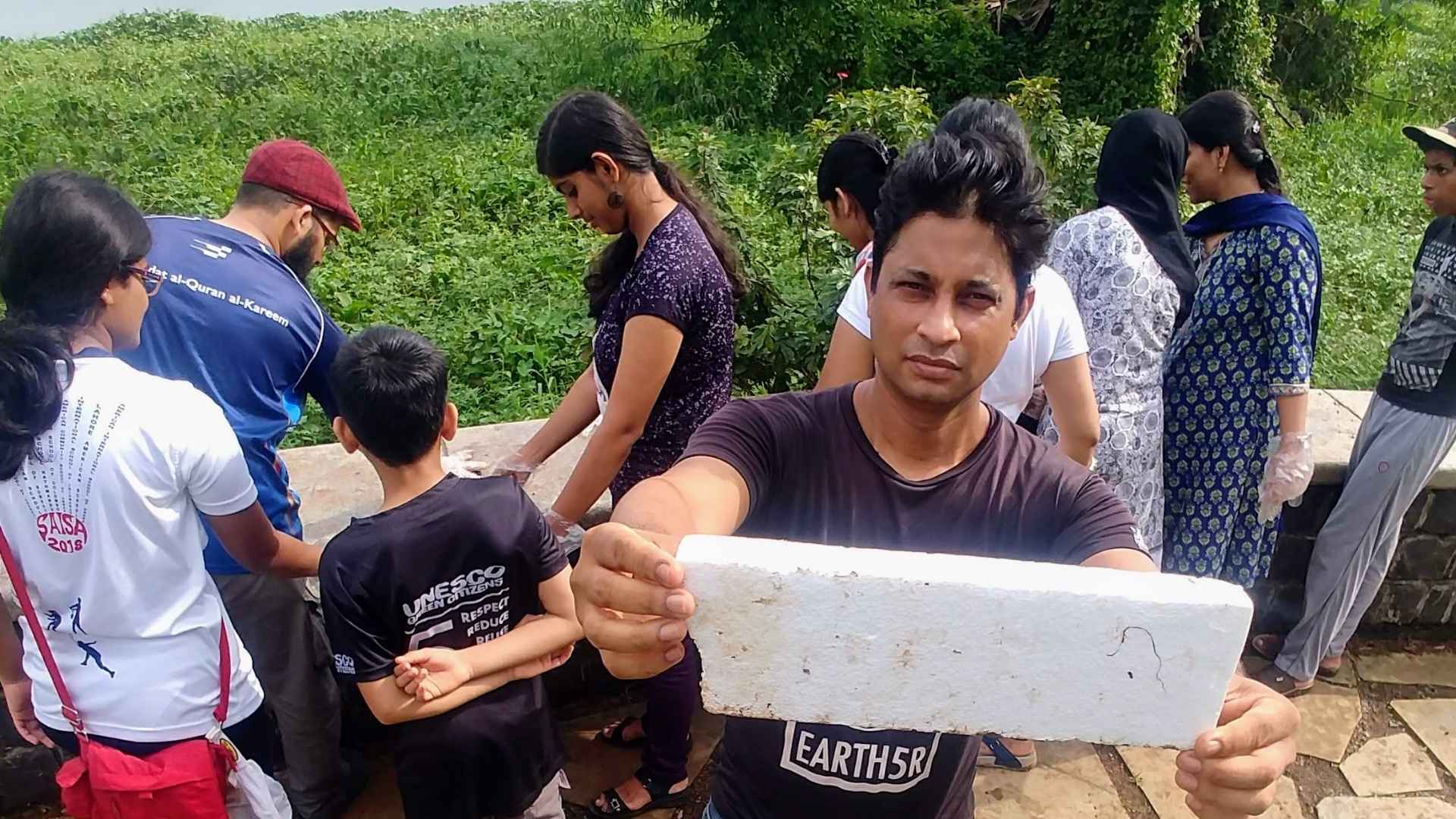
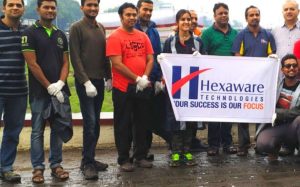
As the programme gained visibility, local NGOs and corporate firms like Hexaware joined the project, adding hundreds of participants. The initiative was highlighted by UNESCO as part of its Green Citizen initiative, driving widespread adoption of the river cleanup model across Pune.
Self-Sustaining Impact Model
After 6 years, local volunteers and organisations continued maintaining clean riverbanks even after Earth5R reduced direct involvement — demonstrating the programme's success in creating a self-sustaining community-led conservation movement.
Measurable Outcomes
Impact at a Glance
ESG KPIs
Environmental
- 112.32 tonnes of waste removed from riverbanks
- 150.52 tonnes of CO₂ emissions avoided
- Water quality improvements and biodiversity restoration
- Reduced contamination of surrounding agricultural lands
Social
- 24,960 volunteer hours from citizens, NGOs, corporates
- Cultural integration: football, community art programmes
- UNESCO Green Citizen recognition
- Self-sustaining community ownership post-programme
Economic
- ₹5.61 lakhs generated through recycling
- Reduced municipal waste management costs
- Local businesses adopted better disposal practices
- CSR compliance improvement for Pune companies

Both programmes demonstrate the scalability of Earth5R's community-driven model across different geographies, durations, and stakeholder ecosystems.
| Metric | Powai Lake (Mumbai) | Mula Mutha (Pune) | Combined Total |
|---|---|---|---|
| Duration | 4 Years (2018–2023) | 6 Years | 10 Years |
| Weekly Sessions | 208 Sundays | 312 Sundays | 520 Sundays |
| Avg. Volunteers/Week | 70 | 40 | 55 (avg) |
| Waste per Volunteer | 4 kg/session | 9 kg/session | — |
| Total Waste Removed | 58.24 tonnes | 112.32 tonnes | 170.56 tonnes |
| CO₂ Emissions Offset | 78.04 tonnes | 150.52 tonnes | 228.56 tonnes |
| Volunteer Hours | 29,120 hours | 24,960 hours | 54,080 hours |
| Recycling Revenue | ₹2.91 lakhs | ₹5.61 lakhs | ₹8.52 lakhs |
| Landfill Cost Savings | ₹40.76 lakhs | ₹78.62 lakhs | ₹119.39 lakhs |
| Total Economic Value | ₹43.67 lakhs | ₹84.23 lakhs | ₹127.91 lakhs |
Four critical insights that make Earth5R's model applicable across all sectors — from manufacturing to finance, from real estate to technology.
Community-Led Action Works
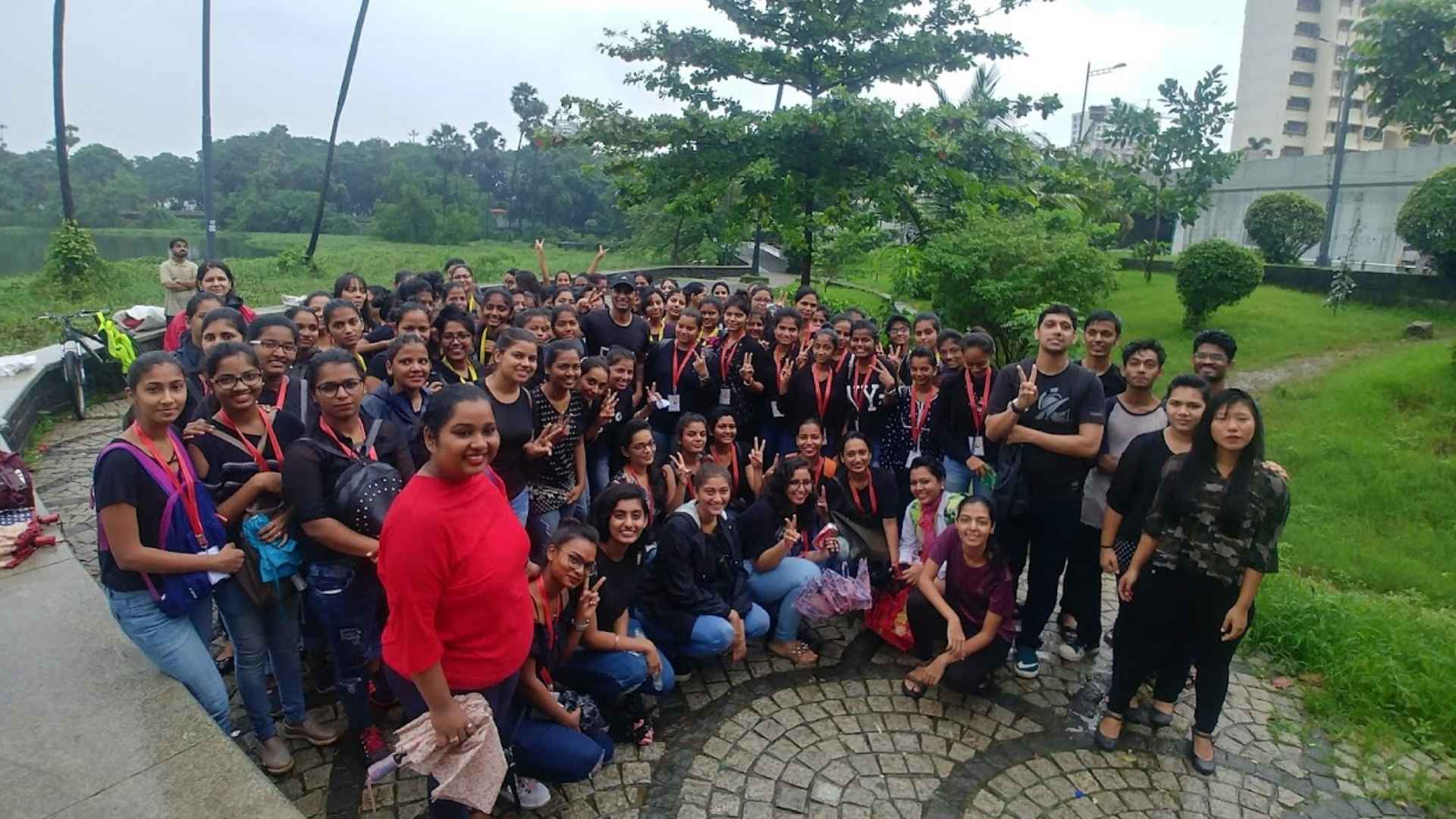
Data shows consistent citizen efforts towards sustainable development boost behavioural change likelihood by 65%. 110 volunteers collectively committed 54,080 hours across 520 Sundays — proving collaborative efforts lead to lasting impact without heavy financial costs. This model mobilised local citizens, NGOs, corporate employees, and student groups into a unified environmental force.
Circular Economy Creates Real Value
Combined economic value of ₹127.91 lakhs — including ₹8.52 lakhs in direct recycling revenue and ₹119.39 lakhs in municipal landfill cost savings. 50+ local ragpickers benefited from fair access to recyclables, with skill development and integration into the formal recycling economy. Waste became a livelihood source, aligning with India's goal of 50% waste recovery by 2030.
Sustained Awareness Drives Systemic Change
208 educational events influenced 50,000+ residents at Powai alone, creating a 35% reduction in waste disposal. Research confirms 12+ months of ecological engagement creates a 45% increase in long-term eco-friendly behaviour. This campaign model is replicable and scalable for high-density urban regions globally. Public environmental training can reduce per capita waste production by 20%.
Technology Prevents Failure
90% of sustainability initiatives fail due to lack of proper monitoring. Earth5R's platform tracked waste collection, volunteer participation, and impact metrics with 70,000 active users and 126,000 recorded sustainability actions globally. Blockchain-enabled waste traceability and AI-driven segregation analytics further optimised logistics, accountability, and verifiable ESG reporting.
Earth5R's model is designed for systematic replication. Here's how each component scales — and the projected impact at national and global levels.
5-Year Expansion Roadmap
Foundation — Expand to 50 Polluted Rivers Across India
Replicate the Powai/Mula Mutha model in 50 new locations. Partner with city municipalities, educational institutions, and corporate ESG teams. Deploy IoT-based waste monitoring systems and establish baseline data for each water body.
Technology Integration — AI & Blockchain Deployment
Integrate AI-driven waste analytics for predictive waste accumulation modelling. Deploy blockchain-enabled waste traceability for verifiable ESG reporting. Launch geospatial mapping for real-time cleanup progress visualisation across all 50+ sites.
National Scale — 200 Cities, 500,000 Volunteers
Scale community engagement to 500,000 active volunteers. Establish micro recycling hubs at each location for waste-to-value conversion. Integrate with municipal waste management systems for data sharing and policy influence.
International Expansion — Latin America, Southeast Asia, Africa
Adapt the model for tropical and developing-world contexts. Partner with international development agencies and climate funds. Target removal of 100,000+ tonnes of waste annually across all locations.
2030 Vision — 1,000 Cities, 2 Billion People Engaged
Achieve ₹290 crore annual circular economy value. Offset 7,800+ tonnes of CO₂ annually. Establish Earth5R as the global standard for community-led environmental restoration with real-time sustainability dashboards in every participating city.
Projected Impact at Scale
Based on verified per-city averages from Powai Lake and Mula Mutha River, here's what the model delivers when replicated systematically:
Annual CO₂ Offset at 100 Cities
78.04 tonnes per city annually, extrapolated from the Powai model. Equivalent to preventing ~3.3 million litres of diesel fuel from being burned. Aligns with India's net-zero 2070 target and corporate carbon neutrality goals for 2030–2040.
Volunteers by 2030
60,000 already mobilised across multiple projects. Target: 1 million volunteers contributing over 5 million hours annually. Large-scale volunteer models accelerate environmental impact by 300% compared to government programmes alone.
People Engaged Globally
Digital outreach, school programmes, and corporate sustainability courses. 25% waste dumping reduction targeted per participating region. Public environmental training reduces per capita waste by 20%.
Annual Circular Economy Revenue
Scaling to 1,000 cities generates ₹2.9 billion annually from recycled waste. Supports local economies, reduces landfill dependency by 30%, and creates formal green livelihoods for millions of informal waste workers.
Municipal Waste Reduction
A national circular economy model can achieve 30% reduction in municipal solid waste generation, improving urban health and reducing government expenditure on waste processing and landfill management.
Rivers in Phase 1
Immediate target: 50 polluted rivers across India. Each with structured community engagement, weekly drives, waste tracking, and ESG reporting. Global expansion to follow — potentially removing millions of tonnes from water bodies worldwide.
Technology as the Scalability Engine
Earth5R's technology platform is the critical differentiator that prevents the 90% failure rate seen in sustainability initiatives lacking proper monitoring. The platform operates across three layers:
Data Collection Layer: The Earth5R App functions as a smart logistics tool, recording waste quantities, types, and recovery locations through geo-tagged entries. With 70,000 active users and 126,000 recorded sustainability actions, the platform provides real-time visibility into programme performance.
Analytics Layer: AI-based analytics identifies collection patterns, predicts future waste generation, and optimises resource allocation. Machine learning models detect illegal dumping near water bodies and predict waste accumulation zones in dense neighbourhoods.
Verification Layer: Blockchain-enabled waste traceability ensures that every kilogram of waste collected, sorted, and recycled is verifiable. Timestamped entries prevent data manipulation, increasing trust among corporate partners, governments, and citizens — and strengthening ESG compliance with auditable impact data.
Current Progress vs. 2030 Targets
These figures represent the foundation phase. Each replicated city adds exponentially to the total as the model's network effects compound volunteer recruitment, corporate partnerships, and circular economy value.
Earth5R: A Global Action Platform for Sustainability
Earth5R is an ESG and CSR action platform that empowers businesses, communities, and governments to address environmental challenges. Instead of focusing solely on advocacy, Earth5R ensures measurable impact through on-ground programmes and tech-led sustainability solutions.
The organisation combines environmental conservation with economic development — addressing carbon offsetting, waste management, sustainable livelihoods, and afforestation. Earth5R has offset over 954,000 tonnes of CO₂, engaged 1.3 million citizens worldwide, and planted 87,000 trees.
With a target to mobilise 2 billion people into the climate economy by 2030, Earth5R's scalable approach is creating a future where environmental responsibility is a globally shared commitment.
Replicate This Model in Your City
Partner with Earth5R to implement structured cleanup programmes, circular economy models, and ESG-compliant sustainability initiatives — proven to deliver measurable impact across all sectors.