
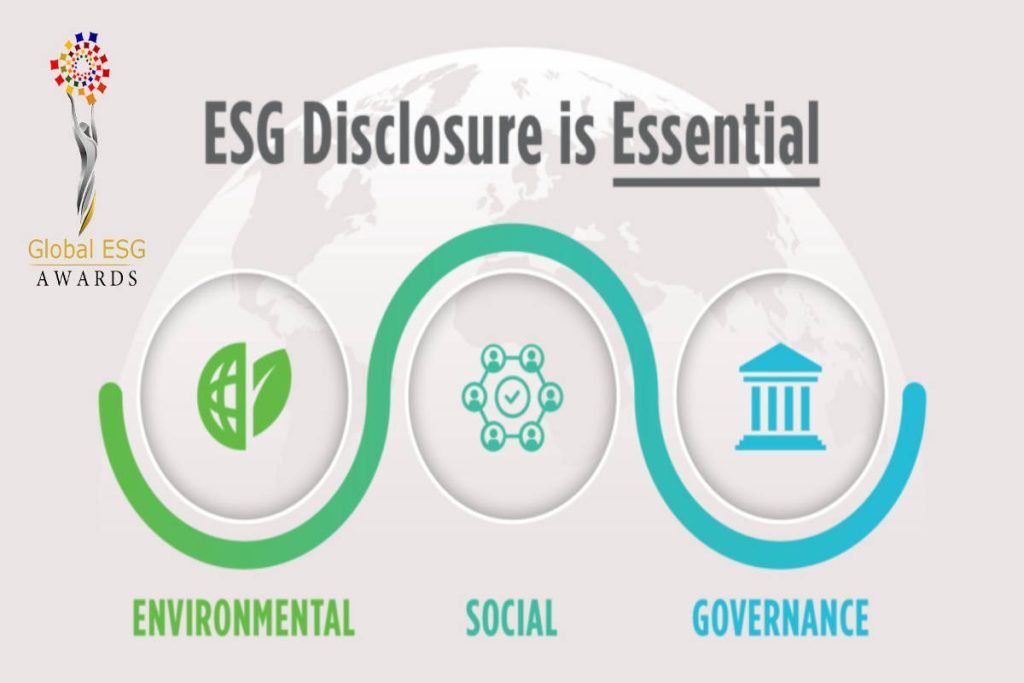
In 2025, a quiet revolution is reshaping how the world measures corporate success. Profit margins and balance sheets no longer tell the full story. Today, Environmental, Social, and Governance (ESG) factors how responsibly a company treats the planet, its people, and its principles are becoming the new yardsticks of performance. From Wall Street to Mumbai’s Bandra-Kurla Complex, investors are asking the same question before committing capital: Is this business sustainable in the long run?
The shift is profound and data-backed. The World Economic Forum’s “Future of Jobs 2024” report ranked ESG specialists among the top ten fastest-growing roles globally, alongside AI engineers and sustainability data analysts. This isn’t a temporary wave. It’s the beginning of an era where financial analysts study carbon footprints, auditors check diversity ratios, and corporate strategists measure governance transparency as closely as quarterly earnings. As governments tighten climate disclosure rules and investors demand ESG accountability, professionals with certified ESG expertise are becoming indispensable.
The Rising Demand for ESG Expertise
The demand for ESG-certified professionals stems from one of the most urgent transitions of our time , the global shift to a low-carbon, socially responsible economy. The International Labour Organization (ILO) estimates that over 24 million green jobs could emerge worldwide by 2030 as countries pursue net-zero commitments. In India, the Reserve Bank of India’s 2024 “Green Finance Framework” underscored the need for skilled experts to assess climate risks and manage sustainable investments, highlighting how finance and environmental stewardship are now inseparable.
Across sectors , from energy and manufacturing to fintech and consulting ESG literacy has become a strategic differentiator. Large corporations such as Tata Steel and Infosys already employ internal ESG analysts to align with the SEBI-mandated Business Responsibility and Sustainability Reporting (BRSR) Core framework, introduced to ensure credible sustainability disclosures. These regulations demand technical expertise in frameworks like the EU Taxonomy, IFRS’s new ISSB Sustainability Disclosure Standards (S1 and S2), and GRI reporting principles, creating a surge in demand for professionals who not only understand ESG but can prove their competence through recognized certifications.
A New Currency: ESG Credibility
In boardrooms, credibility is the new currency and ESG certifications are the credentials that buy it. Much like how the CFA charter signifies mastery in finance or CPA validates accounting excellence, ESG certifications signal a professional’s ability to navigate the intricate web of sustainability metrics, compliance standards, and stakeholder expectations.
These qualifications help bridge the trust gap between corporations and investors. According to Bloomberg Intelligence (2024), ESG assets are projected to exceed $50 trillion by 2025, representing one-third of global assets under management. But behind those staggering numbers lies a challenge: how to ensure that capital truly advances sustainability, not just marketing narratives. Certified ESG professionals help translate broad sustainability goals into measurable outcomes — from decarbonization roadmaps to gender parity indicators and biodiversity credits.
The IFRS Foundation’s ISSB has further reinforced this need by standardizing sustainability reporting at a global level, turning what was once “voluntary CSR” into a structured compliance mandate. Whether in Singapore’s green finance sector or India’s ESG-focused banking models, certification-backed expertise has become central to credible reporting and transparent disclosure.
The Global Education Response
To meet this surging demand, universities, financial bodies, and international institutions are expanding ESG training programs in 2025. Leading business schools ranging from Oxford and Harvard to IIM Bangalore are introducing sustainable finance certifications that blend theory with practical application. Likewise, organizations like the Global Reporting Initiative (GRI), the United Nations Institute for Training and Research (UNITAR), and NGOs like Earth5R are equipping professionals with community-grounded ESG knowledge.
The model adopted by Earth5R, for instance, merges academic rigor with on-the-ground impact. Participants don’t just learn ESG frameworks; they implement them through live sustainability projects, starting from plastic circularity in Mumbai to renewable energy microgrids in rural Maharashtra. This combination of learning and doing reflects the evolution of ESG education from mere compliance to impact-oriented practice.
Why 2025 Is the Pivotal Year
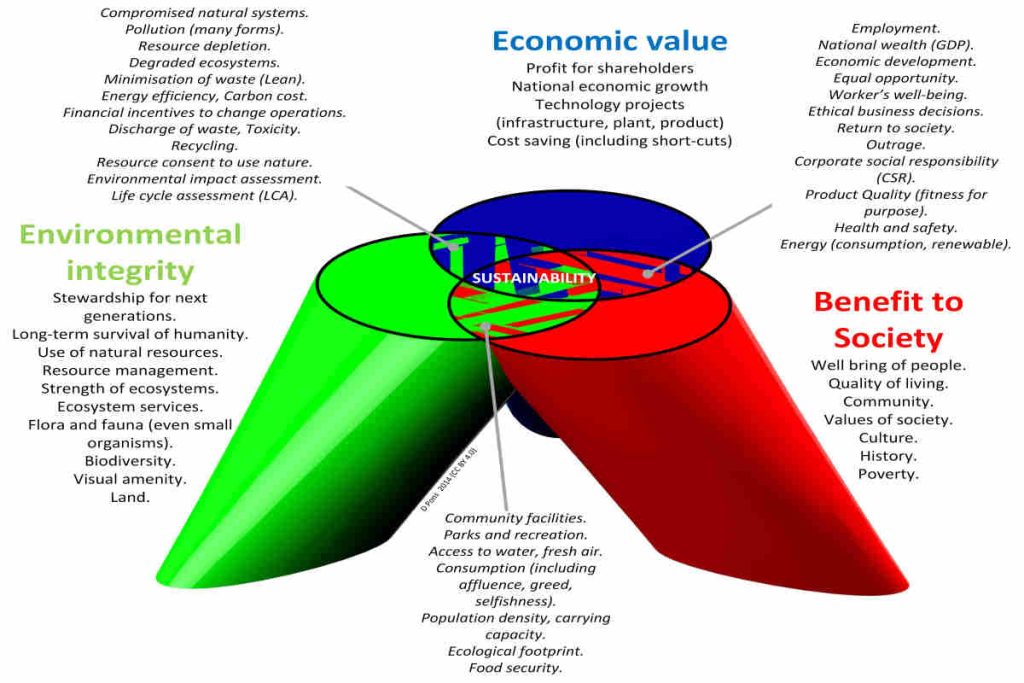
2025 marks a turning point because global regulation and market dynamics are converging. The European Union’s Corporate Sustainability Reporting Directive (CSRD) (see here) has made ESG disclosures mandatory for over 50,000 companies. India’s SEBI has followed suit with BRSR Core, and in the United States, the Securities and Exchange Commission (SEC) is finalizing its Climate Risk Disclosure Rule. Together, these frameworks represent a unified global push toward transparency and a clear signal that ESG reporting will soon be as indispensable as financial auditing.
Professionals without ESG fluency may soon find themselves sidelined. Companies now seek not just MBAs or accountants, but certified ESG analysts who can interpret materiality matrices, carbon accounting frameworks, and sustainability-linked bond performance. The result is a rapidly diversifying ecosystem of certifications, from finance-oriented programs like the CFA Institute’s Certificate in ESG Investing to sustainability-centered diplomas by the Cambridge Institute for Sustainability Leadership.
A New Standard for Professional Competitiveness
For young graduates, ESG certifications offer a gateway into one of the fastest-growing career fields. For mid-career professionals, they serve as upskilling tools that bridge traditional corporate knowledge with the sustainability imperatives of the future. And for senior executives, they represent a reputational asset,proof that their leadership aligns with stakeholder expectations in the age of responsible capitalism.
Beyond employability, these credentials foster a mindset shift. They teach professionals to view profitability through the prism of purpose. As Larry Fink, CEO of BlackRock, famously wrote in his 2024 annual letter to CEOs, “The companies that lead in sustainability will lead the markets of tomorrow.” That leadership begins with expertise, and expertise begins with education.
Looking Ahead
The next generation of ESG professionals will not only report sustainability metrics. They will shape corporate ethics, guide climate investments, and redefine global finance. The certifications they pursue today will become tomorrow’s benchmarks of trust and transparency.
Why ESG Certifications Matter in 2025
If 2024 was the year ESG became a boardroom buzzword, 2025 is the year it becomes a boardroom mandate. From financial institutions to manufacturing giants, the world’s largest corporations are embedding sustainability metrics into the very DNA of decision-making. But to translate lofty environmental goals into measurable corporate action, one thing is becoming increasingly clear that companies need certified professionals who understand the complex mechanics of ESG frameworks, sustainable finance, and climate risk management.
The business case for ESG expertise is now irrefutable. According to PwC’s Global Investor Survey 2024, nearly 79% of institutional investors say that ESG reporting influences their capital allocation decisions. Meanwhile, the World Bank’s 2024 Green Finance Outlook shows that emerging economies such as India, Brazil, and Indonesia could attract over $1.5 trillion in sustainable finance flows by 2030, provided they strengthen ESG governance and disclosure mechanisms.
These projections underscore why ESG certifications for professionals are no longer optional credentials but they are fast becoming the passport to credibility in a marketplace that prizes transparency, resilience, and ethical stewardship.
From Policy Frameworks to Professional Standards
The rise in ESG certifications mirrors the expansion of global sustainability regulations. The European Union’s Taxonomy Regulation, launched to define what counts as an environmentally sustainable activity, has set a precedent for classification systems worldwide. Following Europe’s lead, the International Sustainability Standards Board (ISSB) under the IFRS Foundation has released two landmark sustainability disclosure standards, S1 and S2, in mid-2023. These global benchmarks are transforming how companies measure and report climate-related risks.
Closer to home, the Securities and Exchange Board of India (SEBI) has taken a bold step with the Business Responsibility and Sustainability Report (BRSR) Core, requiring top-listed companies to disclose sustainability data in a standardized, auditable format. The implication is straightforward: without professionals trained in ESG compliance and disclosure, firms risk falling short of both regulatory and investor expectations.
These policy shifts are driving a surge in demand for ESG professional certification programs that blend financial literacy with sustainability expertise. From Cambridge Institute for Sustainability Leadership’s executive programs to Earth5R’s circular economy certification, the curriculum now goes beyond environmental awareness. It focuses on actionable competencies like quantifying a company’s Scope 3 emissions, evaluating biodiversity impact, or designing green finance instruments such as sustainability-linked loans and green bonds.
A Data-Driven Skills Revolution

The numbers tell a compelling story. LinkedIn’s 2024 Global Skills Report recorded a 3.2x increase in job postings mentioning “ESG,” “sustainability reporting,” or “climate finance” compared to 2021. Hiring managers across financial services, energy, and manufacturing sectors now list ESG literacy among their top five desired skills. Similarly, Glassdoor data shows that roles such as ESG Analyst, Sustainability Data Manager, and Responsible Investment Officer command salary premiums of 25–40% above equivalent non-ESG positions.(see here)
This shift is not limited to the West. In India, companies like Mahindra Group and HDFC Bank are building internal sustainability divisions staffed with ESG-certified professionals who understand both policy and practice. India which is one of the large economies has emphasized the need for “cross-functional ESG literacy.” professionals who can link sustainability impact with financial performance and policy compliance.
It’s this convergence of policy, market, and education that makes ESG certifications a career catalyst in 2025.
The Value of Certification: From Compliance to Strategy
The early wave of sustainability education focused largely on compliance that is, understanding frameworks such as GRI, SASB, and CDP. Today’s ESG certification programs, however, aim higher. They prepare professionals to use ESG data as a strategic asset.
For instance, the CFA Institute’s Certificate in ESG Investing equips finance professionals with tools to evaluate how environmental risks affect asset performance and valuation. Meanwhile, GRI’s Certified Sustainability Professional program trains corporate leaders to integrate sustainability reporting directly into annual business planning cycles. In both cases, certification transforms ESG from a “tick-box exercise” into a driver of innovation and investor trust.
Consider Earth5R, the sustainability start-up based in Mumbai, which integrates ESG learning with grassroots action. Through its ESG and Circular Economy Certification Program, professionals and students work directly on community impact projects, from urban composting initiatives to plastic circularity campaigns. The model not only teaches ESG reporting but also demonstrates its tangible social and environmental benefits. Graduates of this program often go on to work with corporations and local governments, translating on-the-ground impact into measurable ESG metrics , precisely what investors now demand.
The Regulatory Push and the Corporate Response
Government policy is reinforcing this momentum. India’s Reserve Bank of India (RBI), through its 2024 Discussion Paper on Climate Risk and Sustainable Finance, has urged banks to develop internal capacity in climate risk assessment and ESG compliance. Similarly, the Ministry of Finance’s Green Bond Framework (2023) mandates that funds raised under sovereign green bonds be independently verified and tracked by ESG professionals.The result? A sharp rise in demand for experts trained in ESG reporting and compliance courses that align with national green finance goals.
Multinationals, too, are adapting. Global firms like PwC, KPMG, and Deloitte now require new recruits in audit, assurance, and risk teams to undergo ESG and sustainability training modules. KPMG’s Sustainability Services Outlook 2024 revealed that 80% of its clients now request ESG impact analysis as part of financial reporting. This has led to a wave of internal certifications and partnerships with external institutions like the PRI Academy and Oxford University’s Sustainable Finance Program thus ensuring that their consultants are equipped to meet this demand.
Sustainable Finance: The New Frontier of ESG Education
Perhaps the most dynamic domain in the ESG landscape is sustainable finance. Global investment flows are rapidly shifting towards green and climate-resilient assets. The World Bank’s 2024 Green Bonds Annual Report shows cumulative green bond issuance exceeding $3 trillion, with India alone accounting for $25 billion of that total. Financial institutions such as YES Bank and State Bank of India have launched dedicated ESG lending portfolios, demanding professionals who understand the nuances of climate finance, renewable energy investment, and sustainability-linked debt instruments.
For professionals entering this field, sustainable finance certifications such as the Oxford Sustainable Finance Executive Program or the UNITAR Green Economy and Climate Finance Certification are gateways into high-impact roles that blend finance with climate action. These credentials empower graduates to evaluate projects not only for profitability but also for alignment with global carbon targets and biodiversity goals.
From ESG Skill Development to Green Leadership
The global sustainability transition is not merely technical but it’s also deeply human. As companies transform, so must their leaders. That’s why ESG leadership and management training programs are growing in popularity. These advanced executive diplomas, offered by institutions like Cambridge CISL and Wharton, go beyond compliance frameworks to focus on systems thinking, stakeholder governance, and ethical decision-making.
As the United Nations Environment Programme (UNEP) noted in its Sustainable Leadership Report, “Organizations that embed ESG literacy across all management levels are 60% more resilient during market shocks.” In other words, ESG competence is not just a badge of responsibility but also a shield against future uncertainty.
A Paradigm Shift in Career Pathways
Ultimately, the explosion of ESG training programs in 2025 reflects a deeper transformation in how professionals define success. It’s no longer enough to deliver quarterly profits; the new generation of leaders is measured by how effectively they balance financial gain with social impact and environmental responsibility.
From ESG analyst certification courses for data-driven professionals to executive ESG diplomas designed for CEOs and policymakers, these programs are shaping a workforce capable of navigating the complexities of green transition economies. As the world races toward net zero, these certified professionals will anchor corporate strategy, policy reform, and investor trust.
In that sense, ESG certifications have become far more than qualifications. They are the credentials of conscience, the professional signature of a new era of sustainable capitalism.
Top 20 ESG Certifications for Professionals in 2025
If the last decade belonged to digital transformation, this one belongs to sustainable transformation and the credentials shaping that transformation are ESG certifications. Universities, global institutions, and professional bodies have rapidly expanded their programs to meet the market’s hunger for sustainability expertise. Below is a research-backed look at 20 of the best ESG certifications in 2025, drawn from international frameworks, academic research, and industry demand.
CFA Institute: Certificate in ESG Investing
For finance professionals, the CFA Institute’s Certificate in ESG Investing remains the global benchmark. Designed in collaboration with regulators such as the UK’s Financial Conduct Authority (FCA), it teaches how ESG factors influence investment portfolios, valuation models, and risk assessment. With over 30,000 professionals certified worldwide, it’s now recognized in India, Singapore, and the EU as a key credential for asset managers and analysts steering green finance portfolios.
The course’s strength lies in its blend of quantitative finance and sustainability insight — a balance that aligns perfectly with the RBI’s evolving climate risk guidelines and India’s push toward green bond transparency.
Visit:https://www.cfainstitute.org/programs/esg-certification
Global Reporting Initiative (GRI): Certified Sustainability Professional
The GRI Certified Sustainability Professional program is the gold standard for sustainability reporting. GRI’s framework used by 78% of the world’s 250 largest corporations (KPMG Sustainability Survey, 2023) which trains professionals in transparent ESG disclosure aligned with global norms.
As companies from Reliance to Infosys adapt to SEBI’s BRSR Core, this certification enables Indian ESG specialists to translate raw environmental and social data into credible sustainability reports. GRI’s focus on materiality, stakeholder engagement, and global comparability makes it essential for corporate communicators and auditors alike.
Visit:https://www.globalreporting.org/academy/certification/
Oxford University: Executive ESG and Sustainable Finance Program
At the University of Oxford’s Saïd Business School, the Executive Program on Sustainable Finance and ESG has gained global prestige for blending high-level policy analysis with real-world financial strategy. The course covers climate-risk modeling, green bond design, and ESG integration for institutional investors.
Participants include senior professionals from the IMF, Barclays, and global NGOs. By merging policy literacy with financial tools, the Oxford program epitomizes how sustainable finance certifications are redefining the boundaries between markets and environmental ethics.
Visit: Executive ESG and Sustainable Finance Program
Earth5R Academy: ESG and Circular Economy Certification
From the classroom to the community, Earth5R’s ESG and Circular Economy Certification demonstrates what applied ESG education looks like. Based in Mumbai, this NGO-led initiative has trained more than 10,000 participants across 32 Indian cities. The program combines theoretical ESG modules with on-ground projects such as plastic waste reduction, sustainable livelihoods, and renewable energy access.
Earth5R’s “Waste to Wealth” initiative, for instance, diverts over 1,200 tons of urban waste annually while providing trainees practical ESG data for reporting and impact measurement. This certification is particularly valuable for CSR professionals, sustainability consultants, and educators looking to connect ESG theory with measurable community outcomes.
Visit:https://earth5r.org/environment-sustainability-courses/
Harvard Business School: Sustainable Business Strategy
At Harvard Business School Online, the “Sustainable Business Strategy” program emphasizes how profitability and purpose can coexist. The course uses real-world case studies from Patagonia’s circular economy model to Unilever’s sustainability-linked growth to teach strategic ESG thinking.
It’s tailored for senior leaders and entrepreneurs seeking to future-proof their businesses through ESG integration. In a corporate world where stakeholder capitalism is becoming mainstream, Harvard’s program underscores that sustainability is no longer a cost center , it’s a competitive advantage.
Visit:https://online.hbs.edu/courses/sustainable-business-strategy/
IFRS Foundation: ISSB Sustainability Disclosure Standards Training
The International Financial Reporting Standards (IFRS) Foundation has ushered in a new era of standardized sustainability reporting through its International Sustainability Standards Board (ISSB). The ISSB certification program trains professionals to implement the S1 (General Requirements) and S2 (Climate-Related Disclosures) standards.
This program is vital for accountants, auditors, and risk officers who must ensure their companies comply with globally harmonized ESG disclosure frameworks. For India, where SEBI’s BRSR Core is inspired by ISSB principles, this training ensures global comparability and investor confidence
Visit:.https://www.ifrs.org/sustainability/knowledge-hub/courses/
SASB: Fundamentals of Sustainability Accounting (FSA) Credential
Originally developed by the Sustainability Accounting Standards Board (SASB) , now under IFRS the FSA Credential focuses on linking sustainability factors to financial materiality. It’s particularly valued by auditors, financial controllers, and investment researchers.
The SASB approach equips professionals to identify which ESG issues are most relevant for each sector whether it’s water use in mining, data privacy in tech, or carbon emissions in transport making it indispensable for ESG data assurance roles.
Visit:IFRS – FSA Credential
Cambridge Institute for Sustainability Leadership (CISL): Business Sustainability Management
Cambridge’s Business Sustainability Management program is a flagship ESG leadership course that combines systems thinking with global business insights. It’s taught by leading researchers in climate governance and green innovation.
Participants learn to integrate sustainability into supply chains, investment decisions, and product design. Alumni include executives from Coca-Cola, HSBC, and Tata Group — reflecting its international credibility and cross-sector impact.
Visit:Cambridge Institute for Sustainability Leadership
PRI Academy: Responsible Investment Essentials
Offered by the UN Principles for Responsible Investment (PRI), this certification demystifies ESG integration for the investment community. It emphasizes fiduciary duty, stewardship, and responsible asset allocation — crucial for portfolio managers navigating ESG funds and green bonds.
With more than 5,000 investment organizations signed to PRI globally, the course provides both recognition and network access, making it ideal for finance professionals entering sustainable investing.
Visit:https://www.unpri.org/about-us/pri-academy
London School of Economics (LSE) : Sustainability and ESG Executive Program
At the London School of Economics, the Sustainability and ESG Executive Program teaches governance-driven ESG leadership. It combines economics, policy analysis, and ethical finance to prepare professionals for regulatory challenges.
The course’s London location also makes it a hub for policymakers and corporate strategists operating within the EU’s stringent sustainability regulations. It’s particularly relevant for those working on cross-border ESG compliance and global reporting systems.
Visit: Sustainability and ESG Executive Program
Corporate Finance Institute (CFI) : ESG Certificate Program
The CFI ESG Certificate is among the most accessible online certifications in sustainable finance. It offers comprehensive training in ESG frameworks, disclosure practices, and risk assessment, designed for busy professionals seeking flexible, self-paced learning.
CFI’s integration of case-based financial modeling exercises makes it especially valuable for analysts transitioning into ESG finance roles. Its affordability and credibility have helped democratize ESG education worldwide.
Visit:https://corporatefinanceinstitute.com/certifications/environmental-social-governance-specialist/
NYU Stern: Sustainable Finance and ESG Investing
At New York University’s Stern School of Business, the Sustainable Finance and ESG Investing program blends academic rigor with practical finance. Participants use Bloomberg ESG data to model the real-world impact of sustainable investment decisions.
This data-driven approach appeals to investment bankers, asset managers, and financial consultants who must translate ESG narratives into measurable outcomes — a skill that is becoming core to fiduciary responsibility.
Visit:https://www.stern.nyu.edu/experience-stern/news-events/sustainable-finance-and-esg-investing
Yale School of Management: Sustainable Finance and Investment
Yale’s program stands at the intersection of academia and activism. It dives deep into climate risk modeling, impact measurement, and portfolio decarbonization. With modules designed by faculty from the Yale Center for Business and the Environment, it equips professionals to lead in climate-resilient finance.
Graduates often move into leadership roles within sustainability-focused asset management and ESG analytics firms.
Visit:https://online.yale.edu/courses/sustainable-finance-and-investment
United Nations Institute for Training and Research (UNITAR): Green Economy and Climate Finance
The UNITAR Green Economy and Climate Finance Certification carries the UN’s authority and global credibility. It covers sustainable policy, SDG financing, and ESG metrics for both public and private sectors.
Governments, multilateral banks, and corporations value this certification for its alignment with the Paris Agreement and the UN SDGs, making it ideal for policy professionals and development economists.
Visit:https://unitar.org/courses/introduction-sustainable-finance-5977
Wharton School, University of Pennsylvania : ESG Executive Certificate
The Wharton ESG Executive Program targets corporate leaders seeking to embed sustainability into business strategy. The curriculum combines governance ethics, financial performance analysis, and stakeholder management.
Its research-driven pedagogy, powered by the Wharton ESG Initiative, positions it among the most academically respected ESG leadership certifications globally.
BSI (British Standards Institution): ESG Auditor Certification
The BSI ESG Auditor Certification focuses on verification, assurance, and ESG compliance auditing. It trains professionals to assess sustainability data accuracy, conduct ESG risk reviews, and align disclosures with ISO 26000 standards.
As ESG audits become mandatory across jurisdictions, this certification is gaining recognition among auditors, compliance officers, and corporate governance specialists.
Indian Institute of Management (IIM) Bangalore : ESG and Sustainable Finance Program
India’s own IIM Bangalore has emerged as a regional leader in sustainable finance education. Its ESG and Sustainable Finance Program equips professionals to navigate emerging market complexities from BRSR compliance to carbon trading.
The course reflects India’s evolving green economy policies and the RBI’s focus on climate-resilient financial systems, making it ideal for domestic professionals seeking globally relevant ESG expertise.
Bloomberg : ESG Data and Reporting Certification
Bloomberg’s ESG Data and Reporting Certification caters to analysts, journalists, and data specialists. The program trains participants to interpret, verify, and visualize ESG datasets using Bloomberg’s proprietary tools.
In an era when ESG data quality determines investor confidence, this credential is crucial for professionals in data-driven sustainability reporting.
Visit: https://www.bloomberg.com/professional/products/bloomberg-terminal/education/certificate-courses/
ESG Institute (EFAA/ACIIA): Certified ESG Analyst (CESGA®)
The Certified ESG Analyst (CESGA®) credential, offered by the European Federation of Financial Analysts Societies (EFFAS), is one of Europe’s most respected ESG certifications. It combines rigorous theoretical modules with practical investment analysis.
With recognition from regulators and investment firms worldwide, CESGA® serves as a standard of excellence for ESG analysts and portfolio managers.
Vlisit:https://effas.com/professional-certificates/effas-certified-esg-analyst-cesga/
Coursera: ESG and Sustainable Investing Specializations
For those beginning their journey, the ESG and Sustainable Investing Specialization on Coursera offers accessible, online, university-backed training. It covers sustainability analytics, ESG risk assessment, and responsible investment.
The flexibility of the course makes it popular among students, early-career professionals, and working executives balancing learning with full-time roles. It democratizes ESG education, proving that sustainability knowledge is no longer confined to boardrooms or elite institutions.
Visit:https://www.coursera.org/learn/environmental-social-governance
The Bigger Picture
Together, these certifications reflect the globalization of ESG education. From Ivy League universities to community-driven NGOs like Earth5R, the movement toward structured ESG skill development signals a historic alignment between education, policy, and market need.
Each of these 20 programs represents more than a credential , it’s a declaration of intent, a professional commitment to ensuring that growth, equity, and the environment move forward together.
Choosing the Right ESG Certification
Choosing an ESG certification in 2025 is a bit like navigating a rainforest, full of opportunity, but easy to lose your way without a clear compass. With dozens of programs emerging across universities, international bodies, and online platforms, professionals face a vital question: Which ESG certification actually fits my career path and purpose?
There is no one-size-fits-all answer. The best certification depends on where you are in your professional journey, the industry you work in, and how you plan to apply your ESG knowledge. Whether you’re a financial analyst trying to integrate sustainability into valuation models or a CSR head designing circular economy initiatives, the key lies in matching your goals with the right framework of learning.
Finding Your ESG Pathway: Aligning Certification with Career Goals
For finance professionals, the path is fairly clear. Courses like the CFA Institute’s Certificate in ESG Investing, Oxford’s Executive Program in Sustainable Finance, or SASB’s FSA Credential provide the analytical foundation needed to evaluate sustainable assets, design ESG-integrated portfolios, and interpret climate risk disclosures.
For sustainability consultants and corporate strategists, the GRI, Cambridge CISL, and Wharton ESG Executive programs build strategic leadership skills and governance literacy, helping professionals translate global sustainability frameworks into corporate roadmaps.
Meanwhile, professionals in public policy or the development sector might gravitate toward UNITAR’s Green Economy and Climate Finance Certification or Earth5R’s ESG and Circular Economy Program, both of which emphasize social equity, climate adaptation, and policy design rooted in local realities.
In short: The right ESG certification is not the most prestigious one rather it’s the one that equips you to solve the problems your organization (and society) actually faces.
Regional Relevance and Regulatory Alignment
Another critical factor in selecting a certification is geography. ESG regulation is still fragmented across regions, and what counts as best practice in the EU may differ from Asia or the Americas.
In Europe, certifications aligned with ISSB, CSRD, and EU Taxonomy like GRI or CESGA® carry high credibility. They prepare professionals to meet stringent EU reporting and assurance requirements.
In Asia, especially in emerging markets like India, Singapore, and Indonesia, programs integrating BRSR Core (India), ASEAN Taxonomy, or climate-finance training (UNITAR, IIM Bangalore) are more regionally relevant. These help professionals align with local green finance frameworks and government-led ESG initiatives.
For North American professionals, Harvard, Yale, and Wharton certifications offer the strategic and governance depth necessary for compliance with the SEC’s Climate Risk Disclosure Rules, expected to come into full force by late 2025.
Evaluating Learning Format and Flexibility
As ESG education expands globally, delivery modes have diversified ; from executive residencies at leading universities to online ESG certifications accessible to working professionals worldwide.
Hybrid and digital learning formats, such as those offered by CFI and Coursera, have democratized ESG education by lowering costs and removing geographic barriers. These are particularly valuable for early-career learners or professionals in developing markets.
On the other hand, in-person executive programs, such as those from Oxford, LSE, or Cambridge, offer immersive networking and mentorship opportunities an asset for senior executives transitioning into sustainability leadership roles.
Certification vs. Accreditation: Understanding Credibility
Not all ESG courses are created equal. Professionals must distinguish between certification (a recognized credential from an accredited body) and training (a short-term workshop or course).
Accredited certifications like CFA ESG, GRI, SASB, CESGA®, and UNITAR are backed by international governance standards and often recognized by regulators, financial institutions, or professional networks. These credentials carry measurable weight in hiring and compliance contexts.
Short-term ESG workshops, by contrast, may be excellent for skill enhancement but lack global recognition. They are best viewed as supplements rather than substitutes for accredited ESG qualifications.
The Cost and Time Equation
Cost is another factor shaping ESG learning choices. Entry-level online programs like Coursera’s ESG Specialization or CFI’s ESG Certificate cost between ₹25,000 and ₹60,000 ($300–$700) and can be completed in 8–12 weeks.
Mid-tier professional credentials such as GRI, SASB, and PRI Academy range between ₹80,000 and ₹150,000 ($1,000–$1,800) and typically require 3–6 months.
Premium executive programs from Oxford, Cambridge, or Wharton cost upwards of ₹5 lakh ($6,000+), but their value lies in global recognition, alumni networks, and access to top-tier faculty and live sustainability consulting projects.
This tiered pricing structure mirrors the widening demand for ESG education ranging from grassroots awareness to board-level transformation.
How Recruiters View ESG Certifications
In conversations with recruiters and HR leaders across consulting, banking, and ESG analytics firms, one pattern stands out: certified ESG professionals often have a strategic edge in hiring decisions.
A 2024 survey by Michael Page India revealed that 62% of companies give preference to candidates with formal ESG training when hiring for sustainability, finance, or compliance roles. For global consultancies such as KPMG or EY, ESG certifications are not just desirable, but they’re also often mandatory for teams handling sustainability assurance or climate risk advisory services.
Certification also signals mindset: it tells employers that the candidate isn’t merely “interested in sustainability” but committed to mastering it. This distinction is particularly important in corporate sustainability, where the challenge lies not just in policy knowledge but in cross-functional execution , linking supply chains, investors, and reporting standards into one coherent ESG strategy.
The Personal ROI: Beyond Credentials
Yet, the true return on investment from ESG certification is not always measured in pay raises or promotions. For many professionals, it’s about purpose alignment.
As the world grapples with climate risk, biodiversity loss, and social inequality, ESG education offers a pathway to meaningful careers that blend profit with purpose. Programs like Earth5R and UNITAR nurture not just technical skills but values-based leadership, encouraging professionals to see themselves as agents of systemic change.
In that sense, ESG education goes beyond employability — it’s a catalyst for transformation. It cultivates leaders who measure success not by how much they earn, but by how much positive impact they create.
Selecting the right ESG certification is less about chasing prestige and more about identifying purpose-fit. A CFA charterholder entering sustainable investing might need analytical rigor, while a CSR manager needs impact-driven frameworks. A policymaker requires macroeconomic fluency; an ESG auditor demands technical precision.
The best choice is one that sits at the intersection of your role, region, and responsibility thus equipping you to build not just a career, but a contribution.
Case Study: Earth5R and the Power of Applied ESG Training
In the global wave of ESG education, few examples capture the spirit of learning through impact as vividly as Earth5R, a Mumbai-based social enterprise that has become a blueprint for applied ESG training. While Ivy League programs teach sustainability in classrooms and online modules, Earth5R takes it to the streets , quite literallyby embedding learners in live community projects that tackle India’s most pressing environmental and social challenges.
What began as a small citizen movement in 2015 has evolved into a global sustainability platform active in over 50 countries, with a strong network of volunteers, corporate partners, and universities. Its mission is simple yet transformative: to bridge the gap between theory and action in sustainability. At the heart of its success lies the ESG and Circular Economy Certification, a program that trains professionals, students, and corporate employees in implementing measurable ESG projects aligned with UN Sustainable Development Goals (SDGs).
From Classroom Concepts to Community Impact
Unlike conventional ESG courses that focus heavily on compliance frameworks or theoretical metrics, Earth5R’s program puts participants directly in touch with on-ground realities. Learners are not merely taught how to report sustainability — they are challenged to create it.
A recent batch of ESG trainees in Pune, for instance, worked on a “Waste to Wealth” project that diverted nearly 1,200 tons of waste from landfills by collaborating with municipal authorities, housing societies, and local entrepreneurs. Participants learned how to map carbon savings, track waste segregation ratios, and document the project’s impact in ESG reporting formats compliant with GRI and BRSR Core standards.
By the end of the project, what began as a training exercise had become a live sustainability intervention ; generating new employment for waste collectors and measurable reductions in municipal waste loads. It’s a tangible demonstration of how ESG education, when grounded in practice, can create systemic change.
“We’re not teaching sustainability as a concept ,we’re teaching it as an action plan,” says Earth5R founder Saurabh Gupta. “Every participant becomes a sustainability practitioner, not just a policy reader.”
The Applied ESG Model: Learning by Doing
Earth5R’s approach represents a new model for ESG skill development in 2025 ; one where education, community action, and corporate responsibility converge.
Participants in the program go through three integrated stages:
Stage1: Knowledge Immersion; learning ESG fundamentals, sustainability frameworks, and impact measurement methods.
Stage 2:Field Implementation ; executing community-based sustainability projects (e.g., renewable energy adoption, water recycling, social equity programs).
Stage 3;Reporting and Evaluation ; translating on-ground impact into standardized ESG disclosures, mirroring real corporate reporting processes.
This “learn-do-report” model transforms abstract sustainability goals into measurable outcomes. It trains professionals not just to comply with frameworks but to generate ESG data grounded in real-world evidence, a skill increasingly sought after by investors and regulators alike.
The model has proven particularly effective in corporate upskilling partnerships. Earth5R collaborates with companies such as Reliance Foundation, and HDFC Bank, offering customized ESG capacity-building workshops for employees. These programs allow corporate teams to apply ESG principles to business operations from waste reduction in manufacturing to employee inclusion policies such as creating a direct link between corporate sustainability strategy and workforce capability.
Corporate ESG Partnerships: Where Training Meets Transformation
As part of its Circular Economy Fellowship, employees were trained to assess carbon footprints, implement renewable energy solutions in semi-urban regions, and document these outcomes under SDG 7 (Affordable and Clean Energy) and SDG 13 (Climate Action).
The project not only reduced CO₂ emissions across local grids but also provided data that Tata Power integrated into its BRSR reporting, meeting SEBI’s compliance requirements with accuracy and transparency. Such collaborations highlight how ESG certifications can transcend symbolic CSR gestures and drive authentic change within corporate ecosystems.
Academic Integration and Youth Leadership
Earth5R has also become a bridge between academia and industry. Through partnerships with universities and other organizations offers students credit-linked sustainability internships that combine academic coursework with live projects. This not only enhances employability but also builds a generation of professionals fluent in both sustainability and systems thinking. (see the article)
Accordingly , over 86% of program graduates transitioned into sustainability-focused roles within six months, in sectors ranging from renewable energy and consulting to ESG analytics and policy research. The report also found that participants demonstrated a 40% higher understanding of ESG reporting and carbon accounting frameworks compared to peers without formal certification.
These figures underscore a crucial insight: applied ESG learning drives employability and purpose simultaneously. As industries seek sustainability-literate talent, programs that offer hands-on experience stand out in the crowded education landscape.
Scaling Up Through Digital Innovation
To democratize access, Earth5R has embraced technology, launching a digital ESG learning platform that blends e-learning modules with field project management tools. The platform enables remote learners from Nairobi to Nagpur to participate in sustainability projects virtually, monitor progress through dashboards, and quantify impact using ESG metrics.
The initiative mirrors the growing trend of hybrid ESG training programs in 2025, where virtual learning meets local action. With AI-based analytics and IoT-enabled data tracking, Earth5R’s platform allows trainees to assess parameters like waste recovery rates, renewable energy output, and social inclusion scores data points that feed directly into sustainability reports.
Global Resonance and Recognition
Earth5R’s impact hasn’t gone unnoticed. The organization has been recognized by UN Habitat, NITI Aayog, and the Ministry of Environment, Forest and Climate Change (MoEFCC) for advancing grassroots sustainability education. Its projects have featured in policy dialogues on urban circular economies and climate resilience, often cited as examples of how bottom-up initiatives can complement top-down climate policy.
The Earth5R model aligns perfectly with the United Nations’ Sustainable Development Goals, addressing SDG 11 (Sustainable Cities), SDG 12 (Responsible Consumption), and SDG 13 (Climate Action). It also supports India’s national mission on climate-resilient development, contributing to the vision outlined in the National Green Skills Development Programme (NGSDP).
The Broader Lesson: From Certification to Civic Engagement

The Earth5R story is more than a case study rather it’s a reminder that the future of ESG learning is experiential. While universities and international institutions provide the academic framework, organizations like Earth5R ensure that sustainability is lived, not just learned.
As green finance in India expands powered by the RBI’s climate finance guidelines and the Ministry of Finance’s green bond issuances , there’s growing recognition that ESG literacy must extend beyond analysts and executives to include communities, entrepreneurs, and students. Earth5R’s model provides that missing link: it democratizes sustainability education and converts certification into citizenship.
In a world where climate resilience and social equity are not academic concepts but existential imperatives, Earth5R’s success offers a simple but powerful lesson- true ESG leadership begins not in the boardroom, but on the ground.
As applied learning models like Earth5R redefine how sustainability is taught and practiced, a new generation of ESG professionals is emerging one fluent in both global reporting frameworks and local realities.
To understand what skills will define their success over the next decade, the story now turns to the emerging trends shaping ESG skill development worldwide ; from AI analytics to sustainable finance innovation.
Emerging Trends in ESG Skill Development
As the global sustainability movement matures, so too does the skill set required to drive it. The ESG professional of 2025 is no longer just a policy interpreter or a data analyst . They are an integrator of systems, a translator of purpose into profit, and a designer of change. Across the world, a quiet revolution is unfolding in how sustainability knowledge is acquired, applied, and measured.
The next wave of ESG skill development is being shaped by three converging forces: technology, regulation, and market demand.
AI and Data Analytics: The New ESG Toolkit
The first and perhaps most transformative trend is the integration of artificial intelligence (AI) and data analytics into ESG education. As corporate reporting becomes more complex, automation and advanced analytics are becoming indispensable for measuring sustainability performance.
According to the World Economic Forum’s “Future of Jobs” report, over 65% of sustainability analysts now use AI-powered tools for ESG data validation, carbon footprint estimation, and predictive impact modeling. Platforms like Refinitiv ESG Data Hub, MSCI ESG Manager, and Bloomberg Terminal’s Sustainability Suite rely on machine learning to assess thousands of non-financial metrics in real time from water consumption trends to gender diversity ratios.
Recognizing this shift, new ESG training programs in 2025 are integrating modules on data visualization, AI ethics, and algorithmic transparency. For instance, Wharton’s ESG Executive Certificate now includes an AI for Sustainable Finance module, while IIM Bangalore’s ESG Program introduces coursework on using machine learning for climate-risk analytics.
The result? ESG literacy in 2025 is no longer limited to understanding sustainability frameworks . It now demands fluency in data-driven decision-making. As green finance becomes increasingly digitized, the ESG analyst of the future must interpret dashboards, not just declarations.
Green Finance as the New Core Competency
The second defining trend is the mainstreaming of green and sustainable finance. Once confined to development banks and CSR budgets, sustainable finance has entered the global mainstream. The World Bank’s 2024 Green Bonds Report (see here) notes that total issuance of green, social, and sustainability-linked bonds surpassed $3.2 trillion, a 45% increase over the previous year.
Financial institutions worldwide, from HSBC to HDFC Bank are reconfiguring their lending portfolios to align with ESG and climate risk frameworks. The Reserve Bank of India (RBI) has also launched a Green Finance Framework, encouraging banks to integrate ESG risk assessments into credit appraisals and portfolio disclosures.
This transformation has created an unprecedented demand for professionals trained in sustainable investing courses and sustainable finance certification programs that teach the mechanics of green bonds, impact investing, carbon pricing, and climate risk hedging.
At Oxford University’s Sustainable Finance Program, participants now simulate climate stress-testing models. At UNITAR, learners explore green fiscal policies and sustainable public finance. And at Earth5R, trainees design low-carbon microfinance systems for rural enterprises. Together, these programs are cultivating a new generation of professionals who see finance not merely as a vehicle for growth, but as a tool for planetary resilience.
Global Regulatory Convergence: The Rise of ESG Compliance Literacy
A third major trend redefining ESG education in 2025 is the convergence of global sustainability regulations. What was once a fragmented patchwork of voluntary guidelines is now evolving into a cohesive international standard.
The IFRS Foundation’s ISSB Standards (S1 and S2), launched in 2023, have unified the reporting landscape by aligning climate-related disclosures under a globally recognized framework. Simultaneously, the European Union’s Corporate Sustainability Reporting Directive (CSRD) has made ESG reporting mandatory for over 50,000 companies, while India’s SEBI BRSR Core ensures that sustainability disclosures carry financial equivalence to traditional audits.
This new regulatory environment has spurred an explosion in ESG reporting and compliance courses. Certifications such as GRI Professional, BSI ESG Auditor, and SASB FSA are rapidly becoming prerequisites for roles in audit, risk, and corporate governance.
“We are witnessing a shift from ESG as a moral aspiration to ESG as a legal expectation,” notes Dr. Sahana Krishnan, sustainability policy researcher at the Centre for Responsible Business (CRB India). “Companies are now hiring certified ESG professionals not to ‘lead initiatives,’ but to ensure compliance.”
As compliance literacy becomes as critical as financial literacy, ESG training is increasingly seen as essential infrastructure ; a professional insurance policy for organizations navigating a new age of regulation.
The Hybrid Learning Revolution
The fourth emerging trend in ESG skill development is hybrid learning, where digital classrooms meet on-ground impact. The pandemic accelerated this shift, and sustainability education has embraced it wholeheartedly.
Platforms such as Coursera, EdX, and CFI now host over 150 ESG-related programs, accessible to learners in 190 countries. These online certifications lower barriers to entry, making sustainability education affordable and inclusive. However, hybrid models — combining digital theory with field projects are proving most effective in driving retention and practical competence.
Earth5R’s blended ESG and Circular Economy Certification exemplifies this model: learners study global frameworks online, then apply them in local sustainability projects from renewable energy adoption to waste recovery. Similarly, Cambridge Institute for Sustainability Leadership (CISL) offers hybrid residencies where participants learn online before convening for in-person sustainability hackathons.
This hybrid model ensures that ESG education remains democratic, scalable, and actionable ; the three pillars needed to prepare a global workforce for the sustainability decade ahead.
ESG Skill Clusters of the Future
Industry experts predict that by 2030, the ESG job market will revolve around five core skill clusters, each supported by specialized certifications and emerging subfields:
Cluster 1: Sustainable Finance & Investment:
Skills in climate-risk modeling, ESG valuation, and impact investing. Demand driven by banks, funds, and sovereign green bond programs.
Cluster 2: ESG Reporting & Compliance:
Proficiency in frameworks like ISSB, CSRD, and BRSR Core; essential for auditors, compliance officers, and consultants.
Cluster 3: Data Science for ESG:
Expertise in AI-driven analytics, sustainability data assurance, and predictive modeling. A growing niche in tech-finance hybrids.
Cluster 4: Circular Economy & Social Impact:
Ground-level understanding of waste management, community engagement, and equity-linked development programs.
Cluster 5: ESG Leadership & Governance:
Strategic management, stakeholder communication, and policy translation in the domain of C-suite and board-level leaders.
Together, these clusters define the evolving blueprint for ESG skill development in 2025: a multidisciplinary ecosystem where environmental science, economics, ethics, and technology intersect.
The Role of Institutions and Policy Support
Governments and institutions are increasingly recognizing that ESG education is a public good. The UNEP’s 2024 Sustainable Education Framework called on universities to embed sustainability across curricula, while the World Bank’s Green Skills Initiative is funding ESG training programs in developing nations, including India.
In India, the National Skill Development Corporation (NSDC) has already launched specialized training modules under the Green Jobs Framework, in partnership with Earth5R and IIMs, to equip the workforce with practical sustainability skills.
The RBI, too, is considering ESG literacy as part of its banking sector training programs, signaling how ESG competency is moving from “nice-to-have” to non-negotiable.
The Global Employment Outlook
This shift is translating into tangible career opportunities. The demand for ESG professionals has grown threefold since 2020, outpacing the supply of qualified candidates. Roles such as ESG Analyst, Climate Risk Consultant, and Sustainability Reporting Specialist are now among the fastest-growing positions globally.
By 2030, the International Labour Organization (ILO) estimates that 24 million green jobs will be created worldwide, half of them in sectors directly influenced by ESG practices such as clean energy, finance, and sustainable infrastructure. For professionals equipped with the right certifications, the future is not just secure; it’s meaningful.
The Future Is Hybrid, Data-Driven, and Impact-Oriented
The story of ESG skill development in 2025 is one of convergence. Data analytics meets ethics. Finance meets climate. Online learning meets field experience. It’s a multidisciplinary symphony designed to prepare professionals for the world’s most complex challenge thus creating economies that thrive within planetary limits.
ESG education is no longer a fringe niche or a compliance checkbox. It is the backbone of green finance, the language of responsible capitalism, and the passport to future-ready leadership. The professionals emerging from this new generation of programs are not just equipped to report sustainability but they are also equipped to deliver it.
With these trends reshaping ESG learning worldwide, one question remains: where is this journey heading?
The next section explores The Future of ESG Certifications and Careers ; a forward-looking analysis of how ESG education will evolve between 2025 and 2030 and what it means for professionals aspiring to lead in the age of sustainable capitalism
The Future of ESG Certifications and Careers
The year 2025 marks an inflection point for ESG education. What began as a niche interest for sustainability enthusiasts has now become a strategic necessity for businesses, governments, and investors alike. But as ESG certifications proliferate and sustainability literacy deepens, the question is no longer whether ESG will define the next decade of work rather, it’s how it will shape it.
The future of ESG certifications and careers lies at the intersection of three transformative forces: the global policy shift toward net-zero economies, the digitization of green finance, and the rise of a purpose-driven professional class.
A Decade Defined by Accountability
The global economy is entering what many analysts call the “Decade of Accountability.” Gone are the days when sustainability reports were glossy appendices at the end of annual filings. In 2025 and beyond, ESG data will sit at the core of financial reporting, board evaluations, and investor relations.
The International Sustainability Standards Board (ISSB) has already established a global baseline for sustainability disclosure, and its adoption by major economies signals a convergence of corporate governance and environmental accountability. By 2030, ESG reporting will likely be as standardized and as audited as financial accounting is today.
For professionals, this means ESG certifications will transition from optional badges of credibility to mandatory qualifications across multiple domains from finance and consulting to energy, manufacturing, and policy.
As Mary Schapiro, Head of the Task Force on Climate-related Financial Disclosures (TCFD), said during a 2024 OECD forum, “The next generation of corporate leaders will not ask whether ESG matters. They will ask how to measure it.”
This shift will turn ESG-certified professionals into the architects of accountability ensuring that companies don’t just make promises, but deliver measurable progress toward net-zero and social equity.
Salary Premiums and Job Growth: The ESG Talent Surge
The economic case for ESG careers is equally compelling. According to LinkedIn’s Global Green Skills Report 2025, professionals with ESG certifications earn between 25% and 40% higher salaries than their non-certified peers in similar roles.
This premium is most pronounced in sectors undergoing rapid transformation:
Finance and Investment: Demand for ESG analysts and sustainable finance specialists has tripled since 2021. Firms like BlackRock and HSBC now require portfolio managers to undergo ESG training.
Consulting and Risk Advisory: Big Four firms namely; KPMG, PwC, Deloitte, and EY are hiring thousands of sustainability consultants to meet the surge in climate risk audits and BRSR assurance services.
Corporate Sustainability and Compliance: In India, ESG reporting and assurance are now integrated into corporate filings, creating new positions in sustainability reporting, ESG data management, and stakeholder communication.
A joint study by World Bank and NITI Aayog have predicted that India’s green economy could create 10 million new sustainability-related jobs by 2030, spanning green infrastructure, renewable energy, finance, and ESG reporting. The fastest-growing roles will be ESG analysts, sustainability finance managers, climate risk officers, and ESG auditors all requiring specialized certification.
From Credentials to Competence: The Evolving Role of ESG Certifications
While ESG credentials are multiplying, the market is maturing. Recruiters are beginning to differentiate between certifications that offer genuine technical competence and those that provide surface-level awareness.
In the future, ESG certifications will increasingly be evaluated on three parameters:
Parameter 1: Technical Depth: Programs that integrate ESG with financial modeling, data analytics, or regulatory compliance (like CFA ESG or SASB FSA) will dominate.
Parameter 2: Applied Impact: Certifications involving field projects, such as Earth5R’s ESG and Circular Economy Certification, will gain traction for their experiential learning models.
Parameter 3: Global Portability: Credentials aligned with ISSB, GRI, or PRI frameworks will become the gold standard, recognized across jurisdictions and industries.
This evolution mirrors how traditional professions developed their own credential hierarchies. Just as the CFA defines excellence in investment and the CPA in accounting, the coming years may see the emergence of a globally recognized ESG charter ; a unified credential endorsed by international bodies like the UN or the IFRS Foundation.
Convergence of ESG and Corporate Governance
By 2030, ESG and corporate governance will no longer be separate silos. The World Economic Forum’s “Global Risks Report 2025” identifies governance quality as a key determinant of sustainability outcomes. Boards are therefore increasingly requiring ESG expertise among directors and many countries are responding with policy mandates.
In the UK and EU, boards must now disclose the ESG competencies of their members. In India, SEBI is considering similar disclosure requirements under BRSR Core, which could make ESG leadership training mandatory for board directors of listed companies.
This policy trend will likely spur a new wave of executive ESG certifications short, high-impact programs designed for board members, policymakers, and C-suite executives who oversee sustainability transitions. The Wharton ESG Executive Certificate and Cambridge CISL Leadership Program are early examples of this shift.
Technology as an Enabler of ESG Careers
Technology will continue to redefine how ESG knowledge is applied in the workplace. AI, blockchain, and satellite data are being integrated into ESG analytics, allowing professionals to verify sustainability claims with unprecedented precision.
For example, AI models are now used to detect greenwashing by cross-referencing corporate disclosures with satellite imagery and emissions databases. Similarly, blockchain-based carbon registries are making carbon credit trading more transparent and thereby opening up new roles in climate-tech and ESG auditing.
ESG education is keeping pace: leading institutions like Yale, Oxford, and IIM Bangalore are launching ESG analytics labs that train students in sustainability data science. As these technologies mature, the future ESG professional will resemble a hybrid between a data scientist, a strategist, and a systems thinker.
The Human Dimension: ESG as a Purpose-Driven Career Path
Beyond data and regulation lies a deeper motivation driving ESG professional purpose.
In a world facing accelerating climate risks, biodiversity loss, and social inequities, the most successful ESG practitioners are those guided by values as much as by metrics.
Surveys conducted by Accenture (2024) reveal that 71% of Gen Z professionals prioritize working for organizations with strong sustainability commitments, and 63% are actively pursuing ESG or sustainability-related education. This generational value shift is turning ESG careers into more than just jobs they are becoming missions.
Programs like Earth5R, UNITAR, and GRI have tapped into this sentiment by offering learning experiences that merge ethical consciousness with technical mastery. The professionals emerging from these programs are not only fluent in ESG frameworks but they are emotionally invested in shaping equitable, low-carbon futures.
The 2030 Outlook: ESG as the New MBA
If the 20th century was defined by the MBA, the 2030s may well be defined by the ESG MBA. Leading business schools are already integrating ESG modules into their management curricula, with some launching full-fledged degrees in sustainable finance and responsible business.
Many business schools are developing hybrid MBA-ESG programssee herere that merge financial acumen with sustainability ethics . Recruiters, too, are aligning with this shift treating ESG literacy as a baseline qualification for leadership positions.
By 2030, ESG certification will likely be as ubiquitous as digital literacy. Every business leader, whether in manufacturing or fintech, will be expected to understand carbon accounting, ethical sourcing, and stakeholder governance.
A Future Built on Knowledge and Integrity
As we move toward that horizon, ESG certifications are doing more than creating employable professionals ; they are cultivating responsible leaders. In a time when misinformation and greenwashing threaten the credibility of sustainability itself, certified ESG professionals serve as anchors of integrity.
They are the translators between policy and practice, the connectors between profit and purpose, and the custodians of a global economy striving to stay within planetary boundaries.
The coming years will see ESG education evolve from classroom learning to lifelong practice ; a continuous commitment to ethical, evidence-based decision-making. In essence, the ESG professional of 2030 will be both analyst and activist ; a strategist who measures success in carbon avoided, communities uplifted, and ecosystems restored.
FAQs: Best Certifications for ESG Professionals in 2025
Why are ESG certifications important in 2025?
ESG certifications have become vital as governments, investors, and regulators demand transparency in corporate sustainability practices. With the adoption of IFRS’s ISSB standards, the EU Taxonomy, and SEBI’s BRSR Core, ESG expertise is now required for compliance, reporting, and strategy not just reputation management.
Which are the best ESG certifications for professionals in 2025?
The most recognized ESG certifications include:CFA Institute Certificate in ESG Investing,Global Reporting Initiative (GRI) Certified Sustainability Professional,Oxford Executive ESG & Sustainable Finance Program,UNITAR Green Economy and Climate Finance Program etc. Each caters to a specific domain ; from sustainable finance to social impact leadership.
How do ESG certifications benefit career growth?
Certified ESG professionals enjoy 25–40% higher salaries and faster promotions.. They are in high demand for roles like ESG analyst, climate risk consultant, sustainability auditor, and green finance manager across industries.
What qualifications are needed to pursue ESG certifications?
Most ESG certifications accept graduates or professionals from finance, business, engineering, or environmental sciences. Advanced programs like Oxford, Cambridge, or CFA ESG prefer mid-career professionals, while online programs such as Coursera’s ESG Specialization are open to beginners.
Are ESG certifications recognized globally?
Yes. Programs offered by institutions like CFA Institute, GRI, SASB (IFRS), PRI Academy, and UNITAR are recognized worldwide. Certifications aligned with ISSB, CSRD, or EU Taxonomy ensure cross-border relevance and regulatory compatibility.
What is the average cost of ESG certification programs?
Costs vary by provider: For some Online certificates such as CFI, Coursera) the cost is between ₹25,000–₹60,000 while for other Professional credentials like GRI, SASB, PR the cost is between ₹80,000–₹1,50,000 and for yet other Executive programs (Oxford, Cambridge, Wharton, the cost is between ₹3–₹6 lakh. Programs like Earth5R’s hybrid ESG certification offer affordable, project-based learning.
Which ESG certification is best for finance professionals?
Finance and investment specialists benefit most from the CFA Certificate in ESG Investing, Oxford Sustainable Finance Program, and SASB FSA Credential. These focus on integrating sustainability into valuation, portfolio construction, and climate-risk assessment.
Which certification is best for sustainability or CSR professionals?
Programs such as GRI Certified Sustainability Professional, Cambridge CISL Business Sustainability Management, and Earth5R ESG and Circular Economy Certification are ideal for sustainability, CSR, and community engagement roles.
What is the Earth5R ESG Certification?
Offered by the Indian NGO Earth5R, this certification combines academic ESG training with hands-on sustainability projects. Participants work on live community initiatives like waste management, renewable energy, and livelihood programs linking ESG learning with measurable local impact.
What kind of jobs can I get after completing an ESG certification?
Career paths include:ESG Analyst / ESG Data Specialist,Sustainability Reporting Consultant,Responsible Investment Officer,ESG Auditor / Compliance Manager and other ESG related roles.Industries hiring ESG professionals include banking, consulting, energy, and FMCG.
How are ESG certifications linked to sustainable finance?
ESG education equips professionals to design and evaluate green finance instruments such as green bonds, sustainability-linked loans, and impact investment portfolios. Institutions like UNITAR and Oxford now teach ESG integration within financial modeling and climate-risk frameworks.
What role does regulation play in ESG career growth?
Regulations like the EU’s CSRD, India’s BRSR Core, and IFRS ISSB have made ESG disclosure mandatory for corporations. This regulatory pressure has turned ESG professionals into key compliance and reporting experts in global businesses.
Are online ESG certifications credible?
Yes, if offered by accredited bodies. Platforms such as Coursera (University of California), CFI, and PRI Academy provide globally recognized certifications. Always verify accreditation .There are credible ESG certifications reference frameworks like GRI, SASB, or ISSB.
How long does it take to complete an ESG certification?
For some Online courses the duration is between 6–12 weeks
for Professional certifications the duration range from 3–6 months
For Executive program the duration is between 4–8 months
Most are self-paced, making them suitable for working professionals.
What is the difference between ESG, sustainability, and CSR training?
CSR focuses on philanthropy and social responsibility, while sustainability covers environmental and social strategy. ESG integrates both into financial, ethical, and governance frameworks making it the most holistic and data-driven approach to responsible business.
Which ESG certification is ideal for auditors and compliance specialists?
Auditors and assurance professionals should consider the following certifications such as
BSI ESG Auditor Certification
GRI Certified Sustainability Professional
SASB FSA Credential
These teach ESG materiality, data verification, and assurance processes aligned with ISO and IFRS standards.
How are AI and data analytics transforming ESG education?
AI tools are now central to ESG reporting by automating carbon accounting, analyzing corporate disclosures, and detecting greenwashing. Programs like Wharton’s ESG Executive Certificate and IIM Bangalore’s ESG Program include AI analytics modules to prepare professionals for data-driven sustainability.
What is the future of ESG certifications beyond 2025?
By 2030, ESG certifications will likely be mandatory in financial, governance, and sustainability roles. Universities are integrating ESG MBA and sustainable leadership programs, making ESG literacy as fundamental as digital literacy in the workforce.
How is India’s ESG education ecosystem evolving?
India is emerging as a regional ESG education hub, with IIM Bangalore, TERI, NMIMS, and Earth5R Academy leading in sustainable finance and ESG training. Regulatory support from SEBI and RBI is boosting job creation and academic collaboration in green skills.
What advice would you give to someone starting a career in ESG?
Start by identifying your focus area whether its finance, policy, or sustainability and choose a globally recognized certification aligned with it. Engage in real-world projects through NGOs or corporate initiatives, and stay updated on evolving frameworks like ISSB and BRSR Core. Above all, remember: ESG careers succeed not just on credentials, but on conviction.
Building a Sustainable Career in ESG
As 2025 unfolds, the world finds itself at a defining crossroads between economic growth and environmental survival, between quarterly profits and intergenerational responsibility. In this moment, ESG-certified professionals are not just specialists; they are the architects of a new economic order built on transparency, accountability, and resilience.
Over the past decade, ESG has evolved from a niche concept in boardrooms to the backbone of sustainable finance, influencing everything from investment flows to hiring decisions. The best ESG certifications in 2025 whether from CFA Institute, GRI, Oxford, or Earth5R, do more than teach frameworks; they instill a new way of thinking about the relationship between business and the planet. They bridge the moral with the measurable and the corporate with the community.
Why Certifications Matter More Than Ever
In a rapidly tightening regulatory landscape from IFRS’s ISSB standards to SEBI’s BRSR Core and the EU’s CSRD directive certified ESG experts ensure that corporate promises translate into verifiable performance. They help companies measure what matters: emissions, equity, ethics, and impact.
These credentials offer credibility in a marketplace crowded with sustainability claims. They signal that a professional not only understands global ESG frameworks but also knows how to apply them with integrity. In an era when greenwashing threatens public trust, this credibility is invaluable.
But certifications do more than validate skill ; they empower purpose. Professionals who once viewed sustainability as a “compliance task” now see it as a career calling. From young analysts designing green bonds to CEOs embedding ESG principles into governance charters, a new generation of leaders is emerging who are fluent in both finance and fairness.
Learning for the Planet
If there is one truth that unites every report, policy, and certification discussed here, it is this: sustainability is now everyone’s business.
Governments cannot legislate it alone. Corporations cannot achieve it in isolation. And investors cannot enforce it without expertise. The bridge between ambition and action lies in education in equipping professionals with the knowledge, tools, and vision to transform the world’s systems from within.
So, whether you’re a finance analyst, a corporate strategist, a policy student, or an entrepreneur, the question is not should you pursue an ESG certification . It’s which one will prepare you to lead the change?
Because in the economy of 2025 and beyond, ESG literacy will define employability, and ESG leadership will define legacy. The best ESG certifications are not just qualifications ;they are commitments. Commitments to accountability, to innovation, and to a future where business thrives in harmony with the planet.
The opportunity is clear. The responsibility is shared.
And the time to act and learn is now.
Authored by- Sneha Reji.