
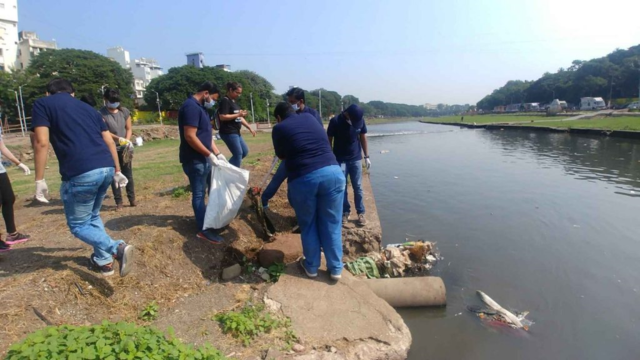
The Blue Cities Vision: Making Rivers Central to Urban Futures
The concept of Blue Cities envisions urban environments where water bodies like rivers and lakes are integral to city planning and sustainability. Unlike traditional cities focused on concrete infrastructure, Blue Cities prioritize ecological balance and resilience. As global urban populations grow, integrating rivers into urban design becomes essential for creating healthy, vibrant living spaces.
Historically, many cities developed alongside rivers for transportation, trade, and resources. However, rapid industrialization often led to polluted waterways and disconnected communities from their rivers. Today’s urban planners are reimagining this relationship by restoring natural river functions and making waterfronts accessible for recreation and community life.
This shift reflects growing awareness of blue-green infrastructure as a tool for climate adaptation and urban renewal.
Water-centric urbanism also supports biodiversity within city limits, helping to sustain ecosystems that are crucial for environmental health. Healthy rivers contribute to improved air quality, reduced urban heat, and natural flood control. Cities like Singapore and Copenhagen serve as pioneers in embracing water-sensitive urban design, showing how integrated waterways can enhance livability.
Beyond environmental benefits, integrating rivers into cities fosters social equity by providing public access to natural spaces. Riverfront parks, trails, and recreational facilities create inclusive spaces for people of all backgrounds to connect with nature. This democratization of waterfronts is crucial in fast-growing cities where green spaces are limited.
Projects such as the Cheonggyecheon Stream Restoration in Seoul demonstrate how revitalized rivers can transform urban life and improve wellbeing.
The Blue Cities vision also embraces innovative technology and data-driven planning to manage water resources efficiently. Smart water management systems monitor quality and flow, while flood early warning systems enhance urban resilience. Integration of Internet of Things (IoT) and GIS technologies allows cities to respond dynamically to environmental changes. This synergy between nature and technology is key to sustainable urban futures.
Finally, Earth5R plays a pivotal role in advancing Blue Cities through community engagement, river cleanups, and capacity building. Their holistic approach combines environmental restoration with social empowerment, making riverfronts hubs of sustainability and innovation. Earth5R’s model demonstrates that the future of cities depends on reconnecting people with their rivers, ensuring resilient, inclusive, and thriving urban environments for generations to come.
From Grey Infrastructure to Green-Blue Systems
Traditional urban river management relied on grey infrastructure like concrete embankments, canals, and storm drains, designed primarily for flood control. While effective short-term, these hardened systems often harm water quality, reduce biodiversity, and disconnect communities from their rivers. Many cities now recognize the ecological limits of grey infrastructure and seek sustainable urban drainage alternatives. This shift is essential for climate resilience.
Green-blue infrastructure integrates natural elements like parks, wetlands, and water bodies to manage stormwater and improve urban ecosystems. It enhances stormwater management, promotes urban biodiversity, and cools cities by reducing the urban heat island effect. Cities such as Melbourne and Portland showcase successful green infrastructure projects.
Living shorelines replace hardened riverbanks with natural materials like plants and rocks, offering erosion control and habitat benefits. The NOAA Living Shorelines program promotes these nature-based solutions to enhance water quality and support fish habitats. Unlike concrete walls, living shorelines adapt to changing conditions and sustain ecosystem functions. They represent a critical component of regenerative urban design.
Green-blue infrastructure also contributes to carbon sequestration, as vegetated areas absorb CO₂, helping cities meet climate commitments. Incorporating wetlands and riverfront greenery into urban planning reduces greenhouse gases and supports sustainable development goals. This nature-based approach complements technological innovations for climate adaptation.
Community participation drives the success of green-blue projects, with initiatives like urban wetland restoration and river cleanups encouraging local stewardship. Partnerships between municipalities, NGOs, and residents create resilient, inclusive riverfronts. Empowering communities fosters environmental awareness and long-term sustainability. Collaborative governance is key to replicable green infrastructure success.
Earth5R leads efforts in promoting green-blue infrastructure through its BlueCities initiative, focusing on restoring riverfronts with ecological and social benefits. Their projects improve water quality, enhance biodiversity, and create inclusive public spaces. Earth5R’s model exemplifies how cities can transition from grey to nature-based solutions, fostering resilient and vibrant urban ecosystems. Their work integrates community action with innovative ecological design.
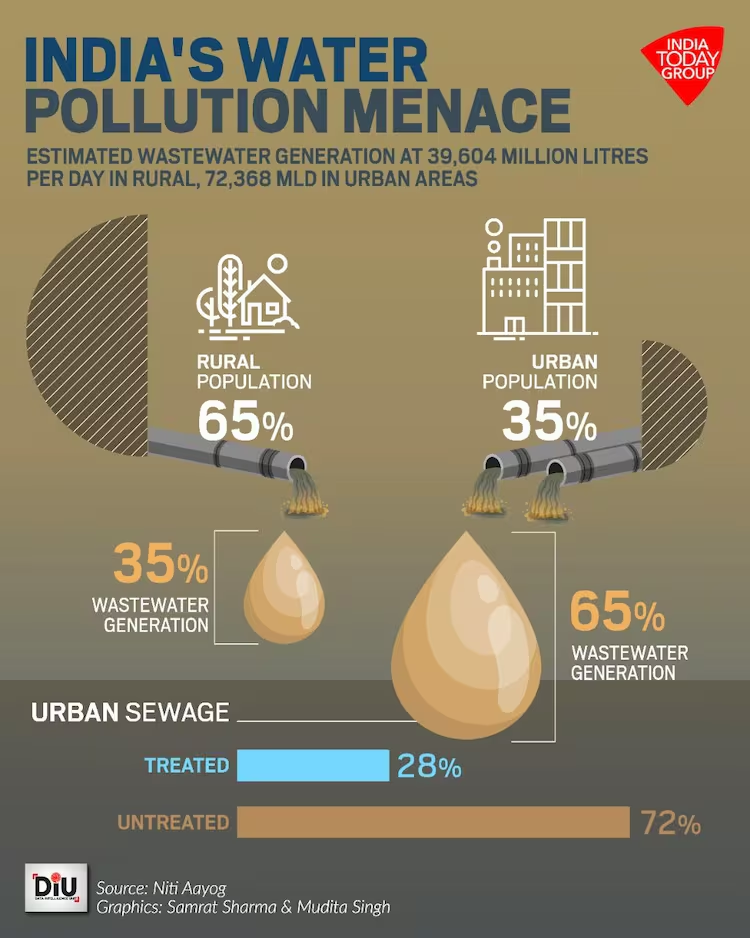
This infographic presents the concept of Blue Cities, emphasizing sustainable urban riverfront development and community-led restoration efforts.
Rivers as Climate Buffers in a Changing World
Healthy rivers act as natural climate buffers, regulating temperatures, storing water, and reducing the impact of extreme weather events. Their floodplains absorb excess rain, lowering flood risks and protecting urban infrastructure. Riparian vegetation cools surrounding areas, reducing the urban heat island effect. These functions make rivers essential components of climate adaptation strategies for cities.
Rivers play a vital role in groundwater recharge, ensuring water availability during droughts. By allowing floodwaters to infiltrate the soil, they replenish aquifers that supply drinking water to millions. Restored wetlands along rivers help in water purification, filtering out pollutants before they reach larger water bodies. Such ecosystem services are increasingly valuable as climate change disrupts rainfall patterns.
Rivers also sustain biodiversity by supporting aquatic and riparian habitats. Many species rely on connected waterways for migration, breeding, and feeding. Protecting these habitats strengthens ecological resilience against climate-related threats. Urban restoration projects like London’s River Thames revival show how improving river health benefits wildlife and humans alike.
The cooling effect of rivers can mitigate heat stress in densely populated areas. Waterfront parks and green belts along rivers provide shaded spaces that lower ambient temperatures, improving public health during heatwaves. Integrating rivers into urban climate resilience planning ensures cities are better prepared for rising global temperatures.
Rivers are also crucial for food security as they irrigate agricultural lands. Sustainable river management can help farmers adapt to water scarcity by promoting efficient irrigation and soil conservation practices. Linking river restoration with sustainable agriculture strengthens both urban and rural resilience to climate impacts.
Earth5R’s BlueCities program integrates climate adaptation into riverfront restoration. By combining nature-based solutions with community engagement, they enhance flood control, water quality, and biodiversity. This holistic approach demonstrates how restoring rivers can protect cities from climate extremes while creating vibrant public spaces.
Economic and Social Revitalisation Through Riverfronts
Revitalised riverfronts can drive urban regeneration by attracting new businesses, tourism, and investment. Clean, accessible waterfronts increase property values, making them desirable for residents and investors. Cities like London and Singapore have transformed neglected rivers into economic hubs. This revitalisation strengthens the local economy while improving community wellbeing.
Tourism thrives when rivers become vibrant public spaces. Iconic redevelopments such as Paris’ Seine banks and Seoul’s Cheonggyecheon Stream attract millions of visitors annually. River-based festivals, cultural events, and boat tours create opportunities for small businesses, from cafés to craft markets. Investment in public infrastructure near rivers multiplies benefits across sectors, creating jobs and boosting local services.
Revitalised riverfronts also improve public health by encouraging outdoor recreation and active transport like cycling and walking. Studies show that access to green-blue spaces lowers stress, boosts physical fitness, and fosters social interaction. Parks, trails, and sports facilities along rivers provide inclusive spaces for all demographics. This integration of health and economy makes riverfront renewal a holistic investment.
Social cohesion strengthens when riverfronts become gathering places for communities. Accessible, safe, and inclusive spaces reduce social isolation and promote cultural exchange. Public events like music performances, art fairs, and environmental workshops create shared experiences. Involving communities in urban design ensures that revitalised spaces reflect local identity and values.
Riverfronts can be catalysts for sustainable economic growth when integrated with circular economy principles. Markets selling locally made goods, restaurants sourcing from local agriculture, and eco-tourism initiatives generate income without harming ecosystems. Linking riverfront commerce to sustainable supply chains ensures long-term viability and resilience.
Earth5R’s BlueCities projects demonstrate how economic and social revitalisation can go hand-in-hand with environmental restoration. Their river cleanups, eco-parks, and community markets create livelihoods while protecting ecosystems. By combining citizen participation with sustainable business models, Earth5R shows that healthy rivers can be engines of inclusive urban prosperity.
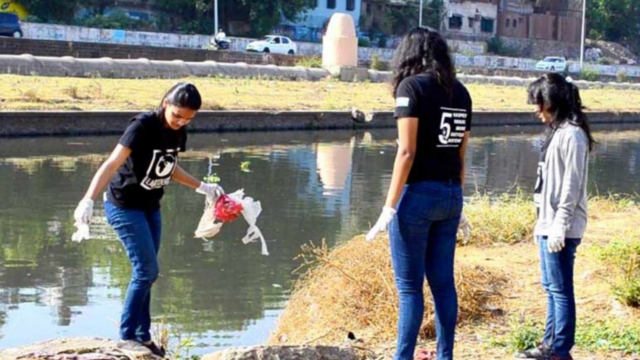
Community-Led Models for River Restoration
River restoration succeeds when local communities are directly involved in planning and execution. Initiatives like citizen science allow residents to monitor water quality and track biodiversity. Grassroots groups often lead waste management campaigns and habitat cleanups. Empowering citizens with environmental education and resources fosters long-term stewardship. This bottom-up approach builds public ownership of restoration projects.
Collaborative models thrive when NGOs, local governments, and residents share responsibilities. Partnerships between civil society and municipalities enable better funding and coordination. Co-management agreements often give communities a formal role in decision-making. The Aarhus Convention reinforces public rights to participate in environmental governance. Such frameworks create accountability and transparency in river management.
Economic incentives can strengthen community-led restoration. Programs that link river cleanups to waste-to-wealth initiatives create sustainable livelihoods. Circular economy models turn collected waste into marketable products. Incentive schemes like payment for ecosystem services reward residents for conservation work. These approaches merge ecological restoration with income generation.
Cultural heritage plays a powerful role in community engagement. Many rivers have deep ties to local traditions and religious practices. Festivals, storytelling events, and heritage walks can revive cultural connections while promoting conservation. Celebrating rivers as part of living heritage helps sustain public interest and respect for waterways.
Education is the backbone of long-term river stewardship. Schools can integrate water conservation into their curricula, while youth clubs organise environmental campaigns and awareness drives. Digital tools like mobile apps enable citizens to report pollution incidents. These initiatives ensure that restoration knowledge is passed to future generations.
Earth5R’s Citizen-led BlueCities Model shows how inclusive action transforms rivers. Volunteers conduct waste audits, plant riparian vegetation, and organise plastic collection drives. By blending local entrepreneurship with ecological goals, Earth5R ensures that restoration efforts are economically viable, socially inclusive, and environmentally resilient.
Policy Frameworks and Legal Enforcement for River Protection
Strong legal frameworks are essential for safeguarding rivers. Laws like the Water (Prevention and Control of Pollution) Act, 1974 in India regulate discharge limits and mandate treatment facilities. Internationally, agreements such as the Ramsar Convention protect wetlands linked to river systems. Enforcement agencies like the Central Pollution Control Board monitor compliance and penalise violators. Effective river governance relies on clear legislation and strict penalties.
Public interest litigation has emerged as a powerful tool for environmental protection. Landmark cases like the Ganga pollution PIL set important precedents. The judiciary often invokes the Public Trust Doctrine to protect rivers as common resources. NGOs use legal advocacy to challenge illegal sand mining and industrial discharge. Such legal interventions complement administrative action by compelling compliance.
Policy integration is vital for effective protection. River health is linked to urban planning, agriculture policies, and climate change adaptation. Cross-sector frameworks ensure that development projects undergo environmental impact assessments. Governments can adopt integrated water resources management to harmonise conservation with economic needs.
Community participation in policy-making increases legitimacy. Mechanisms like public hearings allow citizens to voice concerns about riverfront projects. Participatory governance platforms connect stakeholders from industry, academia, and civil society. This ensures that policies are grounded in local realities. Including indigenous and traditional knowledge enhances the cultural relevance of legal frameworks.
Enforcement capacity often determines policy success. Authorities require trained personnel to conduct inspections and prosecute offences. Use of remote sensing and GIS mapping enables better surveillance of river health. Governments can establish special river protection units with dedicated resources. Technology-driven monitoring improves both transparency and accountability.
Earth5R actively works with policymakers to embed citizen data into governance. Through its BlueCities platform, community-generated pollution reports are shared with local authorities and legal bodies. This bridges gaps between grassroots monitoring and official enforcement. By aligning citizen action with policy implementation, Earth5R strengthens the legal foundation for sustainable river protection.
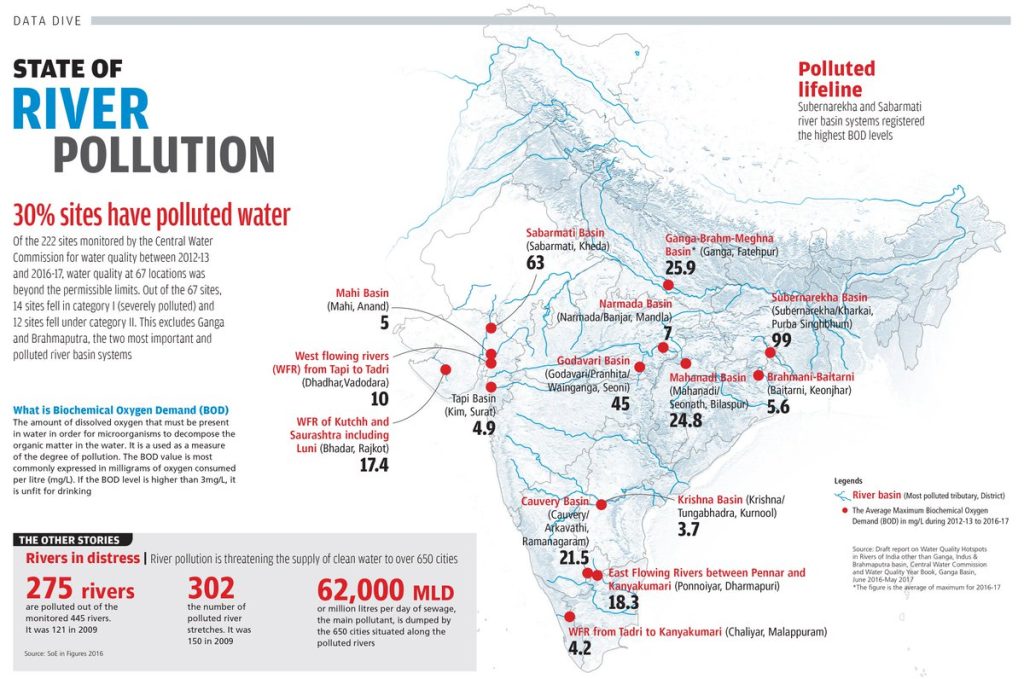
This infographic illustrates the alarming state of river pollution across India, highlighting Biochemical Oxygen Demand (BOD) levels in major river basins.
Corporate Accountability and CSR in River Restoration
Industries are among the largest contributors to river pollution, making corporate accountability a key pillar of restoration efforts. Regulations such as Extended Producer Responsibility ensure companies manage waste beyond production. Environmental disclosure norms like the Business Responsibility and Sustainability Report increase transparency.
Corporate Social Responsibility (CSR) has evolved into a strategic sustainability tool. Under India’s Companies Act, 2013, eligible firms must allocate 2% of net profits to CSR activities. Many companies fund river cleanup drives and water conservation projects. Strategic CSR can address SDG 6: Clean Water and Sanitation by targeting both pollution prevention and riverbank restoration.
Partnerships between corporations and NGOs have proven highly effective. Collaborations with Earth5R integrate citizen-led data into corporate sustainability planning. Joint initiatives like waste-to-resource programs reduce industrial discharge into rivers. By co-investing in waste management infrastructure, companies can achieve measurable impact and build community trust.
Supply chain accountability is critical in reducing indirect river pollution. Corporations can adopt water stewardship standards across supplier networks. Tools like life cycle assessment help identify high-impact areas. Ethical sourcing policies ensure that raw materials are procured with minimal ecological damage. This upstream responsibility amplifies restoration outcomes.
Transparency and public reporting foster long-term change. Platforms such as the Carbon Disclosure Project encourage companies to report water risks alongside carbon metrics. Annual sustainability reports can detail river restoration projects and their measurable benefits. Publicly available impact dashboards enable stakeholders to track corporate commitments.
Earth5R’s model strengthens CSR integration by linking corporate investments to verifiable outcomes. Its BlueCities database enables companies to fund projects with quantifiable environmental returns. By merging grassroots action with corporate funding, Earth5R ensures that CSR spending leads to real, on-the-ground river revival.
Community-First Solutions for Lasting River Health
Community-driven river restoration ensures that solutions are locally relevant and sustainable over time. Grassroots efforts such as citizen science enable residents to monitor water quality and report pollution sources. Initiatives like water literacy programs empower households to reduce waste discharge. Earth5R’s BlueCities framework integrates such community knowledge into restoration planning.
Active community participation leads to better compliance with pollution control norms. Local river watch groups help enforce waste segregation and prevent illegal dumping. Public engagement in afforestation drives along riverbanks improves biodiversity. By adopting zero-waste practices, communities can drastically reduce the volume of waste reaching rivers.
Capacity building is central to empowering local stakeholders. Workshops on sustainable fishing practices protect aquatic species. Training programs in organic farming minimize chemical runoff into waterways. Skill development in waste-to-resource entrepreneurship creates green livelihoods while improving river health. Partnerships with local NGOs help scale these initiatives.
Decentralized solutions like rainwater harvesting and constructed wetlands are more effective when managed by communities. Such systems reduce stormwater runoff and filter pollutants before they reach rivers. Earth5R’s urban biodiversity projects demonstrate how localized ecological interventions can improve both river quality and urban resilience.
Community ownership builds accountability. When residents invest in riverfront management or maintain public water kiosks, they develop a long-term stake in water resources. Transparent public audits ensure fair use of restoration funds. This ownership model aligns with SDG 11: Sustainable Cities and Communities.
Earth5R ensures that community-led action is supported by scientific data. Its real-time pollution mapping helps prioritize interventions where they are most needed. By blending citizen participation with professional expertise, Earth5R creates river restoration projects that are socially inclusive, economically viable, and ecologically sound.
Monitoring, Data, and Accountability in River Conservation
Effective river restoration requires consistent data monitoring to detect pollutants, track ecological recovery, and guide policy-making. Advanced IoT-based water sensors deliver real-time data, allowing rapid responses to contamination. Earth5R’s BlueCities platform integrates field inputs with open-source GIS mapping to pinpoint problem zones and mobilize targeted interventions.
Regular water quality assessments are crucial for compliance with national standards and early detection of heavy metals, nitrates, or microbial threats. Mobile testing laboratories enable instant analysis in rural and urban sites, reducing delays in remediation. Collaborations with academic institutions strengthen credibility, while satellite monitoring tools track long-term environmental shifts across watersheds.
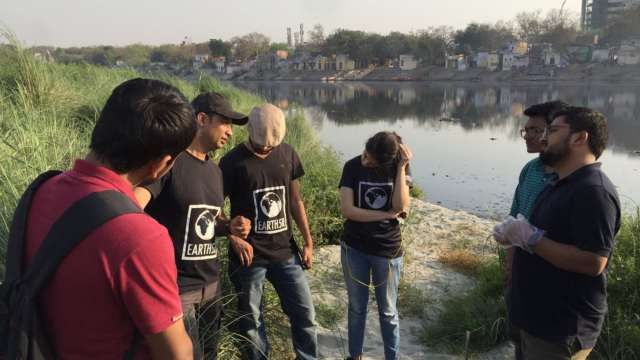
Community-led monitoring programs build citizen ownership of river health. Trained volunteers in river health assessment collect visual and chemical data, which feeds into crowdsourced databases. Partnerships with local NGOs, schools, and youth groups ensure diverse participation. Accessible mobile reporting apps allow communities to instantly flag dumping or illegal encroachments.
Strong accountability frameworks ensure conservation outcomes are transparent and trustworthy. Third-party environmental audits validate project milestones, while impact dashboards display real-time pollution reduction progress. Public feedback systems and complaint redressal portals create channels for citizen oversight, ensuring that CSR funding is effectively utilized for river health.
Inter-agency data sharing improves governance efficiency. Linking municipal infrastructure databases with environmental monitoring platforms fosters coordinated decision-making. Data.gov.in provides open access to river datasets, supporting joint actions between urban planning departments and solid waste management bodies. This collaborative approach ensures river policies align with real-time ground realities.
Earth5R champions a science-based and citizen-driven river governance model. Integrating real-time tracking tools with community engagement platforms enables adaptive management. By aligning with SDG 6 and SDG 14, the approach ensures rivers are restored, protected, and resilient against future ecological threats.
Building Long-Term Resilience for River Ecosystems
Sustainable river management demands a long-term resilience strategy that integrates ecosystem restoration with community stewardship. Restoring native riparian vegetation stabilizes banks, filters pollutants, and provides wildlife corridors. Wetland revival projects enhance flood control and biodiversity. These ecological buffers, when combined with nature-based solutions, safeguard rivers from extreme climate impacts.
Adapting to climate change requires scenario-based planning using hydrological modelling tools to anticipate droughts and floods. Catchment-scale restoration mitigates erosion and improves infiltration. Incorporating permeable urban surfaces and rainwater harvesting reduces stormwater runoff into rivers. This proactive approach ensures water security for both ecosystems and human settlements.
Strengthening policy resilience means embedding river health targets into city master plans and state water policies. Incentives for CSR-supported river projects can sustain funding beyond short-term campaigns. Transparent compliance audits hold polluters accountable, while stricter environmental penalties deter repeat offenders. Long-term legal protections keep ecological gains secure.
Resilience also depends on knowledge continuity through environmental education programs in schools and universities. Citizen science initiatives encourage lifelong participation in river health monitoring. Storytelling through digital platforms and community media strengthens public commitment. This cultural shift embeds conservation into daily habits.
Innovations like AI-driven pollution forecasting and blockchain-based water quality tracking can transform river governance. Combining these with low-cost sensor networks enables predictive interventions. Geo-tagged waste management systems track illegal dumping, while open-source mapping tools aid in targeted clean-ups. Technology ensures resilience plans are adaptive and scalable.
Earth5R envisions rivers as living systems that thrive through collaborative action between citizens, governments, and corporations. By aligning with SDG 6 and SDG 14, river conservation becomes a shared responsibility with measurable, lasting outcomes. This integrated approach ensures future generations inherit rivers that are clean, resilient, and life-sustaining.
Conclusion: Blue Cities Rising- Reimagining Riverfronts for Urban Resilience and Sustainability
Protecting rivers is not just an environmental duty but a collective responsibility that sustains life itself. Initiatives like community-led cleanups and riverbank restoration show how local action can drive large-scale change. By integrating nature-based solutions, cities can create water systems that are both resilient and self-sustaining. The future of rivers depends on inclusive, long-term stewardship.
Technology plays a powerful role in building this resilience. Tools like AI-driven pollution forecasting and low-cost water sensors enable proactive interventions. Open platforms such as QGIS empower communities to map and monitor threats in real time. Combining innovation with citizen engagement ensures rapid, data-backed responses to environmental challenges.
Policy integration is equally vital. Embedding river conservation goals into urban planning frameworks creates systemic safeguards. Corporate partnerships through CSR initiatives can secure consistent funding for restoration projects. Strong legal frameworks with clear enforcement prevent ecological gains from being reversed by short-term exploitation.
Ultimately, the vision is one of harmony—where citizens, governments, and corporations unite to restore rivers as vibrant lifelines. Aligning with global sustainability goals ensures these efforts are part of a larger environmental mission. By committing to this shared journey, we can ensure clean, thriving rivers for generations to come.
Frequently Asked Questions: Blue Cities Rising: Reimagining Riverfronts for Urban Resilience and Sustainability
What does the term “Blue Cities” mean?
Blue Cities are urban areas that integrate water-sensitive planning, river restoration, and blue-green infrastructure to ensure environmental, social, and economic sustainability.
Why is riverfront development important for urban resilience?
It helps manage floods, reduces urban heat, supports biodiversity, and enhances public access to natural spaces.
How can riverfronts be made sustainable?
Through habitat restoration, pollution control, eco-friendly design, and active public engagement.
What role does community participation play in riverfront projects?
Community participation ensures local needs are met, heritage is preserved, and residents take ownership of the space.
How does Earth5R contribute to sustainable riverfront development?
Earth5R mobilizes citizens, engages corporate partners, and collaborates with governments to clean, protect, and revitalise rivers.
What are some global examples of successful Blue City projects?
Seoul’s Cheonggyecheon Stream, Singapore’s Marina Bay, and London’s Thames Path are prime examples.
How do Blue Cities address climate change challenges?
They incorporate flood control, climate-adaptive infrastructure, and renewable energy solutions into city planning.
Can riverfront revitalization boost local economies?
Yes, by fostering tourism, creating eco-friendly business opportunities, and generating local employment.
What challenges can arise during riverfront redevelopment?
Balancing development with ecological preservation, ensuring equitable access, and preventing gentrification are key challenges.
How can citizens support the Blue Cities movement?
By participating in cleanups, conserving water, advocating for policies, and supporting eco-conscious businesses.
What is blue-green infrastructure in urban planning?
It’s the integration of water systems (blue) with vegetation and green spaces (green) to improve climate resilience and livability.
Why is biodiversity important in riverfront ecosystems?
Biodiversity supports ecosystem health, improves water quality, and ensures the survival of native species.
How does sustainable riverfront design impact mental health?
Access to clean, green, and blue spaces reduces stress, promotes physical activity, and improves community well-being.
What is the role of technology in Blue Cities?
Technology enables real-time water quality monitoring, flood prediction, and smart waste management for rivers.
How can river pollution be effectively reduced?
Through strict wastewater management, banning single-use plastics, and promoting community-led waste segregation.
Why is cultural preservation important in riverfront projects?
Rivers often hold historical and spiritual significance, and preserving this heritage strengthens community identity.
How does public transportation fit into sustainable riverfront planning?
Integrating river-based transport like ferries reduces traffic congestion and lowers carbon emissions.
Can riverfront projects help in flood prevention?
Yes, by restoring wetlands, creating floodplains, and designing permeable surfaces to absorb rainwater.
What funding models work for Blue City projects?
Public-private partnerships, CSR funding, community crowdfunding, and government grants are common approaches.
What is the long-term vision of the Blue Cities movement?
To create urban environments where people and nature coexist harmoniously, ensuring water security, climate resilience, and sustainable growth.
Call To Action: Blue Cities Rising: Reimagining Riverfronts for Urban Resilience and Sustainability
Urban riverfronts can be restored into vibrant spaces that support biodiversity and community life. By joining clean-up drives and reducing daily waste, citizens create visible change. Small steps, like choosing eco-friendly products and spreading awareness, add up over time. Together, these actions bring rivers back to life.
Businesses can boost impact by funding restoration projects and supporting community-led programs. Partnering with organizations such as Earth5R ensures projects are inclusive and long-lasting. CSR efforts aligned with sustainability build brand trust and environmental stewardship. This approach benefits both nature and society.
Policymakers must integrate ecological priorities into riverfront planning and development. Strong pollution control laws, nature-based solutions, and public spaces are essential. Involving communities in decision-making ensures solutions are practical and accepted. These measures create resilient, people-friendly cities.
The transformation of riverfronts requires united action from all sectors. Citizens, companies, and governments share responsibility for these blue spaces. Acting now ensures rivers remain healthy for future generations. Every contribution, no matter how small, shapes a sustainable urban future.
~Authored by Barsha Sharma