
Bharat Organic Transition Program:
Empowering Farmers Through Regenerative Agriculture
A scalable, verifiable, and transformational pathway to transition 1 crore Indian farmers to climate-smart organic practices — powered by forensic traceability, carbon credit infrastructure, and institutional partnership at national scale.
Strategic Partners
Earth5R · Amul RichPlus · Indian Overseas Bank · NABARD · Infinite Seva
A National Infrastructure for India's Agricultural Transformation
India is home to more than 146 million farming households, of which 86% are small and marginal farmers struggling with rising input costs, falling soil fertility, and limited access to reliable markets. Concurrently, the agricultural sector contributes over 18% of national greenhouse gas emissions, primarily driven by excessive chemical fertiliser usage and unsustainable cultivation practices.
The Bharat Organic Transition Program — a flagship collaboration between Earth5R, Amul RichPlus, Indian Overseas Bank, and NABARD — is architected to address these converging crises through a full-stack transformation model. This initiative reimagines how India's soil, farmers, and agri-economy can be rehabilitated through scientific bio-inputs, behavioural incentives, digital traceability, and institutional partnerships.
On 29 May 2025, Mr. Amit Vyas, MD – Amul Dairy, Mr. Ajay Kumar Srivastava, MD – Indian Overseas Bank, and Mr. Ashok Sarrangan, MD – RichPlus, came together at Chennai for the historic MoU signing of the Organic Farming Transition Program for Farmers — marking the formal launch of what is projected to become India's largest traceable organic farming platform.
Under this national-scale initiative, Amul RichPlus bio-NPK, Azotobacter, Mycorrhizae, PSB, and enzymatic organic inputs will be deployed across 20+ states, embedded into a comprehensive transition framework developed by RichPlus and Earth5R. The program leverages Earth5R's Google and UNESCO-awarded mobile-first app ecosystem, farmer-specific dashboards, and ESG-linked monitoring tools aligned with IPCC protocols — delivering forensic-grade traceability from soil to carbon credit.
Program Thesis: This initiative is not designed as an aid programme. It is structured as a national infrastructure investment — converting unstructured organic efforts into verifiable, carbon-sequestering activity while generating real income impact for millions of farming households. Every organic input application, every training milestone, and every soil improvement metric is digitally captured, reported, and verified.
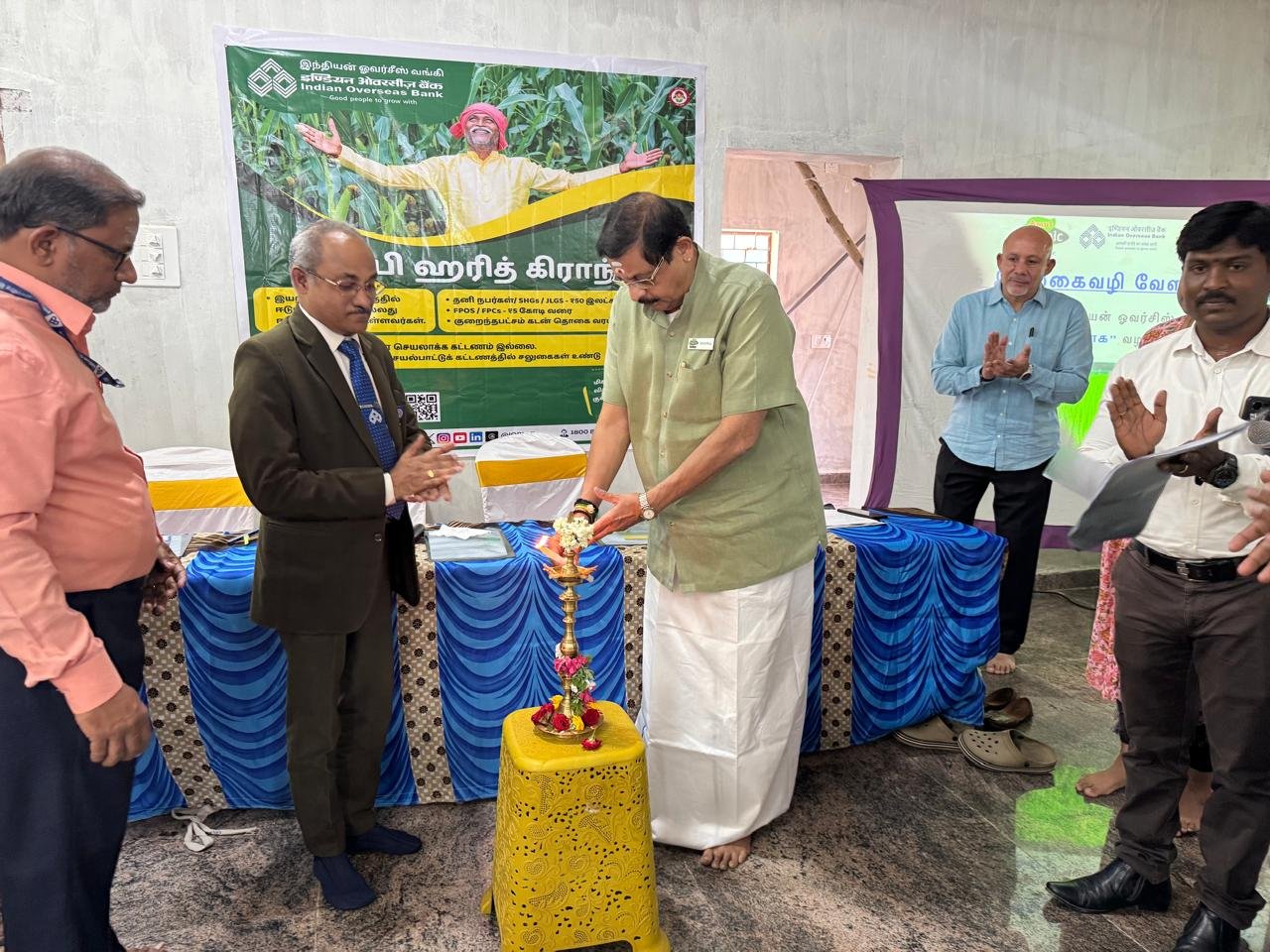
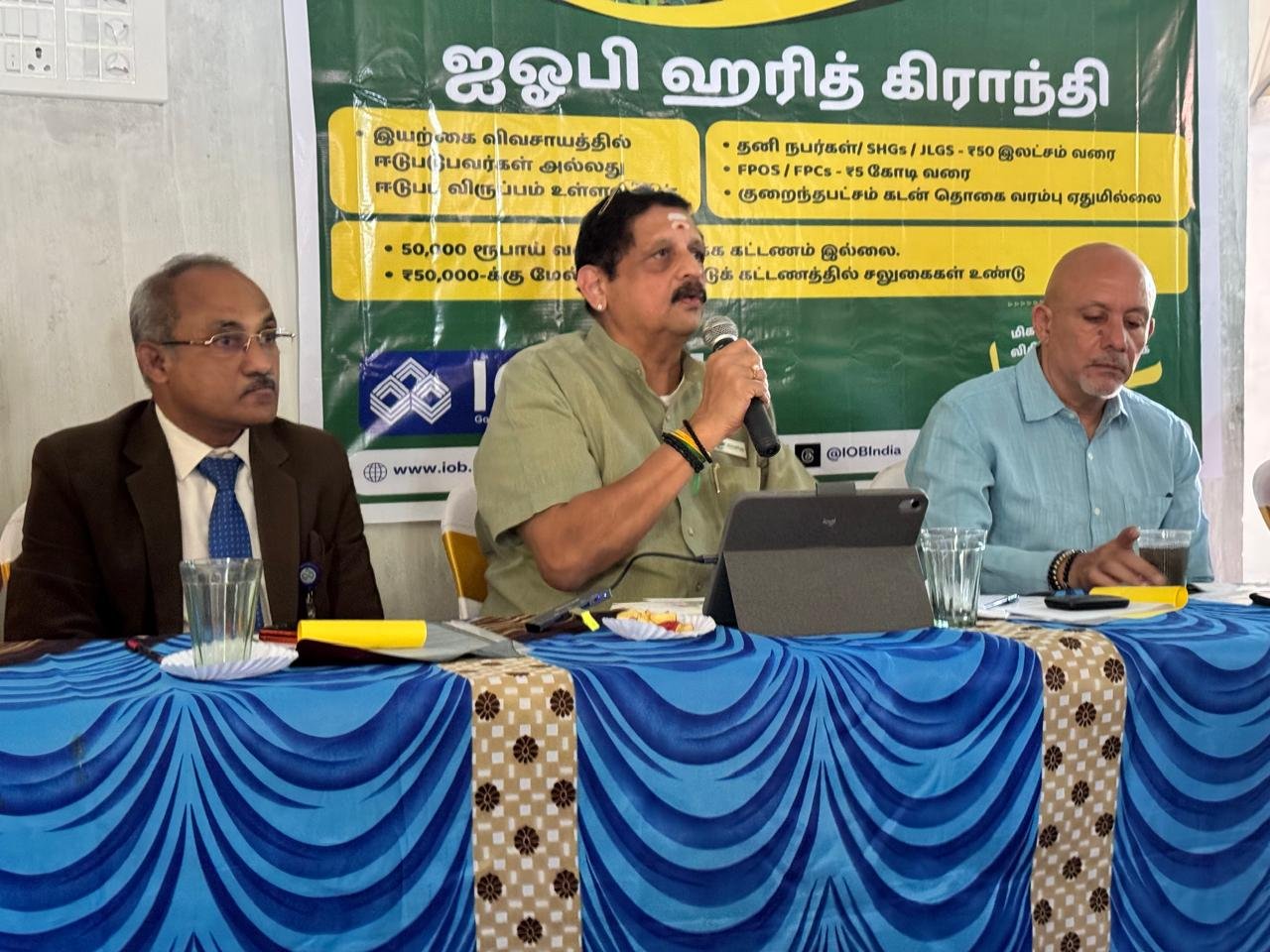
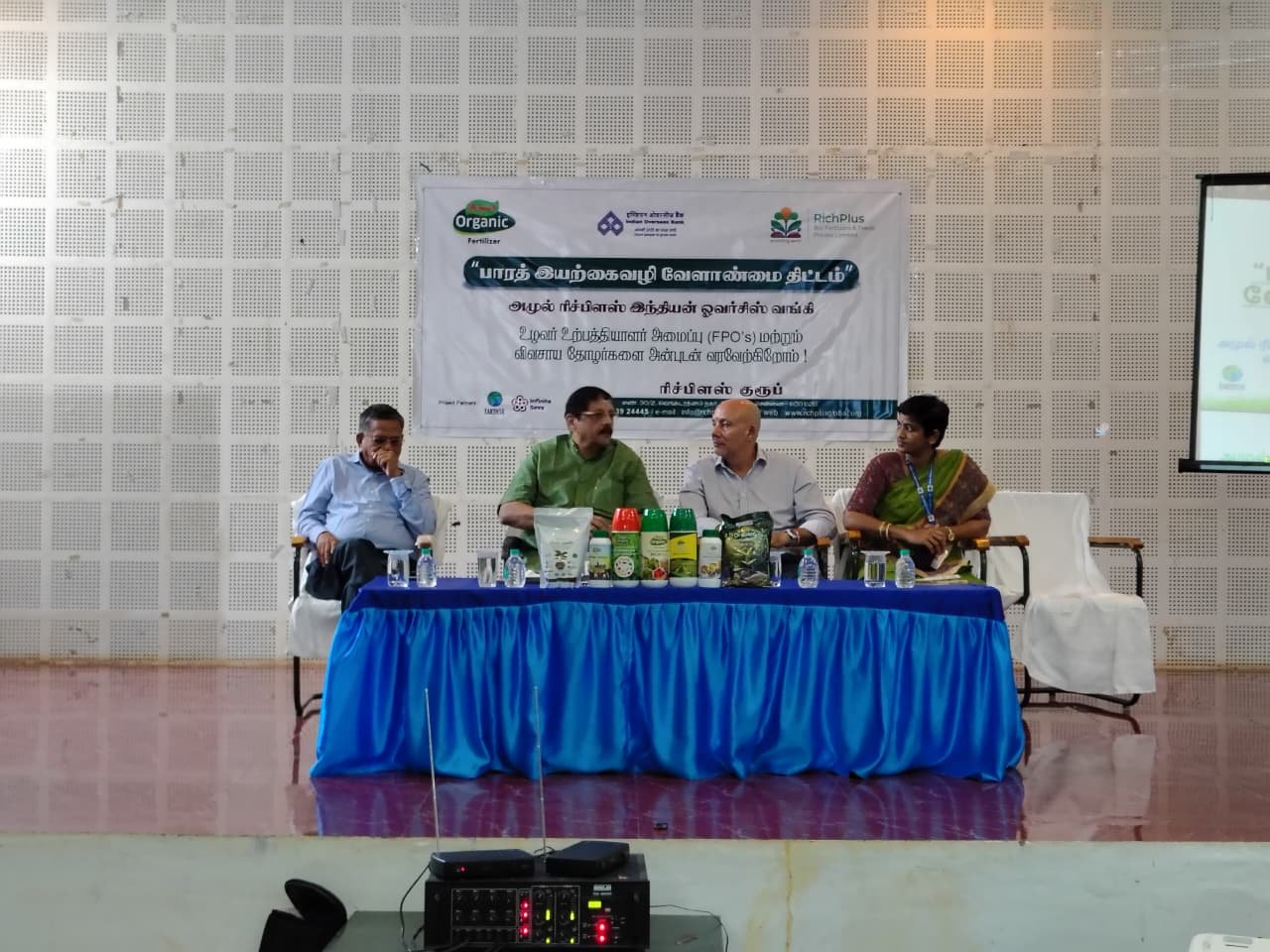
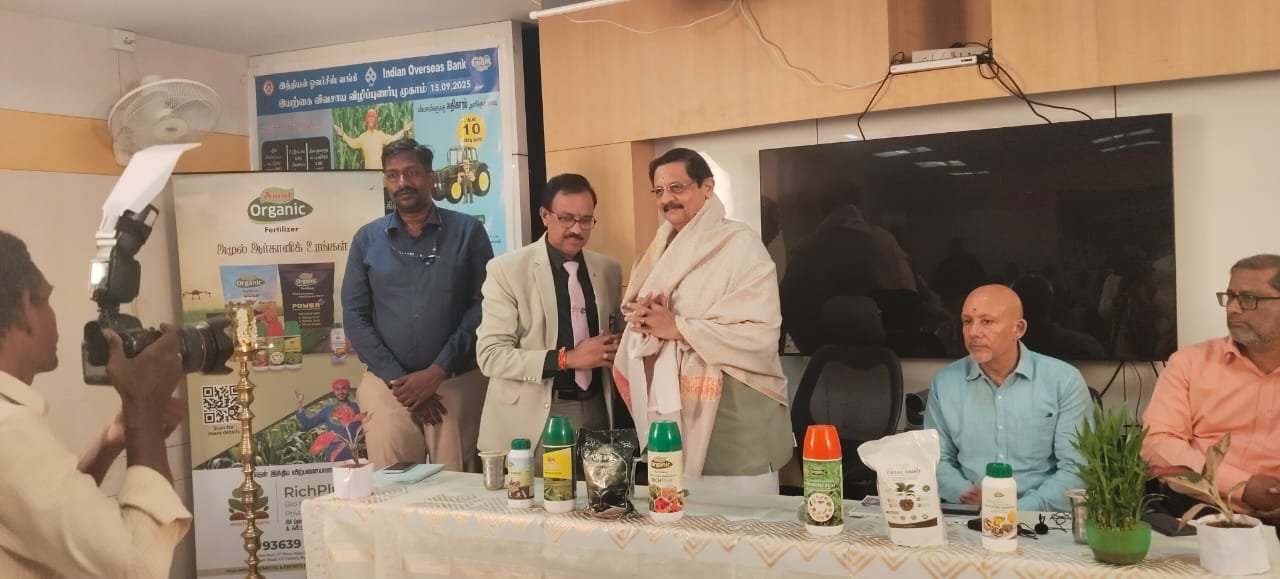
Mr. Ashok Sarrangan, MD – RichPlus, leads a stakeholder engagement session on the organic farming transition framework developed jointly with Earth5R, Amul, IOB, and NABARD.
India's Farming Sector: A Structural Breakdown Masked by Surface-Level Productivity
While India remains a global leader in milk, grains, and vegetable production, this performance has come at severe ecological, public health, and economic cost.
The Ecological Crisis
Over 120 million hectares of Indian farmland are degraded. Groundwater tables are plummeting by 10 to 25 cm annually across major agricultural belts. Nitrate pollution has breached safe limits in nearly one-fifth of tested sites. Chemical fertiliser use has created a vicious cycle: diminishing soil microbiome diversity → increasing input dependency → rising costs → deeper farmer debt.
Government schemes such as PKVY (Paramparagat Krishi Vikas Yojana) and NMSA (National Mission on Sustainable Agriculture) offer partial relief, but the systemic scalability, technology integration, and market linkage required for long-term adoption remain critically underdeveloped. Only 2.6 million hectares — less than 3% of total cultivable area — are under certified organic cultivation.
The Economic Distress
Over 70% of Indian farmers report income distress, with average monthly earnings of just ₹10,218. Rising chemical input costs push families toward unsustainable debt cycles, and the gap between agricultural expenditure and returns widens annually. Marginal farmers — who constitute the backbone of India's food security — are the most vulnerable, lacking access to credit, markets, and technical knowledge for transition.
Yet within this crisis lies a profound opportunity: to transition millions of farmers toward regenerative organic farming while building a new green economy based on traceability, carbon credits, and rural innovation. Over 10,000 FPOs are registered under government schemes, and another 10,000 are projected to form by 2027 — creating the institutional base for a national transition.
A Full-Stack Transformation Model for Regenerative Agriculture
This program does not work in silos. It builds an integrated ecosystem of field partners, NGOs, FPOs, and financial institutions, working in sync through a common traceability engine.
The Operating System for India's Organic Future
By blending Amul's legacy and brand trust, RichPlus's bio-input innovation and ecosystem architecture, Earth5R's digital infrastructure and forensic traceability, IOB's institutional reach, and Infine Seva's FPO network, the program delivers a system-level transformation across four critical dimensions:
- Verification Infrastructure: Converting unstructured organic efforts into verifiable, carbon-sequestering activity with IPCC-aligned measurement protocols
- Input Access & Training: Providing farmers access to scientifically formulated bio-inputs (bio-NPK, Mycorrhizae, Azotobacter, PSB) with digital training and post-deployment monitoring via Earth5R's multilingual app
- Governance & Traceability: Every organic input application, training milestone, and soil improvement metric is digitally captured through QR-enabled field identifiers and reported in real time
- Climate Income Pathways: Building India's first agriculture-linked carbon credit framework with registry-level engagement, enabling new income streams for participating farmers
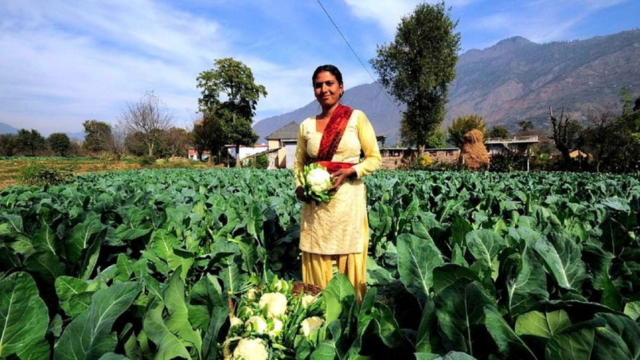
CircularFarms Network: Earth5R's integrated delivery model connecting regenerative farming with scalable digital traceability and carbon credit architecture across India's agricultural landscape.
National Opportunity: Over 2.3 million hectares are already under organic transition, awaiting structured validation and scale. More than 10,000 FPOs are registered and another 10,000 are projected by 2027. This program rides this momentum with the institutional credibility to become a benchmark for the Global South.
Multi-Institutional Partnership Architecture
The strength of this program lies in complementary partnerships anchored in credibility, execution capacity, and long-term alignment — each partner contributing a specific capability while sharing a commitment to India's rural and environmental upliftment.
Amul
Amul plays the role of a national anchor, offering deep-rooted rural credibility, mass outreach, and long-standing trust among India's farming communities. Its involvement signals institutional seriousness and builds instant confidence among farmers, FPOs, and local stakeholders.
Through its association with RichPlus, Amul facilitates the deployment of high-quality organic inputs at scale. All training certificates, field manuals, and mobile app interfaces carry Amul co-branding — amplifying adoption and positioning the program for national replication and policy alignment.
RichPlus
RichPlus serves as the ecosystem architect, mobilising a diverse coalition of grassroots organisations, FPOs, NGOs, government agencies, and input brands into a unified operating model. Led by Mr. Ashok Sarrangan, MD – RichPlus, and supported by Sridhar from RichPlus, the team designs the movement infrastructure connecting regenerative farming with scalable delivery.
RichPlus bio-inputs — including bio-NPK, Azotobacter, Mycorrhizae, and enzymatic organic inputs — are scientifically formulated and field-tested to drive organic farming at scale. The company activates and aligns all actors required for systemic change, ensuring bio-inputs, training, monitoring, and verification move in sync.
Indian Overseas Bank (IOB)
IOB plays the role of a strategic institutional bridge, linking regenerative agriculture to rural finance, inclusion, and long-term farmer resilience. With a network of district-level training centres and deep presence across India's rural banking landscape, IOB brings the trust, access, and infrastructure needed to anchor the program within formal financial systems.
IOB facilitates farmer onboarding into savings accounts, Kisan Credit Cards, insurance schemes, and credit support mechanisms — ensuring the transition to organic farming is not just ecological but economically sustainable. Led by Mr. Ajay Kumar Srivastava, MD – IOB, the bank also supports financial literacy sessions enabling farmers to understand input cost planning, benefit calculations, and digital payments.
Earth5R
Earth5R, working alongside RichPlus, serves as the digital and intelligence backbone of the program. Its mobile-first platform — awarded and validated by Google for innovation — enables multilingual training, organic input tracking, farmer profiling, and carbon-readiness assessments at scale.
With global recognition from UNESCO, a UN-funded sustainability project portfolio, and operations across 65 countries, Earth5R designs the training framework, digitises farmer onboarding, and builds dashboards for real-time project monitoring. Together with RichPlus, New York University, and other global partners, Earth5R leads the carbon credit architecture. The proprietary Sustainability ID ensures every farmer's journey is traceable, verifiable, and impact-linked.
NABARD
NABARD supports the program's climate resilience infrastructure, covering transition risks and enabling long-term sustainability. It provides institutional endorsement for training curricula alongside ICAR, Agri universities, and New York University — while facilitating grant and funding ecosystem access for FPOs and farmers navigating the critical chemical-to-organic transition period.
Infine Seva
Infine Seva connects FPOs to the ecosystem, supporting field execution — training SPOs, delivering inputs, and ensuring grassroots implementation. Their network activates the community institutions that serve as key vehicles for farmer mobilisation, training continuity, and regional program ownership across India's diverse agro-climatic zones.
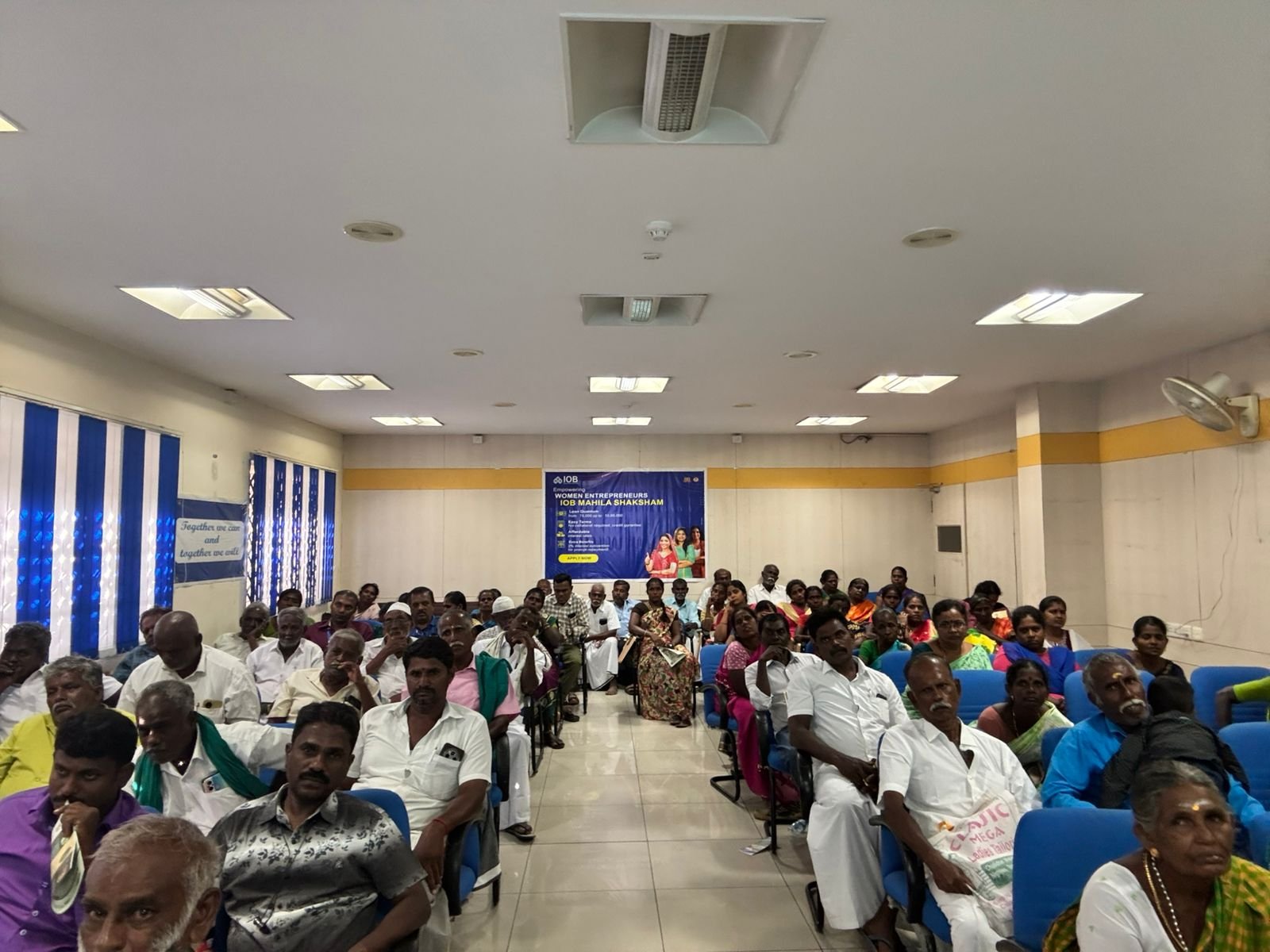
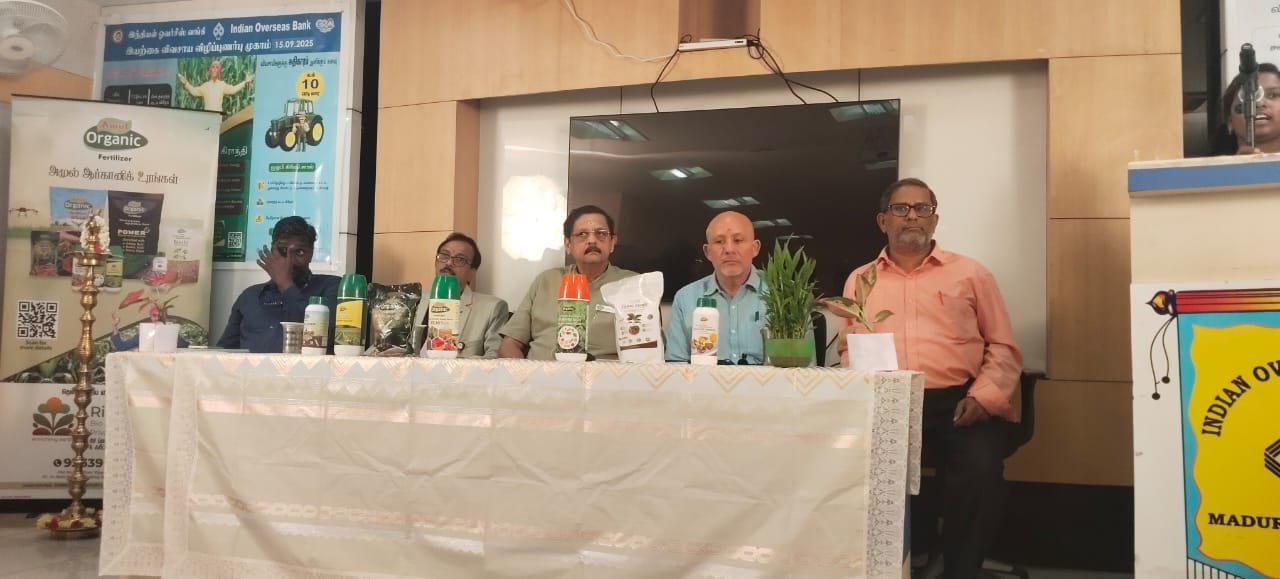
Stakeholder Workshops & Ground-Level Engagement
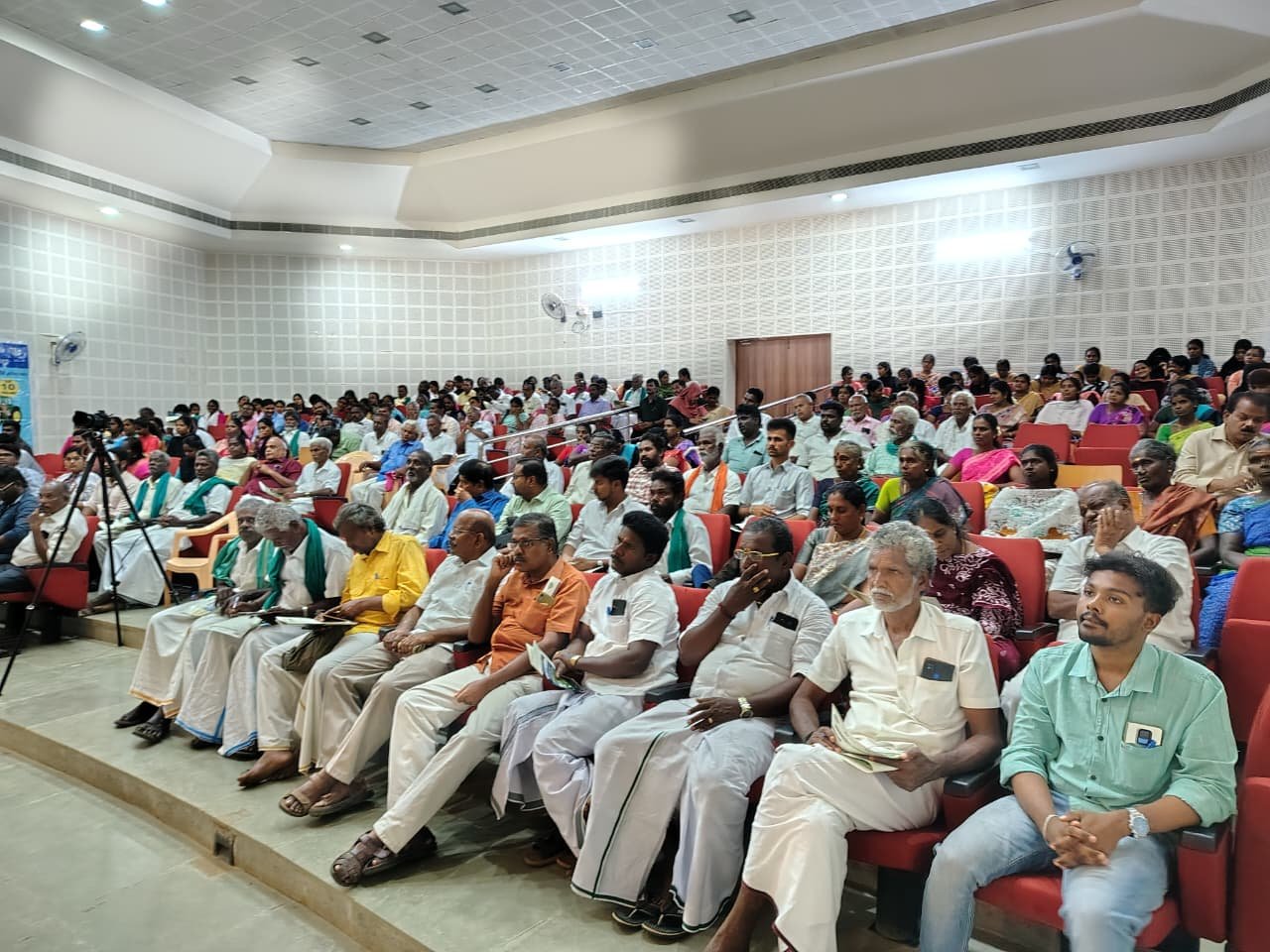
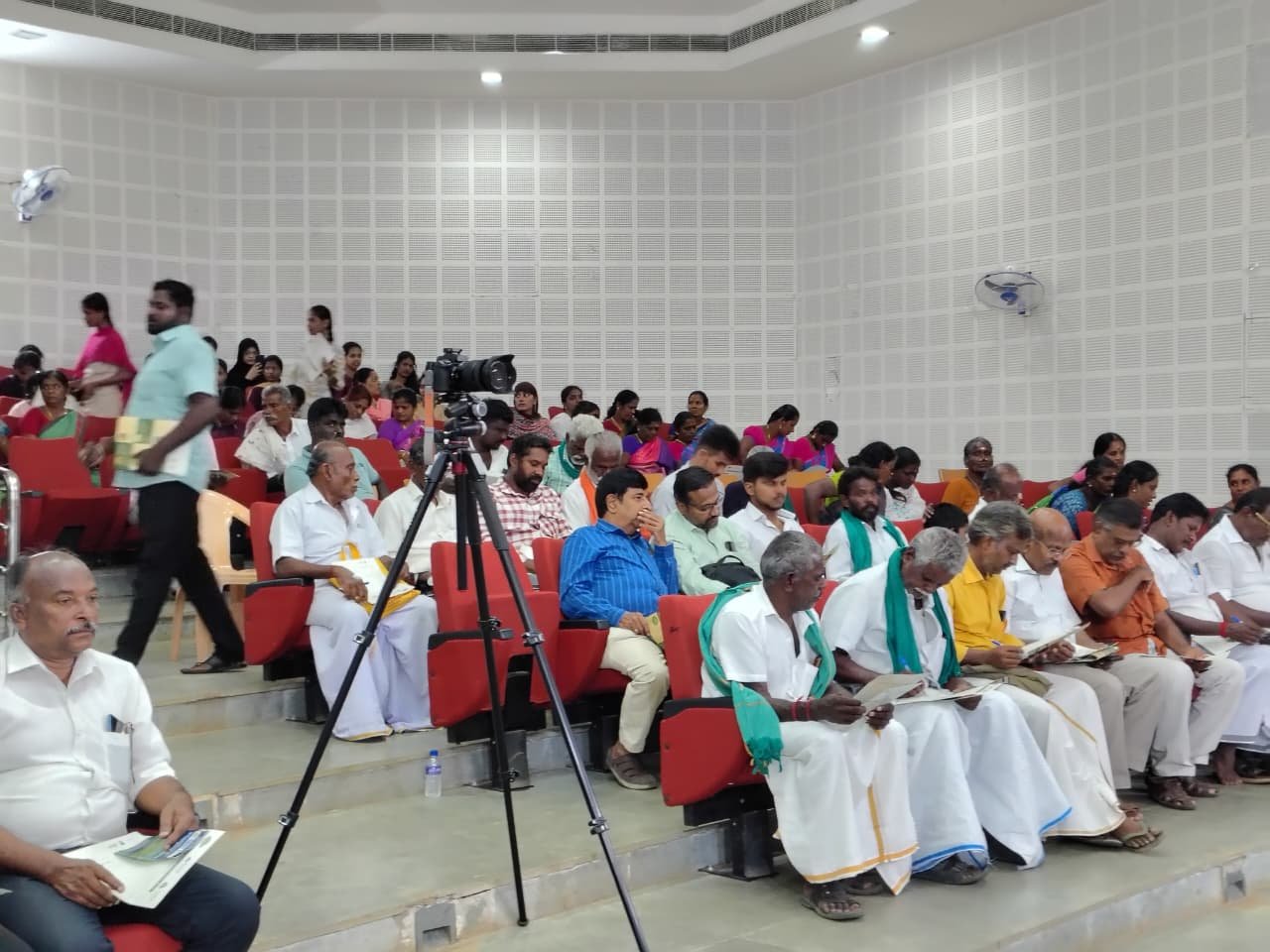
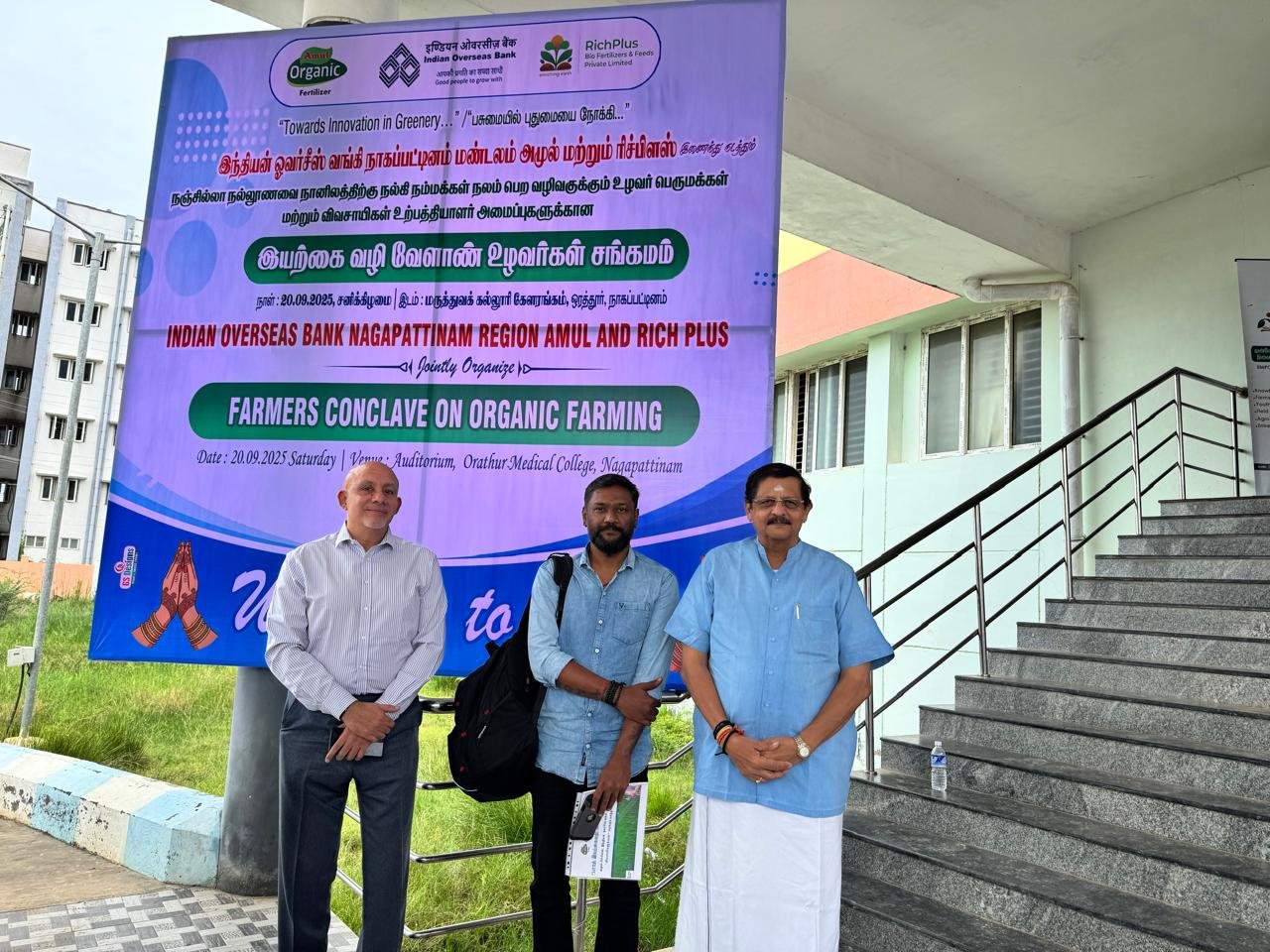
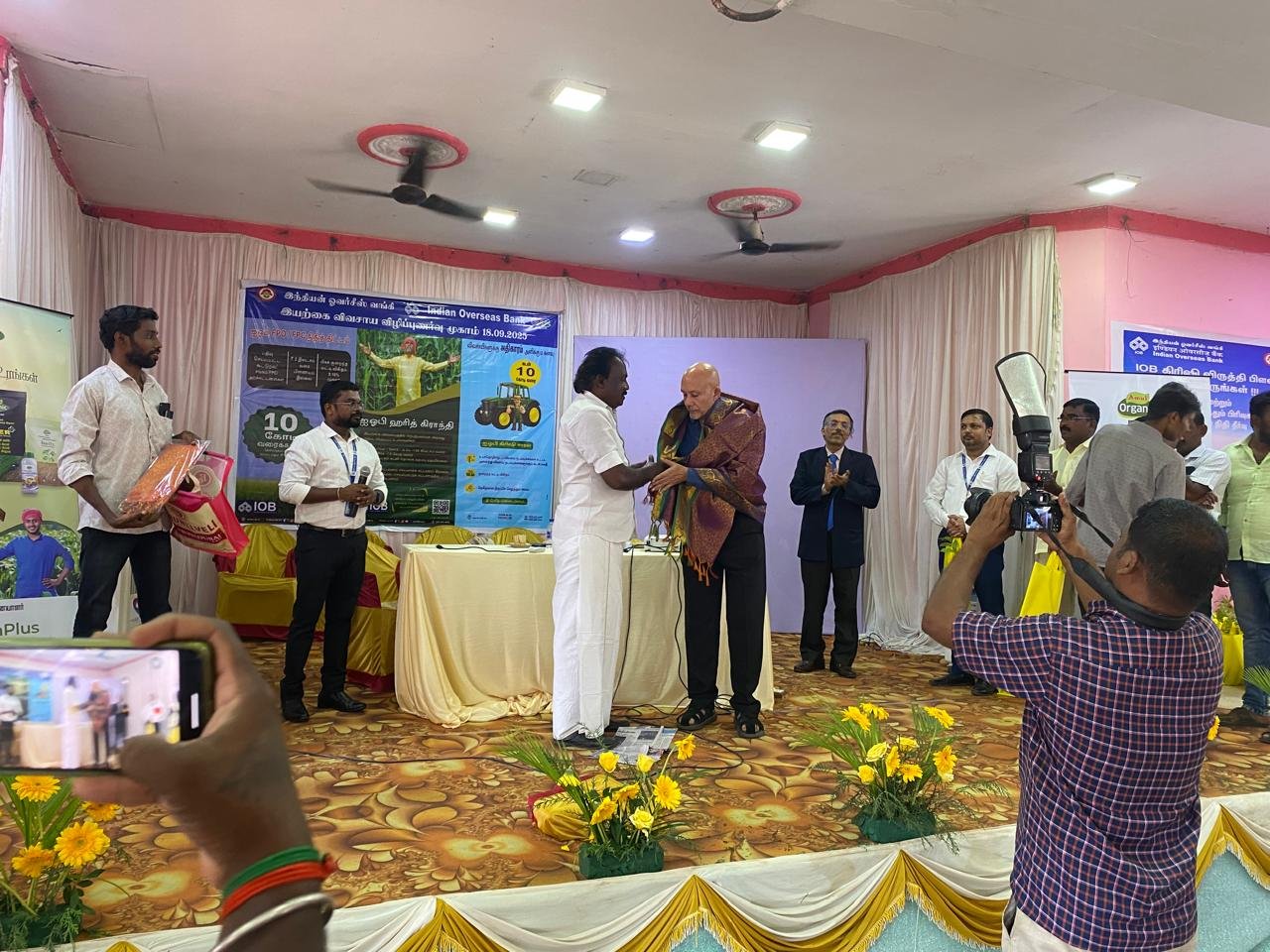
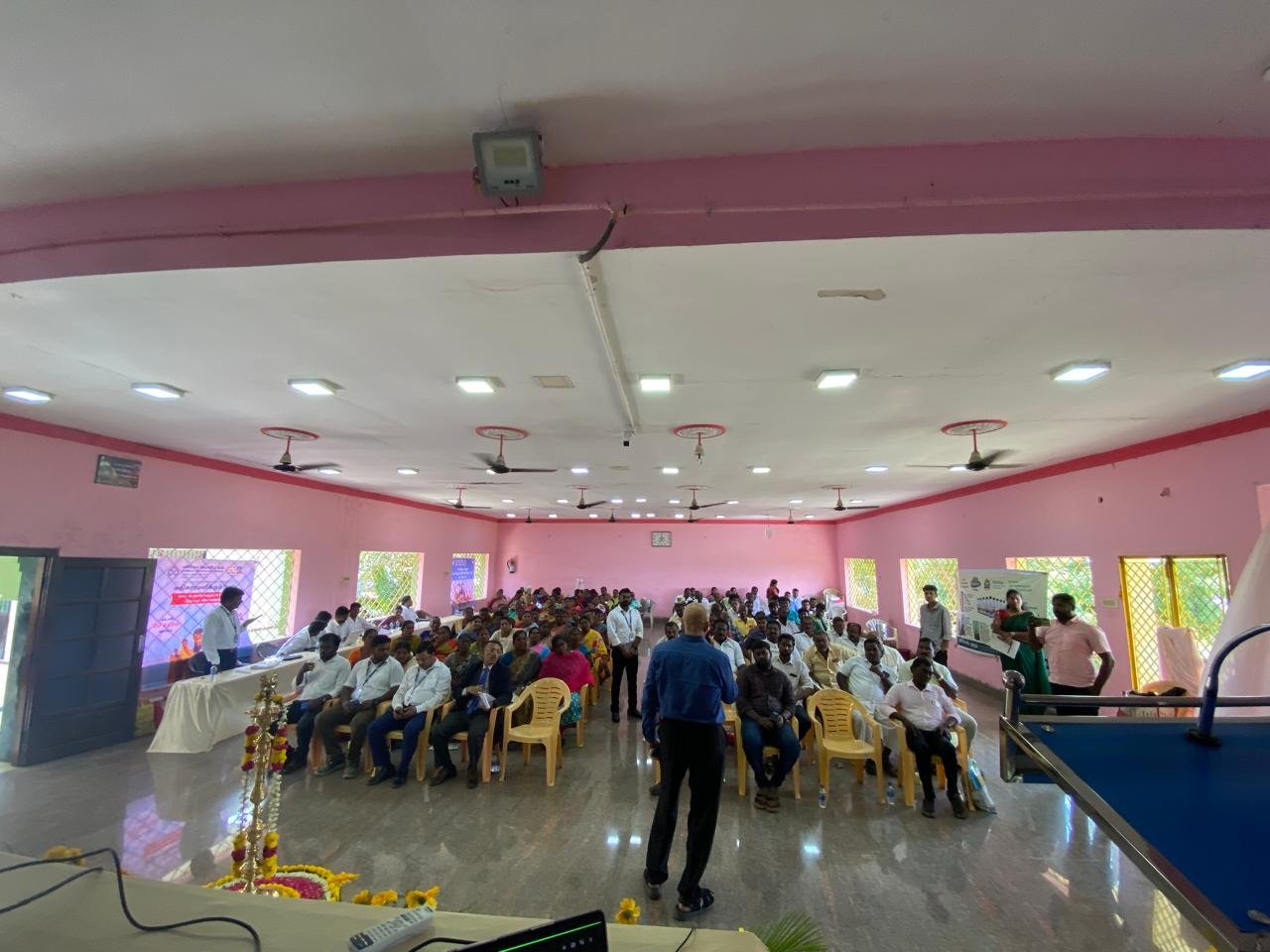
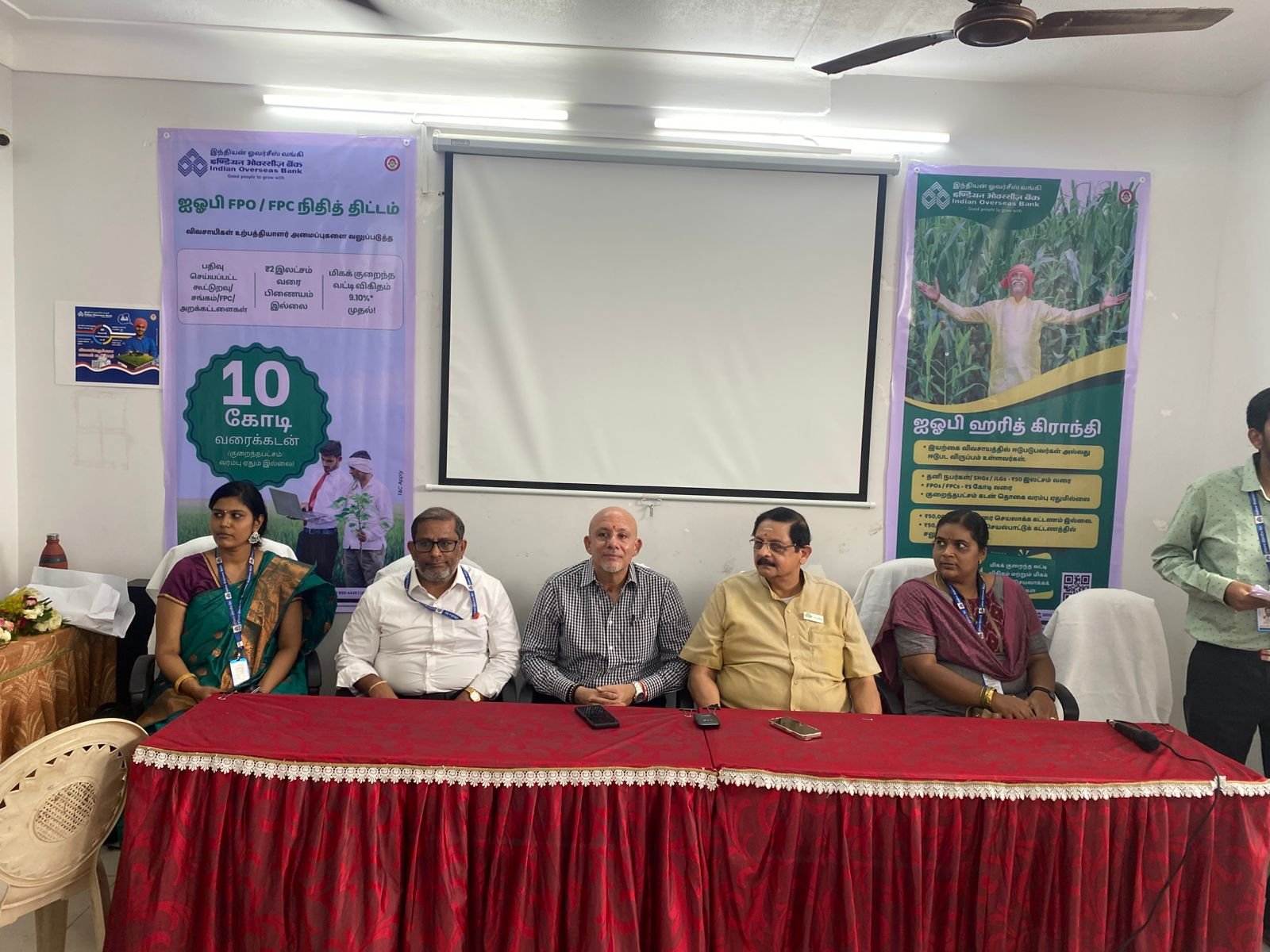
Workshop sessions led by Mr. Ashok Sarrangan, MD – RichPlus, and Sridhar from RichPlus, building the Indian Organic Transition model with Earth5R, Amul RichPlus, Indian Overseas Bank, and NABARD.
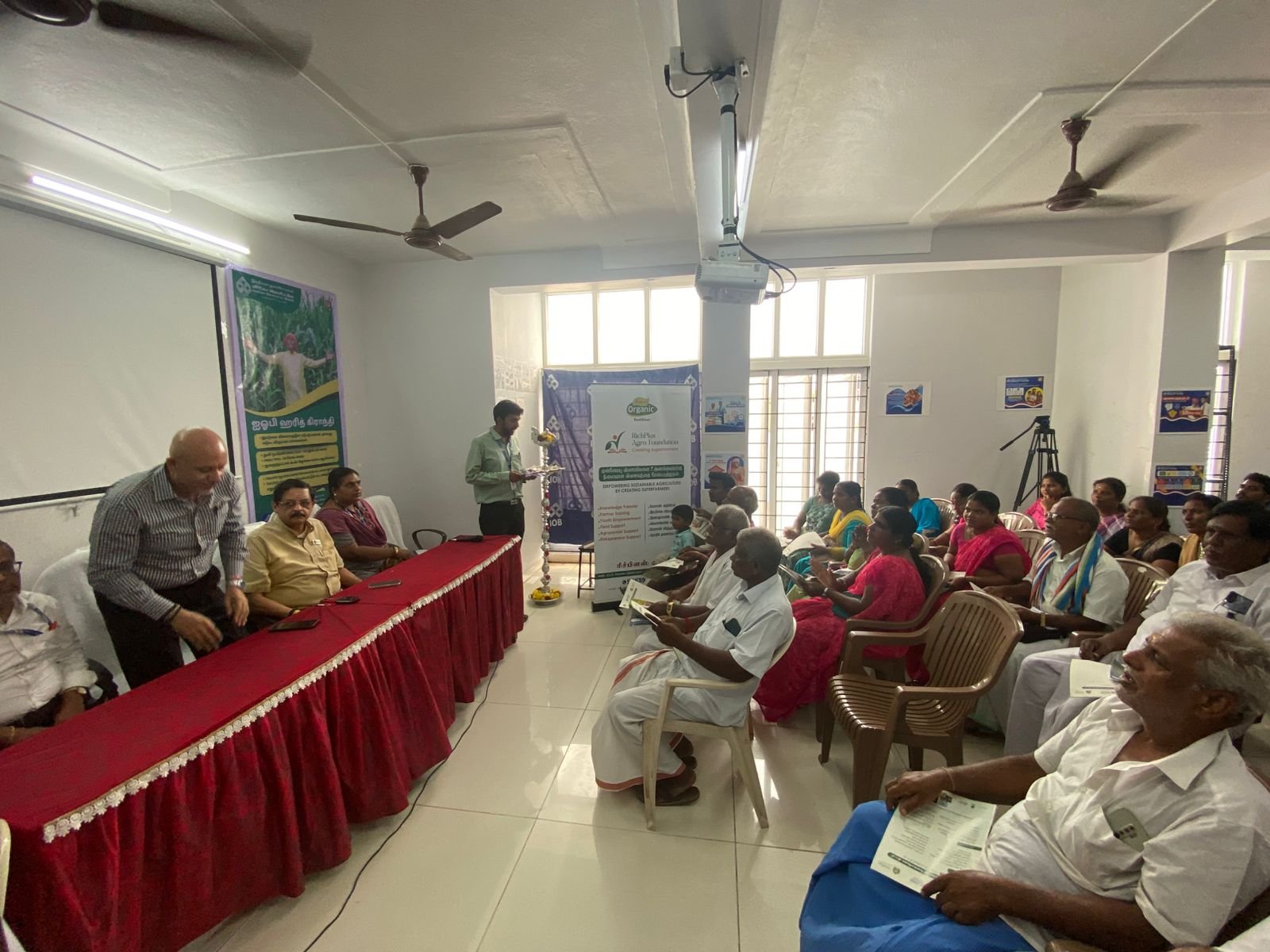
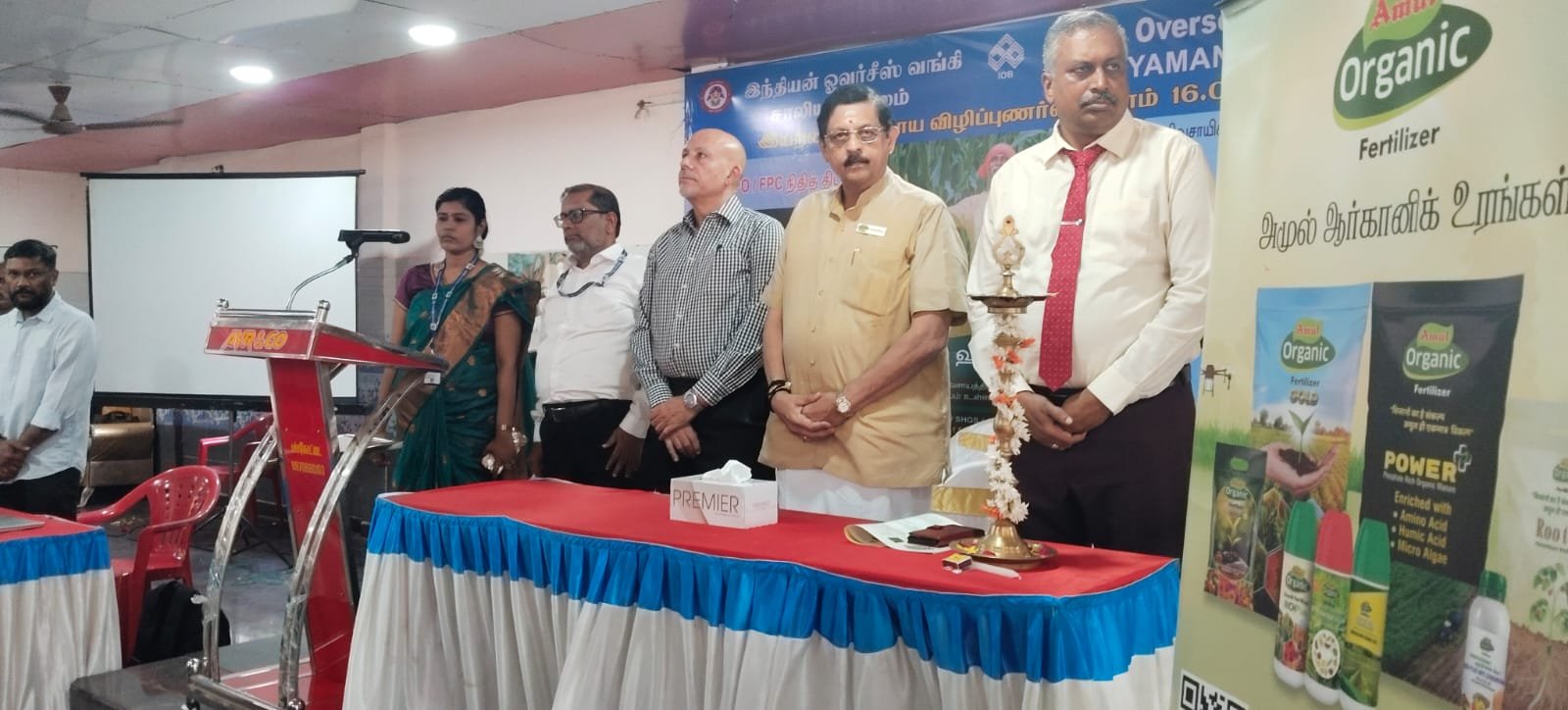
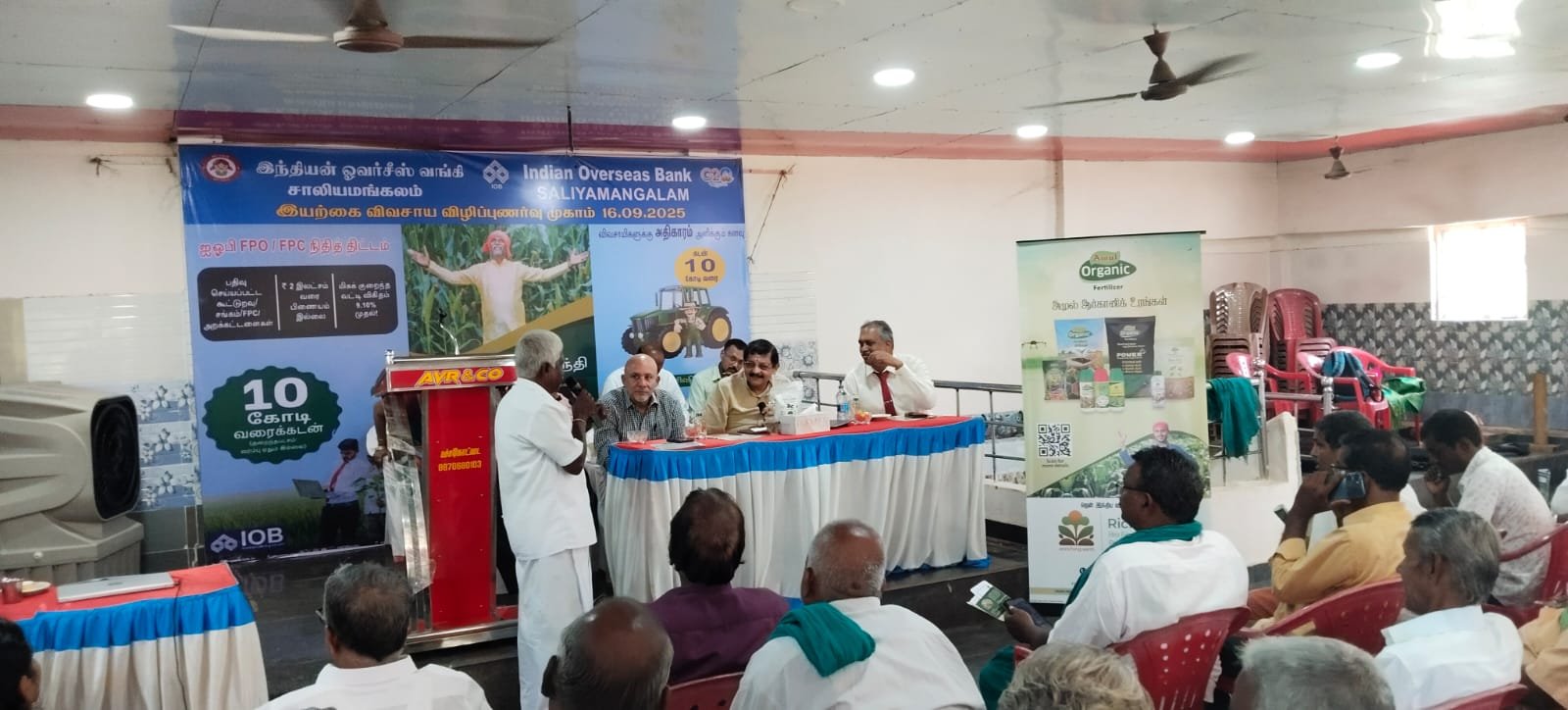
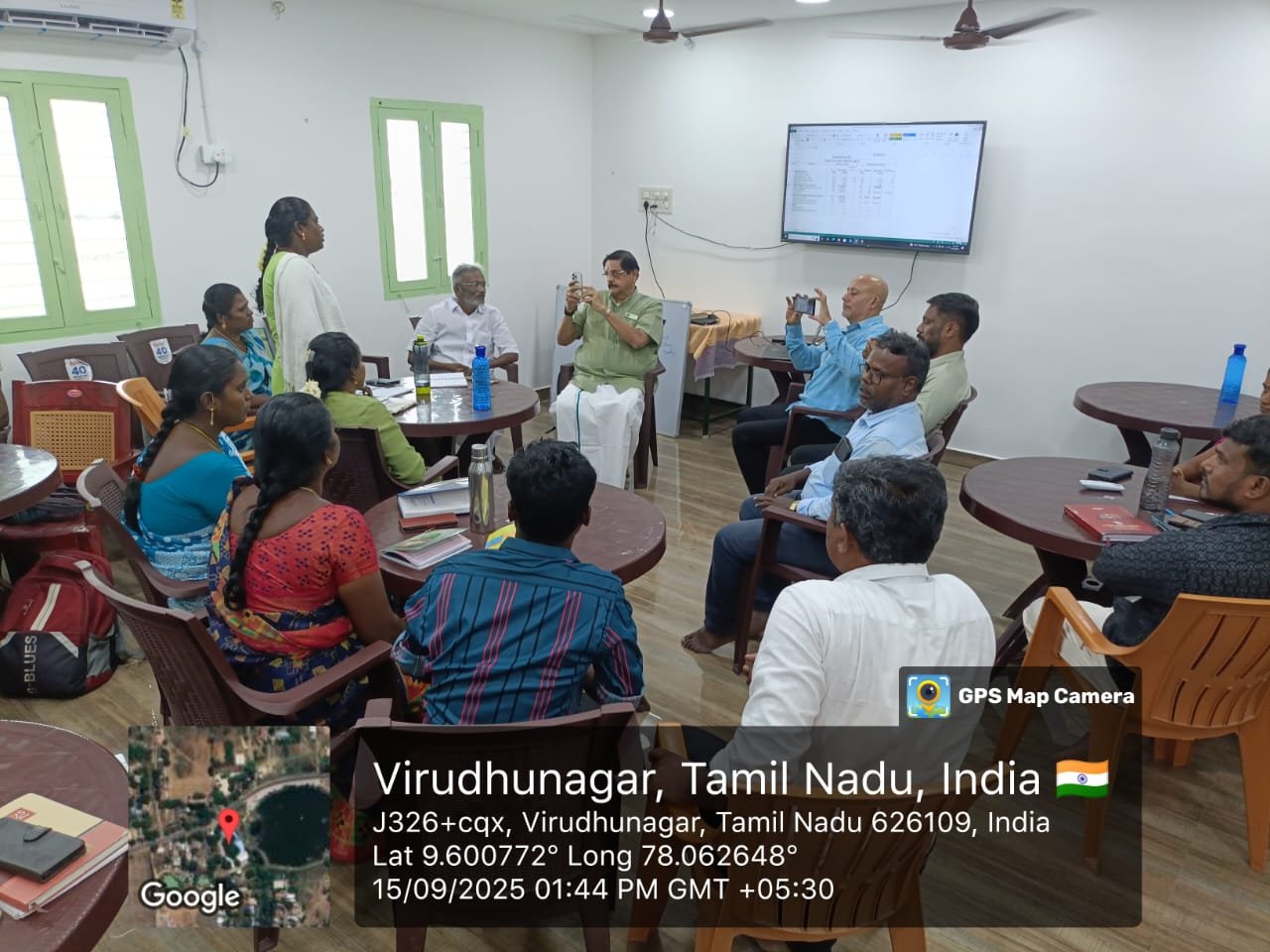
Workshop Sessions
These workshop sessions represent the collaborative spirit at the heart of this initiative — bringing together institutional leadership, technical experts, field coordinators, and community representatives to design a farmer-first organic transition framework.
Phased Rollout: From Pilot to National Footprint
Each phase is designed with clear outputs, cost slabs, training benchmarks, and traceability requirements — ensuring continuous learning, progressive validation, and risk-mitigated scaling.
Design Principles
The program advances in phased, data-backed, farmer-led stages. Each step follows rigorously structured SOPs to deliver trust and traceable national scale.
Dynamic scaling enables investors to track returns per phase while allowing real-time course correction.
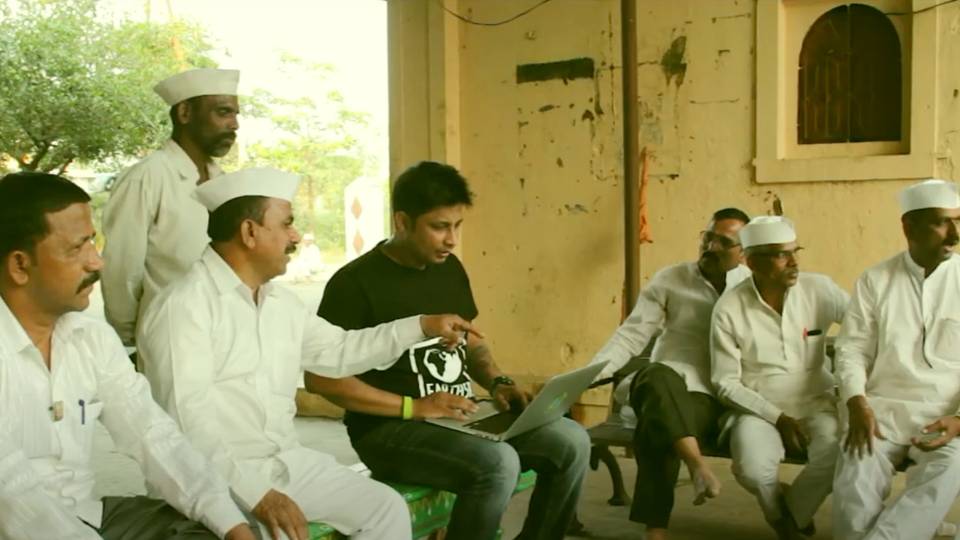
Saurabh Gupta, Founder of Earth5R, conducting hands-on training with farming communities — the foundational field intelligence driving this national initiative.
Forensic-Grade Monitoring: Built for Accountability at Scale
Monitoring is not a secondary activity — it is embedded into the very structure of implementation, ensuring real-time transparency, compliance, and course correction across 1 crore farmers.
Digital Sustainability ID
Every participating farmer is assigned a traceable Sustainability ID that logs their training completion, organic input usage, input purchases, and seasonal behaviour change. Field activity is geo-tagged, organic input usage is verified through app logs and physical sampling, and progress data feeds directly into carbon credit eligibility assessment.
ESG MIS Dashboards
Designed for action, not optics. Real-time dashboards display farmer count, input usage, CO₂e reduction estimates, and training completion across all deployment zones. Reports are downloadable for institutional and policy use, with sector-wide benchmarking across partner states and zones — fully aligned with SDG 2, SDG 6, and SDG 13.
Carbon MRV System
Unlike programs that scramble to monetise carbon post-implementation, this initiative embeds measurement from Day One. Organic input impact, soil condition, and emission baselines are recorded and aligned with IPCC Tier 1 standards, with an integration roadmap to Indian and international carbon registries.
NGO & Green Champion Performance Tracking
Local actors are the program's backbone. Their performance is digitally assessed and linked to incentives, training, and scale decisions. Weekly field reports, location logs, and dashboard submissions ensure accountability. High performers are scaled as regional anchors for new districts, while underperformers receive mentoring or are replaced based on defined KPIs. This performance-linked model, developed through the tireless contributions of Earth5R's volunteer network and community leaders, ensures that grassroots execution maintains the quality standards required for a program of this magnitude.
Feedback & Escalation Channels
The system includes mechanisms for local-level redressal, partner feedback, and field escalation — operating as a real-time control tower for the entire program. App-based support desks operate in multiple languages with ticketing systems and resolution targets. Quarterly governance reviews with implementation partners and funding stakeholders ensure continuous alignment. This horizontal monitoring system enables constant cross-verification and accountability, positioning the program for long-term climate finance and ESG-linked investment.
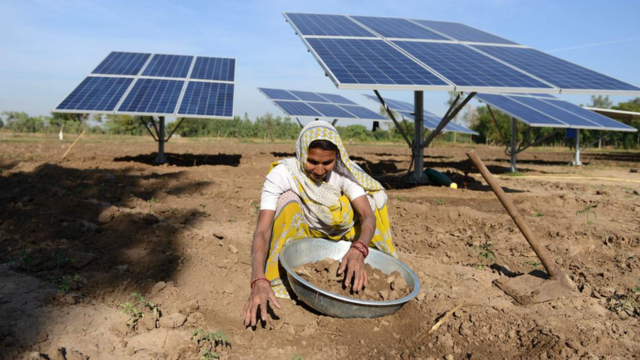
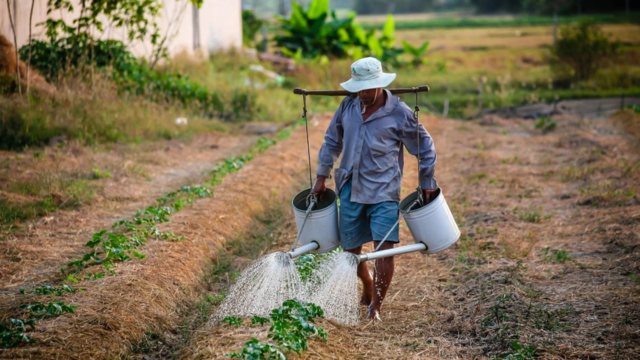
Left: Green Grids for the Fields — renewable energy integration in agricultural transformation. Right: The Blue-Green Pact — urban-rural partnerships for water security. Both frameworks underpin the Bharat Organic Transition Program's holistic approach to regenerative agriculture.
Measurable, Verifiable, and Nationally Scalable Impact
Each outcome is tied to national and global goals — not surface-level activity but deep transformation across economic, environmental, and data systems.
Farmers Trained & Transitioned
Structured scale-up from pilot to national levels creates India's largest farmer transition initiative. Training is multilingual and adapted to local cropping patterns, with organic input adoption replacing chemical inputs across millions of acres.
Verified Organic Inputs Deployed
Bio-NPK, PSB, Azotobacter, Mycorrhizae, and enzymatic organic inputs deployed following regional agro-climatic patterns. Input logs traceable to individual fields with protocols linking application to verified soil and crop benefits.
Annual CO₂e Mitigation by Year 5
Carbon MRV system tracks and monetises climate-positive actions. Over 5 million acres under carbon-eligible practices with 50,000+ farmers in carbon credit registration cycles.
Each working with clusters of 1,000+ farmers, performance-tracked digitally
Decentralised training, input distribution, and post-harvest procurement hubs
Green Champions, soil techs, app facilitators — women & youth prioritised
Input cost reduction plus organic price premiums and carbon credit income
Integrated Roles & Outcome Mapping
| Partner | Strategic Priority | Program Contribution | Unique Value Addition | Key Deliverables |
|---|---|---|---|---|
| Amul | Trusted brand trust & farmer network | Input deployment at national scale; drives adoption via trusted farmer network; supports organic input rollout with RichPlus | Deep-rooted rural trust; strong national visibility; access to vast farmer and dairy networks | Co-branded visibility; farmer adoption; premium market access |
| RichPlus | Ecosystem design & bio-input delivery | Leads organic input delivery across regions; mobilises NGOs, FPOs, and key field partners; oversees logistics, training, and coordination | Leads overall program architecture; anchors input supply and regional scaling; aligns operations, funding flow, and delivery timelines | Bio-input manufacturing; partner mobilisation; field operations |
| IOB | Financial inclusion & rural development | Integrates financial literacy, credit, and insurance with climate-smart agriculture; uses rural network for training, validation, onboarding | Institutional reach via district training centres; banking/insurance integration; rural network mobilisation | KCC access; savings accounts; financial literacy; validation |
| Earth5R | Digital innovation & impact measurement | Delivers digital traceability; enables SDG/ESG reporting dashboards; designs and delivers training for farmers, NGOs, FPOs | Proprietary app and dashboard; science-driven impact engine; scalable training and monitoring; carbon credit architecture | Sustainability ID; real-time dashboards; farmer app; carbon MRV |
| NABARD | Climate resilience & risk coverage | Covers transition risks; supports long-term climate resilience; institutional backing for training curriculum | Grant and funding ecosystem; climate finance linkages; policy endorsement | Transition cost support; institutional endorsement; grant access |
| Infine Seva | FPO mobilisation & grassroots execution | Supports field execution; training SPOs; delivering inputs; ensuring grassroots implementation | Extensive FPO network; operational volunteers support; community-level coordination | FPO onboarding; field logistics; community engagement |
Structured Capital for Scalable Impact
Capital is allocated in a tiered model aligned with milestone-based expansion — giving institutional investors the ability to commit in phases, track field-level results, and maintain full visibility across all deployment layers.
Digital Infrastructure Investment
Creates the core system layer before any scale can be achieved. Fixed capital establishes the technical, training, and monitoring infrastructure:
- App development with multilingual learning, input logging, and farmer onboarding
- Input tracking through geo-coded and QR-tagged digital systems
- Training material, certification protocols, and field audit frameworks
- ESG-aligned data dashboards for environmental, economic, and adoption outcomes
- Carbon credit architecture built to global verification standards
Operational Capital
Fuels the actual transformation — mobilising farmers, inputs, and local actors. Investment here converts strategy into execution:
- Training sessions, field mobilisation, organic input distribution, and village-level engagement
- Green Champion hiring, SPO activation, and support logistics
- App usage monitoring, learning assessments, and feedback surveys
- Real-time data collection across farm plots, inputs, and behavioural change metrics
- Transition cost coverage through NABARD and institutional funding programs
Governance Structure: This initiative is led by RichPlus and Earth5R, with strong collaboration from Amul, IOB, and NABARD. While anchor partners bring operational capacity and strategic support, the funding partnership is driven by RichPlus and Earth5R to build the core delivery ecosystem — training systems, farmer onboarding, carbon credit readiness, and impact tracking.
Tranche-Based Disbursement
Every disbursement is released only after proof of delivery. Monthly and quarterly milestones are linked to traceable actions — farmer onboarding, organic input application, and training completion. Earth5R submits validated reports via dashboard systems while RichPlus provides ground-level input verification.
Performance Buffers
Built-in operational flexibility for adverse weather, supply chain disruption, or seasonal adoption delays. Buffers can temporarily accelerate deployment in high-performing zones without waiting for formal review cycles. All usage is reported in monthly dashboard updates.
Per-Rupee Impact Tracking
Each rupee invested translates into a traceable set of outcomes — farmer engagement, organic input deployment, digital participation, and environmental upliftment. Direct calculation of CO₂e avoided, organic input deployed, and income impact per ₹ invested.
Strategic Returns: Visibility, Data Access, and National Leadership
Each stakeholder becomes a principal architect in shaping one of India's most ambitious climate-aligned transitions in agriculture — positioned not just for impact, but for long-term strategic value.
Verifiable ESG & SDG Reporting
High-resolution data for sustainability reporting, policy discussions, and institutional communications. Dashboards aligned with SDG 2 (Zero Hunger), SDG 6 (Clean Water), and SDG 13 (Climate Action). Environmental outputs linked to organic input use, carbon sequestration, and chemical displacement. Social outputs include farmer income improvement, gender inclusion, and training reach — all exportable for boardroom discussions and investor communications.
National Co-Branding & Visibility
Project-level co-branding across digital platforms, input packaging, and field centres. Named inclusion in knowledge reports, policy whitepapers, and international forums. All training certificates, field manuals, and mobile app interfaces carry stakeholder branding. Green Champion uniforms, SPO toolkits, and village-level materials carry institutional logos and identity.
Carbon Credit First-Mover Advantage
The program builds foundational infrastructure for India's agricultural carbon credit economy. Verified organic input use and soil data across lakhs of hectares. Carbon revenue pipeline development with registry-ready protocols. Opportunity for investors to structure carbon revenue shares or reinvest returns into future scale — a first-mover position in the rapidly emerging agricultural carbon economy.
Global Recognition & Export-Ready Model
The program is designed to be export-ready by 2026. Investors are acknowledged as originators of a model relevant across Africa, Southeast Asia, and Latin America. Outcomes documented and published internationally with opportunities for joint positioning in global academic and policy publications. Recognition within national platforms including NITI Aayog, Ministry of Agriculture, and international sustainability forums.
Agricultural Transformation: From Concept to Field Reality
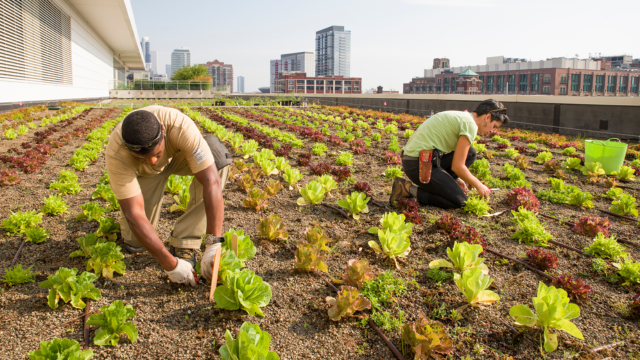
Urban-rural convergence: Rooftop agriculture models complement the rural organic transition, creating integrated food systems across India's agricultural landscape.
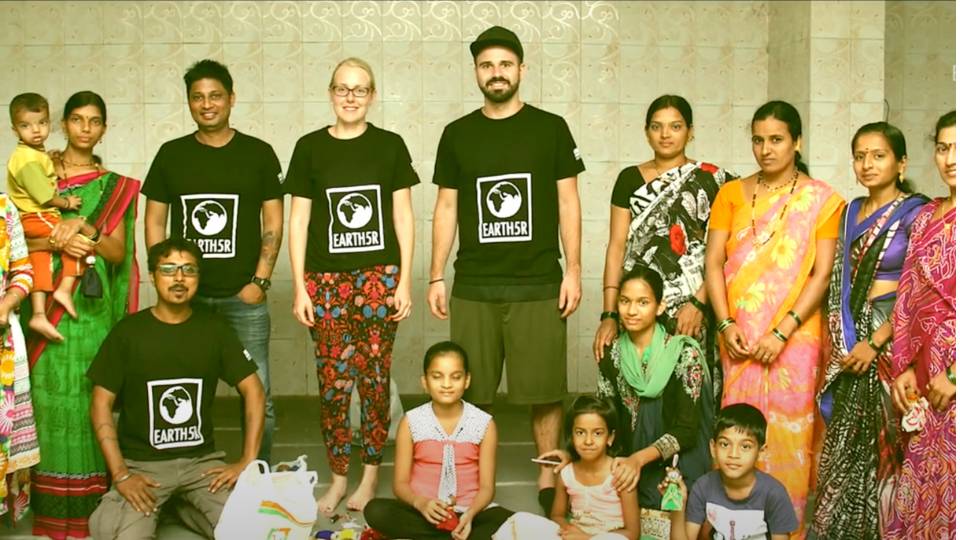
Earth5R's Saurabh Gupta, Manish Jha, Sharad Vegda, and international team member Sina engage directly with farming communities — building trust through presence and commitment.
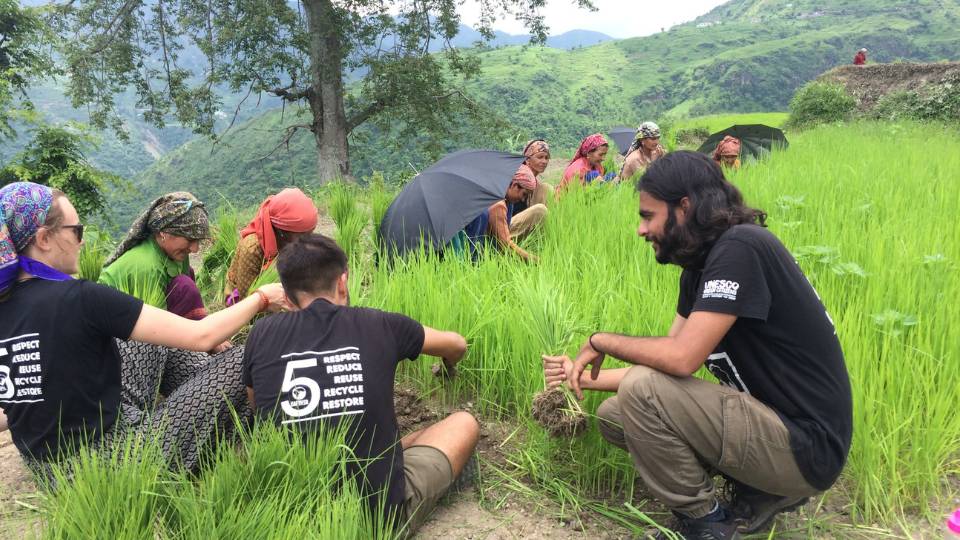
Team members Ishit Patel, Ketul Patel, and Maria in a Himalayan village — reaching India's remotest farming communities with organic training and digital literacy.
Latest Progress Snapshot
As of August 2025, the program has moved from conceptual framework to active institutional alignment and pilot preparation.
MoU Signed
Historic MoU between Amul, RichPlus, and IOB signed in Chennai on 29 May 2025 — formally launching the program's institutional framework.
Technology Platform Ready
Earth5R's Google and UNESCO-awarded mobile-first app ecosystem is operational — with farmer profiling, multilingual training, input tracking, and dashboard modules configured for pilot deployment.
Workshop Series Completed
Multiple stakeholder workshops conducted with FPOs, NGOs, field coordinators, and institutional partners — refining training protocols, input supply chains, and monitoring frameworks.
Active Stakeholder Ecosystem
The full stakeholder ecosystem is operational: RichPlus (ecosystem design and bio-input supply), Amul (brand trust and co-branding), Earth5R (training, monitoring, technology, sustainability, and reporting), IOB (financial facilitation, credit-linked services, digital inclusion), NABARD (grant and funding ecosystem), and Infine Seva (operational volunteer support).
The initiative is now seeking strategic funding partners for Phase 1 and Phase 2 implementation, along with long-term alignment with institutions capable of national and global positioning.
Investment Opportunity
This project aligns with India's vision for natural farming, circular economy, and SDG-linked agriculture transformation. India stands at a historic moment — it has the population, land base, and farmer networks to lead the global movement for climate-smart, sustainable agriculture.
The program seeks: strategic funding support for Phase 1 and Phase 2 implementation, long-term institutional alignment for national and global positioning, and investor-partners ready to shape the rural climate economy of India.
Scalable. Verifiable. Transformational.
India's Organic Future Starts Here.
This proposal presents a model where small and marginal farmers are not passive beneficiaries but active agents of soil recovery, climate stability, and rural prosperity. It introduces a governance structure where every input, every training hour, and every crop cycle is linked to verifiable data. It creates a channel for investment — not aid — that delivers environmental, institutional, and economic returns.
We are inviting long-term capital partners to build an asset — the country's most robust organic farming infrastructure — one that creates returns at every level, from the farmer to the investor.
Acknowledgment
This program is driven by the visionary leadership of RichPlus, whose ecosystem architecture and bio-input innovation form the operational core of India's largest organic transition. We recognise the institutional commitment of Indian Overseas Bank in anchoring rural financial inclusion, Amul for lending its unparalleled brand trust and farmer networks, and NABARD for enabling climate resilience and grant infrastructure. Earth5R, as the technology layer enabler, deploys its Google and UNESCO-awarded digital platform, forensic traceability systems, and on-ground forces to power the program's scale-up across 20+ states — ensuring every farmer, every input, and every outcome is digitally tracked and verified.
Deep appreciation to the RichPlus field operations team led by Mr. Ashok Sarrangan and Sridhar, the Earth5R team and its network of 1.3 million citizen volunteers, community leaders, and Green Champions whose tireless grassroots engagement makes this national initiative possible. Special recognition to the NGO partners, FPO leaders, and the thousands of operational volunteers from Infine Seva who serve as the backbone of India's organic transition on the ground.
Published by Earth5R Research Division · Updated February 2026 · © Earth5R. All rights reserved.