
Defining Shared Value in the Agriculture Context
The concept of Creating Shared Value (CSV), introduced by Michael Porter and Mark Kramer, has radically reshaped how forward-looking companies approach development. Rather than treating Corporate Social Responsibility (CSR) as a side project, CSV urges companies to embed social progress into the core of their business strategies. Nowhere is this more vital, or more effective, than in agriculture.
In rural economies, especially in the Global South, agriculture is the backbone of employment, sustenance, and community structure. But the sector faces a trifecta of crises: climate vulnerability, resource depletion, and market fragmentation. CSV steps into this vacuum by identifying business opportunities in solving these social problems. A company doesn’t just donate seeds, it co-develops regenerative input systems that reduce carbon emissions, improve yields, and ensure long-term supply stability.
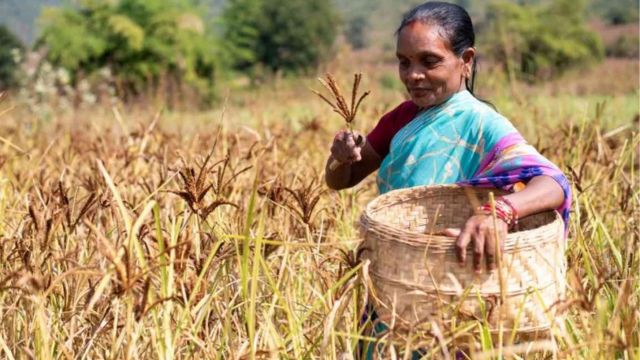
For example, Earth5R’s regenerative farming initiative in India wasn’t just an environmental project, it created eco-livelihoods for farmers while building resilience into food supply chains. The NGO trained farmers in composting, water conservation, and organic input creation, reducing their input costs while improving soil health. The shared value? Farmers earned more, and supply chain partners gained access to stable, high-quality, pesticide-free produce that aligned with growing global demand for sustainability.
Shared value in agriculture also means thinking in loops instead of lines. Rather than viewing the supply chain as a one-way movement of goods, CSV encourages a circular model, where waste becomes input, urban consumption supports rural regeneration, and farmers become stakeholders in product development. For instance, companies sourcing organic cotton are now investing in farmer education and soil health, realizing that improved biodiversity and soil fertility protect not only communities but also future raw material streams.
Defining shared value in agriculture is not abstract theory. It’s the business of transforming rural inequality into corporate sustainability, a model where farmer prosperity, ecological balance, and long-term profit are not conflicting goals, but mutually reinforcing outcomes.
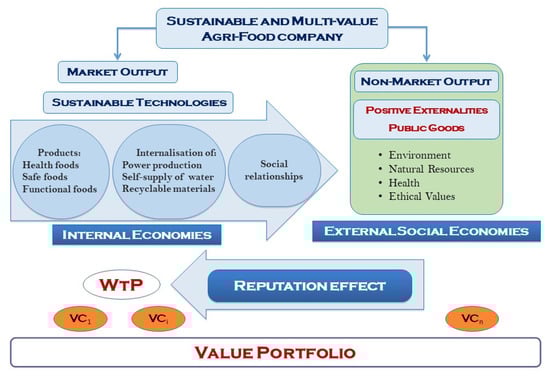
This infographic illustrates how sustainable agri-food companies create shared value through market outputs, sustainable technologies, and positive social externalities. It highlights that integrating environmental, health, and ethical public goods builds reputation and strengthens long-term value portfolios.
Going Beyond CSR to Business Integration
Where token CSR acts like band-aids, business integration weaves sustainability into the organizational DNA, creating dividends for both communities and companies. Rather than bolting on isolated rural training programs, forward-thinking firms embed sustainable agriculture practices directly into their sourcing, R&D, and financial flows.
In a model akin to a supply-chain remix, companies begin by co-developing inputs, bio-based composts and drip kits, packaged at cost, distributed through farmer cooperatives with training. As farmers experience 30–40% fewer chemical inputs and 15–20% yield gains, the company locks in long-term buyers and nourishing brand equity.
This model played out when Earth5R’s agro-partnership supported 300 volunteers visiting farms monthly, helping farmers deploy drip irrigation and compost, then steering produce toward premium markets .
Integration extends to agri-tech and data, where businesses deploy weather apps, soil sensors, and blockchain-based traceability in farms. In one initiative, farmers trained by Earth5R used the Windy weather platform for sowing decisions, 70% adopted weather-driven planning, significantly reducing losses . Here, CSR doesn’t just fund tech, it integrates it into agronomy.
The true marker of business integration is economies of scale: compost systems are scaled across dozens of villages, carbon credits are bundled into supply chain ESG claims, and premium markets reward quality through certification, creating virtuous cycles. These integrated approaches show that sustainable agriculture is not a corporate sideline, it’s a strategic enabler of resilience, consumer trust, and competitive edge.
Case Studies of Shared Value in Farming
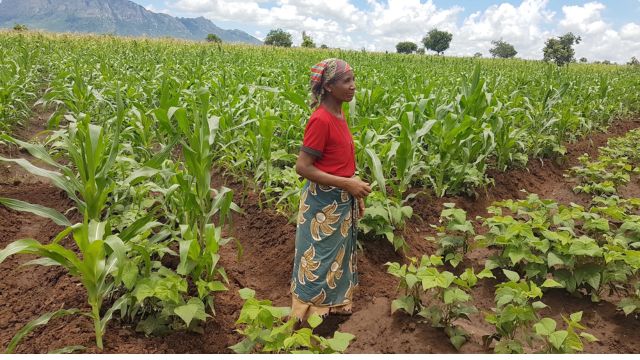
Globally, top CSR initiatives in agriculture share a common DNA: data-based action, farmer empowerment, and supply chain alignment. One powerful example comes from Earth5R’s CircularFarms Network, operating in 350 villages across 11 Indian states.
Serving over 156,000 farmers, it champions regenerative organic practices, data transparency, and market access, anchored by partnerships with Google, UNESCO, and major universities. This network aligns corporate offtake with farmer training, fostering ecological restoration while fueling brands’ low-carbon sourcing.
An Earth5R coastal program teaches restaurant owners in Goa and Chennai to compost food waste, converting 5+ tons daily of organic matter into nutrient-rich inputs for urban backyards, and enriching municipal compost cycles. A similar urban initiative trained 10,500 Mumbai families in composting, diverting 1.9 million kilos of organic waste, mitigating methane emissions while generating compost for rooftop gardens.
Internationally, global agribusinesses have followed suit. A South American coffee brand invested in agroforestry systems, paying farmers premiums for shade-grown beans. Farmers plant native trees, restoring watersheds and biodiversity, while the company secures a sustainable brand identity recognized in consumer markets. It exemplifies how CSV thrives when ecological resilience and market rewards converge.
These case studies share practical traits: scientifically tested inputs, community co-creation, and long-term contracts linking farmers directly to value chains. They show that when companies treat farmer progress as integral to commercial success, and share quantifiable gains, shared value becomes both a moral imperative and a business reality.
Supporting Climate-Resilient Inputs and Techniques
Agriculture’s climate vulnerability has amplified the need for climate-ready inputs such as drought-tolerant seeds, organic biofertilizers, water-saving irrigation, and agroforestry systems. CSR programs have begun focusing on scalable resilience, blending tech innovation with local knowledge.
Earth5R’s model is instructive: training farmers in drip irrigation delivered 20–30% water savings, translating to 500,000 liters conserved monthly in its program. Simultaneously, organic composting initiatives reduced synthetic fertilizer use by 40%, enriching soil carbon and buffering moisture. Solar pumps, adopted by 15% of participants, further slashed CO₂ by 1,200 tons annually.
Beyond hardware, farmer-led citizen science audits are transforming input governance. In Andhra Pradesh, Earth5R-trained farmers exposed fraudulent biofertilizer products, prompting universities to intervene, boosting local trust in sustainable inputs.
Agroforestry, another resilience pillar, balances farm ecosystems, supporting soil regeneration, biodiversity, and shade. In one international example, coffee farms layered shade trees above beans, reducing evapotranspiration and stabilizing yields. Corporates entering offtake agreements incentivize this practice: farmers plant trees, improve soil, and earn premiums.
The takeaway: CSR that champions climate resilience must deliver context-sensitive solutions, validated by data, embedded in farmer education, and tied to commercial outcomes. When companies align commercial sourcing with climate-smart interventions, like seeds, water systems, and soil rehabilitation, shared value is both ecological shield and market enabler.
Women’s Participation as a Core Strategy
Empowering women is no longer a peripheral CSR add-on, it’s a strategic linchpin in creating shared value. Studies show that when women farmers access training, credit, and decision-making roles, productivity rises, food security strengthens, and social resilience multiplies.
Earth5R’s CircularFarms model emphasizes women in leadership, training them as trainers, compost entrepreneurs, and cooperative managers. In Mumbai’s circular economy projects, women learned upcycling and composting, generating ₹45 lakh annually while transforming riverfronts and neighborhoods . When women manage compost enterprises, families see health, sanitation, and income gains, a ripple effect of shared value.
Global programs reflect this trend. A Southeast Asian rice initiative trained women in seed-saving, agroecology, and marketing, yielding 25% higher rice productivity and doubling income cooperatives. Major food brands partnered, sourcing from these groups, anchoring product quality with gender equity.
Hence, CSR strategies must mobilize women not merely as beneficiaries, but as co-designers and value chain leaders. From training content to market associations, giving women agency ensures improved outcomes and deep, lasting shared value.
Market Linkages for Organic and Sustainable Produce
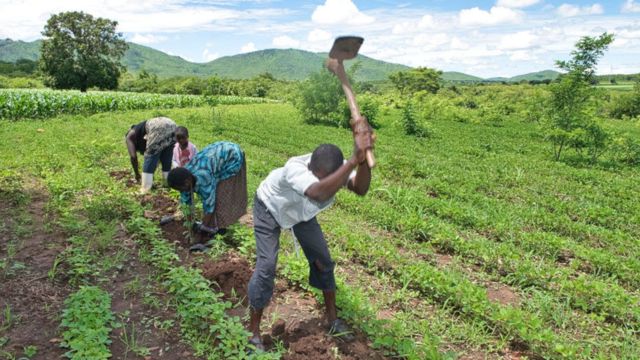
The missing link in many CSR-driven farming programs has been market access, without buyers, the incentive for sustainable practices remains fragile. To achieve shared value, CSR must connect farmer output to premium and dependable markets.
Earth5R supports this with its CircularFarms network, helping certify and brand organic produce for market intermediaries eager for low-carbon, traceable goods Earth5R. Farmers trained in composting, water management, and natural farming methods earn organic certification, enabling 20–30% price premiums in urban and export markets.
In a coastal composting project, restaurant owners in Goa and Chennai composted food waste and sourced herbs and vegetables grown using that compost, an urban-rural symbiosis that supported local suppliers and gave restaurants a sustainability edge.
Internationally, consumer demand for ethical produce, vegetable oil, cocoa, coffee, or cotton, has generated new offtake agreements that offer price guarantees and technical support. Shared value arises when price premiums fund farmer training, supply chain branding, and ecological metrics monitoring.
Crucially, linking to markets also fuels economic viability: when farmers see commercial returns from sustainable cultivation, adoption rates increase dramatically, and sustainable systems cease to be discretionary. Market linkages are not optional extras, they’re the engine driving CSV outcomes.
Leveraging Corporate Supply Chains for Farmer Impact
Today, corporations can no longer view suppliers as mere transactions. Instead, they are launching supplier-inclusive CSV strategies, blending procurement, capacity-building, certification, and environment indicators into integrated supply chain models.
One compelling case comes from Earth5R’s CircularFarms model, where corporations embedded regenerative agriculture into sourcing frameworks, providing farmers with compost, irrigation kits, training, and guaranteed purchases at premium prices. This holistic supply chain approach fosters farmer organization, transparent traceability, and long-term contract stability.
Elsewhere, a global dairy brand has invested in smallholder farms, funding soil health tests, training on fodder crop rotation, and biometric milk quality testing, to ensure both yields and milk quality remain high. Farmers receive premium rates and enter co-op structures backed by corporate procurement.
Crucial to these models is data integration: agronomic records, soil test results, yield stats, and ESG metrics are shared across supply chain stakeholders, enabling continuous improvement. Some companies now tie buyer bonuses to environmental indicators, binding corporate bottom-lines to farmer and environmental outcomes.
By leveraging supply chains for impact, businesses reduce sourcing risks, strengthen brand reputation, and align operations with evolving ESG demands, all while enabling farmers to rise as partners rather than suppliers.
Aligning CSR with SDGs and ESG Goals
Today’s CSR operates within the frameworks of Sustainable Development Goals (SDGs) and Environmental, Social & Governance (ESG) criteria. Shared-value programs in agriculture now explicitly map interventions to global goals, zero hunger, gender equality, climate action, and responsible consumption, while corporations report on ESG performance.
Earth5R’s CircularFarms aligns with SDG 2 (Zero Hunger), SDG 3 (Health), SDG 12 (Responsible Consumption), and SDG 13 (Climate Action) Earth5R. The program’s KPIs, water saved, CO₂ reduced, women trained, farmers uplifted, feed directly into corporate ESG disclosures and UN SDG targets.
Water-saving drip irrigation supports SDG 6 (Clean Water), while composting reduces waste (SDG 12) and methane emissions (SDG 13). Empowering women ties into SDG 5 (Gender Equality). Increasing farmer incomes and savings aligns with SDG 1 (No Poverty) and SDG 8 (Decent Work).
Corporations report outputs, like tons of soil carbon sequestered, number of women-led farmer groups, or certified organic hectares, which strengthens stakeholder trust and attracts impact investment. ESG-conscious investors increasingly consider real-world CSV projects as proof points of corporate responsibility.
Hence, aligning CSR with SDGs and ESG is not checkbox activism, it’s strategic disclosure that enhances capital access, stakeholder credibility, and systemic impact in agricultural landscapes.
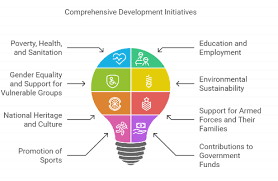
This infographic presents the broad focus areas of CSR in India, from poverty alleviation to environmental sustainability. It underscores the potential for agriculture-focused CSR projects to create shared value by integrating livelihoods, health, and ecological outcomes.
Multi‑Stakeholder Models for Shared Impact
No single stakeholder can deliver sustainable agriculture at scale. Instead, multi-stakeholder platforms, including NGOs, corporations, research institutes, local governments, and farmer groups, deliver deeper, systemic change.
Earth5R’s CircularFarms Network exemplifies this approach: it partners with Google, UNESCO, IITs, MIT, and state missions on natural farming, integrating policy, research, and local governance Earth5R. By convening diverse expertise, academic soil science, tech deployment, cooperative design, it built a scalable regenerative farming blueprint.
In Anuak, Kenya, an agritech company partnered with local extension services and farmer associations to introduce solar irrigation along with training and guaranteed purchase. The public–private–civil partnership ensured equitable adoption and resilience.
Key hallmarks of such models include shared governance, where farmer cooperatives hold seats, academia provides measurement, NGOs manage training, and corporations secure offtake. Digital data systems ensure real-time transparency, enabling adaptive monitoring and trust.
The result: rigor, accountability, and scale. Farmers adopt interventions because they see academic rigor and market linkage. Corporates commit because they see pooled resources and community buy-in. NGOs coordinate frontline action. Together, they achieve deep, sustainable shared value.
Recommendations for CSR Strategy Teams
For CSR teams looking to embed sustainable agriculture within their strategy, a long-term, systems-thinking approach is critical. The first step is anchoring all interventions in rigorous data. This means conducting comprehensive soil tests, yield assessments, and socio-economic surveys to establish baseline metrics that can guide both program design and impact tracking. Without this foundation, even well-intentioned projects risk losing direction.
Next, companies should prioritize investments in climate-resilient agricultural inputs. From drought-tolerant seed varieties and drip irrigation systems to solar-powered water pumps and community composting infrastructure, these tools not only buffer farms against climate shocks but also reduce operational dependency on high-emission inputs. Earth5R’s work has shown that simple changes like compost adoption can dramatically reduce synthetic fertilizer usage while boosting soil health and microbial activity.
Equally vital is the central inclusion of women. Empowering them as leaders in farming cooperatives, training programs, and agri-entrepreneurship not only elevates household welfare but also strengthens social cohesion and productivity. In Earth5R’s projects, programs led by women consistently outperformed in both uptake and long-term commitment.
Sustainable agricultural CSR cannot succeed in isolation. It must be fully integrated with market linkages, including guaranteed procurement agreements, co-branded product lines, and access to premium markets through organic or regenerative certifications. When these are embedded into a company’s core supply chain strategy, rather than treated as afterthoughts, shared value becomes not just possible but profitable.
Alignment with global development frameworks such as the Sustainable Development Goals (SDGs) and ESG reporting standards further ensures that internal sustainability objectives resonate with investors, regulators, and consumers alike. Impact mapping across SDG goals, whether clean water, gender equity, or climate action, also strengthens transparency.
Moreover, companies must design these programs within multi-stakeholder ecosystems, engaging NGOs, academic researchers, local governments, and farmer cooperatives to co-create solutions. These networks bring technical insight, grassroots credibility, and operational capacity, three things no corporation can deliver alone. Finally, scaling must be treated not as a phase but as a strategy.
Earth5R’s use of “farmer-to-farmer” diffusion models and digital citizen science platforms demonstrates how local momentum can reach national scale. Sustainability also demands longevity, programs should look beyond short-term CSR budgets and move toward 20- to 25-year partnerships embedded in procurement and cooperative oversight.
If these principles are followed, evidence-based design, inclusive empowerment, climate-smart tools, market integration, and stakeholder collaboration, CSR teams can unlock real, resilient, and replicable shared value that uplifts farmers and strengthens the very systems businesses rely on.
Shared Value: The Future of Business and Sustainable Farming
As climate uncertainty, ecological stress, and economic inequality deepen across rural India and the world, the future of agriculture can no longer be left to fragmented charity or seasonal interventions. The journey from corporate tokenism to truly shared value in farming demands science, strategy, and solidarity. The most successful CSR programs are not giveaways but partnerships, where farmers are treated as co-innovators, ecosystems as assets, and sustainability as a long-term investment.
This is no longer just a moral imperative. The business case is compelling: regenerative agriculture enhances supply chain security, reduces ESG risk exposure, builds community goodwill, and unlocks access to conscious markets. The data speaks for itself, healthier soil, empowered women, and inclusive value chains deliver better crops, stronger communities, and more resilient brands. Shared value is not just a concept. It’s a strategy, a framework, and a future-ready business model.
Frequently Asked Questions – Creating Shared Value through Sustainable Agriculture: Lessons from Top CSR Projects Defining Shared Value in the Agriculture Context
What is the difference between CSR and shared value in agriculture?
CSR often involves philanthropic giving, while shared value aligns agricultural development with business growth, ensuring both farmer and corporate benefits.
Why is sustainable agriculture important for companies?
It secures raw materials, reduces climate risks, improves brand reputation, and meets ESG compliance, all while supporting rural communities.
How can companies integrate sustainability into their agricultural supply chains?
By co-investing in soil health, water efficiency, regenerative inputs, and long-term offtake contracts, sustainability becomes part of procurement.
What are climate-resilient inputs in farming?
These include drought-tolerant seeds, solar-powered pumps, organic compost, and drip irrigation systems that help mitigate climate risks.
How does Earth5R support sustainable agriculture?
Earth5R runs training programs, builds compost systems, installs irrigation kits, and connects farmers to low-carbon markets through its CircularFarms Network.
How does composting contribute to shared value?
Composting reduces waste, improves soil fertility, cuts fertilizer costs, and reduces methane emissions, creating environmental and economic gains.
What role do women play in sustainable farming CSR projects?
Women serve as leaders, trainers, and entrepreneurs in many successful programs, often achieving better outcomes in productivity and community engagement.
How can companies ensure that CSR benefits reach small farmers?
Through farmer cooperatives, digital access tools, transparent monitoring, and localized training programs adapted to smallholder needs.
What is the link between agriculture and the Sustainable Development Goals?
Agriculture affects SDG targets related to hunger, water, climate, gender, and responsible production, making it central to global development.
Can sustainable farming improve company profits?
Yes. Healthier soil and stable farmer networks reduce volatility in supply and open access to high-value markets seeking sustainable produce.
What is a multi-stakeholder model in agricultural CSR?
It involves NGOs, governments, businesses, and farmers co-creating solutions, each contributing expertise, resources, and local insight.
How do digital tools enhance agricultural CSR programs?
They help with weather forecasting, soil diagnostics, market access, and traceability, increasing transparency and productivity.
Is organic farming always better for shared value?
Not always, but when done properly with training and market support, it can improve margins, reduce input costs, and support long-term soil health.
What are FPOs and why are they important?
Farmer Producer Organizations (FPOs) allow small farmers to aggregate demand, negotiate better prices, and access markets and services collectively.
Can CSR programs generate carbon credits through agriculture?
Yes. Regenerative practices like composting, agroforestry, and reduced tillage can sequester carbon, creating additional revenue streams through offsets.
What is agroforestry and how does it fit in CSR?
Agroforestry integrates trees into farms, improving soil, biodiversity, and microclimates while offering new income streams through fruits or timber.
How long should a shared-value farming program run?
Ideally, they should be long-term, 10 to 25 years, to allow for behavioral change, ecosystem recovery, and stable market integration.
How can companies measure impact in agricultural CSR?
By using tools like GIS mapping, soil health indicators, yield tracking, and household surveys, ensuring data informs learning and strategy.
What challenges do CSR teams face in agricultural programs?
Common challenges include poor last-mile delivery, low digital literacy, lack of market access, and difficulty in measuring long-term impact.
What is the future of shared value in farming?
It lies in technology-enabled, climate-smart, gender-inclusive, and market-connected agriculture, driven by multi-stakeholder coalitions and long-term partnerships.
Catalysing Lasting Impact Through Strategic Partnerships
For corporate sustainability teams, investors, policymakers, and changemakers, this is the time to rethink approaches to agricultural development. Redirecting CSR portfolios towards integrated regenerative systems can strengthen supply chain climate resilience, enhance farmer-producer capacities, and foster rural entrepreneurship. Collaborating with knowledge partners such as Earth5R, leading universities, and agri-tech platforms ensures interventions are data-driven and impactful. Designing with a long-term vision can build networks of trust, ecosystems of innovation, and resilient farms that endure far beyond immediate project cycles.
– Authored by Sohila Gill