
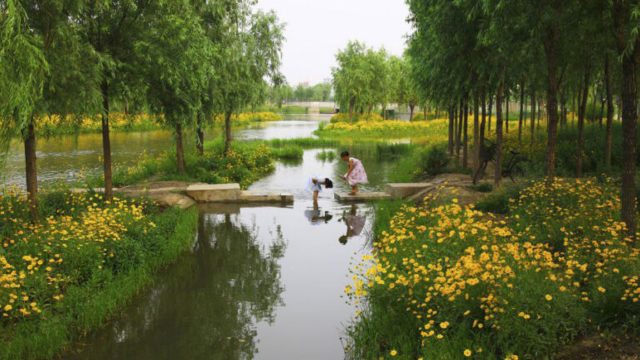
Eco-Corridors: Linking Farms, Forests, and Rivers for Climate-Resilient Cities
Eco-corridors are vital networks that reconnect urban green spaces with farmlands, wetlands, and river ecosystems that sustain both people and wildlife. These ecological linkages maintain natural flows of water, nutrients, and species across fragmented landscapes. By integrating ecosystem services into urban design, cities gain natural resilience against heat, flooding, and air pollution.
Urban areas today face mounting threats to public health and critical infrastructure due to climate extremes. Eco-corridors act as nature-based climate buffers by reducing stormwater runoff, lowering urban heat, and protecting soils from erosion. According to IPCC findings, connected farms, forests, and waterways enhance adaptability. Creating such resilient urban systems ensures that ecosystems and communities grow stronger together.
Fragmentation has left many biodiversity hotspots cut off from one another, threatening species survival. Expanding farmlands often isolate wildlife habitats, weakening ecological health and natural corridors. Establishing green belts and planning against unchecked urban sprawl helps reconnect these landscapes. In doing so, eco-corridors safeguard ecosystem resilience and maintain genetic flow.
Eco-corridors also strengthen human well-being through improved air quality, clean water, and stronger urban food security systems. Restored rivers and integrated peri-urban farming ensure access to nutrient-rich crops for growing cities. Several eco-city models in Europe already demonstrate success, offering lessons adaptable to India. When designed as interconnected systems, eco-corridors sustain both urban life and natural ecosystems.
The economic logic of eco-corridors is equally powerful. They cut costs of disaster recovery and reduce spending on infrastructure repair after floods or erosion. Evidence from a World Bank study shows that investments in natural infrastructure multiply returns. This strengthens economic growth while ensuring ecological balance. Cities that embed eco-corridors into planning gain long-term financial and environmental security.
At a cultural level, eco-corridors revive ties between traditional knowledge and modern urban planning. They show that climate resilience is achieved not only through technology, but also by restoring natural flows. By linking farms, forests, and rivers, they embody a holistic approach to sustainable cities. Eco-corridors thus represent both an ecological and social pathway toward resilient urban futures.
Nature’s Highways: How Eco-Corridors Strengthen Urban Climate Resilience
Eco-corridors act as nature’s highways, linking parks, wetlands, and river basins into a continuous system that sustains cities. These ecological connections regulate natural flows of species, water, and nutrients that urban sprawl disrupts. By embedding ecosystem services into design, cities reduce risks from heat, floods, and air pollution while enhancing resilience.
Extreme weather, from heatwaves to heavy rains, challenges both public health and infrastructure. Eco-corridors mitigate these threats by reducing urban heat islands, enhancing flood control, and supporting groundwater recharge. Findings from the IPCC confirm that nature-based corridors often outperform engineered defenses. These urban adaptation strategies make cities more climate-ready.
Biodiversity thrives when landscapes are connected through wildlife corridors. Fragmentation reduces genetic diversity, threatening ecological stability. Eco-corridors secure pollinator pathways essential for crops and strengthen biodiversity hotspots under pressure from urbanization. Research from the Convention on Biological Diversity shows that connected habitats absorb shocks better, protecting both nature and people.
For communities, eco-corridors offer cleaner air quality, safer water, and access to urban green spaces. They support recreation, cultural connections, and mental well-being, while improving public resilience. Integrating corridors into city planning ensures that urban development is inclusive and sustainable. Such corridors transform daily life while protecting ecosystems.
The economic benefits of eco-corridors are significant. They reduce disaster recovery costs, lower investments in engineered defenses, and deliver high returns through nature-based infrastructure. Reports from The Nature Conservancy show that green solutions multiply financial value. Aligning with sustainable development goals, eco-corridors make resilience both cost-effective and scalable.
Ultimately, eco-corridors weave together urban ecosystems, reinforcing resilience through connectivity rather than separation. By combining scientific research with local participation, cities create living networks of protection. They sustain climate resilience, biodiversity, and community well-being simultaneously. These green highways form the backbone of future-ready, sustainable cities.
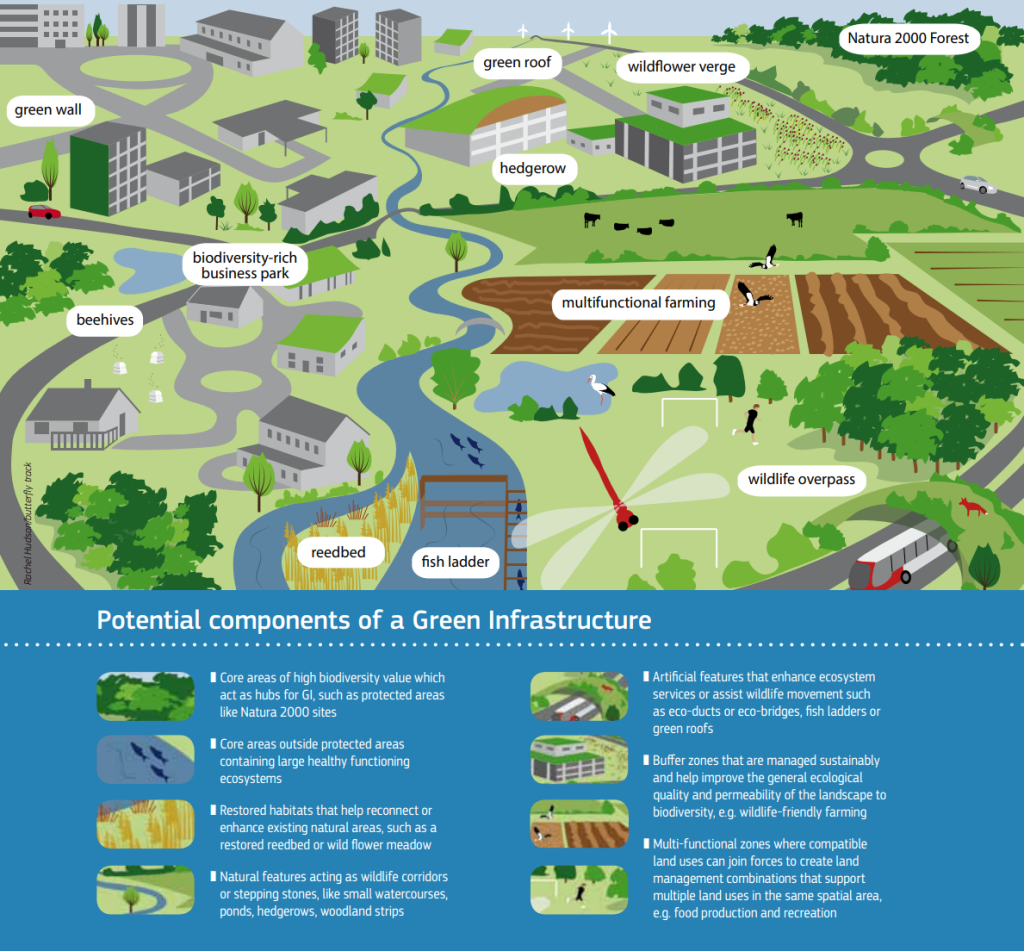
This infographic illustrates the key components of green infrastructure, showing how farms, forests, rivers, and urban spaces can be interconnected to support biodiversity and resilience.
From Farm to Forest: Reconnecting Fragmented Landscapes
Modern development often fragments agricultural lands, forests, and grasslands into isolated patches, weakening ecological stability. Eco-corridors reconnect these spaces, creating landscape linkages that restore natural flows of species and nutrients. Studies from UNEP show that connected landscapes recover faster from disturbances. By linking farms to forests, ecosystems regain balance while serving urban needs.
Agricultural expansion often disrupts biodiversity hotspots, cutting off wildlife habitats and blocking migration routes. Eco-corridors restore ecological continuity by connecting farmland with nearby forests. Research from the Convention on Biological Diversity highlights that continuous habitats allow species to adapt to climate change. This reconnection ensures both nature and agriculture can thrive together.
Forests provide critical services like carbon storage and water regulation, but fragmentation reduces their effectiveness. By linking them with surrounding agricultural zones, eco-corridors strengthen ecosystem functionality. These networks also enhance soil fertility and promote agroecology. Healthy transitions from farm to forest ensure sustainable food production while protecting biodiversity.
Communities benefit directly when fragmented landscapes are reconnected. Eco-corridors improve air quality, safeguard drinking water sources, and create livelihood opportunities through sustainable farming and forestry. Integrating these corridors into urban-rural planning fosters food security while reducing ecological risks. Reconnected landscapes thus strengthen both communities and ecosystems.
Economically, linking farms and forests lowers costs of land degradation and boosts ecosystem services like pollination and soil renewal. A World Resources Institute study shows that ecological restoration yields high economic returns. Investment in corridors reduces reliance on expensive technologies while supporting sustainable agriculture. This approach ensures resilience that is both cost-effective and climate-friendly.
From a cultural view, reconnecting farms and forests restores traditional practices that respected natural cycles. Modern urbanization has often ignored these systems, but eco-corridors blend old wisdom with new planning. This creates resilient landscapes that sustain both people and biodiversity. By reconnecting fragmented land, eco-corridors shape sustainable futures for cities and rural areas alike.
Rivers as Lifelines: Restoring Waterways for Biodiversity and People
Rivers are essential freshwater systems that sustain both biodiversity and urban populations. Over time, pollution, encroachment, and urbanization have degraded their health. Restoring waterways through river rejuvenation projects helps ecosystems recover and ensures clean water for cities. According to UNESCO, rivers act as lifelines when integrated into sustainable planning.
Healthy rivers support aquatic biodiversity, providing habitats for fish, amphibians, and migratory birds. Restored waterways also enhance wetland ecosystems and protect endangered species in riparian zones. These corridors ensure ecological continuity by linking rivers with forests and farms. Studies by CBD confirm that restoring rivers strengthens resilience against climate change.
For communities, rivers provide drinking water, livelihoods, and cultural identity. Restoring them improves public health, strengthens fisheries, and supports sustainable agriculture. Access to clean waterways also enhances urban recreation and tourism opportunities. Integrated river basin management ensures that communities benefit while ecosystems are protected.
Rivers play a vital role in groundwater recharge and soil fertility. When restored, they improve crop yields and reduce dependence on artificial irrigation. Healthy waterways filter pollutants, ensuring safe drinking water supplies. Reports by World Bank highlight that investments in river restoration yield long-term economic and ecological returns.
Economically, rivers sustain industries like hydropower, transportation, and fisheries trade. When polluted, these sectors face huge losses. Investing in nature-based river solutions reduces disaster risks from floods and droughts. By aligning restoration with sustainable development goals, cities gain resilience while boosting their economies.
Culturally, rivers hold spiritual and historical significance across civilizations. Reviving them honors traditional practices that once treated rivers as sacred commons. Integrating this wisdom with modern water governance creates sustainable policies. As urban populations grow, restoring rivers as lifelines ensures they remain vital for biodiversity, livelihoods, and cultural identity.
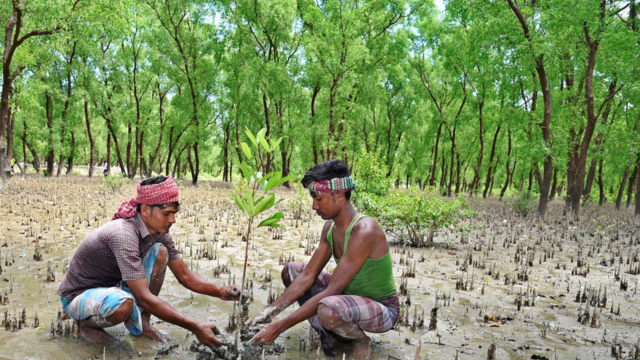
Urban-Rural Synergy: How Cities Benefit from Healthy Hinterlands
Cities rely heavily on rural landscapes for food, water, and raw materials, yet urban growth often overlooks this dependence. Healthy hinterlands provide ecosystem services that regulate climate, maintain soils, and recharge water systems. According to FAO, rural-urban integration ensures sustainable food and water security. Strengthening this synergy builds resilience in both regions.
Agriculture in rural areas sustains urban food systems, but land degradation and overuse threaten supply chains. Restoring hinterlands through sustainable farming enhances productivity while protecting biodiversity. Corridors that link farmland with forests and wetlands improve ecological health. Research by World Resources Institute shows that urban resilience depends on strong rural foundations.
Water security in cities also hinges on rural landscapes. Healthy catchments and watersheds regulate flows, reduce floods, and replenish groundwater. When upstream ecosystems degrade, downstream urban centers face scarcity and pollution. Integrated water resource management connects rural stewardship with urban demand. Cities benefit greatly when rural water systems are protected.
Economic stability in cities is tied to resilient hinterlands. Rural regions supply renewable energy, raw materials for industries, and labor for urban economies. When ecosystems collapse, cities bear high costs of resource scarcity. Reports by UNDP highlight that investing in rural sustainability strengthens urban economies. Strong urban-rural synergy prevents future crises.
Socially, healthy hinterlands reduce migration pressures by creating livelihoods in rural areas. This balances population distribution and lessens stress on urban infrastructure. Corridors connecting villages to cities improve transport networks and ensure fair resource exchange. Building inclusive development strategies allows cities and rural regions to prosper together.
Culturally, urban-rural linkages preserve traditional knowledge of farming, forestry, and water use. Blending these practices with modern planning creates sustainable solutions. Healthy hinterlands also sustain cultural landscapes that strengthen identity and resilience. By honoring rural ecosystems, cities safeguard their own future. This synergy is vital for sustainable urban living.
Earth5R’s Vision for Integrated Eco-Corridors in Indian Cities
Earth5R envisions Indian cities as hubs where citizens actively participate in restoring balance between nature and urban growth. Their approach integrates eco-corridors into city planning by connecting rivers, parks, and forests. Through community engagement, citizens become key agents of change. This vision creates urban systems that are resilient to climate stress.
The organization highlights the role of citizen science in building data-driven solutions. Earth5R mobilizes residents to map biodiversity hotspots and degraded zones that need reconnection. By linking this knowledge with sustainable development goals, projects align with global priorities. Collaboration between citizens and experts ensures eco-corridors address both ecological and urban needs.
Eco-corridors under Earth5R’s model connect urban rivers with surrounding forests and farmland, creating continuous green pathways. These corridors regulate microclimates, support wildlife, and reduce urban flooding. They also enhance access to clean water and green spaces for citizens. This holistic design transforms cities into climate-resilient ecosystems.
A core part of Earth5R’s strategy is circular economy integration. By promoting waste segregation, resource recovery, and recycling, urban corridors become self-sustaining. These practices reduce pollution in rivers and forests, ensuring ecological continuity. Eco-corridors thus evolve into living systems that support both cities and natural landscapes.
Earth5R also emphasizes inclusivity by engaging local communities in planning and execution. Training programs empower youth, women, and marginalized groups to become eco-leaders. This participatory model builds social equity alongside ecological health. By rooting eco-corridors in community action, Earth5R ensures projects are sustainable and replicable.
Through pilot initiatives in Indian cities, Earth5R demonstrates how eco-corridors can scale nationwide. Case studies show improved biodiversity and urban resilience when natural systems are restored. Partnering with corporates, governments, and citizens, the model becomes financially viable. Earth5R’s integrated vision makes Indian cities pioneers in sustainable urban transformation.

This infographic explains how blue-green infrastructure combines natural systems like green roofs, wetlands, and urban vegetation with city design to build resilience against climate change.
Wildlife on the Move: Corridors that Protect Species and Habitats
Wildlife corridors are essential for connecting fragmented habitats that urban expansion has disrupted. These corridors allow animals to move between protected areas, find food, and migrate safely. Without connectivity, species face genetic isolation, reducing their survival chances. Corridors restore balance between expanding cities and vulnerable ecosystems.
Many species, such as tigers, elephants, and leopards, rely on safe movement through landscapes. Wildlife corridors reduce human-wildlife conflict by guiding animals away from populated zones. They also preserve keystone species whose survival supports entire ecosystems. Maintaining corridors thus secures biodiversity and ecological resilience in urban regions.
Urban eco-corridors often intersect with rivers, wetlands, and forests, providing natural passageways for species. These landscapes not only enable migration but also enhance water cycles and carbon storage. The dual benefit of biodiversity protection and climate action makes wildlife corridors vital for sustainable cities. They function as ecological lifelines in built environments.
Conservation organizations promote landscape connectivity as a long-term strategy. By linking biosphere reserves, forests, and farmlands, eco-corridors ensure species survival across generations. Community-led monitoring and citizen science strengthen conservation efforts. Together, these approaches create resilient ecosystems within human-dominated landscapes.
Wildlife corridors also address challenges posed by climate change. As species shift their ranges in response to rising temperatures, connected landscapes allow adaptation. Pollinators, birds, and mammals can relocate to more suitable habitats. This adaptability ensures biodiversity thrives even under unpredictable environmental pressures. Corridors are critical for long-term survival.
In India, projects linking tiger reserves and elephant corridors have shown measurable success. Earth5R integrates similar approaches into urban eco-corridors, bridging rural forests with city green belts. By combining conservation with citizen participation, these initiatives safeguard species while enhancing urban resilience. Wildlife corridors thus become vital allies in sustainable city planning.
Water Security Through Connected Landscapes
Eco-corridors play a crucial role in ensuring water security for cities by linking rivers, wetlands, and forests. These landscapes act as natural sponges, absorbing rainfall and reducing flood risks. When fragmented, water systems lose their ability to regulate flows, leading to scarcity or pollution. Corridors restore this balance by reconnecting hydrological pathways.
Forested catchments and riparian zones filter pollutants before they enter rivers. This natural purification process improves drinking water quality for urban populations. At the same time, groundwater recharge is enhanced through aquifer replenishment. Maintaining such corridors is more cost-effective than building expensive treatment infrastructure.
Eco-corridors also strengthen climate adaptation by buffering against droughts and floods. Wetlands store excess rainfall during storms, while forests release water gradually during dry seasons. This regulates river flow and prevents extremes that damage ecosystems and livelihoods. Such connectivity is critical for cities facing unpredictable climate variability.
Agriculture benefits from these corridors as well. Connected landscapes maintain soil moisture, ensuring steady water availability for crops. Farmers depending on irrigation face fewer risks when ecosystems regulate local water cycles. By reducing reliance on groundwater over-extraction, eco-corridors make farming more sustainable while conserving resources for urban use.
Many cities globally are restoring watersheds as part of their resilience strategies. From New York City’s Catskill watershed to initiatives in Cape Town, protecting connected landscapes has reduced costs and secured reliable supplies. These models demonstrate that ecosystem-based water security is scalable across regions.
In India, Earth5R promotes citizen-driven projects to restore urban rivers, wetlands, and catchments. By mobilizing local communities, the organization builds water-smart corridors that benefit both people and nature. Integrating CSR partnerships and urban planning, Earth5R demonstrates how cities can secure water resilience while advancing sustainable development.
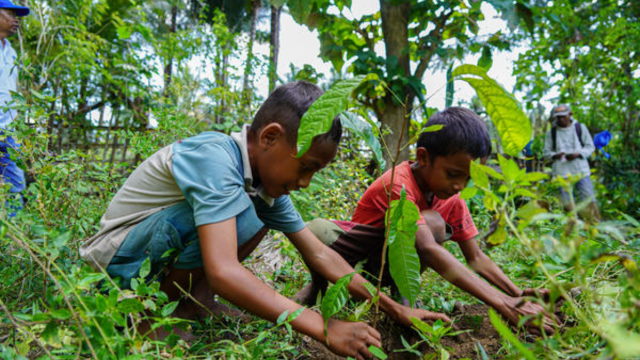
Earth5R’s Citizen-Driven Projects for Greener, More Resilient Cities
Earth5R has pioneered citizen-led environmental action by mobilizing communities to restore degraded landscapes. Its projects focus on urban ecosystems, river cleanups, and reforestation, creating climate resilience at the grassroots. By engaging volunteers, Earth5R builds collective ownership of public spaces. This participatory approach ensures sustainability beyond government programs.
One flagship initiative is the River Cleanup Program, which addresses waste choking Indian waterways. Volunteers collect and segregate plastic pollution, recycle materials, and rehabilitate riverbanks. These activities not only restore biodiversity but also improve urban water quality. By empowering citizens, Earth5R demonstrates how collective action drives systemic environmental change.
In addition to cleanups, Earth5R strengthens urban forestry through community tree plantation drives. These green corridors mitigate urban heat islands, improve air quality, and create safe habitats for pollinators. Citizen volunteers also receive training in permaculture and sustainable gardening, making cities greener at the household level. These micro-actions scale into larger environmental impacts.
Earth5R also promotes circular economy practices in cities through recycling and upcycling workshops. Citizens learn to transform waste into resources, reducing landfill dependency. By integrating sustainable livelihoods, these projects empower marginalized communities. The approach merges environmental restoration with economic resilience.
Partnerships with corporates, schools, and civic bodies amplify Earth5R’s initiatives. Through CSR integration, resources are directed into long-term sustainability projects. These collaborations ensure that eco-corridors and urban green spaces are not temporary fixes but part of systemic climate solutions. Citizen engagement bridges policy, business, and local action.
Earth5R’s citizen-driven model showcases how cities can achieve sustainable development goals through participation. By combining education with on-ground action, it transforms passive residents into active stewards. The results are cleaner rivers, healthier forests, and more climate-resilient cities. This bottom-up approach proves that empowered citizens are key to environmental resilience.
Policy Pathways: Creating a Legal Framework for Eco-Corridors
A strong legal framework is essential for eco-corridors to thrive in urban landscapes. Policies that integrate climate resilience into city planning help align infrastructure with ecological needs. By embedding eco-corridors into land-use planning, governments can safeguard biodiversity while ensuring sustainable growth. Such policies also encourage long-term investments in green infrastructure.
International models like the European Green Infrastructure Strategy offer valuable lessons for cities worldwide. These policies prioritize habitat connectivity, enabling wildlife to move across fragmented landscapes. Similar approaches could be adapted in Indian cities through urban policy reforms that link rivers, farms, and forests. Such integration ensures that climate adaptation is built into governance systems.
India has already taken steps with laws like the Environment Protection Act, but stronger eco-corridor-specific policies are needed. Regulations can mandate river restoration, protect green belts, and promote wetland conservation. Embedding these measures into municipal plans ensures that urbanization does not disrupt ecological balance. This alignment creates resilient and livable cities.
Effective policies also depend on community participation. By involving citizens in policy design and monitoring, eco-corridors become more inclusive. Mechanisms like public consultations and citizen science initiatives allow for adaptive governance. These approaches strengthen accountability and ensure laws reflect local environmental realities.
Funding eco-corridors requires clear financial frameworks. Governments can incentivize green infrastructure through tax benefits, carbon credits, and subsidies. Collaborations with CSR programs and development banks further expand financial support. With strong economic incentives, eco-corridors transition from vision to implementation.
Ultimately, legal frameworks must be dynamic, adapting to climate change risks. Policies should integrate scientific research, citizen feedback, and global climate agreements. A multi-layered legal approach ensures eco-corridors evolve with environmental challenges. By bridging law, science, and community, cities can embed resilience at their core.
Conclusion: Eco-Corridors- Linking Farms, Forests, and Rivers for Climate-Resilient Cities
Eco-corridors represent more than green connections; they are lifelines for cities adapting to a changing climate. By linking farms, forests, and rivers, they create networks of resilience that support biodiversity and human well-being. This integration strengthens natural systems while ensuring sustainable urban growth.
Cities that invest in eco-corridors secure both ecological and social benefits for generations. These corridors restore balance by reducing fragmentation, enhancing water security, and safeguarding wildlife habitats. At the same time, they provide healthier spaces for citizens to live, work, and thrive.
The role of communities is equally critical in this transformation. Citizen engagement ensures that eco-corridors are inclusive, effective, and deeply rooted in local realities. Public participation turns abstract policies into living, breathing landscapes of resilience.
Looking ahead, eco-corridors must be scaled and integrated into global climate strategies. With strong policy, active communities, and innovative design, they can redefine the way cities grow. By prioritizing these green connections, humanity secures a more resilient and harmonious future.
Frequently Asked Questions: Eco-Corridors- Linking Farms, Forests, and Rivers for Climate-Resilient Cities
What is an eco-corridor?
An eco-corridor is a natural or restored landscape that connects fragmented ecosystems, allowing wildlife movement, biodiversity conservation, and ecological balance.
Why are eco-corridors important for cities?
They help reduce heat, improve air and water quality, and provide resilience against floods, droughts, and climate stress in urban areas.
How do eco-corridors support biodiversity?
Eco-corridors connect habitats, enabling species to migrate, breed, and adapt to changing environments, thus preventing population decline.
Can eco-corridors help mitigate climate change?
Yes, they store carbon in forests, wetlands, and soils while reducing urban emissions by supporting green infrastructure and sustainable practices.
What role do rivers play in eco-corridors?
Rivers act as lifelines, providing water security, fertile soil, and natural routes for wildlife while also sustaining urban and rural livelihoods.
How do eco-corridors improve water security?
They protect watersheds, recharge groundwater, and reduce pollution by filtering runoff through forests, wetlands, and vegetated landscapes.
Are eco-corridors only for rural areas?
No, eco-corridors can be integrated into cities through urban forests, green belts, river restoration projects, and connected parks.
What policies are needed to support eco-corridors?
Policies should focus on land-use planning, biodiversity protection, water conservation, and urban-rural integration for ecological continuity.
How do eco-corridors benefit human health?
They reduce air pollution, lower urban heat, and provide spaces for recreation, stress relief, and overall mental well-being.
What is the role of communities in eco-corridors?
Communities play a key role in protecting, monitoring, and maintaining eco-corridors through citizen-driven initiatives and local stewardship.
Can eco-corridors reduce urban flooding?
Yes, eco-corridors absorb excess rainfall, restore wetlands, and regulate natural water flows, reducing flood risks in cities.
How do eco-corridors strengthen food security?
By linking farms with natural ecosystems, they improve soil health, support pollinators, and ensure sustainable agricultural productivity.
What challenges do eco-corridors face?
Key challenges include rapid urbanization, deforestation, land-use conflicts, weak enforcement of laws, and lack of public awareness.
Are eco-corridors cost-effective?
Yes, eco-corridors reduce disaster recovery costs, improve ecosystem services, and create long-term economic savings for cities.
What is the role of Earth5R in eco-corridors?
Earth5R mobilizes citizens, businesses, and policymakers to design and implement eco-corridor projects that strengthen climate resilience.
Can eco-corridors create jobs?
Yes, they generate employment in restoration projects, sustainable farming, eco-tourism, and green urban infrastructure.
How do eco-corridors protect wildlife?
They ensure safe migration routes, reduce human-wildlife conflict, and preserve critical habitats for endangered species.
What is the global significance of eco-corridors?
Globally, eco-corridors contribute to climate goals, biodiversity protection, and international commitments like the Paris Agreement.
Can eco-corridors be created in small cities?
Yes, even small towns can integrate eco-corridors through local green belts, community forests, and restored waterways.
What is the future of eco-corridors in urban planning?
Eco-corridors are becoming central to sustainable city design, ensuring that future urban growth aligns with climate resilience and ecological health.
Call to Action: Uniting for Eco-Corridors- A Call to Build Climate-Resilient Cities
Building eco-corridors is not just an environmental responsibility but a social necessity. Every citizen, policymaker, and organization has a role to play in protecting and restoring these vital connections. By acting together, we can create cities that thrive alongside nature.
Communities must take the lead by engaging in tree planting, river cleanups, and habitat restoration. Small, local efforts multiply into large-scale impacts when citizens unite with a shared purpose. This bottom-up participation ensures eco-corridors remain strong and sustainable.
Businesses and institutions can support eco-corridors through sustainable practices, funding restoration projects, and collaborating with local stakeholders. By investing in green infrastructure, they not only protect the environment but also secure long-term social and economic benefits.
The time to act is now. Eco-corridors offer a chance to build climate-resilient cities that safeguard people, wildlife, and resources. With collective action, we can transform fragmented landscapes into thriving networks of resilience for a better future.
~Authored by Barsha Sharma