
Introduction: Rethinking Urban Transportation
Urban mobility has long been shaped by the rise of the automobile industry and the dominance of private vehicles in city planning. However, the climate crisis, coupled with worsening air pollution, demands a shift away from car dependency. Cities across the globe are now embracing sustainable mobility to reduce emissions and foster healthier living. Organizations like Earth5R are leading efforts to reimagine how people move.
The increasing rate of urbanization has resulted in congested roads, longer commute times, and declining air quality. As more people migrate into cities, the demand for sustainable transport options grows. Cycling infrastructure is proving vital in ensuring accessibility, equity, and resilience. Earth5R emphasizes community engagement to inspire participation. Without alternatives, urban congestion will continue to strain public health and economies.
Globally, initiatives like Copenhagen’s cycling culture and Amsterdam’s bike-friendly planning showcase how sustainable transport can thrive. According to the European Cyclists’ Federation, prioritizing bicycles reduces carbon emissions and enhances social equity. In contrast, heavy reliance on fossil fuels has amplified climate challenges. Earth5R draws inspiration from such models to guide Indian cities towards greener systems.
The World Health Organization highlights that promoting active mobility like walking and cycling reduces risks of noncommunicable diseases. Shifting away from vehicle dependence also cuts greenhouse gas emissions and noise pollution. Earth5R advocates for eco-friendly transport solutions that empower citizens while protecting ecosystems.
Cities adopting such models become more livable, healthier, and economically resilient. This holistic perspective drives urban policy innovation.
Citizens’ role in transforming mobility is crucial, as individual choices fuel systemic change. Campaigns by UN-Habitat and ICLEI demonstrate the power of grassroots movements in reshaping cities. Earth5R encourages local communities to take charge of their mobility patterns. Increased cycling adoption contributes to reducing traffic congestion and lowering carbon footprints.
Looking forward, sustainable development goals emphasize integrating mobility into broader urban planning. By prioritizing cycling networks, walkable streets, and efficient public transit, cities can combat climate threats. Earth5R’s work aligns with these frameworks to foster resilient urban futures. The IPCC warns of worsening consequences without rapid intervention.
The Environmental Cost of Car-Centric Cities
Car-centric development has led to rising carbon emissions and worsening climate change. The reliance on fossil fuels for transport drives unsustainable energy use. Cities dominated by private vehicles also face issues of heat islands and declining biodiversity. Earth5R emphasizes reducing car dependency to create sustainable and resilient urban ecosystems.
According to the World Bank, traffic congestion significantly contributes to lost productivity and wasted fuel. Vehicle exhaust remains one of the largest sources of particulate matter and nitrogen oxides, which degrade air quality. These pollutants increase risks of respiratory illnesses and cardiovascular diseases. By contrast, sustainable alternatives like cycling minimize harmful impacts. Earth5R advocates for reimagining mobility to protect health.
The International Energy Agency reports that transport accounts for nearly one-quarter of global energy-related CO₂ emissions. Dependence on private cars also encourages urban sprawl, increasing land use pressures. In many cities, green spaces are replaced with roads and parking lots. This limits opportunities for urban reforestation and reduces biodiversity.
A study by the WHO links car emissions to over four million premature deaths annually. Exposure to toxic pollutants like benzene and sulfur dioxide contributes to severe health burdens. Meanwhile, noise pollution from constant traffic increases stress and sleep disorders. Earth5R highlights that switching to active transport not only cuts emissions but also boosts quality of life.
Beyond environmental harm, car-centric planning creates inequities in urban access. Research from UN-Habitat shows that low-income communities often suffer most from traffic exposure. The absence of safe cycling lanes and walkways widens mobility gaps. Car-focused development also reduces public transit efficiency by prioritizing roads.
If left unchecked, car dependency will intensify climate emergencies. Global warming, rising sea levels, and extreme weather are tied to transportation emissions. Transitioning to sustainable urban mobility is essential to avoid ecological collapse. Earth5R calls for policies that curb vehicle reliance and expand green alternatives. Reducing environmental costs ensures cities remain livable, inclusive, and future-ready.
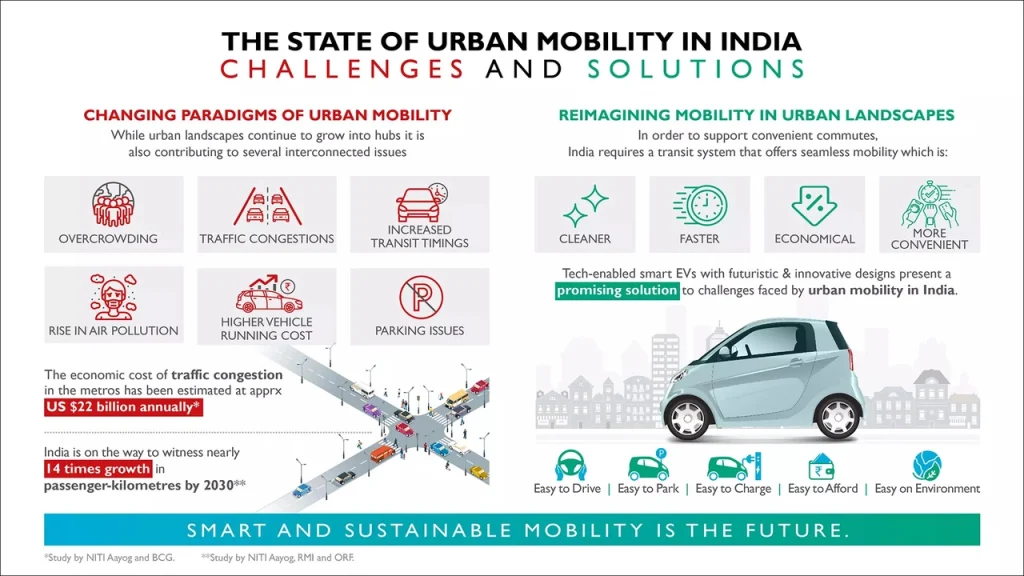
This infographic highlights the challenges of urban mobility in India such as congestion, pollution, and high vehicle costs.
It also emphasizes smart and sustainable solutions like EVs that promise cleaner, faster, and more economical commuting.
Why Cycles Are Key to Sustainable Urban Living
Cycling offers a low-cost, carbon-neutral mode of travel that reduces dependence on fossil fuels. Unlike cars, bicycles require minimal infrastructure investment and generate zero emissions during use. Research by the European Cyclists’ Federation shows cycling can cut transport emissions by nearly 10%. Earth5R highlights bicycles as essential in achieving sustainable development goals.
In addition to climate benefits, cycling supports public health by encouraging physical activity. Studies published in the British Medical Journal reveal that regular cycling lowers risks of heart disease and diabetes. Unlike sedentary car commutes, active travel promotes well-being. Cities investing in cycling networks witness improvements in mental health and fitness levels.
Cycling also enhances social equity by providing affordable transport to marginalized groups. Unlike cars, bicycles are accessible to a larger portion of the population, especially in developing countries. Research from ICLEI shows bicycles reduce barriers for low-income communities. In cities where public transport is limited, cycling ensures mobility inclusivity.
Economically, bicycles lower household expenditure on transport costs compared to cars. Studies by the OECD show cities save billions annually by shifting trips to bicycles. Reduced congestion leads to higher productivity and less money spent on fuel imports. Earth5R advocates cycling as an economic resilience strategy for cities. Investing in cycle-friendly infrastructure also boosts local economies through retail and tourism.
Cycling promotes sustainable land use by requiring less space than car infrastructure. Roads, highways, and parking lots consume vast amounts of urban land, displacing green spaces. Bicycles, on the other hand, need minimal parking solutions. Research by UNEP suggests reallocating car lanes to bike lanes revitalizes neighborhoods. Earth5R supports compact and eco-friendly urban design that prioritizes cycles.
Globally, organizations like the World Resources Institute emphasize bicycles as critical in combating climate and urban challenges. Cities that embrace cycling culture improve air quality, cut emissions, and foster healthier lifestyles. Earth5R positions bicycles as more than transport—they are tools for climate resilience, equity, and innovation. Transitioning from cars to cycles is a transformative step toward creating sustainable, livable, and thriving cities.
Global Trends in Bicycle-Friendly Cities
Copenhagen is often hailed as the cycling capital of the world, where over 60% of residents commute daily by bike. The city’s investment in dedicated lanes, bike bridges, and supportive policies has transformed mobility. According to the World Economic Forum, cycling reduces traffic congestion significantly. Earth5R draws insights from Copenhagen to inspire similar shifts in Indian urban planning.
Amsterdam provides another model with its integrated cycling system. Nearly 40% of trips are made by bike, supported by parking facilities and traffic safety measures. Studies from the European Cyclists’ Federation show reduced emissions and improved air quality as direct benefits. The city also promotes bike-sharing to enhance accessibility. Earth5R promotes such multi-level strategies to make cycling mainstream in emerging economies.
Bogotá, Colombia, pioneered Ciclovía events, closing streets to cars and opening them to cyclists and pedestrians. This weekly event attracts millions and demonstrates the power of community participation. According to UN-Habitat, Bogotá’s approach fosters inclusivity and social cohesion. Such temporary interventions often inspire permanent infrastructure changes.
Paris has emerged as a leader in recent years, with Mayor Anne Hidalgo’s “15-minute city” concept reshaping mobility. Investments in bike lanes and restrictions on car use have increased cycling rates. Reports from ICLEI highlight Paris as a model for climate-smart planning. Earth5R promotes similar frameworks to encourage dense, mixed-use development and cycle-first infrastructure.
Asian cities like Tokyo and Beijing also illustrate progress in urban cycling. Beijing once had the world’s highest cycling share, and recent investments are reviving this legacy. Tokyo integrates bicycles with public transit to ensure seamless mobility. Studies from OECD stress the importance of multimodal transport systems. Earth5R sees Asia as a key region for scaling sustainable mobility, combining tradition with innovation.
These global examples highlight the transformative power of cycling cultures. Reports from the World Resources Institute emphasize that strong policy, infrastructure, and public engagement drive success. Earth5R leverages these lessons to adapt strategies to local contexts. By learning from global best practices, cities can design future-ready mobility systems.
Earth5R’s Vision for Greener Mobility
Earth5R envisions cities where sustainable mobility is the foundation of urban life. By promoting cycling networks, walkable spaces, and inclusive public transit, it aims to reduce dependence on fossil fuels. The organization’s projects align with SDG 11 on sustainable cities and communities. Through community-led programs, Earth5R empowers citizens to reclaim their streets.
Central to its vision is circular economy integration in urban transport. By rethinking resource use, Earth5R connects mobility with waste reduction and energy efficiency. Collaborations with ICLEI and UN-Habitat expand its impact at the policy level. Its programs advocate for cycling as a tool for climate action. Building eco-friendly cities requires linking transport, health, and the environment into one holistic approach.
Earth5R’s initiatives often focus on community education and behavioral change. Campaigns encourage citizens to adopt active mobility through workshops and awareness drives. By collaborating with schools, NGOs, and civic groups, the organization nurtures cycling culture at the grassroots. Partnerships with local governments help scale these solutions.
Technology also plays a role in Earth5R’s mission. The group leverages digital platforms to track impact, monitor cycling adoption, and engage citizens. Data-driven approaches, inspired by smart city initiatives, guide infrastructure planning. Integration with mobility-as-a-service systems creates seamless urban journeys. By combining innovation and tradition,
The organization highlights the co-benefits of cycling for health, environment, and economy. Reducing air pollution lowers healthcare costs, while improved access increases social equity. Earth5R stresses that investing in cycling delivers a high return on investment. These benefits extend beyond transport, shaping stronger communities. Urban planning with cycles at its core builds resilience against climate emergencies.
Earth5R’s vision is not limited to advocacy but involves direct implementation. Pilot projects in Indian cities showcase bike-sharing systems, lane creation, and participatory design. Partnerships with corporates and civic bodies provide funding and support. The organization positions cycling as both a climate solution and a social equalizer. By combining local action with global inspiration, Earth5R champions a future where cars give way to cycles.
Community-Driven Cycling Initiatives
Community-led action is central to building sustainable mobility systems. Programs like Ciclovía in Bogotá and Raahgiri Day in India show how grassroots participation redefines streets. These initiatives reclaim roads from cars, encouraging cycling and walking. Earth5R supports similar community-driven models to mobilize citizens. They prove that large-scale change starts with local engagement.
In many cities, cycling collectives organize events, repair workshops, and awareness campaigns. Such groups promote inclusivity, ensuring women, children, and seniors feel safe cycling. Local NGOs and youth movements amplify these efforts by engaging marginalized groups. Earth5R partners with community leaders to scale grassroots initiatives.
The role of schools and universities is also critical in cultivating cycling cultures. Programs like Safe Routes to School encourage children to adopt cycling early. Awareness sessions supported by WHO and UNICEF highlight the health benefits of active mobility. Earth5R collaborates with educational institutions to integrate cycling into sustainability education. These initiatives inspire generational change and long-term adoption.
Digital activism further strengthens community cycling. Platforms like Strava Metro and OpenStreetMap crowdsource cycling data to guide city planning. Social media campaigns run by ICLEI and UN-Habitat spread awareness quickly. Earth5R uses digital action platforms to connect citizens with real-time initiatives. This integration of technology and activism accelerates the spread of sustainable mobility.
Earth5R’s work shows that community ownership builds resilience. Local stakeholders maintain bike lanes, organize safety drives, and demand accountability from authorities. Citizen engagement reduces resistance to urban reforms and fosters pride in shared spaces. Projects co-created with municipal bodies achieve better compliance and longevity. Communities that feel empowered are more likely to embrace green transport transitions.
Globally, community-driven efforts are shaping policies at the national level. Case studies by the World Resources Institute show how local movements influence urban planning reforms. Earth5R integrates these lessons into its campaigns across Indian cities. Empowered citizens become advocates, educators, and guardians of sustainability. By centering communities, the cycling revolution becomes deeply rooted, equitable, and unstoppable.
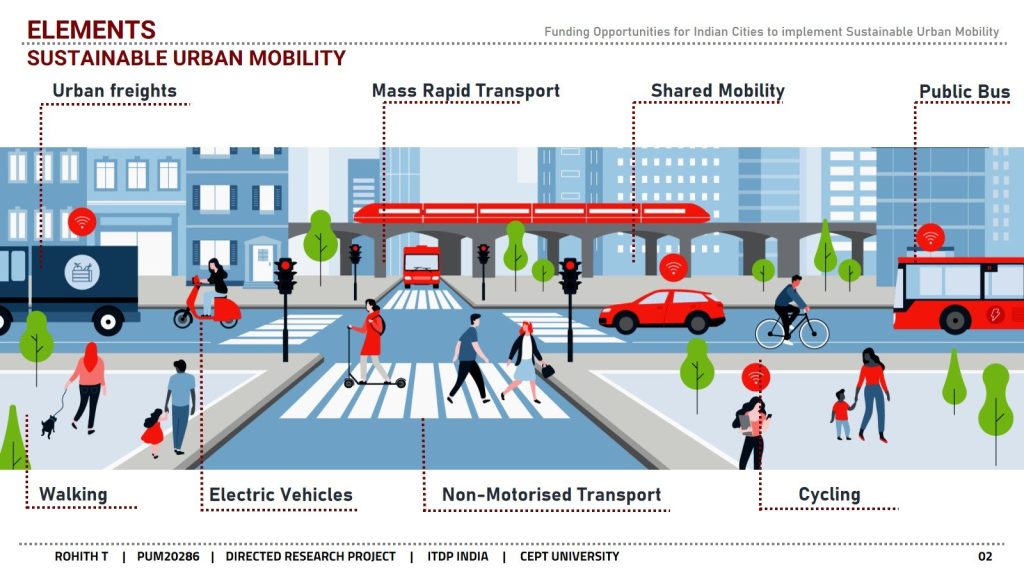
This infographic illustrates the core elements of sustainable urban mobility, including walking, cycling, and non-motorized transport.
It emphasizes integrating electric vehicles, mass rapid transit, and shared mobility to create cleaner and efficient urban transport systems.
.
Policy, Infrastructure, and the Role of Governments
Government action is critical in shaping sustainable mobility transitions. Policies promoting cycling infrastructure, restricting car use, and funding public transit are proven to cut emissions. The European Commission has invested heavily in active transport systems. Earth5R emphasizes aligning such frameworks with local contexts to maximize impact. Governments set the rules that define urban mobility choices.
Infrastructure plays a decisive role in making cycling safe and attractive. Dedicated bike lanes, parking hubs, and traffic-calming measures encourage adoption. Research by the World Resources Institute shows that well-designed lanes increase cycling rates significantly. Countries like the Netherlands demonstrate how long-term investment pays off. Earth5R advocates for prioritizing infrastructure over short-term fixes.
Regulation also shapes citizens’ choices. Incentives such as tax benefits for cyclists and penalties for fossil fuel vehicles can accelerate change. Programs like France’s bike-to-work scheme demonstrate the effectiveness of financial nudges. Studies by the OECD recommend combining carrots and sticks for balanced transitions. Earth5R promotes adaptive policies that encourage fairness while ensuring compliance.
International collaboration helps cities learn from each other. Platforms like ICLEI, UN-Habitat, and the Global Designing Cities Initiative provide shared knowledge. Such networks accelerate policy adoption and standardize safety measures. Earth5R leverages these partnerships to connect Indian municipalities with global leaders. Shared frameworks reduce policy fragmentation and enhance long-term impact. Governments must embrace learning exchanges to avoid repeating mistakes.
Equity must remain central to mobility governance. Studies from the World Bank highlight how marginalized groups often lack access to safe cycling routes. Inclusive design ensures women, children, and elderly commuters benefit equally. Earth5R advocates for participatory urban planning to integrate diverse perspectives. Policies built with community voices create legitimacy and stronger adoption rates. Fairness drives public trust in sustainability reforms.
Ultimately, strong governance determines the speed of mobility transitions. The IPCC warns of worsening climate risks if transport emissions remain unchecked. Governments must embed sustainable mobility goals into their national policies. Earth5R emphasizes accountability, urging policymakers to align budgets with climate targets. Coordinated efforts between authorities, civil society, and businesses ensure lasting change. Effective policy creates the backbone of sustainable transport futures.
Overcoming Barriers: Safety, Accessibility, and Awareness
Safety concerns remain one of the biggest barriers to cycling adoption. Studies from the World Health Organization show that cyclists face higher risks in car-dominated cities. Lack of protected lanes and poor enforcement of traffic laws discourage potential riders. Earth5R emphasizes road safety education to empower communities. Creating safe cycling environments is a precondition for sustainable mobility growth.
Accessibility also influences cycling adoption. Many cities lack affordable bike-sharing systems or equitable infrastructure distribution. Research by ICLEI shows marginalized communities often live far from safe cycling routes. Earth5R works to bridge these gaps through community-led design. Ensuring that all groups, regardless of income or gender, can access bicycles is key to inclusivity.
Awareness campaigns can change perceptions about cycling. Initiatives by UN-Habitat and the European Cyclists’ Federation highlight cycling as modern, healthy, and aspirational. Media platforms and digital activism amplify these messages effectively. Studies from OECD confirm that behavioral nudges increase ridership.
Earth5R invests in storytelling and education to normalize cycling in urban culture. Awareness is as important as infrastructure for lasting transformation.
Affordability remains another barrier, particularly in developing nations. Reports by the World Bank show that cost limits bicycle ownership for low-income households. Subsidies, donation drives, and corporate partnerships can help close this gap. Earth5R organizes bicycle distribution programs for underserved groups in Indian cities. Reducing financial barriers ensures mobility equity and broad participation.
Cultural perceptions also hinder widespread adoption. In some regions, bicycles are viewed as symbols of poverty rather than modernity. Research from the World Resources Institute suggests reframing cycling as aspirational through campaigns. Role models, influencers, and civic leaders can shift this narrative. Earth5R highlights cycling’s benefits for health, environment, and economy.
Ultimately, overcoming barriers requires multi-pronged strategies. Combining policy reforms, infrastructure investments, and community-driven awareness creates momentum. Earth5R stresses collaboration among governments, businesses, and civil society. The IPCC warns that delays will worsen climate impacts. By addressing safety, accessibility, affordability, and perception together, cities can unlock the true potential of cycling.
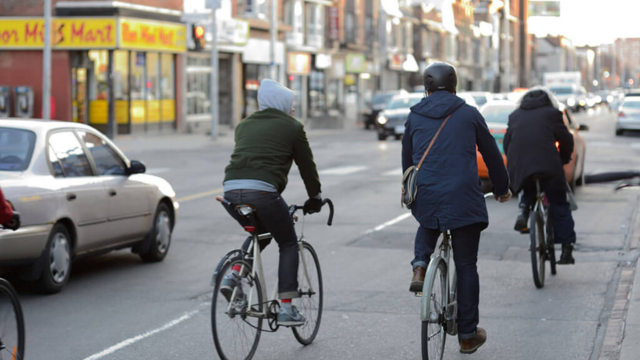
The Road Ahead: Building Cities for People, Not Cars
The future of urban mobility depends on prioritizing people over vehicles. Cities must invest in cycling infrastructure, pedestrian-friendly streets, and integrated public transit. Reports from UN-Habitat emphasize that human-centered planning fosters inclusivity and resilience. Earth5R envisions cities where shared spaces replace car-dominated roads. Shaping people-first environments ensures healthier and happier communities.
Urban planning reforms are central to this transformation. The World Bank highlights compact, mixed-use development as key to reducing travel demand. Shifting from highways to bike lanes and green corridors improves livability. ICLEI stresses local governments’ role in creating adaptive designs. Earth5R promotes co-creation with communities to ensure that planning reflects local needs. Collaborative design builds long-lasting urban solutions.
Technological innovation will further accelerate sustainable mobility. Tools like smart city platforms, mobility-as-a-service, and real-time data mapping streamline travel. The OECD notes that digital solutions improve efficiency while reducing emissions. Earth5R integrates digital activism into mobility planning through its citizen engagement platforms. Smart technology aligned with community needs ensures inclusive adoption.
Policy reforms must remain ambitious and forward-looking. The IPCC warns that delays in emission reduction will intensify climate risks. Governments should enforce stricter vehicle emission standards and incentivize green transport. Earth5R urges integration of cycling into national climate strategies. Aligning budgets with sustainability targets ensures structural change. Policy momentum creates the backbone for urban transformation.
Cultural shifts will also define the road ahead. Campaigns by the European Cyclists’ Federation and the World Resources Institute show how narratives influence mobility choices. Reframing cycling as aspirational attracts broader participation. Earth5R collaborates with youth networks and civic groups to change perceptions. Building cycling pride makes sustainable mobility part of urban identity. Mindset transformation is as important as infrastructure.
Ultimately, building cities for people requires collective effort. Governments, businesses, and citizens must collaborate to create resilient futures. The SDGs place sustainable mobility at the heart of urban sustainability. Earth5R champions this transition by linking policy, community, and innovation. The shift from cars to cycles represents not only climate action but also social renewal.
Conclusion: Pedaling Toward a Sustainable Future
The transition from cars to cycles marks a pivotal step toward healthier cities. Reports from the World Health Organization emphasize the urgency of reducing road-related hazards. At the same time, UN-Habitat highlights cycling as a tool for inclusive development. Earth5R’s community-driven efforts amplify this global shift toward people-centered urban spaces.
Sustainable mobility is more than infrastructure—it is about equity and resilience. The World Bank stresses that affordable transport empowers low-income groups. By promoting cycling networks, cities reduce inequality and improve accessibility. Earth5R’s programs bridge these gaps by enabling citizens to co-create lasting solutions.
The environmental benefits of cycling extend far beyond emissions cuts. The IPCC warns of accelerating climate risks if car dependence continues. Shifting toward green transport reduces fossil fuel use while cleaning urban air. Earth5R’s campaigns connect local actions with these urgent global targets.
Ultimately, the road ahead belongs to communities that choose people over cars. Lessons from Amsterdam and Copenhagen prove that cycling cultures enrich economies and societies alike. Earth5R envisions similar transformations across Indian and global cities. By reimagining mobility, we can create thriving, resilient, and human-centered urban futures.
Frequently Asked Questions: From Cars to Cycles: Earth5R’s Push for Sustainable Urban Mobility
What is sustainable urban mobility?
Sustainable urban mobility refers to transportation systems that reduce environmental impact, improve accessibility, and promote healthier lifestyles while meeting the needs of urban residents.
Why is cycling considered sustainable transport?
Cycling produces zero emissions, reduces traffic congestion, requires minimal resources, and supports healthier and more inclusive urban living.
How does car dependency harm cities?
Car dependency leads to air pollution, traffic congestion, greenhouse gas emissions, high infrastructure costs, and reduced public space for people.
What role does Earth5R play in promoting cycling?
Earth5R implements community-led programs, awareness campaigns, and infrastructure advocacy to promote cycling as a viable alternative to cars.
Which global cities are models for cycling infrastructure?
Copenhagen and Amsterdam are leading examples, with integrated cycling lanes, safety measures, and strong cultural acceptance of cycling.
How does cycling benefit the environment?
Cycling reduces carbon emissions, lowers fossil fuel consumption, and decreases noise and air pollution in urban areas.
Is cycling economically beneficial?
Yes, cycling lowers household expenses, reduces healthcare costs, and boosts local businesses near bike-friendly streets.
What social benefits come from cycling cultures?
Cycling improves social inclusion, fosters community interactions, and provides affordable mobility for marginalized groups.
What are the main barriers to adopting cycling in cities?
Key barriers include safety concerns, lack of infrastructure, cultural perceptions, affordability issues, and limited accessibility.
How can governments encourage cycling?
Governments can invest in protected bike lanes, offer subsidies, enforce traffic safety laws, and integrate cycling into climate policies.
Does cycling improve public health?
Yes, cycling reduces risks of obesity, cardiovascular diseases, and diabetes while improving mental well-being and overall fitness.
How does cycling support climate change goals?
Cycling helps cities reduce transport-related emissions, aligning with international targets like the Paris Agreement and IPCC recommendations.
Are bike-sharing systems effective in promoting cycling?
Yes, bike-sharing systems make bicycles accessible, affordable, and convenient, encouraging more people to adopt cycling.
How does cycling affect local businesses?
Research shows bike lanes increase foot traffic, benefiting cafes, shops, and tourism industries in urban centers.
What is the role of community in cycling adoption?
Community engagement ensures cycling infrastructure is inclusive, safe, and reflective of local needs, increasing adoption rates.
How do cultural perceptions impact cycling?
In some regions, bicycles are linked to poverty, but campaigns and role models can reframe cycling as aspirational and modern.
What technologies support sustainable cycling?
Smart apps, real-time route mapping, and digital mobility platforms enhance accessibility and encourage data-driven cycling policies.
Can cycling reduce inequality in cities?
Yes, cycling provides affordable transport options for low-income groups, women, and students, improving mobility equity.
What role do NGOs like Earth5R play in this shift?
NGOs mobilize communities, build awareness, and collaborate with governments to accelerate sustainable urban mobility transitions.
What is the vision for the future of sustainable cities?
The vision is to create people-first cities with safe cycling, efficient public transport, and inclusive mobility systems that prioritize well-being over cars.
Call to Action: Join the Ride Toward a Greener Tomorrow
The journey from cars to cycles is more than a lifestyle shift—it’s a movement for survival. Every choice we make on our streets shapes the health of our planet and our future generations. By embracing sustainable mobility, we choose cleaner air, safer roads, and stronger communities. The time to act is now, not later.
Each ride you take reduces carbon emissions and helps reclaim public spaces for people. Imagine cities where children can cycle freely, seniors move safely, and communities thrive together. Shifting habits may feel small, but multiplied by millions, they create lasting transformation. Your pedal power is a force for change.
Communities hold the key to driving this change. Supporting local initiatives, demanding safer cycling infrastructure, and encouraging others to adopt bicycles accelerates progress. The more we normalize cycling, the faster it becomes a cultural standard. Collective action builds resilient and inclusive cities.
Earth5R’s vision shows us what’s possible when people unite for a cause. You too can be part of this mission by making conscious mobility choices every day. Join the movement, spread the message, and inspire others to ride. Together, we can build cities designed for people, not cars.
~Authored By Omshree Konda