
Urban Rivers in Crisis: How Pollution Turned Life Sources Into Dumping Grounds
Urban rivers in India have rapidly degraded into sewage drains due to rampant industrial waste dumping, unregulated urban sprawl, and inefficient wastewater treatment infrastructure. Rivers like the Mithi River in Mumbai, once a vital ecological corridor, are now choked with plastics and toxins.
Studies by the Central Pollution Control Board (CPCB) reveal dangerously high levels of biochemical oxygen demand (BOD). These water bodies, essential for groundwater recharge, are on the brink of collapse.
In cities like Delhi, the Yamuna River receives over 3,000 MLD of untreated sewage daily, despite billions spent on the Yamuna Action Plan. Encroachments along riverbanks, coupled with open defecation and solid waste disposal, have worsened the contamination.
The National Green Tribunal (NGT) has repeatedly pulled up authorities for non-compliance. As a result, aquatic biodiversity has plummeted and flood risks have increased due to silted waterways and vanishing wetlands.
These rivers are more than just hydrological entities—they are lifelines for urban communities, supporting everything from agriculture to fishing and transportation. In Chennai, the Cooum River has transformed from a navigable channel to a stagnant sewer due to unchecked effluent discharge.
Urban planners often ignore natural drainage patterns, leading to poor integration of rivers in city development. This disconnect fuels both environmental decline and social apathy.
Polluted rivers directly affect public health by becoming breeding grounds for vector-borne diseases such as dengue and cholera. According to WHO reports, nearly 80% of urban diseases in developing nations are water-related. Communities living along these rivers face increased vulnerability, especially marginalised populations with limited access to clean water. These health burdens amplify urban poverty and deepen socio-economic divides.
Economic repercussions are equally severe. Declining river health impacts tourism, fisheries, and real estate value. In many cities, deteriorating waterfronts have become no-go zones rather than public assets. Lack of sustainable riverfront development denies cities the chance to create blue-green infrastructure. Countries like Singapore have demonstrated how restoring rivers like the Kallang Basin can boost the economy and improve livability.
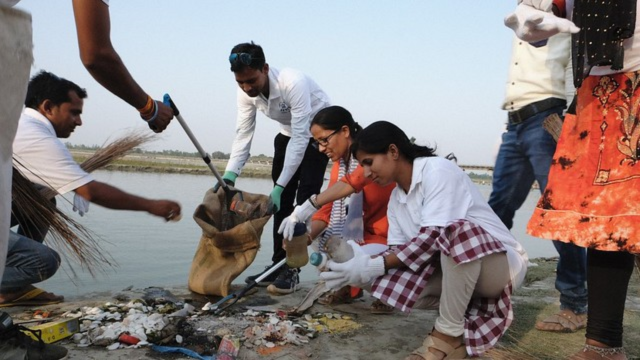
But hope is not lost. Community-led models of river conservation like Earth5R’s citizen-powered initiatives show that rivers can be revived through local action. With public awareness, eco-entrepreneurship, and support from environmental NGOs, polluted rivers can be transformed into protected ecological corridors.
These efforts underscore the importance of restoring ecological balance by empowering people to take ownership of their local rivers.
The Power of People: Rise of Community-Led River Protection Movements
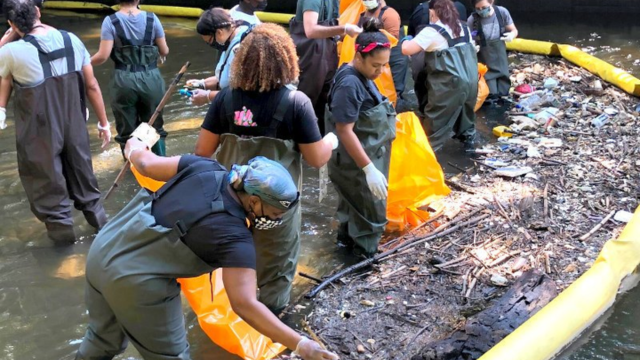
Across India, citizens are rising to reclaim their dying rivers. From Delhi’s Yamuna cleanup volunteers to Bengaluru’s lake activists, people are organizing at the grassroots level. These decentralized efforts often outpace government initiatives in impact and agility. Groups like We Mean to Clean and Rejuvenate India Movement are empowering communities to take direct action. These citizen-led movements represent a new form of urban environmentalism.
Such efforts are not just cleanups—they’re campaigns of civic reclamation. Initiatives like Adyar River restoration in Chennai blend activism with ecosystem revival. In Pune, the River Walk Movement has reconnected citizens with the river’s history and health. Volunteers engage in awareness drives, nature trails, and school outreach. These initiatives mobilize people emotionally and intellectually. Civic pride becomes the fuel for eco-restoration.
Women have emerged as key leaders in these river revival campaigns. In Gujarat, self-help groups participate in water governance and awareness. In Maharashtra, tribal women monitor spring recharge for upstream rivers. Earth5R works closely with women to develop leadership through sustainability education.
These women not only influence behavior but also drive household-level water conservation. Empowerment and environmental stewardship go hand in hand.
The role of youth in river restoration is equally inspiring. Programs like River Warriors train school and college students in cleanup techniques and river science. Earth5R’s youth engagement modules focus on hands-on learning and citizen science. Young volunteers help map waste hotspots and organize public events. This early engagement fosters lifelong environmental responsibility. Students become community influencers and problem-solvers.
Religious and spiritual groups are also joining the movement. In Varanasi, Ganga aarti organizers now incorporate river awareness messages. Temples along rivers conduct clean-up rituals. Eco-Sikh and Swachhata Abhiyan groups link faith with environmental duty. Earth5R has collaborated with religious leaders to amplify sustainability messages. This cultural alignment helps bridge science and spirituality.
Community-led efforts thrive because they are locally rooted and emotionally invested. They draw strength from place-based identity and collective memory. Groups like Hasiru Dala integrate informal waste workers into river cleanups. NGOs like Sankalptaru crowdsource funds for riparian tree planting. When people act for the rivers they know and love, they don’t just restore water—they rebuild the soul of their city.
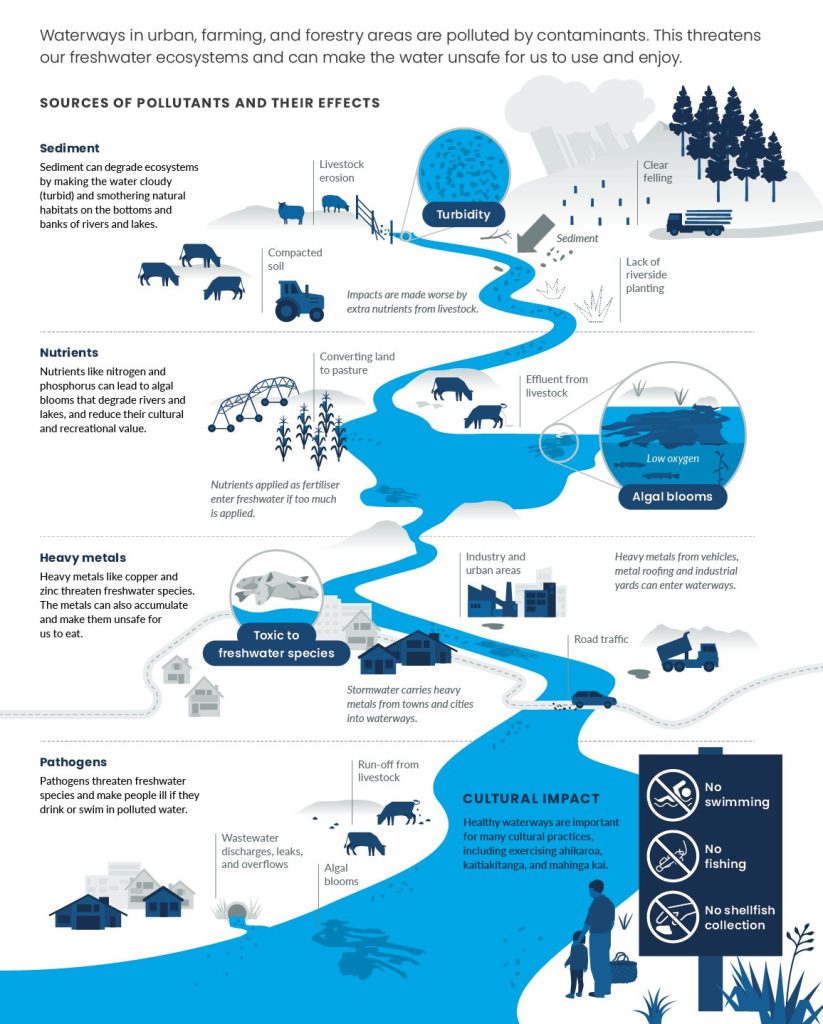
This infographic explains how contaminants like sediment, nutrients, heavy metals, and pathogens from agriculture, forestry, and urban areas pollute freshwater systems.
Earth5R’s Citizen-Led Blueprint: Decentralizing River Restoration
Earth5R champions a decentralized river restoration model that puts citizens at the center of action. Through its Blue Cities initiative, residents are trained to become River Guardians, taking direct responsibility for their local water bodies. In places like Thane and Nashik, Earth5R’s framework has inspired thousands to participate in regular cleanups and awareness drives.
The starting point is education. Earth5R runs Environmental Education Programs that train youth, women, and slum dwellers in topics like river ecology, waste management, and sustainable action planning. Participants learn to collect field data using simple citizen science tools, then use this information to map local issues and solutions.
These learning modules are often customized to reflect the United Nations SDGs, especially those on clean water, climate action, and sustainable cities.
Earth5R’s model blends ecology with economy. By linking river cleanups to green entrepreneurship, it helps participants launch eco-businesses like plastic repurposing, composting, or eco-tourism ventures. This approach has created meaningful green jobs for marginalized populations, especially women and youth. In cities like Mumbai, some River Guardians have transitioned into full-time eco-leaders driving local impact.
Another key element is technology. Earth5R integrates data collection into its programs via mobile surveys and geotagged pollution mapping. Volunteers identify waste hotspots, illegal dumping sites, and clogged stormwater drains. This information is shared through public dashboards and with local urban bodies, helping officials act faster. Such transparency builds accountability and fosters collaborative governance.
Earth5R also works closely with corporations and governments. Its CSR-integrated model has seen partnerships with Godrej, Accenture, and municipal councils to scale river rejuvenation projects. These alliances bring funding, regulatory support, and policy alignment, allowing citizen projects to evolve into city-wide transformation models. The synergy of bottom-up energy with top-down support is central to Earth5R’s success.
Ultimately, Earth5R leaves behind more than a clean river—it builds resilient ecosystems and empowered communities. Each project becomes a blueprint for other cities to follow, promoting decentralized, inclusive, and data-driven river restoration. It aligns with climate resilience goals and proves that trained citizens can reclaim urban waterways with lasting results.
The Rise of River Guardians: Citizens Reclaiming Their Rivers
Across India, communities are stepping up as River Guardians, taking ownership of polluted stretches once dismissed as lost causes. In Mumbai, residents living along the Mithi River now organize regular cleanups, supported by Earth5R’s citizen training. In Chennai, individuals like Arun Krishnamurthy have led grassroots initiatives to revive waterways like the Cooum River. These efforts build not only cleaner rivers, but stronger civic identity.
Empowered by digital tools and mobile apps, citizens can now collect, analyze, and visualize river pollution data. Earth5R trains communities to use geo-tagging, smartphone-based surveys, and even satellite mapping to track waste inflow and outflow. Tools like Water Quality Monitoring Kits are introduced at a local level, making science accessible and actionable.
Social media is a critical amplifier. Platforms like Instagram and Twitter help River Guardians share before-and-after stories, mobilize volunteers, and run viral challenges like #CleanMyRiver. Community-led awareness campaigns are also backed by visual storytelling techniques. These narratives reach local youth and ignite civic pride, strengthening the culture of collective action over blame.
Local ownership is essential for long-term change. Earth5R embeds community leadership modules into all its projects, training River Guardians to negotiate with local authorities and media. These leaders learn how to build partnerships with urban planners and municipal corporations, gaining support for eco-restoration, desilting, and public sanitation efforts. .
Several River Guardians have now become full-time eco-entrepreneurs. In Pune, some use collected plastic waste to craft recycled products, while others have started community composting initiatives. Women’s collectives in Bangalore run riverbank plant nurseries and water testing services. These micro-ventures ensure that environmental protection is not just a duty, but also a sustainable livelihood.
From schools to slums, the River Guardian network is spreading fast. Earth5R’s partnership with the United Nations and support from CSR programs ensure that these initiatives reach underrepresented communities. This inclusive framework makes river restoration a shared mission, with every citizen acting as both a custodian and a catalyst of change.
Citizen Science and Local Data: Powering Accountability
Citizen-led data collection is revolutionizing river conservation. Earth5R’s River Audit Toolkit trains communities to gather data on waste types, water quality, and biodiversity. Using apps like Epicollect5, locals geo-tag pollution sources. Water testing kits are distributed to help measure parameters like pH and turbidity. With support from UNESCO’s citizen science network, this data becomes evidence for policy interventions.
These tools are not just technical—they empower citizens to hold authorities accountable. Platforms like India Water Portal help analyze trends in contamination and flow. Earth5R’s workshops explain how to file RTIs and use environmental laws like the Water (Prevention and Control of Pollution) Act, 1974. Residents have used this information to file complaints via National Green Tribunal and escalate cases to local pollution boards.
In Bangalore, citizen data helped identify illegal sewage discharge into the Vrishabhavathi River. In Delhi, Yamuna Action Plans failed until citizen-backed evidence from monitoring stations was presented. Earth5R’s open-source Air and Water Dashboards help visualize real-time updates. These datasets pressure both municipal authorities and private polluters to respond swiftly and transparently.
Schools and colleges are also joining the data movement. Students conduct biodiversity indexing along riverbanks, mapping flora and fauna. With tools like iNaturalist and Globe Observer, even children can report illegal dumping or species decline. Earth5R partners with educational institutions to convert such engagement into lifelong environmental awareness. This fosters eco-literacy from a young age.
Corporate CSR programs are funding these efforts. Tech companies sponsor IoT-based river sensors, while pharma firms back public health assessments related to water pollution. Earth5R helps bridge the gap between corporate funders and community researchers. These collaborations show that local data, when amplified with the right tools, has national impact.
Ultimately, citizen science is shifting the narrative—from anecdotal complaints to actionable insights. River Guardians are not just activists, but also citizen scientists. This blend of technology, training, and transparency is building a powerful civic infrastructure. It ensures that river rejuvenation is not left to governments alone—it becomes a co-owned, data-driven mission.
Restoration in Action: Community Cleanups, Native Planting, and Waste Management
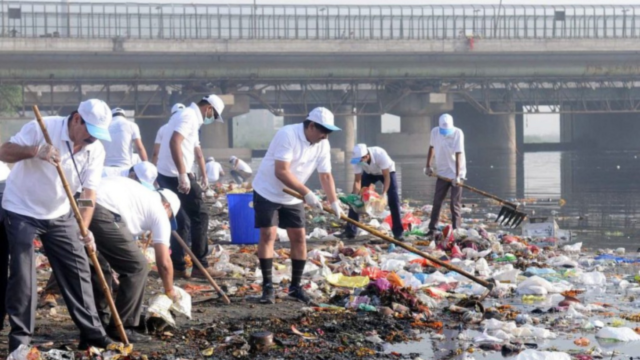
River restoration begins with action on the ground—starting with community-led cleanup drives. Earth5R mobilizes local citizens for weekly cleanups through its Clean Rivers Movement. Volunteers collect plastic, glass, and industrial waste, recording it through waste audit tools. Events are registered on platforms like Let’s Do It World to build global solidarity. These actions foster ownership, visibility, and measurable environmental outcomes.
Beyond cleanups, Earth5R promotes native tree plantation along riverbanks to prevent erosion and improve water retention. Local species like neem, bamboo, and jamun are planted with help from urban forestry experts. Partnerships with municipal gardening departments ensure long-term care. Youth clubs and schools participate in Earth5R’s Plant for the Planet campaign, linking river health with climate action.
Another key component is zero-waste management. Earth5R runs decentralized composting programs in river-facing slums and apartment colonies. Households are trained to segregate waste and recycle through circular economy workshops. Partnerships with recyclers and aggregators create livelihood streams and reduce dumping. Earth5R’s waste-to-resource model turns pollution into income for local families.
Water restoration is also supported through bioengineering techniques. River Guardians install constructed wetlands and bioswales to filter pollutants and recharge groundwater. In Pune, Earth5R used coir geotextiles and vetiver grass to stabilize eroded riverbanks. These low-cost nature-based solutions are scalable and sustainable, offering an alternative to expensive infrastructure.
Local artisans are also engaged in river-based livelihood projects. Earth5R helps train women to create products like upcycled bags and eco-bricks from collected waste. Street vendors receive education on plastic-free packaging. With microfinancing and business training from Earth5R’s Green Economy Academy, restoration becomes economically inclusive.
Each success story demonstrates that restoration is not just environmental—it is personal, cultural, and economic. When River Guardians rebuild rivers, they also rebuild identity and resilience. Whether through community composting, urban afforestation, or upcycled entrepreneurship, they prove that urban renewal starts with community resolve.
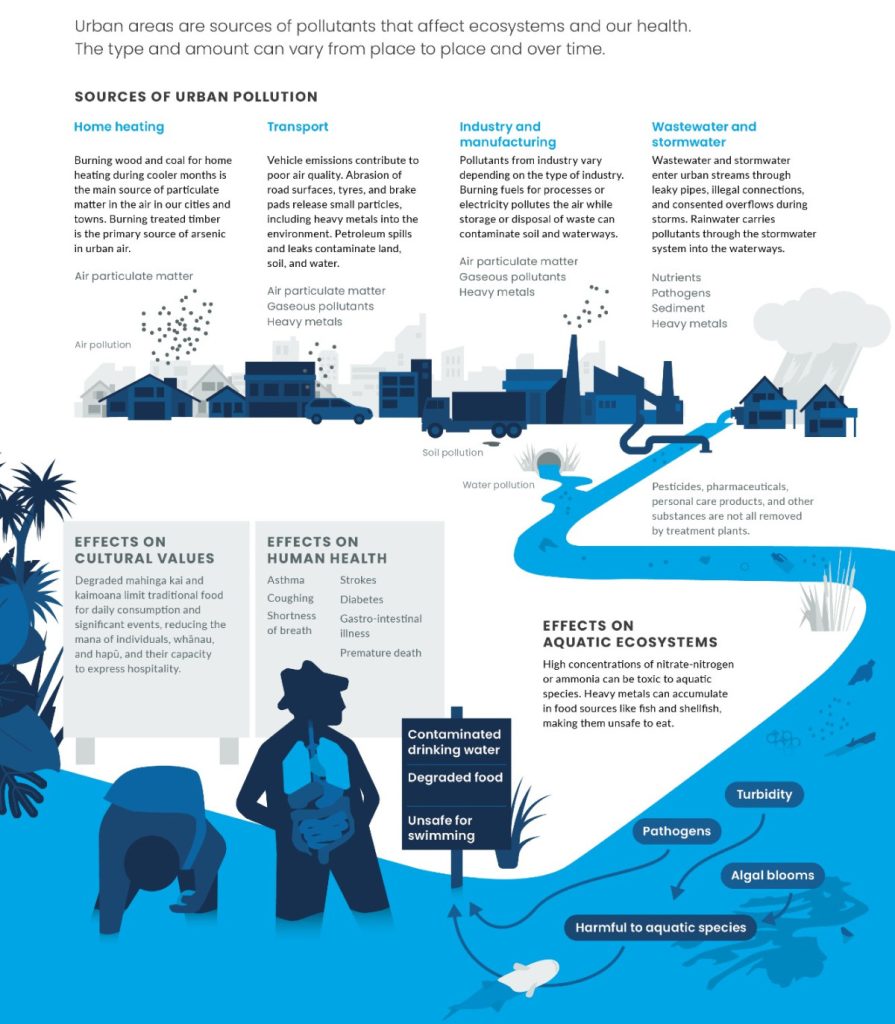
This infographic illustrates the various sources of urban pollution—home heating, transport, industry, and wastewater—and their harmful effects on human health, cultural values, and aquatic ecosystems.
Tech for the Tributary: Earth5R’s Digital Tools for River Conservation
Earth5R integrates citizen technology to track, manage, and amplify river restoration efforts. The Earth5R mobile app enables users to report pollution hotspots by uploading geo-tagged images and descriptions. These inputs feed into a central environmental database visible to both authorities and citizens. The app gamifies environmental action, encouraging volunteers to earn points and certificates through active engagement.
Through GIS-based mapping tools, Earth5R creates real-time maps of river conditions across cities. These maps visualize plastic density, chemical pollutants, and restoration progress. Integrated with remote sensing data, they allow dynamic monitoring of water quality and vegetation cover. Local bodies use this data for evidence-based planning, ensuring that resource allocation is targeted and effective.
The Earth5R platform also supports citizen science modules that empower users to conduct basic water testing using test kits. Parameters like pH, turbidity, and nitrate levels are logged in real time and synced with cloud storage. These participatory datasets complement official data from pollution control boards and urban municipal bodies. In effect, citizens become both data generators and watchdogs of river health.
In collaboration with IBM’s Call for Code, Earth5R developed a river dashboard integrating IoT sensors for continuous monitoring. These sensors track temperature, flow rate, and conductivity, sending alerts during anomalies like industrial discharge or chemical spills. The system enhances disaster preparedness by predicting flood events and water-borne disease outbreaks through historical trends and predictive models.
Earth5R also launched a data-driven River Rating System that evaluates rivers based on cleanliness, biodiversity, and citizen participation. This index helps benchmark improvement over time and holds stakeholders accountable. It informs local CSR funders and urban policy makers about restoration ROI. Municipalities can then adopt tailored interventions for rivers ranking low on the index.
By using tech to unify data, people, and policy, Earth5R turns fragmented efforts into integrated watershed governance. Whether through mobile alerts or AI dashboards, these tools democratize restoration. Technology ensures that every citizen, regardless of background, becomes a node in the river’s healing network.
Building the Green Workforce: Training River Guardians for the Long Haul
Earth5R has pioneered a citizen-driven training ecosystem that equips local volunteers with practical river restoration skills. Through the Green Citizen Program, participants learn urban ecology fundamentals, waste segregation techniques, and the dangers of plastic pollution in rivers. These sessions promote environmental stewardship through hands-on experience. The model is scalable, empowering citizens across language and location barriers.
Training adapts to each context, reaching urban slums, college campuses, and industrial zones. Earth5R collaborates with schools and universities and integrates its efforts with municipal education. Volunteers lead riverbank cleanups and gather real-time data for local ecological monitoring. Earth5R’s app supports gamified learning and impact tracking.
Another key component is introducing circular economy principles to empower guardians as eco-entrepreneurs. They explore waste-to-resource innovations, including composting systems, upcycled products, and eco-brick making. Earth5R connects them to green job markets, creating pathways for sustainable livelihoods. Micro-enterprises become community anchors in both ecological and economic resilience.
Inclusivity ensures deeper impact. Earth5R mobilises women-led self-help groups, engages marginalised communities, and builds capacity in informal settlements. In places like Karnataka, women lead river rejuvenation, driving equity. These grassroots champions become local custodians who ensure accountability and sustainability long after pilot programs end. Community ownership turns temporary efforts into long-term guardianship.
Earth5R scales this impact through CSR collaborations, urban partnerships, and government-linked projects. Its training aligns with NSDC certification, creating recognised green careers. Initiatives like AMRUT and the Smart Cities Mission integrate trained guardians into sanitation and water governance. This model builds a pipeline of locally embedded environmental experts, filling gaps in overburdened civic systems and enhancing project delivery.
The ultimate goal is a nationwide River Guardian Network—a trained, decentralized force ready to act on ecological distress signals. These citizens aren’t just volunteers; they are a vital public asset. They redefine urban river conservation as a community service embedded in local culture and skillsets. With them, Indian cities move from reactive cleanups to proactive protection, reclaiming their waterways with skill, dignity, and unity.
Policy Meets People: Bridging Governance and Grassroots Action
Top-down policies often fail without strong community engagement. Earth5R’s model bridges this gap by integrating citizen participation into municipal planning. Through its River Guardian platform, real-time data is shared with urban local bodies. This empowers residents to co-create solutions alongside city administrators. The result is policies rooted in local insight, not just bureaucratic vision.
One success story is the Mithi River rejuvenation, where Earth5R aligned its activities with BMC’s flood mitigation efforts. Guardians reported illegal dumping sites via the Earth5R app, leading to targeted enforcement drives. The partnership fostered public trust, improved compliance, and drove faster clean-up timelines. This model is now informing policy in other flood-prone metros like Chennai and Bengaluru.
Earth5R also influences policy at the state and national levels by mapping data to SDG indicators. Its community reports align with India’s Jal Shakti Abhiyan and Swachh Bharat Mission, strengthening vertical accountability. Citizen audits support real-time governance, and Earth5R’s research contributes to urban river management frameworks. This multilevel advocacy ensures local voices shape national environmental agendas.
In Pune, Earth5R partnered with the Smart City initiative, deploying trained guardians to monitor stormwater drains. This closed feedback loop between citizens and officials helped reduce waterlogging. Similar collaborations in Nagpur and Surat have integrated community reporting into municipal dashboards. This transparency reduces corruption and strengthens service delivery. Earth5R demonstrates that smart cities require smart citizens to thrive.
These civic collaborations also unlock CSR investments. Companies funding sanitation or water projects gain access to Earth5R’s data, showing measurable impact. Projects that involve the community show better cost-efficiency and long-term resilience. By bridging policy, technology, and grassroots engagement, Earth5R’s model creates systemic environmental change. It doesn’t just clean rivers—it transforms the governance landscape.
Ultimately, this approach reframes governance as a collaborative ecosystem, not a top-down mechanism. Earth5R acts as a translator between civic institutions and citizen insight, building bridges of trust and co-ownership. With participatory monitoring, decentralised data collection, and a trained volunteer force, urban river governance becomes democratic and adaptive. This is how polluted rivers become protected ones—when governance flows both ways.
Toward a Cleaner Future: Scaling the River Guardian Blueprint
The River Guardian model developed by Earth5R is designed to scale through community ownership and smart integration. Aligned with UN SDG 6, it delivers clean water and sustainable management goals. Earth5R’s efforts also complement urban river management plans under India’s Smart Cities Mission. By connecting citizens, NGOs, and municipal bodies, Earth5R builds a decentralised model for river restoration.
Cities like Pune, Delhi, and Hyderabad are adopting citizen-driven approaches. Earth5R trains volunteers as citizen scientists to support data gathering and pollution mapping. The collaboration between communities and local governance boosts accountability. This structure also enables rapid interventions, especially during environmental emergencies.
Earth5R’s digital tools like its mobile app help citizens geo-tag pollution, report waste, and upload live data. Its interactive dashboards assist urban planners in resource prioritization. Technology empowers even under-resourced communities to make a measurable impact. Low-cost sensors and open data initiatives reduce dependence on central authorities. This decentralized system accelerates feedback loops and transparency.
Each urban river has unique challenges, and Earth5R adapts accordingly. In Ahmedabad, it targets textile effluents; in Chennai, stormwater drains. Earth5R’s ecosystem mapping identifies critical stakeholders—residents, industries, institutions—for tailored solutions. These community-specific models improve restoration effectiveness. The strategy avoids a one-size-fits-all approach and respects local dynamics.
Globally, Earth5R is gaining traction through partnerships with UNESCAP, ICLEI, and other urban sustainability networks. Its methodology contributes to India’s Paris Agreement commitments and the G20 Environment Track. These affiliations support funding, knowledge exchange, and scaling across regions. Earth5R’s model has also been recognised in international case studies on water management. Its work represents a replicable and resilient framework.
The River Guardian model proves that river protection is as much about social change as it is about cleanup. It mobilises people through environmental education, civic engagement, and purpose-driven participation. Every trained guardian becomes a custodian of their ecosystem. As Earth5R continues to expand, its model inspires collective stewardship over water resources. It affirms that no river is beyond saving when communities unite for action.
Conclusion: A River Reclaimed Is a Community Reborn
When communities take charge of their rivers, they reclaim more than just water—they reclaim health, dignity, and hope. The River Guardian model shows that decentralised, citizen-led action is both powerful and scalable. Cities that once accepted pollution as inevitable are now becoming examples of urban resilience. These transformations are rooted in everyday people stepping up.
India’s urban rivers, once considered ecological dead zones, are reawakening through collective ownership. Cleanup drives and monitoring tools are no longer the sole domain of governments. Platforms like Earth5R bring together local knowledge, environmental science, and digital infrastructure. The shift from passive concern to active stewardship is crucial for long-term success.
This model aligns with global climate goals, such as those under the Paris Agreement and UN SDG 6, ensuring sustainable water access for all. As climate threats grow, protecting rivers becomes not just an environmental need but a survival strategy. Earth5R’s citizen-centric methodology proves adaptable across regions and demographics. It encourages partnerships between grassroots activists and urban policymakers.
What began as a local solution is fast becoming a national and global movement. The journey from polluted to protected is not easy—but it’s possible, and it’s happening. Through empowered citizens, inclusive innovation, and data-driven action, river ecosystems are being reborn. And in every drop of recovered water, there’s a deeper truth: the health of our rivers reflects the health of our society.
Frequently Asked Questions: From Polluted to Protected- How Community-Led River Guardians are Reclaiming Urban Waterways
What is a River Guardian?
A River Guardian is a trained citizen volunteer who monitors, protects, and helps restore the ecological health of urban rivers through community engagement.
How does Earth5R’s River Guardian model work?
Earth5R trains locals in environmental monitoring, waste segregation, and community mobilisation to create a grassroots network of river protectors.
Why are urban rivers in India so polluted?
Urban rivers suffer from industrial discharge, untreated sewage, plastic waste, and encroachment due to rapid urbanisation and poor waste management.
What technologies does Earth5R use in river cleanup?
Earth5R uses mobile apps, GIS mapping, IoT sensors, and a River Rating System to track river health and engage citizens in data-driven conservation.
How can I become a River Guardian with Earth5R?
You can register on Earth5R’s platform and join local training programs in your city to start contributing to river restoration efforts.
What is the River Rating System?
It is a data-driven index developed by Earth5R to evaluate the ecological health of rivers based on cleanliness, biodiversity, and public participation.
How do citizen science tools help clean rivers?
They allow residents to collect water quality data, report pollution, and track ecosystem changes, complementing official monitoring systems.
What role does education play in river conservation?
Environmental literacy empowers citizens to make informed choices, advocate for policy change, and reduce everyday pollution at the source.
Are river cleanups enough to restore ecosystems?
No. Cleanups must be combined with waste management, policy enforcement, afforestation, and community-driven ecological planning.
How are corporates involved in Earth5R’s model?
Earth5R partners with companies through CSR to fund restoration, provide resources, and co-create long-term sustainability interventions.
Can students or youth participate in river cleanups?
Yes, students are key drivers in Earth5R’s citizen network, often leading cleanup drives, awareness campaigns, and tech-based monitoring.
What are pollution hotspots in rivers?
These are segments of rivers with unusually high contamination due to concentrated sewage, industrial discharge, or plastic waste.
How can communities monitor water quality?
Using test kits, mobile apps, and Earth5R’s reporting tools, citizens can test for pH, turbidity, and nitrates, and upload results for action.
What is the economic benefit of river restoration?
Clean rivers boost public health, tourism, fisheries, and real estate, while reducing disaster risk and long-term environmental costs.
How does river pollution impact human health?
Contaminated water spreads diseases like cholera, typhoid, and hepatitis, and can also harm mental health and food security in urban areas.
Can this model be scaled across different cities?
Yes, Earth5R’s digital and decentralised model allows easy adaptation across cities with diverse social, geographic, and economic conditions.
What are the key challenges in community-led cleanups?
Lack of awareness, inconsistent participation, and bureaucratic hurdles are major issues—but strong leadership and tech support can overcome them.
Is river restoration only an urban concern?
While urban rivers face acute pollution, the model is adaptable to rural and peri-urban streams facing threats from agriculture and industry.
How can I support river conservation without being on-ground?
You can donate to cleanup projects, share awareness content, reduce your own waste, and promote policies that protect waterways.
What’s the long-term goal of Earth5R’s river initiative?
To create resilient, self-sustaining ecosystems led by informed, empowered communities who protect their rivers for generations to come.
Call to Action: Reclaim Your River, Reclaim Your Future
You don’t have to be an environmentalist to make a difference. Start by noticing the river near you—its flow, its silence, its distress. Even one action—refusing plastic, raising your voice, joining a cleanup—matters. Every ripple you create touches the whole current.
Talk to your neighbours, your school, your workplace. Raise awareness about how the river is part of your city’s soul and survival. Mobilise a group, clean a stretch, measure water quality. Community energy is more powerful than any pollution.
Support organisations working on river restoration, whether by volunteering, donating, or spreading the word. Citizen-led action has already transformed rivers across India—it’s possible in your city too. Rivers are not garbage bins—they are lifelines, ecosystems, and living heritage.
This isn’t just environmental work—it’s identity work, resilience work, justice work. Reclaiming our rivers means reclaiming the health and future of our communities. So step forward. Stand by your river. The change begins with you.
~Authored by Barsha Sharma