
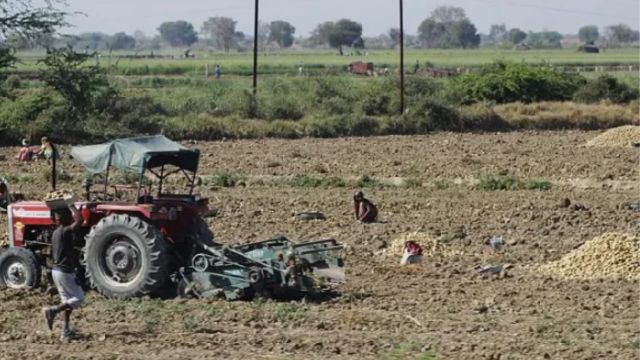
Modern Organic: Tech Meets Tradition
Organic farming, once synonymous with age-old wisdom, compost pits, and cow dung, is now being reimagined through the lens of data science, machine learning, and remote sensing. But this transformation doesn’t discard tradition, it enhances it. In fact, the 21st-century organic farmer is both a custodian of indigenous knowledge and a user of cutting-edge technology, bringing the best of both worlds into the field.
This marriage of traditional ecological practices and digital innovation is evident in how soil fertility is managed. While natural compost and vermicomposting remain foundational, their application is now optimized through IoT soil sensors and satellite imagery. These tools measure real-time nitrogen, pH levels, and microbial activity, ensuring that the soil is biologically alive but not chemically overdosed.
One such example is the Soil Health Card scheme in India, which provides customized nutrient recommendations using GIS-based diagnostics, particularly useful for organic growers trying to avoid synthetic inputs while maintaining productivity.
Drones, too, are rewriting how organic certification is monitored. In states like Maharashtra and Andhra Pradesh, drones are used to scan large organic fields for unauthorized pesticide use, mapping vegetation health via NDVI (Normalized Difference Vegetation Index). Remote audits, now piloted in Karnataka, allow organic certifiers to reduce costs and corruption while enhancing credibility, a concern that has long plagued the organic industry.
Yet, amidst this digital evolution, ancestral wisdom is not discarded. In Tamil Nadu’s Erode district, tribal farmers continue to plant according to lunar cycles and intercropping traditions passed down for generations. What’s new is that their calendar is now synced with mobile apps, which help track sewing patterns and rainfall trends. These tech tools don’t replace tradition; they verify, support, and scale it.
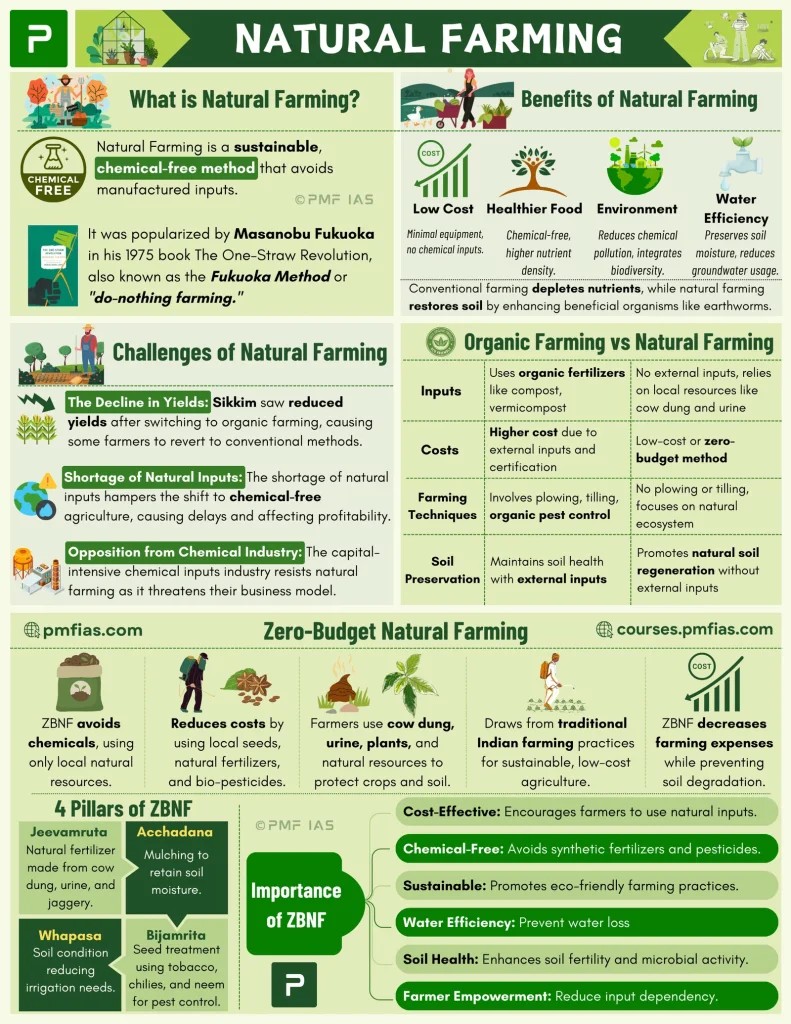
This visual compares natural and organic farming, outlines key challenges, and highlights how ZBNF empowers farmers through eco-friendly practices rooted in traditional Indian wisdom.
Understanding Contaminant-Free Food Supply Chains
For many consumers, the word “organic” conjures images of pesticide-free vegetables and toxin-free grains. But how does one actually ensure that food remains uncontaminated from farm to fork? The answer lies in the invisible infrastructure of organic supply chains, where every link, from soil to shipping, is monitored to eliminate chemical intrusion, cross-contamination, and fraud.
In conventional food supply chains, the presence of chemical residues, pesticides, heavy metals, antibiotics, is often traced only at the final stage. In contrast, organic supply chains are built on preventive principles, not reactive testing. This means that right from the beginning, farms are isolated from neighboring non-organic fields, water sources are tested for industrial pollutants, and seeds are sourced from certified, non-GMO producers. According to a 2023 FAO study, organic farms with digital mapping of their field boundaries and buffer zones were 40% less likely to report cross-contamination incidents compared to those without monitoring tools.
A key challenge is maintaining purity during transportation and aggregation. Take pulses or cereals, for instance, during collection, even brief contact with chemically treated produce can nullify certification. That’s where tech-enabled segregation mechanisms come in. Smart supply chains now use RFID tagging, geofencing, and mobile traceability apps to track produce batches in real-time.
For example, the Earth5R platform collaborates with farmer cooperatives to implement digital batch coding systems that flag deviations in cold storage temperature, mixing, or route delays.
Post-harvest handling centers have also adopted contamination-proof protocols. Organic fruits are washed in purified water systems free of chlorine, and workers wear contamination-prevention gear. Equipment is sanitized with biodegradable agents, and facilities undergo routine audits through digital logs.
These technologies are not just bureaucratic tools, they’re trust enablers. According to the Organic Trade Association, 64% of organic food recalls in 2015–2019 were linked to poor traceability and mixed handling. With smart systems now in place, those vulnerabilities are shrinking.
Traceability Systems: Barcodes, Blockchain, and QR
In a world plagued by food fraud and counterfeit labels, traceability has become the currency of trust in the organic food market. With rising consumer demand for transparency, modern organic supply chains are adopting digital tools like QR codes, blockchain ledgers, and barcode scanners, not as gimmicks, but as crucial instruments to guarantee integrity, authenticity, and accountability.
Traceability begins at the farm gate. Each batch of produce is assigned a unique identification code linked to data from the field: who grew it, when it was harvested, what inputs were used, and how it was transported. This information is then stored in secure, often blockchain-enabled, databases that cannot be altered retroactively.
Consider the case of the Indian startup Farmizen, which offers consumers the ability to scan a QR code on a pack of organic spinach and view everything from the seed source to irrigation data. This “digital passport” of food is now being widely adopted by cooperatives in Himachal Pradesh and Maharashtra, supported by platforms like Earth5R and state-level organic missions. In Himachal’s Karsog Valley, a pilot project integrating barcodes with local mandis resulted in a 28% increase in farmer earnings and a 44% reduction in returns due to consumer doubts over authenticity.
But the real game-changer has been blockchain technology. In Telangana, organic cotton farmers are using blockchain to log their produce journey from field to fashion brand. As per a 2022 McKinsey report, blockchain-traced products faced 30% fewer rejection rates in export markets, where traceability is often a regulatory requirement. The technology ensures that no data along the supply chain, be it pesticide use, transit delays, or certification lapses, can be altered or hidden.
As India’s FSSAI prepares to introduce mandatory digital tracking for high-risk categories like dairy and leafy greens, traceability is no longer optional, it’s becoming the backbone of food credibility. And for organic food, which trades largely on trust, this digital transformation could not have come sooner.
Post-Harvest Management and Sorting in Organic
If growing organic produce is the first half of the journey, then post-harvest management is the gatekeeper of its quality, safety, and market value. The moment crops are harvested, the clock starts ticking: exposure to humidity, contamination, and spoilage can undo months of pesticide-free cultivation. This is why organic agriculture demands a stricter, more technologically advanced post-harvest protocol, one that blends traditional handling wisdom with automation, sensors, and AI.
Unlike conventional produce that may be chemically treated for longer shelf life, organic fruits, vegetables, and grains must be preserved without synthetic preservatives. This raises the bar for sorting accuracy, hygienic packaging, and temperature control. Smart post-harvest hubs are now stepping in.
Tech-driven organic cooperatives in Karnataka are using optical graders and laser scanners to sort mangoes and tomatoes by ripeness, size, and blemish levels, ensuring premium quality for exports without the need for chemical ripeners or wax coatings. These machines reduce human handling, lowering contamination risk and ensuring consistency.
Post-harvest microbial safety is equally critical. Since organic rules prohibit chemical washing, processors have adopted ozonated water rinsing, steam sterilization, and plant-based antimicrobial sprays to sanitize produce. In Sikkim, community packhouses run by women’s self-help groups have adopted solar-powered dehydration units to preserve organic herbs and vegetables, extending shelf life while preserving nutritional value.
The packaging phase has also been reimagined. With single-use plastics falling out of favor, organic producers are turning to biodegradable films made from seaweed, banana fiber, or cornstarch, some even embedded with ethylene-absorbing materials that slow ripening. This innovation is especially relevant for perishables like strawberries or leafy greens, which are more prone to spoilage in the absence of chemical fumigants.
A report by India’s National Horticulture Board found that post-harvest losses in organic supply chains could be cut by 40–60% through the adoption of smart handling and storage systems. And with traceability platforms now tracking every step, including sorting machine logs and packaging line timestamps, accountability has become data-backed, not assumption-based.
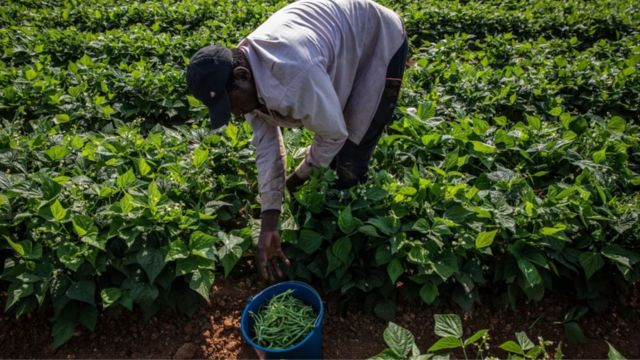
Cold Chains and Packaging Innovations
One of the most underappreciated elements in the journey from farm to shelf is the cold chain, an uninterrupted refrigerated supply system that preserves freshness, prevents spoilage, and maintains food safety.
Traditionally, cold chains have been a weak link in Indian agriculture, with estimates from the Ministry of Food Processing indicating post-harvest losses of up to ₹92,000 crore annually. However, organic supply chains, driven by premium pricing and export potential, are leading the charge in adopting solar-powered cold rooms, IoT temperature sensors, and mobile refrigeration units. In Gujarat, for example, Earth5R-supported cooperatives have installed decentralized cold storage units in rural areas, reducing vegetable spoilage by over 50% in just one season.
These systems are no longer manually monitored. IoT-enabled thermometers, linked to mobile apps, send alerts the moment temperature thresholds are breached. In Telangana’s organic cotton belt, one such system saved an entire shipment from spoilage when a compressor failure was flagged during transport, just hours before delivery.
Packaging, too, is undergoing a revolution. Unlike conventional items packed in laminated plastics, organic food is increasingly packed using eco-friendly, breathable, and intelligent materials. Startups like Ecoware and BioPack are producing trays and films made from sugarcane bagasse, palm leaves, and rice husk, which not only degrade naturally but also protect contents from moisture and microbial exposure.
What Labs and Residue Tests Reveal
For all its emphasis on natural methods, organic farming is ultimately judged in the laboratory. Behind the green labels and QR codes lies a rigorous network of food testing laboratories that serve as the final checkpoint for safety, quality, and authenticity. In organic systems, where synthetic pesticides and GMOs are strictly prohibited, residue testing is not just recommended, it is mandatory for export compliance and domestic certification.
Modern laboratories test for over 200 types of chemical residues, heavy metals like arsenic and cadmium, and microbiological contaminants such as E. coli or Salmonella. These assessments are often carried out using gas chromatography, liquid chromatography-mass spectrometry (LC-MS), and DNA-based pathogen detection tools, which can trace residues down to parts per billion. As per data from India’s Agricultural and Processed Food Products Export Development Authority (APEDA), organic consignments must clear at least two independent lab tests before being granted certification for international markets.
In a notable 2022 study by the Food Safety and Standards Authority of India (FSSAI), 35% of randomly tested “organic” products from conventional retail chains failed either labeling standards or residue thresholds, underscoring the need for scientific verification over marketing claims. This finding has pushed for tighter integration between supply chains and accredited labs.
Some organizations, such as Earth5R, are now integrating lab-test verification reports directly into their app’s traceability features, allowing consumers to access chemical test results via QR scans.
Nutritional Quality in Organic vs Conventional
For decades, skeptics dismissed organic food as a lifestyle choice with little scientific backing. But today, a growing body of global research is reshaping how we understand the nutritional profile of organic versus conventional produce. It’s no longer just about what organic food lacks, pesticides, GMOs, synthetic fertilizers, but also what it offers in greater abundance: antioxidants, micronutrients, and natural phytochemicals.
A landmark meta-analysis published in the British Journal of Nutrition in 2014, which reviewed over 343 peer-reviewed studies, found that organic crops had 18–69% higher concentrations of antioxidant compounds, such as polyphenols and flavonoids. These compounds are linked to lower risks of chronic diseases, including certain cancers, cardiovascular illness, and neurodegenerative disorders.
The same study also showed that organic produce had significantly lower levels of cadmium, a heavy metal commonly found in conventional soils due to phosphate fertilizers.
The explanation lies partly in plant stress. Without synthetic chemical defenses, organic crops often produce more secondary metabolites, natural compounds like resveratrol or quercetin, that boost their own immunity and, in turn, offer humans added nutritional benefits. It’s a compelling biological argument: what challenges the plant, strengthens the food.
Protein and mineral content, however, have shown more mixed results. For instance, organic wheat may have slightly less protein due to slower nitrogen release from compost, but the protein quality and digestibility, especially when grown in bio-enriched soils, is often superior. A 2021 ICAR study across multiple Indian agro-climatic zones found that organically grown millets had 15–20% higher iron and zinc levels than their conventional counterparts.

Farmer Training in Quality Control
At the heart of any safe and effective organic supply chain is the farmer. Yet, without adequate training in post-harvest hygiene, certification protocols, and contamination prevention, even the most committed organic grower can fall short of delivering high-quality, residue-free food. That’s why investing in farmer education has become a cornerstone of quality control, and increasingly, it is being powered by mobile tech, microlearning platforms, and on-the-ground sustainability programs.
Organizations like Earth5R, Pradhan Organic, and IFOAM-Organics International are leading a new wave of farmer training programs across India and the Global South. In Maharashtra, Earth5R’s field schools use tablet-based modules translated into local languages to teach everything from compost management to proper crate washing.
In one case study from Karjat, farmers trained in microbial composting and sanitary packing reduced their organic rejection rates by 42% in a single year. This wasn’t just a win for compliance, it was a boost in income and credibility.
One major shift is the emphasis on preventive rather than corrective measures. Farmers are trained to establish buffer zones between organic and conventional fields, use organic-approved biopesticides like neem and trichoderma, and sanitize tools between harvests. The FSSAI’s Jaivik Bharat initiative even offers video tutorials and pictorial SOPs (Standard Operating Procedures) that rural farmers can access on basic smartphones.
Another key component is record-keeping. Maintaining digital farm diaries, now encouraged by organic certification bodies like NPOP and PGS-India, allows farmers to log crop cycles, input use, and audit trails. Platforms like KhetiBuddy and AgNext provide easy-to-use mobile interfaces for this purpose. A 2022 IFPRI report found that farmers who kept digital logs were twice as likely to maintain compliance with export-level organic standards.
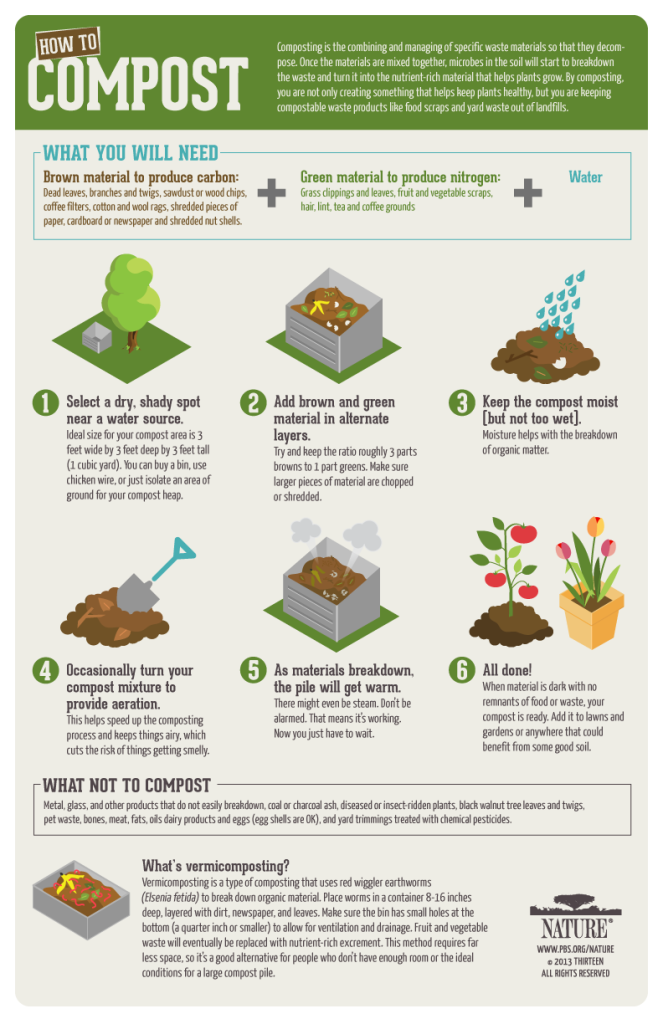
This step-by-step guide shows how to create compost at home, including what to use, what to avoid, and how to maintain the right moisture and temperature for soil-ready results.
Role of Brands in Educating Consumers
In the organic revolution, brands are no longer just sellers of food, they are interpreters, educators, and trust-builders. With growing consumer skepticism around organic labels and rising cases of greenwashing, brands that market organic products have a new responsibility: to demystify what “organic” truly means, how it’s verified, and why it matters. In today’s information-rich, attention-poor economy, transparency isn’t optional, it’s branding gold.
Many forward-looking brands are stepping into this role with both commitment and creativity. Indian organic leaders like 24 Mantra Organic, Organic India, and Conscious Food have moved beyond certification stickers to invest in consumer storytelling. Their packaging doesn’t just mention USDA or NPOP logos, it includes QR codes that link to farm videos, lab test results, and farmer interviews. This personalizes what is otherwise a bureaucratic process, transforming trust from abstract assurance into human connection.
Some brands are even turning their sourcing model into a public education campaign. Conscious Food runs live webinars with agronomists and nutritionists to explain seasonal eating and soil health, while Zama Organics posts detailed breakdowns of how each product is stored, transported, and tested. Earth5R, in its own ecosystem, encourages local brands and cooperatives to share their “climate impact profile” with each product, educating buyers not just about nutrition but also carbon savings and water conservation metrics.
Consumer awareness drives are also evolving from urban food expos to interactive digital formats. Brands now run Instagram explainer reels, WhatsApp newsletters, and app-based quizzes to teach customers about the meaning of terms like “residue-free,” “heirloom variety,” and “GMO-free.” A 2023 Nielsen survey showed that consumers were 37% more likely to purchase an organic product when given traceability and sourcing information at the point of sale, and trust in the brand increased substantially when the brand had a strong educational presence online.
Building Trust in Organic Through Transparency
In a market flooded with confusing labels and half-verified health claims, trust is the real currency of organic food. But trust doesn’t come from slogans or certification stamps alone, it comes from transparency.
Transparency starts with data-backed traceability. When a consumer scans a QR code and sees not only the farmer’s name but also the lab residue report, the date of harvest, the storage temperature log, and the shipment details, a psychological shift happens: food becomes known, not just bought. This traceability is no longer a luxury, it is becoming the new norm. According to a 2022 report by the Organic Trade Association, products with end-to-end traceability labels grew 54% faster in sales than those without them.
Furthermore, third-party audits and crowd-verification systems are emerging as next-gen tools in trust-building. In Kerala’s Wayanad region, consumers can leave traceable feedback on product freshness or taste that goes back to the farmer, creating a two-way trust loop. Some initiatives are even piloting blockchain-based community certifications, where farmer groups certify each other through recorded visits, photos, and digital sign-offs. These innovations are decentralizing trust and putting it back into the hands of the people.
Ultimately, transparency doesn’t mean perfection. It means accountability, visibility, and a willingness to share the story behind every product. As organic food scales into mainstream markets, it is this ethos of openness, backed by data, education, and human connection, that will distinguish real organic from marketing fiction.
The future of food is not just organic. It is organically honest.
Organic Farming’s Tech-Driven Path to a Sustainable Futur
From precision composting to blockchain-backed traceability, and from ozone washing to QR-coded transparency, organic farming is undergoing a silent tech revolution. No longer confined to niche markets or outdated stereotypes, today’s organic supply chain is a living system, rooted in soil, shaped by science, and verified by data.
But this isn’t just a story about farmers or brands, it’s about a food future that values safety, sustainability, and truth. As consumers grow more conscious and climate threats more urgent, the organic movement offers not just a dietary choice, but a planetary imperative. And thanks to innovation, this movement is no longer a leap of faith, it’s a transparent, trackable journey.
Frequently Asked Questions On From Soil to Shelf: How Tech-Enabled Organic Farming Is Changing Food Quality and Safety
What makes organic food different from conventional food?
Organic food is grown without synthetic fertilizers, pesticides, GMOs, or hormones, using natural processes that enhance soil and ecosystem health.
Is organic food really more nutritious?
Studies show organic produce often contains more antioxidants, micronutrients, and lower heavy metal residues compared to conventional crops.
How does technology help in organic farming?
Tech tools like IoT sensors, satellite mapping, AI sorters, and blockchain systems help monitor soil health, prevent contamination, and track produce from farm to fork.
What is traceability in organic food?
Traceability allows consumers and regulators to track every stage of a product’s journey, from seed to shelf, ensuring safety and authenticity.
Are QR codes on organic products reliable?
Yes. When linked to verified data, QR codes offer real-time access to farm details, lab results, packaging logs, and transit history.
How are chemical residues tested in organic food?
Accredited labs use advanced tools like LC-MS to detect residues, microbes, and heavy metals, ensuring compliance with safety standards.
Can organic farms still be contaminated?
Yes, through cross-contamination or poor post-harvest practices. That’s why buffer zones, hygiene, and testing are essential.
What post-harvest practices are unique to organic food?
Organic products avoid synthetic preservatives, so they rely on ozone washing, biodegradable packaging, and AI-based quality grading.
What role do cold chains play in organic safety?
Cold chains preserve freshness without chemicals. IoT sensors monitor temperature and prevent spoilage during transport.
Why is organic food more expensive?
Higher labor, lower yields, strict certification, and investment in eco-friendly packaging all contribute to the cost.
Are there any Indian brands promoting organic transparency?
Yes, 24 Mantra, Organic India, Conscious Food, and Zama Organics lead in traceability and consumer education.
How are farmers trained in organic quality control?
Through mobile apps, peer-led training, demo farms, and SOPs covering hygiene, grading, and contamination prevention.
What are blockchain systems in organic farming?
Blockchain creates tamper-proof digital ledgers of farming and logistics data, building trust in product integrity.
Can consumers verify organic claims themselves?
Yes. With traceable QR codes and apps, consumers can check lab reports, farmer details, and transport history.
What government bodies regulate organic food in India?
APEDA (exports), FSSAI (domestic safety), and certification bodies under NPOP and PGS-India ensure compliance.
Do organic animal products follow different rules?
Yes. Organic meat, milk, and eggs must come from animals raised without antibiotics or growth hormones and fed organic feed.
Are there environmental benefits to organic farming?
Absolutely. Organic farming enhances biodiversity, reduces chemical runoff, sequesters carbon, and conserves water.
How does packaging innovation improve organic safety?
Smart biodegradable packaging protects food from spoilage, reduces plastic use, and sometimes includes spoilage indicators.
Is organic food better for children and pregnant women?
Reduced exposure to pesticide residues makes organic food especially beneficial for sensitive populations.
What does the future of organic farming look like?
Data-driven, digitally traceable, and climate-resilient, organic farming is evolving into a tech-powered ecosystem for safe, sustainable food.
Be a Catalyst for the Organic Revolution
Whether you’re a consumer, farmer, retailer, or policymaker, your role in the organic revolution matters. Support transparent brands. Ask questions about where your food comes from. Demand QR-coded traceability. If you’re a grower, embrace tech tools to elevate your produce. If you’re a policymaker, invest in post-harvest innovation and farmer training.
Because the more we demand transparency, the more we build trust, not just in our food, but in our systems, our farmers, and our future.
Trust starts with knowledge. Knowledge begins with questions. Let’s ask better, and eat better.
– Authored by Sohila Gill