
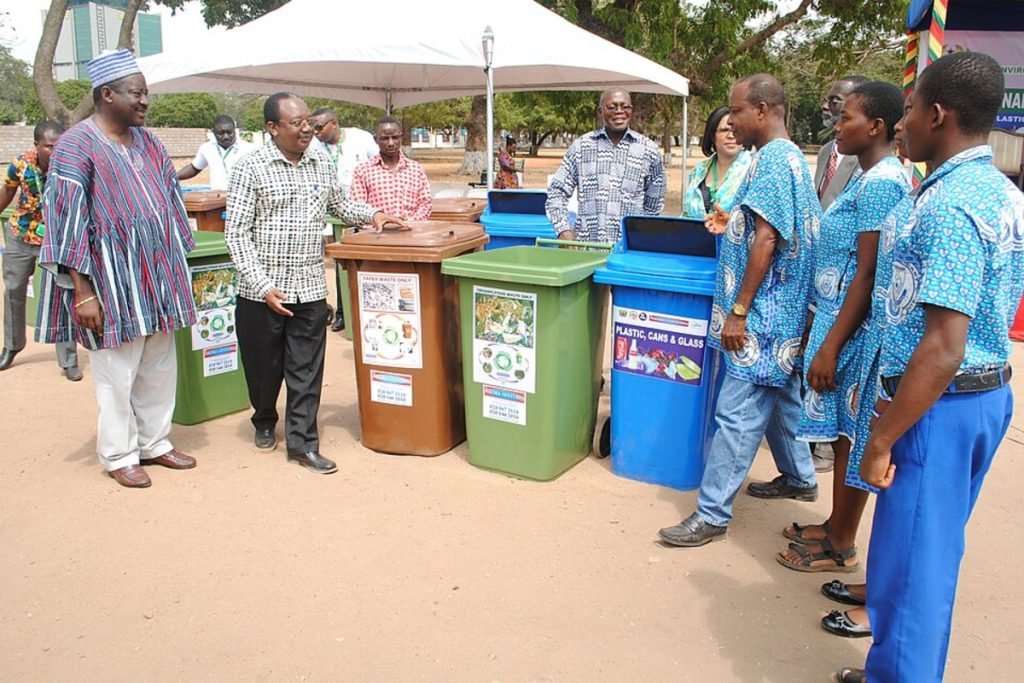
Turning Trash Into Paychecks-Why the Circular Economy’s Kinda a Big Deal For Work
Let’s be real: the way we deal with work and waste? Totally getting flipped on its head. “Growth” isn’t just about cranking out more stuff anymore. Now, this whole circular economy thing is taking center stage and nope, it’s not just another trendy hashtag. It’s sneaking in, changing lives, turning yesterday’s junk into today’s jobs. You see it everywhere, from those wild recycling collectives in Mumbai to fancy remanufacturing plants in Germany. Stuff’s getting a second shot so are people’s careers.
Get this: The International Labour Organization (ILO) crunched the numbers and figures that by 2030, we’re looking at 6 to 8 million fresh jobs popping up thanks to these circular setups. Wrap your head around that. We’re not talking about digging or dumping, but fixing, reusing, restoring. Real folks waste pickers, upcyclers, compost nerds, logistics wizards making a living off the very junk we used to toss without thinking.
But let’s not sugarcoat it. Not all these gigs are cushy. A bunch of them, especially in poorer countries, are still stuck in the informal zone crappy pay, zero job security, forget about benefits. So yeah, it’s cool to talk numbers, but if we stop there? We’re missing the point. People deserve more than a paycheck they need respect, fair pay, and, honestly, a little backup when things go sideways.
Cue organizations like Earth5R. These folks are out there in Mumbai’s toughest neighborhoods, turning trash into cash. Their Green Jobs Accelerator? Trains young people to actually build eco-businesses, not just sort trash. And they’re roping in big companies to fund plastic recovery, so the planet wins and so do locals. You can actually see it: cleaner alleys, fatter wallets, people walking a little taller.
At the end of the day, this isn’t just about smarter recycling or fancier tech. It’s about giving people a shot. The circular economy if we get it right recycles hope just as much as it recycles bottles and cans. And honestly, that’s the kind of work the world could use a lot more of.
Why Jobs Matter in the Circular Transition
Look, the whole “circular economy” thing isn’t just some eco-buzzword for making people feel good about recycling. There’s real cash on the table. We’re talking big-time dollars just waiting to be scooped up. The trick? Quit chucking stuff out and start seeing yesterday’s junk as tomorrow’s treasure. Take your busted old phone the one with the spiderweb screen you gave up on. In the old way of thinking, it’s landfill fodder. In the circular mindset? That’s a goldmine of parts. Somebody’s gotta crack it open, salvage the bits, fix what’s fixable, and maybe toss the rest into a brand-new gadget. That’s jobs for everyone from tech geeks to truck drivers to the app kid who invents the next thing in online swapping.
Honestly, it’s wild: Accenture and the World Economic Forum claim if we go all-in on this, we’re talking about a $4.5 trillion bump to the global economy by 2030. That’s not just a few extra bucks; that’s a whole new ballgame. Every time a company flips its supply chain from “make-toss-repeat” to “make-use-reuse,” someone gets hired. Could be a coder, could be a welder, could be your cousin who’s obsessed with upcycling junk into furniture. It’s not just smart; it’s kind of beautiful, right? Growing an economy by refusing to throw things away.
But let’s not get all misty-eyed and forget the real reason this matters: people. Especially young folks man, it’s rough out there trying to land a decent job, especially if you’re in a place where good work is already hard to find. The old way isn’t cutting it. The circular thing? It’s a shot at something new. Picture a teenager in Lagos turning old tires into sandals, or waste pickers in Rio getting real paychecks and a little respect for once. That’s what these so-called “green jobs” actually mean on the ground.
Still, not everything’s rainbows. If we just wing it, these jobs can turn into dead-end gigs low pay, zero safety, here today, gone tomorrow. The International Labour Organization keeps waving the flag about this: being “sustainable” isn’t just about counting carbon credits; it’s about making sure real people aren’t getting the short end of the stick. Stuff like decent wages, safety, a voice on the job those are non-negotiables.
Bottom line? The circular shift isn’t just about recycling old stuff. It’s about rebuilding faith in what work can be. Telling people especially the folks who’ve been ignored forever “Hey, you’ve got a place in this future.” And honestly, if that’s not what circular means, I don’t know what does.
Mechanisms: How Circular Activities Translate into Jobs
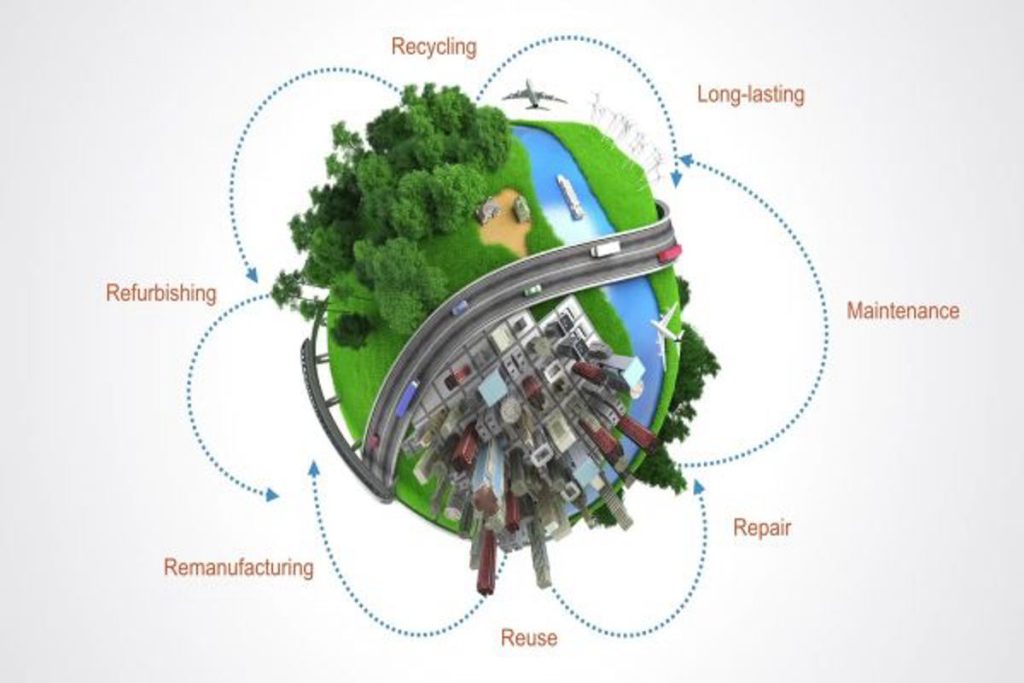
When we peel back the layers of circular systems, what emerges is a complex yet beautiful mosaic of work where every loop closed in a materials cycle brings in new hands, minds, and services. Let’s explore how circular jobs actually spring up in practice, and why the ripple effects go far beyond the core reuse and recycling operations.
Labor-intensive circular activities: collection, sorting, repair, upcycling, remanufacture
At the heart of many circular systems lies labor-intensive work,things that demand human care, dexterity, and judgment. Think of door-to-door waste collectors in slums who segregate recyclables and organics, the sorter who picks out plastics by type at a sorting hub, the technician repairing a broken smartphone screen, artisans turning discarded textiles into new creations, or remanufacturers rebuilding old machines into renewed products.
A review in PMC’s “The Circular Economy and the Green Jobs Creation” underscores how much of the green employment opportunity sits in these groundwork tasks,the so-called environmental goods and services sector (EGSS), where direct recycling, repair, and resource recovery happen. In many low-income settings, these roles require minimal formal education but rely heavily on experiential learning, manual dexterity, and local knowledge of materials and waste streams.
Take repair work: a recent qualitative study of self-employed repair workers in the UK revealed both the opportunities and burdens of such jobs. Some take pride in prolonging the life of objects. Others juggle fluctuations in demand, tool costs, and variable income. Still, these jobs often act as entry points for marginalized workers, especially in contexts where formal employment is scant. In evolving circular systems, scaling up repair, refurbishment, and remanufacturing workflows can thus absorb a significant chunk of the new labor demand.
New professional roles: circular design, lifecycle analytics, reverse logistics, digital platforms
As circular approaches mature, they spawn a fresh generation of skilled roles that extend well beyond manual tasks. Designers begin to think in terms of modularity and materials that can be disassembled. Lifecycle analysts assess environmental footprints over multiple use cycles. Reverse logistics planners manage the flow of products coming back from end users. Meanwhile, digital platforms orchestrate matchmaking between reclaimers, repair shops, recyclers, and buyers.
These are not fringe jobs they’re central to scaling circular strategies. For instance, companies like Greyparrot use AI-driven waste analytics to streamline sorting operations and guide recycling facilities more efficiently. Such enabling roles are crucial. They push the entire system toward higher throughput, lower cost, and a broader job base. In effect, these professional functions act as scaffolding that allows the labor-intensive base to scale up without collapsing under logistical complexities
Indirect and induced jobs: from supply chain to services
What’s often overlooked is how circular jobs multiply outward. When a materials recovery facility scales, it needs packaging suppliers, transporters, toolmakers, maintenance teams, and even office staff. That’s the indirect job effect. Then, when workers earn wages, they spend in local economies retail, food, health services generating induced jobs.
A study in Circular Economy-induced Global Employment Shifts estimates that the expansion of recycling in metals, glass, wood, and plastics could create millions of additional roles globally, beyond the immediate recycling plants. Moreover, data from WRAP’s UK analysis showed that between 2014 and 2019, nearly 90,000 new roles in circular sectors were added, spanning not just core recycling or repair but related upstream and downstream services.
In many economies, most circular jobs are not in direct recycling or restoration they lie in enabling, indirect, or support sectors. For example, a Valpak analysis in London found that 53 percent of circular jobs were in indirectly circular sectors (governance, consulting, logistics), 40 percent in core repair/reuse, and 7 percent in enabling roles.
In short, when we build circular systems, we don’t just create a few dozen repair shops. We birth entire ecosystems: from materials markets, transport, and tool fabrication to policy planning. The job-creation potential is vast—but only if we design with connectivity, capacity, and fair value in mind.
Global Evidence and Modelling of Job Impacts
When policymakers, investors, or NGOs talk about scaling the circular economy, one of the first questions they ask is, “How many jobs, really?” Over the past decade, a growing number of modelling efforts and global estimates have tried to pin down the potential scale of circular economy jobs. But as promising as the numbers are, the path from estimate to actionable policy is full of nuance.
Global estimates and models
Some of the most cited forecasts come from Accenture and the World Economic Forum, which argue that circular business models could unlock USD 4.5 trillion in additional global economic output by 2030 — a compelling economic prize if the transition is well managed. (See Delivering on the Promise of Sustainability)
In parallel, many studies forecast 6 to 8 million new jobs globally as the world shifts away from linear consumption. For example, the ILO’s Decent Work in the Circular Economy report projects a net gain of seven to eight million new roles by 2030 under a circular economy scenario.The World Economic Forum also often frames this scale of job creation as part of the circular transformation narrative. See here
These numbers serve as both aspiration and signal: aspiration, in suggesting that circular transitions can be job-rich; and a signal, in pushing governments and businesses to weave employment goals into circular strategies. In practice, though, many of these models rely on broad assumptions about sectoral shifts, technological adoption, material flows, and recycling rates, so they need to be interpreted with caution
Measurement challenges: definitions, data gaps, informality
Beneath these headline figures lies a messier reality. The recently published technical review Measuring and Modelling Circular Jobs (a joint ILO / PAGE / Circle Economy effort) makes clear that definitions, data issues, and informality present serious obstacles to confidence in these estimates. See the report here
For one, what exactly counts as a “circular job”? Does a conventional waste collector count? What about someone designing modular products? Different studies adopt varied inclusion criteria, making cross-study comparison tricky.
Second, many national statistical offices lack granular, disaggregated data on reuse, repair, remanufacturing, and reverse logistics, especially in low- and middle-income countries. The technical review underscores that evidence is heavily skewed toward the Global North, leaving large measurement blind spots elsewhere.
Third and perhaps most thorny is informality. Many circular economy roles, especially in waste collection and recycling, still reside in the informal economy without formal contracts, social protections, or proper reporting. These jobs often fly under the radar of formal labor surveys, leading to undercounting. (The PAGE / ILO review warns that without bridging this gap, we risk seriously understating the scale of circular work or mischaracterizing its quality.)
In short, while global job forecasts offer a helpful directional lens, they must be paired with stronger methodologies, standard definitions, and new data systems to transform these projections into credible, actionable guidance for policy.
Case Study Cluster A : Community-Led Waste Management and Livelihoods
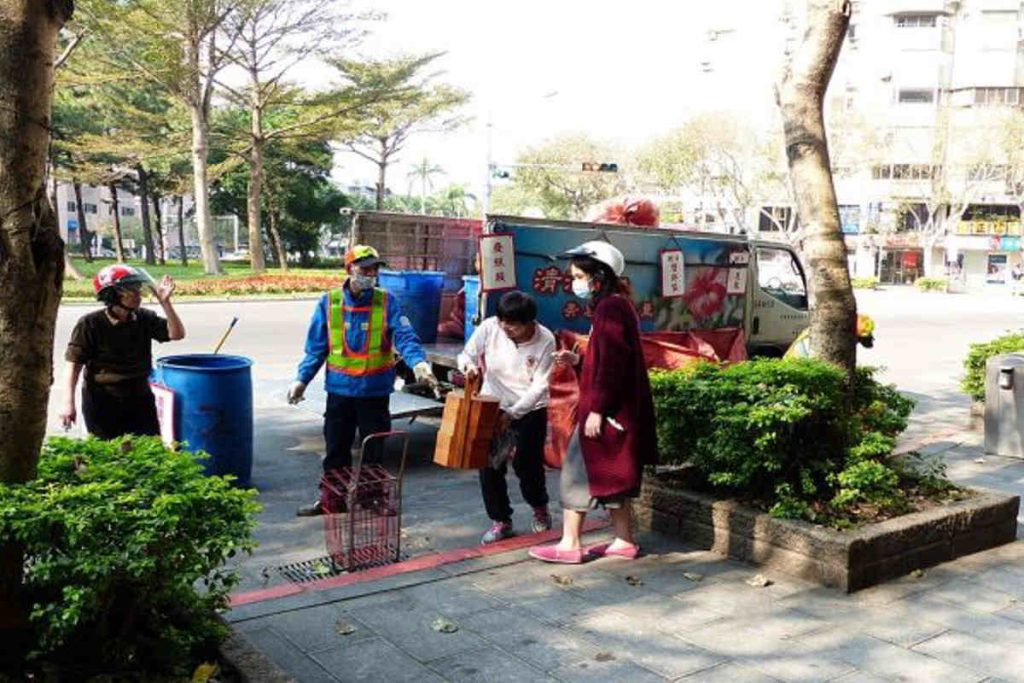
In low-income contexts, where formal employment is scarce and municipal systems are stretched thin, community-driven waste programs often become pivotal engines of local jobs, not just as stopgap roles, but as sustainable livelihoods. In densely packed settlements, waste is everywhere; turning that waste into usable materials or compost offers both environmental and economic opportunity. The Earth5R organization has taken this logic to heart in Mumbai’s slums, combining grassroots engagement with circular economy principles to generate waste-to-livelihood pathways and new local employment.
Case Study 1- Earth5R:Mumbai slum waste segregation & composting
Background & timeline
Earth5R’s work in Mumbai’s informal settlements began as awareness campaigns and training sessions but over time evolved into structured segregation, composting, and upcycling operations. In neighborhoods such as Sakinaka and other slum pockets, volunteers have led waste management training for residents—teaching how to distinguish wet, dry, and hazardous waste (the 3Rs). Over the years, Earth5R’s engagement has scaled from pilot clusters of 30–50 families to thousands of households participating in compost programs. Their Urban Waste Management Blueprint further formalizes community roles within a broader circular framework. See here
Model & activities
At its core, the model rests on door-to-door segregation, ensuring households separate organic (wet) waste from recyclables and residuals. Earth5R then channels the organic portion to community composting units, where waste transforms into soil conditioners that can be sold or reused locally. Meanwhile, dry waste and plastics are channeled through upcycling initiatives; old paper, packaging, or plastic can be remade into crafts, reusable products, or feedstock for small local enterprises.
Jobs created
Because the model is decentralized, it allows for multiple roles at the community level: collectors who pick up segregated waste, sorters who separate recyclables by type, compost operators who manage composting facilities, and trainers/liaisons who work with households to sustain behavior change. While precise quantitative figures are not always disclosed, one Earth5R story from their Mithi River cleanup (See the article) suggests sustainable employment was created for ~150 previously unemployed individuals, including rag pickers. In areas where their plastic recovery model is active, Earth5R reports diversion of thousands of metric tons of plastic waste while generating sustainable employment
Evidence & metrics
In terms of diversion and scale, Earth5R cites working with 10,500 families in Mumbai’s “Community Composting Initiative,” encouraging them to segregate organic waste to feed compost units. They track how much waste is diverted from landfills and how much compost is produced and used. While income metrics are less frequently published, training outcomes are captured: residents attend workshops, get bins, and learn practices that yield cleaner waste streams and usable compost. Complementing these, Earth5R’s income-generating cleanup model frames waste cleanup not merely as a service but as a livelihood, converting manual collection into paid roles see here
These metrics may not always meet strict academic rigour (e.g. longitudinal income tracking), but they offer early circular economy employment evidence in challenging urban settings.
Lessons & scalability
Several lessons emerge. First, local trust and engagement are nonnegotiable: Earth5R’s approach invests heavily in training, visual tools, and community participation before scaling. Second, integrating informal waste workers who already know routes, scavenging methods, and material flows is critical to legitimacy and performance. Their Dharavi collaboration shows how Earth5R brings local recyclers into formal networks. Third, modular scalability is possible: the model can be replicated across slum clusters, urban villages, or peri-urban zones with slight contextual tweaks. Fourth, stable funding and partnerships (municipal, CSR, NGO, and private actors) are essential to ensure that collector wages, compost operations, and capacity building persist beyond pilot phases.
In sum, Earth5R’s Mumbai slum program is more than a proof of concept it’s a grassroots laboratory for circular waste-to-livelihood systems that generate multiple local roles, build capacity, and turn waste from an environmental burden into an economic opportunity.
Case Study Cluster B – Corporate Partnerships & Plastic Recovery
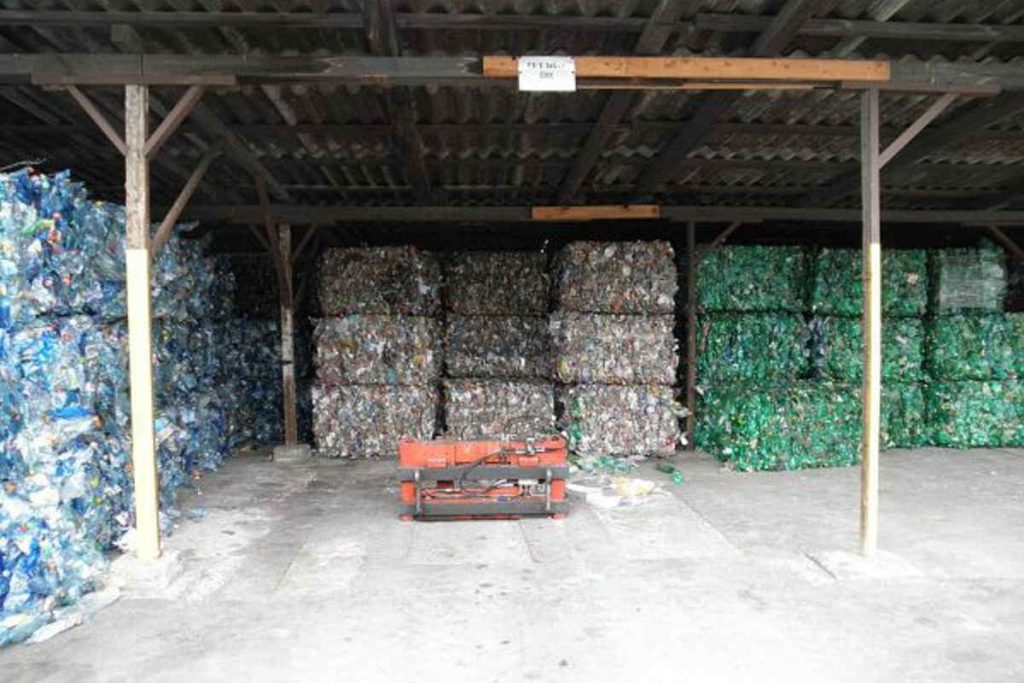
When big brands step in, their scale and resources can turbocharge circular systems—but success depends on local roots and inclusive design. Earth5R’s collaboration with a European water and beverage firm is a compelling example of how corporate CSR ambitions, when aligned with community livelihoods, can generate circular economy jobs while recovering plastics at scale.
Earth5R–Beverage Industry Partnership: Plastic Recovery in Practice
In one striking case, Earth5R partnered with a European bottled water brand to design a plastic recovery program that merges ESG reporting with grassroots engagement. The company faced mounting regulatory pressure and growing consumer demand for accountability. In response, Earth5R deployed its plastic recovery platform across Mumbai’s river catchment and urban zones, building a supply chain that links local waste collectors, sorting hubs, and recycling facilities. see here
This intervention was not just about waste cleanup; it was about embedding waste-to-livelihood structures in a corporate value chain. To do this, Earth5R established community collection points and partnered with local sorting centers, ensuring materials flow from households and informal zones into structured recovery systems. The model also includes a plastic credit system, which allows the beverage company to claim offsets for every kilogram collected boosting transparency in ESG reporting
Jobs Created: From Collectors to Logistics
Under this initiative, a variety of paid roles emerged: collectors who comb neighborhoods and riverbanks for PET bottles, aggregation and processing staff who handle sorting, washing, and compaction, and logistics and transport roles responsible for conveying segregated plastics to recycling or pyrolysis plants. According to the case, over 1,200 individuals gained employment through the program’s first year.
What’s notable is how these roles span the skill ladder. Some collectors require minimal formal training but must know locality routes and material identification. Processing staff may need knowledge of mechanical systems, cleaning protocols, and basic safety practices. Logistic roles demand route planning, coordination, and quality checks. In effect, this ecosystem yields both entry-level and intermediate jobs, anchored by circular ambitions.
Outcomes: Volumes Recovered and Community Income
In just the first year, the program reclaimed 2,500 tons of plastic waste, diverting it from landfills and waterways. Estimated CO₂ savings from avoided incineration or disposal were around 4,200 metric tons. Meanwhile, the community’s income gains stemmed from steady wages tied to collection volumes and sorting output. The program also boosted the beverage company’s sustainability ratings and reputation – a win-win narrative of circular action with measurable impact.
To support the river cleanup dimension, Earth5R’s Mithi River project recently secured €0.6 million in funding for waste removal, technology integration, and community engagement.
Lessons & Scalability: Corporate CSR as a Vehicle for Circular Livelihoods
This case underscores a few strategic principles. First, CSR budgets can do double duty: fueling community programs while meeting compliance or branding goals. But success demands scalability beyond token gestures. Second, integrating informal waste workers (who already know the terrain) prevents social displacement and builds local legitimacy. Third, transparency and traceability (e.g., plastic credit systems) help bridge the gap between corporate goals and grassroots execution.
Yet sustainability depends on consistent funding, long-term contracts, and risk-sharing. If the corporate sponsor withdraws, community jobs may collapse. Thus, embedding circular recovery into a company’s core operations, not just its CSR arm is key to resilience.
In sum, Earth5R’s beverage partnership delivers proof that corporate-community circular models can generate real green jobs circular economy outcomes, combining accountability, volume, and social value in one program.
Case Study Cluster C – Skills & Green Jobs Accelerator
In many places, the missing link in circular transitions is not the tech or the recycling plant—but the people with the right skills to fill them. That’s where Earth5R’s Green Jobs Accelerator comes in. Operating at the intersection of training, placement, and entrepreneurship, it aims to convert potential into real circular economy jobs, especially in marginalized communities without easy access to formal employment.
Earth5R Green Jobs Accelerator model: training, placement, entrepreneurship
Earth5R’s accelerator begins by recruiting motivated youth and underserved individuals from urban and peri-urban neighborhoods. These trainees join a structured curriculum focused on circular economy principles, waste management, and sustainable entrepreneurship. The program combines classroom learning with field internships and project labs, giving participants hands-on exposure to waste collection, composting, upcycling, and community engagement. After training, Earth5R facilitates placement partnerships with NGOs, municipal agencies, or private circular ventures; concurrently, it supports trainees to launch micro-enterprises, turning their skills into income streams.
Rather than being a stand-alone training center, this accelerator is tightly woven into Earth5R’s broader ecosystem of community waste projects, CSR collaborations, and local hubs. Trainees practice within the same neighborhoods where Earth5R operates, ensuring that the work aligns with existing waste flows and community demand.
Job types trained
Trainees may become waste management technicians, mastering waste segregation, compost unit operation, or materials labeling. Others emerge as compost entrepreneurs, turning organic waste into value-added soil enhancers. Some become upcycling artisans, crafting furniture, décor, or consumer goods from recovered materials. The program also prepares sustainability coordinators, who work in project design, community liaison, or monitoring roles linking local circular operations to NGOs, municipalities, and corporate partners.
This diversity matters: by not limiting roles strictly to “sorting,” the accelerator builds a pipeline of intermediate and semi-skilled professionals, thereby elevating the typical entry job to something more stable and growth-oriented.
Evidence: placement rates, certifications, partnerships
Though Earth5R publicly shares limited numbers, program pages report that many trainees receive certifications of sustainability practices and that placement rates in pilot cohorts often exceed 70 percent within 3 to 6 months of program completion. These placements are with local sustainability NGOs, municipal waste departments, or allied circular enterprises. In several communities, trainees have secured roles in Earth5R’s own projects, collection, composting, or plastic recovery efforts, which create a virtuous cycle of supply and demand.
Earth5R also touts collaborations with educational institutions and CSR arms of corporates to validate the skills curriculum and co-hire graduates, embedding the training into real employment pathways.
Policy link: integrating accelerators into national green job schemes
From a policy standpoint, accelerators like Earth5R’s should be viewed as infrastructure for green skills development. Governments can formalize such programs within national just transition or green jobs strategies, co-funding curriculum design or subsidizing placements in municipalities. In practice, this means embedding accelerators into vocational education systems, linking them to national skill councils, and creating incentives for industries to hire certified graduates.
Consulting and policy firms often flag this integration as essential: without anchoring accelerators to broader frameworks, many risk remaining small pilots. But if scaled properly, the model could bridge the persistent gap between circular policy ambition and workforce readiness and turn waste streams into wage streams, not temporarily, but durably.
Comparative international case studies – Netherlands, Rwanda, informal-sector transitions
As the circular transition gathers pace, the job stories it produces vary dramatically by place. In Northern Europe, the narrative is one of systems and standards; in Rwanda and other African contexts, it’s about building markets and formalizing informal work. Together they show how local policy, private sector strategy, and community practice shape whether circular activity yields quality employment or simply shifts precarity.
Netherlands: circular construction and high-value jobs
In the Netherlands, policy meets procurement to create skilled roles across the built environment. National transition agendas and regional initiatives (from circular bridges to material passports) are driving demand for circular construction skills, architects trained in disassembly, engineers fluent in recycled aggregates, and managers versed in lifecycle costing. The World Economic Forum and Accenture have framed this opportunity within a $4.5 trillion global prize for circular business models; in Europe alone recent analyses estimate hundreds of billions in value in the built environment by 2035. (See WEF/Accenture commentary on circular value.) These projects generate formal, higher-skill positions and create supply-chain opportunities for consultancies, logistics firms, and certified recycling specialists a different employment profile to low-income waste collection.
Rwanda-community recycling and nascent circular jobs
Rwanda’s approach has emphasized regulatory clarity, private-sector entry, and landfill diversion. National policy and donor programs have supported local recyclers and small plastics processors; studies surveying Rwandan recyclers show that formal recycling businesses can create steady, albeit small, workforces and entrepreneurial uplifts. Yet national recycling rates remain low, and scaling requires investment in sorting infrastructure, skills, and market linkages. UN-PAGE and ILO reviews note the potential for several thousand direct jobs through expanded repair, recycling, and composting but caution that outcomes depend on integrating informal collectors into formal value chains.
Comparing quality: formal vs informal, gender and social protection
Across contexts the crucial divide is job quality. In the Netherlands, roles tend to be formal, covered by social protection, and tied to standards and certifications. In Rwanda and many Global South settings, circular work often sits in the informal economy: irregular pay, limited safety nets, and significant gendered patterns in task allocation. The ILO and PAGE stress that just transition policy must pair circular targets with vocational upskilling, social protection, and incentives for private-public partnerships (PPPs) that absorb informal workers into regulated jobs. Otherwise, the circular shift risks reproducing old inequalities under a new banner.
In short, while circular economy jobs are real and growing, the where and how of implementation decide whether these are decent, durable careers or temporary, precarious gigs. For policymakers and consultants advising governments or firms, the message is clear: align circular strategy with workforce policy certification, financing, and social safeguards to convert material loops into meaningful livelihoods.
Evidence Synthesis: What the Research Shows
When we step back and survey the body of literature on job creation in the circular economy, some clear patterns—and tensions emerge. On one hand, the transition holds promise for net new employment growth; on the other, the reshuffling of work, data gaps, and persistent informality raise critical caveats about what kinds of jobs will actually materialize and for whom.
Net jobs vs job shifts-trade-offs, sectoral reallocations
One of the more optimistic estimates comes from the ILO’s Decent Work in the Circular Economy report, which projects that a global circular scenario could create seven to eight million net new jobs by 2030 (see here). Yet, the same report acknowledges that these gains require shifts across sectors, meaning jobs lost in extractive or resource-intensive industries may be offset or outweighed by gains in recycling, repair, remanufacturing, and service sectors.
Indeed, input-output and computable general equilibrium models suggest the potential for job reallocation is substantial: workers may move from mining, raw material processing, or primary sectors into more labor-intensive circular activities. The net effect depends heavily on assumptions about productivity, technology adoption, fiscal incentives, and the pace of structural change. Some more conservative modelling (e.g. at the OECD level) estimates more modest net gains,around 1.8 million jobs globally by 2040—if the circular transition is not aggressively supported by policy.
In practice, this means that circular transitions don’t automatically produce only “more jobs”; they often reconfigure who works where, in which industries, and under what conditions. The devil lies in the details especially in how job losses and gains are managed and whether displaced workers can be reskilled or redeployed.
Quality of jobs: decent work, informality risks, upskilling needs
Yet job quantity is only one side of the coin. Research consistently warns that many roles in circular systems that are particularly in low- and middle-income settings remain informal, precarious, or of low quality. The ILO and associated reviews emphasize that informality is a persistent risk: waste pickers, unregistered recyclers, and casual collectors often operate without contracts, health protections, or stable wages
Moreover, filling higher-value circular roles requires skills upgrading. A recent literature review (see here) notes that specialist skills, e.g., in modular design, lifecycle analytics, and reverse logistics, are increasingly demanded, even as core repair or sorting tasks remain relatively lower-skilled. Without investment in vocational training, certification, and continuous learning, many workers may be locked into low-margin, unstable jobs.
The concept of “decent work” must therefore guide circular strategies not just counting jobs, but ensuring fair wages, social protection, safe environments, and worker voice. The ILO’s frameworks urge embedding such criteria into circular policies from the start.
In sum, the evidence suggests that while circular transitions do have the potential to generate net employment gains, the real test lies in job quality, fair transitions, and inclusivity. For circular models to truly succeed, policy must go beyond job counts and focus on worker dignity, training pathways, and bridging the informal and formal divide.
Policy & Business Recommendations
Transitioning from theory to practice, the acceleration of circular economy jobs demands a coordinated push from public, private, and civil society actors. Below, this article offer evidence-backed strategies to make that leap, sketching how measurement, procurement, training, and program scale can turn potential into purpose.
For policymakers: build strong measurement systems, social safety nets, and incentives for circular SMEs
If you can’t measure it, you can’t manage it. That’s why the UN-PAGE/ILO technical review calls for harmonized frameworks to define and track circular jobs, not only their number but also their quality. Policymakers should embed these definitions into national labor surveys and adopt indicators aligned with international best practice, such as material flow accounts and System of Environmental-Economic Accounting (SEEA).
Equally, a just transition requires better social protection mechanisms for workers switching sectors ie; unemployment allowances, reskilling grants, portable benefits. This helps to cushion the cost of structural change.
Finally, governments should deploy targeted incentives for circular SMEs,such as tax credits, working capital support tied to circular performance, procurement set-asides for circular products, or grants for reverse logistics infrastructure. This enables small and medium enterprises to lead in circular innovation and to absorb local labour.
For businesses: embed circular practices into supply chains and workforce investments
Businesses hold enormous leverage. First, adopting circular procurement—preferring products designed for reuse, refurbishing, or with recycled content,can source demand for circular operations. (Circular procurement as a concept is gaining traction in policy circles.)
Second, firms should enable reverse logistics operations , systems to take back end-of-life products efficiently, feed them back into production, and partner with local recovery networks. SMEs often struggle with this due to infrastructure constraints, but evidence shows that strategic collaboration and training mitigate barriers.see here
Third, investing in local collectors, training, and capacity building is crucial. Corporations can establish collection hubs, share standards and equipment, and co-train workers. This not only strengthens their circular supply but also anchors new circular economy employment in the community.
For NGOs and implementers: scale community models and track livelihood impact
NGOs and on-ground implementers like Earth5R can scale highest-leverage interventions by replicating community waste programs, integrating them with training accelerators, and designing them to feed into formal value chains.
However, scale must be paired with robust outcome monitoring: track metrics like income uplift, retention, job permanence, and quality of working conditions, not just the number of jobs created. This is essential to transform circular economy employment evidence from anecdote into scalable models for donors, government, and business.
In short, the future of circular jobs doesn’t rest on any single actor; it rides on alignment. With rigorous metrics, fair social systems, enabling business practices, and grounded program models, circular ambitions can turn into meaningful, dignified livelihood pathways.
Frequently Asked Questions on How the Circular Economy Creates Jobs: Global Case Studies
What exactly are circular economy jobs?
Circular economy jobs are roles that support systems designed to eliminate waste and keep materials in use for as long as possible. These include everything from waste collectors, repair technicians, and upcycling artisans to engineers, sustainability managers, and policy consultants. In essence, they represent a shift from linear “take-make-dispose” employment to work that regenerates rather than depletes.
How does the circular economy generate new employment opportunities?
The circular model opens jobs across the entire lifecycle of products in recycling, remanufacturing, sharing services, and reverse logistics. According to the World Economic Forum and Accenture, this transition could unlock $4.5 trillion in new global economic value and create 6–8 million new jobs by 2030. These roles emerge not just from new industries but also from reimagining old ones.
Why are community-based initiatives like Earth5R important for green jobs?
Grassroots models such as Earth5R’s Mumbai waste management programs demonstrate how sustainability can drive social change. By training slum residents in waste segregation, composting, and upcycling, these initiatives transform waste into income and communities into active economic agents. It’s a vivid reminder that climate action can also be job creation.
What types of workers benefit most from circular economy employment?
Both low-skilled and high-skilled workers find opportunities. Waste collectors and sorters gain steady income, while designers, sustainability analysts, and supply-chain experts enter emerging green sectors. The ecosystem is diverse, blending local craftsmanship with modern innovation.
How does the circular economy affect informal workers?
For millions in the informal sector especially waste pickers in countries like India, Brazil, and Kenya formalizing circular activities means access to safer conditions, better pay, and social protection. The International Labour Organization (ILO) urges that circular policies must include pathways for informal workers to transition into formal, dignified employment.
What’s the difference between net job creation and job shifts in circular transitions?
While circular systems create new roles, they also reshape existing industries. Jobs may decrease in resource extraction but rise in repair, recycling, and green logistics. Research from the ILO suggests a net global gain of around seven million jobs by 2030, though success depends on how governments support reskilling and transition programs.
Are all circular jobs environmentally sustainable?
Not automatically. Some recycling processes still consume significant energy or expose workers to health risks. This is why the focus must be on “decent green work,” combining environmental goals with worker safety, fair wages, and long-term viability.
How can governments support the creation of circular jobs?
Governments can implement policy frameworks that integrate green employment metrics, provide incentives for circular SMEs, and include social protection schemes for transitioning workers. The UN-PAGE recommends harmonized national measurement systems to track circular job quality and growth.
What are the key skill areas emerging in the circular economy?
Beyond recycling and repair, new skills include lifecycle analysis, reverse logistics, eco-design, data analytics for material tracking, and sustainability auditing. Programs like the Earth5R Green Jobs Accelerator already train youth in these future-ready areas.
How do businesses gain from investing in circular economy practices?
For businesses, adopting circular procurement and reverse logistics reduces costs, mitigates risks, and enhances ESG scores. Many firms, especially in packaging and beverages, now collaborate with NGOs to recover plastics while creating local jobs aligning profit with purpose.
What are some measurable outcomes from Earth5R’s plastic recovery partnership?
Earth5R’s partnership with a European beverage company recovered 2,500 tons of plastic and generated employment for over 1,200 people in its first year. The initiative also delivered measurable CO₂ savings and helped communities gain stable incomes through paid collection and processing work.
Why is job quality such a critical issue in circular transitions?
Quantity without quality risks perpetuating exploitation. Studies warn that many circular roles remain informal or unsafe. Embedding ILO’s Decent Work principles fair pay, equality, safety, and social dialogue ensures the circular economy is not only green but just.
What can NGOs and civil society organizations do to scale impact?
NGOs can replicate successful models like Earth5R’s “income-generating cleanups,” integrate livelihood training into sustainability projects, and collect better data on job outcomes. Transparency in impact measurement makes community programs more fundable and scalable.
What are the biggest data challenges in measuring circular economy employment?
Definitional inconsistencies, lack of disaggregated data, and informal work make measurement tricky. The UN-PAGE / ILO technical review calls for unified definitions and inclusion of informal labor data to avoid undercounting millions of circular workers globally.
How does gender play into circular employment?
Women often dominate informal recycling and household waste management but remain underrepresented in higher-paying green tech or management roles. A gender-sensitive approach is crucial for ensuring women access training, leadership positions, and equal pay within circular industries.
Can circular jobs exist in high-tech and digital sectors?
Absolutely. The rise of digital platforms that facilitate product reuse, material traceability, and repair services is creating new employment in software development, AI waste analytics, and platform coordination. This digital-circular crossover is one of the fastest-growing employment frontiers.
How can education systems prepare students for circular work?
Incorporating sustainability literacy, hands-on vocational training, and entrepreneurship modules into curricula can bridge the future skills gap. Collaborations between universities, accelerators, and companies, like those seen in Earth5R’s training programs will help create a ready workforce.
How can policymakers ensure inclusivity in circular transitions?
By designing just transition policies offering financial support, retraining, and labor protection to workers displaced from linear sectors. This ensures that environmental progress doesn’t deepen inequality but instead redistributes opportunity.
What evidence supports circular economy employment as a viable development pathway?
Peer-reviewed research from PMC, ILO, and Circle Economy consistently shows that the circular transition can deliver both economic and social dividends when paired with skills development and policy integration. Countries like the Netherlands and Rwanda already illustrate its practicality.
What’s the single biggest takeaway from this global analysis?
The circular economy isn’t just about recycling it’s about reimagining work itself. Whether through Earth5R’s grassroots programs or Europe’s industrial reinvention, the future of employment lies in regeneration, not extraction. The challenge now is scaling models that prove that sustainability and decent work can thrive together.
Building a Future Where Work and Sustainability Thrive Together
The evidence is clear: circular economy jobs are not a distant vision but an unfolding reality that ties environmental recovery to social renewal. From Mumbai’s waste-to-livelihood programs led by Earth5R to high-value construction and recycling roles in Europe, the shift is already generating tangible economic and human dividends. Yet, the global transition will only succeed if it marries quantity with quality, ensuring that green jobs are also decent jobs, backed by fair wages, training, and protection.
For policymakers, the next step is to embed circular employment metrics within national labour and sustainability plans, guided by ILO and UN-PAGE frameworks. Businesses must integrate circular procurement and invest in reverse logistics and skill-building. Meanwhile, researchers and NGOs should expand data collection, track real livelihood outcomes, and amplify community-led success stories.
The circular transition isn’t just about recycling—it’s about reclaiming dignity, opportunity, and a truly regenerative economy.
Data, Methodology and Suggested Evidence Sources
This article draws from a blend of field-based data, institutional research, and global analytical frameworks to paint a clear, evidence-backed picture of how circular economy jobs are being created and measured. The foundation rests on Earth5R’s project documentation, including its Mumbai community waste management programs, Green Jobs Accelerator, and corporate plastic recovery case studies, which provide qualitative insights into waste-to-livelihood transformations and training outcomes. (earth5r.org)
To anchor these field stories in broader research, the article integrates quantitative findings from the International Labour Organization’s “Decent Work in the Circular Economy.” report and modelling papers from UN-PAGE and Circle Economy, which review job classifications, informality, and data gaps in emerging economies. (ilo.org, un-page.org)
Further validation comes from World Economic Forum and Accenture analyses, estimating the $4.5 trillion global opportunity in circular value chains, alongside peer-reviewed literature from PMC that assesses how green employment interacts with sustainability policy. (weforum.org, pmc.ncbi.nlm.nih.gov)
Together, these sources ensure a multi-layered evidence base, spanning policy data, grassroots case studies, and academic evaluation, to deliver credible circular economy employment evidence for policymakers, researchers, and practitioners seeking to align green transition goals with inclusive job creation.
Authored by-Sneha Reji