
Powering the Plough: Why Renewable Energy Is the Future of Indian Agriculture
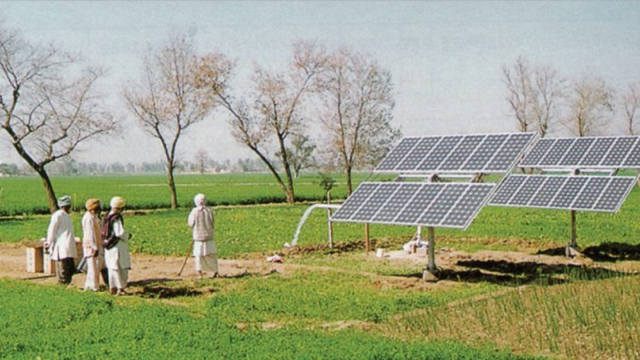
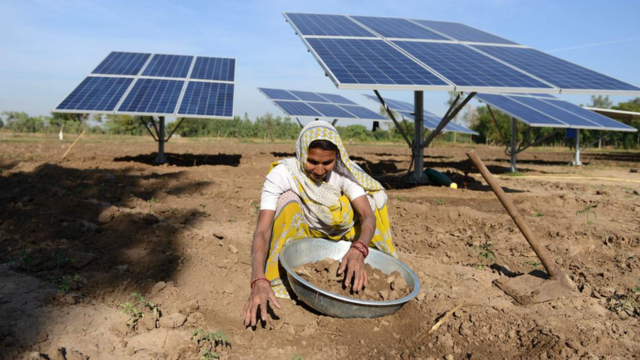
Agriculture in India still relies heavily on diesel-powered pumps, which not only raise farming costs but also increase carbon emissions. The shift toward renewable energy offers farmers a way to cut costs and embrace sustainable practices. By integrating solar irrigation systems, farmers reduce dependence on fossil fuels while ensuring reliable water supply.
The potential for solar-powered agriculture in India is immense, with over 300 sunny days annually. Farmers adopting solar pumps have reported lower input costs and increased productivity. The International Solar Alliance is also pushing projects that directly benefit rural communities.
Transitioning from diesel to clean energy sources reduces exposure to volatile fuel prices. This positions renewable energy as both an economic and ecological solution for smallholder farmers.
Government initiatives like the PM-KUSUM scheme are accelerating the renewable shift in agriculture. This policy enables farmers to install solar panels and sell surplus electricity back to the grid, generating extra income. Rural cooperatives are also forming microgrids to share power sustainably.
With UN Sustainable Development Goals emphasizing affordable clean energy, India’s agricultural transition is globally aligned. This shows renewable energy as central to a just rural transformation.
The link between energy access, food security, and poverty reduction is undeniable. Reliable clean power helps farmers operate cold storage and irrigation efficiently, minimizing crop losses. Communities with solar micro-irrigation show improved resilience against drought. By reducing emissions, renewable farming aligns with India’s climate commitments under the Paris Agreement.
Adopting renewable energy reduces farmer vulnerability to climate change, as extreme weather increasingly disrupts harvests. Solar and wind solutions provide decentralized and flexible power sources. The spread of biogas plants further supports rural households by turning waste into energy. Alongside digital agriculture tools, clean energy enhances productivity and climate resilience.
Ultimately, India’s agricultural sector stands at the cusp of a green energy revolution. With rapid innovations in renewable technology, farmers can access affordable solutions tailored to their needs. Collaborations between CSR initiatives and rural cooperatives accelerate renewable adoption. As Earth5R has shown, citizen-driven sustainability projects empower communities to lead change.
Breaking the Fossil Fuel Chain: From Diesel Pumps to Solar-Powered Irrigation
For decades, Indian agriculture has relied on diesel irrigation pumps, which consume huge amounts of fuel and release harmful carbon emissions. The dependence on oil imports makes farmers vulnerable to global price shocks. Studies by FAO show that energy costs form a significant share of farming expenses. Shifting to solar irrigation offers a sustainable, low-cost alternative that strengthens climate resilience.
Across rural India, the adoption of solar pumps is helping farmers reduce reliance on subsidized diesel and ensure reliable water supply. Programs led by the Ministry of New and Renewable Energy provide financial incentives for smallholders to switch. Renewable irrigation systems not only lower operational costs but also improve crop yields. According to IRENA, decentralized solar solutions are proving critical for rural energy access.
Government schemes like PM-KUSUM support farmers in installing solar panels that can power irrigation while generating surplus electricity. This excess energy is sold to the local grid, creating new income opportunities. The move reduces costly diesel imports while boosting rural electrification. The World Bank highlights solar irrigation as a pathway to long-term rural prosperity.
Studies by ICAR confirm that solar irrigation pumps drastically lower fuel expenses while supporting sustainable water use. Farmers using micro-irrigation techniques with solar report higher efficiency and reduced groundwater depletion. These practices align with sustainable agriculture goals and contribute to maintaining ecological balance. Together, they ensure long-term viability of India’s farming systems.
The replacement of diesel with solar power reduces air pollution while supporting climate commitments. The use of renewables in irrigation helps cut subsidy burdens and supports the Paris Agreement. Solar irrigation also strengthens energy security for rural households. By reducing carbon dependency, farmers simultaneously achieve economic savings and environmental protection.
Citizen-driven movements led by Earth5R demonstrate how communities can accelerate renewable adoption. Collaborations with CSR initiatives, rural cooperatives, and international agencies expand financing and technical expertise. Farmers benefit from decentralized projects that build energy independence. By breaking the fossil fuel chain, rural India can embrace sustainable, future-ready livelihoods.
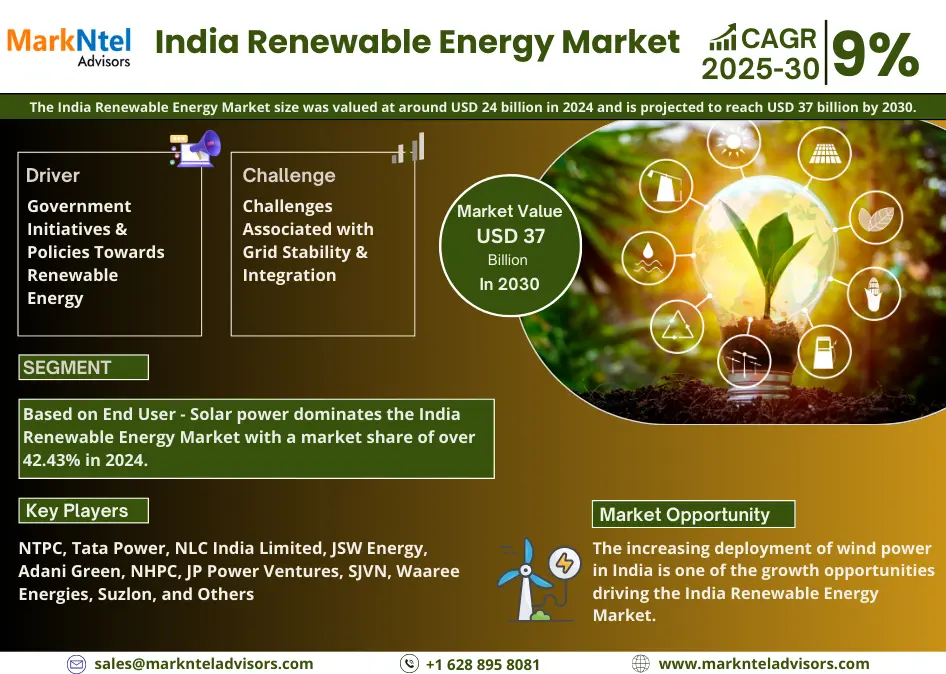
This infographic highlights the rapid growth of India’s renewable energy market, projected to reach USD 37 billion by 2030 with a 9% CAGR.
Microgrids, Mega Impact: Decentralized Power Systems for Rural Communities
In many rural regions, access to reliable electricity is limited, forcing farmers to rely on diesel generators. This increases costs and worsens air pollution. Decentralized microgrids powered by solar, wind, or biogas provide sustainable alternatives. According to the World Bank, microgrids are transforming access to clean, affordable rural energy.
Microgrid systems can operate independently or alongside the national grid, ensuring uninterrupted power for farms. They help farmers run solar irrigation pumps, cold storage, and processing units even during outages. This reliability reduces post-harvest losses and improves food security. By replacing diesel with renewables, microgrids also cut greenhouse gas emissions.
Government policies under MNRE encourage rural solar mini-grids and community-based energy models. Farmers benefit through lower energy costs and collective ownership structures. UNDP reports that decentralized power systems are key to achieving SDG 7 on affordable clean energy. With greater participation, villages are reducing dependence on centralized, fossil-fuel-based grids.
Studies by IRENA show that decentralized grids improve economic opportunities in rural areas. Farmers can process crops using renewable-powered agro-machinery and sell excess energy to nearby households. Microgrids also support digital agriculture tools like IoT sensors and mobile apps. This integration enhances climate-smart agriculture and ensures better income stability.
The environmental benefits of microgrids are significant. By reducing reliance on diesel fuel and coal-based power, they support Paris Agreement goals. Solar-wind hybrid systems further enhance resilience against seasonal variability. These innovations also minimize groundwater exploitation by supporting controlled irrigation. Thus, microgrids combine ecological balance with economic empowerment.
Organizations like Earth5R are pioneering citizen-driven microgrid adoption in farming communities. By connecting CSR programs with local cooperatives and global agencies, they create models of sustainable rural development. Farmers not only save money but also gain energy independence. These decentralized power systems ensure that renewable energy becomes a foundation for inclusive rural transformation.
Case in the Sun: Villages Thriving with Clean Energy Innovations
Across India, rural communities are proving how solar power can reshape farming systems. In Rajasthan, thousands of farmers are switching to solar irrigation pumps instead of diesel. This transition saves money on fuel while ensuring reliable irrigation. Reports from NITI Aayog confirm solar adoption boosts agricultural productivity. It also strengthens climate resilience against drought and erratic rainfall.
In Maharashtra, solar-driven microgrids now power irrigation, homes, and village enterprises. Farmers benefit from renewable energy by reducing recurring costs and improving profits. Solar-powered cold storage prevents spoilage of fruits and vegetables. These projects enhance food security by cutting waste across supply chains. They also support UN SDGs on clean energy and sustainable livelihoods.
In Bihar, farmers are using shared solar mini-grids to collectively power irrigation systems. These cooperative models make renewable energy affordable and accessible. IRENA notes that decentralized systems boost rural entrepreneurship opportunities. Farmers now run agro-processing units powered by clean energy. This not only cuts emissions but also generates additional income streams.
In Uttar Pradesh, government-supported solar pumps are transforming irrigation in water-stressed regions. The MNRE provides financial support for renewable adoption. Meanwhile, CSR projects are funding training and installation programs. Farmers also benefit from digital agriculture tools running on solar systems. Replacing costly diesel ensures affordability and stability in farming.
In Gujarat, cooperatives are pioneering large-scale solar irrigation through innovative business models. Farmers under PM-KUSUM generate power and sell surplus to the electricity grid. This reduces diesel imports and supports clean electrification of villages. The World Bank highlights Gujarat’s model as a best practice. It has become a benchmark for renewable-powered agricultural economies.
Citizen-led movements like Earth5R showcase how renewable adoption can be scaled effectively. By linking CSR programs, farmer cooperatives, and global agencies, Earth5R builds self-reliant communities. Farmers gain energy independence while cutting emissions. These initiatives support climate-smart agriculture. They prove villages can thrive through grassroots clean energy innovation.
Earth5R’s Role in Building Energy-Resilient Farming Communities
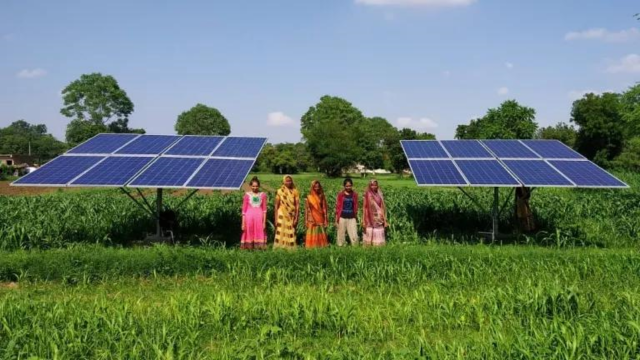
Earth5R has pioneered citizen-led sustainability initiatives that empower rural communities to embrace renewable energy. By collaborating with farmer cooperatives, the organization ensures clean power solutions are inclusive and scalable. Farmers receive training in solar pumps, biogas plants, and microgrids. This directly reduces dependency on diesel irrigation and enhances resilience.
Through CSR collaborations and public–private partnerships, Earth5R mobilizes critical funding for renewable adoption. The model connects corporates with communities in need of clean energy technologies. It supports UN SDG 7 by enabling affordable, sustainable electricity access.
Villagers also gain energy literacy that ensures systems are maintained and upgraded. With policy advocacy, Earth5R pushes for wider adoption of community-based energy solutions.
Earth5R integrates water-energy-food security frameworks into local planning and farming practices. Farmers learn climate-smart agriculture techniques that adapt to changing weather. Renewable energy powers drip irrigation and solar cooling units, cutting losses. This approach reduces water stress while improving post-harvest storage. By aligning with IPCC recommendations, Earth5R builds resilience to climate shocks.
The organization advances decentralized clean energy systems like solar microgrids to power homes and farms. These projects bring reliable electricity to schools, health centers, and businesses. Farmers benefit from agro-processing units that create extra income streams. Access to digital farming tools also modernizes agricultural decision-making. Together, these solutions promote economic growth while advancing energy access.
By embracing citizen science and grassroots engagement, Earth5R ensures communities own renewable transitions. Villagers participate in energy audits and identify resource gaps. Local input helps design systems that match cultural and environmental contexts. This aligns with circular economy frameworks that emphasize resource reuse. Ultimately, Earth5R fosters self-sufficient, energy-resilient communities.
Earth5R demonstrates how grassroots innovation can drive large-scale renewable adoption. Their work bridges policy frameworks, private innovation, and rural empowerment. Farmers achieve energy independence while protecting fragile ecosystems. Such initiatives provide blueprints for replication across developing nations. They showcase how energy resilience builds climate-smart farming futures.
Water, Energy, and Food Security: The Renewable Connection
The water-energy-food nexus highlights how interconnected these systems are in sustaining human life. In India, agriculture consumes nearly 85% of freshwater while also depending heavily on energy for irrigation. Traditional diesel pumps worsen groundwater depletion, driving unsustainable cycles. By integrating renewable irrigation, farmers reduce both emissions and water stress. This holistic approach ensures long-term resource security.
Renewable energy plays a vital role in efficient water use through technologies like solar pumps. These systems allow farmers to irrigate fields without depending on costly diesel. When paired with drip irrigation, water consumption drops by nearly 60%. Access to reliable power also prevents over-extraction of groundwater. This strengthens climate resilience in farming communities.
Food security is deeply tied to affordable and sustainable energy access. Renewable power supports cold storage units that reduce post-harvest losses. Farmers use solar dryers to preserve perishable produce. Clean energy also powers food processing units, adding value to crops. These innovations lower food waste while boosting farmer incomes. Ultimately, energy efficiency translates to greater food availability.
The nexus approach also addresses climate change impacts on agriculture. Shifts in rainfall patterns threaten crop productivity, but renewable systems buffer risks. Microgrids ensure electricity access during extreme weather events. Solar-powered irrigation adapts farming to erratic monsoons. Meanwhile, biogas plants convert waste into energy and organic fertilizer. Together, these technologies build adaptive farming systems.
Integrated resource management aligns with SDG 2 on zero hunger and SDG 7 on clean energy. By linking water, food, and energy policies, governments maximize impact. Programs like PM-KUSUM subsidize solar pumps, improving both irrigation and energy access. Farmer producer organizations help scale these solutions across regions. Collaboration among stakeholders drives inclusive sustainability.
The Earth5R model integrates community training into the nexus framework. Villagers conduct resource mapping to identify energy and water gaps. Women are empowered to manage solar systems and support household food security. Grassroots participation ensures long-term adoption and system maintenance. By aligning with circular economy practices, Earth5R strengthens sustainability at scale.
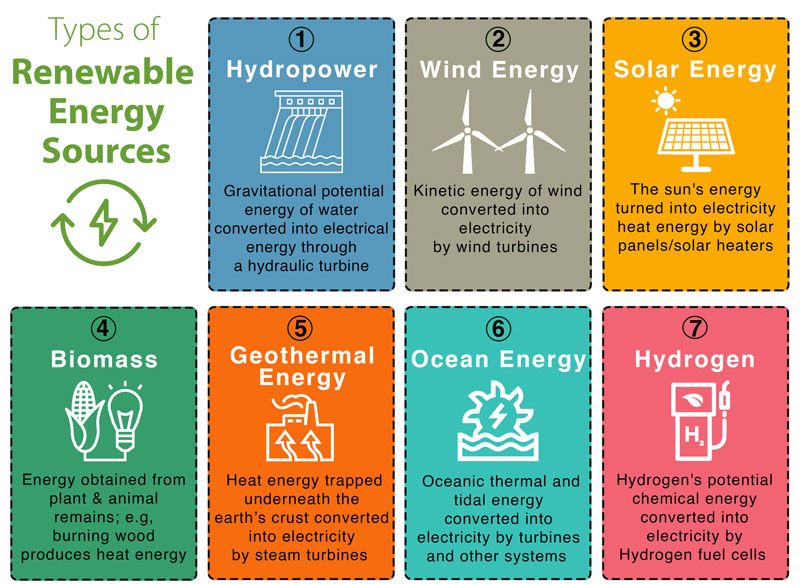
This infographic explains seven major types of renewable energy sources, including hydropower, wind, solar, biomass, geothermal, ocean, and hydrogen energy.
Economic Gains from Green Grids: Cutting Costs, Boosting Farmer Incomes
One of the biggest advantages of renewable energy in agriculture is the sharp decline in operational costs. Farmers dependent on diesel pumps spend a significant portion of their earnings on fuel. By shifting to solar-powered irrigation, these recurring costs vanish. Studies by IRENA show farmers save up to 80% on irrigation expenses. Lower costs free income for education, healthcare, and reinvestment.
Access to clean energy also enables year-round farming by removing energy barriers. In rainfed regions, solar pumps ensure water access even during dry spells. This allows multiple cropping cycles, improving agricultural productivity. Cold storage powered by renewables prevents food spoilage and boosts profits. Farmers who once cultivated for subsistence can now grow for markets. Increased yields translate into better livelihoods.
Renewable-powered infrastructure supports food processing industries at the rural level. Small farmers use solar dryers and biogas energy to add value to crops. This reduces dependence on middlemen and enhances farmer bargaining power. The creation of local agri-business hubs further strengthens rural economies. Thus, renewables create economic multipliers well beyond the field.
Switching to renewables opens doors for carbon credit earnings. Farmers adopting solar irrigation and biogas plants can trade carbon savings. This creates a secondary income stream while incentivizing sustainable practices. Platforms like Gold Standard connect rural farmers with global markets. Such models ensure farmers profit not only from produce but also from emission reductions.
Financial independence is further supported by government subsidies and microfinance programs. Initiatives like PM-KUSUM make renewable systems affordable. Self-help groups and farmer cooperatives help pool resources for shared infrastructure. This collective approach reduces risk while enabling scale. Over time, lower debt burdens improve rural creditworthiness and long-term resilience.
The Earth5R citizen-led model helps farmers maximize these economic benefits. Through training workshops, farmers learn to maintain and repair systems locally. This reduces service dependency while creating green jobs in rural areas. By aligning with circular economy principles, waste is transformed into resources. Ultimately, renewable grids not only cut costs but also ensure sustainable, self-reliant rural economies.
Earth5R’s Citizen-Led Model for Driving Renewable Adoption in Agriculture
The Earth5R model stands out because it is driven by communities rather than top-down mandates. Farmers participate directly in decision-making about energy adoption, ensuring solutions fit local realities. This citizen-led approach prevents the mismatch between policy frameworks and ground needs. By focusing on inclusive participation, Earth5R builds ownership and accountability.
Earth5R integrates renewable energy with the circular economy for maximum impact. Solar pumps are paired with rainwater harvesting and organic farming practices. Biogas plants not only supply energy but also generate biofertilizers. These interconnected systems reduce dependency on fossil fuels while enhancing soil health. Farmers thus benefit from both energy security and ecological balance.
The model prioritizes skill development through citizen-led training programs. Villagers are trained in system maintenance and repair services. This reduces reliance on outside technicians and cuts downtime. Earth5R also promotes entrepreneurship by enabling farmers to start green businesses. Through education, citizens move from consumers to producers of renewable solutions.
Earth5R’s model enhances collective action by forming community cooperatives. These groups pool resources to invest in shared renewable infrastructure like solar microgrids and cold storage units. Collective ownership reduces costs while ensuring equitable access. By strengthening social capital, Earth5R builds resilient rural communities. Cooperation becomes the foundation of sustainable energy adoption.
Partnerships are central to scaling this approach. Earth5R collaborates with corporates via CSR, local governments, and development agencies. These collaborations provide funding and technical expertise while keeping communities at the center. The blended model ensures sustainability by combining policy support with citizen-driven action. As a result, renewable adoption spreads without overdependence on a single entity.
By integrating citizen participation, green innovation, and social equity, Earth5R creates lasting transformation. Farmers gain control over energy choices, while communities benefit from cleaner environments. This model proves that sustainability is not about technology alone but about empowering people. Earth5R’s framework is now a blueprint for scaling renewable adoption across rural India.
Policy Push and Private Innovation: Accelerating the Renewable Transition
India’s renewable energy expansion is anchored by strong government policies. Initiatives like the Kisan Urja Suraksha Yojana (KUSUM) subsidize solar pumps for farmers, reducing reliance on diesel. The National Solar Mission set ambitious targets to boost capacity. These policies create a favorable environment for investment. Without such policy interventions, rural renewable adoption would remain slow and fragmented.
Private innovation complements policy frameworks by driving technological breakthroughs. Companies are developing affordable solar solutions tailored to smallholder farmers. Advances in battery storage and smart microgrids enhance reliability. Startups also pioneer pay-as-you-go models to make renewable systems accessible. By filling gaps, the private sector accelerates adoption where policy alone cannot reach.
The synergy of public-private partnerships is evident in rural energy projects. Governments provide subsidies and infrastructure support, while private firms bring efficiency and innovation. This collaboration ensures both affordability and sustainability. Projects like mini-grids are deployed faster when stakeholders share roles. Such partnerships reduce risks and encourage large-scale renewable deployment.
Policy clarity also boosts foreign investments. Investors are more confident when regulatory frameworks are transparent and stable. Incentives like renewable energy certificates and green bonds attract capital inflows. This global financing accelerates local innovation and adoption. A strong legal framework reassures both communities and private players. Without it, funding pipelines would shrink drastically.
Private innovation often thrives on digital integration. IoT-enabled irrigation systems and AI-driven energy forecasting optimize renewable usage. Mobile apps allow farmers to access real-time data. These tools enhance efficiency while reducing wastage. When paired with policy-driven subsidies, digital innovation makes renewable energy more profitable. It bridges the gap between high-tech innovation and grassroots application.
Together, policy push and private innovation form the backbone of India’s green transition. Farmers benefit from cost reductions, rural communities gain energy security, and the nation reduces carbon emissions. This dual engine ensures that adoption is not only top-down but also bottom-up. By balancing incentives and innovation, India moves closer to climate-smart agriculture. The result is a resilient and sustainable farming future.
From Fields to Future: Scaling Green Energy for Climate-Smart Farming
Scaling renewable energy in agriculture requires a shift from pilot projects to mainstream adoption. Programs like solar irrigation must cover millions of smallholder farmers. Government support ensures affordability, while NGOs provide training. By aligning with sustainable development goals, renewable energy strengthens rural resilience. Without scaling, progress remains fragmented.
Technology is central to climate-smart farming. AI-powered monitoring and IoT-enabled irrigation help farmers use water efficiently. Battery innovations ensure stable energy even at night. Farmers benefit from precision agriculture that reduces costs. As technology matures, renewable farming becomes both profitable and sustainable.
Scaling requires strong financial models. Microfinance schemes and green bonds can fund rural renewable projects. Farmers need low-interest loans and subsidies to adopt new systems. Public-private financing partnerships make adoption faster and cheaper. Without innovative finance, renewable expansion will remain slow.
Community participation ensures projects succeed beyond the initial rollout. Citizen-led models allow local ownership of renewable assets. Training programs help farmers manage systems independently. Cooperatives can distribute both risks and profits. When communities are engaged, energy equity improves. This grassroots strength is critical to scaling climate-smart farming.
Policy roadmaps provide the foundation for scaling. National clean energy missions set targets and timelines. State-level incentives accelerate adoption in rural clusters. International collaborations share knowledge and funding. Strong regulatory frameworks prevent exploitation while encouraging investment. Clear policies turn renewable farming into a nationwide movement.
The future of Indian farming lies in green energy. Farmers will save costs with solar-powered irrigation. Rural communities gain energy independence and improved livelihoods. Scaling ensures that climate-smart practices become the norm, not the exception. By bridging technology, finance, and community action, India secures a sustainable agricultural future.
Conclusion: A Greener Grid for a Stronger Rural India
India’s agricultural future rests on replacing fossil-fuel dependency with clean, renewable power. Solar-powered irrigation and biogas systems already prove effective in reducing emissions. Farmers adopting climate-smart practices are also boosting productivity. Government incentives continue to drive adoption at scale. A green grid is both an environmental and economic solution.
The transition strengthens rural livelihoods by reducing fuel expenses and ensuring reliable energy. Farmers benefit from low-cost electricity while reducing crop losses caused by irregular power supply. Microgrid solutions ensure 24/7 energy for irrigation and storage. Citizen-led initiatives empower communities to manage and sustain local systems. Energy independence builds resilience across villages.
Partnerships are crucial for scaling this transformation. Private innovation introduces affordable technologies, while public funding supports infrastructure. NGOs and grassroots groups provide farmer training and awareness. Policy frameworks ensure transparent and fair deployment of renewable projects. Collaboration ensures equitable growth and long-term sustainability.
The vision of climate-smart farming goes beyond just powering pumps—it builds a self-reliant rural economy. With sustainable energy at its core, farming communities thrive while protecting the environment. India’s renewable mission positions agriculture as a global model for resilience. Farmers gain higher incomes, communities gain stability, and ecosystems regain balance. This is how India’s fields power a sustainable future.
Frequently Asked Questions: Green Grids for the Fields: Renewable Energy Powering India’s Agricultural Transformation
What is meant by renewable energy in agriculture?
Renewable energy in agriculture refers to the use of clean power sources like solar, wind, and biogas to operate irrigation systems, processing units, and farm machinery.
Why is renewable energy important for Indian farmers?
It reduces dependence on costly diesel, ensures reliable energy supply, and helps farmers cut expenses while increasing productivity.
How does solar irrigation work for farmers?
Solar panels convert sunlight into electricity, which powers pumps to draw groundwater or lift water from canals, providing sustainable irrigation.
What is the benefit of microgrids in rural areas?
Microgrids provide decentralized power systems that operate independently, ensuring villages get reliable electricity even in remote regions.
Can renewable energy improve farmer incomes?
Yes, by cutting fuel costs, reducing crop losses, and creating opportunities for selling excess power back to the grid, farmer incomes rise.
How does renewable energy support food security?
It ensures reliable irrigation, reduces post-harvest losses through cold storage, and stabilizes agricultural production against climate risks.
What role does Earth5R play in renewable energy adoption?
Earth5R works with citizens and communities to promote clean energy awareness, train farmers, and implement sustainable farming practices.
Are renewable energy systems affordable for small farmers?
With subsidies, community ownership models, and financing schemes, renewable energy solutions are becoming more accessible for smallholders.
How do biogas plants benefit agriculture?
Biogas plants convert farm waste and animal dung into clean cooking fuel while producing organic manure that enriches soil health.
What are the environmental benefits of renewable farming?
It reduces greenhouse gas emissions, decreases groundwater exploitation, and promotes sustainable resource use across farmlands.
How is the government supporting renewable energy in agriculture?
Through subsidy programs, solar pump schemes, and policies promoting decentralized power, the government is accelerating adoption.
What is the connection between water, energy, and food security?
Reliable renewable energy ensures water access for irrigation, which strengthens crop production and ensures food security for communities.
Can renewable energy reduce rural migration?
Yes, by providing reliable power, job opportunities, and better incomes, renewable energy can reduce distress migration from villages.
What challenges exist in renewable adoption for farmers?
High initial costs, lack of awareness, and limited technical support remain key challenges for widespread adoption.
How do private companies contribute to renewable farming?
Private companies provide affordable technology, finance, and partnerships that scale renewable energy solutions in rural India.
What is climate-smart farming with renewable energy?
It combines clean power with sustainable agricultural practices, ensuring resilience against climate change and resource scarcity.
How can renewable energy reduce dependence on fossil fuels?
By replacing diesel-based irrigation and machinery with solar, wind, and bio-based systems, fossil fuel usage declines significantly.
Are there examples of successful renewable villages in India?
Yes, many villages have adopted solar irrigation, community biogas plants, and microgrids, leading to higher incomes and sustainability.
How can citizens help promote renewable farming?
By supporting awareness programs, participating in local clean energy initiatives, and promoting farmer-led adoption of sustainable systems.
What is the future of renewable energy in Indian agriculture?
The future lies in scaling solar, wind, and bioenergy solutions, supported by policy, innovation, and community-led action for climate-smart farming.
Call to Action: Green Grids for the Fields- Renewable Energy Powering India’s Agricultural Transformation
India’s agricultural future depends on how quickly we shift from fossil fuels to renewable energy. Farmers are already proving that solar irrigation, biogas, and microgrids can transform rural livelihoods. What is needed now is collective support to ensure every farmer has access to clean, affordable, and reliable energy solutions. By empowering farmers with renewable tools, we can strengthen both agriculture and rural economies.
Communities play a vital role in this transition by spreading awareness and encouraging local participation. Citizen-led initiatives help farmers overcome barriers of cost and knowledge while building resilience against climate change. Collective action ensures renewable projects are not just government schemes but community-owned successes. Together, rural India can lead the way in adopting clean technologies that uplift millions of farming households.
Policy makers and private innovators must collaborate to accelerate this transformation. Farmers need financing options, accessible technology, and training to make renewable adoption practical. By aligning public policy with grassroots innovation, the renewable energy transition becomes faster and more inclusive. This synergy is essential for creating sustainable farming systems that secure food, water, and energy for all.
Now is the time for citizens, governments, and organizations to come together for a greener agricultural future. Renewable energy is more than a solution to climate change—it is a pathway to prosperity for rural India. Every action, from supporting local farmers to driving policy changes, contributes to this shift. By embracing clean energy in agriculture, we lay the foundation for a stronger, self-reliant, and sustainable India.
~Authored by Barsha Sharma