
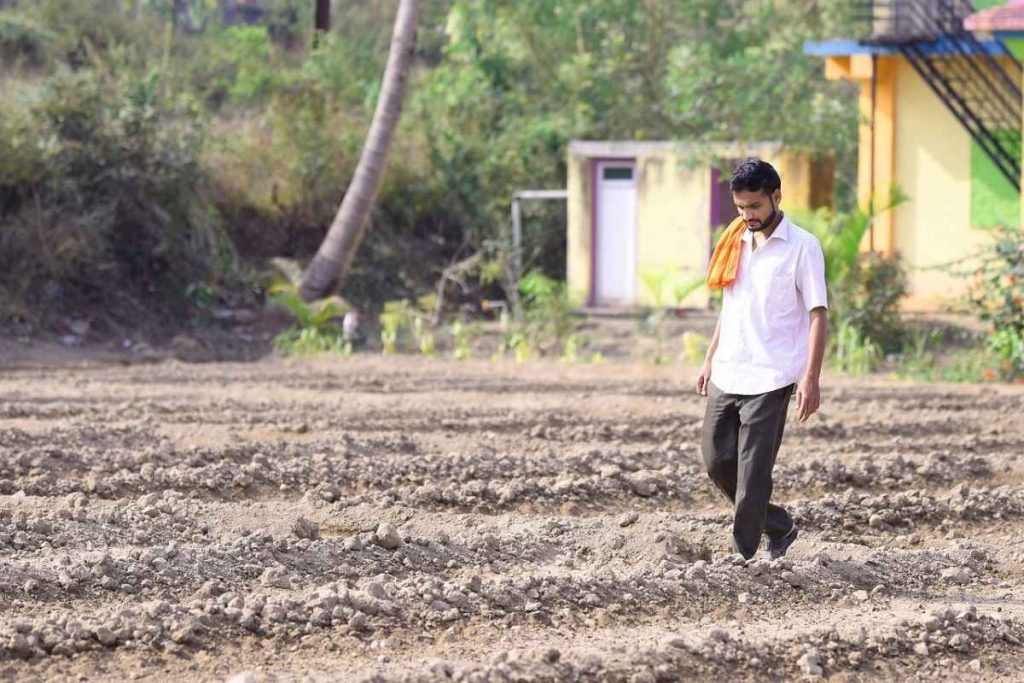
The soil remembers. It remembers footsteps, harvest songs, and prayers whispered at sunrise. It remembers the weight of seed baskets and the joy of the first rain. For centuries, it lived in partnership with the farmer—seen, spoken to, and respected.
In rural India, the soil was never just dirt. It was alive. It had mood, rhythm, and memory. It was family. But things changed. Farming became fast. The rituals faded. The soil was renamed “land”—a resource to extract from. Chemical fertilizers replaced cow dung.
Machines replaced pauses. Yields mattered more than seasons. Profits spoke louder than rain. The relationship turned one-sided. The soil gave. Farmers took. No one asked if the land was tired. The soil couldn’t speak. But it responded. Yields dropped. Floods worsened.
Droughts deepened. Crops lost their strength. Something felt wrong. Yet no one looked down long enough to ask why. Now, in small villages and forgotten fields, a quiet revolution is taking place. Farmers are noticing again. They are talking about soil as if it breathes.
Because it does. It holds life—earthworms, fungi, roots, and hopes. Soil Health Awareness sessions are planting new thoughts. Elders are sharing old ways. Young farmers are listening. Composting is returning. Tilling is being questioned. Respect is coming back.
This is not just about agriculture. It’s about memory. About healing. Because the soil never forgot. And now, slowly, farmers are beginning to remember too. The soil is no longer just beneath our feet. It is within our future. And if we listen—truly listen—it will teach us how to grow, again.
Soil Health Awareness: Soil as a Living Being, Not an Object
We often forget that soil is alive. For many years, land was seen only as property. Something to own, to divide, to use. In farming, this view became stronger. Soil became a surface—just a base to grow crops. A place to pour water and spray chemicals. A means to an end.
But that idea is changing. The old belief—that soil is inert and endless—is being questioned. Farmers are learning that soil is a living body. It breathes. It moves. It heals—and it can fall sick. In village awareness sessions, this truth is coming back to life.
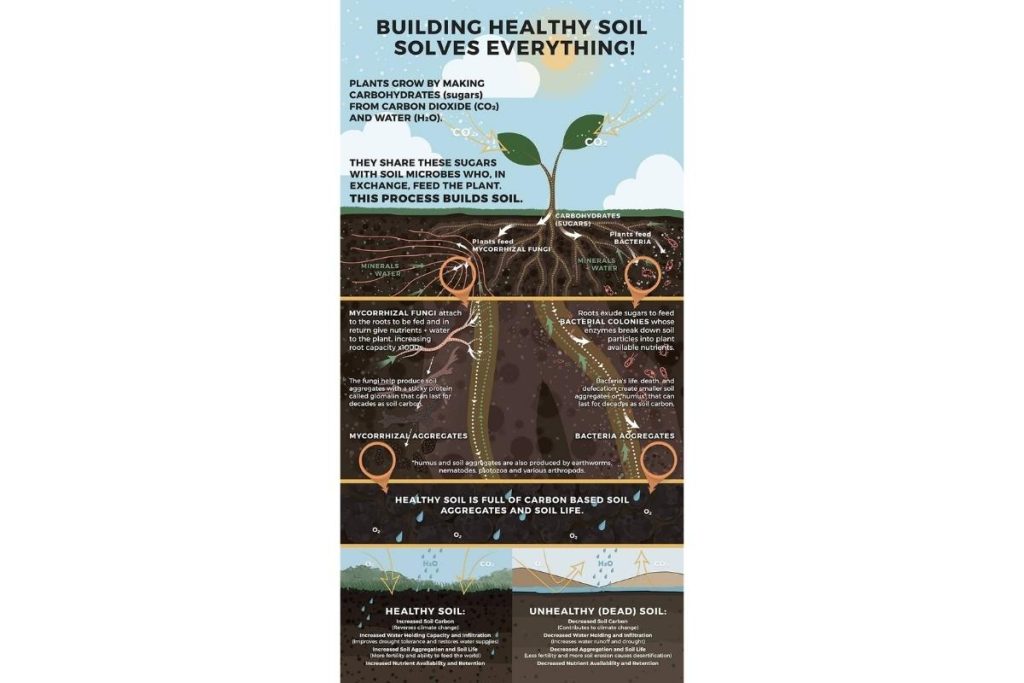
Farmers are taught to see the land not as a tool, but as a partner. They learn about what lives below their feet. Millions of tiny creatures—bacteria, fungi, insects—each with a role to play. These organisms make soil fertile. They break down waste. They hold moisture.
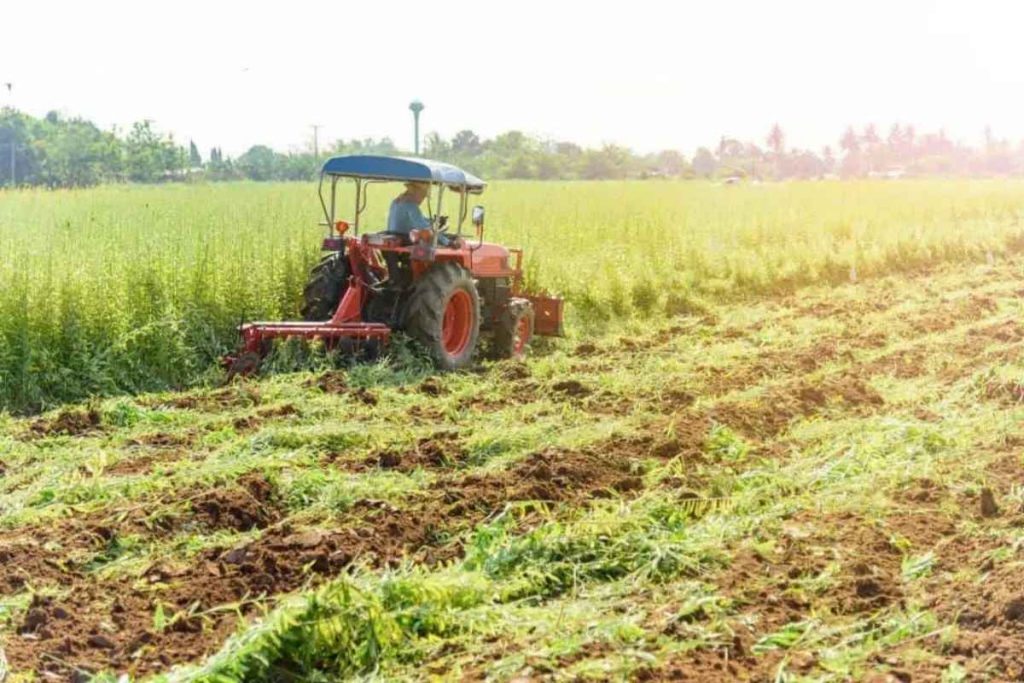
They even help plants communicate. When farmers learn this, their eyes widen. They see that tilling, overwatering, and chemical dumping don’t just change the soil—they damage it. These actions cut through fungal threads, drown air pockets, and kill helpful microbes.
What looks like farming is often silent destruction. That’s where soil health awareness leads to care. Farmers begin to ask new questions. “Is my soil tired?” “Does it have food?” “Can it still breathe?” These are the questions we ask of any living being.
Soil, like us, needs rest. It cannot be pushed season after season. It needs pauses. It needs time to rebuild. Soil also needs nourishment. Not just synthetic fertilizers, but real food—compost, leaf litter, cow dung, and green manure. These bring back microbial life.
They make the soil soft, rich, and fragrant. Balance matters too. Too much water can kill. So can too little. Soil needs a rhythm—of wet and dry, sun and shade. It needs rotation. Growing the same crop over and over drains it. Different crops bring different nutrients.
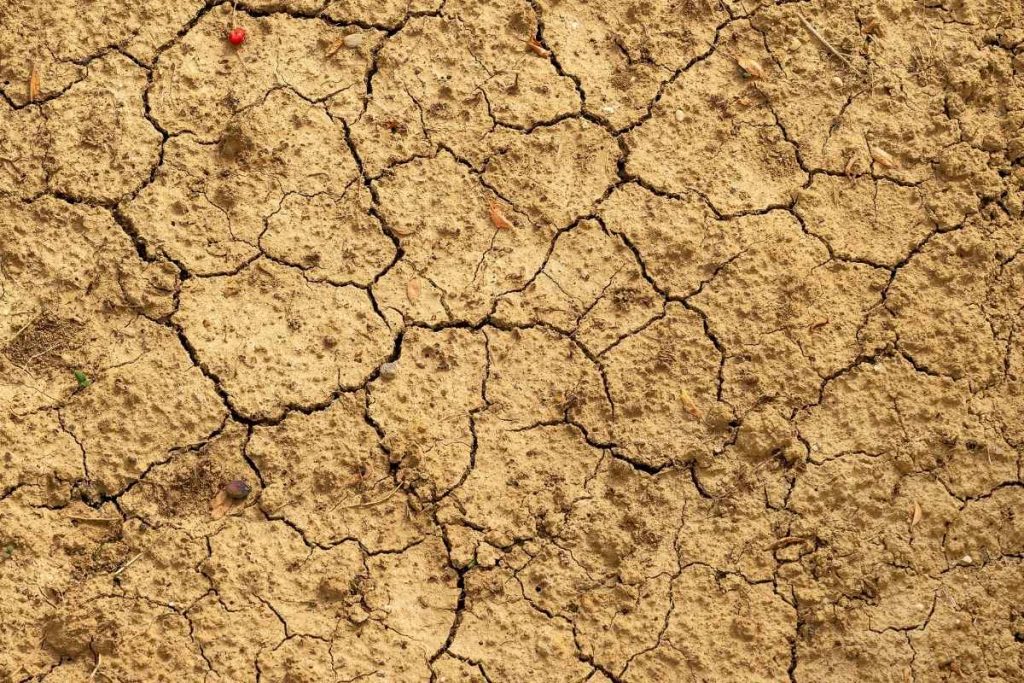
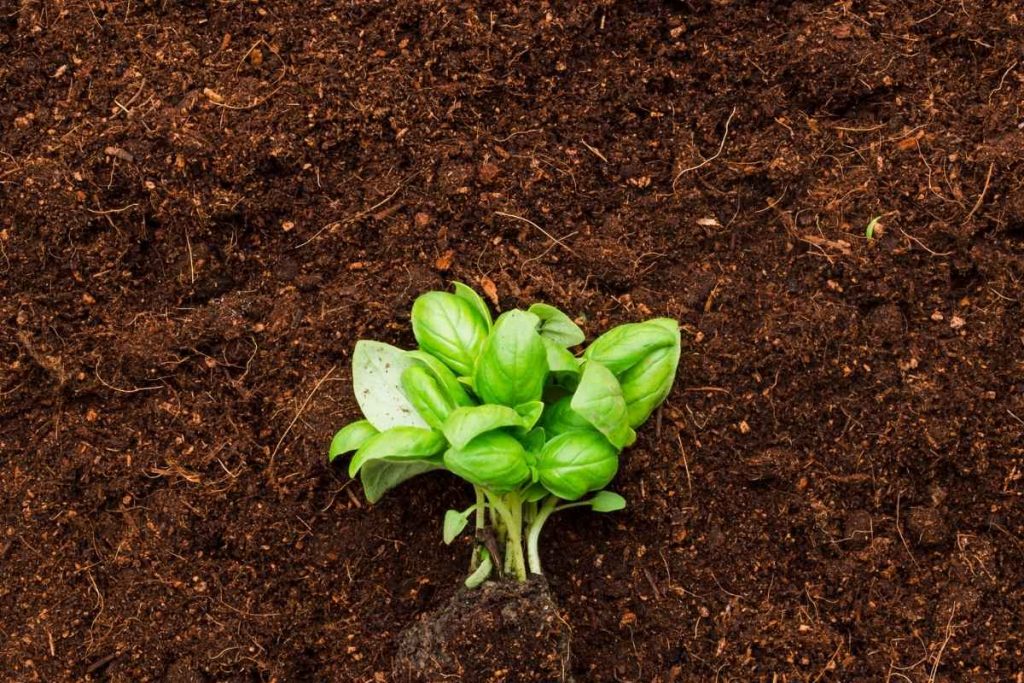
Rotation allows soil to rest in motion. Farmers are now learning to observe. They touch the soil. Smell it. Watch how water sinks. These simple tests speak volumes. Cracked, hard, pale soil is in distress. Dark, moist, and loose soil is alive.
One farmer said, “I used to think land is land. Now I see it’s like skin—it shows you when something is wrong.” That awareness changes everything. Soil becomes more than land. It becomes a relationship. It becomes something to care for, not control.
This is not just science. It is a return to listening. A return to humility. Because the soil is not ours to command. It is a living world we are part of. And when we treat it with care, it responds—with fertility, with resilience, and with quiet gratitude. The soil is not a thing. It is a being. And it remembers how we treat it.
Practices That Respect and Regenerate
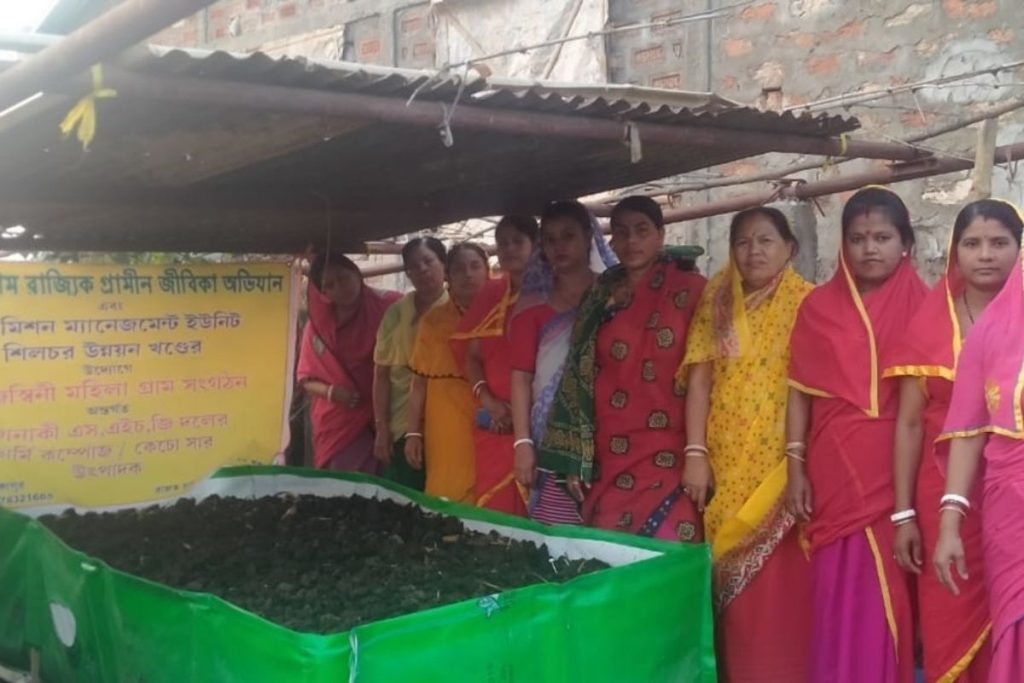
Respect for soil begins with action and Soil Health Awareness. In many villages, composting was once a normal part of life. Cow dung, kitchen scraps, and dry leaves were saved, layered, and returned to the land. Nothing was wasted. The soil was fed what it had helped grow.
But over time, composting was called old-fashioned. It became a chore. Farmers turned to quick fixes—chemical fertilizers that promised more yield, faster. The results came quickly. But so did the damage. Fields hardened. Soil became pale and brittle.
Earthworms vanished. The natural smell of the earth disappeared. Something was missing. Now, composting is returning—not out of nostalgia, but out of necessity. Farmers are realizing that compost is not waste. It is medicine. It revives tired land.
It brings back the life in the soil. One handful of good compost carries billions of microbes—each playing a role in building fertility. The process is simple. It doesn’t need factories or fuel. Just patience, balance, and care. Dry matter and wet matter. Air and time.
Cow dung, leaves, kitchen waste, crop residue. Left to rest, these turn into gold—black, rich, and alive. Composting is now seen as a sign of respect. A way of giving back to the soil.
With it comes the return of the small beings that make a big difference—earthworms, fungi, and microbes. These were once seen as pests or ignored completely. But now, they are seen as workers. Partners. Teachers. Earthworms loosen the soil. They aerate it.
Their waste is nutrient-rich. When farmers spot earthworms in their fields again, they celebrate. It means the land is healing. Fungi spread underground like threads. They connect roots, share nutrients, and protect plants from disease.
Microbes break down organic matter into forms plants can absorb. Without them, the soil is just dust. In healthy soil, all these beings live together. In damaged soil, they vanish. That’s why farmers are slowly reducing chemical inputs.
Not because someone told them to, but because they’ve seen the effects. Chemical fertilizers bring speed. But they also bring dependency. More quantity, less quality. They kill the very life that keeps soil fertile.
Pesticides kill pests—but also kill beneficial insects and microbes. Over time, the soil becomes hollow. Yields drop. Costs rise. The land gives less, even when pushed more. This has led many farmers back to nature-based methods.
They use neem oil instead of chemical sprays. They mix buttermilk with water to restore microbial life. They use fermented solutions like “jeevamrut” made from cow dung, jaggery, and soil. These are not myths—they are living traditions backed by observation and results.
Farmers also use mulching to protect the soil. Dry leaves and crop stubble are left on the surface. This keeps moisture in. It cools the soil. It prevents erosion. It feeds microbes underneath. Another key practice is planting cover crops between main crops.
These aren’t grown for sale. They’re grown for the soil. They fix nitrogen, stop weed growth, and provide organic matter when cut and left to decompose. Even something as simple as rotating crops makes a big difference.
Growing different crops in different seasons allows the soil to rest and replenish. Each plant gives and takes in different ways. Together, they build balance. These changes are not easy. They take time. They need unlearning and learning again. But the results are deep.
Farmers say their soil feels different. Softer. Warmer. Full of life. Crops grow sturdier. Insects come back—but so do birds. The farm becomes an ecosystem again. Most importantly, farmers feel more connected. They no longer treat the land as an object.
They treat it as a companion. One farmer put it simply: “When I stopped forcing the land to work, it started working with me.” That is the power of respect. Regenerative practices are not just about better farming.
They are about better relationships—with the land, with tradition, and with the future. Because when we help the soil heal, it helps us in return. Not just with crops, but with trust. With balance. With life that lasts. Hence, Soil Health Awareness is important.
Return of Wisdom: From Elders to the Earth through Soil Health Awareness
The old voices are returning. For years, they were overlooked. Elders sat quietly on the sidelines of progress. Their stories were set aside as the world rushed toward speed, chemicals, and machines. But now, the land is hurting.
And the elders are being asked to speak again. They speak of years when rain didn’t come. Of how the village survived without borewells or fertilizer. They remember. And the soil remembers too.
In villages across India, farmers are sitting under trees, in courtyards, and by dry wells—listening. They’re not looking for nostalgia. They’re looking for wisdom. Because in those stories lie practical truths which spreads awareness about the health of soil.
Elders talk about how the soil was cared for during droughts. How they prepared fields with mulch, ash, and compost. How they planted native crops that needed less water.
How they gave the soil time to rest, not just because they had no choice, but because the soil needed to breathe. They recall using clay pots buried in the ground to slowly release water near roots.
They describe how cow dung and buttermilk were mixed into the soil to bring back life. They remember when rain was seen as a gift, not a guarantee. Their stories come with emotion, but also method.
One farmer tells his grandson, “In the drought of ’72, we left one-third of the field empty. It gave the soil strength to feed the rest.” Another shares, “We used to walk the land barefoot. You could feel if it was too hard or too soft. No machine needed.” These aren’t superstitions.
They are sensory science. Knowledge gained through decades of observation. A memory bank built by doing, failing, adjusting. Oral traditions are now finding their way back into farming conversations. Elders don’t speak in technical terms. But they speak in truths which is spreading soil health awareness.
About timing. About rhythm. About respect. They talk about soil not as a thing, but as a relative. As something alive, watching, waiting. Something that can bless—or resist. This relationship with the land is deep. It is spiritual. But it is also practical.
Soil was once seen as part of the family. It was fed before the family ate. Rituals marked the first plough, the first rain, the first harvest. These weren’t empty gestures. They reminded people that farming is a partnership. Over time, this respect was eroded.
Chemical farming created distance. Yields were higher, but understanding was lower. The land gave, but the people forgot to give back. Now, elders are reminding communities of this balance. Some villages are starting “memory circles.” Farmers of all ages sit together.
They share what worked, what didn’t, what was lost. Elders guide the conversation. Young people ask questions. The land becomes the bridge between generations. Others organize “wisdom walks.” An elder leads a group through old farm paths.
At each stop, they tell what the soil looked like, what it was used for, and what changed. These are not tours. They are lessons in relationship. In these moments, soil becomes more than biology. It becomes culture. It becomes a moral compass.
Many elders say the same thing in different ways: “How you treat the soil shows who you are.” They mean that soil care is character care. It teaches patience. Responsibility. Generosity. The soil doesn’t lie. If you overwork it, it hardens. If you poison it, it resists.
If you respect it, it gives more than you imagined. This is the wisdom returning. It tells us that not all answers are in manuals. Some are in memory. Some are in listening—not just to the land, but to those who have lived with it longer.
And as climate change shakes the certainty of modern methods, this ancient memory becomes urgent. It offers a map—not backward, but deeper. Deeper into the values that made land sacred. Deeper into practices that outlasted droughts.
Deeper into the kind of knowledge that doesn’t just feed crops—but feeds communities. The soil is not just physical. It is emotional. Cultural. Ethical. It remembers what we’ve forgotten. And now, with the help of our elders, we are learning to remember too.
Tools of Soil Health Awareness: From Soil Days to Solar Pumps
Change often starts with conversation. In many rural areas today, that conversation is centered around soil. Farmers are gathering not just to work, but to observe, reflect, and learn. One powerful example of this change is the rise of “Soil Days.”
“Soil Days” are community-led gatherings. They are informal, local, and deeply practical. There are no PowerPoints or experts in suits. Just farmers standing together in a field, holding samples of their own land in their hands. They look closely at each other’s soil.
They ask questions. They share what has worked—and what has not. These events are built on simplicity. Farmers bring a handful of soil from their plots. They compare texture: Is it sandy, sticky, or fine? They check moisture: Does it hold water or dry out too quickly?
They also notice color. Healthy soil is usually dark and rich. Tired soil is pale or cracked. These visual clues speak volumes. One farmer may say, “I composted this part of the field and now it smells like the forest.”
Another may share, “I stopped tilling here, and earthworms came back.” These insights matter. They help shift perception. Soil is no longer just a surface to plough. It is a living, breathing system. “Soil Days” build trust. They break isolation.
They invite farmers to learn from one another, rather than from top-down schemes. And they restore something more profound—respect. Alongside these gatherings, basic observation is returning as a key tool.
Farmers are doing small tests that require no equipment—just attention. They test how quickly water drains into the ground. They watch how roots grow. They note which patches sprout faster.
These clues help farmers understand what the soil needs—and what it’s missing. There’s a return to intuition. A farmer walks barefoot and says, “The ground is too hard.” Another tastes the soil—a tradition in some regions—to judge its salt levels.
This is embodied knowledge. Not learned from books, but from years of practice. Still, awareness doesn’t mean rejecting all modern tools. In fact, many farmers are blending traditional wisdom with sustainable technology.
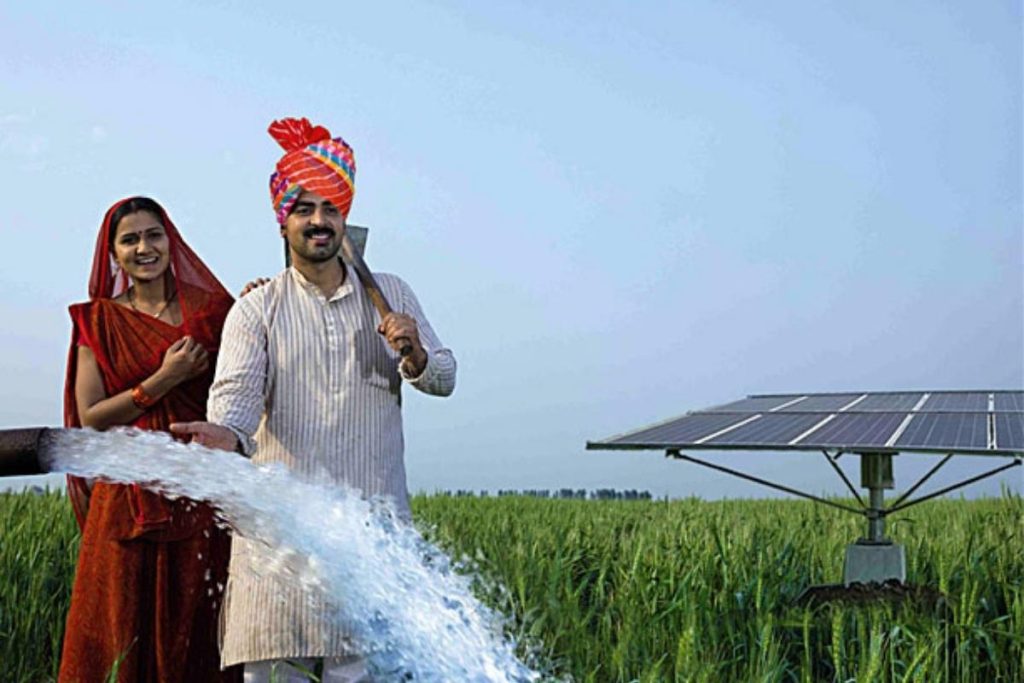
A standout example is the solar-powered water pump. Earlier, many farmers relied on diesel pumps. These machines were noisy, expensive, and often overused. They pulled water relentlessly, flooding fields without concern for timing or need.
Overwatering, once seen as safe, is now understood as damaging. It erodes soil. Washes away nutrients. Drowns roots. And drains groundwater. Solar pumps work differently. They use sunlight—nature’s own rhythm. They produce limited water, encouraging measured use.
And they reduce costs and pollution. But more importantly, they represent a new way of thinking. One farmer said, “Now I wait for the sun, and listen to the soil. If it’s moist, I don’t pump.” That shift—from control to care—is profound because of soil health awareness.
Farmers are also exploring drip irrigation, which delivers water directly to the roots. It reduces waste and mimics rainfall. Others use shaded seed beds, which protect young plants and reduce soil stress. These are small investments—but with big returns.
What matters is the intention. These tools are not about force. They’re about harmony. Whether it’s a clay pot buried underground to hold moisture, or a moisture test done with bare hands—each method teaches attention.
Each tool strengthens the bond between farmer and field. As these Soil Health Awareness tools spread, they build more than skills. They build culture. A culture where soil is not treated like a machine, but like a partner. A culture where technology supports nature, not dominates it.
A culture where farmers learn not just how to grow—but how to grow wisely. And that is how regeneration begins.
The Rise of a Rural Ethic
A quiet revolution is underway. It’s not marked by machines or new chemicals. It’s marked by mindset. Across rural India, farmers are starting to see the land not as a tool—but as a teacher. This is the rise of a new rural ethic. This ethic is built on reverence.
Reverence for soil. Reverence for rain. Reverence for the unseen life that makes crops grow. Farmers are becoming accountable—not just to buyers or markets, but to the land itself. They are asking hard questions: Did I feed the soil before asking it to feed me?
Did I rest the earth before rushing to sow again? This is not just about method. It’s about meaning. Ethical farming is not a checklist. It is a way of seeing. It means caring for what can’t be seen. Microbes. Water tables. Worms. Fungi. It means pausing before ploughing.
Listening before spraying. Observing before irrigating. This new ethic values balance over speed, healing over profit, and cycles over shortcuts. And it brings something more powerful than yield—dignity.
When farmers speak of the land with respect, it shows. They say, “The soil is tired today.” Or, “Let’s give that corner a season off.” This is deep awareness. This is a relationship. And in that relationship, something beautiful is happening.
The soil, once depleted, is beginning to respond. It is softening. Holding water. Growing green again. It is remembering care. And as the soil remembers, so do we. We remember what it means to farm with humility. To grow with patience. To live with honour. The rise of a rural ethic is not loud. But it is strong. And it is just beginning.
FAQS on: “The Soil Remembers: Awareness and the Return of Respect in Rural Farming”
What are “Soil Days”?
Soil Days are informal community gatherings where farmers bring samples of their own soil, observe, compare, and share experiences to understand soil health and promote sustainable farming.
Why are Soil Days important for farmers?
They encourage peer learning, build trust among farmers, and promote hands-on observation instead of relying solely on top-down advice.
How do farmers test soil without lab equipment?
Through visual cues (color, texture), smell, water retention tests, root growth observation, and even tasting soil in some traditional contexts.
What does healthy soil look and feel like?
It is typically dark, moist, crumbly, rich in smell, and teeming with visible life like earthworms.
What traditional practices are returning in modern soil observation?
Walking barefoot on the land, using clay pots for water retention, sensory testing, and comparing root structures by sight and feel.
How is regenerative farming different from conventional farming?
Regenerative farming focuses on restoring soil health, increasing biodiversity, reducing chemical input, and creating resilient ecosystems.
What are some simple regenerative techniques farmers use?
Composting, mulching, crop rotation, cover cropping, reduced tilling, and using fermented bio-inputs like Jeevamrut.
How do these practices improve soil health?
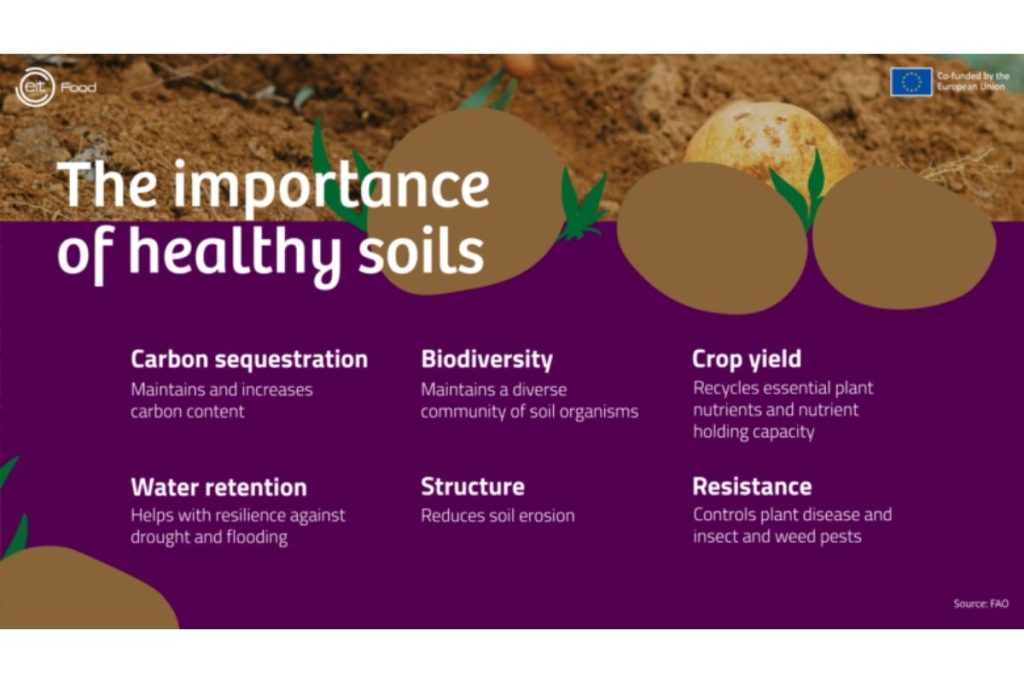
They increase microbial activity, improve water retention, reduce erosion, and rebuild natural fertility over time.
Are these methods backed by science or just tradition?
Many traditional methods are now scientifically validated—like composting, microbial enrichment, and mulching—as beneficial for long-term soil health.
Why is overwatering considered harmful now?
It leaches nutrients, compacts the soil, erodes topsoil, and can drown plant roots, making them more vulnerable to disease.
What is a solar water pump?
A pump that uses solar energy to draw groundwater for irrigation, replacing diesel or electric pumps.
How do solar pumps help the soil?
They reduce over-irrigation by providing water in controlled, sustainable quantities, preserving moisture and preventing erosion.
What are the economic benefits of solar pumps for farmers?
They save on fuel or electricity costs, require less maintenance, and often receive government subsidies (e.g., through PM-KUSUM).
Can solar pumps work during cloudy weather?
Most systems have battery storage or work well in diffused sunlight; however, prolonged overcast conditions may reduce efficiency.
How do solar pumps encourage more mindful farming?
They produce limited water, encouraging farmers to observe soil needs closely before irrigating—shifting from control to care.
Are farmers rejecting modern tools?
No. Many are blending traditional knowledge with modern technologies like solar pumps, drip irrigation, and moisture sensors to farm more sustainably.
What is drip irrigation and how is it beneficial?
A system that delivers water directly to plant roots in small, measured amounts—reducing water use and mimicking natural rainfall.
Why are shaded seedbeds used in regenerative farming?
They protect young plants from heat, reduce soil stress, and improve early plant survival rates.
Is technology replacing traditional wisdom?
Not at all—modern tools are increasingly used to complement traditional practices rather than override them.
How do these tools build farmer resilience?
They lower input costs, reduce dependency on erratic systems, improve soil quality, and enhance adaptability to climate change.
~Authored by Ameya Satam