
Setting the Context: India’s Growing Environmental Strain
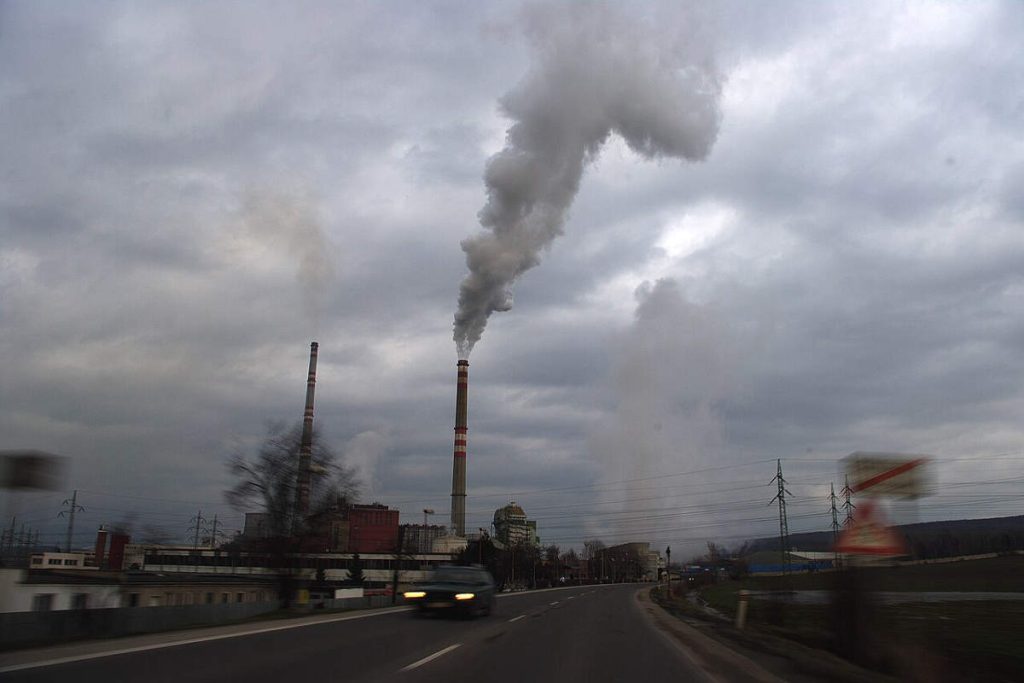
India’s economic rise and urban growth are creating unprecedented pressures on the environment. Cities are expanding, infrastructure is being built at a fast pace, and consumption patterns are shifting. Yet, amidst this growth, two of our most fundamental resources; air and water are becoming compromised. The phrase “The India that filters” evokes a future where citizens constantly rely on purification and remediation rather than prevention.
Rapid urbanisation and infrastructure growth
Between 2001 and 2021, India’s urban population increased by more than 100 million. Infrastructure development has accelerated without full alignment to environmental safeguards. This massive scale of expansion often outpaces the capacity of urban systems to manage pollution, waste, and resource use.
Escalating pollution burdens: air and water
On the air front, the country has inherited a heavy burden. As one analysis notes, of the 30 most polluted cities globally, more than two-thirds are in India. Wikipedia On the water front, the Central Pollution Control Board (CPCB) reports more than 300 polluted river stretches across India, suggesting a systematic failure in water-management systems. Earth5R
The human cost: health, economy and future generations
Poor air and water quality translate directly into health burdens, lost productivity, and reduced quality of life. For example, polluted air and contaminated water contribute to respiratory illnesses, cardiovascular disease, cognitive impairments in children, and ecological damage. The economic cost in terms of healthcare and lost labour is significant. When we speak of a national movement for clean air and water, we are also speaking of protecting livelihoods, futures, and equity across India.
Clean Air in India: The Evidence
Stepping deeper into the air dimension reveals a data-rich yet troubling picture.
National air quality trends and data
The World Air Quality Report and other sources show that many Indian cities have annual average PM2.5 (fine particulate matter) levels far above the safe limit laid out by the World Health Organization (WHO). Earth.Org While government monitoring is growing, large gaps remain in spatial coverage, especially in smaller towns and peri-urban areas.
Health impacts of particulate matter (PM2.5/PM10)
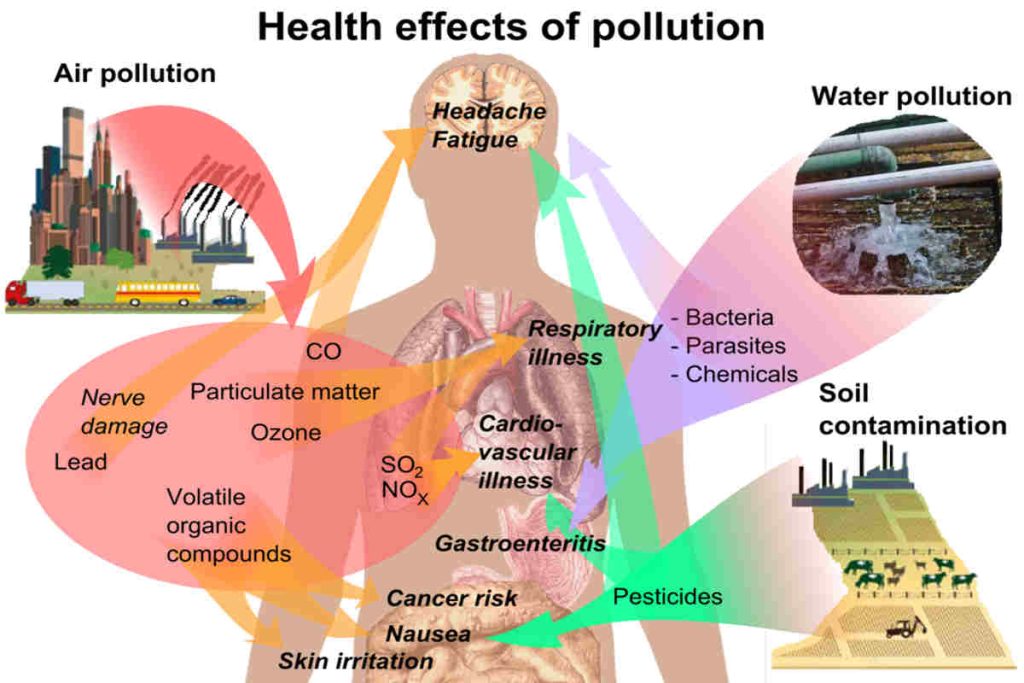
Exposure to high levels of PM2.5 and PM10 is linked to increased risk of lung disease, heart attack, stroke and premature death. Research indicates that communities exposed to high pollution levels lose years of life expectancy compared to those breathing “cleaner” air. The cost is highest among children, the elderly, and those with existing health conditions.
Economic costs and lost productivity
When large segments of the population suffer illness due to air pollution, the economy pays in terms of medical costs, absenteeism, and reduced worker productivity. Studies show that pollution can reduce cognitive performance in children and impair learning outcomes, which in turn reduces future economic potential.
Policy responses: the National Clean Air Programme (NCAP) and other measures
In recognition of the crisis, the Indian government launched the National Clean Air Programme (NCAP) in 2019 with a goal of reducing particulate levels by 20-30 % by 2024 in “non-attainment” cities. This represents a step in the right direction, though many analysts say stronger action is needed, especially given the scale of the problem. Valid data-driven interventions, rigorous enforcement of industrial and vehicular emissions, and citizen monitoring all have roles to play.
Clean Water and Sanitation: The Evidence
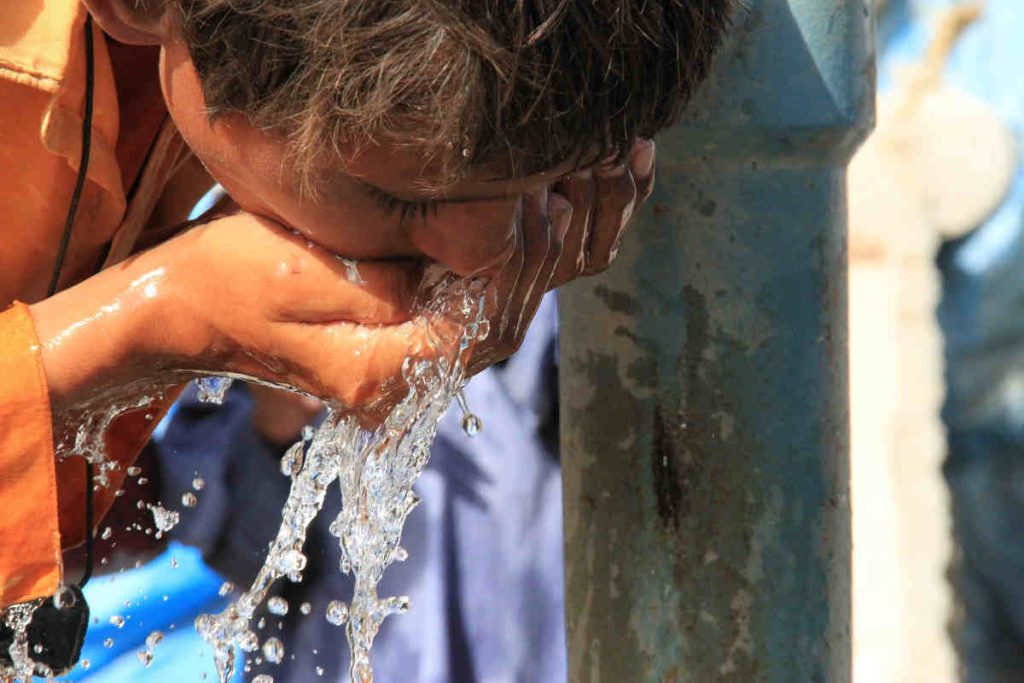
Clean water is often taken for granted, yet the data suggest India faces a major challenge on this front too.
Surface water, groundwater and wastewater gaps
Studies show that a significant share of India’s surface water bodies are ecologically degraded, with elevated biological oxygen demand (BOD), heavy metals, or persistent pollution. For example, the CPCB identified 311 polluted river stretches in 2022. Earth5R Groundwater too is under threat: one source reports that around 70 % of groundwater samples exceed WHO nitrate safety limits. Earth5R Additionally, wastewater treatment remains inadequate ;domestic sewage is estimated to contribute 75-80 % of river pollution, while only about 30 % of this sewage is treated. Earth5R
Pollution hotspots and case studies
Urban water bodies often serve as pollution sinks. One example of strong interventions involves the NGO Earth5R, which tracks real-time data and has demonstrated measurable improvement in BOD levels in pilot river-cleanup zones. Earth5R These case studies show that when monitoring is paired with community action, change is possible.
Health and ecological consequences of water contamination
Contaminated water affects human health via waterborne diseases, heavy-metal poisoning, and ecological collapse of aquatic ecosystems. It also undermines agriculture, fisheries, and biodiversity which many communities depend on. The knock-on effects for rural and urban India alike are large.
Policy & institutional frameworks addressing water quality
India has multiple programmes (for example the Namami Gange Programme) aimed at river rejuvenation, wastewater treatment, and sanitation. These frameworks mandate monitoring, treatment infrastructure, and stakeholder integration. Yet gaps in funding, enforcement and coordination remain.
Why the Next National Movement Should Be “Clean Air & Water”
Linking the case for a movement gives this issue both urgency and coherence.
Interconnectedness of air and water quality
Air and water pollution are not independent. Pollutants emitted into the atmosphere eventually deposit into water bodies. Similarly, waste water discharges can contribute to airborne pollutants via evaporation, dust and microbial aerosols. A national movement that addresses both together recognises this interplay.
The role of citizens, cities and civil society
Large-scale change cannot rely only on top-down policy. Citizens, civil society, community groups, local governments and businesses must all play a role. Initiatives by Earth5R demonstrate how citizen-led monitoring empowers communities and improves outcomes. Earth5R Cities, in particular, act as hubs of action: urban planning, transport policy, waste management and water infrastructure all matter.
The concept of filtering: from adaptation to preventing pollution at source
When we talk about “filtering”, we speak of two things. One: the current reality of many Indians using filters for water, air-purifiers for homes, etc. Two: the system shift required to stop pollution at the source so that filtering becomes unnecessary. That is the real aim of a national movement: prevent rather than remediate.
Synergies with climate, health and sustainable development goals
Clean air and clean water support multiple national objectives: they align with the United Nations Sustainable Development Goals (SDG 3, 6, 11, 13), reduce the health burden on society, and improve resilience to climate change. Framing this as a national movement links environment, economy and equity.
Role of Earth5R and Case Studies of Success
Highlighting one organisation and tangible examples helps bring theory into action.
Introducing Earth5R: mission & model
Earth5R is an organisation that combines citizen science, digital tools, grassroots mobilisation and partnerships with public agencies to tackle environmental issues. It emphasises data-driven monitoring, community engagement and measurable outcomes. Earth5R
Case Study 1: Community-led river rejuvenation
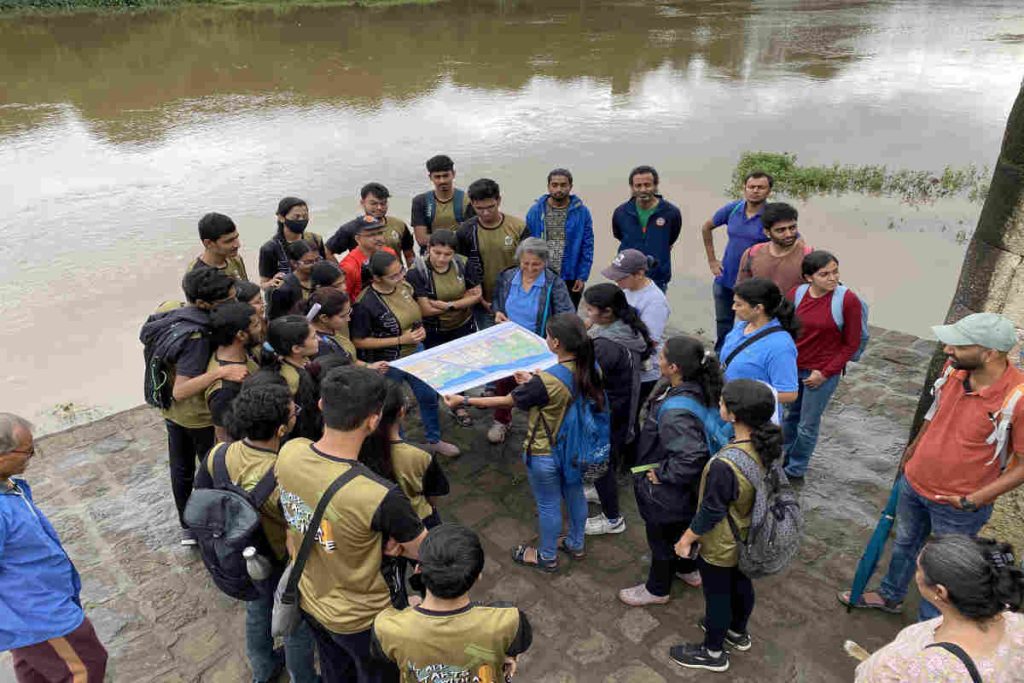
In one project, Earth5R applied real-time monitoring of a polluted urban water body, removed waste (14 tonnes in one campaign) and tracked Biological Oxygen Demand (BOD) reductions of around 20 % over six months. Earth5R This shows how local action, when informed by data and supported by partnerships, can deliver results.
Case Study 2: Urban air-quality initiative
In another initiative, Earth5R deployed low-cost sensors and engaged local communities in monitoring air quality around schools and high-pollution zones. The result: policy interventions like traffic restrictions near schools, yielding measurable improvements. Earth5R
Lessons learned and best practices
From these examples we can draw key lessons:
- Real-time data enables targeted interventions.
- Community involvement builds ownership and accountability.
- Partnerships with government and private actors scale results.
- Metrics matter: measuring, reporting and reviewing progress builds credibility.
These lessons shape what a national movement would need.
What Needs to Happen: Action Agenda for India
Here we outline a practical roadmap for turning aspiration into action.
National policy shifts and investment priorities
India needs to prioritise clean-air and clean-water infrastructure comparable to energy or transport. Funding must be allocated for broad monitoring networks, stricter emissions regulation, industrial accountability, and nationwide water-treatment expansion. Policies such as the NCAP need stronger enforcement, and river-cleanup programmes must scale.
State & city level strategies: aligning urban planning, transport, waste, water reuse
Cities must integrate air-quality management, water-resource planning, waste-water reuse and green infrastructure in their master plans. For example, transport policies must reduce vehicular emissions, industries must adopt cleaner technology, and wastewater must become a resource rather than a liability. Urban water bodies should be restored instead of ignored.
Citizen engagement and behaviour change: how individuals can contribute
Every citizen can participate: use public transport, avoid open burning of waste, conserve water, support local clean-up drives, install community sensors, and demand transparency from local government. Grassroots engagement is the catalyst of any movement.
Measuring progress: data, monitoring, accountability
Metrics matter. We must measure air-quality indices, water-quality parameters (BOD, heavy metals, nitrates), health outcomes, and economic benefits. Citizen science networks and open-data platforms must be mainstreamed. Transparent reporting and accountability will sustain the movement.
Challenges and Risks Ahead
Even the best-laid plans often meet practical obstacles.
Institutional inertia, regulatory gaps and enforcement issues
India suffers from regulatory fragmentation, weak enforcement and institutional silos. Despite strong laws, actual penalties are often low and monitoring sparse. Without accountability the risk is that programmes remain rhetorical instead of transformational.
Financing constraints and competing priorities
Budgetary pressures, competing priorities (such as defence, infrastructure) and limited fiscal space mean the environment may not always get priority. Innovations such as green finance, private-sector participation and circular-economy models (which Earth5R promotes) are needed.
Climate change, population growth and emerging pollutants
Climate change threatens to worsen pollution loads (heat-waves, dust storms, changing precipitation). Population growth intensifies demand for water and increases waste. Emerging pollutants (PFAS, micro-plastics, e-waste) complicate the picture further. A national movement must anticipate future threats, not just current ones.
Looking Ahead: The Way Forward
We now turn toward vision, leadership and the call to action.
Vision for 2030 and beyond
Imagine India in 2030 where children drink untreated tap-water confidently, breathe air that meets WHO standards every day, and live in cities with functioning green buffers, clean rivers and zero-waste neighbourhoods. That future is within reach if appropriate action is taken now.
How India can lead a global example of “filtered”-turned “unfiltered” future
India, with its scale, diversity and dynamism, can show the world how rapid development and environmental quality can go hand-in-hand. By transforming from a nation where people “filter” just to survive into a nation that filters pollution at the source, India can lead on sustainable development, resilience and health.
The invitation: joining Earth5R’s movement and making clean air and water a national priority
This is more than a policy prescription; it is a call-to-action. Organisations like Earth5R are mobilising civil society, businesses, cities and citizens. Each one of us can engage. The next national movement must be clean air and clean water for all. Let that become India’s defining effort of our time.
FAQs: The India That Filters: Why Clean Air and Water Should Be the Next National Movement
What does the phrase “The India That Filters” mean?
It refers to a society that relies on artificial filtering systems like RO purifiers, bottled water, and home air purifiers instead of having naturally clean air and water as a basic right.
Why should clean air and clean water be considered a national movement?
They impact health, productivity, economic growth, child development, and long-term sustainability. A movement gives the issue urgency, collective responsibility, and policy priority.
How serious is air pollution in India today?
India has some of the highest PM2.5 levels globally, and several cities rank among the most polluted internationally, making air quality a public health crisis rather than an isolated environmental issue.
What are the health impacts of PM2.5 and PM10 exposure?
High levels contribute to asthma, lung disease, heart disease, stroke, reduced immunity, mental decline, and premature death, especially among vulnerable groups.
Is bottled water safer than tap water in India?
Bottled water may not always be safer. Contamination risks, plastic pollution, inconsistent regulatory control, and microplastics make long term reliance unsustainable.
Why is water pollution increasing despite existing laws?
Gaps in enforcement, old infrastructure, inadequate treatment plants, rapid population growth, and unregulated industrial discharge reduce the impact of strong policies.
Does climate change affect air and water quality?
Yes. Heat waves, shifting rainfall patterns, dust storms, floods, and drought intensify pollution concentration and reduce natural cleansing systems.
What role does urbanisation play in pollution?
Rapid development without environmental planning increases waste production, vehicle density, industrial clusters, and sewage generation, contributing to both air and water pollution.
Are rural areas also affected?
Yes. Rural communities face pesticide contamination, unregulated borewell use, inadequate sanitation, and reduced river flow linked to agriculture and climate shifts.
How does pollution affect India’s economic growth?
Illness, medical expenses, reduced learning outcomes, lost workdays, and slower labour productivity reduce GDP growth and strain public health funding.
What is the National Clean Air Programme?
It is a government initiative launched in 2019 to reduce particulate pollution in non-attainment cities through monitoring, planning, and targeted interventions.
Why is wastewater treatment a pressing issue in India?
Domestic sewage forms the largest share of river pollution, and only a fraction is treated due to limited infrastructure and outdated systems.
Why are community initiatives important?
Government efforts alone cannot cover every local water body or neighbourhood. Citizen participation increases accountability, early action, stewardship, and faster results.
What is Earth5R and how does it help?
Earth5R is a sustainability organisation focused on data driven environmental action, citizen science, river cleanup, real time monitoring, and community engagement.
Can low cost digital sensors really help communities?
Yes. They improve awareness, support evidence based decision making, enable local activism, and offer valuable data to complement official monitoring.
What are the biggest roadblocks to solving air and water pollution?
Weak enforcement, fragmented institutional responsibility, limited funding, lack of awareness, and slow adoption of green technology are major challenges.
What can individuals do to contribute?
Using public transport, reducing plastic waste, conserving water, joining cleanup drives, supporting evidence based initiatives, and demanding accountability can create visible change.
Is it possible for India to achieve WHO standard air quality?
It is difficult but possible with strong regulations, clean energy adoption, transport reforms, waste reduction systems, and mass public participation.
Why should children and youth be part of the movement?
They are the most affected in terms of health and cognitive development, and they represent the generation that will inherit future environmental conditions.
What future vision does the article propose?
A 2030 scenario where every Indian has access to clean drinking water without filters and can breathe healthy air daily due to prevention focused policies and community participation.
Call to Action: Join the Clean Air and Water Citizenship Movement
India stands at a defining moment where development cannot continue at the cost of basic health and natural rights. Clean air and clean water are not privileges reserved for filtered homes, advanced cities, or private healthcare access. They are fundamental to life, dignity, and sustainable growth. This is the time to step beyond awareness and become active participants in change.
Every citizen, school, institution, business, and local government can contribute by adopting preventive habits, supporting evidence based initiatives, and holding authorities accountable for measurable outcomes. Community science, responsible consumption, low waste living, local water body protection, and transparent monitoring can become normal parts of civic culture.
A national environmental movement requires momentum, visibility, and participation. Do not wait for perfect policy, ideal funding, or the next crisis. Take one step today, inspire two more tomorrow, and help turn personal responsibility into collective impact. The future should not belong to those who can afford filters. It must belong to those who demand clean air and water as natural rights for all.
If you believe in this vision, explore and participate in real community centred sustainability projects through Earth5R and similar initiatives. Act local, collaborate widely, and help build an India that no longer filters, but thrives.
Authored by- Sneha Reji