
Introduction: Composting as a Bridge Between Waste and Wealth
Composting stands at the intersection of waste management and sustainable farming, offering farmers a chance to reclaim soil fertility. Across India, large amounts of organic waste are still burned or dumped, causing pollution. Through composting methods, discarded residues transform into nutrients, strengthening soils and cutting environmental degradation.
The rural economy struggles with soil degradation, low productivity, and rising costs of chemical fertilizers. Heavy reliance on costly inputs leaves small farmers vulnerable to risks. By recycling crop residues and household waste into compost, farmers reduce dependency while regenerating fields. This aligns with UN SDGs, where agriculture and waste reduction merge, creating resilience.
Earth5R envisions a circular economy where nothing is wasted and every resource is valued. Its composting programs inspire farmers to see waste as wealth, integrating it into local farming systems. By connecting compost with organic farming practices, crop quality improves naturally. This reflects regenerative agriculture, ensuring resilience and long-term ecological balance.
The benefits extend to climate change mitigation, since composting reduces methane from unmanaged waste and lessens reliance on synthetics. Farmers engaged in composting also contribute to carbon sequestration through soil regeneration. These local actions connect with global climate targets under the Paris Agreement. Improved soil fertility also supports FAO’s vision for sustainable food systems worldwide.
India produces around 62 million tonnes of waste annually, with organic matter as a major share. Yet, only a small portion is processed using scientific composting methods. Rural regions excluded from formal waste systems remain overlooked despite vast potential. Earth5R fills this gap, helping farmers reuse biomass, crop residues, and animal manure effectively, building sustainability transitions.
Most importantly, composting reshapes thinking by revaluing discarded materials. Through community-driven models, Earth5R fosters a culture of shared responsibility and innovation in villages. Farmers experience how circular solutions enhance yields while preserving ecosystems. By embedding sustainable waste practices into rural life, villages evolve into stewards of ecology.
The Rural Waste Landscape: Problems Beneath the Surface
Rural India produces vast amounts of agricultural residues, animal manure, and household organic waste, yet much remains unmanaged. Farmers often burn stubble, releasing harmful emissions into the air and atmosphere. Without proper waste management systems, villages depend on unsustainable disposal methods. This cycle intensifies pollution and diminishes long-term soil productivity.
The effects of unmanaged waste appear across multiple environmental layers. Open dumping reduces soil fertility, contaminates groundwater, and worsens air quality through smoke. Without treatment facilities, villagers resort to burning or discarding, intensifying local problems. Such practices cause nutrient loss while degrading surrounding farmlands. Over time, yields drop, making farmers more vulnerable.
Another issue lies in the rising use of chemical fertilizers, which weaken soils further. Excessive application disrupts microbial activity and alters natural pH balance. At the same time, organic residues that could enrich fields are wasted or burnt. This creates a paradox where farmers suffer from both soil degradation and waste surplus. The result is an expensive and unsustainable cycle of dependency.
Environmental consequences ripple beyond farmlands into ecosystems. Untreated waste contributes to biodiversity loss by polluting rivers and habitats. Open heaps attract pests that spread disease across communities. In addition, decomposition releases greenhouse gases that intensify climate change. Studies from FAO show that degraded landscapes reduce both productivity and resilience.
The economic burden on farmers is severe. Burning residues forces them to purchase synthetic fertilizers, which escalate costs. Declining soil health lowers harvests, creating dependence on loans and inputs. This contributes to agrarian distress across India. Instead of a resource, waste becomes an expense for rural households. Redirecting it into composting practices could transform this liability into a financial advantage.
Yet within these problems lie opportunities for sustainable change. With adequate support, farmers can convert residues into organic compost that restores fertility. Villages can establish community compost hubs, pooling resources for greater impact. By connecting waste management with farming, Earth5R shows that solutions already exist. Rural India holds the potential to lead circular transitions, benefiting both people and the planet.
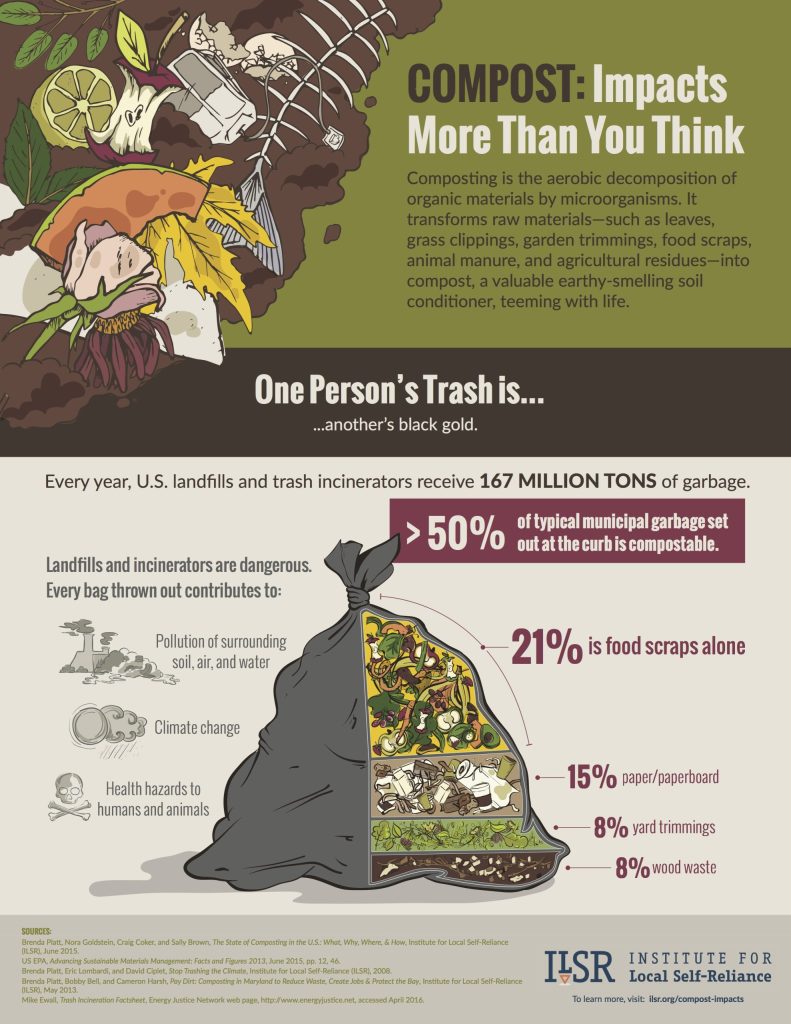
This infographic highlights the environmental benefits of composting and shows how over 50% of household garbage is compostable. It explains how composting reduces landfill waste, curbs pollution, and turns organic scraps into valuable soil.
Earth5R’s Mission of Circular Economy for Villages
Earth5R envisions a circular economy model where nothing is wasted and resources are reused within communities. For rural villages, this means turning waste streams into valuable inputs for farming. By promoting resource recovery, Earth5R empowers farmers to see value in materials often discarded. Composting is central to this transformation, bridging waste management and agricultural sustainability.
The organization’s approach aligns with sustainable development, ensuring that local communities benefit while protecting ecosystems. Its programs emphasize capacity building so that knowledge remains within villages. By empowering farmers through workshops, Earth5R ensures skills are passed down generations. This model fosters long-term change rather than short-term fixes. Villages evolve into hubs of resilience.
Earth5R integrates composting practices with organic farming systems to restore soil fertility naturally. Farmers learn to replace costly synthetic fertilizers with low-cost, eco-friendly alternatives. The organization demonstrates how regenerative agriculture builds healthier soil and resilient crops. Such efforts reduce vulnerability to climate change. Rural farmers gain both economic and environmental benefits through this shift.
Beyond farming, Earth5R builds community awareness of waste segregation and proper disposal. By encouraging collective action, villages adopt systems that separate biodegradable waste for compost. This minimizes landfill dumping while ensuring steady compost supply. The initiative supports local governance structures, enabling panchayats and community leaders to play active roles.
Another key element is inclusivity. Earth5R engages women’s groups and rural youth, recognizing their role in sustaining environmental change. Women often manage household waste, making them crucial to composting adoption. Youth are trained in green skills that create future employment opportunities. Together, these groups drive innovation and community-led action. Inclusivity ensures broader social and economic impact.
Ultimately, Earth5R positions composting as more than just waste reduction. It becomes part of a larger movement toward climate resilience, food security, and sustainable livelihoods. Villages transition into ecosystems where waste, soil, and farming are interconnected. This approach demonstrates how local initiatives can support global sustainability transitions. By placing farmers at the center, Earth5R creates empowered communities ready for the future.
Composting Models Designed for Rural Farmers
Earth5R introduces composting techniques that fit rural contexts, ensuring they are low-cost and easy to adopt. One popular method is pit composting, where biodegradable waste is buried and left to decompose naturally. This requires minimal investment and little maintenance, making it accessible to small farmers. By using farm residues directly, costs remain low and efficiency is high.
Another widely promoted approach is vermicomposting, which uses earthworms to accelerate the composting process. Earth5R trains farmers to build simple vermi-beds from locally available materials. This method produces nutrient-rich compost that improves soil fertility significantly. Worm castings enhance microbial activity and crop yields. Farmers also gain an additional income stream by selling surplus vermicompost.
Earth5R also promotes aerobic composting using bins and small-scale units suitable for rural households. This method ensures faster decomposition while reducing unpleasant odors. Farmers are encouraged to segregate organic waste from non-biodegradables before composting. By simplifying the process, Earth5R increases community participation. This ensures steady production of compost for both household gardens and larger farmlands.
For collective impact, Earth5R sets up community composting hubs. Villagers pool resources, collect organic waste, and operate compost units collectively. This strengthens cooperation while lowering individual costs. Such hubs also create local employment opportunities for waste collection and compost sales. They serve as models of circular economy in action, benefiting entire rural communities.
The organization emphasizes using farmyard manure effectively by mixing it with crop residues. This reduces nutrient loss and produces higher-quality compost. Earth5R provides demonstrations on improving traditional practices to increase efficiency. By integrating animal waste with crop by-products, farmers recycle everything produced on the farm. This holistic approach supports both soil regeneration and waste reduction simultaneously.
All models are designed for scalability and adaptability. Farmers can start small with a pit or household bin and later expand into larger systems. Earth5R provides training manuals and on-ground guidance to ensure long-term adoption. By tailoring composting methods to local conditions, barriers to entry remain low. This flexibility ensures that composting becomes a routine practice across diverse rural landscapes.
Training and Capacity Building: Knowledge as Fertility
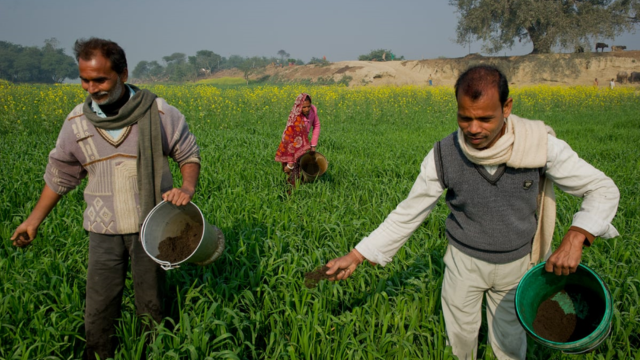
Earth5R recognizes that knowledge is the foundation of sustainable farming. Through farmer training programs, it equips communities with practical composting skills. Workshops cover waste segregation, pit design, and moisture management. Farmers learn by doing, ensuring techniques are retained. This participatory approach transforms awareness into daily practice.
Hands-on demonstrations are conducted directly in villages, making them highly accessible. Earth5R uses field schools where farmers experiment with composting methods under guidance. Trainers explain benefits like soil fertility improvement and reduced dependency on chemicals. Visual learning helps farmers replicate methods independently. This bridges knowledge gaps that often prevent adoption of sustainable practices.
Capacity building also includes peer-to-peer learning, where experienced farmers train others. This creates local champions of composting, multiplying impact across villages. By empowering community leaders, Earth5R ensures continuity even after project completion. These leaders provide ongoing support to neighbors. Knowledge thus circulates within rural networks effectively.
Earth5R incorporates digital tools into its training strategy, such as mobile-based modules and WhatsApp learning groups. Farmers access short guides on composting steps, reminders, and troubleshooting tips. This blend of technology and field learning increases outreach. It helps overcome barriers of literacy and distance. Rural communities stay connected and engaged continuously.
Special focus is placed on women farmers who often manage household waste. Training sessions encourage them to lead composting initiatives within families and communities. Women gain confidence, technical skills, and recognition as change agents. This creates inclusive participation and spreads benefits more widely. Gender-sensitive training strengthens both social and environmental outcomes.
Youth are also engaged through green skill development initiatives. Earth5R motivates young villagers to see composting as both a livelihood and a climate solution. By learning entrepreneurship skills, they market compost locally and generate income. This fosters ownership among the younger generation. Rural youth become ambassadors of sustainability and innovation.
Soil Health Revival: From Depletion to Regeneration
Rural soils across India are suffering from nutrient depletion after decades of chemical fertilizer overuse. Earth5R addresses this urgent issue by restoring organic matter through compost. Adding compost replenishes soil carbon and improves its structure significantly. Farmers see stronger soil texture, reduced erosion, and better water retention. Revived soils directly increase resilience and crop productivity in villages.
Organic compost also promotes microbial diversity, which is the foundation of soil health. Beneficial microbes break down organic matter into essential nutrients naturally. These microbial processes sustain soil ecosystems over the long term. Earth5R teaches farmers to maintain biodiversity while composting locally. Stronger microbial networks make crops more resistant to pests and diseases.
Applying compost improves soil organic carbon, a key element of soil fertility and climate stability. Higher carbon storage prevents nutrient loss and strengthens crop growth. It also captures greenhouse gases, helping farmers contribute to mitigation. Earth5R links composting with climate-smart practices. This approach ensures farms remain productive and climate-resilient simultaneously.
Nutrient balance is another gain from using compost instead of synthetic inputs. Nutrient balance prevents the boom-bust cycle of quick fixes seen with chemicals. Compost releases nutrients gradually, ensuring crops receive steady support. This reduces dependency on external fertilizers and lowers farming costs. Balanced soils secure livelihoods for both present and future farmers.
Soil treated with compost also shows improved water infiltration and storage capacity. Farmers in drought-affected areas especially benefit from stronger soil resilience. The improved structure prevents both waterlogging and excessive runoff. Roots penetrate deeper, absorbing nutrients more efficiently during dry spells. Compost thus safeguards crops against climate extremes naturally and cost-effectively.
Earth5R’s model blends traditional practices of soil care with modern composting science. Farmers learn to revive heritage wisdom while adopting tested innovations. This balance fosters trust and easy adoption among rural communities. Both cultural values and scientific benefits are preserved in practice. Healthy soil becomes both a legacy and a livelihood asset for farmers.
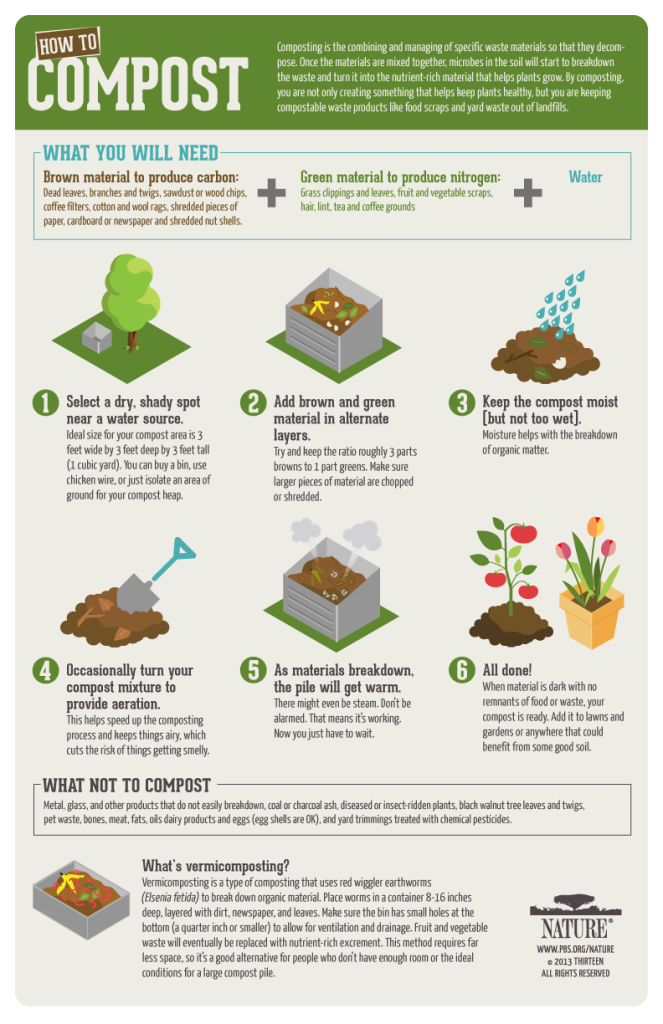
This infographic provides a simple step-by-step guide to making compost using brown materials, green materials, and water. It also explains what not to compost and introduces vermicomposting as an alternative method.
Economic Benefits for Farmers: Lower Costs, Higher Yields
Earth5R’s composting programs reduce farmers’ dependence on chemical fertilizers, which are costly and harmful in the long run. By creating compost from farm waste, expenses on external inputs drop significantly. This allows farmers to save money each season while improving soil quality. Compost also ensures steady nutrient supply for crops naturally. Lower input costs mean higher profitability for small farmers.
The use of compost improves crop productivity by enhancing soil fertility and water retention. Healthier soils enable better root development, leading to higher yields. Farmers notice improved quality in produce such as grains, vegetables, and fruits. Increased yields provide more food security for rural families. Surplus crops also generate income when sold in local markets.
Producing compost locally creates opportunities for micro-enterprises. Farmers can sell surplus compost to neighbors and nearby villages. This additional income supports rural livelihoods and diversifies earnings. Earth5R helps communities build market linkages for sustainable compost sales. Income diversification reduces vulnerability to crop failures and price fluctuations.
Composting also lowers hidden costs linked to poor soil health. Without organic matter, soils degrade, requiring costly restoration efforts. Compost prevents such decline by maintaining fertility year after year. This reduces the financial burden of recovery and input purchases. Farmers benefit from consistent productivity without large-scale interventions. Healthy soil becomes a permanent economic advantage.
Another benefit is reduced spending on pesticides and chemicals. Compost-enriched soils strengthen plant immunity, lowering the need for external treatments. By using natural protection, farmers cut chemical expenses. This shift not only saves money but also improves food safety. Healthier produce gains better value in both local and regional markets.
Earth5R’s programs show that composting is more than an environmental solution. It is a practical economic strategy for rural communities. Lower costs, higher yields, and additional income create a cycle of prosperity. Farmers gain independence from expensive, unsustainable inputs. Composting thus transforms waste into wealth, ensuring long-term rural sustainability.
Environmental Impact: Waste Reduction and Cleaner Villages
Earth5R’s composting programs help reduce organic waste that would otherwise end up in open dumps. In rural areas, unmanaged waste often leads to foul odors, pests, and health hazards. Composting converts this waste into a valuable resource for farmers. Villages become cleaner and more hygienic through waste reduction. Communities enjoy a healthier environment alongside better farming practices.
By lowering the volume of waste burned in the open, composting reduces air pollution. Open burning releases toxic smoke and greenhouse gases that harm health. Earth5R encourages farmers to channel waste into compost pits instead of fires. This prevents respiratory problems common in rural regions. Cleaner air supports both human health and biodiversity.
Composting also reduces pressure on landfills, which are often overflowing and poorly managed. Diverting organic matter lessens the need for costly landfill expansion. Rural communities benefit by managing waste locally without external dependency. This fosters a culture of self-reliance in environmental management. Waste diversion turns villages into models of circular economy practices.
The process of composting lowers greenhouse gas emissions by preventing methane release from decomposing waste. Instead of contributing to climate change, rural waste becomes a climate solution. Earth5R trains farmers to monitor composting conditions for optimal impact. Reduced emissions align village practices with global sustainability goals. Climate-friendly farming emerges directly from everyday composting.
Cleaner villages also mean healthier water systems, as composting prevents runoff of waste into rivers and ponds. This protects freshwater sources from contamination by decaying organic matter. Villagers benefit from safer drinking water and healthier aquatic ecosystems. Preserving water quality supports farming, fishing, and community health together. Environmental gains thus extend far beyond soil alone.
Ultimately, Earth5R’s composting programs prove that environmental protection can start at the village level. Waste reduction, cleaner air, and healthier water create holistic benefits. Rural communities see tangible improvements in quality of life. With composting, sustainability becomes visible and achievable. Earth5R shows that small actions lead to large-scale environmental transformation.
Community Empowerment: Collective Action for Rural Sustainability
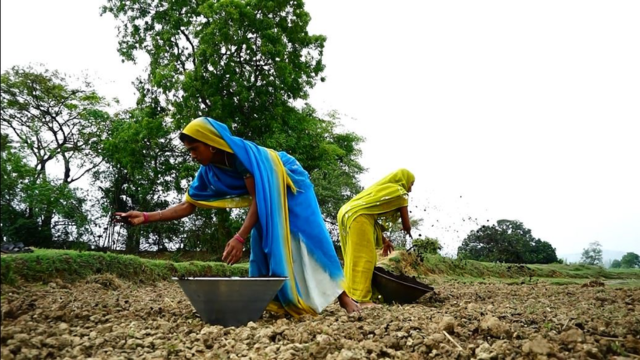
Earth5R understands that sustainability succeeds when communities act together. Through community-driven development, villages unite to manage composting systems collectively. Shared compost hubs encourage resource pooling and teamwork. Farmers, women, and youth all contribute to operations. This collective ownership builds pride and accountability among rural families.
Village composting projects foster social cohesion by bringing people together for a shared goal. Neighbors collaborate on waste collection, segregation, and compost production. These activities strengthen bonds that extend beyond farming tasks. Trust grows as villagers witness collective benefits firsthand. Stronger social ties improve resilience against economic or environmental challenges.
Earth5R supports the creation of self-help groups that manage composting as micro-enterprises. Such groups empower rural women and marginalized communities. Income from compost sales is reinvested into village development. Shared financial gains create long-term motivation to sustain programs. Communities thrive economically while maintaining ecological balance.
Collective composting also promotes participatory governance. Villagers take decisions on waste management, pricing, and distribution democratically. This decentralization reduces dependence on external authorities. Communities become self-reliant and capable of solving local issues. Empowerment grows when people shape their own sustainable futures.
Youth engagement is another cornerstone of Earth5R’s empowerment model. Programs linked to green jobs inspire young people to lead composting initiatives. Training in entrepreneurship and environmental leadership creates new opportunities. Rural youth gain both livelihood and purpose through sustainability. This ensures the next generation carries forward eco-conscious practices.
Ultimately, collective action transforms sustainability into a cultural norm. By embedding composting into community traditions, Earth5R ensures lasting impact. Villagers see waste not as a burden but as shared wealth. Collective pride strengthens motivation for continued environmental stewardship. Rural communities emerge as empowered custodians of sustainability.
Future Outlook: Scaling Composting for Nationwide Impact
Earth5R envisions expanding its composting model across India’s diverse agricultural landscapes. Rural regions generate vast amounts of organic waste, yet much remains unused. By replicating village-level composting hubs, this untapped resource can be transformed into fertility. Scaling such initiatives will multiply environmental and economic benefits. Nationwide adoption would revolutionize rural sustainability practices.
To achieve large-scale transformation, Earth5R works on policy alignment with government schemes. Integrating composting into rural development programs ensures long-term support.
Collaboration with local governance bodies accelerates infrastructure setup. By creating a supportive ecosystem, composting shifts from pilot projects to mainstream solutions. This systemic approach embeds waste-to-fertility practices into rural policy frameworks.
Technology will play a major role in scaling impact. Mobile apps, digital platforms and remote monitoring tools make composting easier to manage. Data-driven insights help track waste collection, compost output, and soil health. Farmers benefit from real-time guidance and digital marketplaces for compost sales. This tech-enabled approach ensures efficiency and scalability nationwide.
Earth5R also focuses on partnerships with corporates and CSR programs. Private sector investment in composting hubs provides funding and resources. Companies benefit through measurable sustainability outcomes and rural engagement. These partnerships expand reach beyond individual villages. Shared responsibility between communities, NGOs, and corporates creates lasting impact.
Education and awareness will drive long-term adoption. By integrating composting into school curriculums and farmer training, future generations grow up eco-conscious. Campaigns highlight the role of waste management in climate and food security. Knowledge dissemination ensures composting becomes common knowledge. As awareness spreads, adoption accelerates across rural and urban areas alike.
Looking ahead, Earth5R’s composting programs offer a blueprint for India’s circular economy. Turning waste into fertility benefits soils, farmers, and entire communities. Nationwide implementation would reduce waste, revive ecosystems, and empower millions. With collective action, India can lead the way in sustainable farming. Composting thus holds the key to a greener, resilient future.
Conclusion: Composting as the Root of Rural Transformation
Earth5R’s composting programs prove that rural sustainability can be achieved through simple yet powerful actions. By turning organic waste into compost, farmers reduce dependency on external inputs. This creates healthier soils, stronger crops, and cleaner villages simultaneously. Such holistic benefits ensure resilience against economic and climate challenges. Composting becomes the cornerstone of sustainable agriculture in rural India.
The environmental impact extends far beyond farms. Reduced air pollution, lower methane emissions, and cleaner water systems transform village ecosystems. Composting directly supports biodiversity and climate action. Earth5R empowers communities to act locally while contributing globally. Rural India thus emerges as a vital player in environmental stewardship.
Economically, composting improves farm profitability while creating micro-enterprises. Farmers save money on inputs and generate income from surplus compost sales. Women and youth gain leadership roles in sustainability projects. Collective ownership ensures shared prosperity within communities. Composting becomes both a livelihood strategy and a social equalizer.
Looking ahead, scaling composting across India could create a massive circular economy shift. With government support, CSR investments, and digital innovation, waste-to-fertility practices can spread nationwide. Earth5R provides a proven, adaptable model for replication. By turning waste into wealth, India can strengthen food security and climate resilience. The future of farming begins with healthy soils built through composting.
Frequently Asked Questions: Turning Waste into Fertility: Earth5R’s Composting Programs Empowering Rural Farmers
What is composting and why is it important for rural farmers?
Composting is the process of decomposing organic waste into nutrient-rich soil. For rural farmers, it reduces dependency on costly chemical fertilizers, improves soil health, and ensures sustainable crop yields. It also helps manage farm and household waste efficiently.
How does composting benefit soil health?
Composting enriches soil with organic matter, improving texture, water retention, and nutrient balance. It also boosts microbial diversity, which supports plant growth naturally. Over time, it restores degraded soils and enhances resilience against pests and climate stress.
What types of waste can be used in composting?
Farm residues, kitchen scraps, animal manure, and garden waste are ideal for composting. Dry leaves, crop stalks, and vegetable peels decompose effectively. Non-biodegradable materials like plastics and glass should never be included.
What composting methods does Earth5R promote?
Earth5R promotes pit composting, vermicomposting, aerobic composting, and community composting hubs. Each method is adapted to local resources and farmer capacity. The organization ensures low-cost, scalable solutions suitable for rural contexts.
How do farmers learn composting techniques through Earth5R?
Farmers receive hands-on training, workshops, and field demonstrations. Earth5R also uses digital tools such as mobile learning groups to provide continuous guidance. Peer-to-peer learning helps farmers share experiences and sustain practices locally.
What role do women play in Earth5R’s composting initiatives?
Women often lead composting practices at the household level. Earth5R empowers them with technical training, recognition, and leadership opportunities. This not only supports environmental goals but also enhances gender equality in rural communities.
Can composting reduce farming costs?
Yes, composting eliminates the need for expensive chemical fertilizers and pesticides. By producing organic manure from waste, farmers save money each season. Surplus compost can also be sold to generate additional income.
Does composting increase crop yields?
Composting improves soil fertility, which enhances crop quality and quantity. Better root development and nutrient supply lead to higher yields. Farmers also benefit from reduced crop losses due to stronger plant immunity.
How does composting help reduce pollution in villages?
By diverting organic waste from open dumping and burning, composting prevents foul odors, air pollution, and groundwater contamination. Cleaner surroundings improve public health and village aesthetics.
What are community composting hubs?
Community composting hubs are shared facilities where villagers collectively process organic waste. These hubs reduce individual costs, create jobs, and generate compost for the entire community. They also promote unity and shared responsibility.
Can composting contribute to climate change solutions?
Yes, composting prevents methane emissions from decomposing waste in dumps and landfills. It also increases soil carbon storage, which helps mitigate greenhouse gases. Thus, composting is both a farming and climate solution.
How does composting affect water conservation?
Soils enriched with compost retain more water and allow better infiltration. This reduces dependence on irrigation in drought-prone regions. Healthy soil also prevents runoff and protects water bodies from contamination.
What economic opportunities arise from composting?
Farmers can create small businesses by selling surplus compost. Community groups can form cooperatives for waste collection and compost production. These activities diversify rural incomes and build financial resilience.
How are rural youth engaged in composting initiatives?
Youth are trained in composting, entrepreneurship, and leadership. Many view composting as a green livelihood opportunity. By marketing compost and leading sustainability campaigns, rural youth become ambassadors of change.
Is composting feasible for small farmers with limited resources?
Yes, composting methods like pit composting require very little investment. Materials can be sourced locally, and labor is minimal. Earth5R ensures that composting models are affordable and adaptable to farmer conditions.
How does composting align with traditional farming practices?
Many rural communities have long used manure and organic residues for soil enrichment. Earth5R integrates this ancestral wisdom with modern scientific composting. This makes adoption easier and builds trust in sustainable methods.
What health benefits does composting bring to rural communities?
By reducing open waste dumps and burning, composting lowers risks of respiratory illness, infections, and waterborne diseases. Villages become cleaner, safer, and healthier places to live.
What role does government support play in scaling composting?
Government policies and rural development programs can provide infrastructure and incentives for composting. When aligned with NGOs like Earth5R, these initiatives reach more farmers and achieve larger environmental impact.
Can composting replace chemical fertilizers completely?
While compost can meet most nutrient needs, some farmers may still use minimal external inputs. However, long-term compost use steadily reduces reliance on chemicals. Many farmers transition toward fully organic farming systems.
What is Earth5R’s vision for the future of composting?
Earth5R aims to scale composting nationwide, integrating it into rural policies, schools, and communities. The goal is to create a waste-to-fertility revolution that strengthens food security, soil health, and climate resilience across India.
Call to Action: Join the Composting Movement
Composting is not just for farmers—it’s a practice every individual can embrace. Whether in a rural village or an urban neighborhood, waste segregation and composting create lasting benefits. By adopting this habit, we reduce pollution, improve food systems, and safeguard natural resources. The power to transform lies in our daily choices.
Earth5R invites communities, corporates, and policymakers to take part in this transformation. Supporting composting initiatives means supporting farmers, soil health, and environmental resilience. Collective efforts amplify impact, ensuring sustainability is shared widely. Together, we can make waste a solution, not a problem.
Change begins with awareness, but it thrives through participation. Schools, self-help groups, and households all play a role in sustaining composting practices. When communities unite, they build stronger, cleaner, and healthier futures. Every small contribution creates a ripple of positive change.
Now is the time to act. Let us commit to nurturing the soil, empowering farmers, and protecting our planet. Composting is more than a technique—it is a movement of hope and responsibility. By joining hands, we can turn waste into fertility and build a sustainable tomorrow.
~Authored by Barsha Sharma