
How Cities Drive National Demand Patterns
India’s urban hubs are reshaping national agriculture, especially in the realm of organic farming. Cities like Mumbai, Bengaluru, and Delhi are seeing rapid adoption of chemical-free produce. This demand is pressuring suppliers to adapt sourcing and logistics to serve a health-conscious demographic. The expansion of farm-to-fork models is a direct outcome of this urban influence.
Recent reports from IMARC Group and Statista show that urban India drives nearly 70% of organic food purchases. Health concerns and environmental awareness have pushed brands like Organic India and 24 Mantra Organic to expand in Tier-1 cities. The APEDA Organic portal also reflects this consumer-led market shift. As awareness grows, state policies too are aligning with metropolitan consumption habits.
Urban consumers now demand full traceability and certified organic sourcing. Platforms like Farmizen, KhetiGaadi, and Krishi Cress are leveraging tech to meet these expectations. These apps offer QR-code verification, real-time farm updates, and direct farmer-buyer interactions. Through digital enablement, city residents are bridging the urban-rural divide and incentivizing more farmers to go organic.
Metropolitan food habits are also influencing crop choices, prompting growers to cultivate quinoa, kale, and avocados. Retailers like Nature’s Basket, BigBasket, and Reliance Fresh are adapting to these trends via real-time analytics. The data they gather guides farmers on seasonality and demand peaks. In this way, city consumer behavior is directly impacting what gets planted across rural India.
Today’s urban buyers also prefer eco-friendly packaging and minimal processing, pushing brands to reimagine logistics. Startups like Zama Organics and Green Tokri are leading this shift with compostable delivery boxes and cold-chain innovations. These brands also use zero-waste models to cater to sustainability-conscious consumers. City preferences are steadily redefining how food is grown, packaged, and transported.
Community-driven efforts like CSA networks and urban farming groups are helping cities become consistent markets for organic producers. Collectives such as SHGs and LocalCircles pre-order directly from farms, ensuring reliable demand. These initiatives reduce middlemen and build trust between rural growers and city buyers. The impact of these grassroots urban efforts is slowly but surely transforming India’s farming ecosystem.
Awareness, Lifestyle Shifts, and Wellness Trends
Urban India is experiencing a shift toward clean eating and chemical-free diets, driven by rising concerns over lifestyle diseases. Consumers in metros like Delhi and Mumbai are turning to organic foods for safer nutrition. These choices are influencing rural production patterns.
Millennials are leading the switch to ethical consumption and organic lifestyles. Social media platforms like Instagram and YouTube are amplifying this shift. Trends like Ayurvedic eating and detox diets have made organic foods more aspirational. City youth now equate wellness with organic living.
The fitness wave sweeping Indian cities is reinforcing the organic trend. Events like Yoga Day, the Fit India Movement, and Ayushman Bharat promote holistic health. This has increased demand for organic supplements and performance-based foods. Urban gyms and wellness spaces are integrating organic choices.
Fear of pesticide exposure, food adulteration, and pollution-linked health risks has raised urban awareness. Campaigns like Eat Right India and India Organic educate consumers about safe food. Brands like Just Organik and Down to Earth provide transparent sourcing. Such awareness influences organic consumption.
Urban residents are embracing mindful eating, veganism, and zero-waste cooking. Platforms like Vegan First promote organic recipes and living. Minimalism is shaping food choices among urban Indians. These values are fueling city-level demand for organic produce.
Workplace wellness is also boosting organic adoption in cities. Corporate wellness programs now include organic meal plans. Cafeterias source from urban farms and community kitchens. Startups are also delivering clean-label food. This trend makes organic living accessible at scale.
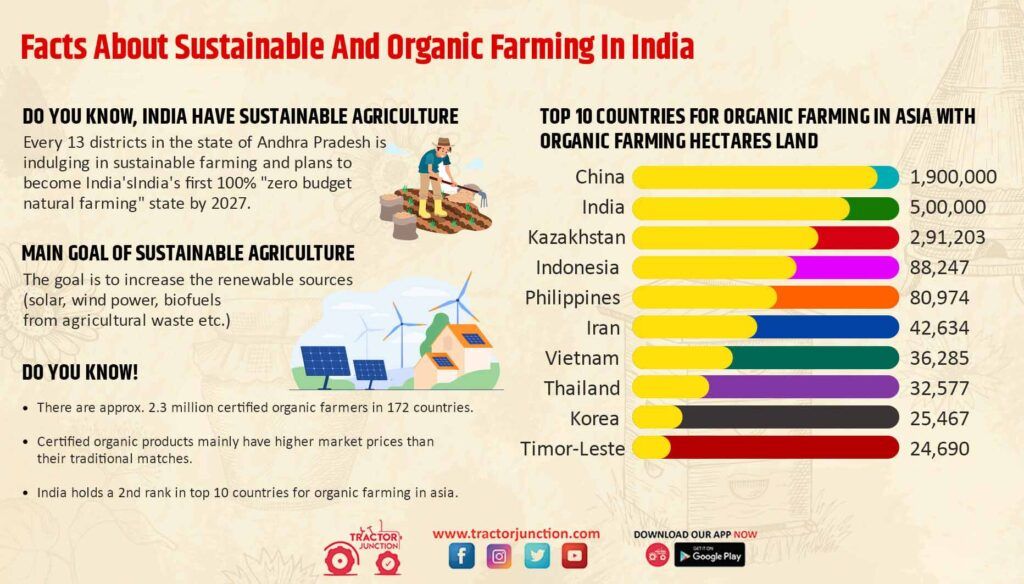
This infographic visually captures the powerful role cities play in transforming India’s organic farming landscape.
It outlines how urban trends, consumer preferences, and grassroots actions are accelerating nationwide shifts toward sustainable agriculture.
Urban Youth and the Green Movement
India’s urban youth are at the forefront of the country’s green revolution, with a rising interest in sustainable living, climate action and ethical food choices. Young professionals are using their spending power to back organic brands and green startups. This generation prefers planet-first diets and conscious consumption.
Platforms like Instagram, YouTube, and LinkedIn are empowering Gen Z and millennials to share eco-conscious content. Influencers promote organic eating as part of a sustainable lifestyle. Urban creators engage followers with plastic-free tips and urban gardening. These digital movements are normalizing organic choices among youth.
Young citizens are joining climate strikes, volunteering with green NGOs, and attending sustainability workshops. They participate in urban farming drives and tree-planting programs. This active engagement builds emotional investment in organic agriculture. Many now see food as part of climate action.
Urban youth are also rejecting fast fashion, processed food, and industrial farming models. They support local produce, farmers’ collectives, and regenerative agriculture. Organic food becomes a stand-in for values like justice, health, and sustainability. This conscious consumption adds long-term demand certainty.
Universities now host sustainability clubs and organic food campaigns. Students learn about carbon footprints and green habits, often implementing urban composting and rooftop gardening projects. These early exposures shape buying patterns in adulthood. City campuses act as breeding grounds for organic thinking.
Youth-led startups are entering the organic food space, selling farm-fresh produce and creating traceability apps. Their innovations include hydroponics, soil-free farming, and subscription-based delivery. These startups blend sustainability with tech, proving that urban youth are both idealists and implementers of the organic vision.
Impact of School and College Programs
Urban schools are introducing students to organic farming concepts through garden projects and eco clubs. Initiatives like School Nutrition Gardens and Young Environmentalists build awareness of natural food systems. Children grow vegetables, compost kitchen waste, and understand soil health. These programs make organic values relatable from a young age.
Many urban colleges now host sustainability festivals, climate clubs, and food activism workshops. Students debate GMOs vs organic, attend farm visits, and promote local sourcing. These experiences shift urban consumption from convenience to conscience. Education now shapes how future consumers think about food.
Colleges in cities like Delhi University, IIT Bombay, and Symbiosis include sustainability in their curriculum. Subjects like environmental studies, sustainable agriculture, and climate policy expose students to India’s organic farming challenges. Field trips to organic farms are often part of their training. These modules blend theory with green practice.
Educational programs also foster green entrepreneurship. Students launch farm-to-home projects, urban gardens, and organic delivery startups. Competitions like Green Hackathons spark sustainable innovation. College incubators support these ideas with funding and mentorship. Urban education becomes a launchpad for India’s green economy.
School partnerships with NGOs like Earth5R, WWF India, and CEE India further strengthen awareness. These groups conduct eco audits, nature camps, and organic food fests. Students interact with farmers and sustainable product creators. Urban classrooms evolve into laboratories for sustainability and responsible food choices.
City-based school boards like ICSE and CBSE now mandate environmental education. Projects often include topics like organic kitchen gardens, zero-waste cooking, and plastic-free living. These assignments reshape food habits at home too. With youth carrying lessons back to families, urban education becomes a key driver of organic demand.
Role of E-Commerce and Home Delivery
India’s growing organic market is being fueled by e-commerce platforms that offer easy access to chemical-free products. Apps like BigBasket, Amazon Fresh, and JioMart have dedicated organic sections. These platforms make it convenient for urban users to shop healthy. Delivery systems now cover even semi-urban zones.
Direct-to-consumer startups like Farmizen, Krishi Cress, and I Say Organic are building strong urban-rural links. They offer fresh produce subscriptions, customized delivery, and real-time sourcing updates. These services often partner with small organic farms. Consumers get traceable food while farmers earn fair prices.
Traceability and trust are key drivers in online organic sales. Platforms use QR codes, farm visit videos, and certification tags to verify authenticity. Urban users rely on reviews and third-party labels. This digital transparency has become essential for repeat purchase decisions.
Logistics innovations now enable same-day organic delivery. Cold chains, reusable packaging, and eco-routes are being tested by players like Zama Organics and Green Tokri. Even Swiggy Instamart and Zepto offer limited organic options. Urban shoppers now expect speed without compromising quality.
Home delivery models are shaping buyer loyalty and increasing consumption frequency. Some companies offer weekly boxes, while others allow full menu customization. Features like delivery slots, farm freshness, and digital payments attract young professionals. These conveniences are turning organic food into a lifestyle staple.
Influencer-driven organic unboxings, recipe blogs, and green gifting have further boosted e-commerce sales. Wellness creators promote subscription kits and DIY grow kits, especially in metros. Urban dwellers prefer personalized and contactless food systems. E-commerce has become the new face of India’s organic revolution.
Influence of Urban Women on Food Decisions
Urban women play a central role in shaping household food choices, especially in metropolitan India. As primary decision-makers, they drive the demand for organic staples, chemical-free produce, and natural snacks. Women-focused groups on Facebook and WhatsApp regularly promote local organic brands.
Wellness-aware mothers are driving purchases of organic baby food, non-toxic utensils, and sugar-free snacks. Brands like Slurrp Farm, Little Moppet, and Tiny Spoons are scaling due to this demand. Online parenting forums frequently recommend organic-first diets. Urban moms are helping normalize organic from infancy.
Women-led housing societies often host organic pop-ups and green bazaars. These events allow direct farmer connections, build community trust, and support local supply chains. Through these neighborhood networks, urban women shape demand in both quantity and quality. Their feedback often guides brand packaging and sourcing.
Influencers like Malika Sadani and Masoom Minawala have amplified awareness around clean-label food and sustainable kitchens. Their content covers label reading, ingredient decoding, and green cooking. Such voices inspire a large urban female audience to switch to organic alternatives.
Urban women are also behind rising demand for organic skincare, eco-cleaners, and non-GMO staples. Brands like Mamaearth, Arata, and Bare Necessities owe much of their growth to female-led communities. Their cross-sector influence blends wellness, health, and sustainability. The shift is not just food-deep—it’s a household-wide transformation.
Women entrepreneurs are launching their own organic ventures in response to growing urban demand. Examples include Happy Roots, OrgTree, and Just Be Mama. These founders use crowdfunding platforms and social commerce to scale. Their insights as consumers shape product design and storytelling. Urban women aren’t just buyers—they’re builders of the organic future.
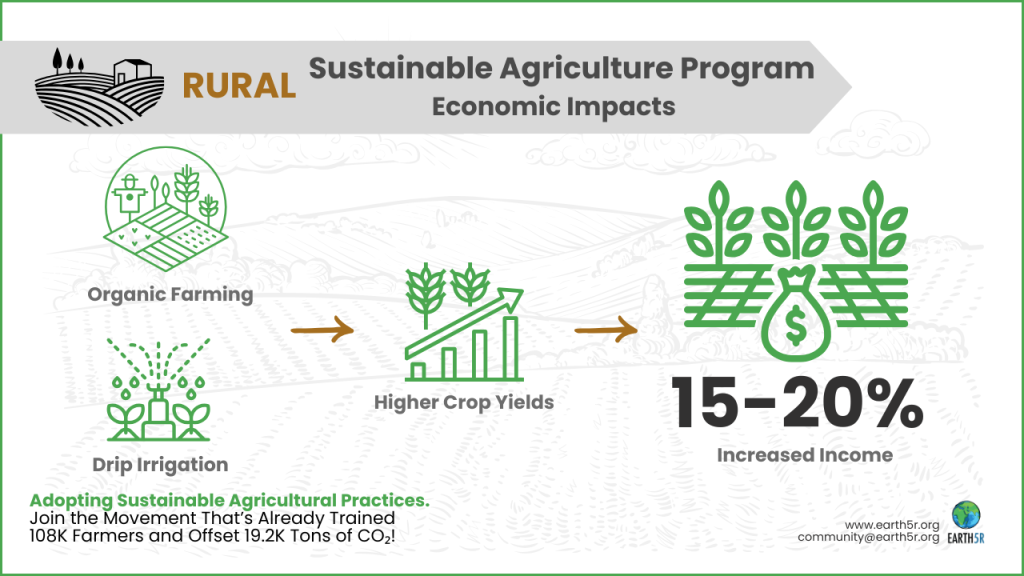
This infographic highlights how urban demand patterns, wellness trends, and consumer choices are transforming India’s organic farming landscape.
It visually connects the dots between city-based influence and rural agricultural growth, underscoring the role of urban India in sustainable food systems.
Farmers Markets and Local Sourcing
Urban farmers’ markets are revitalizing local food systems. Cities like Bengaluru, Mumbai, and Pune host weekend markets that let consumers buy directly from farmers. These events promote trust, freshness, and transparency.
Organized platforms like Organic Farmers Market, Farmers Store, and Farmers’ Share offer urban dwellers access to seasonal, locally grown produce. These venues often include organic grains, artisanal products, and compostable packaging. Urban shoppers support small-scale farmers while avoiding mass-produced alternatives.
Community-supported agriculture (CSA) is also growing in Indian cities. Families sign up for weekly produce boxes, share crop risks, and support sustainable farming. CSA models build farmer relationships and reduce food miles. Urban residents appreciate seasonal awareness and reduced processing.
Some societies now host in-house haats, where farmers sell directly to residents. Initiatives like Earth5R’s circular economy bazaars link urban waste recovery with rural food sourcing. These hyperlocal solutions cut logistics costs and emissions. Urban citizens thus become active contributors to the organic ecosystem.
Restaurants and cafés are now sourcing from local farms. Chefs partner with organic collectives to create seasonal menus. Brands like The Village Shop and Yogisattva serve farm-to-table meals. This strengthens traceability while popularizing local food cultures.
Local sourcing has helped revive indigenous crops, heirloom seeds and forgotten grains. Millets, amaranth, and native greens are making comebacks in urban diets. Movements like the International Year of Millets amplify this return to local. Farmers markets are proving that sustainability begins with proximity.
Urban CSR Projects Supporting Rural Farms
Corporate social responsibility (CSR) in urban India is increasingly funding sustainable agriculture. Companies like Tata Trusts and Mahindra support organic training, soil health projects, and water-efficient farming. These partnerships bridge city wealth with rural resilience. Urban offices fund programs that grow chemical-free food.
CSR funds often support Farmer Producer Organisations (FPOs), helping them access organic certification, cold storage, and digital platforms. Urban industries also sponsor seed banks, composting units, and drip irrigation systems. These infrastructural boosts help small farmers scale organic practices.
Programs like Earth5R’s Zero Waste Farm Model align CSR with circular economy principles. Urban volunteers train farmers in bio-composting, wastewater reuse, and organic pest management. Companies track impact through dashboards. Such collaborations make corporate giving more accountable and visible.
CSR-supported digital tools help farmers improve yields. Apps like Khetibuddy, AgriBazaar, and Farmonaut offer weather alerts, crop calendars, and soil analytics. Urban-funded incubation programs also support agritech startups that serve organic farmers. This digital empowerment reduces dependency on middlemen. Urban tech thus becomes a rural asset.
Education-based CSR is rising too. Programs by Infosys Foundation, Biocon Foundation, and ITC Mission Sunehra Kal offer training camps, toolkits, and field demonstrations. These initiatives educate farmers about organic transitions. Urban funds help build rural skill capital.
Urban CSR often incorporates employee volunteering where staff visit farms, plant trees, and co-develop eco-enterprises. This deepens corporate engagement with sustainability. Companies report SDG-linked impact, especially around climate action and zero hunger. Urban CSR is proving vital in greening India’s agricultural future.
The Power of Urban Influence on Policy
Urban citizens play a pivotal role in influencing agricultural policy reforms. Their preferences for organic produce, label transparency, and chemical-free diets are pushing lawmakers to support sustainable farming. Urban pressure groups and petitions have begun to shape national food priorities.
Campaigns like Eat Right India, Safe Food Movement, and Right to Safe Food have gained ground due to urban participation. Citizens use platforms like Change.org and Jhatkaa to demand pesticide bans and better farm support. These grassroots digital movements create visible pressure on regulators.
Urban influence helped launch National Program for Organic Production (NPOP) and Participatory Guarantee Systems (PGS). Consumer demand led to clearer organic certification norms. FSSAI’s Jaivik Bharat logo now helps buyers identify genuine organic products. This alignment between policy and consumer behavior is largely urban-led.
City municipalities are now integrating urban agriculture into planning. From rooftop farms to composting policies, urban governance reflects eco-conscious residents. Some cities provide subsidies for organic terrace gardening. These shifts open up new policy landscapes.
Urban voting blocs, media pressure, and consumer advocacy influence parliamentary debates on agriculture budgets, seed laws, and chemical fertilizer subsidies. Activists in cities write op-eds, organize forums, and drive panel discussions. This persistent lobbying amplifies rural needs at the national level.
Think tanks like Centre for Science and Environment (CSE), TERI, and CPR India often rely on urban civil society data. Urban academicians contribute to organic farming whitepapers, impact studies, and citizen reports. These knowledge flows guide policy design with grounded, people-led insights.
Mobilising Cities as Allies for Organic Growth
Urban India holds the power to accelerate organic farming adoption. With cities influencing national consumption, their alignment with sustainable food systems can drive rural transformation. Municipalities and civil groups can localize the organic revolution, making it part of everyday urban life.
City governments can integrate urban farming policies, organic waste composting, and green incentives into their sustainability missions. Smart City projects like in Pune and Ahmedabad now include local sourcing targets. Such frameworks can formalize demand for organic produce.
Businesses can join hands through corporate partnerships, green procurement, and employee wellness programs. Restaurants can commit to farm-to-fork sourcing, while retail chains stock more certified organic SKUs. Urban industry can shift from passive buyer to active enabler.
Educational institutes can embed organic themes into curriculum and campus practices. From kitchen gardens to zero-waste cafeterias, students can learn by doing. Youth networks like Fridays for Future and Green Yatra can support rural campaigns. Urban classrooms can shape India’s next generation of organic champions.
Citizen-led groups are key to scaling action. From community composting to weekly organic haats, local initiatives generate impact from the ground up. Platforms like Brown Living and Ketto allow collective fundraising for farm transitions. Urban households can support one farm at a time.
To scale national impact, cities must lead with innovation and empathy. Policies like Green India Mission and Startup India can fuel urban-rural synergies. Earth5R’s Citizen Science platform shows how data, volunteers, and purpose-driven action can transform food systems. When cities act, villages thrive. The future of Indian agriculture lies in this interlinked ecosystem.
Conclusion: Why Urban Consumers Hold the Key to India’s Organic Farming Success
Urban India is no longer just a consumer—it’s a catalyst for agricultural reform. The shift toward organic food consumption, sustainable choices, and eco-conscious shopping is shaping what Indian farmers grow. By choosing chemical-free produce, urban citizens are transforming food systems from the ground up.
Initiatives like urban farmers’ markets, school gardening programs, and community composting are closing the rural-urban divide. Each local effort contributes to food traceability, waste reduction, and soil restoration. Cities have become incubators of India’s organic future.
Young professionals, women entrepreneurs, and eco-influencers are amplifying awareness. Through e-commerce platforms, green education, and corporate volunteering, cities are weaving organic into everyday life. These networks make sustainability accessible and aspirational.
For organic farming to flourish, we must treat cities as collaborators, not consumers. With strong urban demand, policy pressure, and CSR engagement, rural organic transitions become scalable. The path to a healthier, more equitable food system starts in homes, schools, and marketplaces. In every conscious urban act lies the seed of India’s agricultural transformation.
Frequently Asked Questions: Why Urban Consumers Hold the Key to India’s Organic Farming Success
What role do urban consumers play in promoting organic farming in India?
Urban consumers shape demand trends, influence policies, and support sustainable agriculture through their food choices, making them crucial allies for organic farming.
Why is organic food gaining popularity among city dwellers?
Rising health awareness, concerns over chemical residues, and the desire for sustainable lifestyles are driving urban Indians toward organic food consumption.
How do urban schools contribute to organic awareness?
Many schools run kitchen gardens, eco-clubs, and environmental education programs that introduce children to organic farming and sustainable food practices early on.
What impact do college students have on organic agriculture?
Through sustainability clubs, field visits, and green entrepreneurship, college students promote organic values and influence their peers and communities.
How is e-commerce shaping the organic food industry in India?
E-commerce platforms provide easy access to certified organic products, offer convenience, and build trust through traceability and home delivery systems.
Are there startups focused on organic food delivery in cities?
Yes, startups like Farmizen, I Say Organic, and Krishi Cress deliver fresh, traceable organic produce directly from farms to urban consumers.
How do urban women influence the organic movement?
As primary decision-makers in food purchases, urban women drive demand for organic baby food, sustainable cooking, and chemical-free household products.
What are farmers’ markets, and how do they support organic farming?
Farmers’ markets connect urban consumers directly with organic farmers, promoting transparency, fair pricing, and seasonal, local food consumption.
Can community-supported agriculture (CSA) work in Indian cities?
Yes, CSA models are growing in cities like Bengaluru and Pune, where households subscribe to weekly organic produce boxes sourced from local farms.
How are restaurants supporting organic sourcing?
Urban restaurants and cafes are collaborating with local organic farms to offer seasonal, farm-to-table menus that appeal to health-conscious consumers.
Do urban CSR projects support organic farming?
Corporate social responsibility initiatives often fund organic training, infrastructure, digital tools, and rural outreach programs to empower small farmers.
Which companies are leading CSR support for organic agriculture?
Organizations like Tata Trusts, Mahindra, Infosys Foundation, and Earth5R are known for supporting sustainable farming through urban CSR contributions.
Can urban residents influence agricultural policy?
Yes, through petitions, advocacy campaigns, and voting power, urban citizens play a major role in pushing for clean food policies and sustainable agriculture.
What is the Jaivik Bharat logo?
It’s a certification mark by FSSAI that helps consumers identify authentic organic food products across retail and e-commerce platforms.
How do municipal policies support urban agriculture?
Some city administrations offer subsidies for rooftop farming, composting, and local food sourcing as part of smart city and sustainability initiatives.
Are urban students learning about organic farming in their curriculum?
Yes, subjects like environmental studies now include sustainability, food systems, and organic agriculture, especially in CBSE and ICSE schools.
What is the role of urban influencers in promoting organic living?
Social media influencers raise awareness on clean-label food, composting, urban gardening, and organic shopping, influencing large online audiences.
How do women entrepreneurs contribute to organic growth?
Women-led startups are launching organic food brands, wellness products, and green marketplaces that expand access to sustainable alternatives.
Can urban demand revive traditional Indian crops?
Yes, the growing interest in local, organic, and indigenous foods is helping revive forgotten grains like millets, amaranth, and native rice varieties.
How can city residents support organic farming directly?
By buying from farmers’ markets, subscribing to CSA boxes, reducing food waste, and advocating for eco-friendly policies, urban dwellers can make a big difference.
Call to Action: Why Urban Consumers Hold the Key to India’s Organic Farming Success
If you’re an urban consumer, your food choices matter more than you think. Each time you choose organic, local, or chemical-free produce, you’re not just buying healthier food—you’re supporting a movement that strengthens rural livelihoods and protects the environment. The ripple effect of your plate extends to the farm, the soil, and even national policy.
Start by being more mindful of where your food comes from. Visit your local farmers’ market, talk to producers, and support community-supported agriculture programs. Join neighborhood composting efforts or even grow your own herbs and vegetables in your balcony garden. These small shifts, when adopted widely, create a powerful collective momentum.
Businesses and institutions must also step up. Restaurants, schools, offices, and housing societies can commit to sustainable procurement, waste reduction, and farmer partnerships. Corporate support, both financial and volunteer-based, can bring long-term transformation to organic farming ecosystems across India.
The future of organic farming doesn’t lie in distant villages alone—it’s deeply connected to how cities eat, shop, and act. Let’s use our influence wisely. By making informed food choices and supporting grassroots change, urban India can become a true ally in building a healthier, more sustainable agricultural future. The time to act is now.
~Authored by Barsha