
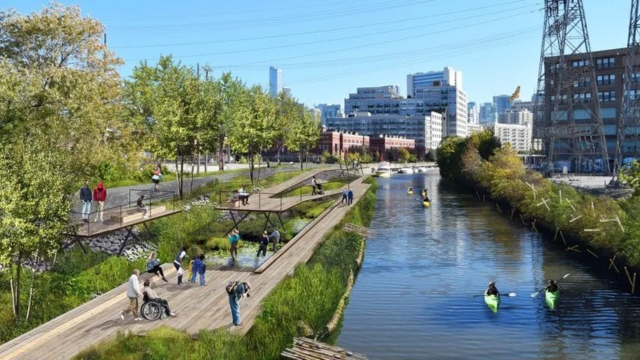
The Urban Rain Crisis: Why Stormwater Management Matters
Urban rainfall, once considered a blessing, has become a challenge due to poor stormwater management. Rapid urbanization replaces natural soil with concrete surfaces, reducing infiltration and increasing runoff. This uncontrolled water overwhelms drains, triggering flash floods and eroding riverbanks. Rivers like the Mithi in Mumbai now carry stormwater mixed with sewage, causing heavy pollution.
The absence of effective urban planning worsens this crisis in many developing nations. Cities like Bengaluru and Chennai witness yearly flooding due to blocked wetlands and drains. The rainfall that once recharged aquifers becomes surface runoff carrying pollutants downstream. Added to this, climate change increases the intensity of rainfall events. Without interventions, urban rivers will face worsening floods and contamination.
Unmanaged stormwater is a growing public health concern. Rain carries waste, plastics and chemicals into rivers, contaminating water bodies. In Delhi, untreated sewage mixes with rainwater and pollutes the Yamuna. Stagnant water fosters mosquito-borne diseases like dengue and malaria. On top of this, waterlogging disrupts urban transport and damages infrastructure. The combination of health risks and infrastructure collapse reflects systemic failure in stormwater management.
The economic costs of ignoring stormwater are enormous. Floods in Indian metros destroy homes, businesses, and livelihoods every year. The 2015 Chennai floods demonstrated the price of poor planning. Businesses face downtime, supply chains break, and families lose assets. Weak infrastructure resiliencemagnifies the impact, forcing governments to spend heavily on recovery. In contrast, preventive stormwater solutions are more cost-effective and sustainable.
Social equity is also tied to the stormwater crisis. Vulnerable communities suffer most from urban flooding, often living near polluted drains or encroached riverbanks. The Cooum in Chennai shows how poor populations face unsafe conditions daily. Lacking basic drainage, these communities are more exposed to hazards. Meanwhile, wealthier neighborhoods build private drainage systems, deepening inequality. Stormwater management must be inclusive, ensuring protection for all sections of society.
Globally, cities are embracing sustainable water management. Singapore and Australia lead with blue-green solutions that capture and reuse rainwater. Indian cities still depend on outdated drainage networks designed decades ago. According to UN-Habitat, stormwater should be treated as a resource, not waste. Shifting toward this vision is essential to revive rivers and build climate-resilient cities.
From Rooftops to Rivers: Harnessing Rainwater for City Revival
Rooftop rainwater harvesting is a simple yet powerful tool for reviving urban rivers. By diverting rain into storage tanks or recharge wells, households reduce strain on storm drains. This prevents urban runoff from carrying pollutants into rivers. Cities like Delhi and Pune show how rooftop systems protect rivers and replenish water.The hydrological link between rooftops and rivers is critical but overlooked. Rain on impervious surfaces
quickly runs off instead of recharging aquifers. When collected, it feeds groundwater reserves that sustain river flows. In Hyderabad, water tables improved after widespread rooftop harvesting. Such interventions demonstrate that sustainable water use directly revives ecosystems.
Case studies across India emphasize rooftop harvesting’s potential. Chennai’s mandate boosted aquifer recharge, ensuring better water security. Jaipur’s heritage systems still guide sustainable practices today. Delhi schools use rooftops for water storage and awareness campaigns. International models like Singapore integrate harvesting into stormwater planning. These diverse efforts confirm adaptability across cultures and climates.
Decentralized systems complement larger water storage projects effectively. While reservoirs and lakes remain vital, rooftop solutions reduce reliance on massive infrastructure. They are cheaper than new damsand require minimal maintenance. Collective rooftop collection turns neighborhoods into urban catchment. This distributed approach builds resilience against both drought and flooding. Every rooftop becomes a functional water contributor.
Community engagement ensures long-term success of rooftop harvesting. Groups like Earth5R and Safe Water Network guide citizens in building recharge pits. In Bengaluru, apartments maintain collective tanks, reducing municipal water demand. Local action enhances water conservation awareness and ownership. Active participation ensures systems are maintained and effective. Rooftop harvesting thus fosters responsibility alongside sustainability.
The impact of rooftop harvesting accumulates across cities. It reduces stormwater pollution, protects rivers, and recharges aquifers that sustain base flows. As a climate adaptation measure, it strengthens resilience against water scarcity. Over time, this decentralized approach transforms cities into water-positive hubs. From rooftops to rivers, harvesting every drop secures ecological and social balance. The results show that urban sustainability begins at home.
Traditional Rainwater Harvesting Techniques Making a Comeback India’s history is rich with ingenious rainwater harvesting systems designed for dry climates. Structures like stepwells in Gujarat, johads
in Rajasthan, and baolis in Delhi captured rain for year-round use. These community-driven designs were eco-friendly and culturally significant. Unlike modern drains, they promoted groundwater recharge. Today, urban planners are rediscovering their relevance in sustainable water management.
Johads have shown extraordinary potential in reviving rivers. In Alwar, Rajasthan, johads built by villagers helped rejuvenate the Arvari River. These earthen structures trap rain and allow slow percolation into soil. They are low-cost, built with local materials, and require minimal maintenance. As UNESCO notes, such traditional wisdom is crucial for water resilience. Their revival proves that small-scale efforts can create large ecological impacts.
Stepwells represent another marvel of traditional harvesting. Besides storing rain, they served as social and cultural spaces. Cities like Ahmedabad preserved stepwells that highlight water’s central role in urban life. With rising demand, experts suggest adapting stepwells for urban recharge. Their design naturally cools the environment, mitigating urban heat islands. Reviving them can therefore address both water and climate challenges simultaneously.
Temple tanks were once the lifeline of southern Indian cities. In Madurai, temple tanks provided both drinking water and spiritual value. These tanks captured monsoon rains, sustaining aquifers and local rivers. Unfortunately, many fell into neglect due to urbanization. Current restoration projects are proving successful, reviving not only water security but also cultural pride. Such structures showcase community ownership of water resources.
Check dams and anicuts have also made a comeback in rural-urban fringes. These small barriers slow down rainwater, allowing groundwater recharge and soil protection. In Andhra Pradesh, anicuts improved agricultural productivity and stabilized rivers. FAO highlights them as cost-effective and sustainable. Urban areas are now adopting smaller versions for stormwater control. They provide long-term solutions to recurring floods and droughts.
Blending traditional wisdom with modern innovation creates robust systems. Cities can integrate ancient water tanks with smart monitoring for efficient water use. These approaches align with SDG 6 on clean water and SDG 11 for sustainable cities. Reviving traditional structures strengthens resilience while preserving heritage. They demonstrate that climate adaptation does not always require expensive technology. Sometimes, old solutions offer the most sustainable path forward.
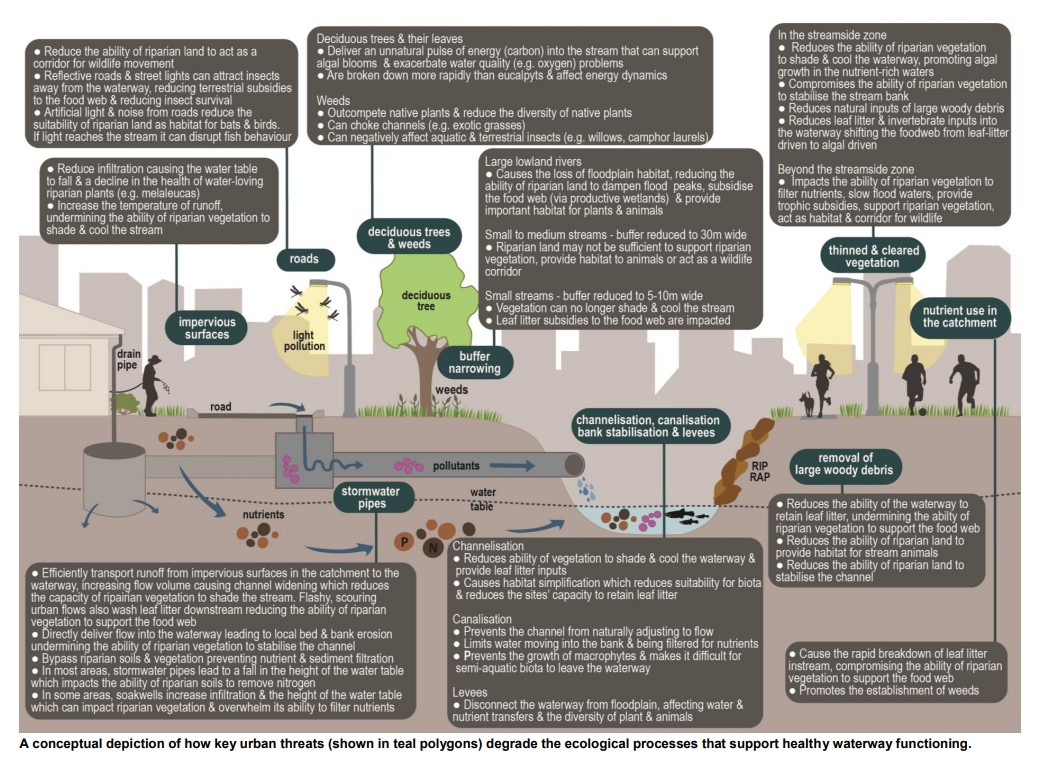
This infographic explains how urban threats—like impervious surfaces, stormwater pipes, light pollution, and channelisation—disrupt natural waterway processes. It shows how these pressures weaken riparian vegetation, reduce biodiversity, and destabilize river ecosystems
Modern Innovations in Urban Rainwater Capture
Modern rainwater capture relies on smart design and technology to handle urban floods. IoT-based tanks now monitor water levels in real time, while permeable pavements allow water to seep into the soil. Cities are adopting bioswales, rain gardens, and vegetated channels for runoff absorption. Singapore pioneered integrating rainwater into public spaces. Such innovations reduce flooding while improving urban aesthetics and livability.
Global leaders show how rainwater innovations can scale effectively. Melbourne applies water-sensitive urban design to integrate rainwater into city planning. Portland uses green streets to capture stormwater, improving drainage capacity. New York City has built rooftop capture systems across schools and institutions. Copenhagen relies on blue-green infrastructure to reduce flooding. These models highlight the importance of policy and technology synergy.
In India, new approaches are transforming stormwater management. Chennai’s recharge wells mitigate flooding while replenishing aquifers. Bengaluru residents use rooftop tanks with filtration systems for reuse. Pune’s municipal policy has made rainwater harvesting mandatory in new buildings. Delhi Metro stations capture and reuse rainwater. These decentralized solutions are reducing dependency on municipal supplies.
Technological innovation also enables predictive water management. AI-based forecasting estimates rainfall trends for better storage design. Satellite mapping identifies recharge potential across urban zones. Smart sensors track groundwater levels in real time. GIS tools map runoff hotspots, helping design targeted interventions. With these tools, cities can optimize capture efficiency. Data-driven systems are ensuring rain is managed as a resource, not waste.
Economic viability supports widespread adoption of modern capture systems. Though initial costs of green roofs and pervious pavements are high, long-term savings from reduced flooding are significant. World Bank studies confirm resilience investments are more cost-effective than post-disaster recovery. Corporate CSR initiatives are funding large-scale harvesting in industrial zones. Smart Cities Mission integrates these methods for climate adaptation. Investments yield both ecological and financial returns over time.
Modern innovations combine design, data, and community participation. Rain gardens create green spaces that absorb stormwater pollution. Blue-green corridors provide drainage and biodiversity together. Integrating solar rooftops with harvesting maximizes urban resource efficiency. These innovations align with SDG 11 for sustainable cities. Ultimately, urban resilience requires not just capturing rain but designing cities to live with it.
Earth5R’s Citizen-Led Rainwater Harvesting Projects
Earth5R has pioneered citizen-driven environmental projects that empower local communities to manage water sustainably. In Mumbai, the NGO trained residents to build rooftop harvesting systems that redirect rain into underground tanks. These models reduce waterlogging while increasing household water security. Inspired by UN-Habitat’s community-led programs, Earth5R emphasizes local ownership. This citizen engagement ensures rainwater harvesting is inclusive and scalable.
Local action drives Earth5R’s success across Indian cities. In Pune, communities adopted recharge pits in housing societies to reduce groundwater stress. Chennai’s recharge well initiatives influenced Earth5R’s methodology for flood mitigation. In Bengaluru, citizen participation reduced reliance on municipal supplies. By integrating MoHUA’s Smart Cities framework, Earth5R demonstrates that decentralized approaches strengthen resilience.
The NGO also focuses on education for sustainability. Through workshops and training, citizens learn to design simple harvesting structures. School engagement programs introduce rainwater literacy at an early age. Volunteers document water-saving practices and share findings on open-source platforms. Earth5R leverages CSR partnerships to scale such initiatives. This knowledge ecosystem builds capacity for widespread adoption of urban rainwater capture.
Earth5R integrates harvesting with broader ecosystem restoration. In projects along the Mithi River, rainwater harvesting combines with river cleanup to reduce pollution loads. Community rain gardens slow down runoff and filter contaminants. Recharge pits near wetlands enhance groundwater replenishment. Inspired by blue-green infrastructure models, these initiatives show how water solutions are interconnected. Harvesting thus becomes a tool for holistic urban resilience.
Scalability is achieved by combining digital platforms with local action. Earth5R’s Citizen Data app records water quality, storage, and recharge impacts in real time. The data is integrated with GIS mapping to identify priority zones for harvesting. Smart sensor integration enables efficiency tracking. Inspired by World Bank’s water resilience projects, Earth5R ensures decisions are evidence-driven. This digital-civic synergy sets benchmarks for participatory water management.
Ultimately, Earth5R’s rainwater projects prove the power of people-led transformation. By integrating SDG 6 on water with SDG 11 on sustainable cities, the NGO makes global goals locally actionable. Harvesting reduces urban flooding risks while strengthening water security. Community ownership models make initiatives self-sustaining. As climate threats intensify, Earth5R demonstrates how empowered citizens can lead a rainwater renaissance.

How Rainwater Harvesting Reduces Flooding and Pollution
Uncontrolled rainwater runoff is a major driver of urban flooding, especially in densely built cities. When heavy rainfall flows over concrete surfaces, it overwhelms stormwater drains and causes inundation. By redirecting rain into recharge wells and tanks, harvesting reduces peak flows. Studies on water-sensitive urban design confirm its role in preventing waterlogging. This lowers economic losses while improving resilience to climate extremes.
Rainwater harvesting also tackles the pollution crisis in rivers and lakes. Runoff from roads carries oil, plastics, and heavy metals directly into waterways. By capturing water at the source, pollutants settle before reaching urban rivers. Constructed wetlands and rain gardens filter sediments naturally. This reduces eutrophication risks while restoring aquatic biodiversity. Clean water flows improve ecological health and community well-being.
Flood risks are further reduced when cities integrate harvesting with permeable pavements. These surfaces allow rain to infiltrate rather than run off. Green roofs store rainfall temporarily, reducing load on drains. Retention ponds help regulate flows during peak rainfall events. Together with blue-green infrastructure, harvesting creates layered protection against urban flooding. These measures ensure cities remain liveable even under extreme rainfall.
Harvesting also strengthens groundwater recharge, reducing pressure on over-extracted aquifers. By capturing stormwater, recharge pits and wells replenish declining water tables. This provides reliable reserves for dry seasons. World Resources Institute reports show cities with harvesting face fewer water shortages. Cleaner recharge water also lowers treatment costs. Thus, pollution reduction and resource conservation go hand in hand.
Economic impacts are significant as well. By preventing flooding, harvesting saves on disaster recovery expenses. Health costs decline when contaminated water is prevented from mixing with drinking supplies. Cleaner rivers reduce sewage treatment burdens on municipalities. Industries benefit from sustainable water sources. Studies confirm these benefits make harvesting one of the most cost-effective resilience strategies.
Ultimately, rainwater harvesting builds cities that are safer, cleaner, and climate-ready. It reduces urban heat island effects by enhancing vegetation and groundwater recharge. Cleaner water supports biodiversity in wetlands. By aligning with SDG 13 on climate action and SDG 6 on clean water, harvesting creates multi-sector benefits. As more cities embrace this approach, it becomes clear that stormwater is not waste—but a resource to revive rivers.
Building Blue-Green Infrastructure for Rain-Ready Cities
Blue-green infrastructure blends natural systems with engineered designs to manage rainwater sustainably. Unlike traditional grey drains, it combines wetlands, parks, and rain gardens with smart stormwater channels. Cities like Copenhagen and Singapore show how rivers can be revived through design innovation. This approach restores ecosystems while improving urban resilience.
A central feature is the use of bioswales that capture and filter runoff. They slow stormwater, removing pollutants before it enters rivers. Tree canopies and urban forests intercept rainfall, reducing erosion. Permeable pavements enhance infiltration beneath city streets. These nature-based solutions align with sponge city principles pioneered in Asia.
Green roofs play a transformative role in water-sensitive design. They absorb rainfall, reduce runoff, and improve thermal regulation. By lowering demand on sewage systems, they reduce flood risks during peak storms. Cities like Berlin and Toronto mandate green roof policies. When linked with rainwater tanks, they create decentralised water storage hubs. This networked system transforms rain into a usable resource.
Water plazas are another innovation reshaping stormwater resilience. In Rotterdam, public squares double as temporary reservoirs during rain. They provide recreation in dry seasons and flood storage in wet ones. Retention ponds and constructed wetlands work similarly, balancing flows. Community parks designed for water retention enhance biodiversity. This dual-use model saves land while addressing stormwater challenges.
Integrated blue-green corridors reconnect fragmented waterways. Revived urban streams improve drainage while creating ecological habitats. River restoration projects show how flow pathways can be re-naturalised. Pedestrian-friendly greenways double as floodways during peak rainfall. By linking wetlands, canals, and parks, cities create resilient water networks. Such corridors enhance mobility, biodiversity, and flood safety simultaneously.
The long-term benefit lies in creating cities that mimic natural hydrological cycles. Blue-green designs cool microclimates, mitigating urban heat islands. They recharge groundwater reserves while filtering pollutants. World Economic Forum highlights them as cost-effective climate resilience measures. By embracing this vision, cities can transform rainfall from a threat into an asset.
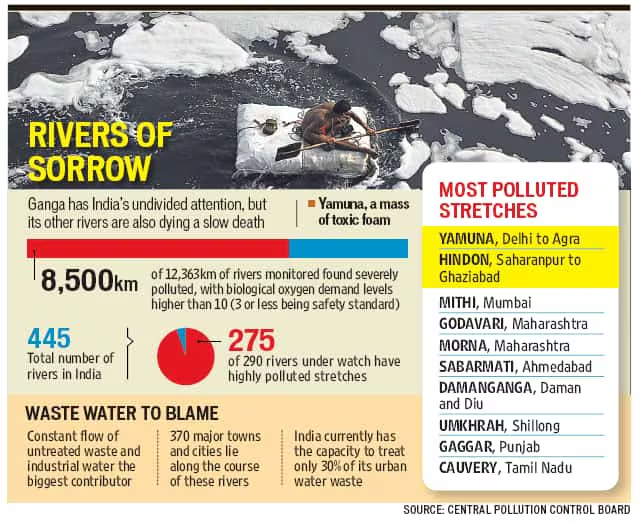
This infographic highlights how cities are harnessing rainwater to revive urban rivers and strengthen water security. It visually explains the link between community-driven conservation, CSR support, and sustainable city ecosystems.
Earth5R’s Partnerships for Large-Scale Rainwater Management
Scaling urban rainwater harvesting requires multi-stakeholder partnerships. Earth5R collaborates with municipal corporations to integrate harvesting into city planning. By working with UN-Habitat and ICLEI, it ensures global best practices are applied locally. Corporate partners such as Tata Group and Infosys support CSR-led water resilience projects. These alliances amplify impact beyond pilot scales.
A strong model comes from public-private partnerships where corporations fund community infrastructure. Earth5R channels CSR funds into rainwater recharge systems. Partnerships with schools and universities ensure student involvement in project maintenance. Collaboration with housing societies builds ownership at neighborhood levels. These networks create long-term sustainability in urban rain projects.
Water utilities are vital allies in scaling. Earth5R works with state water boards and urban development departments to embed rainwater harvesting into infrastructure blueprints. Joint projects with GIZ and World Bank bring financing and expertise. Community water audits assess gaps and guide investment priorities. By aligning with utilities, projects shift from voluntary to systemic.
Technology partnerships accelerate innovation. Earth5R links with IITs and research institutes for sensor-based monitoring. IoT devices track groundwater recharge in real time. GIS mapping identifies priority zones for interventions. Collaborations with startups bring affordable water tech to communities. These tools make harvesting measurable, transparent, and scalable.
Earth5R also unites citizen groups and NGOs for advocacy. Joint campaigns with WWF and IUCN spread awareness about rainwater harvesting benefits. Workshops train residents in maintenance and monitoring. Partnering with media outlets ensures public visibility for projects. This civic engagement builds momentum for citywide adoption.
Ultimately, these partnerships redefine urban water governance. By combining policy support, CSR funding, citizen participation, and green technology, Earth5R creates scalable models of water resilience. This synergy transforms fragmented initiatives into unified frameworks. As cities face intensifying rainfall extremes, collaborative rainwater management becomes a pathway to resilience.
Policy and Incentives Driving Urban Rainwater Adoption
Urban rainwater harvesting gains momentum when backed by robust policy frameworks. India’s National Water Policy highlights decentralized solutions to address water scarcity. Cities like Chennai pioneered mandatory rooftop harvesting for all buildings. Bangalore introduced similar measures to protect fast-depleting aquifers. Such regulations establish clear pathways for urban sustainability.
Financial incentives strengthen adoption across households and industries. Pune offers tax rebates to encourage rooftop water storage. Hyderabad provides financial relief for installing recharge pits in residential plots. Delhi Jal Board subsidizes rainwater infrastructure to reduce dependence on groundwater. Globally, Singapore’s PUB showcases how tariffs encourage efficiency. These incentives transform conservation into a financially viable choice.
Government programs embed rainwater solutions into city planning. The Smart Cities Mission mandates water-sensitive design in infrastructure projects. AMRUT integrates harvesting in sewerage and drainage upgrades. The National Mission on Sustainable Habitat emphasizes resilient blue-green networks. Support from UNDP and ADB funds pilot projects in Indian metros. Such programs ensure rainwater management aligns with climate adaptation strategies.
Legal mandates ensure compliance and accountability. The National Building Code prescribes harvesting requirements for new constructions. Maharashtra and Tamil Nadu enforce compulsory installations in housing approvals. Karnataka penalizes non-compliant properties with fines. Internationally, Australia’s WSUD integrates harvesting into urban design. These frameworks standardize water-sensitive practices across cities.
Community engagement amplifies policy effectiveness. Resident welfare associations enforce compliance at neighborhood levels. Community water audits empower citizens to track harvesting efficiency. NGOs like CSE India provide grassroots training on affordable techniques. Universities contribute data and research on system performance. Citizen-driven participation transforms enforcement into long-term stewardship.
Future policies will link incentives to sustainability rewards. Carbon credits may recognize rainwater harvesting as a climate-positive action. Green bonds can finance large-scale harvesting infrastructure. Corporate partnerships will expand adoption through CSR funding. UNFCCC adaptation goals encourage global policy alignment. This shift makes rainwater capture a driver of climate-resilient urban governance.
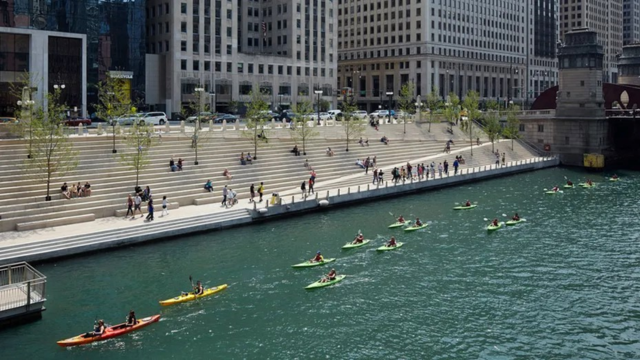
The Future of the Rainwater Renaissance in Climate-Resilient Cities
The future of rainwater harvesting lies in integrating it with climate-resilient planning. As rainfall patterns become erratic due to climate change, cities must adapt with storage-ready infrastructure. UN-Habitat emphasizes water-sensitive urban design to combat urban droughts. ICLEI supports municipalities with global frameworks for resilience. Future cities will depend on capturing every drop to ensure long-term water security.
Technology will redefine how rainwater is collected, stored, and distributed. IoT-enabled sensors can monitor harvesting efficiency in real-time. GIS mapping helps identify recharge zones across urban landscapes. Artificial intelligence can predict rainfall for optimized storage planning. Smart meters ensure efficient distribution of harvested water. Cities embracing digital tools will transform harvesting into a precision-driven climate solution.
Blue-green infrastructure will form the backbone of climate-ready urban ecosystems. Urban wetlands will act as natural sponges for stormwater retention. Green roofs will reduce runoff while cooling urban heat islands. Permeable pavements will recharge groundwater and prevent flooding. Urban forests enhance rainfall absorption while boosting biodiversity. These interconnected systems integrate harvesting into city planning seamlessly.
Global cooperation will accelerate adoption in developing regions. The World Bank funds rainwater infrastructure in water-stressed countries. UNICEF promotes harvesting to secure safe drinking water for children. GIZ supports decentralized solutions in Asian and African cities. USAID invests in climate-resilient water infrastructure. Such collaborations ensure cities worldwide can access resources for harvesting at scale.
Private sector involvement will strengthen large-scale adoption. Corporate CSR initiatives are financing decentralized water systems. Green startups are innovating low-cost harvesting technologies for urban households. Water-positive companies like Microsoft are pledging to replenish more water than they consume. Real estate developers integrate harvesting into sustainable housing projects. This synergy between business and sustainability accelerates rainwater adoption globally.
The ultimate vision is cities where water cycles remain intact despite climate stress. Circular water systems will integrate rainwater with recycling and reuse. Resilience hubs will showcase harvesting as a disaster-preparedness tool. Paris Agreement targets will guide global benchmarks for water security. Earth5R will continue mobilizing citizens in grassroots harvesting movements. The rainwater renaissance is poised to reshape cities into sustainable, climate-ready ecosystems.
Conclusion: Cities Reclaiming the Skies for Rivers
Rainwater harvesting is no longer a supplementary measure but a necessity in building climate-resilient cities. By capturing and reusing rainfall, urban centers can mitigate water scarcity and reduce dependency on overexploited rivers. This shift supports sustainable development goals and builds ecological balance. As urbanization accelerates, harnessing rainwater ensures both resilience and regeneration.
The adoption of traditional harvesting techniques blended with modern innovations provides a hybrid solution for diverse cities. Rooftop collection, permeable pavements, and green roofs make rainwater a visible urban resource. Local governments are strengthening policy frameworks to institutionalize rainwater use. With citizens, businesses, and states aligned, urban rivers can revive sustainably.
Collaboration remains at the heart of the rainwater renaissance. Earth5R has demonstrated the power of citizen-driven harvesting for local impact. International agencies like UN-Habitat and World Bank scale these initiatives globally. Corporate investment through CSR initiatives further accelerates rainwater adoption. Partnerships ensure cities move from fragmented actions to systemic water resilience.
The vision ahead is bold yet achievable—cities where blue-green infrastructure integrates rain into everyday urban life. By combining innovation, awareness, and community participation, we can restore harmony between rainfall and rivers. With the guidance of global climate agreements, rainwater harvesting can anchor water security. This renaissance promises not just survival but thriving, regenerative cities for future generations.
Frequently Asked Questions: Rainwater Renaissance- How Cities Are Tapping the Skies to Revive Urban Rivers
What is rainwater harvesting and why is it important in cities?
Rainwater harvesting is the collection and storage of rainwater for reuse, often from rooftops or open surfaces. In cities, it reduces dependence on depleting groundwater, prevents flooding, and revives local rivers by recharging aquifers.
How does rainwater harvesting help urban rivers?
It reduces stormwater runoff that usually carries pollutants into rivers. Instead, harvested rainwater infiltrates into the ground, replenishing underground reserves that feed rivers, helping restore natural flow and improve water quality.
What are some traditional rainwater harvesting methods?
Traditional methods include stepwells, tanks, percolation pits, johads, and rooftop collection. These systems were historically used in India and many parts of the world, designed to store seasonal rainfall for year-round use.
What are modern techniques of urban rainwater harvesting?
Modern techniques include rooftop collection linked to filtration tanks, permeable pavements, rain gardens, bioswales, green roofs, and underground recharge systems. These integrate with city infrastructure to manage rainfall sustainably.
Can rainwater harvesting reduce urban flooding?
Yes, by capturing rain where it falls, harvesting reduces excessive runoff that overwhelms drainage systems during heavy rain. This lowers the risk of waterlogging, flash floods, and related damage in urban areas.
How does rainwater harvesting improve groundwater levels?
By channeling collected rainwater into recharge pits and aquifers, the groundwater table is replenished. This ensures sustainable water supply, especially during dry months when surface water is limited.
Is rainwater harvesting safe for drinking?
With proper filtration and disinfection, harvested rainwater can be safe for drinking. However, in most urban settings it is used for non-potable purposes like gardening, flushing, and washing to reduce freshwater demand.
What role do citizens play in urban rainwater harvesting?
Citizens can install rooftop harvesting systems, participate in community recharge projects, and support local policies. Collective adoption by neighborhoods significantly reduces pressure on rivers and city drainage systems.
How does rainwater harvesting benefit households financially?
It lowers water bills by providing an alternative water source for daily use. Additionally, many cities offer tax rebates or incentives for installing rainwater harvesting systems, making it a cost-saving solution.
What policies support rainwater harvesting in India?
Several states mandate rainwater harvesting for new buildings. National programs like the Smart Cities Mission and AMRUT also promote integration. Local municipalities often provide subsidies or penalties to encourage compliance.
Can businesses contribute to rainwater harvesting?
Yes, industries and commercial establishments can install large-scale systems to reduce dependence on municipal water. Many also integrate harvesting as part of CSR initiatives, contributing to urban water security.
What is blue-green infrastructure and how does it connect to rainwater harvesting?
Blue-green infrastructure refers to urban planning that integrates water (blue) and vegetation (green). Rainwater harvesting, green roofs, wetlands, and urban forests are all part of this sustainable design approach.
How does rainwater harvesting reduce water pollution?
By diverting rain into storage or recharge systems, pollutants from roads, rooftops, and industrial sites are prevented from directly entering rivers and lakes, thus improving water quality and aquatic health.
What are the challenges in implementing rainwater harvesting?
Challenges include lack of awareness, high initial costs, poor maintenance, and weak enforcement of policies. Overcoming these requires education, government incentives, and community-driven adoption.
How does Earth5R promote rainwater harvesting?
Earth5R engages citizens through training, workshops, and on-ground projects. Its community-led model ensures rainwater harvesting systems are built, maintained, and scaled effectively across urban neighborhoods.
Is rainwater harvesting enough to solve urban water crises?
While it is not a single solution, it plays a crucial role when combined with wastewater recycling, efficient usage, and river restoration. Together, these measures ensure long-term urban water security.
Can harvested rainwater be used for agriculture in cities?
Yes, urban farming and rooftop gardens benefit greatly from harvested rainwater. It provides a sustainable water source for irrigation, reducing dependence on municipal supply or borewells.
Do other countries adopt rainwater harvesting widely?
Yes, countries like Singapore, Australia, and Germany have advanced rainwater policies. In Singapore, rainwater harvesting is integrated into national water management, while in Australia it’s part of building codes.
What is the future of rainwater harvesting in cities?
Future systems will integrate smart sensors, AI-driven monitoring, and decentralized networks. With climate change increasing rainfall variability, cities will rely heavily on harvesting for resilience and sustainability.
How can individuals start rainwater harvesting at home?
Individuals can install rooftop collection systems connected to storage tanks or recharge pits. Even simple methods like using barrels for garden irrigation make a difference in conserving water.
Call to Action: Be Part of the Rainwater Renaissance
The future of our rivers and cities depends on the choices we make today. Every drop of rain that falls on our rooftops carries the power to reduce flooding, recharge aquifers, and revive urban ecosystems. By embracing rainwater harvesting, we can transform stormwater from a problem into a solution.
Communities thrive when citizens come together for a shared cause. Installing a simple rooftop system, joining neighborhood projects, or even spreading awareness can create ripple effects that strengthen entire cities. The more people adopt rainwater harvesting, the greater the collective impact on rivers and water security.
Policymakers, businesses, and civic bodies must also step forward. Incentives, infrastructure investments, and strong enforcement of rainwater policies are essential to scale up adoption. Collaboration between citizens, government, and organizations ensures cities are not just water-smart but also climate-resilient.
The rainwater renaissance is here, but it needs champions like you. Whether at home, in your community, or through your workplace, you hold the power to shape a sustainable future. Let us tap the skies together and return life to our rivers—one drop at a time.
~Authored by Barsha Sharma